

































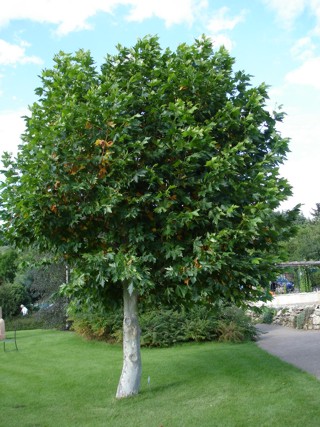


Platanus × acerifolia (p. × hispanica) London plane tree

 Symbivit Tric (arbuscular)
 Symbivit (arbuscular)
Some trees have identity crisis and scientists are trying to trace up their true origin. As these efforts often end up in argumentative sessions we tend to choose the easiest possible explanation. In the case of this London plane tree we rather believe it comes from Cenozoic platanus aceroides and was hybridized (platanus occidentalis x platanus orientalis) to this current version with large maple-like leaves.
Last update 07-12-2008
Leaves are large – 20-22 cm wide, glossy green, with 5 lobes. Fruits are prickly spheres that remain on the tree during the winter. Talking of winter, though a deciduous tree, the stunning bark displays off its beauty mainly in cold months after all leaves have fallen down and the sight of the colourful surface makes the freezing temperatures at least a bit more bearable. It adapts to any soil type, but prefers deep, moist, siliceous soil. It tolerates air-pollution, extreme temperatures, and temporary flooding. Pruning should be done by end winter. Fully hardy to -34°C (USDA 4).

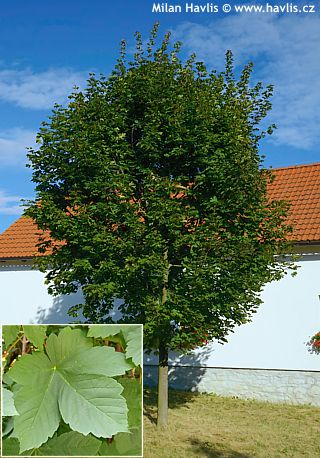
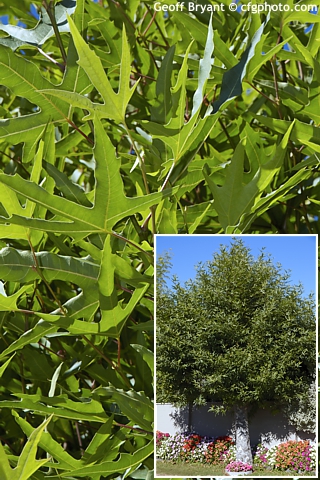
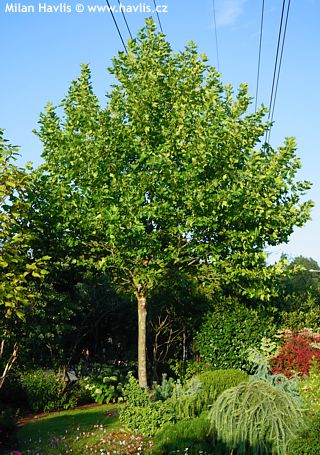
Goods are shipped all over Europe. For Russia and U.K. and for further details please read about SHIPPING OPTIONS HERE.
Are you interested in a serious discount for orders NOV-FEB? Check your options here.
THE PRICES INCLUDE VAT of 15%. For quick conversion you can use 1 CZK = approx. 0.04 EUR
- STANDARD QUALITY - Plants of this group are 1st class quality with number of branches and overall density adequate to their size and age, considering they were container grown.
- DE LUXE QUALITY - This label guarantees a luxurious quality of manually selected plants that, compared to their height and age, are exceptionally dense and beautiful.
- EXTRA - These plants are usually mature and bigger specimens with exceptional overall appearance.
- STANDARD (as described in the plant form) means a tree with a trunk of 190-210 cm and a crown at the top, unless specified differently. The commercial size for trees is their girth measured in the height of 1m from ground.
- HOBBY - These plants are of the same quality as our standard-quality plants but younger and therefore cheaper.
- SHRUB - a woody plant with branches growing bushy from the ground level.
- HALF-STANDARD or MINI-STANDARD - a small tree with shorter trunk, its size is usually specified.
- FEATHERED - These are trees with branches growing already from the base of the trunk and up along the stem.
- GRASSES and PERENNIALS - Sizes given usually read the diameter of the pot or the clump, as specified.
