













.jpg)
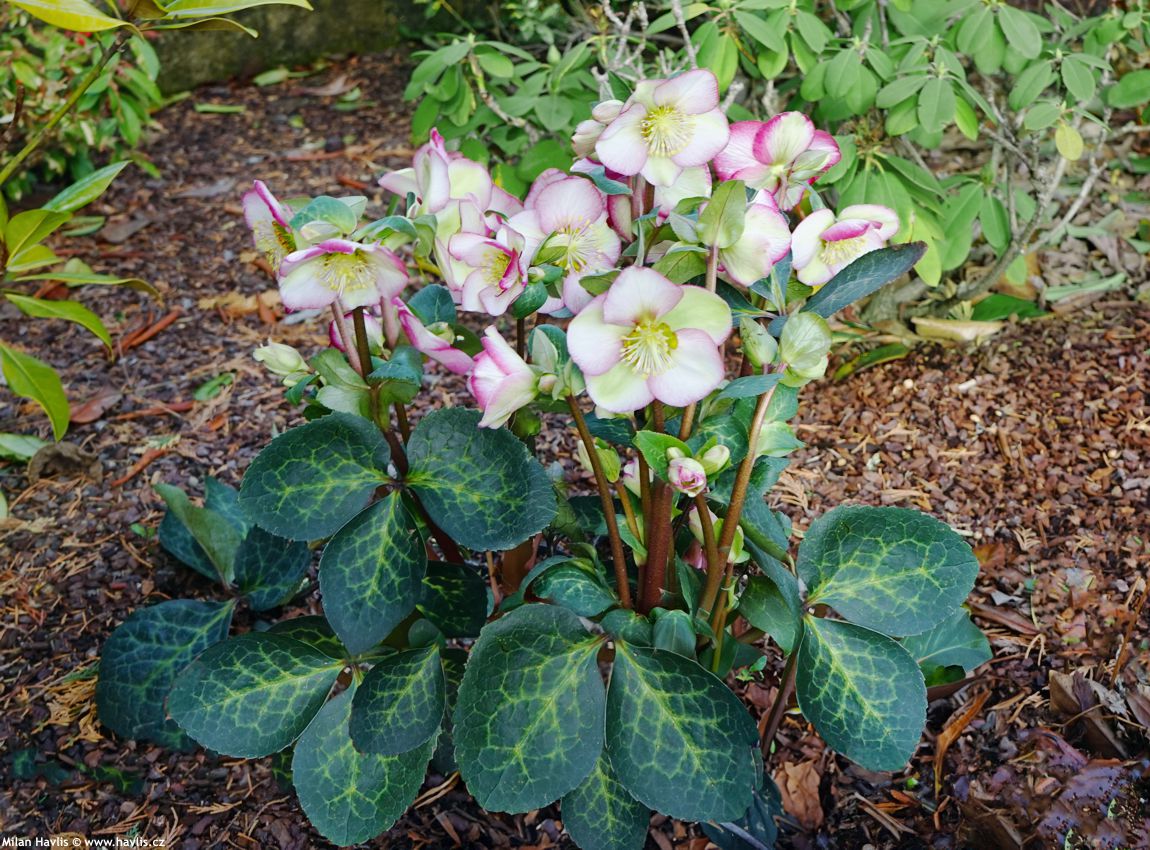 Hellebore is one of very few plants that bloom when nature is only just waking up. They come from several regions, including western and central Europe, the Caucasus, the Balkans and northern Africa. Although these places differ in climate, the beginning of their flowering season is always cold, with most surrounding plants and insects still asleep. Yet hellebores decided to bloom at this time to get ahead of everyone else, and so they had to equip themselves accordingly. It is a precisely targeted (evolutionary) strategy that would make even Napoleon stare.
 Flower structure: when roles are reversed
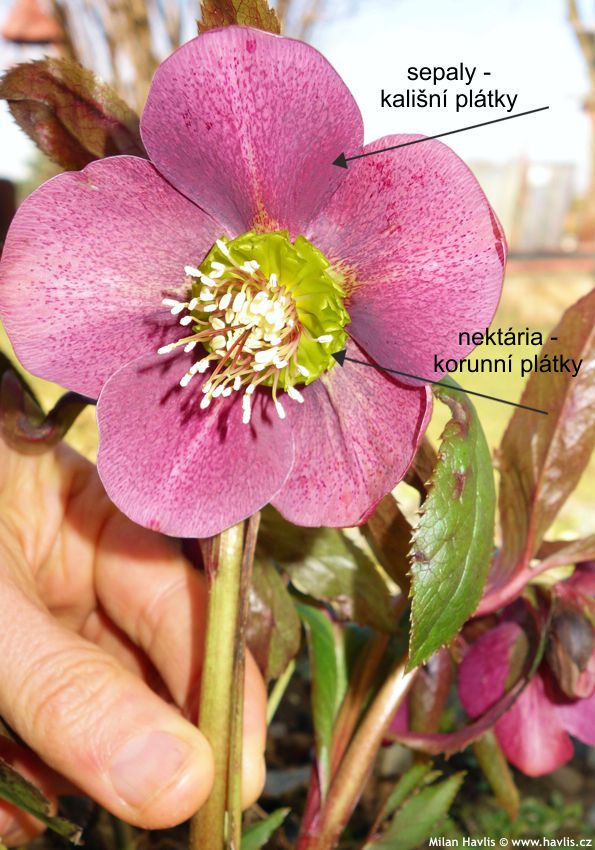
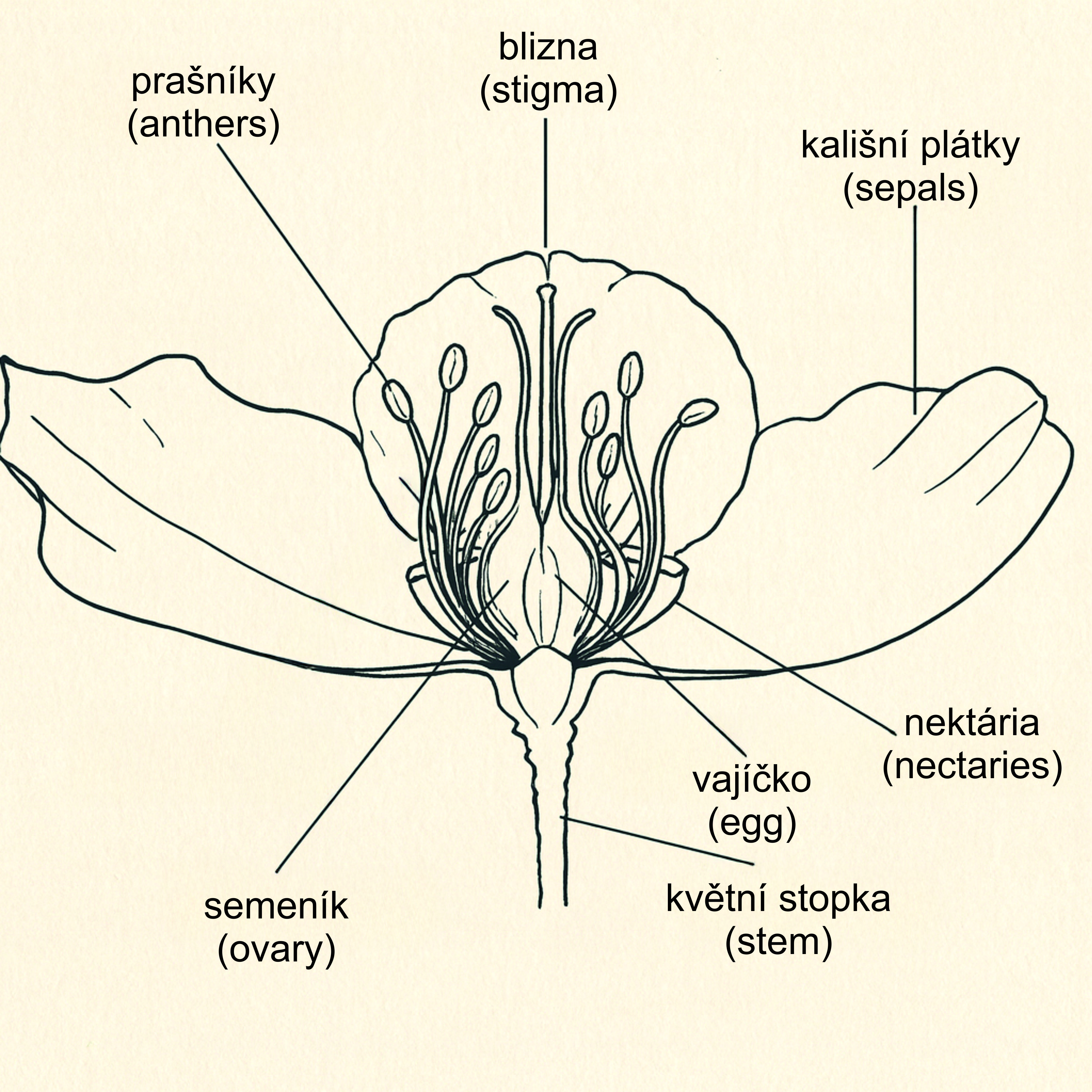
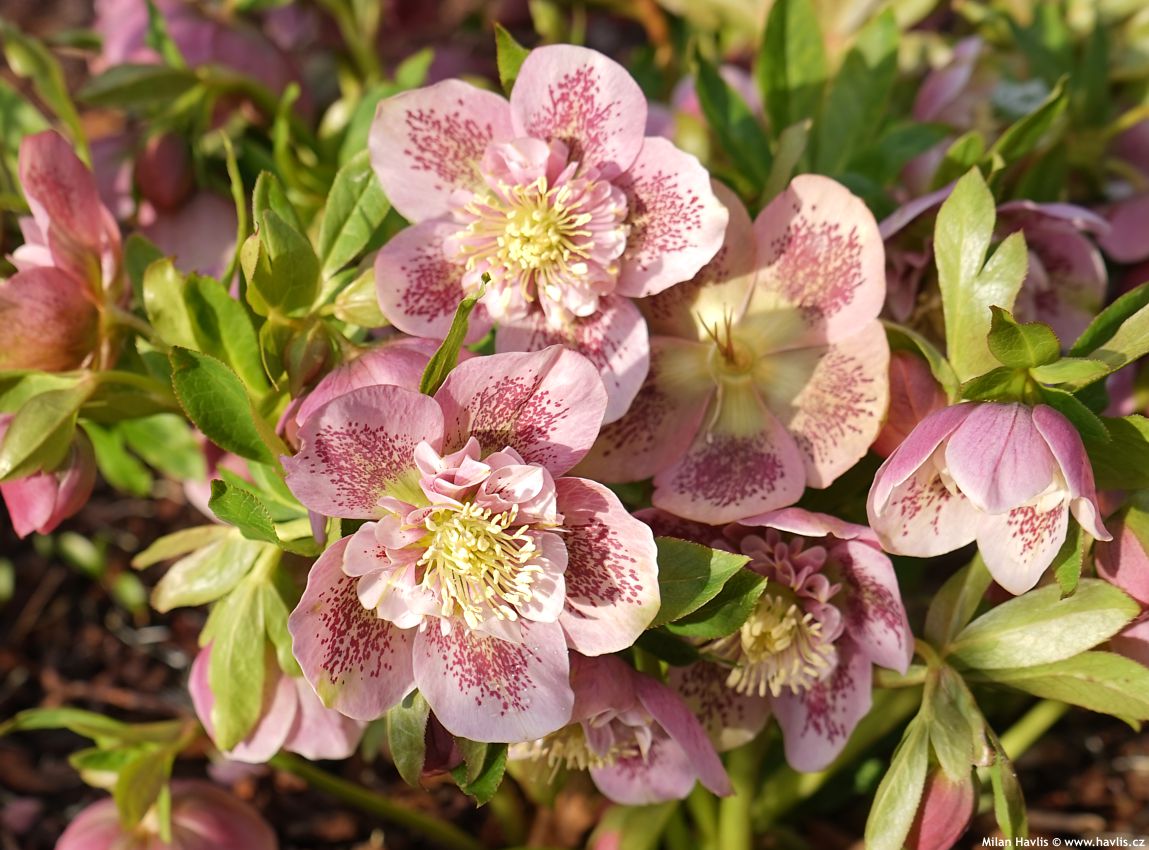
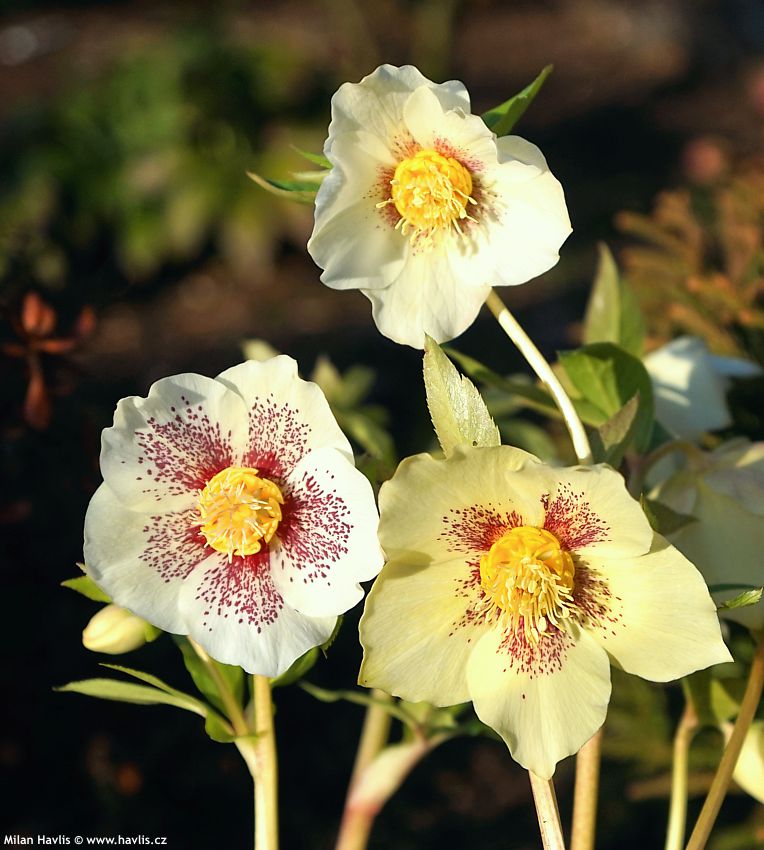
What we usually think of as the petals – the large, colourful, showy parts are not in fact petals at all but sepals. They are long lasting and often remain on the plant for weeks after flowering. Their main aim is to attract visitors, the pollinators, and to protect the inner parts of the flower. Thanks to them, the plant chooses the right consumer of its nectar and does everything it can to keep the guest lingering long enough to help it produce offspring. How?
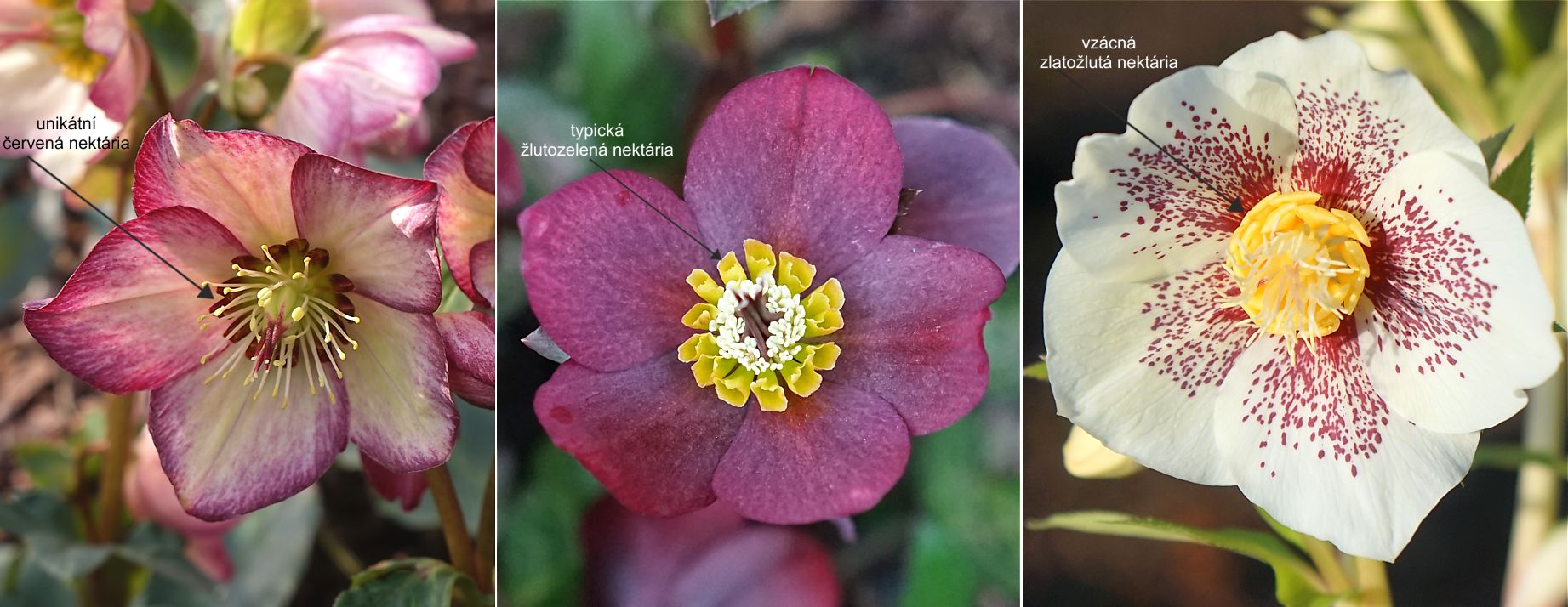
By reducing its true petals and transforming them into nectaries – small tubular or pouch-like structures that produce nectar. They do not transform into necaries during flowering; the petals are formed so from the start, as their function is determined in the floral meristem. In other words, the nectaries have lost their ornamental role and specialised entirely in producing a reward for pollinators. And they offer a good meal to their vistors, but expects something in return.
 A short window of opportunity
While the sepals remain for a long time, the nectaries are surprisingly short-lived. They actively produce nectar only for a limited period, often just a few days. Afterwards they wither and fall off, even if pollination has not occurred. Hellebores do not rely on long wait. Their strategy is built on a short but intense pollination window during which they must encounter the right pollinator. It is a bit like speed-dating, where you expect a clear outcome rather than hoping for a phone call that never comes.
 The right guest for a winter feast: the bumblebee
In winter and early spring, the choice of pollinators is limited. Honeybees are often still inactive, hoverflies have not yet emerged, but bumblebees are already out, exploring the terrain. They are among the hardiest insect pollinators, able to fly at low temperatures, leaving their nests much earlier and staying out until late afternoon. And when they find a freshly opened flower full of nectar, they have no reason to move on. They land, settle in, extend their proboscis deep into the nectary and resemble a sleepy baby suckling at its mother. Slow, calm, but persistent.
The hellebore flower offers them a sheltered space where they can remain for a long time. The tubular nectaries require the proboscis to be inserted deep into the flower, ensuring repeated contact with stamens and pistils, which means effective pollination. A bumblebee that practically lives inside the flower is, from the plant’s point of view, the ideal partner. One long visit has a greater pollinating effect than many short and accidental ones.
 Why only some plants choose this path
Does it sound like the perfect marriage? Then why not all flowers turn their petals into nectaries? Because it is a highly specialised strategy that pays off only under certain conditions: where pollinators are scarce, the flowering period is short and the risk of nectar loss due to weather is high. Hellebores know very well that although they insist on flowering early, they must be able to protect their reproductive organs if the weather suddenly worsens. They cannot afford to waste nectar in the way many spring or summer flowers can, when losing a few blossoms means little harm because they have time and energy to produce more. For those plants, a simpler model is enough: showy petals as a signal and nectar produced elsewhere in the flower.
 A quiet but effective pact
When a bumblebee lands on a hellebore flower on the first sunny days of late winter and spends long minutes working inside it, we are not witnessing chance. We are seeing the result of a long evolutionary agreement in which a short pollination window, a protected reward and a persistent pollinator meet. It is one of many wonders showing how perfectly nature can coordinate its players, even though this is not the only possible solution. So next time you see a slow bumblebee lingering in a single flower with barely any movement, remember this. It is not because he is a lazy little fatty who cannot be bothered to fly elsewhere. He knows exactly why he is there, he is doing an excellent job and the flowers are grateful for it.
