





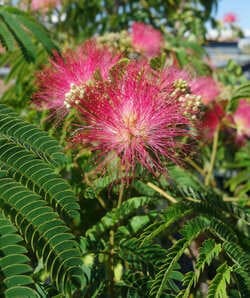
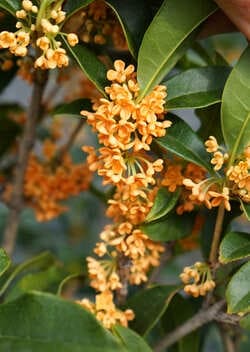






.jpg)
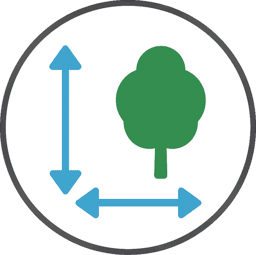
According to the Czech Civil Code, you must observe the following distances:
• For trees that may at any time in the future exceed a height of 3 metres, the minimum distance is 3 metres from the boundary line of the parcel.
• For trees (and shrubs) of lower height, the minimum distance is 1.5 metres from the boundary line.
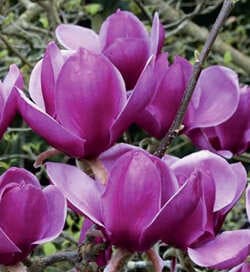
It looks simple, doesn’t it? At first glance yes, but don’t be naïve – it is statutory law, and interpretation of its wording can be costly. Sometimes very costly. To avoid losing several months’ salary or having to fell a beautiful pine or magnolia, read on.
This matter is governed by Section 1017 of Act No. 89/2012 Coll., the Civil Code (effective 2014), which states:
(1) If the owner of a parcel has a reasonable cause, he may require the neighbour to refrain from planting trees in close proximity to the common boundary, and if the neighbour has planted them or allowed them to grow, to remove them. Unless another legal regulation provides otherwise or local custom dictates differently, the permissible distance from the common boundary is 3 metres for trees that usually grow to a height exceeding 3 metres, and 1.5 metres for other trees.
(2) Paragraph 1 does not apply if there is a forest or orchard on the neighbouring parcel, if the trees form a boundary hedge, or if the tree is specially protected under another legal regulation.
In practice, paragraph (2) often extends to public land, where overhangs are generally tolerated. But details matter, and one must consider how they are commonly interpreted – or how they might be construed in litigation.
 Shrubs – how the law treats them
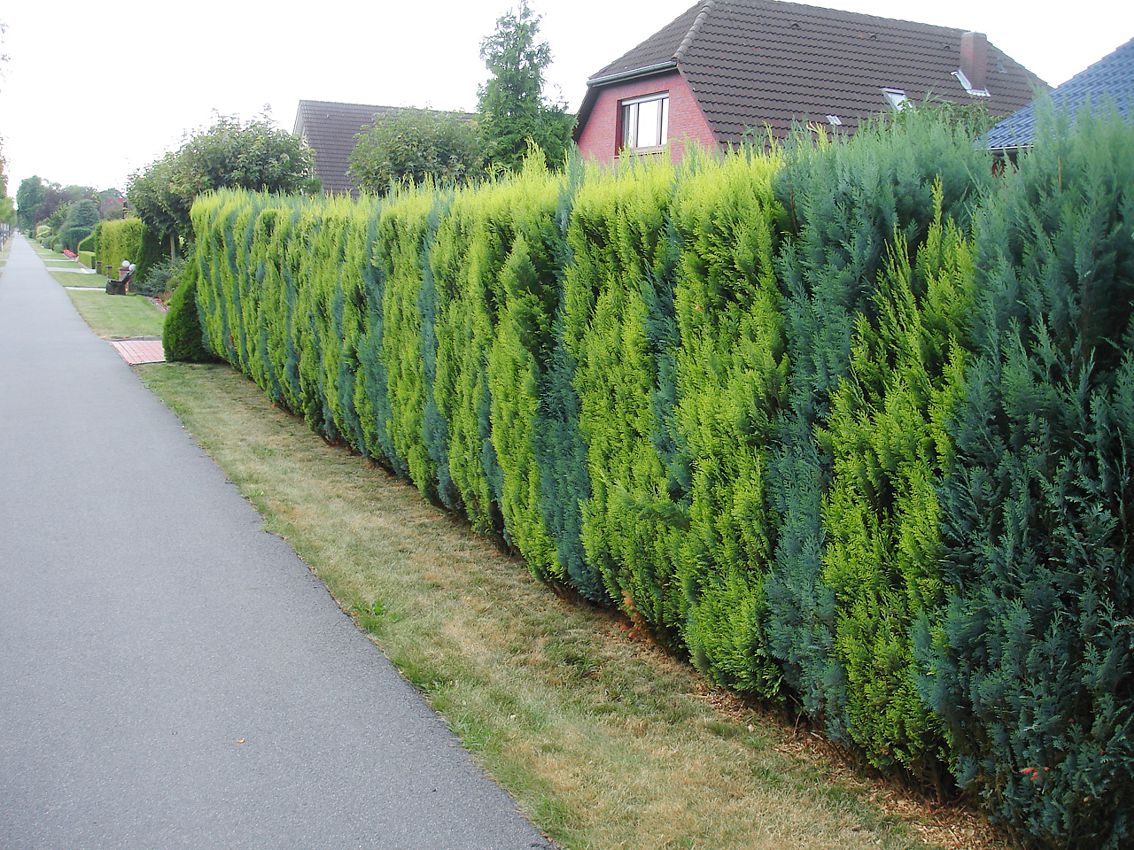
The statute speaks of “trees”, not of “shrubs”. The law does not distinguish botanical categories but rather the practical impact of vegetation – its mass, growth, and potential nuisance. Section 1017 therefore defines shrubs indirectly, by reference to height. Thus, for hedges of shrubs that will not exceed 3 metres in height, the minimum distance of 1.5 metres from the boundary applies, measured from the centre of planting (the axis of the shrub).
In reality, this rule is often ignored. Most garden owners use hedges, and both sides usually benefit. Yet not everyone appreciates a hedge encroaching onto their land. And one is legally entitled to demand that it not happen. This situation – and more – is addressed by another provision of the Civil Code, not about distances but about consequences.
 Encroaching vegetation – roots and branches
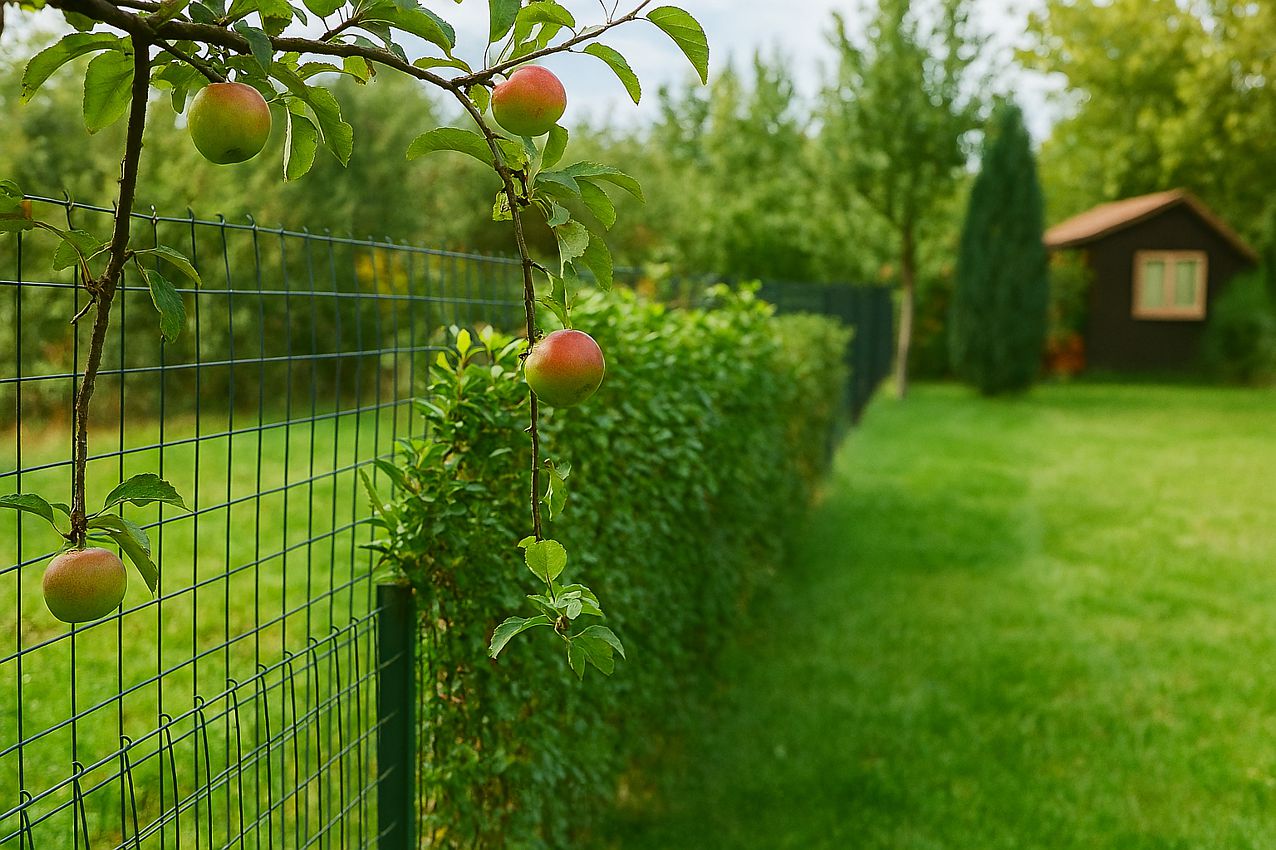
Encroaching branches, roots, and other plant parts are governed by Section 1016, crucial for hedges and shrubs:
(1) Fruits fallen from trees and shrubs onto the neighbouring parcel belong to the owner of that parcel. This does not apply if the neighbouring parcel is public property.
(2) If the owner does not act within a reasonable time after being requested by the neighbour, the neighbour may, in a considerate manner and at an appropriate season, remove roots or branches encroaching onto his parcel, if they cause damage or other inconvenience outweighing the interest in preserving the tree intact. The neighbour acquires what is removed.
(3) Parts of other plants encroaching onto the neighbouring parcel may be removed by the neighbour in a considerate manner without further restriction.
Paragraph (3) is decisive for hedges: it allows the neighbour to remove parts of shrubs or hedges without prior notice or assessment of inconvenience. But note the word “considerate”. It is not an empty phrase. It means you must know how to prune the species, when it is appropriate, and what extent of cutting it can tolerate. An inconsiderate intervention that damages or kills the plant could expose you to liability. As for the fruit, you are not permitted to pick it from the tree yourself, but you must allow your neighbour – the owner of the tree – to enter your land in order to harvest it. It may not make much sense, but that is the interpretation given by lawyers.
 Nuisances – “imissions” in law
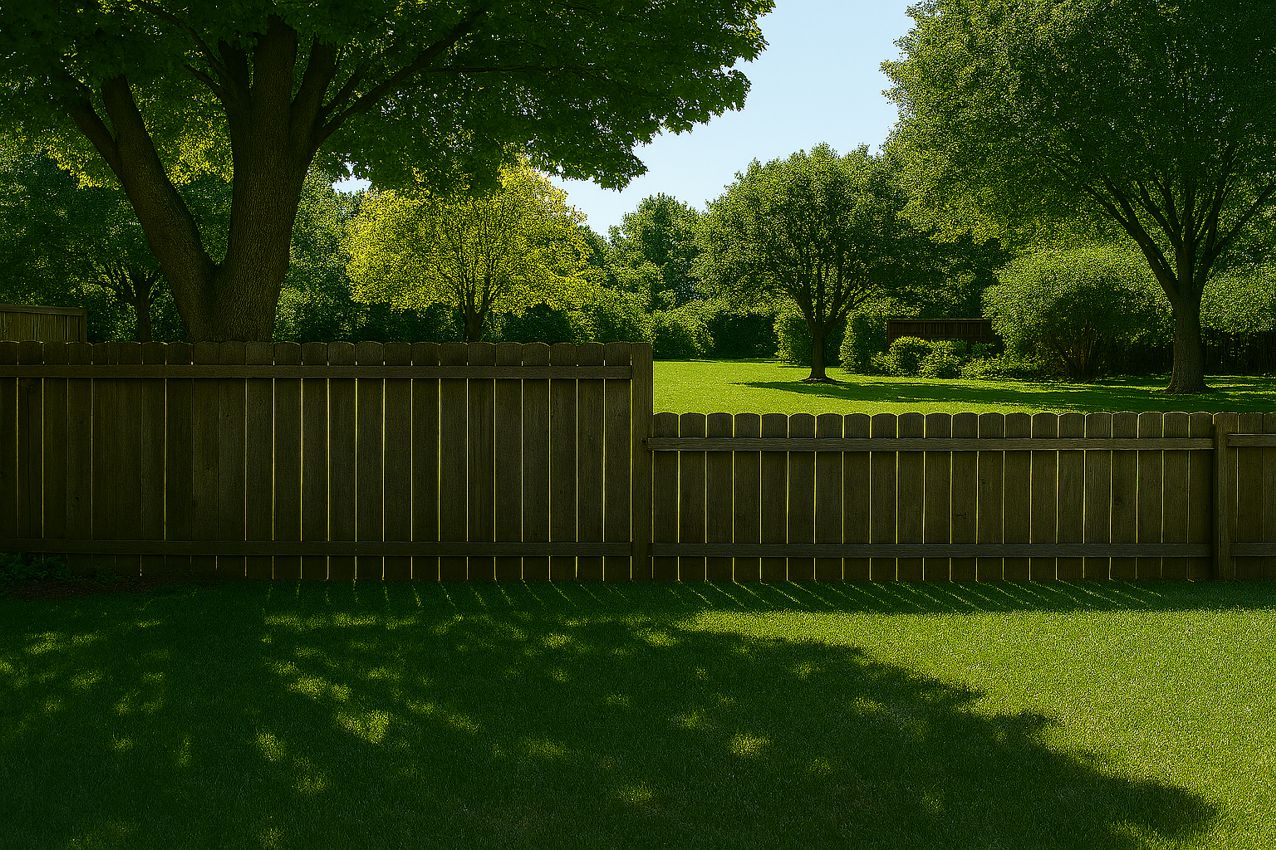
Every plant produces something: leaves, fruit, pollen, shade, moisture. Sometimes even sound – such as the rustling of a bamboo grove that drives you mad at night – or odour, like a manure heap in a suburban area. These are effects that do not respect property boundaries. The Civil Code addresses them under the concept of “imissions”.
Section 1013 provides:
(1) The owner shall refrain from anything that causes waste, water, smoke, gas, odour, light, shade, noise, vibrations, or other similar effects (imissions) to enter another’s parcel to a degree disproportionate to local conditions and substantially restricting the ordinary use of the parcel.
From a gardening perspective, this clearly includes shade, moisture, and litter (leaves, needles, fruit). Not every leaf on a neighbour’s lawn is a problem, and not every shadow is unlawful. The law hinges on two concepts: disproportionate to local conditions and substantial restriction of ordinary use. The law recognises that gardens on both sides of a fence are living cultures that naturally involve imissions. It does not prohibit their existence, only their excess. Hence imissions are among the most frequent yet most complex neighbour disputes, as their assessment depends on local conditions and, in difficult cases, prior court decisions.
Compliance with distance – yet still a problem
Observing the statutory planting distance (3 m or 1.5 m) does not guarantee safety. Even a tree planted in compliance with Section 1017 may later become a source of excessive imissions – long term shading, massive leaf fall, or restriction of use of the neighbouring parcel. In such cases, the issue is not distance but impact, and Section 1013 applies.
Judicial practice confirms that even a “properly” planted tree is not untouchable. For example, the District Court in Chrudim, judgment of 26 April 2021, file no. 12 C 282/2018 236, addressed shading caused by mature Douglas firs. Although the trees were not planted unlawfully, the court allowed intervention because their effects substantially restricted ordinary use of the neighbouring parcel. The conclusion is simple: statutory distance is only a starting point – if vegetation disrupts neighbourly balance long term, the court may order limitation or even removal.
Agreements between neighbours – when they bind
Neighbours often agree to plant trees or hedges closer to the boundary than the law allows. As long as they know each other and share the same vision of coexistence, it works. The problem arises when one parcel is sold and a new owner appears. The Civil Code permits deviation from statutory distances by agreement or local custom (§ 1017), but an ordinary written or oral agreement binds only the parties who made it. A new owner is not bound and may demand compliance with statutory distances, even if the previous owner consented.
Only if the agreement is established as a real servitude (easement) and registered in the Land Register does it “run with the land” and bind subsequent owners. In other words: today’s friendly agreement may easily become tomorrow’s legal dispute if not secured for the future.
 Gardening on leased land – who owns the plants?
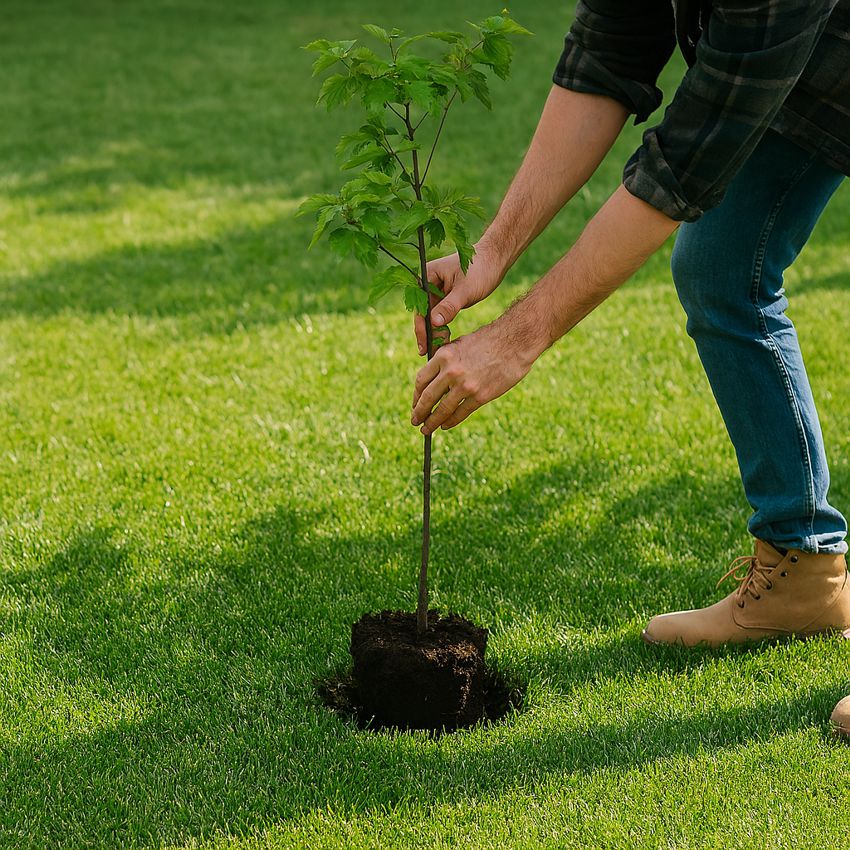
If you use a parcel or garden under a lease, anything you plant is subject to the general rule of the Civil Code on components of real property.
Section 506 Civil Code:
(1) The component of a parcel is the space above and below the surface, structures erected on the parcel and other facilities (hereinafter “structure”) except temporary structures, including what is embedded in the parcel or affixed to walls.
(2) If an underground structure is not an immovable, it is a component of the parcel even if it extends under another parcel.
Thus, once a tree, shrub, or other permanent vegetation takes root, it becomes a component of the parcel and therefore the property of the owner, not the tenant. Even if you purchased and planted the vegetation with the landlord’s consent, you cannot remove it at the end of the lease. Removal would be interference with another’s property. Only if the lease expressly stipulates otherwise – e.g., that the tenant may remove plantings at termination or will be compensated – does a different rule apply.
Conclusion – law as safeguard, not weapon
The law provides clear rules and rights of defence. But since a garden is a living space where people coexist long term, it is always better to start with communication before problems arise. Tell your neighbour what you plan to plant – if at all with a question mark – and give them a chance to respond, or tell them early if something bothers you and let them resolve it themselves. Law should be the last resort, not the first – functioning as a safeguard, not a weapon. Complaints to authorities and lawyers should be reserved for the case when the neighbour turns out truly obstinate despite all your kind attempts and refuses to listen.
Author’s note: we are not a law firm, and the above must not be regarded as a legal interpretation.
