

































.jpg)
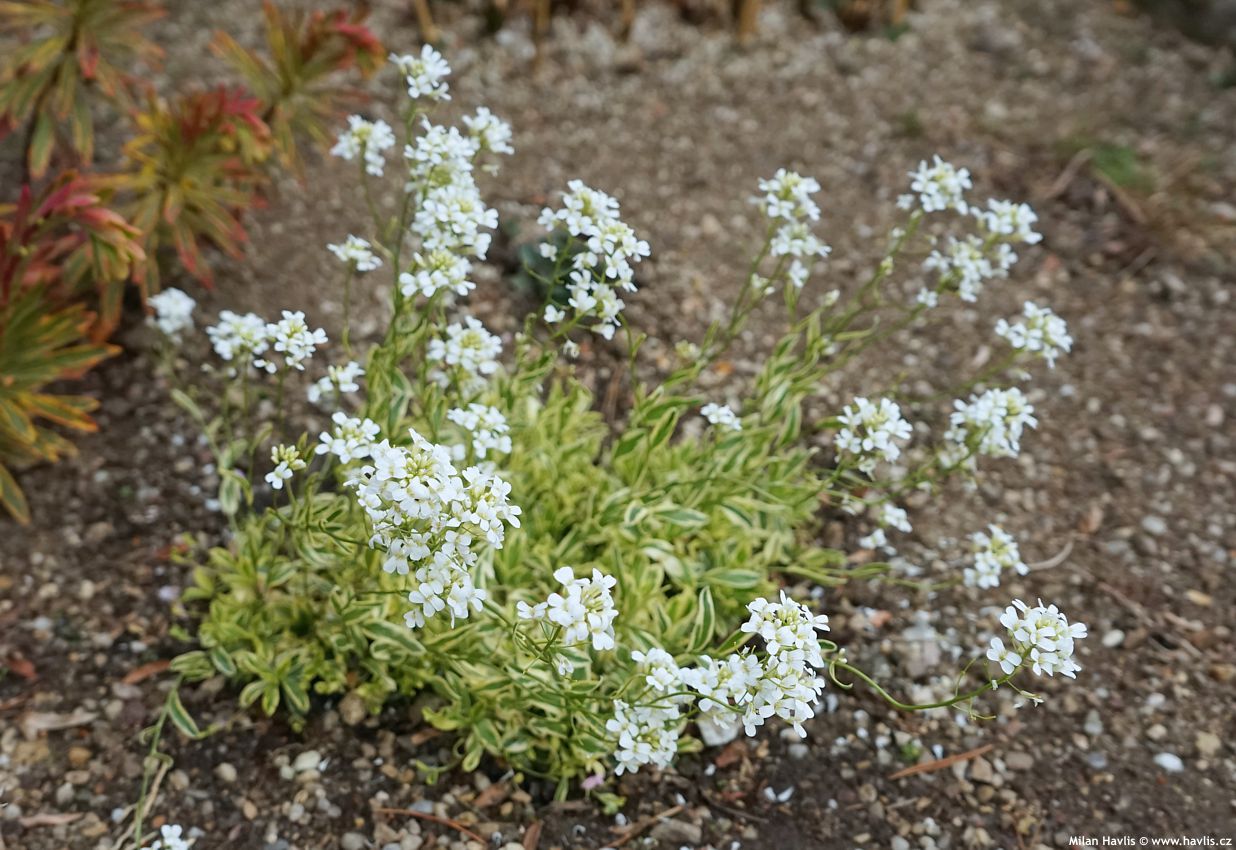
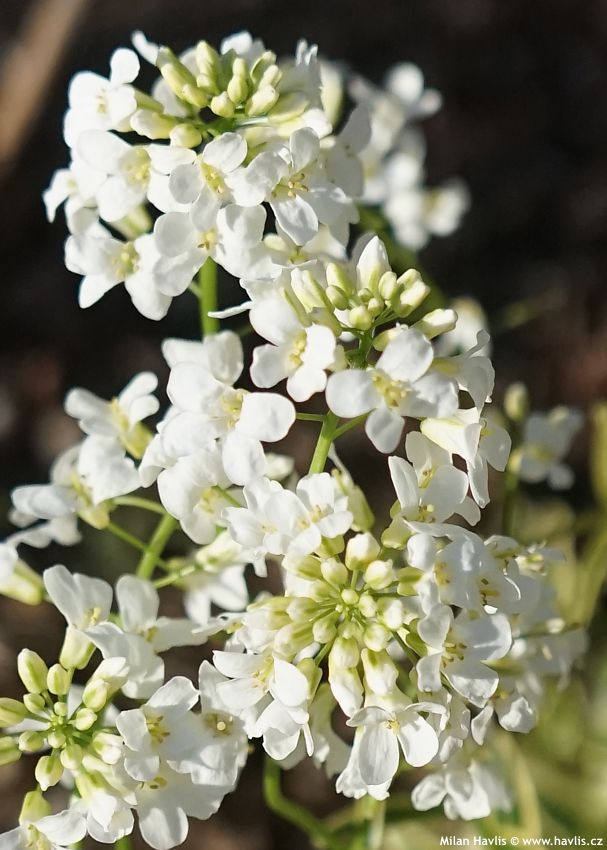
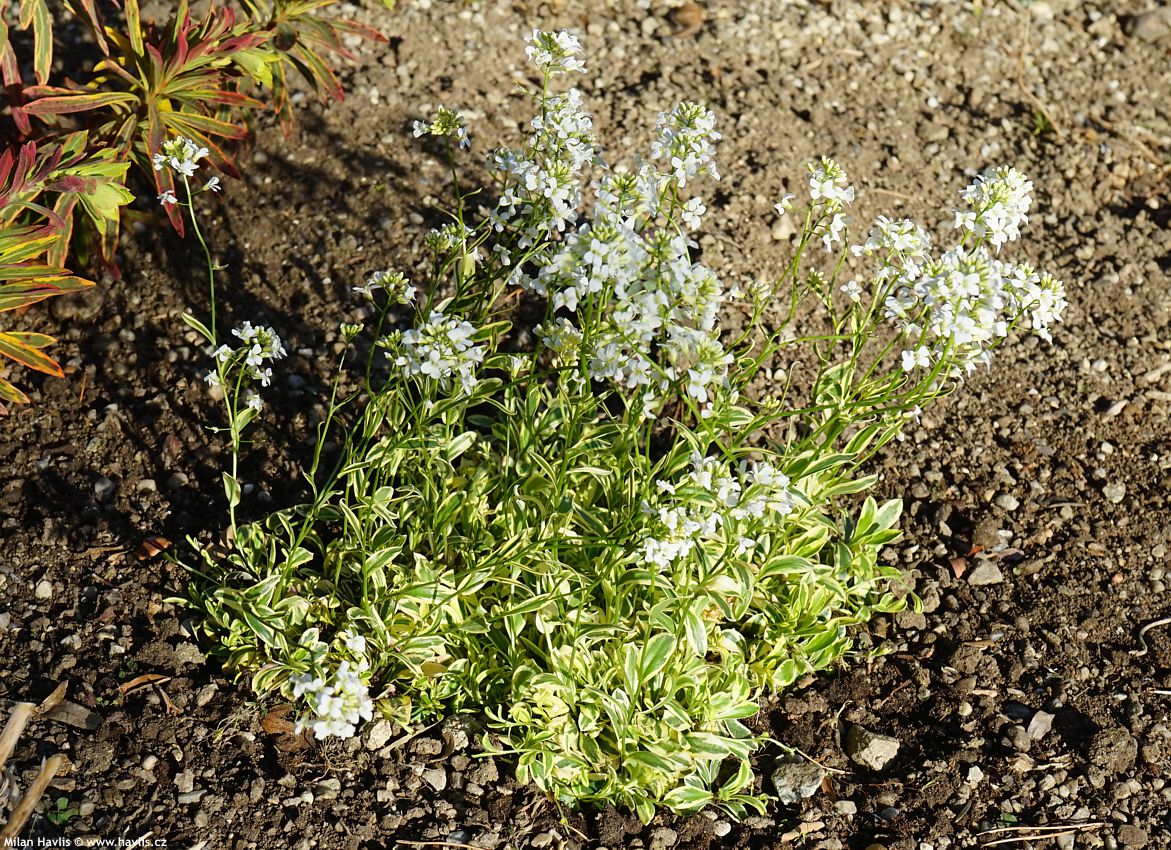
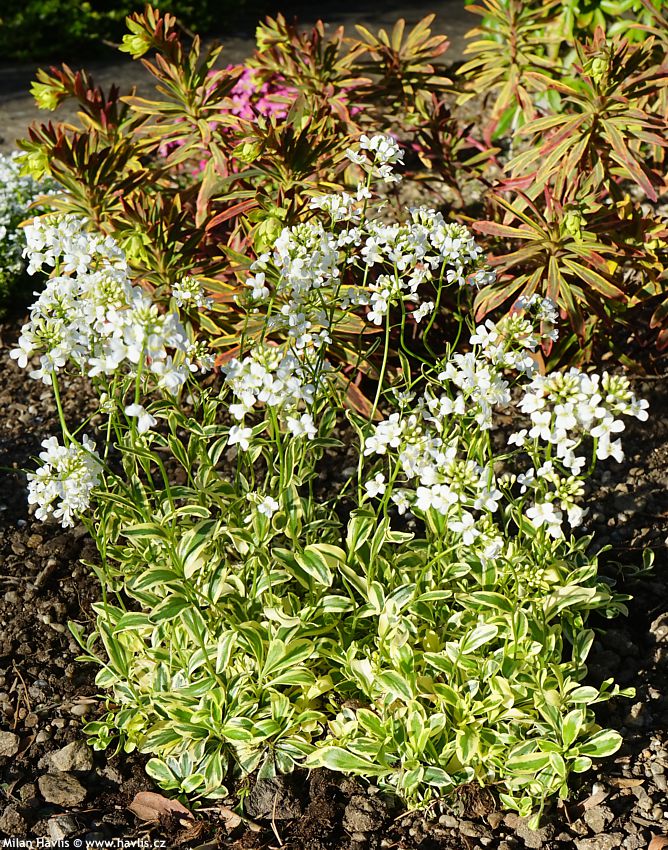
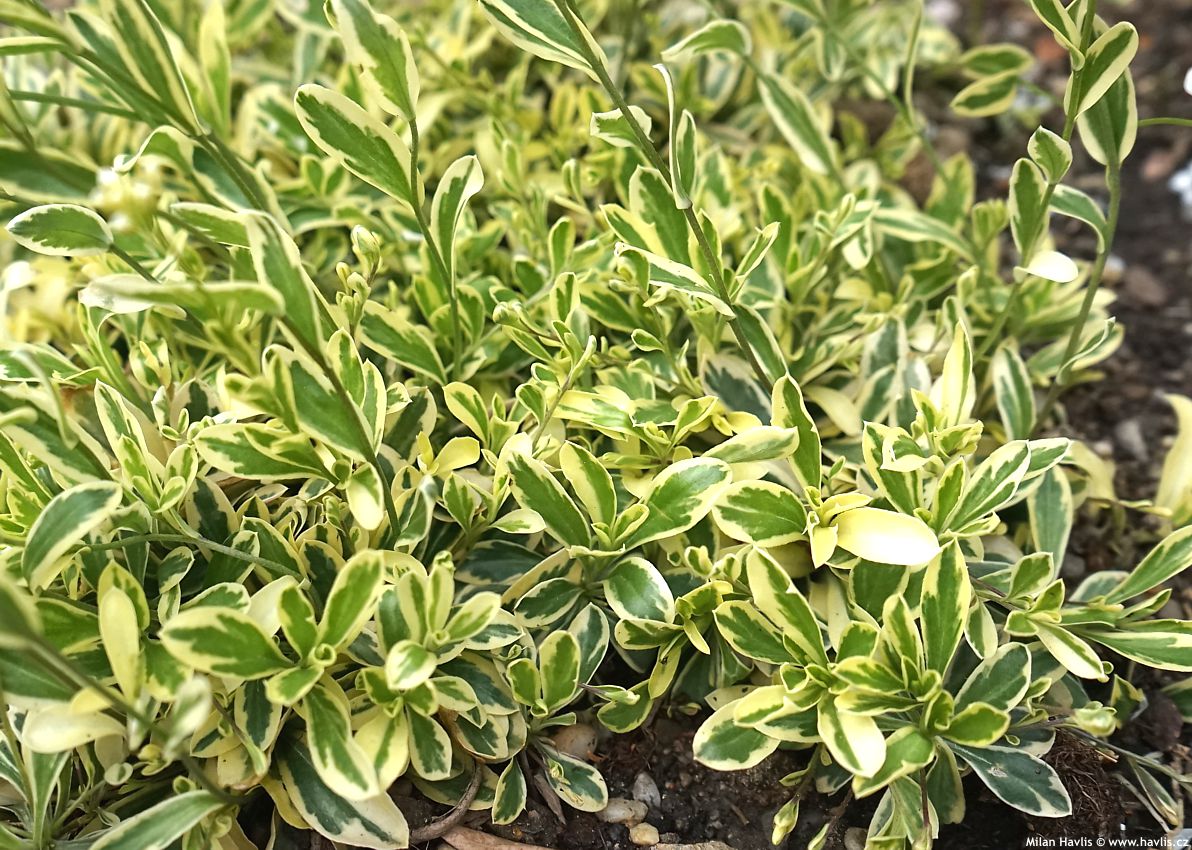
Arabis ferdinandi-coburgii 'OLD GOLD' Ferdinand’s rock cress

 Symbivit Tric (arbuscular)
 Symbivit (arbuscular)
Arabis
The genus Arabis, known as rock cress, belongs to the Brassicaceae family and its botanical history reaches back to Linnaeus, who described it in 1753. Modern molecular research has shown that the original broad concept of the genus included two unrelated lineages, which led to the separation of the North American species into the distinct genus Boechera. Most gardeners associate rockcress with brightly coloured spring perennials such as A. alpina, A. caucasica or the vivid pink A. blepharophylla, which form dense cushions of flowers with the first warm days of spring. In reality, the genus is far more diverse and includes creeping ground-cover species such as A. procurrens and high‑mountain specialists that cling tightly to the terrain like small botanical anchors. The Old World Arabis form a compact group of low, often hairy perennials inhabiting rocks, screes and mountain slopes across Eurasia, where they can establish even in the thinnest layer of soil. This ability to colonise inhospitable ground made them popular alpine plants at a time when European gardens began to imitate mountain flora, and the genus has retained its reputation for combining understated beauty with resilience.
Arabis ferdinandi‑coburgii is a narrowly defined Balkan endemic from the highest parts of Bulgaria’s Pirin Mountains, where it grows on limestone and silicate rocks, in screes and on stony alpine meadows exposed to strong winds, intense sunlight and long winters. The species was described in the early 20th century and bears the name of Ferdinand I of Bulgaria (1861–1948), a patron of botanical exploration and the study of Balkan flora, whose name appears on several local taxa (e.g. Haberlea and Saxifraga). It forms low, tightly pressed cushions typical of high‑mountain species that survive thanks to their ability to root in minimal substrate; its natural habitat is harsh but botanically remarkable, a classic example of adaptation to extreme alpine micro‑sites.
Old Gold is a Ferdinad’s rock cress variety, one of the less common forms, grown not for its spring flowers – although it flowers freely – but for its foliage, which provides year‑round interest. It forms low, compact cushions pressed closely to the ground, creating small sunlit patches among stones or gravel. The evergreen leaves are fresh green in the centre with a broad, buttery yellow margin. Their shape is unusual: most are narrowly lanceolate and pointed, but some are narrowly obovate with a perfectly rounded tip. They are firm in texture, slightly bristly along the edges and rather glossy. The pure white flowers appear early in spring on slender stems about 20 cm tall. They are arranged in a terminal raceme, though at first glance they resemble elongated panicles. The leaf colour is stable and does not revert to plain green. The exact year of introduction and the name of the breeder remain unknown, but the cultivar has been listed in horticultural catalogues since the 1980s.
Last update 26-04-2026
Ferdinand’s rock cress is a high‑mountain species that requires a perfectly drained, stony site and does not tolerate winter wet. It grows best in full sun in a poor, mineral substrate with a high proportion of grit or coarse gravel, where water drains quickly and the roots do not remain wet for long. In heavier or richer soils it loses its compact habit and may gradually decline, especially after damp winters. A slight elevation above the surrounding ground, a dry-stone wall or a gravel bed with good air movement helps the plant to dry quickly after rain. Watering is needed only sparingly, mainly in the first year after planting; later it is reliably drought‑tolerant. Feeding is unnecessary and often harmful, as it encourages overly lush growth at the expense of a compact shape. Under ideal conditions it can withstand at least –27 °C, with winter survival determined more by soil moisture than by temperature.

.jpg)
