

































.jpg)
.jpg)
.jpg)
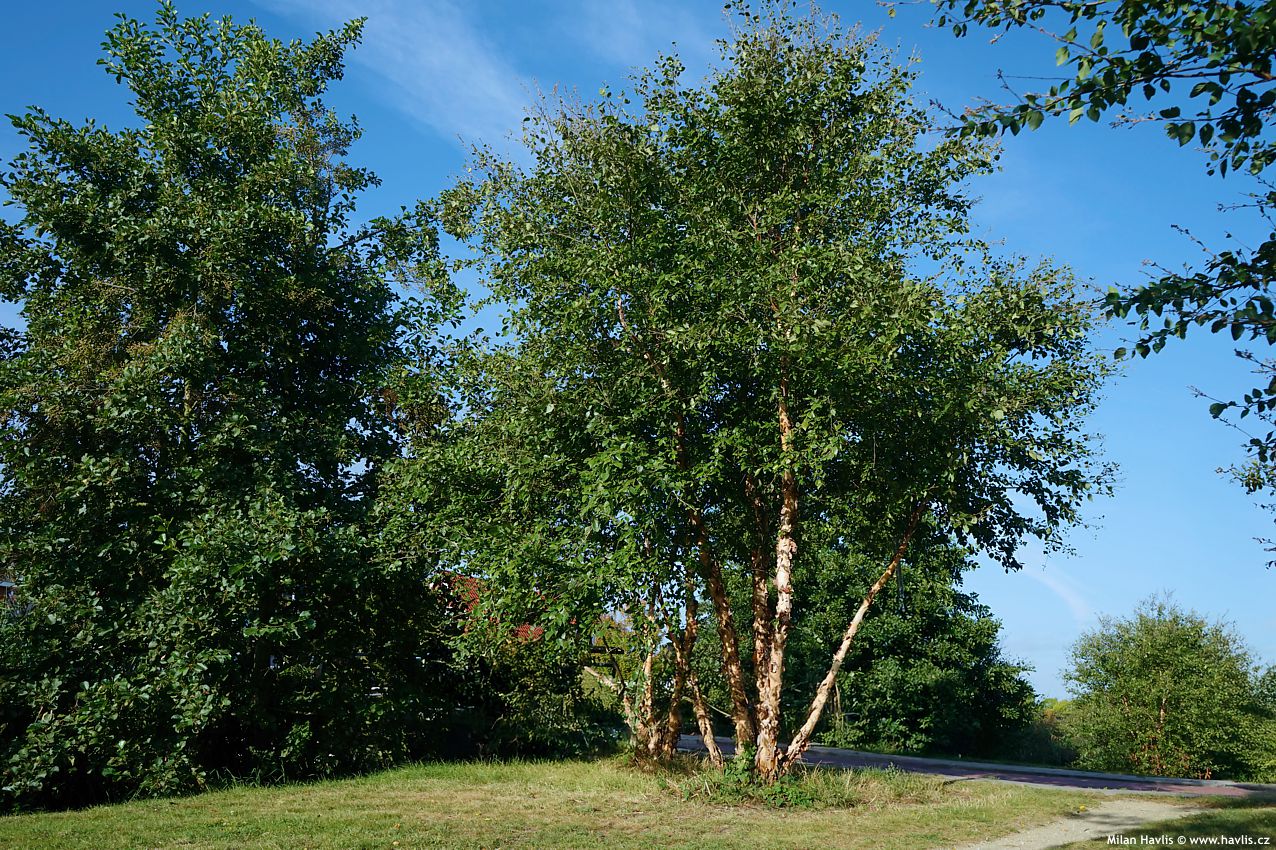
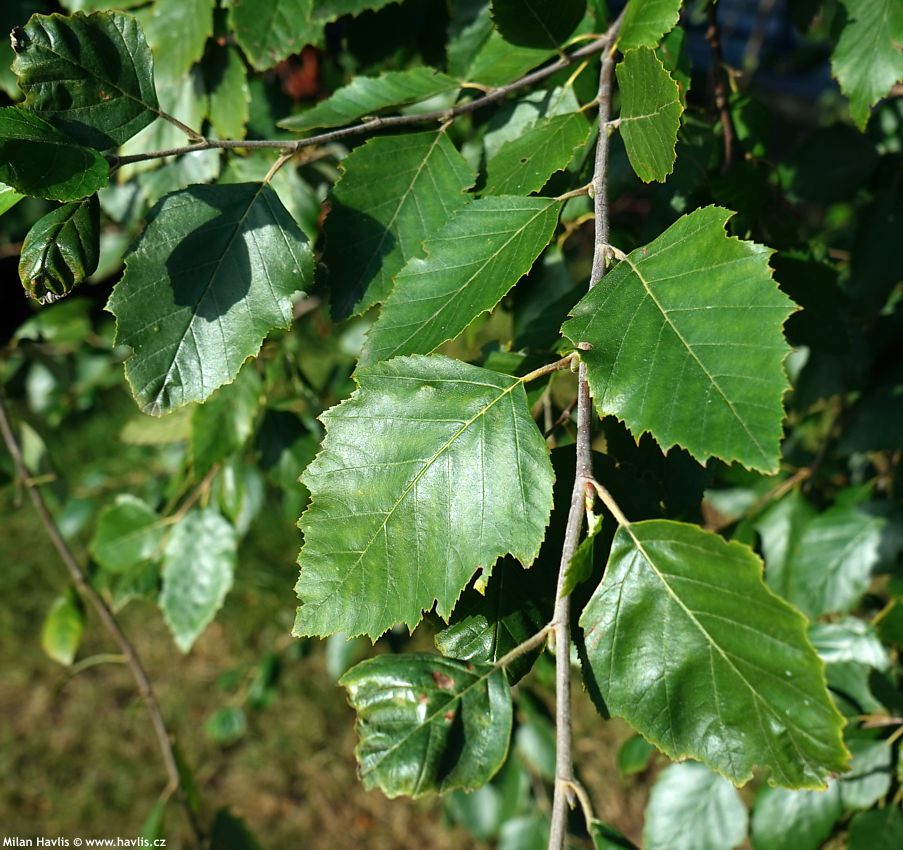
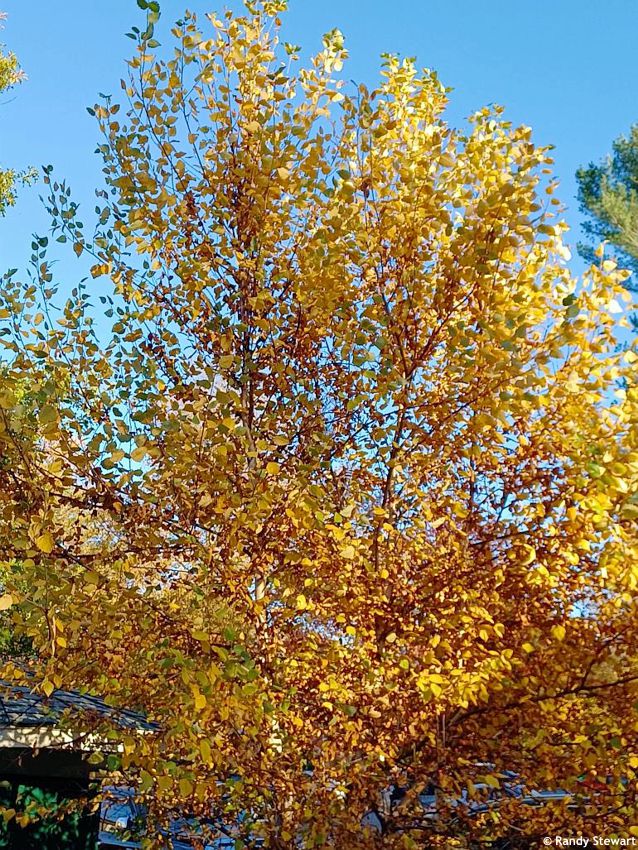
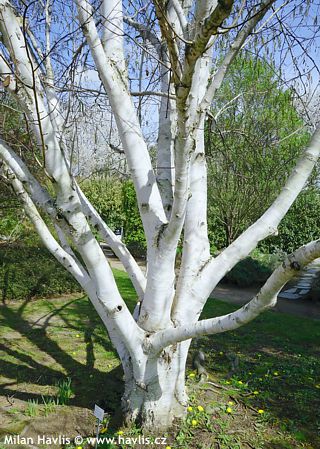
Betula nigra River birch

 Ectovit (ectomycorrhizal)
Betula
The genus Betula comprises roughly sixty species of deciduous trees and shrubs distributed across the Northern Hemisphere, from subarctic regions to the mountain belts of the temperate zone. Birches belong to botanically ancient lineages, with fossil pollen known from the Tertiary period, and in the landscape, they appear as classic pioneer species, able to colonise disturbed ground with remarkable speed. The first coherent botanical treatment of the genus was produced by Carl Linnaeus (1707–1778), who placed birches among the fundamental woody plants of the European flora. Since then, they have served as a model example of trees adapted to extremes of light, cold and nutrient‑poor soils. In human culture, birches occupy a distinctive position, ranging from Nordic mythology and folk medicine to the practical use of bark, wood and sap, making them one of the most instantly recognisable tree genera of the temperate world.
River birch, Betula nigra, is a North American species naturally tied to river landscapes, occurring along streams, rivers and periodically flooded alluvial plains from south‑eastern Canada to Texas. It reached European gardens surprisingly early, when it was introduced in 1736 by Peter Collinson (1694–1768), a London merchant and botanist who enthusiastically mediated new North American trees to European horticulture. From there it found its way into Central Europe, where from the late nineteenth century it was cultivated mainly as a collection tree in aristocratic parks and dendrological collections, including the Průhonice Botanic Park near Prague. It never became a standard park birch, remaining instead a tree for connoisseurs and collectors, as well as for practical use, because as a species of water and shifting riverbanks it can tolerate repeated flooding, exposed roots and fluctuating water levels, a combination that still sets it apart from most other birches.
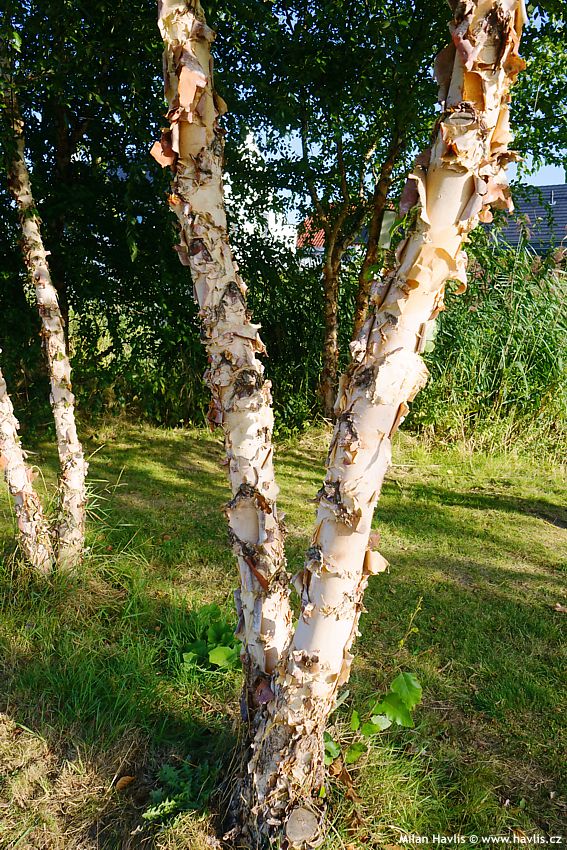
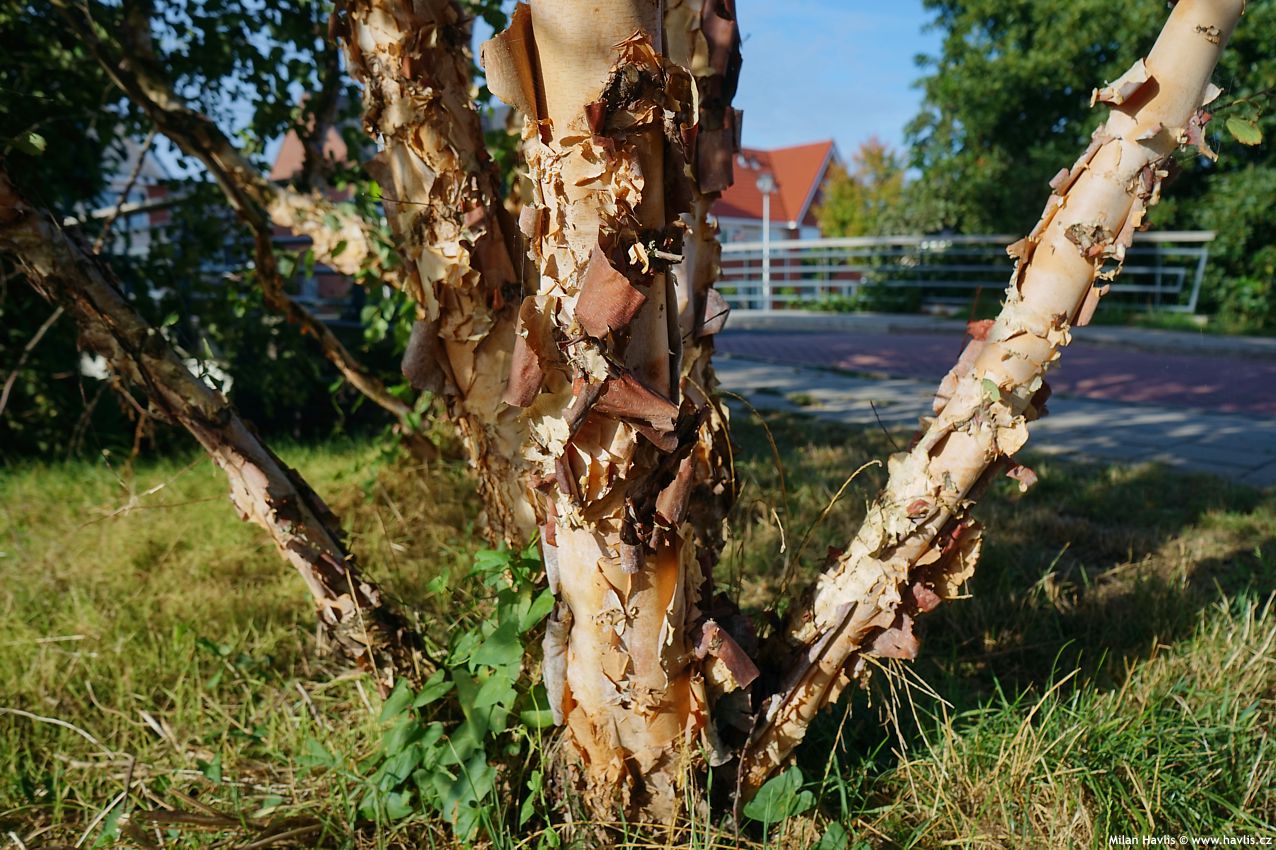
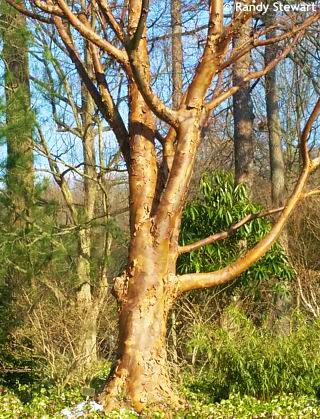
River birch is sought after by landscape architects and tree enthusiasts above all for its bark. Even its name does not allow you to expect white and smooth bark in the way many of us associate with birches from childhood. Young twigs are dark to almost blackish brown, gradually thickening and changing colour with age, while trunks and major branches begin to shed their outer layers like a snake. The bark peels off in thin, papery strips and plates that curl and fray, revealing beneath them shades of beige, deep amber, cinnamon, caramel and mahogany brown. The leaves are deciduous, ovate to triangular, 5 to 10 centimetres long, with a distinctly serrated margin, deep green in summer and turning warm yellow in autumn, when they flutter in the cool air like small golden coins in the crown.
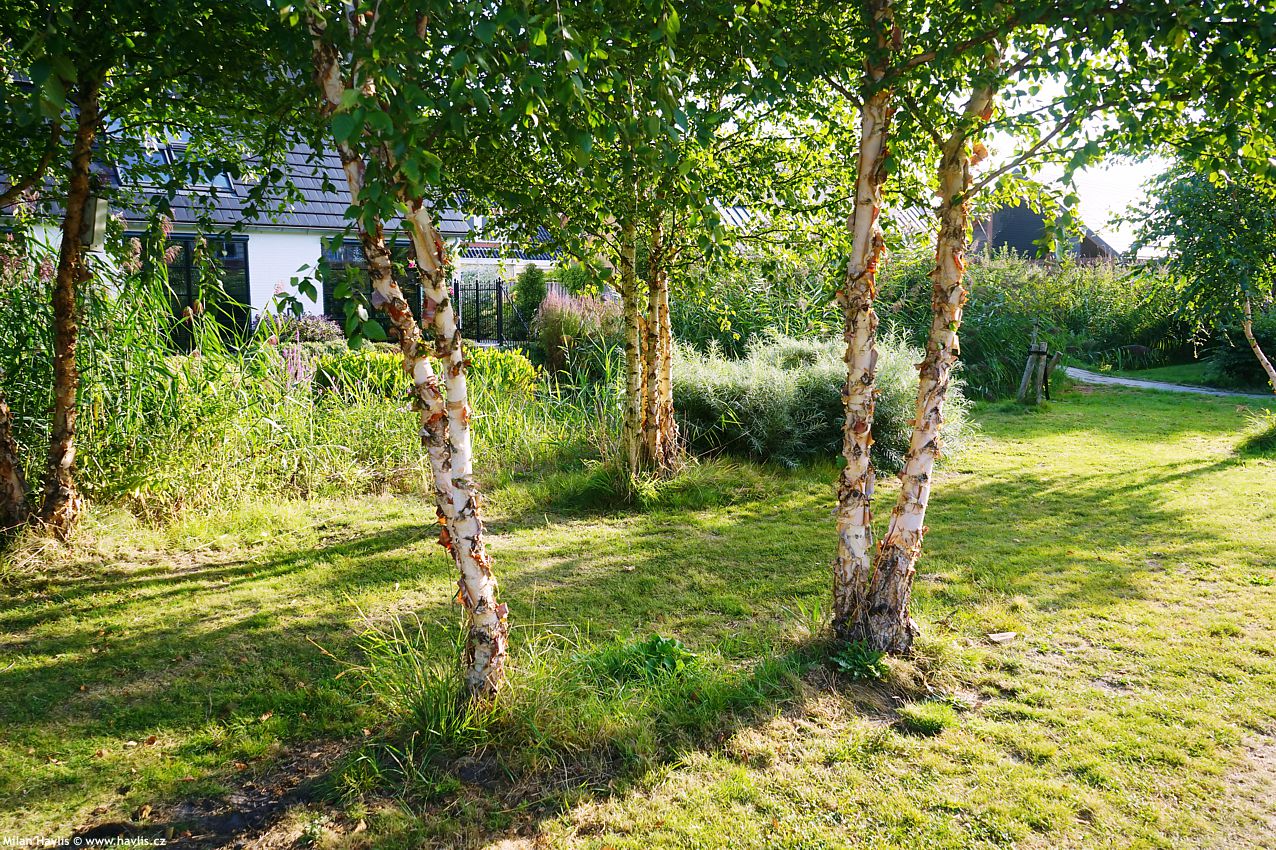
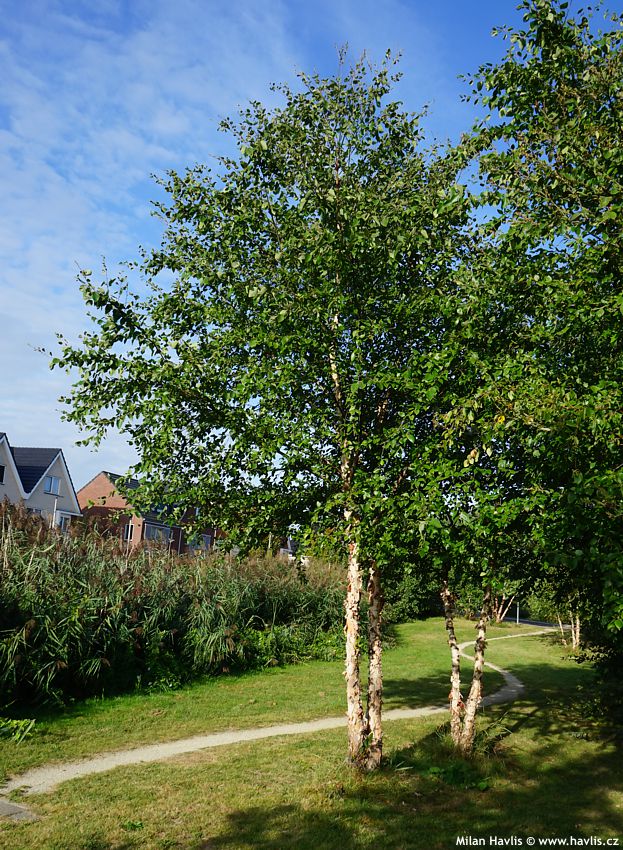
Growth is relatively fast, especially in youth, when annual increments of 40 to 60 centimetres are common, and under ideal conditions even more. At maturity the tree usually reaches 15 to 25 metres in height, forming a broadly ovate to irregular crown, often with several stems arising from the base. Compared with European birches, Betula nigra appears more robust and less ethereal, giving it a strong physical presence. It shows to best advantage where it has space, for example beside a body of water, in a garden with a riparian character, or as a solitary tree in lawn, where the structure of the trunk and branching can be fully appreciated.
Last update 04-02-2026
River birch is an undemanding yet ecologically specialised tree that values ample moisture and deeper soils. It thrives best in full sun or light shade, in humus‑rich, well‑drained soils, but it also tolerates prolonged flooding. In dry conditions it responds with slower growth and partial shedding of inner leaves. It is sensitive to strongly alkaline soils, where chlorosis may occur. Pruning is unnecessary and should be limited to the removal of damaged or crossing branches, ideally in summer outside the period of heavy sap flow. Newly planted trees require firm staking, as rapid growth and a shallow root system in moist soils increase the risk of windthrow during the first years after planting. Frost hardiness is exceptional, down to approximately −40 °C (USDA zone 3), and plants require no winter protection even in cold temperate climates.

.jpg)
