











.jpg)
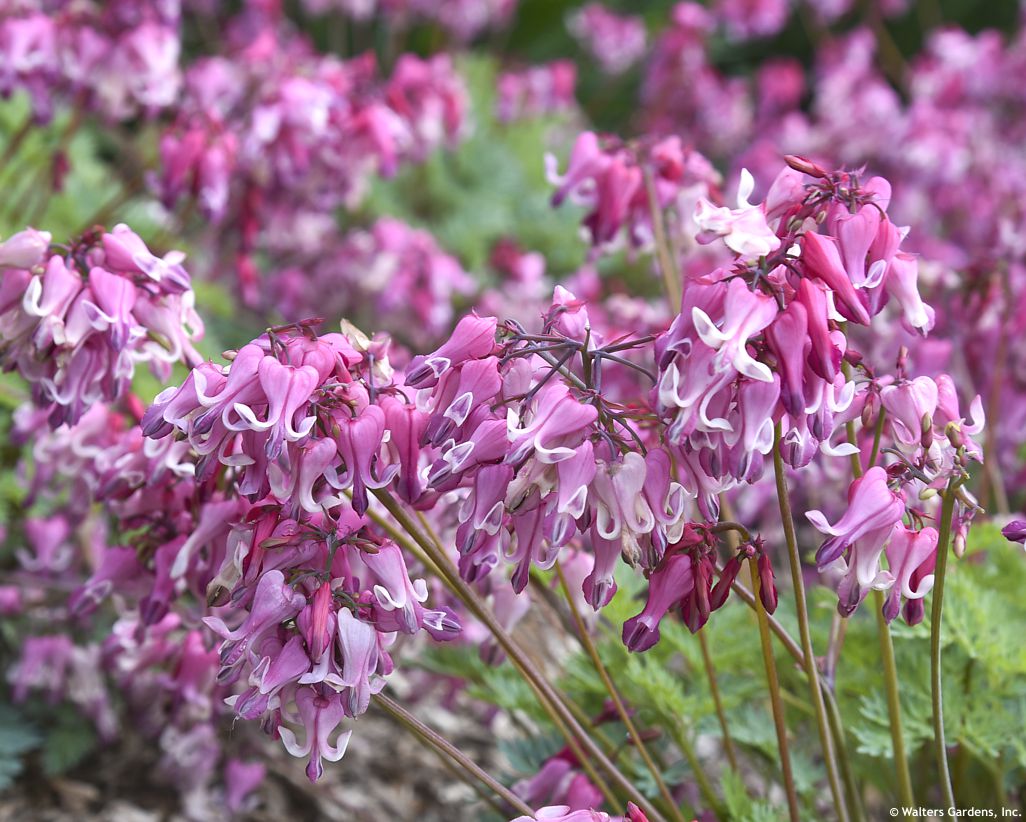
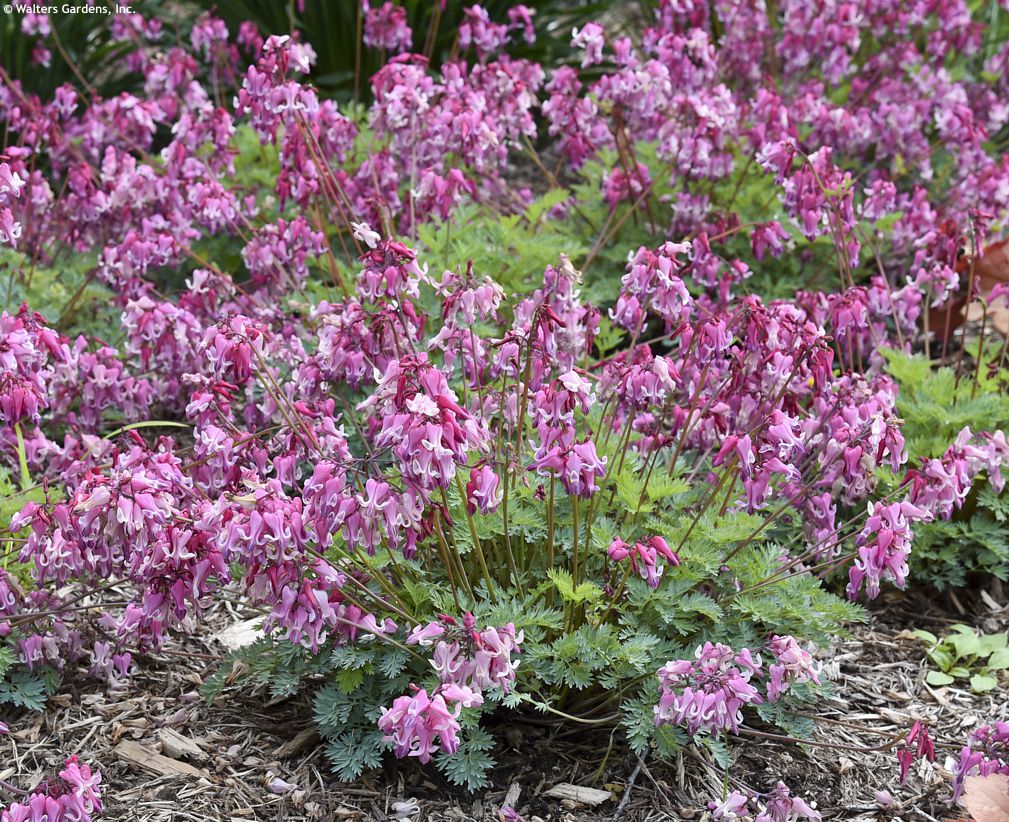
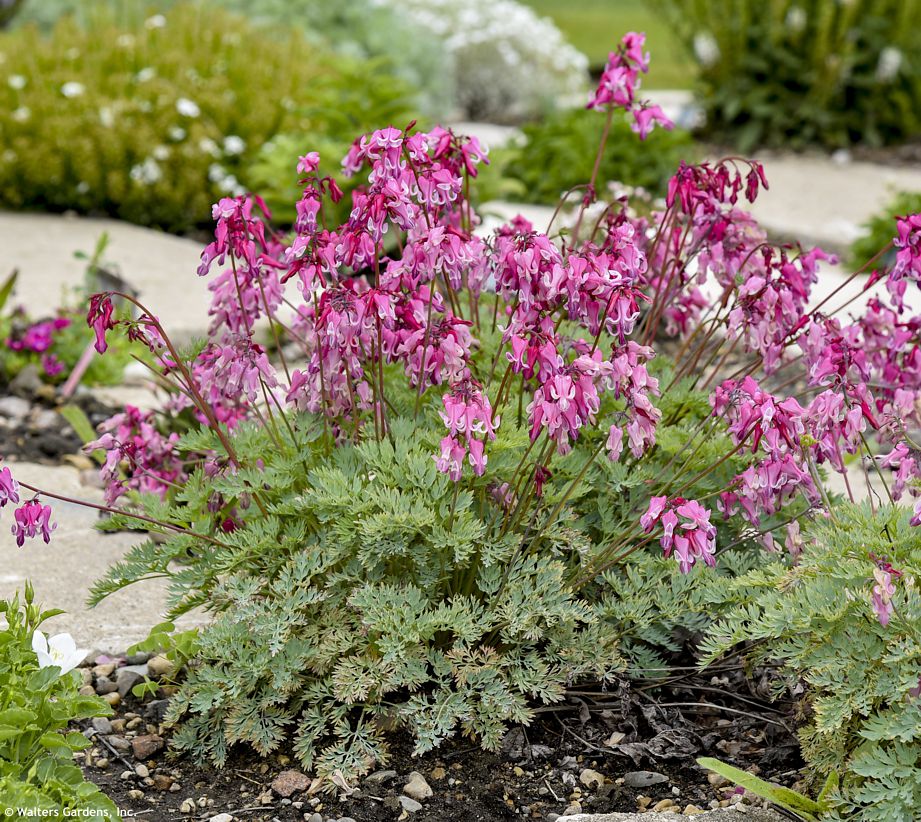
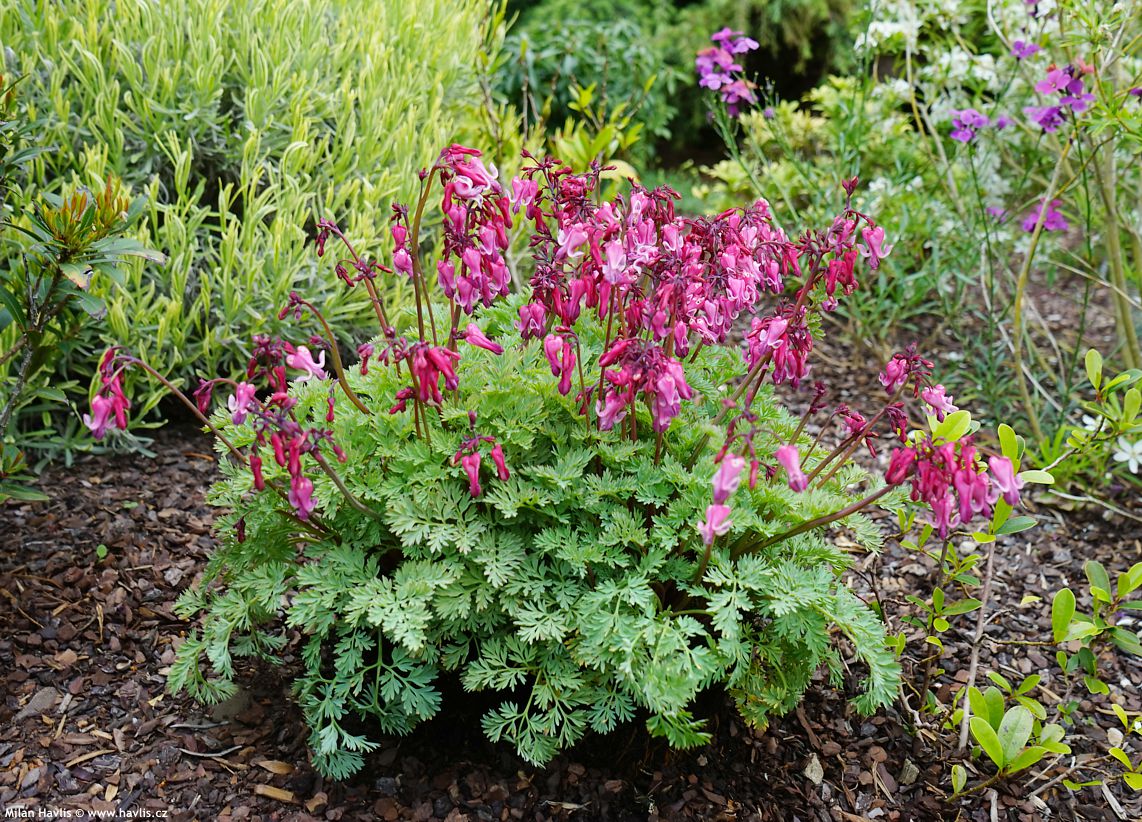
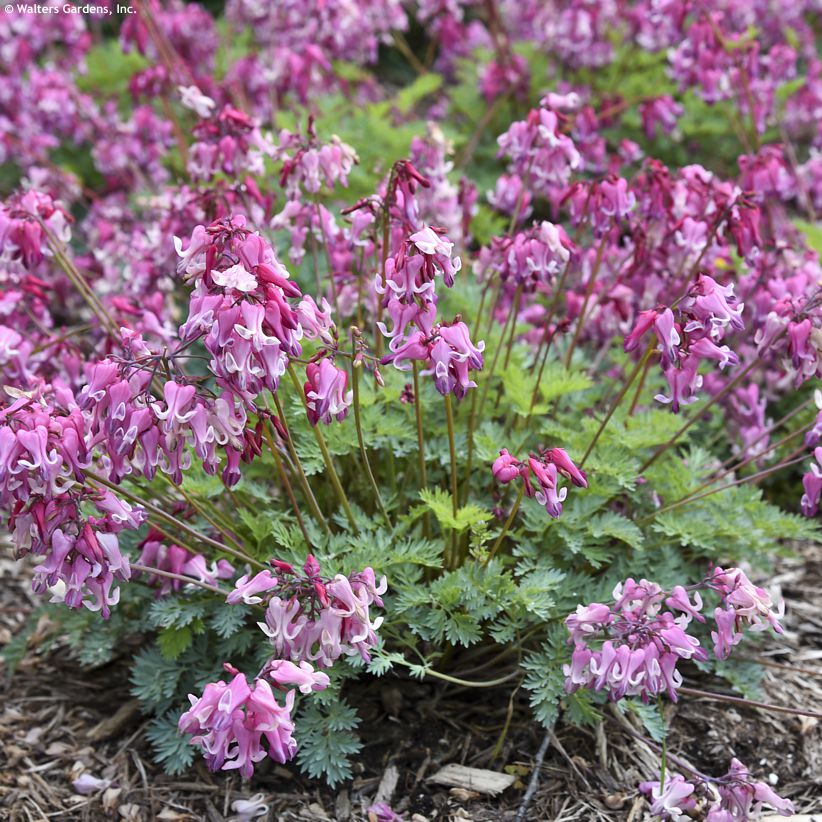
Dicentra 'PINK DIAMONDS' fern-leaved bleeding heart, hybrid dicentra
 Symbivit Tric (arbuscular)
 Symbivit (arbuscular)
Dicentra
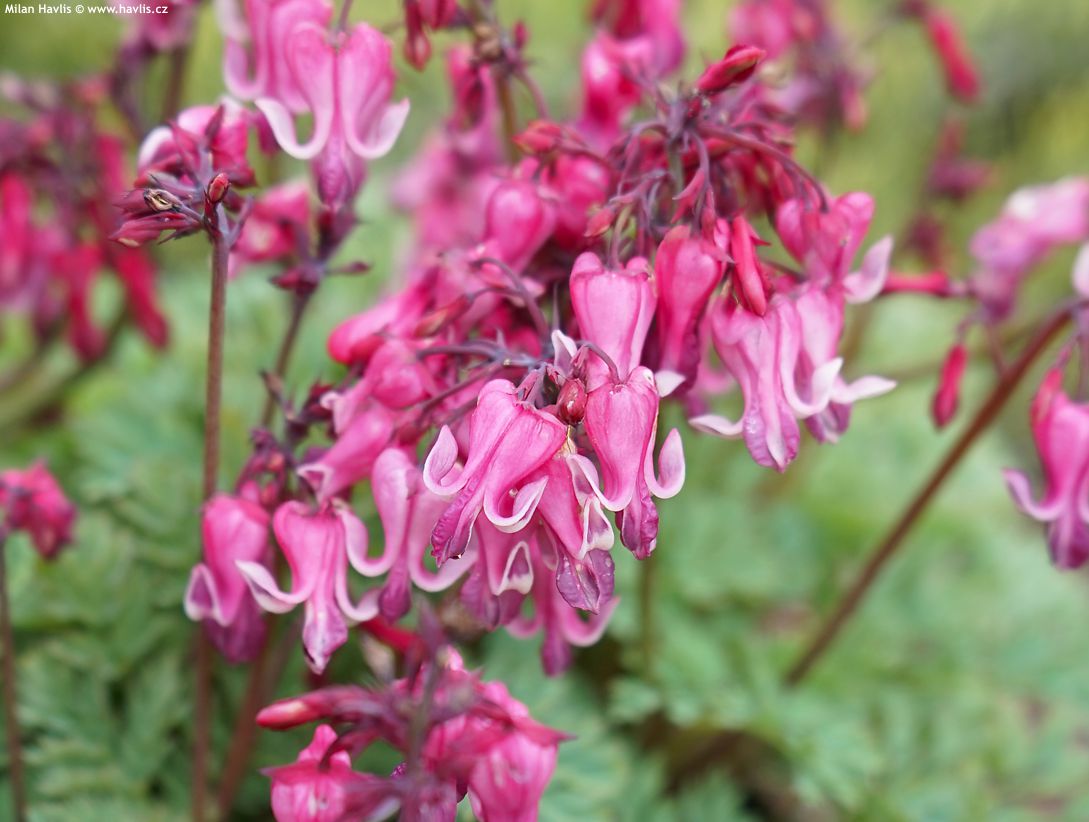
Bleeding heart is a classic perennial of the Czech countryside. It belongs to the group of easy-to-grow yet striking perennials with a somewhat vintage charm which is still in high demand. It is unique for its heart-shaped flowers, which have a beautifully poetic nickname “lady in the bath”. Just take a fully opened flower, turn it upside down, and voilà, there’s the lady in the bath! 😊
Some hybrid varieties of bleeding heart are even more spectacular. Dicentra eximia (Eastern USA) and Dicentra peregrina (Japan) have been particularly successful, with their delicate, fern-like foliage and a tendency to be grown as rock garden plants. Their hybridization was carried out by Japanese breeder Akira Shiozaki, who developed several exquisite cultivars, including 'Red Fountain', which became the foundation for further hybridization. From this variety, 'Firecracker' emerged, which was later utilized by other breeders in the development of new cultivars.
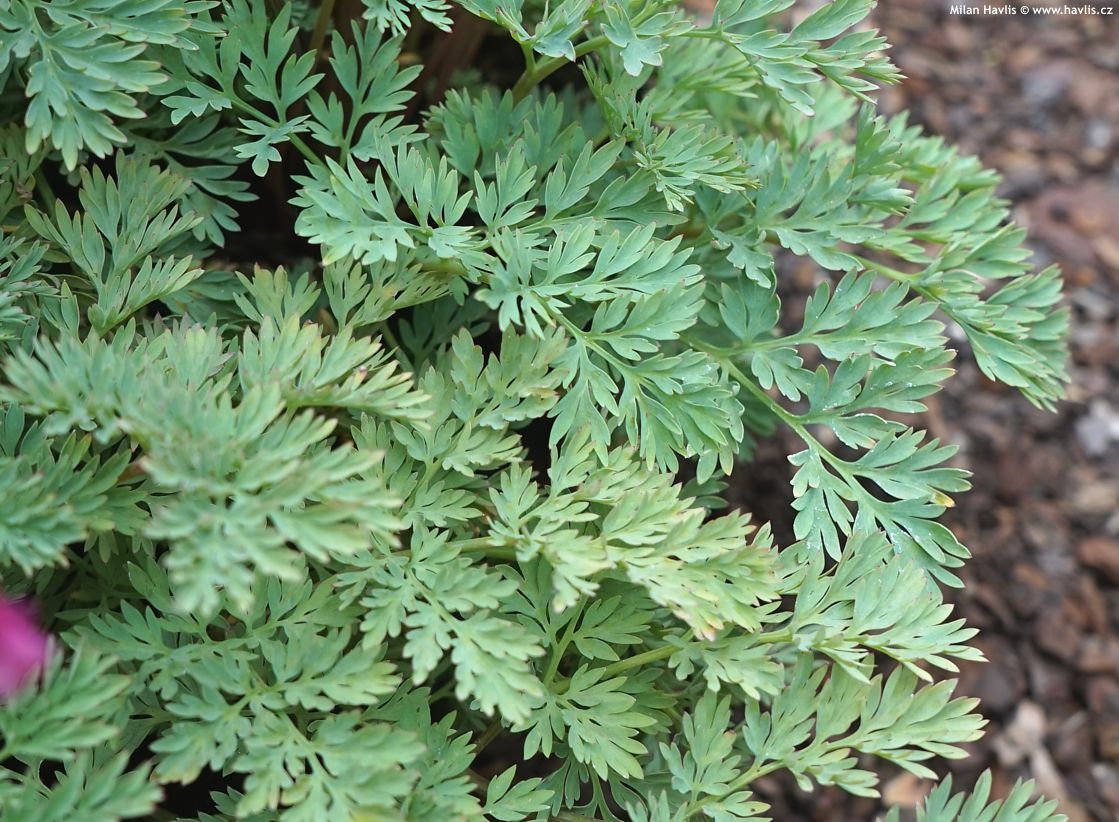
Pink Diamonds is one of the subsequent hybrid bleeding heart varieties, developed from Firecracker. It was bred by Hans A. Hansen from Walters Gardens in Michigan, USA, with patent PP32380 granted in 2020. The plant features dense growth and beautiful, delicate, pale green to blue-green, matte foliage, resembling the leaves of Fernleaf Peony (Paeonia tenuifolia) or some Corydalis species. From mid-spring appear reddish stems topped with pastel pink, bell-like flowers. The blooming period can last up to four months, making this an exceptionally long-flowering cultivar. Thanks to its lush foliage, this variety remains visually appealing even outside its flowering season, making it a luxurious element in any garden composition.
Last update 11-06-2025
Unlike the common bleeding hearts found in Czech gardens, these hybrid varieties require full sun and well-drained soil, as they prefer drier conditions. They should be treated like semi-drought-resistant rock garden plants—both in terms of aesthetic use and growing conditions. They favour slightly acidic soil and are not lime-loving. While they require well-drained soil with some moisture, they are not prairie plants or succulents capable of surviving prolonged droughts. They excel in cold climates and are hardy down to -40°C (USDA zone 3). They can also be grown in large containers with good drainage. The plant is mildly toxic, so caution is advised when handling it.