












Eucalyptus gunnii 'Cagire' AZURA Gum tree, Cider gum


 Ectovit (ectomycorrhizal)
 Symbivit (arbuscular)
Eucalyptus
Our nursery specializes in evergreen broadleaf plants, and over the years we have been searching for and testing more and more species and cultivars that can enrich our gardens of zones 5 and 6. It is always a great joy to see how some new woody plants thrive here despite the supposed harshness of our Central-European climate. One of the long‑awaited candidates for a small miracle was the gum tree – eucalyptus. Much has been written about its aromatic essential oil, used to support the respiratory system, and about its wood, whose exceptional durability has been valued for centuries in the production of anything meant to last. Quite possibly even longer, as fossil finds of pollen and leaves dating back around 50 million years confirm that eucalyptus belongs among the oldest genera of woody plants on our planet. Eucalypts are inseparably linked with the Australian landscape, where they have shaped entire ecosystems for millions of years and become a symbol of the local nature. Not to mention the striking grain of the wood, often used as a decorative element in the interiors of luxury cars and many other unnecessary extravagances. What interests us, however, is its aesthetic value as a shrub or a tree.
Eucalyptus enthusiasts will certainly be aware of the few truly hardy species that can tolerate frost well, but unfortunately for everyone else they are either unavailable on the market or otherwise problematic. Among the more resilient ones is the Australian – more precisely Tasmanian – species Eucalyptus gunnii, which originates from the cooler mountainous regions of Tasmania and was described by the renowned British botanist Joseph Dalton Hooker (1817–1911). This species has long been cultivated in the warmer parts of Western Europe, where winter temperatures do not fall below –15 °C, or exceptionally –17 °C. But that is not enough for us – USDA zones 5 and 6. Even so, it was precisely within this species that individuals appeared which managed to survive much harsher winters than originally expected, suggesting that a path toward truly frost‑hardy eucalypts for gardens of the temperate zone might indeed exist. If one plant managed to endure, there is hope that it was not the last exception.
In 2006, a miracle occurred that at first looked rather ominous – in a French nursery, all seedlings of this botanical species froze except for a single plant, even though everyone was convinced of its suitability for the French climate. One eucalyptus, one pot, survived an unusually severe winter that affected all of Europe that year. It showed great stability and an ability to be propagated, giving us the chance to enjoy the unmistakable beauty of steel‑blue leaves in Central-European gardens all year round. This exceptional individual was named AZURA and is protected by European patent No. EU 25846 from 2008. It comes from the French company Institut Technologie FCBA, which ensured that enough plants became available across Europe.
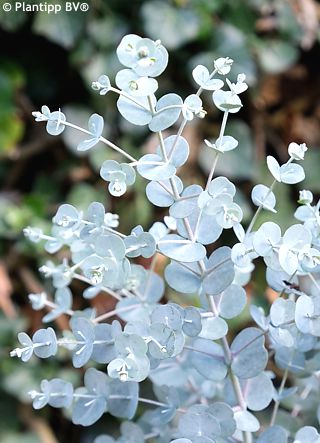
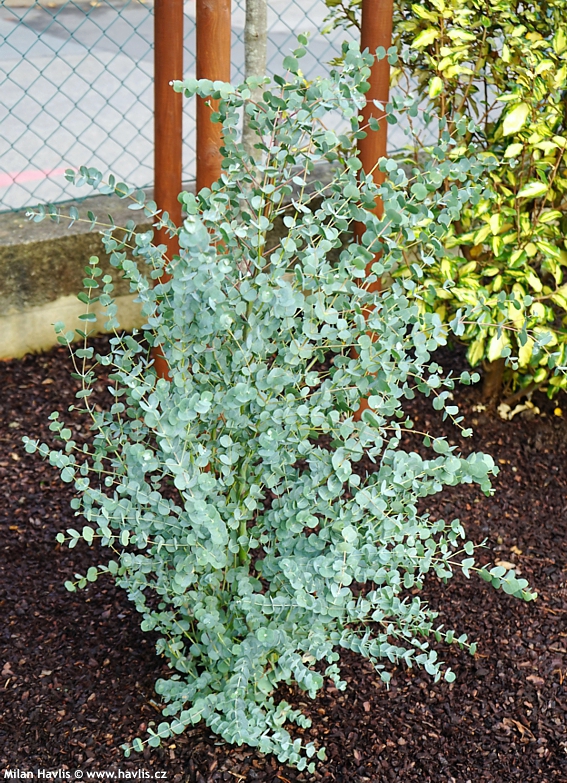
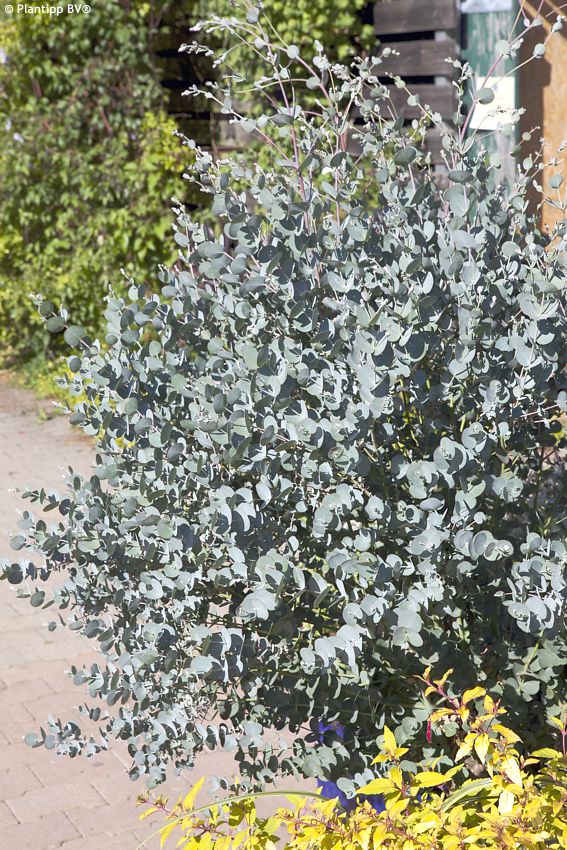
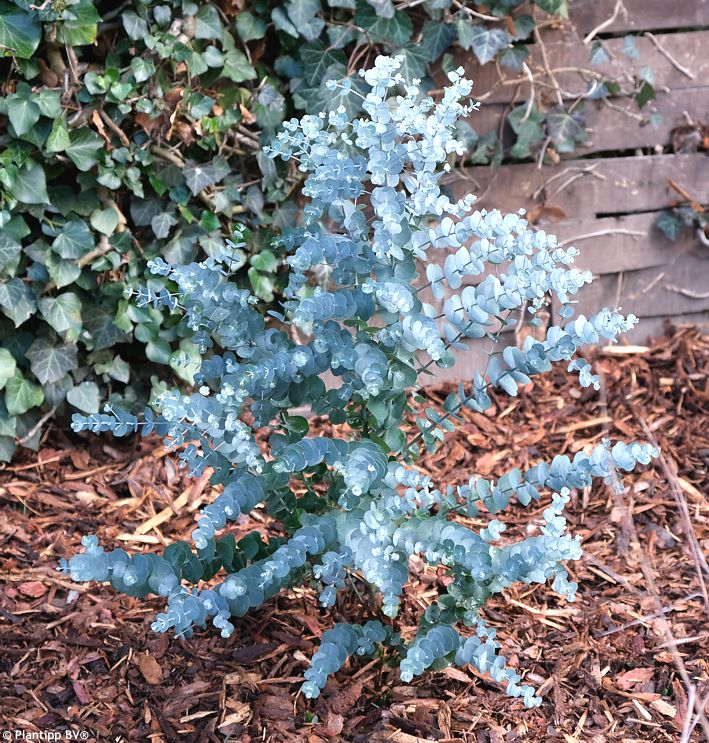
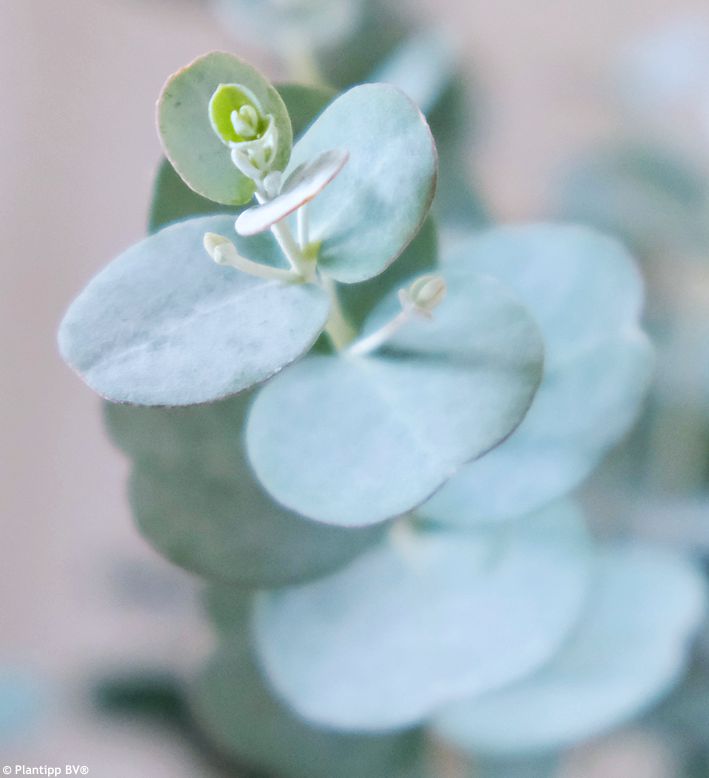
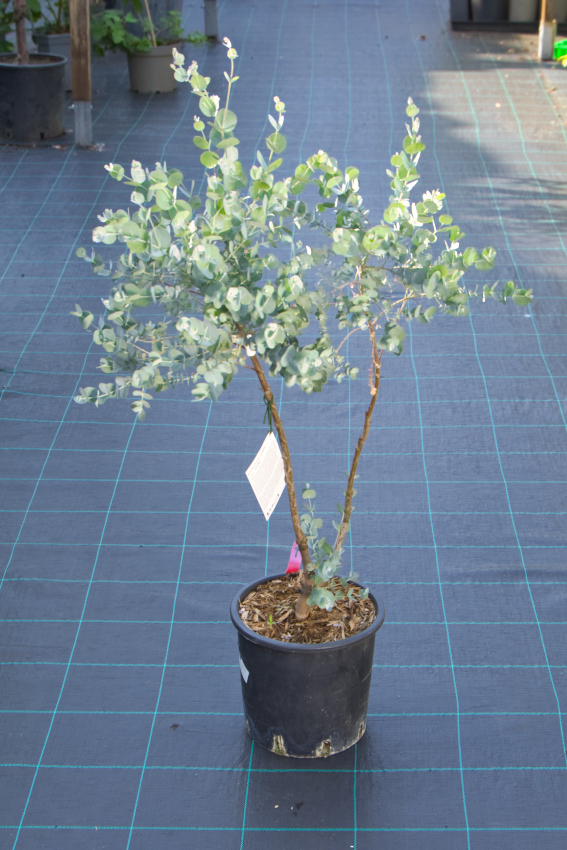
Today we can calmly confirm that AZURA is the first reliably hardy eucalyptus cultivar for zone 6 and warmer. It bears magnificent steel‑blue to blue‑green, evergreen, rounded leaves on upright branches covered with a silvery bloom. The leaves produce aromatic essential oils not only when crushed, but in warm weather they scent the surrounding air as well. The luminous blue‑silver foliage stands out beautifully against any greenery and in front of any material – wooden fences, stone walls or brickwork – and in winter, when part of the chlorophyll, the green pigment, recedes from the leaves, the blue colour becomes even more intense. Traditionally, the essential oils in the leaves are said to repel biting insects, but you would need an entire avenue of trees to drive away mosquitoes in their strongholds, so against mosquitoes I recommend using window screens – and I suggest using eucalyptus solely for its beauty 😊.
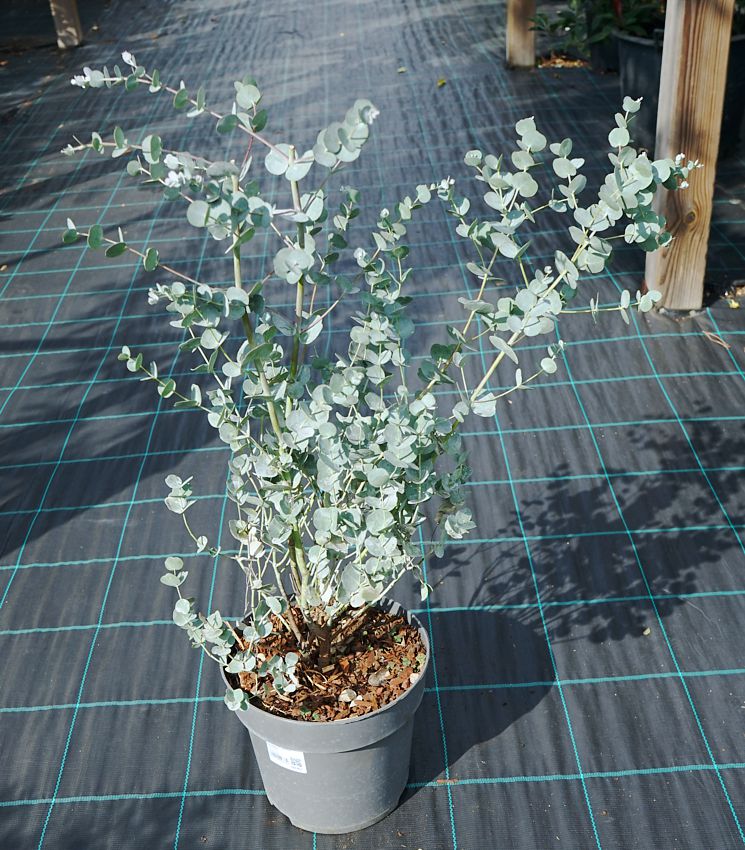
As for the size of AZURA, it is fair to say that we are sailing into uncharted waters. All previous ideas about how large Eucalyptus gunnii can grow in cooler climates (Central and Northern Europe) are based on non‑hardy plants that lost something every winter – the leader, branches, sometimes the entire above‑ground part. If frost ceases to be a limiting factor, as seems to be the case with this cultivar, it makes sense to expect a completely different scenario. Healthy, well‑established plants grow very fast, easily around one metre per year, and there is no reason to assume that their height should stop at the previously quoted figures of around four to five metres. Although this is still an expert estimate based on experience and growth logic, it is already clear that AZURA is vigorous and not inclined to stop easily. So, if the botanical species has the capacity to reach around ten metres, there is no reason to believe that AZURA must remain smaller. But don’t worry if that feels like too much – its growth is fully under your control. Spring pruning after frost keeps it compact, dense and shrub‑like, while leaving it to its own devices allows it to grow more freely and eventually develop into a taller, multi-stemmed or tree‑like form. It is entirely up to you how much space you give it and how you want its story to unfold.
Last update 11-10-2019; 22-01-2026
Eucalyptus loves full sun, but it will grow almost anywhere. It likes moisture yet once established it can cope with summer droughts. It is not particularly demanding in terms of soil, although the ideal substrate is slightly acidic, fertile and well‑drained, but not completely dry in winter – it dislikes dry, black frosts. Usually, it is enough to check the soil once a month and give it one or two watering cans of water depending on the size of the plant in dry winters. It is best grown with a generous mulch. Fertilising is not necessary, and excessive feeding can lead to overly lush, whippy growth. The ultimate frost hardiness has not yet been tested in all conditions, but –20 °C has been verified, with an expected tolerance of at least –23 °C. And if you live in a colder area, don’t be discouraged – just give it a try; who knows, you might be the next to experience the thrill of discovering something new 😊.
Goods are shipped all over Europe. For Russia and U.K. and for further details please read about SHIPPING OPTIONS HERE.
Are you interested in a serious discount for orders NOV-FEB? Check your options here.
THE PRICES INCLUDE VAT of 15%. For quick conversion you can use 1 CZK = approx. 0.04 EUR
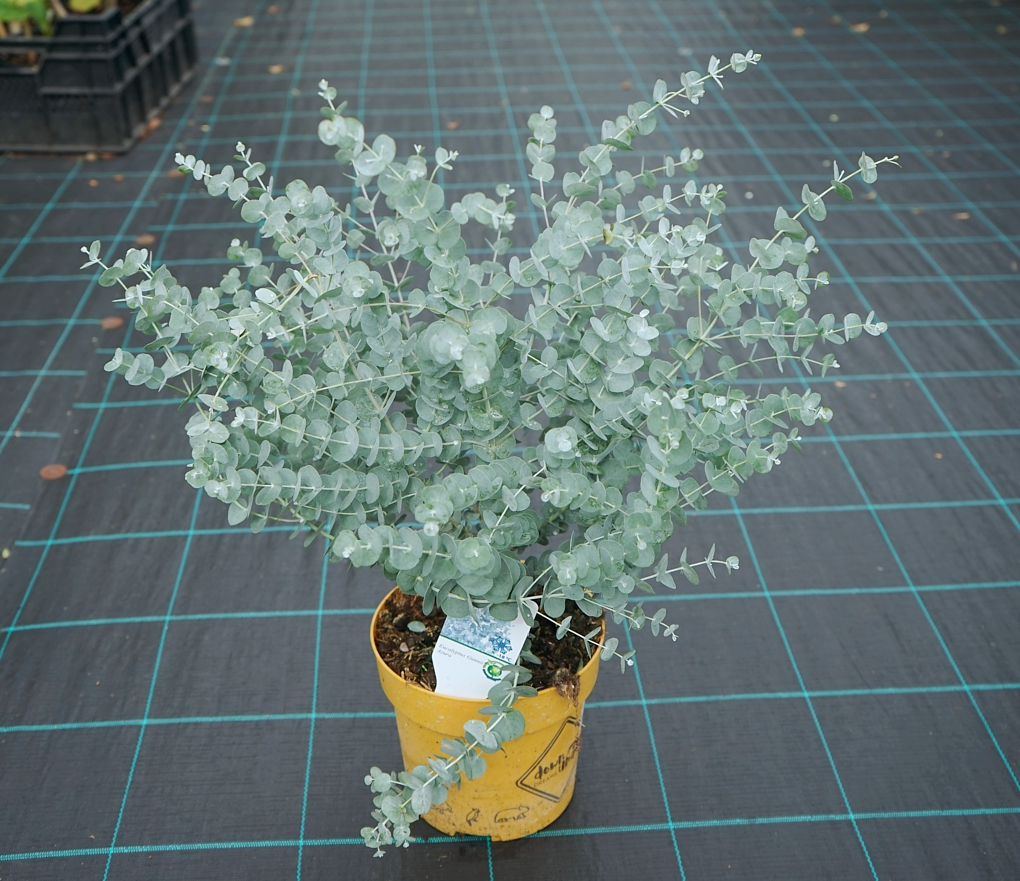
- STANDARD QUALITY - Plants of this group are 1st class quality with number of branches and overall density adequate to their size and age, considering they were container grown.
- DE LUXE QUALITY - This label guarantees a luxurious quality of manually selected plants that, compared to their height and age, are exceptionally dense and beautiful.
- EXTRA - These plants are usually mature and bigger specimens with exceptional overall appearance.
- STANDARD (as described in the plant form) means a tree with a trunk of 190-210 cm and a crown at the top, unless specified differently. The commercial size for trees is their girth measured in the height of 1m from ground.
- HOBBY - These plants are of the same quality as our standard-quality plants but younger and therefore cheaper.
- SHRUB - a woody plant with branches growing bushy from the ground level.
- HALF-STANDARD or MINI-STANDARD - a small tree with shorter trunk, its size is usually specified.
- FEATHERED - These are trees with branches growing already from the base of the trunk and up along the stem.
- GRASSES and PERENNIALS - Sizes given usually read the diameter of the pot or the clump, as specified.
