










Helleborus 'VALENTINE DARLING' hellebore, Lenten rose

 Symbivit Tric (arbuscular)
 Symbivit (arbuscular)
Helleborus
The genus Helleborus comprises roughly twenty species of perennial plants distributed mainly across Europe and western Asia, especially in the mountainous and sub‑montane regions of the Balkans, the Alps and the Apennines. Direct fossil evidence is lacking, but genetic relationships and present‑day distribution point to a very ancient origin, probably reaching deep into the Tertiary. Hellebores were already known to classical physicians, as shown by the writings of Hippocrates and Pliny the Elder, who used them as drastic medicinal remedies. This is reflected in the Greek etymology of the name, most often interpreted as a combination of helein (to kill) and bora (a deadly food). It refers to the plant’s highly poisonous properties, valued in antiquity as powerful purgatives but easily fatal when used without expertise. The genus received its modern name and place in botany in the mid‑18th century thanks to Carl Linnaeus (1707–1778), who described it in 1753 in Species Plantarum. Hellebores are no novelty in Czech and Slovak gardens either; our grandmothers already enjoyed their flowers in winter and early spring. The only thing that has changed since then are the cultivars and colours, which are ever more numerous and increasingly beautiful. They are evergreen perennials with a remarkably structured flower. The “petals” we see at first glance, white or coloured, are in fact enlarged sepals surrounding a ring of true petals – the corolla segments, usually periwinkle green and occasionally red, which have become tubular and bear the nectaries.
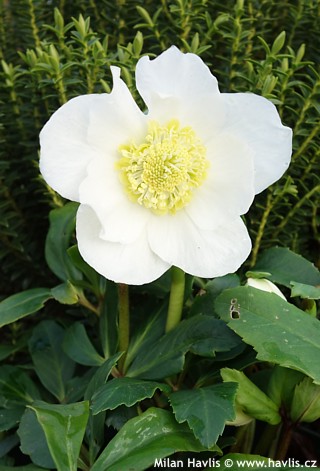
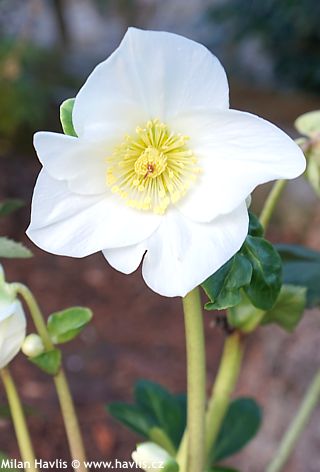
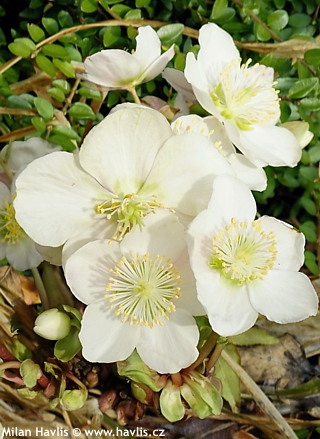
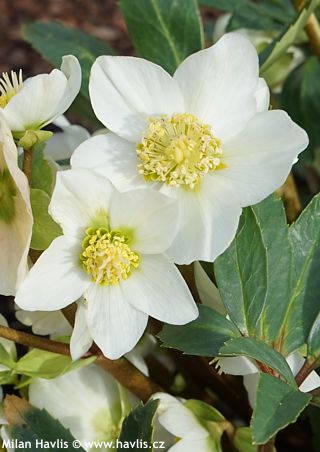
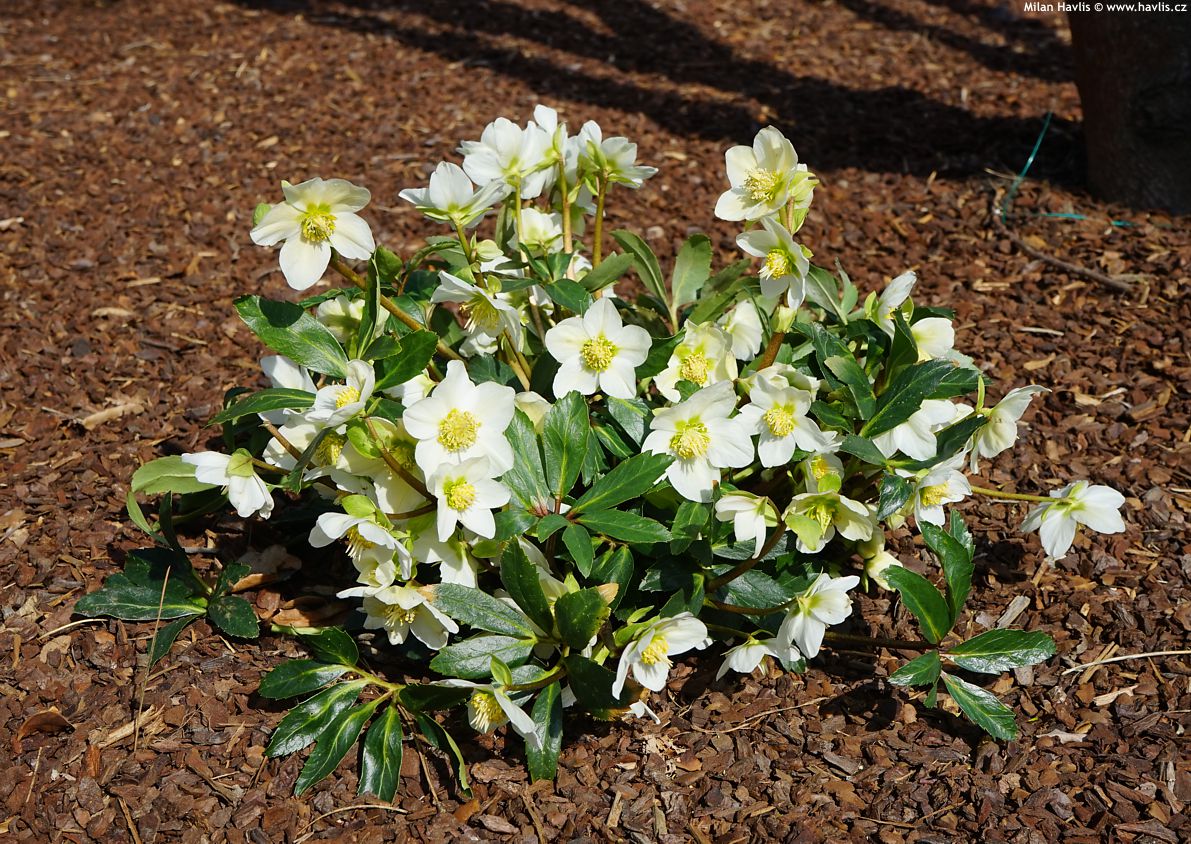
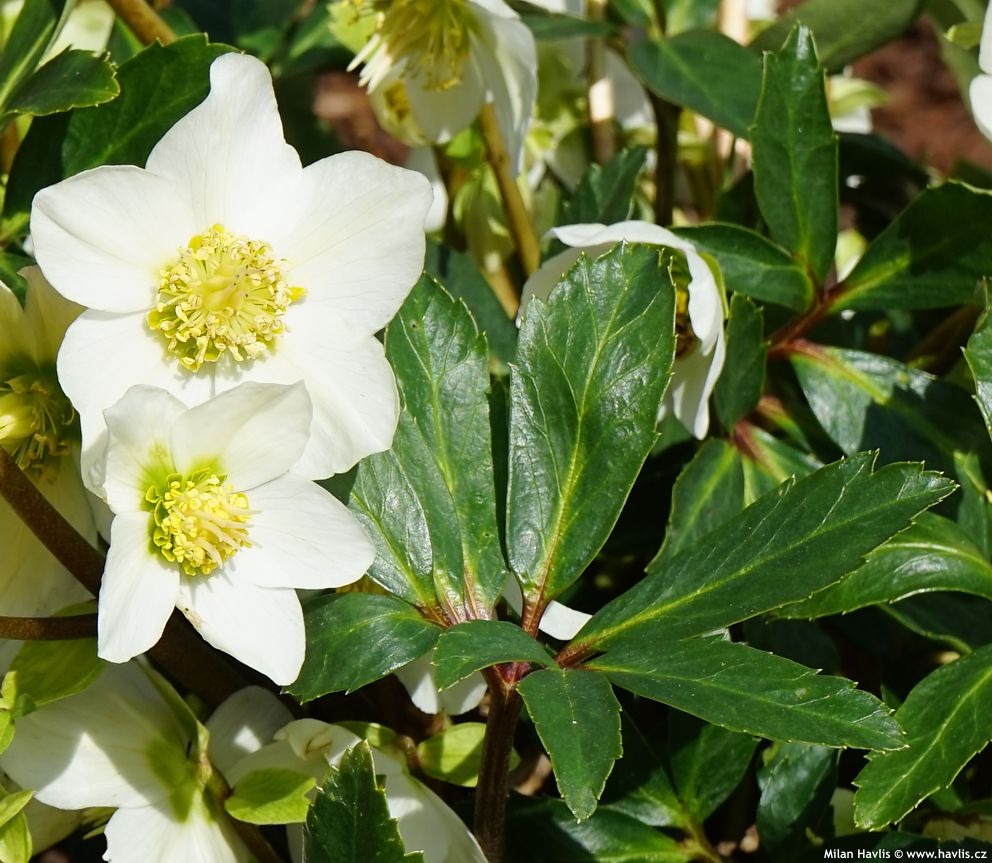
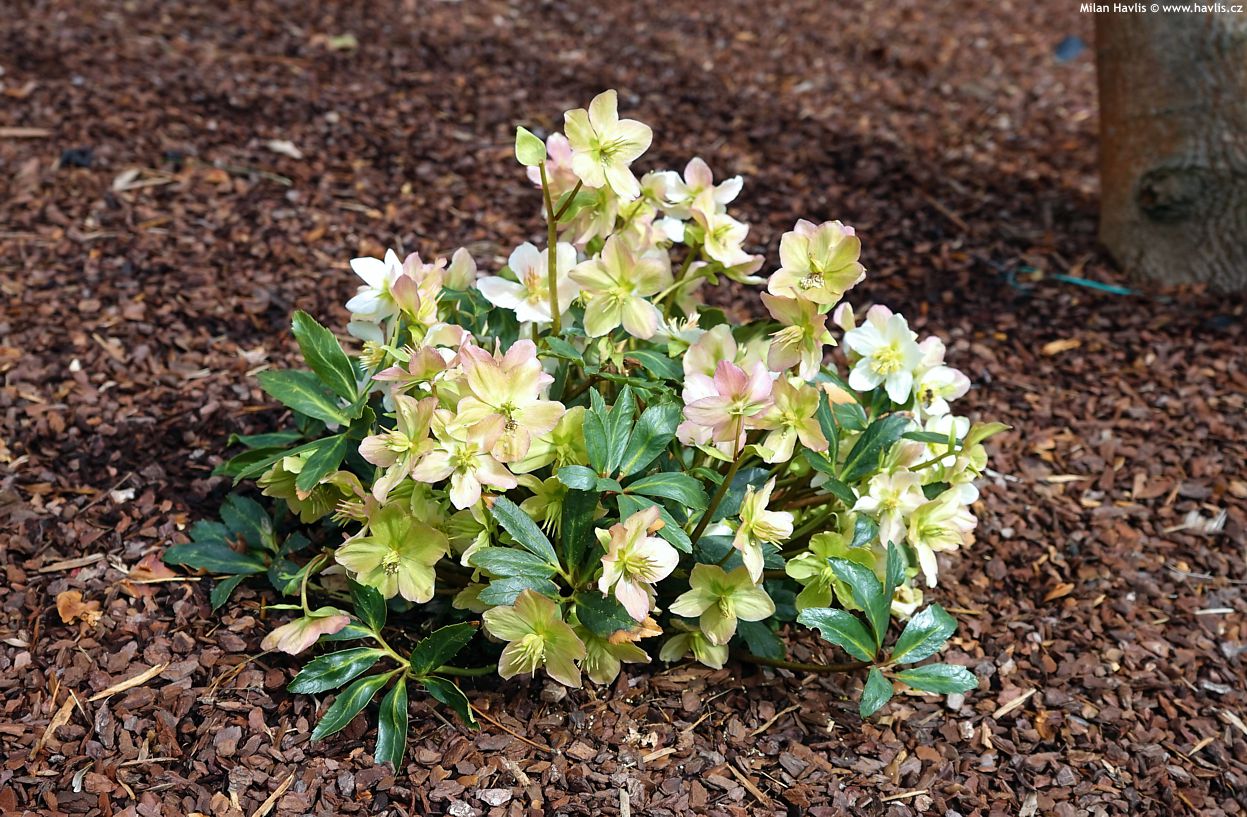
Valentine Darling is a white flowering black hellebore hybrid from the Darling series which so far comprises of 4 varieties, each of which bears a name that says it all: Christmas Darling, Winter Darling, Little Daring, and now Valentine Darling. Needless to say, it reliably starts blooming before Valentine’s Day if the weather allows. The single, anemone-like flowers are pure white, 4-5 cm across, head-up (not nodding) with yellow stamens. They can bloom or remain pretty until April.