.jpg)
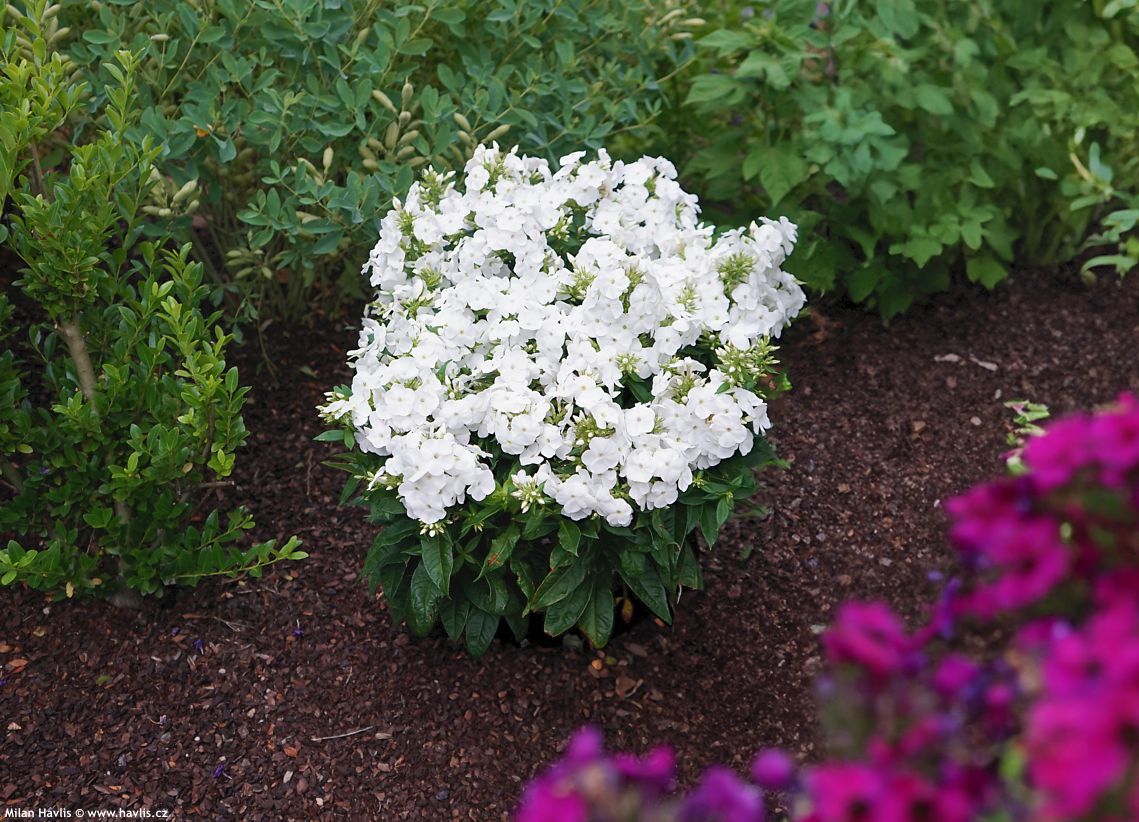
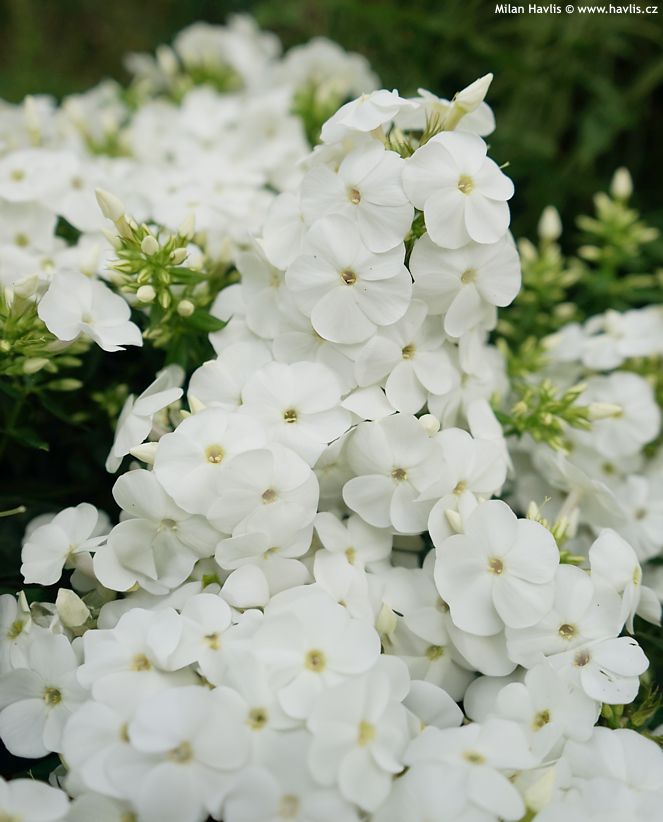
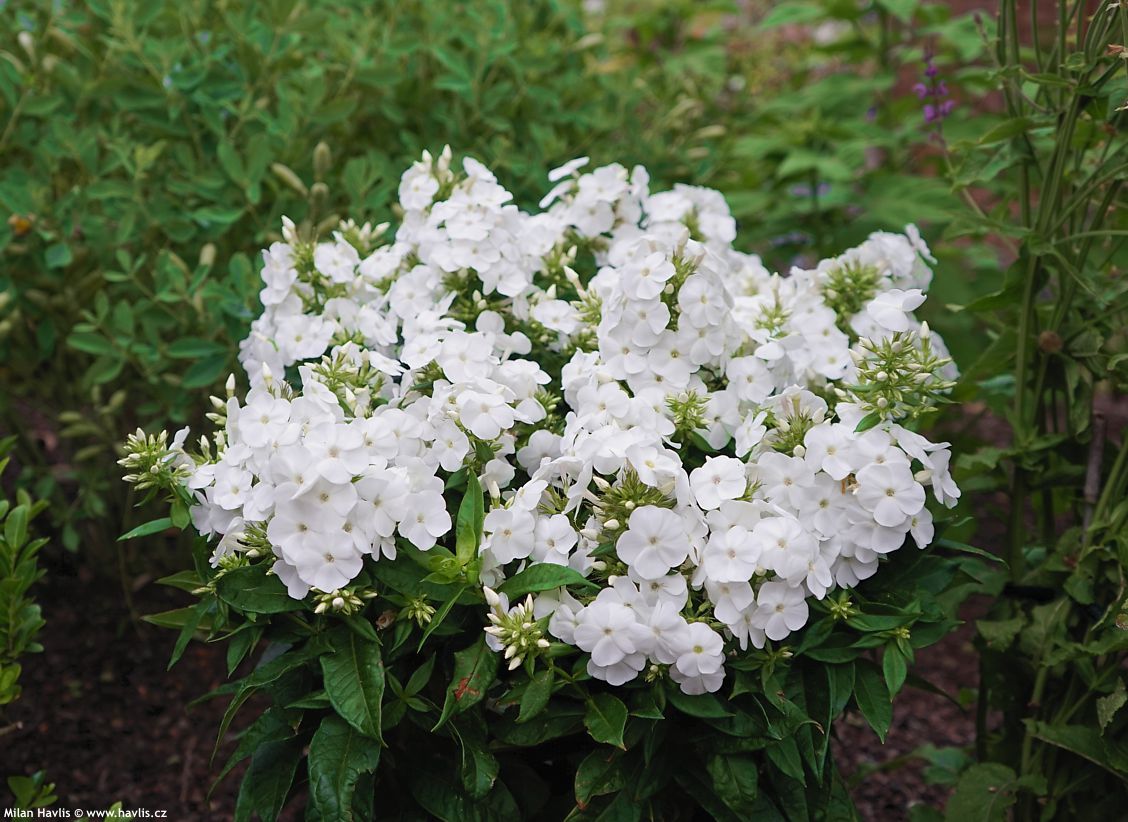

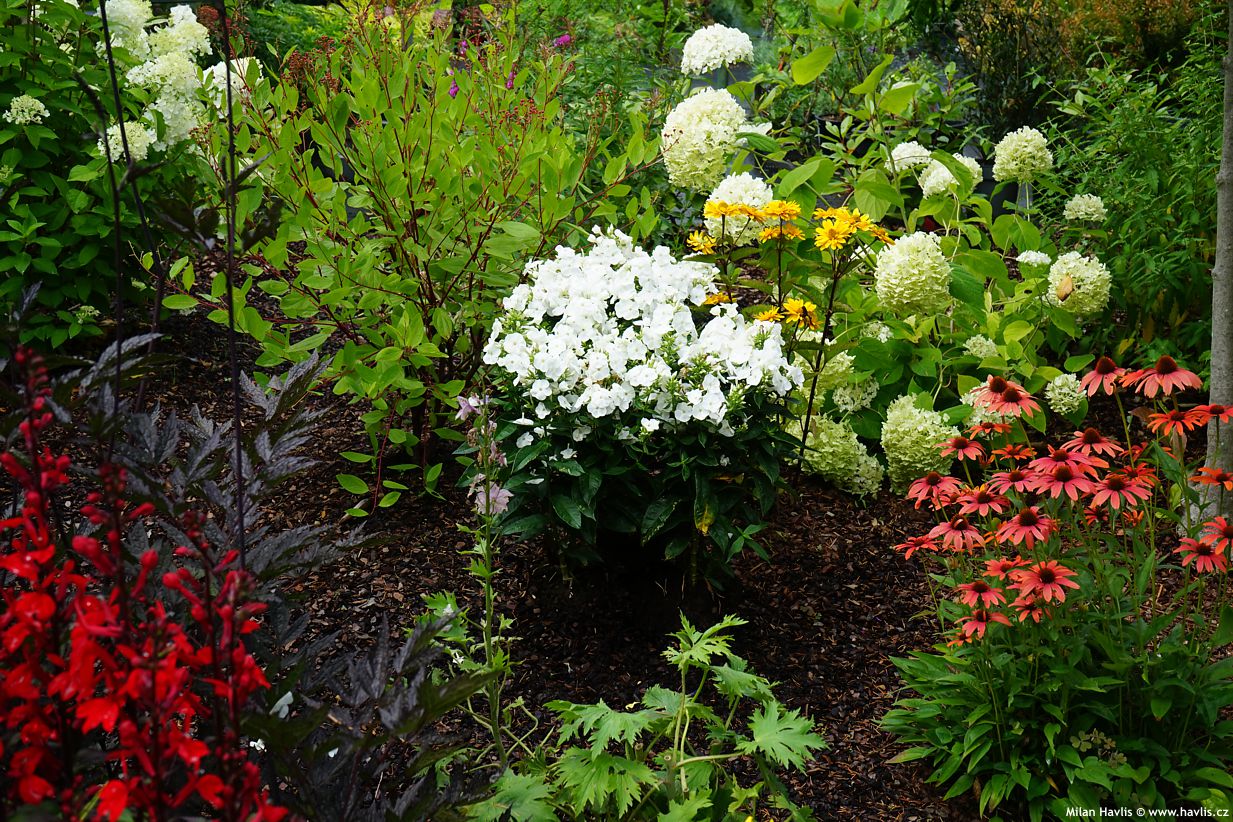
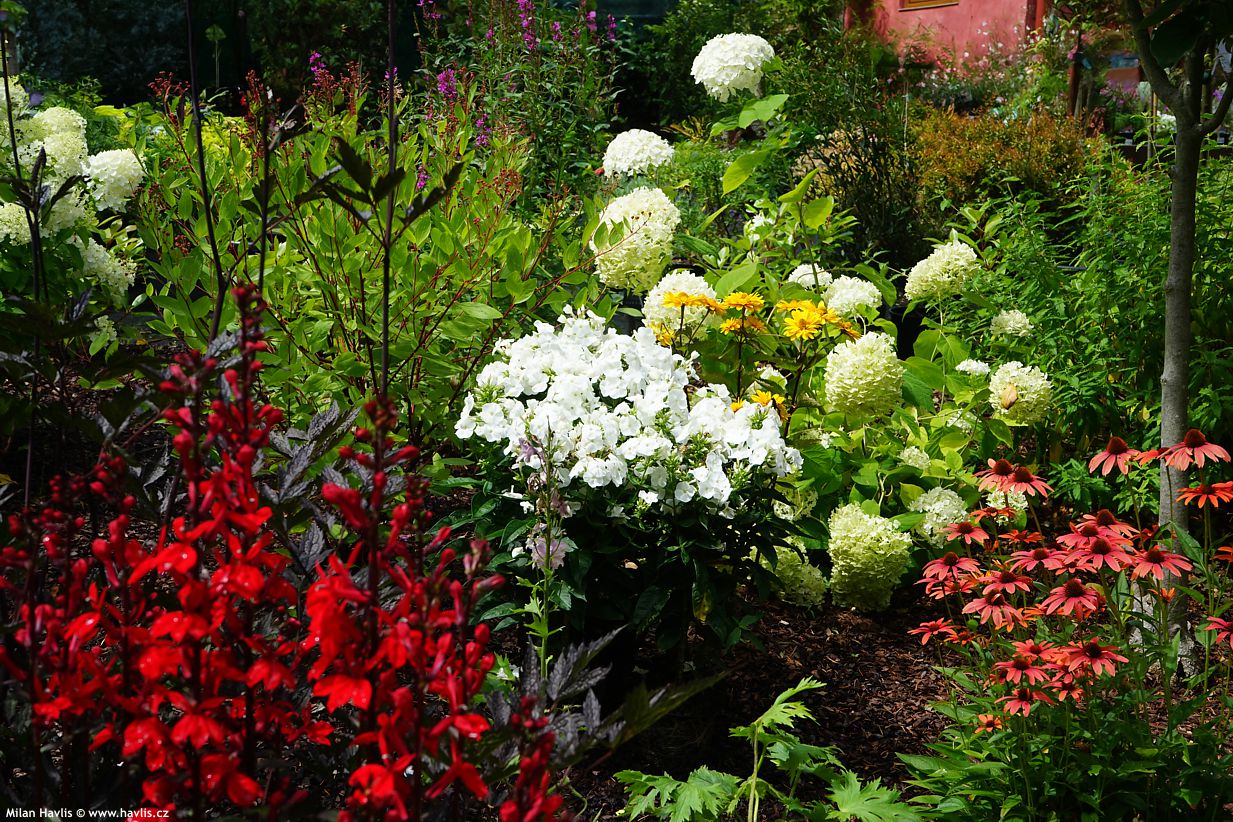
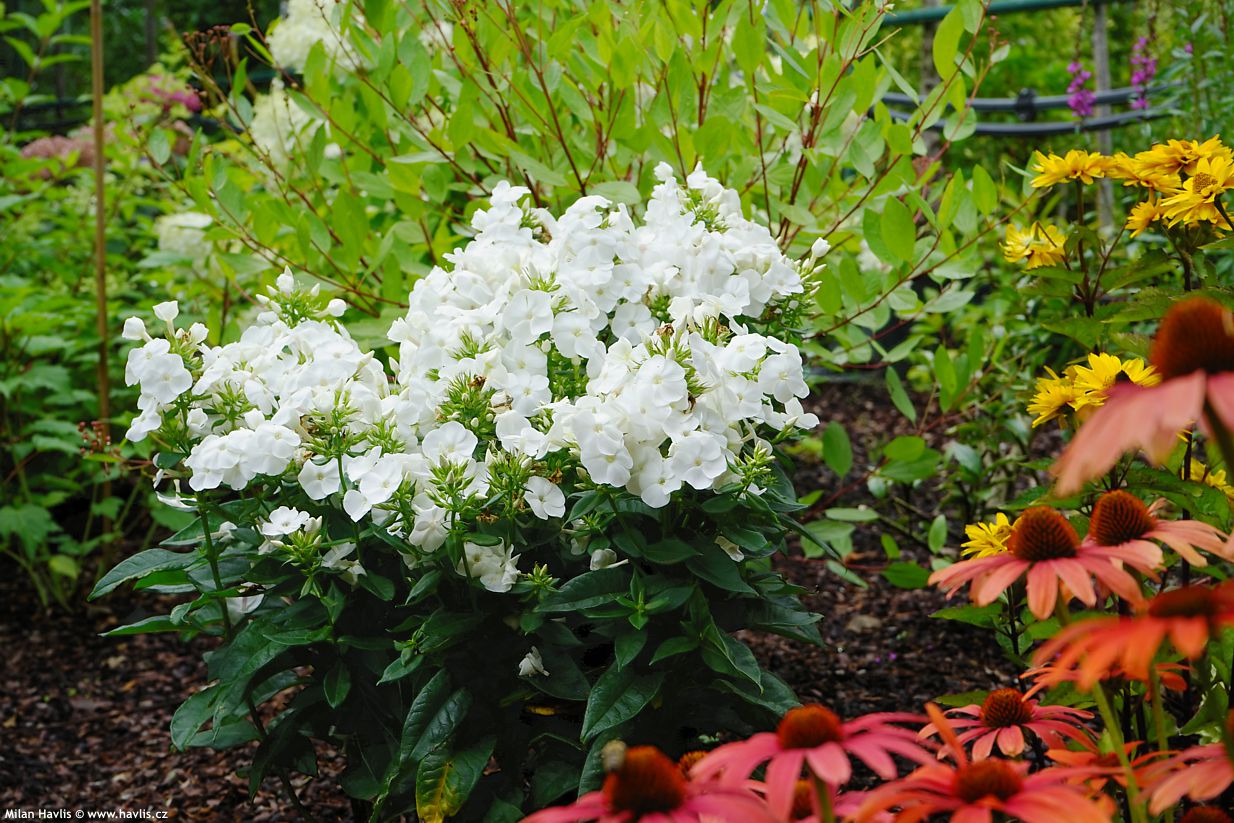
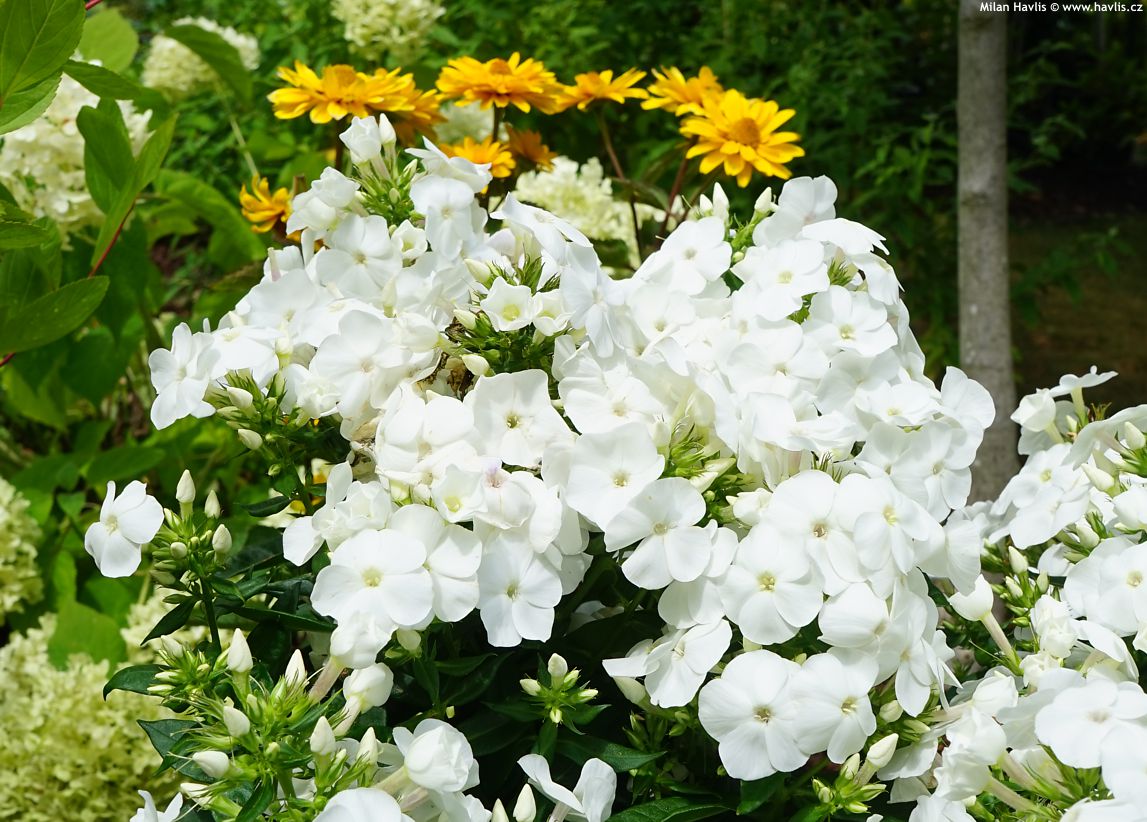
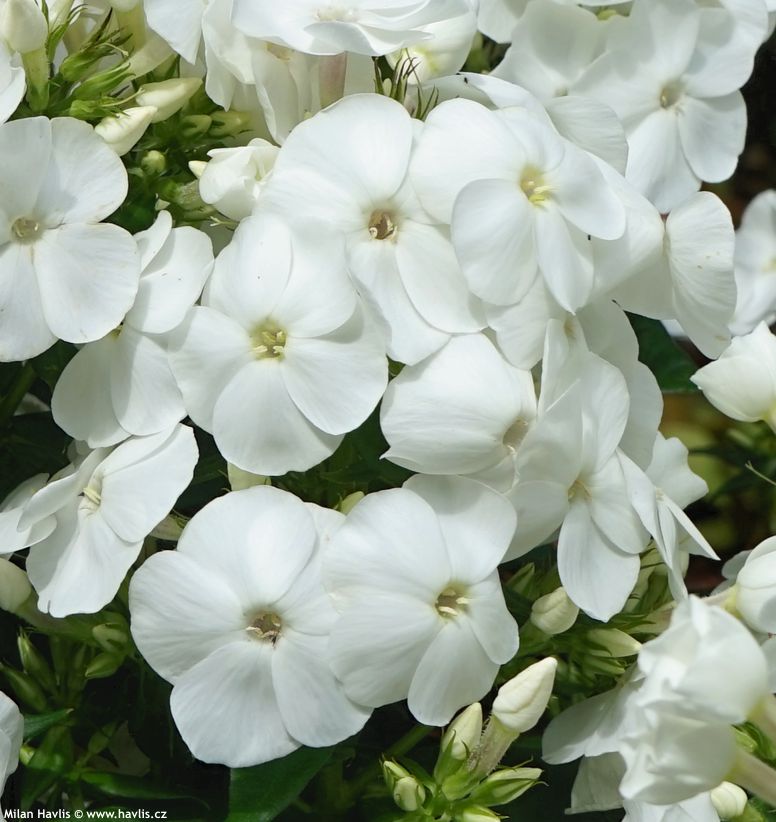
Phlox 'Ditosnow' SWEET SUMMER™ SNOW perennial phlox

 Symbivit Tric (arbuscular)
 Symbivit (arbuscular)
Phlox
Phlox paniculata, known as garden phlox or perennial phlox, is a traditional perennial in Central European gardens. It’s an undemanding, long-flowering species with a strong fragrance that releases a subtle spicy aroma during warm summer evenings. That doesn’t mean it lacks scent by day – some cultivars even shift their fragrance depending on the time: mornings tend to be softer and sweeter, while evenings bring out deeper spicy notes, all for the sake of its pollinators. Phlox belongs to the group of “moth flowers,” whose scent intensifies at night to attract nocturnal visitors like moths and butterflies.
This species originates from the moist regions of North America and was first described scientifically by Carl Linnaeus in 1753. It arrived in Europe during the 18th century and quickly gained popularity thanks to its lush flower clusters, appeal to pollinators, and cultivated elegance. In England, the perennial paradise, it was given three oversized pages in the RHS’s Encyclopedia of Garden Plants. Though phlox is often considered old-fashioned – in the best sense of the word – breeders continue to develop new, healthier cultivars since this plant does not yet seem to have gone out of fashion.
The SWEET SUMMER™ series now includes 14 stunning cultivars of garden phlox (as of 2025) in many colours and combinations. And which one always draws the most attention? It may surprise you – the pure white one. White as freshly fallen snow and as gorgeous as the most exquisite wedding gown. One such gown is worn by Lady Nevea, a mythical ruler from a high-mountain valley called Floriglacia, where snow-white flowers bloom. Her dress is made of white phlox petals that never wilt. Legend has it that wherever Lady Nevea sets her foot, white flowers bloom again – even after the first frost. So keep your eyes open in October – for you may catch a glimpse of her in the corner of your eye, a beautiful figure appearing only for a fleeting moment before vanishing into the hoary morning.
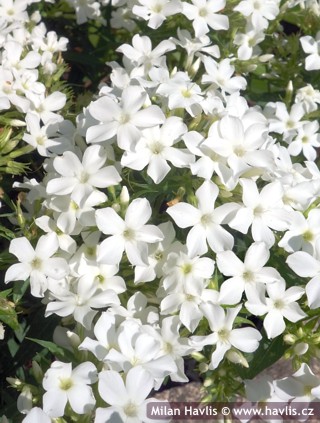
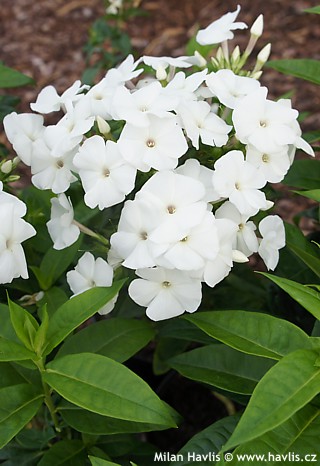
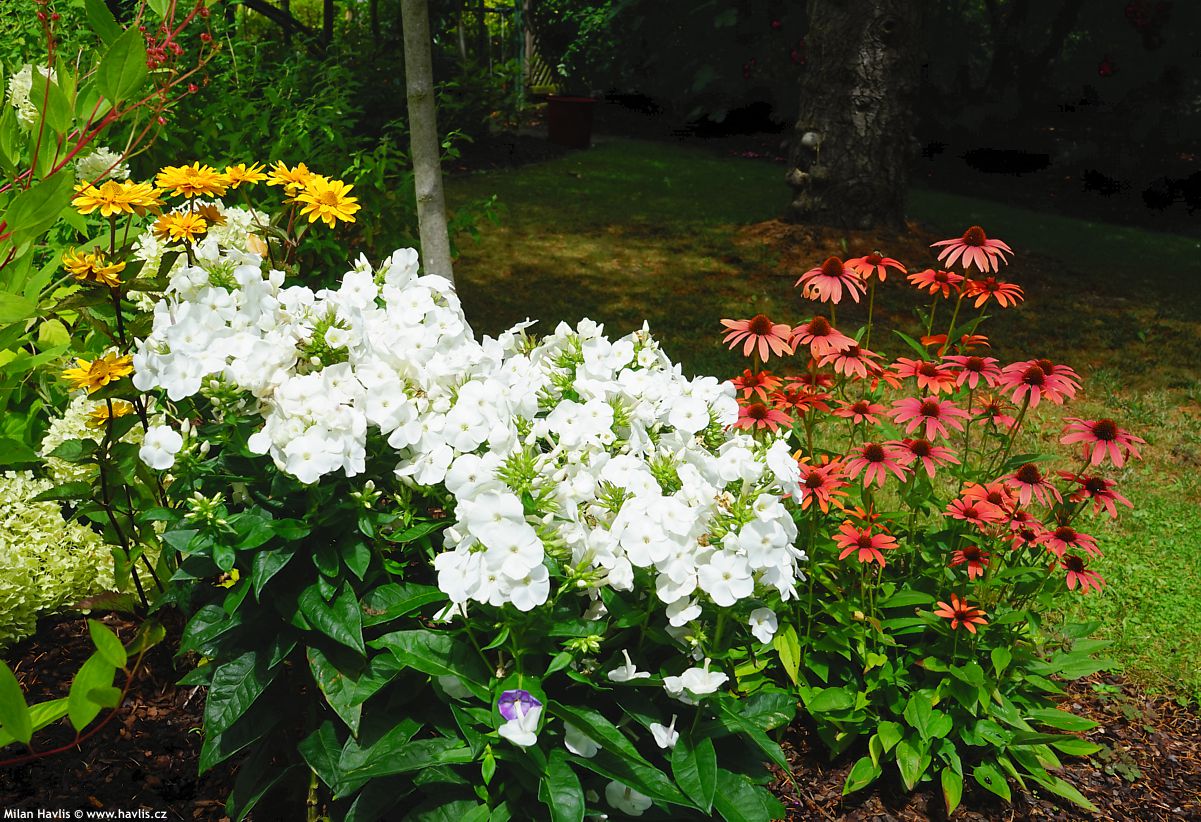
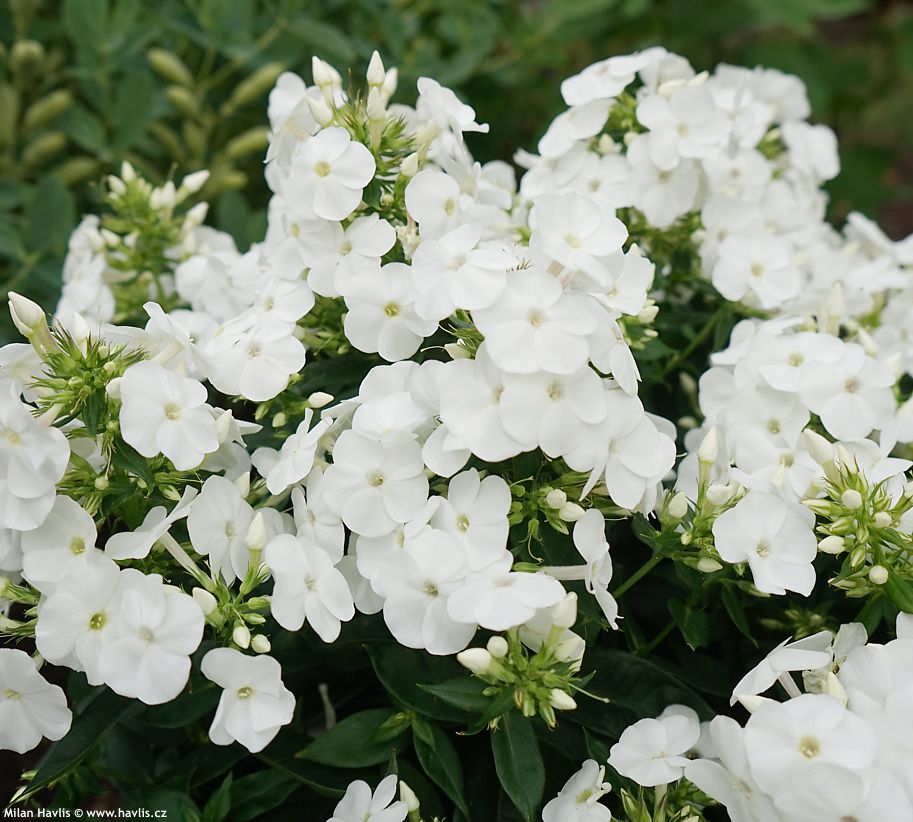
The SWEET SUMMER™ SNOW cultivar forms upright flower heads 15 to 25 cm tall and 10 to 15 cm wide, made up of pure white blossoms. Flowering begins in July and the first wave lasts at least a month. If you regularly deadhead and remove the entire finished inflorescence while feeding with liquid fertilizer, new clusters form from the lower stems and flowering can continue until September. The flowers offer a pleasant, softly sweet and spicy scent. The leaves are deciduous, broad-lanceolate, dark green, and like all cultivars in this series, highly resistant to powdery mildew and leaf spot — the most common phlox diseases. The stems are firm, reach 50 to 60 cm tall, and do not bend or break after rainfall. This variety was bred by Ellen van Sambeek from the Dutch company Ditoplant and is protected by European PBR No. 36940 from 2014.
Last update 26-07-2025
Phlox is an extremely hardy perennial. It sprouts very early in spring with deep wine-red buds often visible right after the snow melts. It blooms from early summer until the end of August, and early autumn flowering can be encouraged by trimming back spent clusters after the main flush. It’s easy to grow, thrives in regular garden soil, and appreciates nutrients — though even without fertilizer, it will bloom profusely. If it does suffer from disease, it’s usually caused by extremes — too dry or overly wet roots. This perennial is long-lived and will stay in your garden until you decide to dig it up. It’s ideal for sunny borders but will also bloom in partial shade. Hardy down to about –34 °C (USDA zone 4).