.jpg)

.jpg)
.jpg)
.jpg)
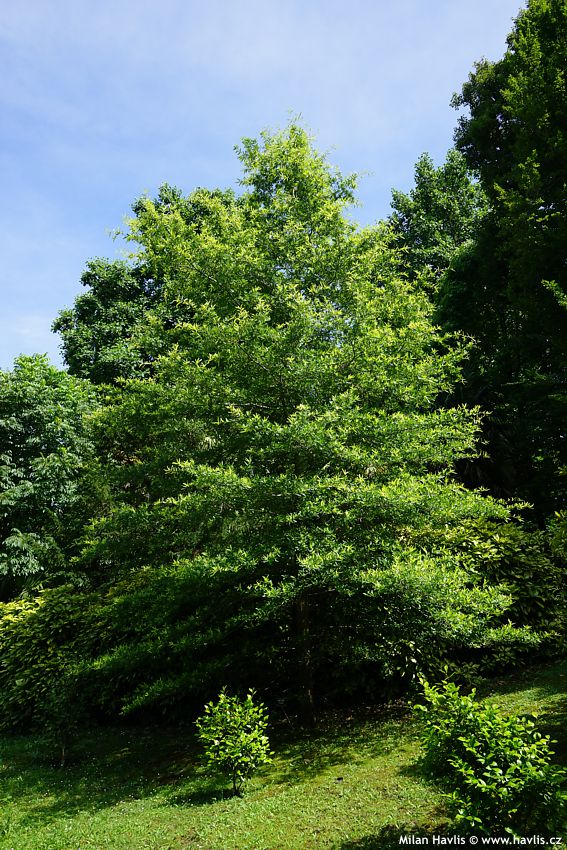
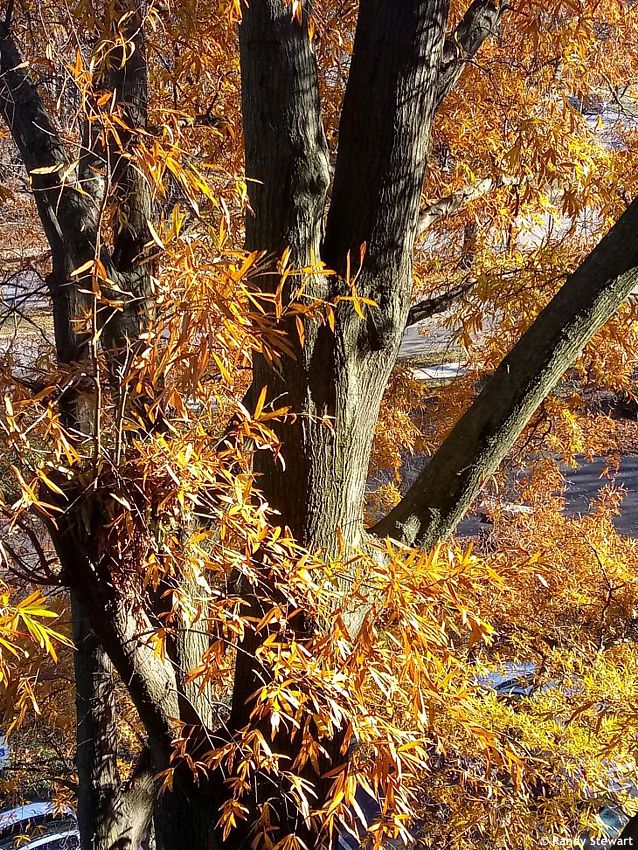
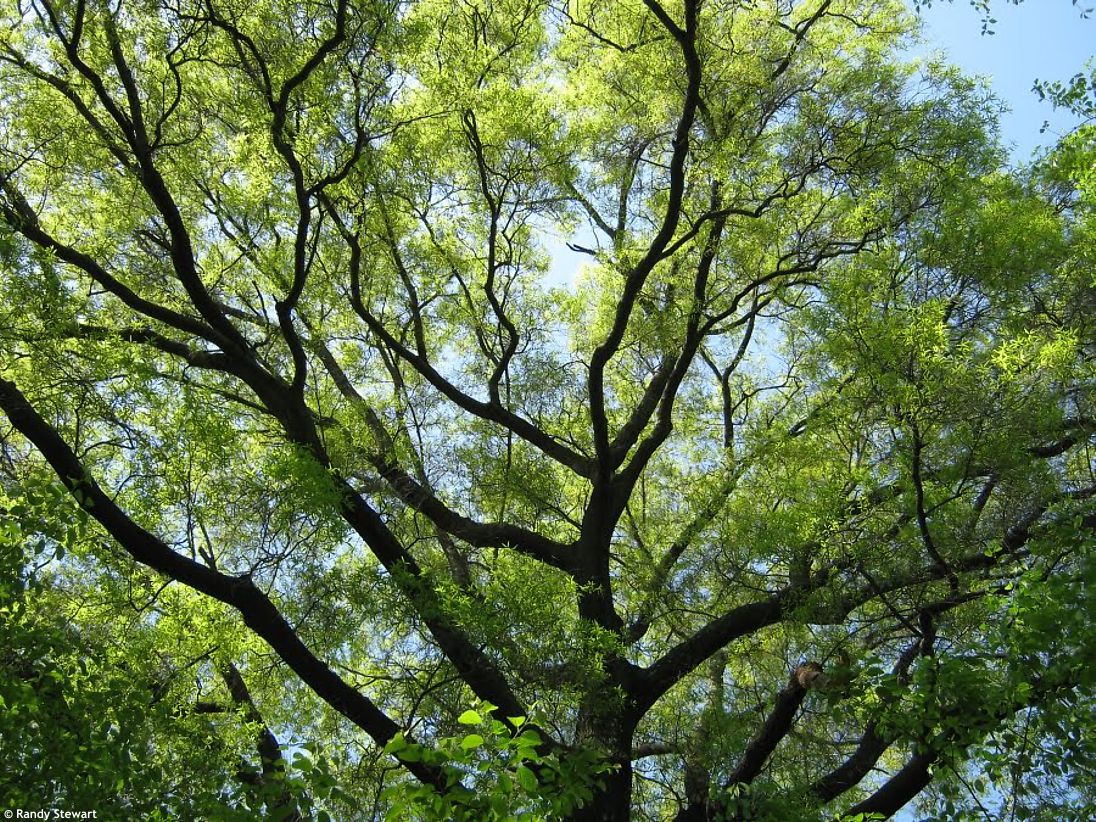
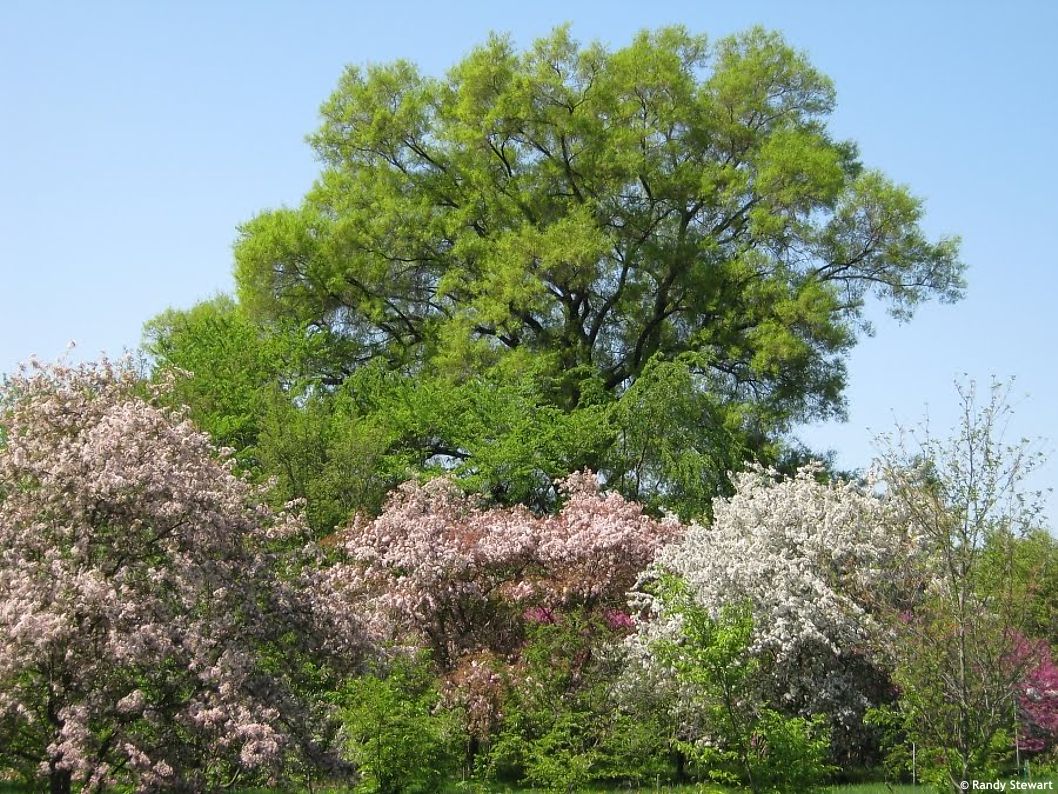
Quercus phellos willow oak

 Ectovit (ectomycorrhizal)
Quercus
The genus Quercus – oaks – is one of the richest tree genera of the Northern Hemisphere, comprising approximately 450 to 600 species. They are predominantly found in temperate and subtropical zones, with the highest diversity in North America and East Asia, though they also reach into tropical mountain regions. Oaks can be deciduous or evergreen, ranging from massive trees to small shrubs. They are monoecious, with inconspicuous flowers in catkins pollinated by wind, and their typical fruit is the acorn – a single-seeded nut enclosed in a cup-like structure. Oak leaves are alternate and highly variable: they may be lobed, toothed, serrated, or entire, and often show significant variation even within a single species, which makes identification challenging. Oaks are known for their hard, durable wood and their ability to grow into long-lived, majestic trees. They play an important role in ecosystems and culture – providing food for wildlife, wood for construction, cork, tannins, and medicinal substances. They are also considered symbols of strength and endurance in many mythologies and religions and are often associated with the masculine element.
Quercus phellos, the willow oak, is native to the southeastern United States, particularly Virginia, North and South Carolina, Georgia, Alabama, and Mississippi, where it forms a natural component of river floodplains, the margins of wetland forests, and open, periodically inundated habitats; under these conditions it evolved as a tree exceptionally tolerant of fluctuating soil moisture, ranging from temporary waterlogging to summer drought. It was botanically described and taxonomically established by Carl Linnaeus in 1753 in Species Plantarum, based on early descriptions and illustrations by Mark Catesby in his work The Natural History of Carolina, Florida and the Bahama Islands (1729–1747). In its native range, the willow oak is valued primarily for its ecological role: it produces abundant acorns as a food source for birds and mammals and is used in the restoration and stabilization of riparian vegetation and floodplain landscapes. It was first introduced to Europe in 1723 and has remained largely a collector’s tree—Europe has no shortage of native oaks, yet its narrow, willow-like leaves are so distinctive, comparable to those of Q. castaneifolia, Q. phillyreoides, or Q. rysophylla, that it has naturally found a place in arboreta and private collections.
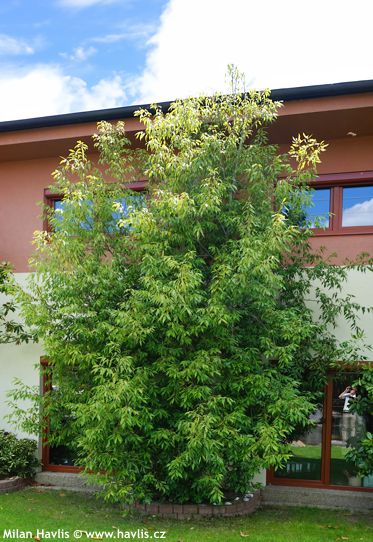
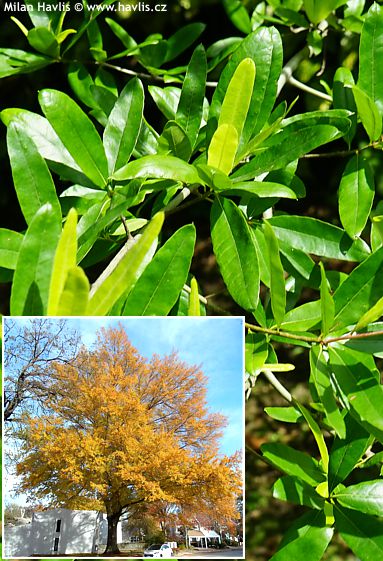
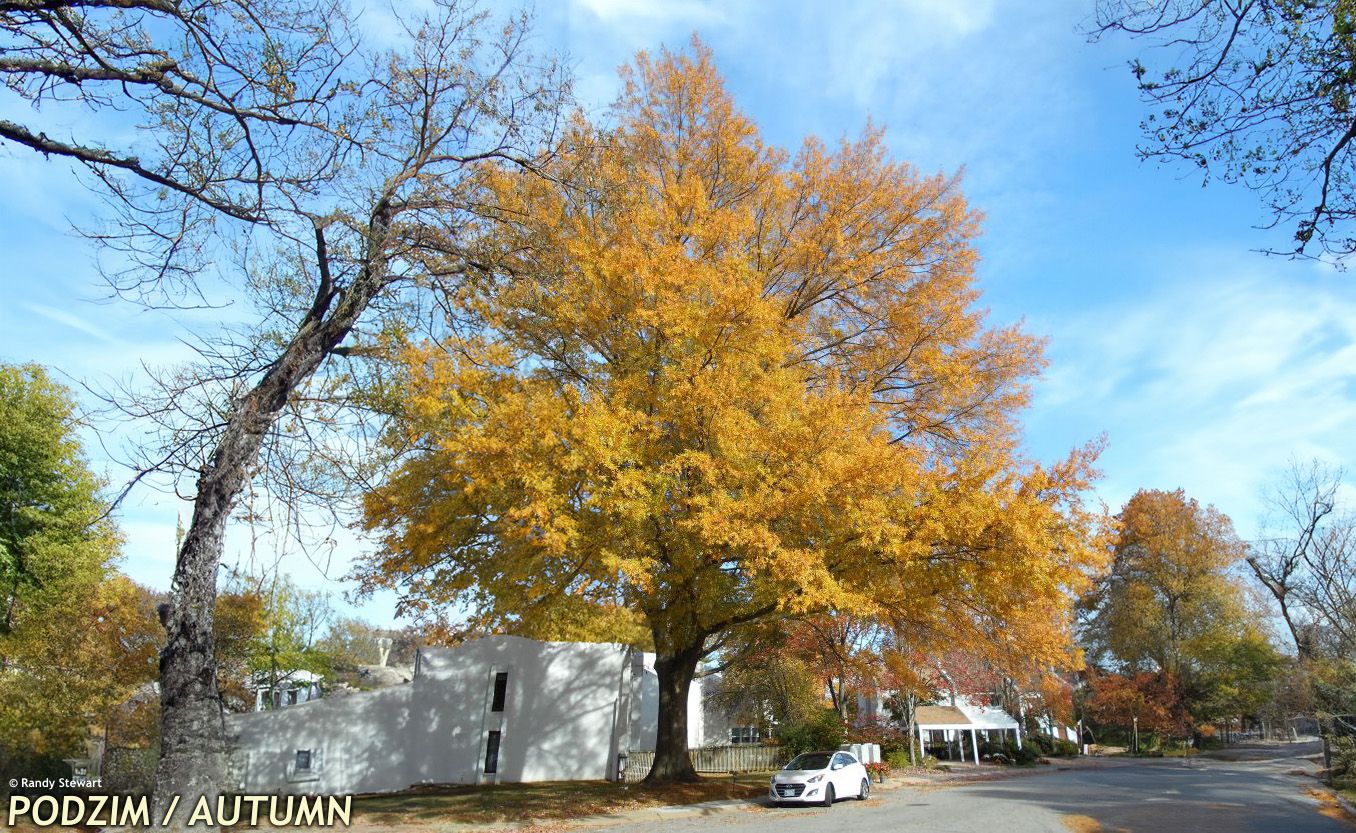
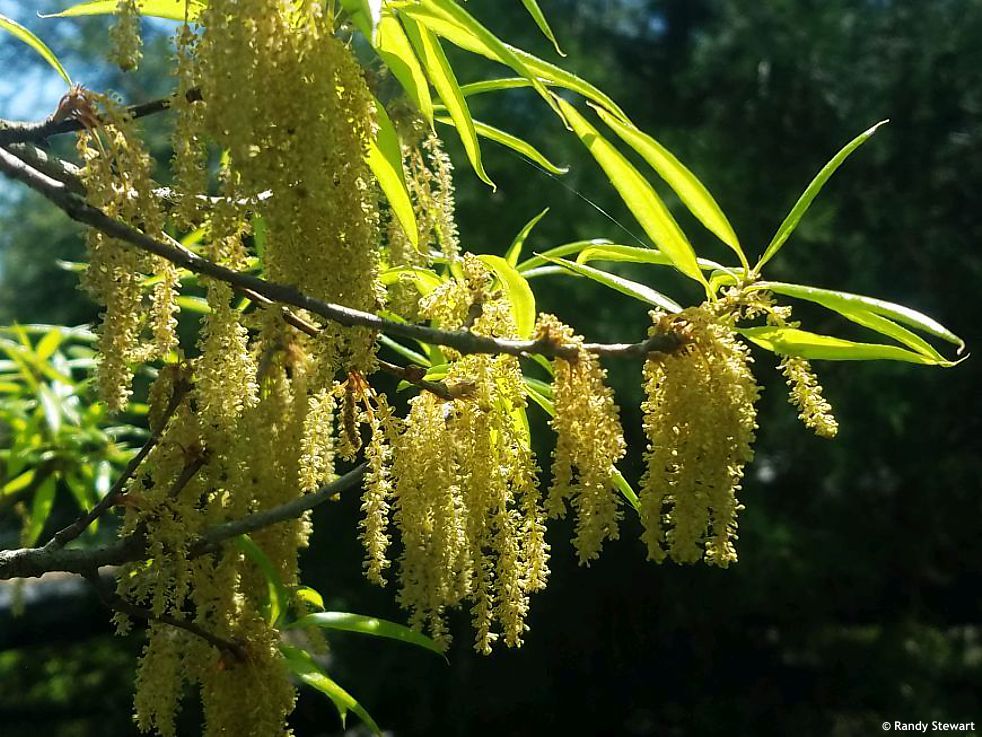
Willow Oak is an unusual species that, honestly, does not look like an oak at first glance. Its deciduous leaves are narrow to linear‑lanceolate, typically 6–12 cm long and only 1–2 cm wide, with entire margins and a finely pointed tip; in shape they closely resemble willow leaves, hence its common name. The upper surface is bright green until early summer, later turning dark green and glossy, while the underside is paler, glabrous or only occasionally minute. In autumn the foliage colours into striking shades of yellow to yellow‑brown, sometimes with a bronze tint, and often remains on the tree longer than in most other oaks.
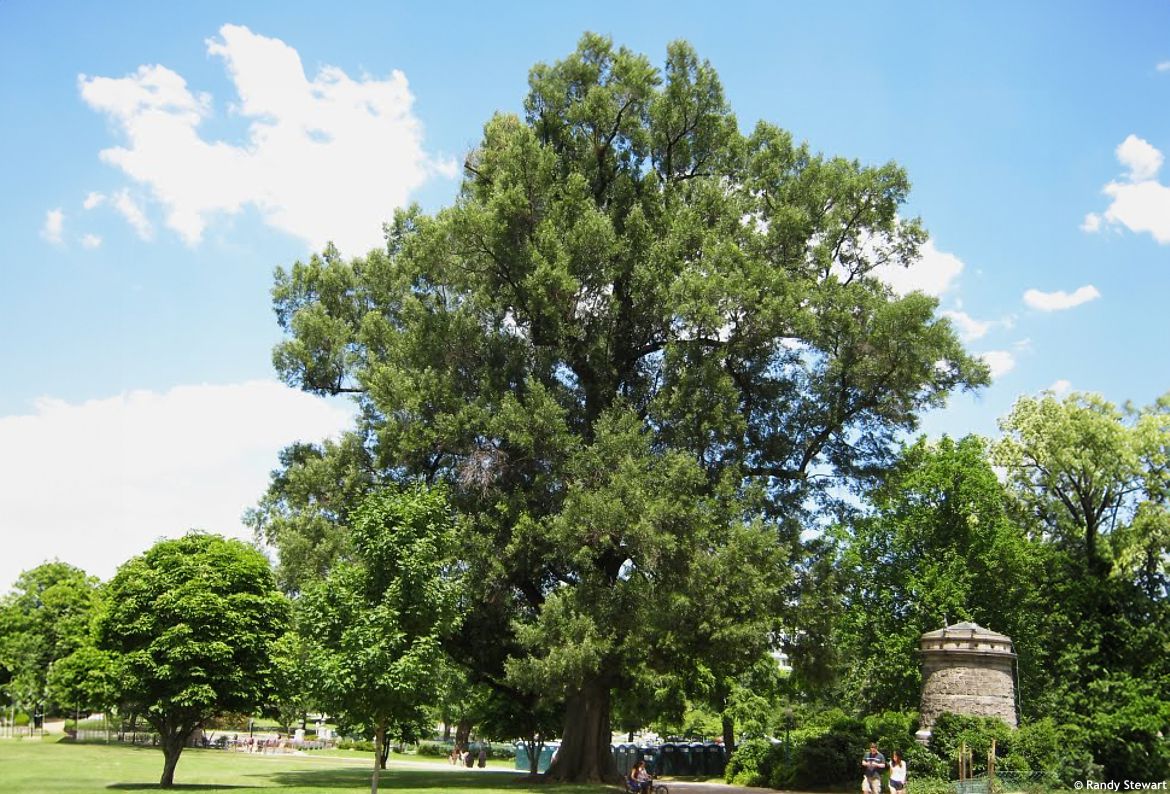
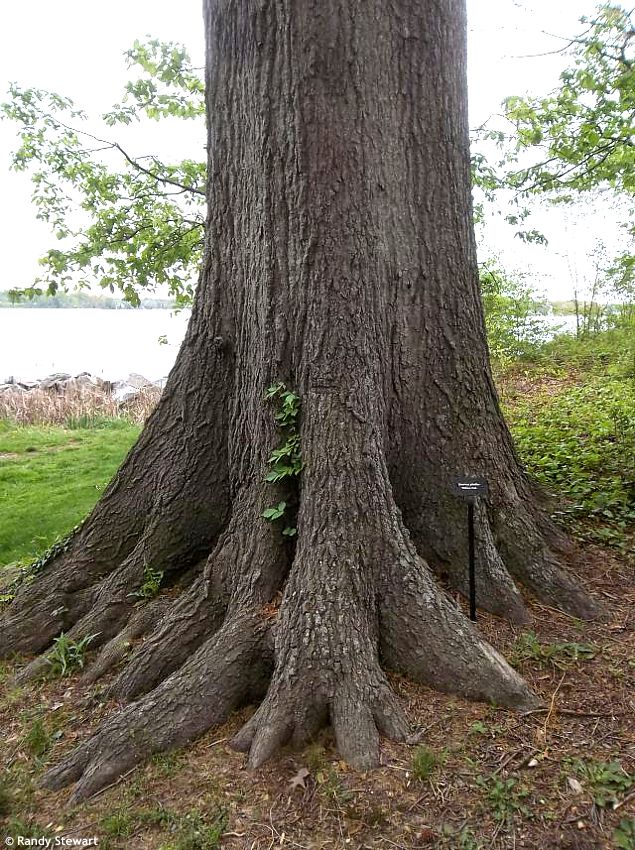
The tree develops a straight trunk and a regular, broadly conical crown in young age with a light, airy structure, formed by slender branches that are initially ascending and later spread more horizontally; in younger specimens the branching can recall that of Lebanon cedars. With maturity, the crown becomes more rounded, forming a regular canopy of broadly oval to rounded shape. The bark of young trees is smooth and grey‑brown, darkening with age and developing shallow longitudinal fissures, without the deep, coarse ridges typical of many other North American oaks. The current‑season shoots are slender, olive‑brown to grey, with small, ovoid, inconspicuous buds. From late summer onwards, small acorns ripen and often persist on the branches after leaf fall, extending the availability of food for birds and mammals.
In the landscape, willow oak is valued primarily as an ornamental specimen and as a tree for large parks, riverside promenades and formal avenues. Its narrow, glossy leaves and late, decorative autumn colour are effective both as a solitary feature and in groups. It is particularly well suited as a dominant element near water bodies, on expansive lawns in front of historic estates, or in arboreta, where its stately habit can be fully appreciated; in smaller gardens it is appropriate only as a carefully chosen specimen tree. In Britain it has gained popularity as a collection and park tree – notable specimens grow at Kew Gardens, near Syon House, at estates such as Powis Castle, and in parks in Hastings and Surrey – demonstrating how impressively it can grow and perform in a European climate.
Last update 16-02-2026
Willow oak grows rapidly: once established, it can make 50 cm or more per year, and in maturity, which may take up to 50 years, it can readily reach heights and spreads of up to 30 metres. It is undemanding in cultivation and, apart from careful site selection and firm staking of standard trees during the first three to four years, requires little attention. It prefers full sun and deep, fertile soil, yet it is remarkably adaptable: it tolerates both drier sites thanks to its deep root system and temporary flooding, and copes well with hot summers as well as Central European winters. Its roots are deep and non‑aggressive, so they generally pose no risk near buildings or paved areas; nevertheless, the tree develops a broader root flare, and before the roots descend more deeply, it forms several short but strong structural roots radiating around the trunk – something that should be taken into account. It does not tolerate heavy applications of de‑icing road salt. Its frost hardiness is commonly given as down to −29 °C (USDA zone 5), with reports of individual trees surviving extremes of around −32 °C in Cincinnati, USA.