











Oxydendrum arboreum sourwood, sorrel tree

 Rhodovit (ericoid)
Oxydendrum
The sourwood is the only species of its genus within the heath family (Ericaceae). In the wild it grows exclusively in the eastern United States – from Pennsylvania through the Appalachian Mountains down to northern Florida, and westward to Illinois and eastern Texas. It is most often found as part of so‑called oak–heath forests, where it shares its habitat with rhododendrons, mountain laurels, and oaks. It entered European science in 1753, when Carl Linnaeus described it as Andromeda arborea. In 1839 the Swiss botanist Augustin Pyramus de Candolle reassigned it to its own genus, Oxydendrum. Phylogenetic studies show that this lineage of the heath family is tens of millions of years old, making the sourwood a living relic of the Tertiary flora of eastern North America. The Indigenous peoples of the region – for example the Cherokee – used its sour leaves both as a flavouring and for medicinal purposes.
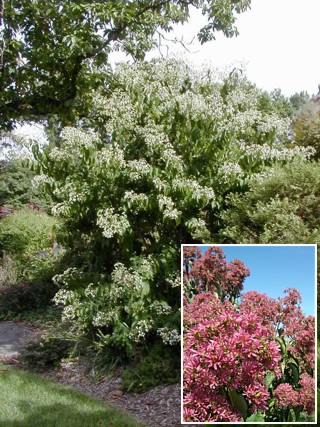
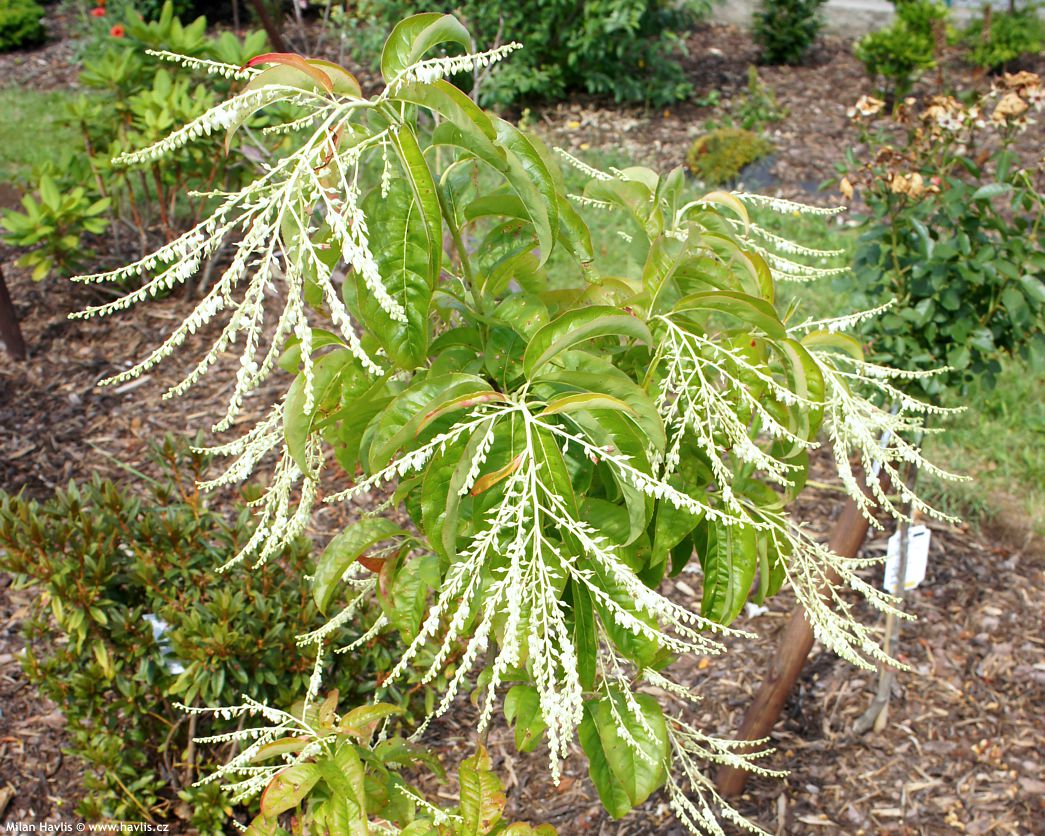
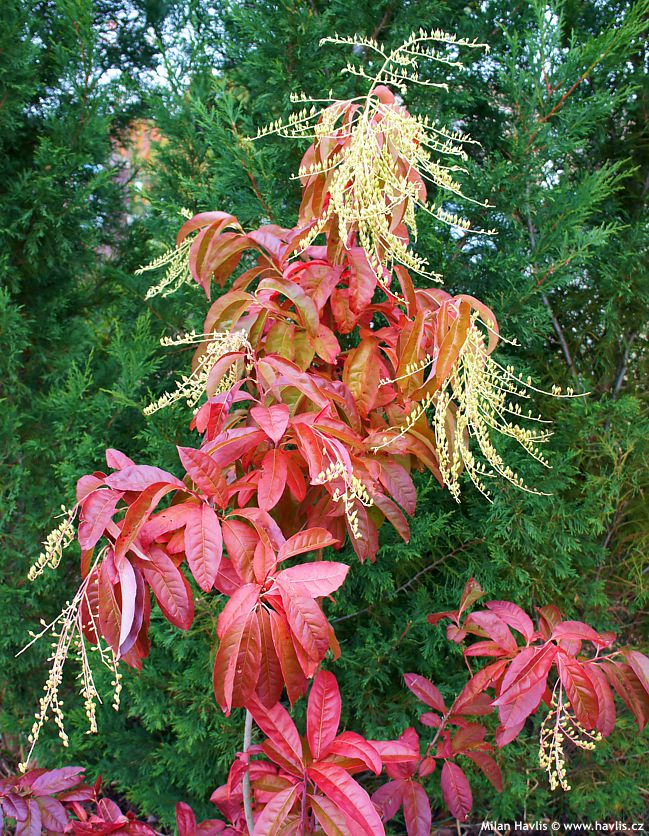
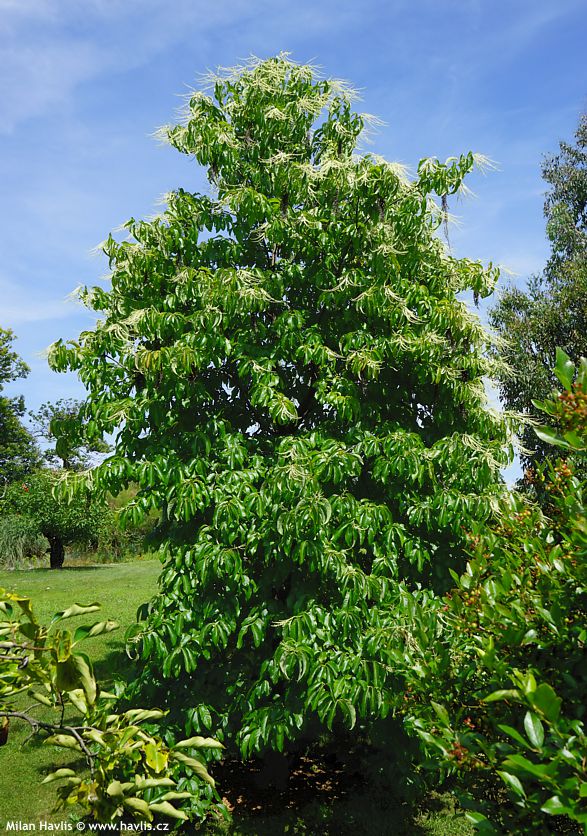
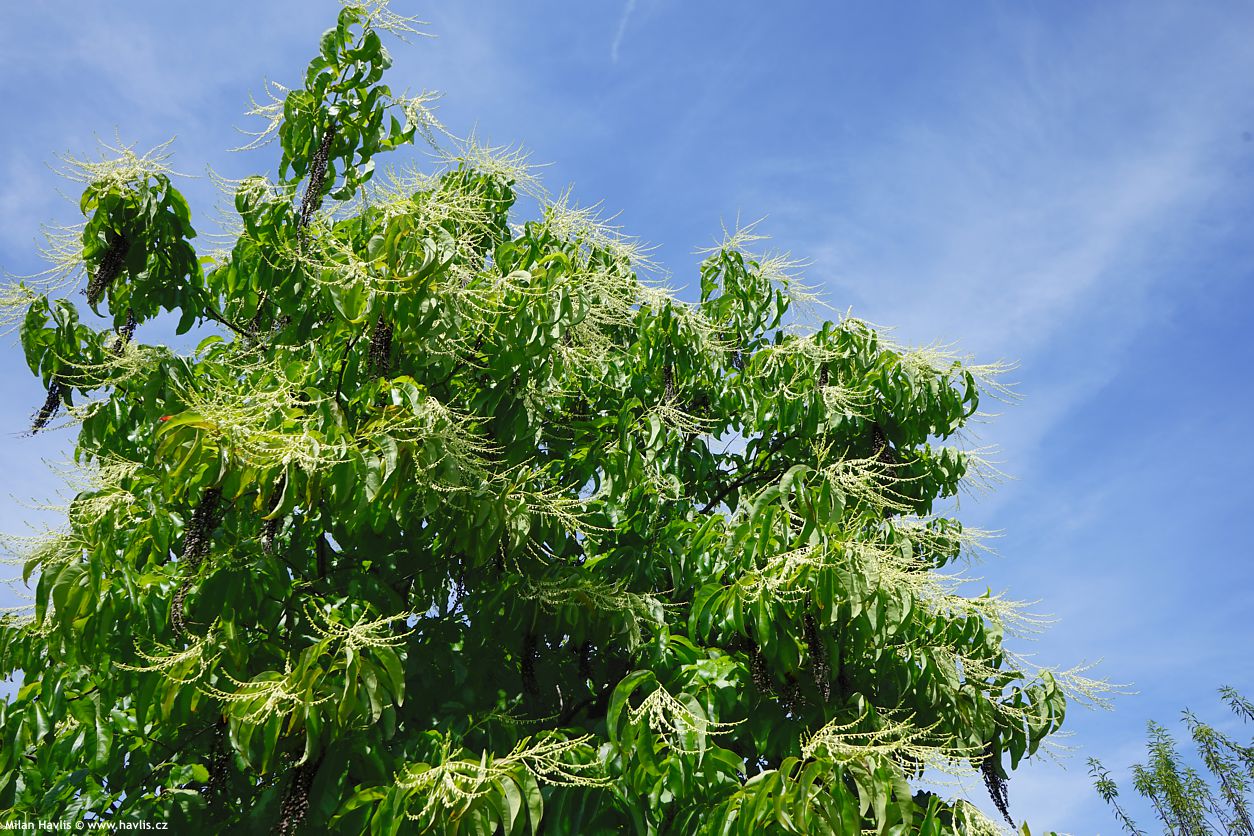
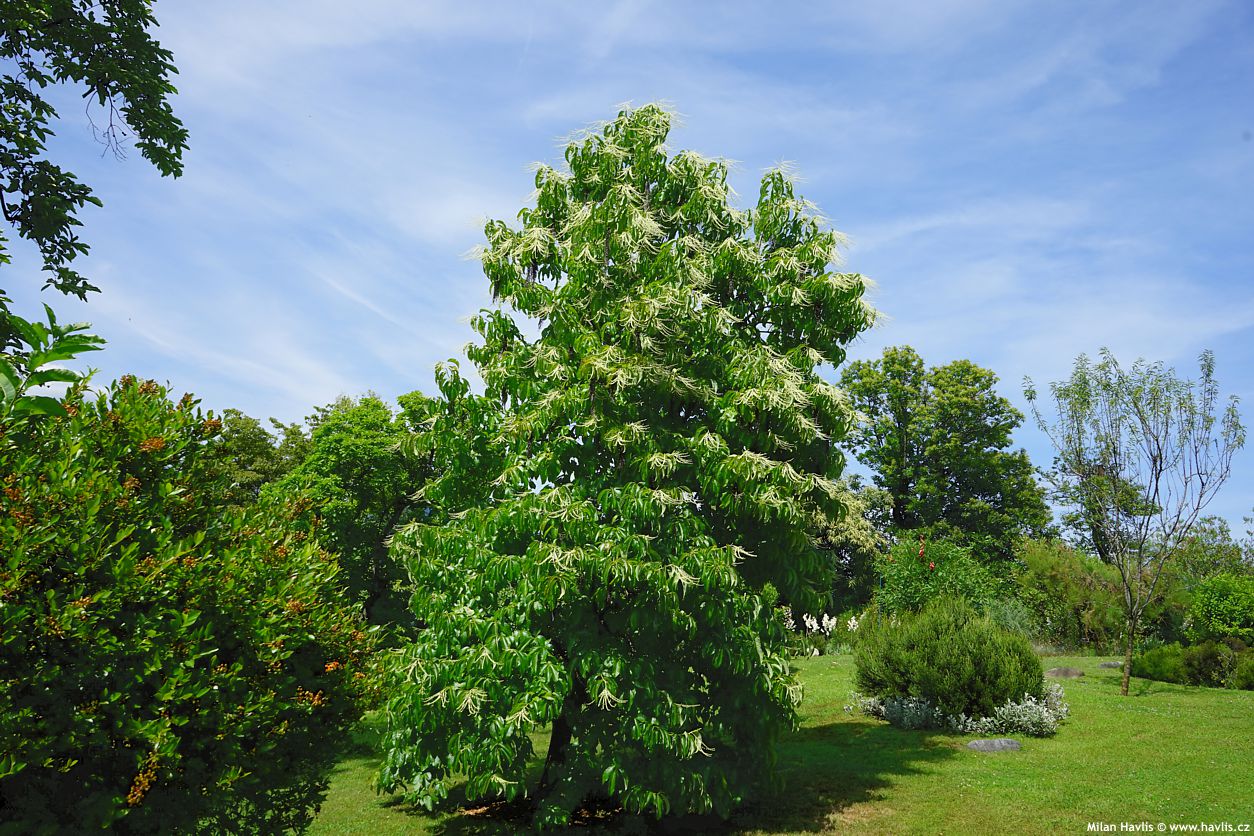
The sourwood is a rare tree with a distinctive appearance and exceptional autumn colour. At first glance it looks like a magical tree from a fairy tale or an animated fantasy. Its structure, combined with its flowers and the arrangement of its leaves, resembles nothing we usually grow here or encounter in arboreta. It is a slow‑growing, small tree or large shrub with a slightly pyramidal, narrow form in youth. With age, the trunk thickens, and the branches spread outward, but this only occurs in specimens older than about 40–50 years.
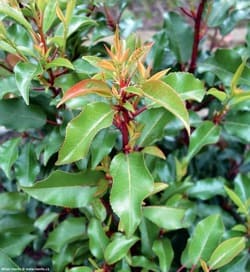
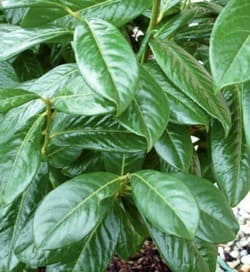
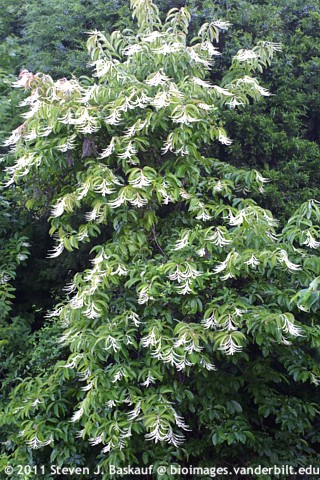
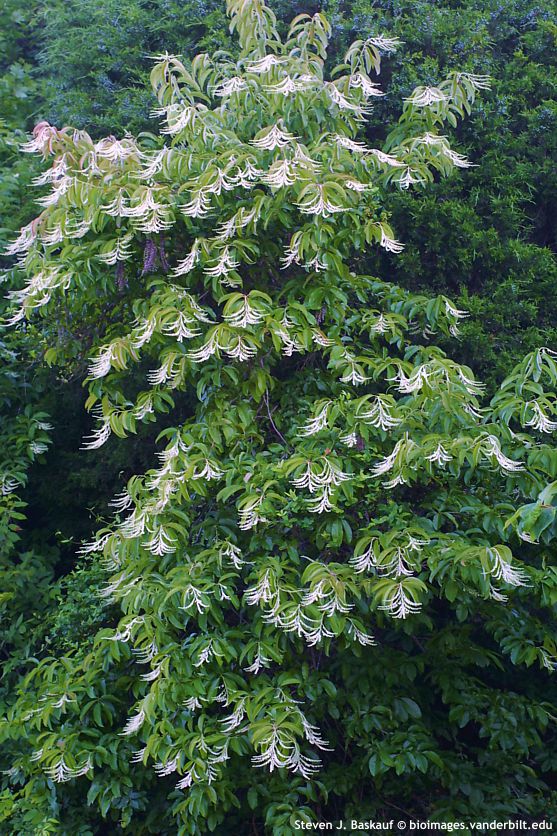
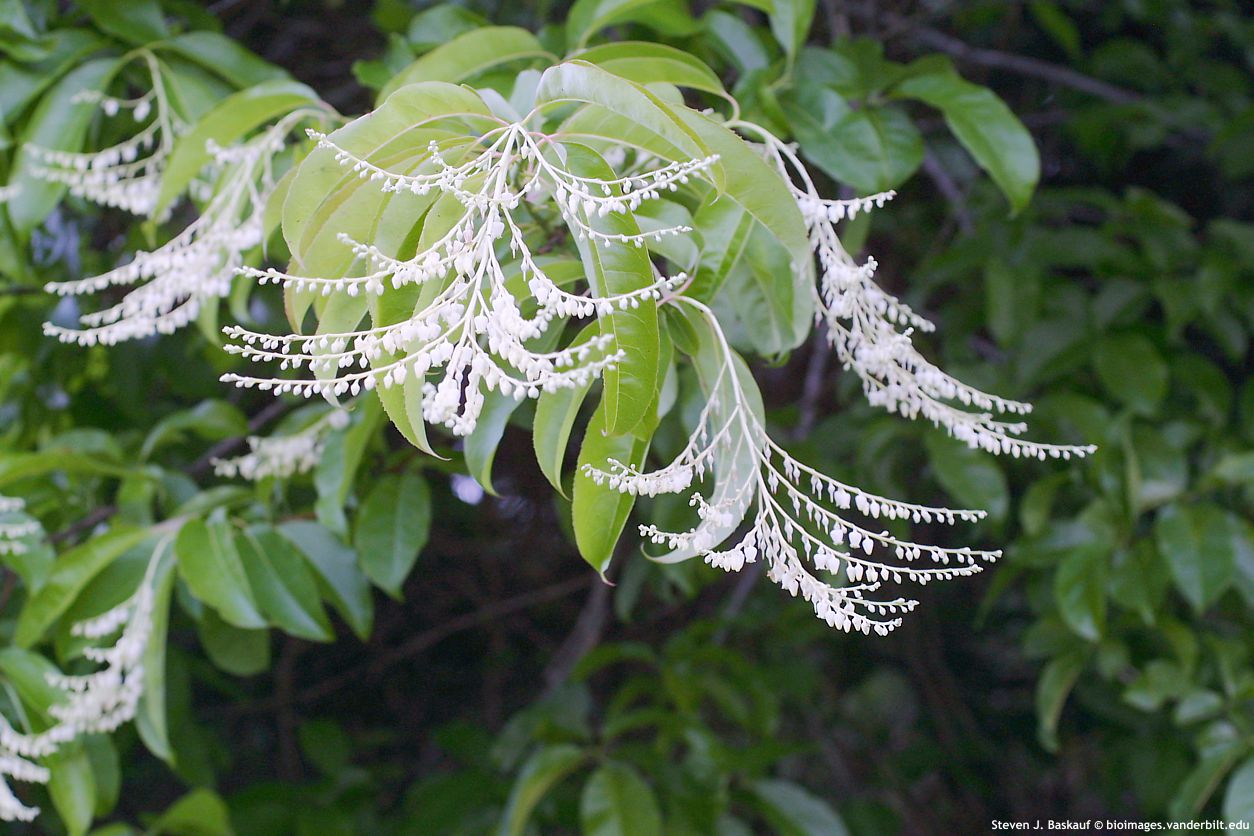
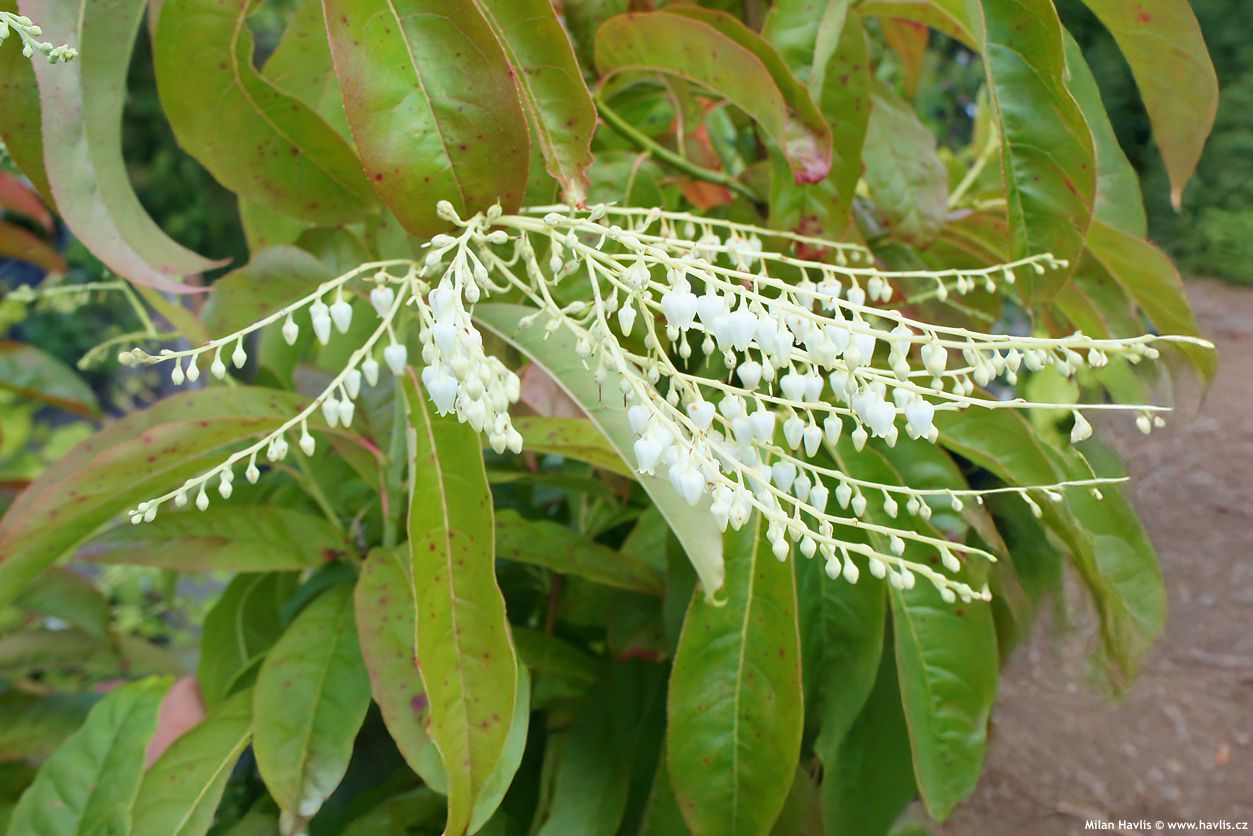
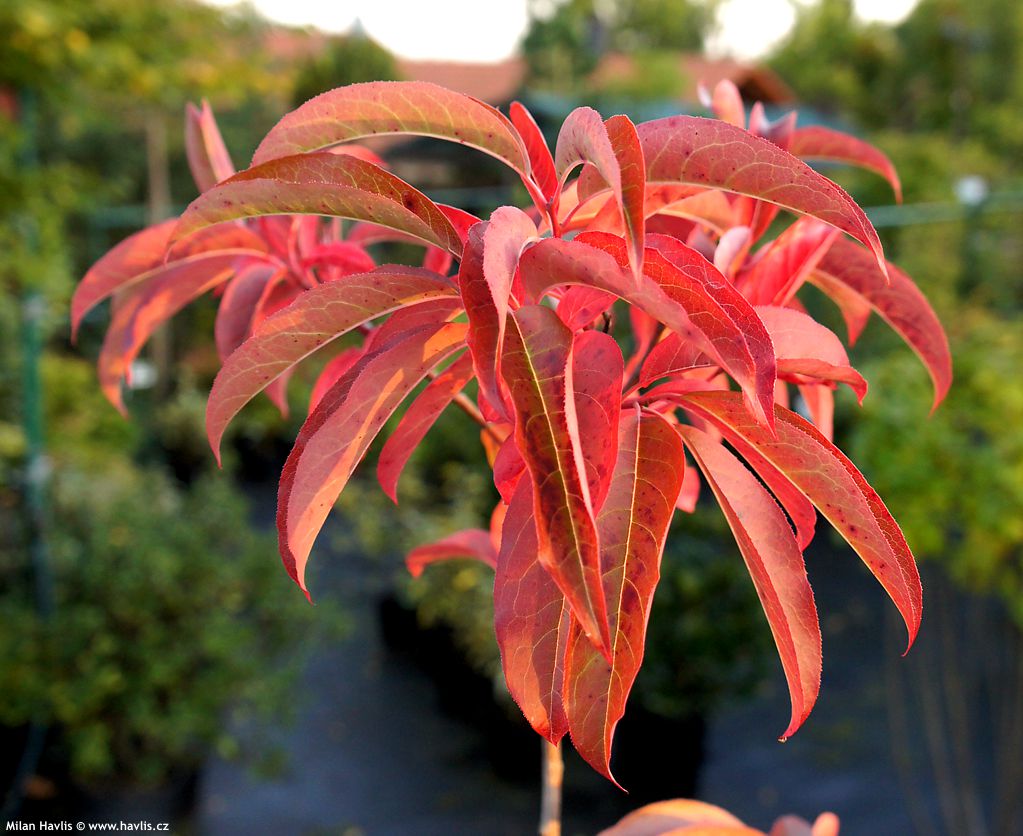
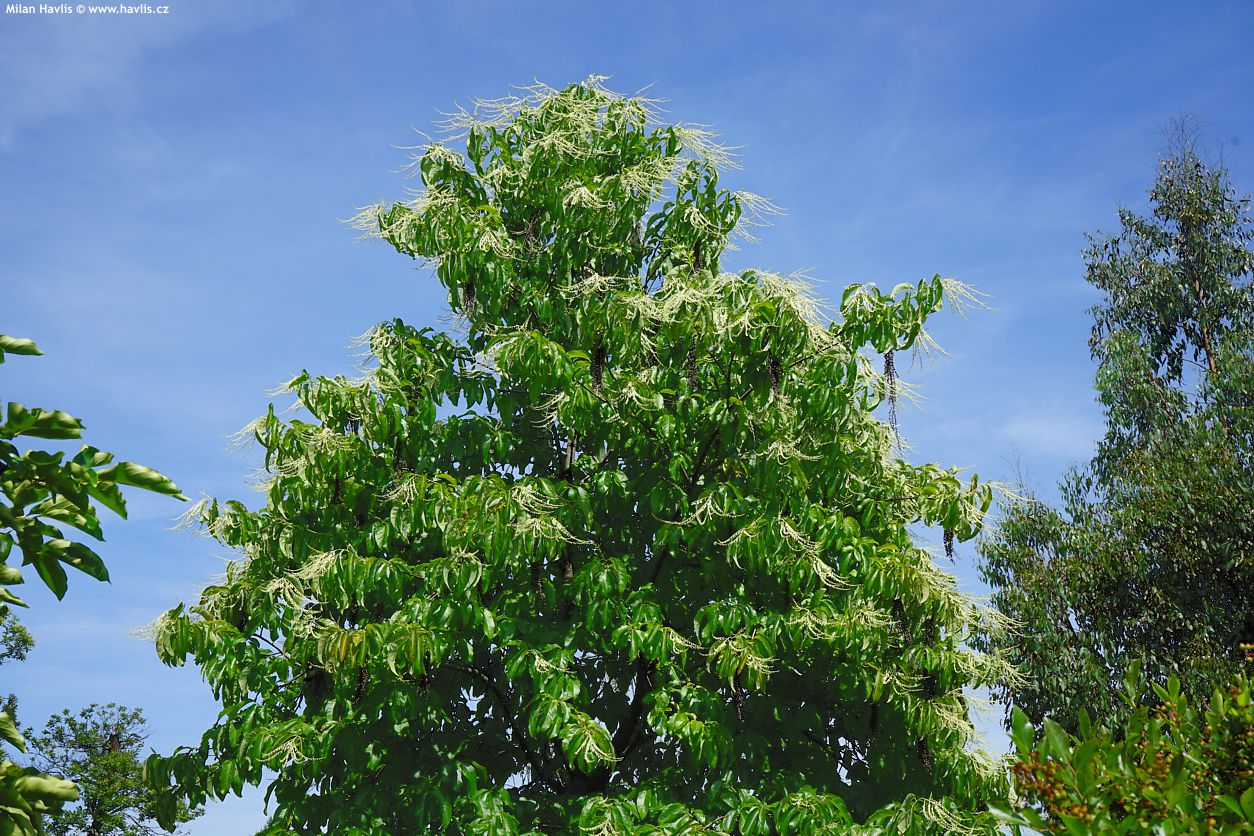
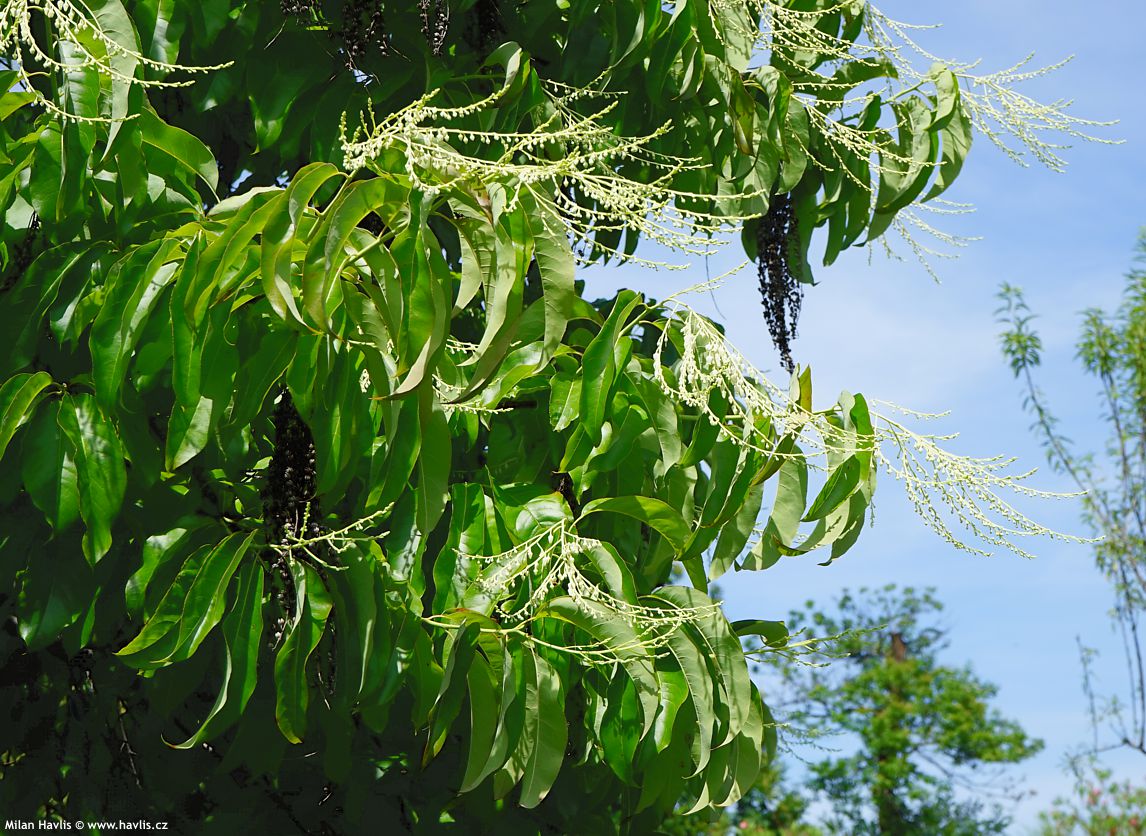
Its deciduous leaves are glossy, narrowly lanceolate, curved like a bow, slightly folded, and medium to deep green. Flowering comes in summer, when the plant produces panicles up to 25 cm long, gently undulating and reminiscent of privet, carrying lily‑of‑the‑valley‑like, white, highly fragrant blossoms. Bumblebees are the main visitors, but the flowers are large enough to offer nectar to honeybees as well, which produce a special honey collected in the Appalachian Mountains only during the brief flowering season and sold as a regional delicacy. The tree has even entered folklore – its name is carried by the traditional Appalachian song Sourwood Mountain.
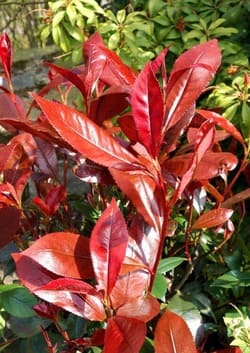
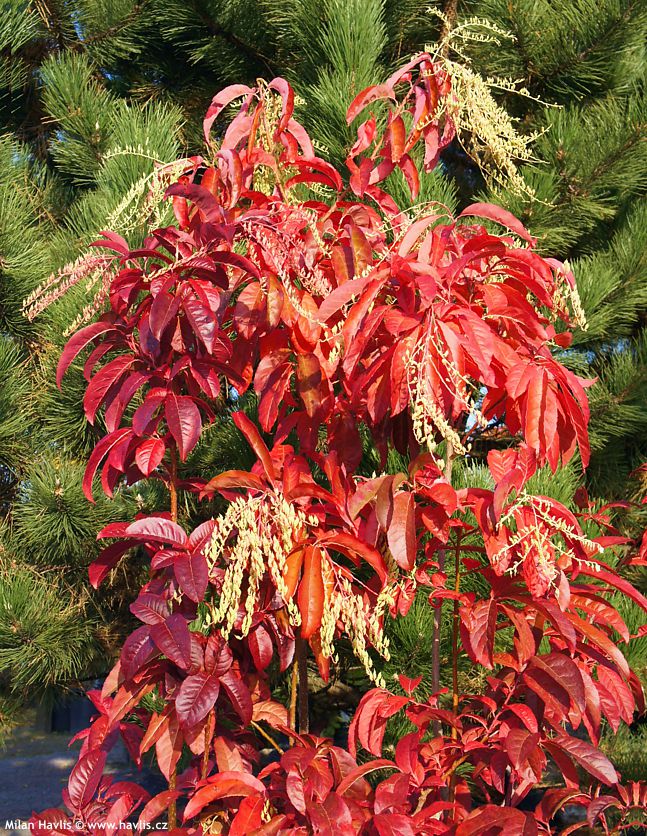
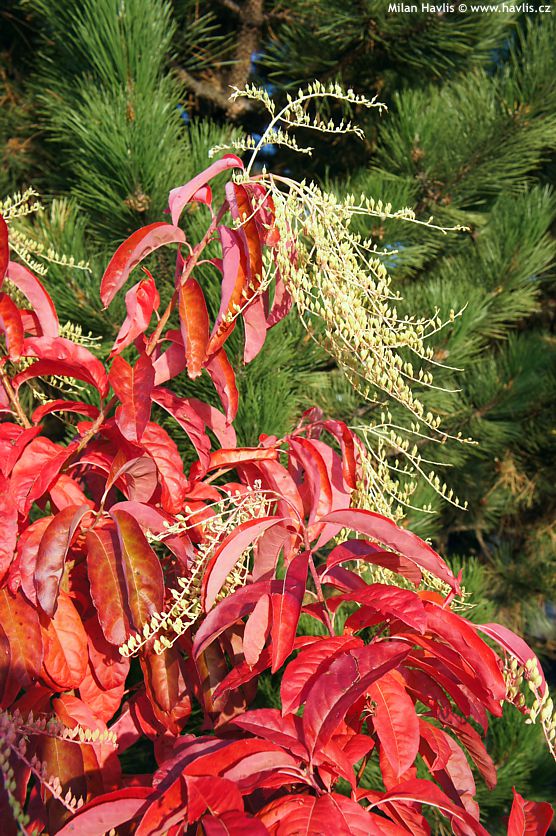
If you enjoy rarities and unusual trees, make room in your garden for this beauty. Its mature size, reached after 60–70 years, is usually 5 to 8 meters tall and half that in width, while in the wild under ideal conditions it can grow considerably larger. Its main attractions include not only the summer blooming, which lasts up to a month, but also the spectacular autumn foliage. The leaves turn brilliant red to deep burgundy with golden‑orange transitions. The best colour is achieved in full sun and very acidic soil. With spring pruning after frost, it can easily be kept smaller and in a compact form.
Last update 29-11-2011; 03-10-2025
In the wild, sourwood grows in heath soils rich in peat, that is, in acidic conditions. Provide it with similar conditions in your garden. It dislikes transplanting or root disturbance of any kind, so choose its permanent place carefully before planting. It enjoys moisture, but in waterlogged soil it may quickly rot from the roots, so avoid heavy, poorly drained ground. Also keep it away from exposed, windy sites. Fertilize it with the same products used for other acid‑loving plants such as rhododendrons and azaleas. Hardy to about –29 °C (USDA zone 5).