












.jpg)
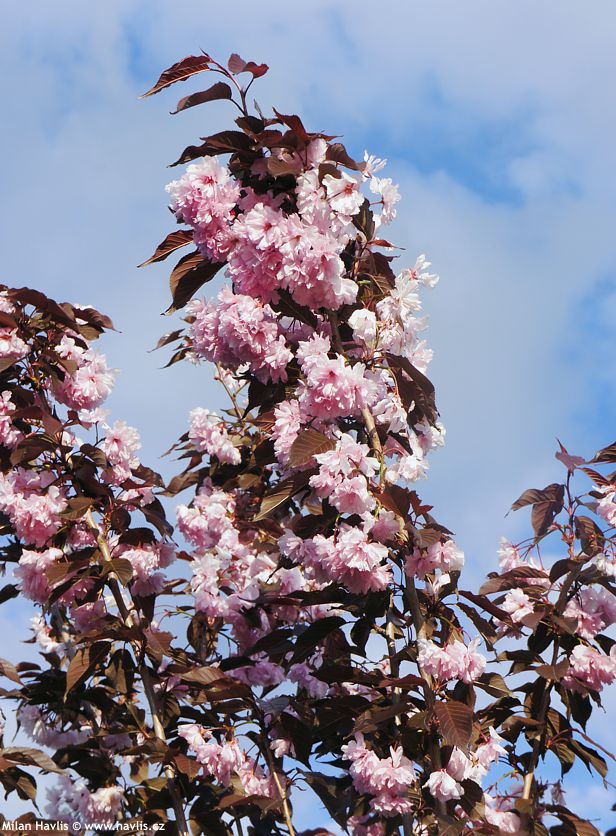
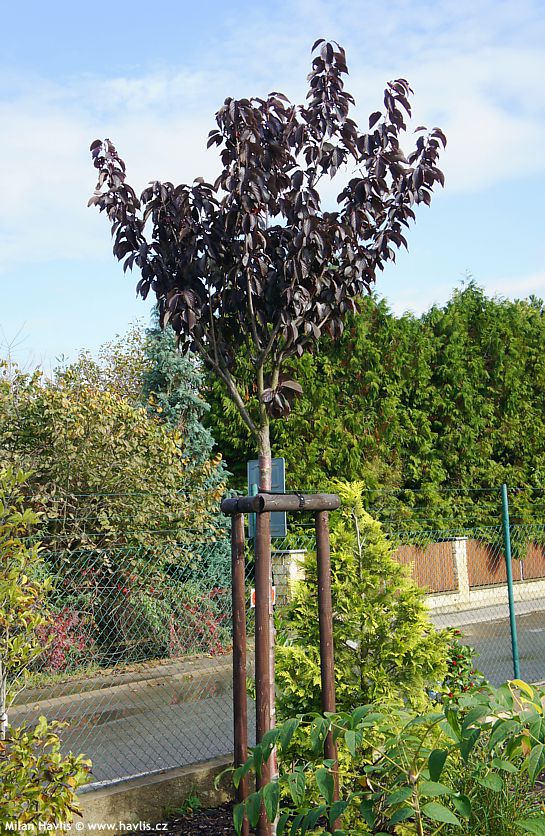
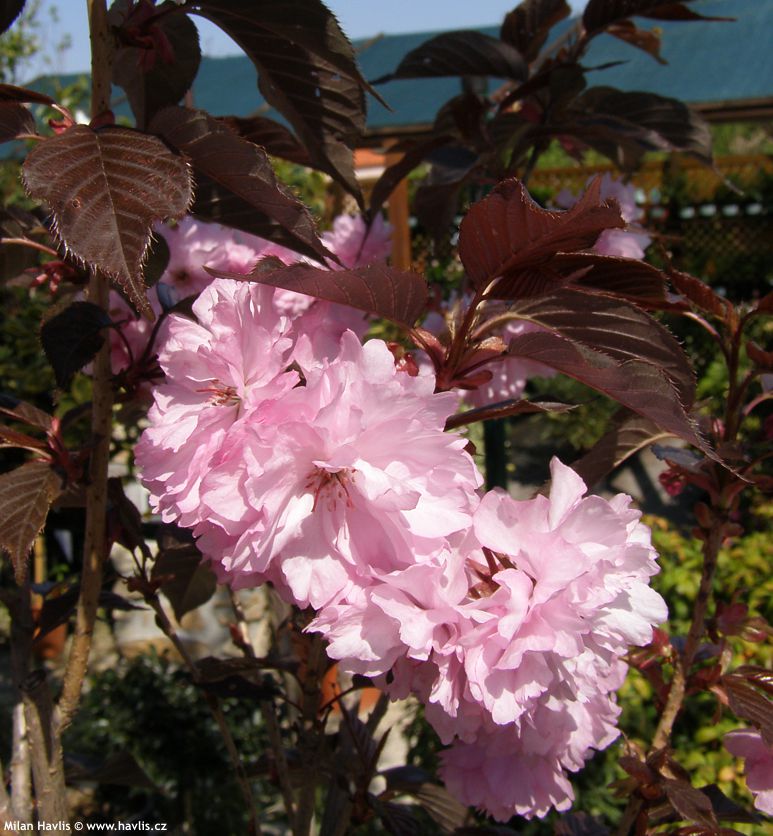
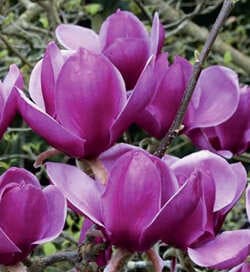
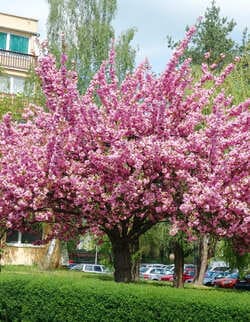
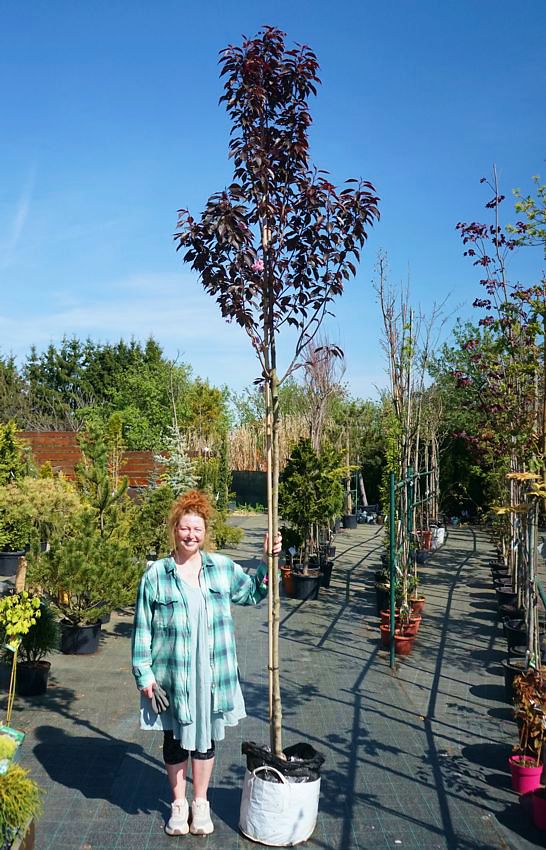
Prunus serrulata 'ROYAL BURGUNDY' Japanese cherry, flowering cherry

 Symbivit Tric (arbuscular)
 Symbivit (arbuscular)
Prunus
Prunus is one of the largest genera within the rose family, comprising hundreds of species spread across the entire Northern Hemisphere. It includes fruit trees such as cherries, plums, and apricots, as well as ornamental trees that have become symbols of spring. There are also evergreen species and forms that also thrive in Central European gardens, whether as solitary specimens or hedges. Fossil evidence confirms the existence of prunus already in the Tertiary period. The genus was known in antiquity – Greeks and Romans cultivated plums and cherries – and modern botany systematized it in the 18th century, when Carl Linnaeus placed Prunus in the rose family (Rosaceae), where it forms one of the largest groups of woody plants.
The species Prunus serrulata, the Japanese cherry, originates from Japan, Korea, and China. It was described in the 19th century and became the foundation for most modern ornamental cherries. In Japan it remains central to the hanami festival, when from late March to early May people gather for picnics under blooming trees to celebrate the fleeting beauty of the blossoms. The tradition dates back to the Heian period, when aristocrats met beneath the cherries, and today it also includes evening “yozakura” illuminated by lanterns. Similar celebrations spread to South Korea, where festivals and concerts are held, while in China the older custom of admiring plum blossoms continues, a practice that once inspired Japanese aristocrats. In Japan they even measured the speed at which fallen cherry blossom petals descend from the trees: 5 centimeters per second. This figure became a poetic motif (and the title) of the beautiful anime movie Byōsoku Go Senchimētoru (5 Centimeters per Second) by Makoto Shinkai. Cherry blossoms are also linked to legends – one tale says the souls of samurai dwell within their trunks, as the transient flower perfectly symbolizes a short yet glorious warrior’s life. A proverb still recalls this connection: Hana wa sakuragi, hito wa bushi - “among flowers the cherry is supreme, among men the samurai.” In Europe, Prunus serrulata spread as a representative tree in parks and avenues, valued for its abundant blossoms and elegant habit.
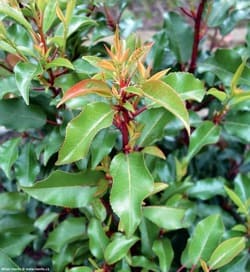
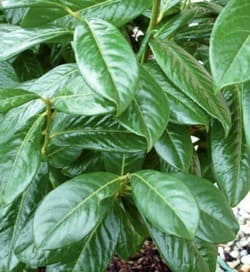
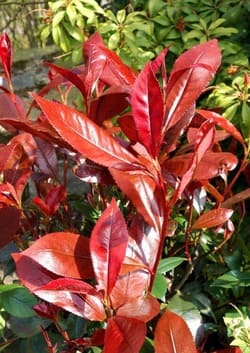
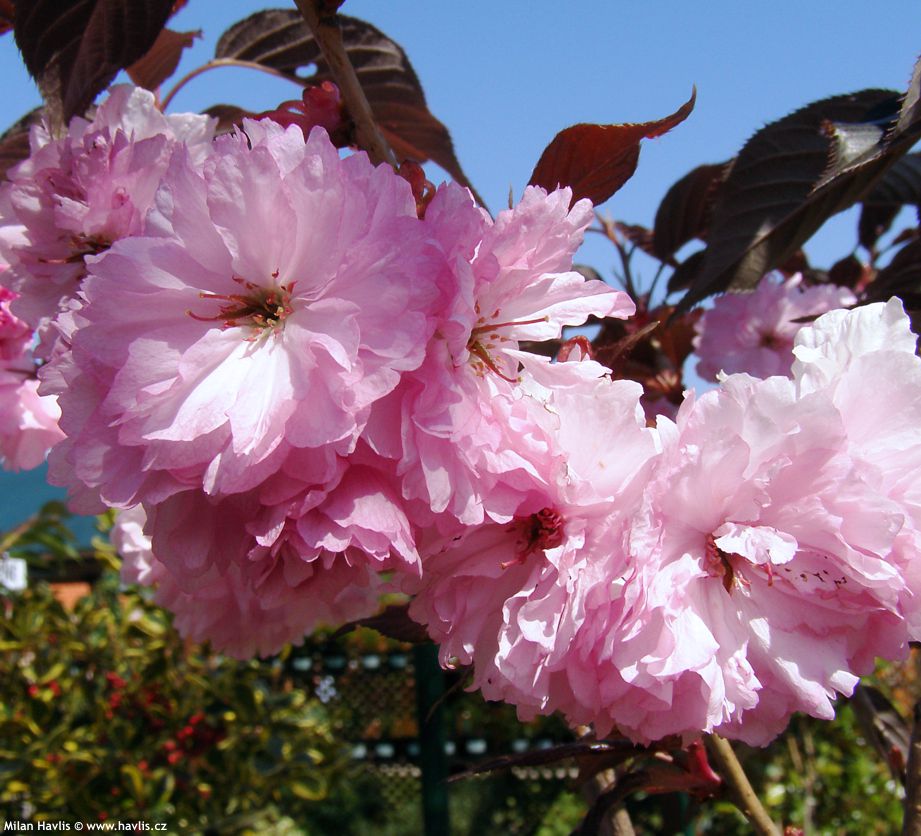
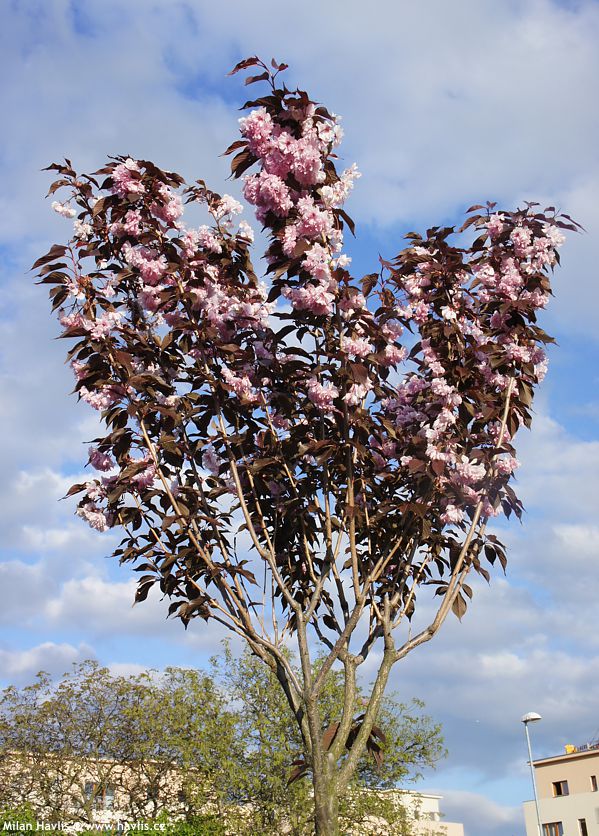
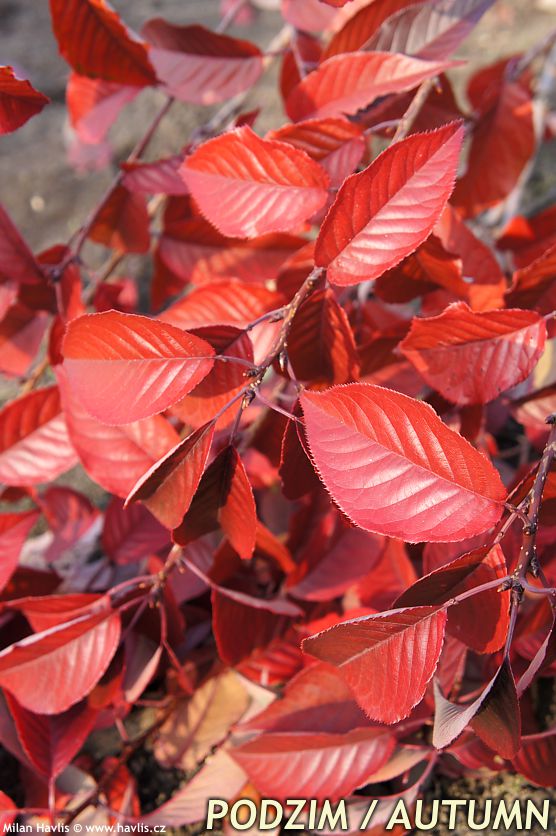
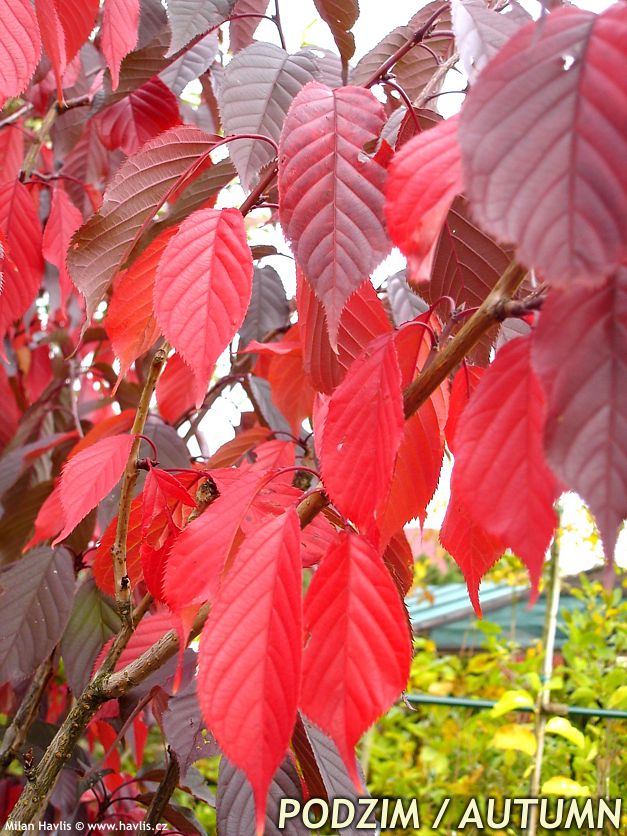
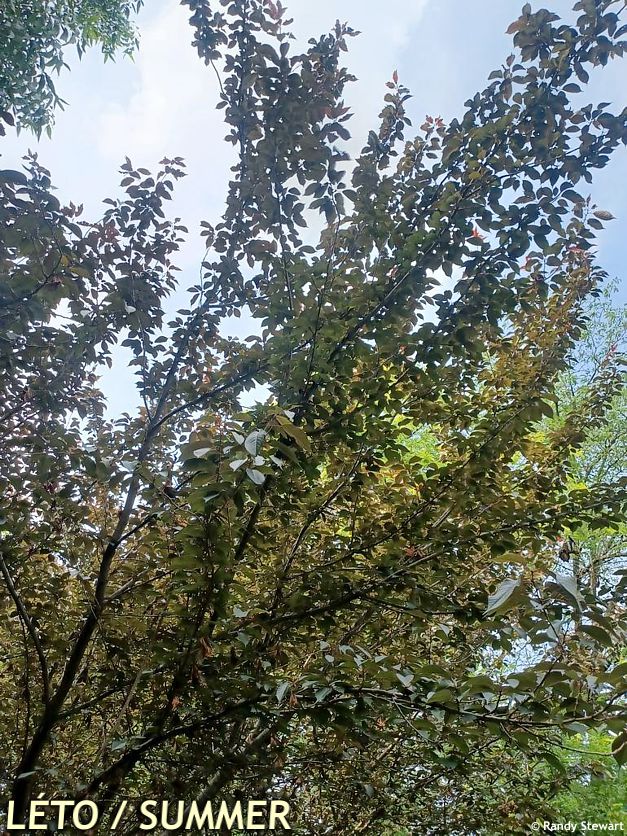
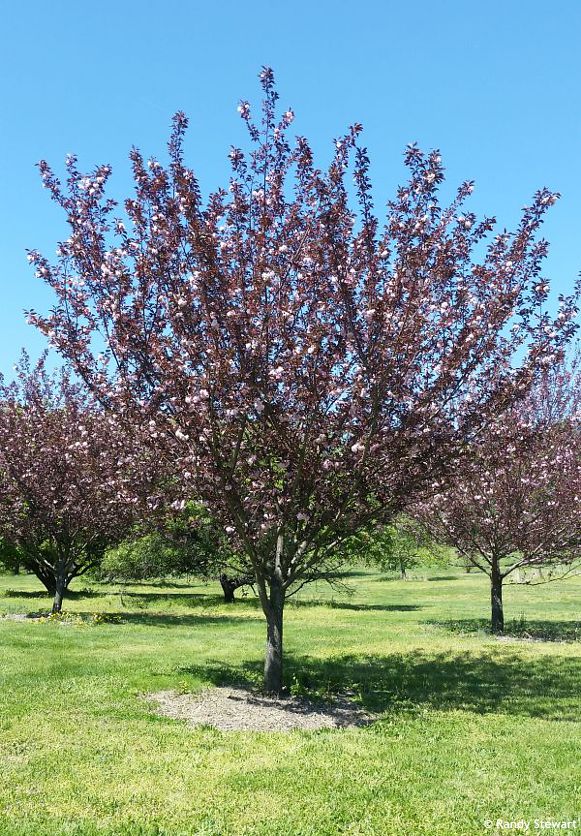
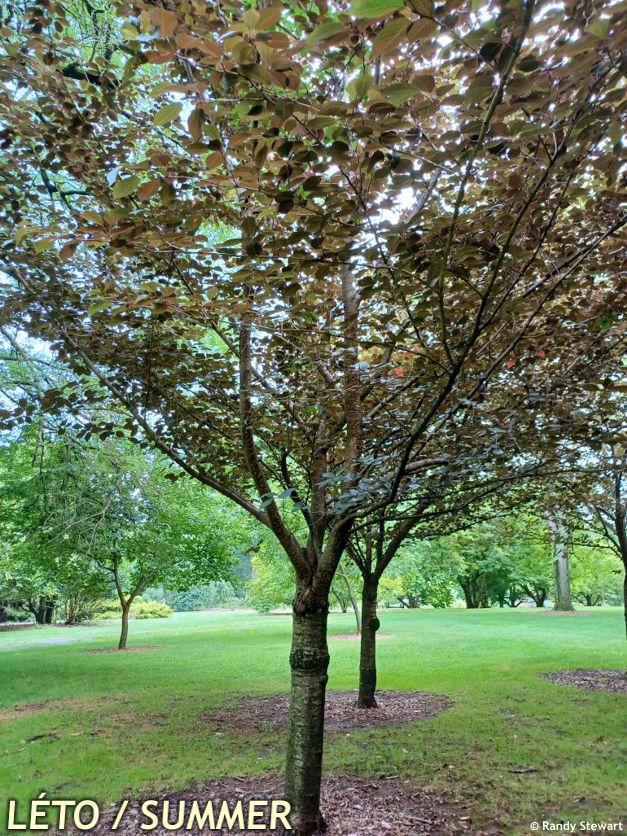
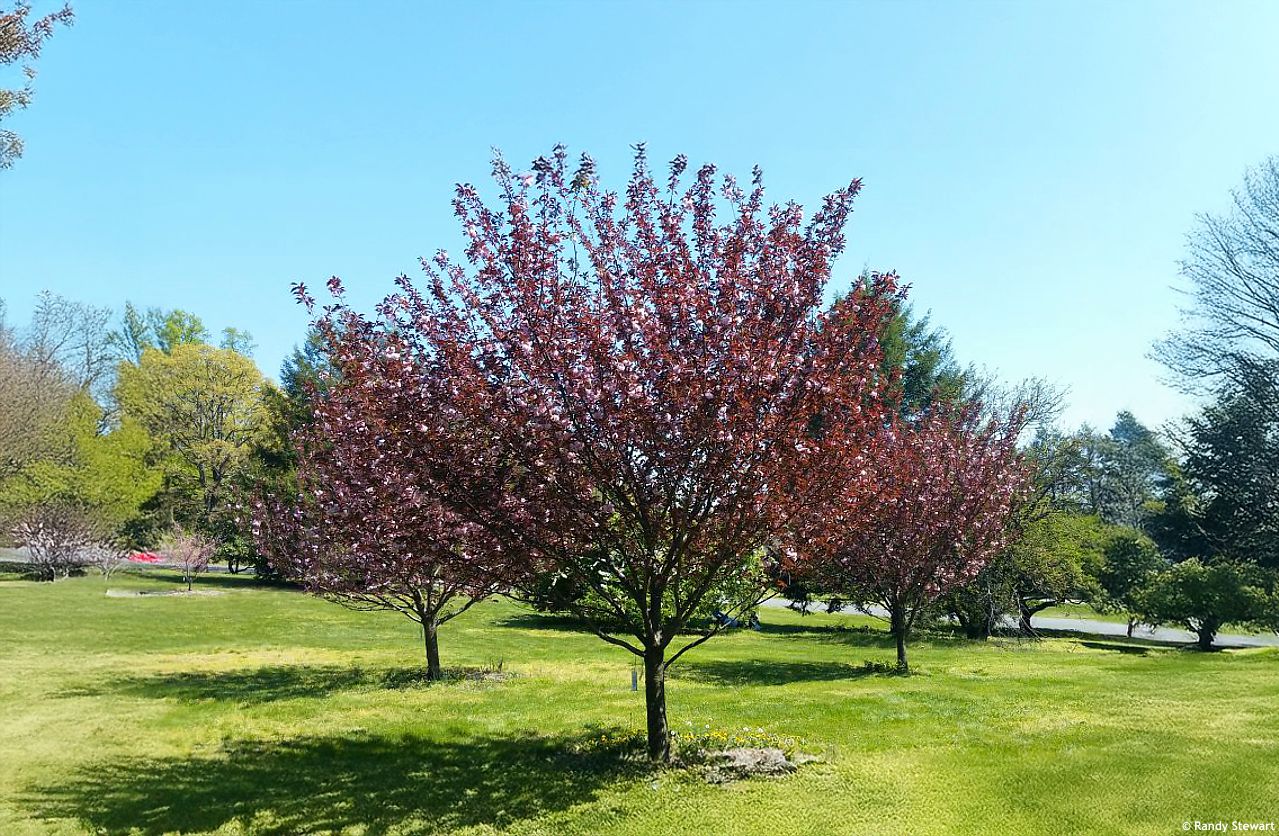
Many believe the most beautiful ornamental cherry – the Sakura – is the famous ‘Kanzan’ or the original weeping ‘Kiku-shidare-zakura’. They are indeed magnificent, but imagine the excitement when, in Oregon in the early 1990s, a bud mutation appeared that offered the same qualities plus dark purple foliage! Frank Parks of Speer & Sons nursery recognized, preserved, and introduced it under the name Royal Burgundy. It bears fully double blossoms in deep pink colour, perfectly contrasting with young leaves that are dark burgundy to nearly black. In summer the intensity of the foliage softens, and more dark green leaves appear, but autumn brings another fireworks display – this time in brilliant shades of red. The leaves are narrowly ovate to elliptical, 7–12 cm long and 4–6 cm wide, with finely serrated margins that gave the species its name. The bark is initially very smooth and even glossy, grayish to brown, with characteristic horizontal striations formed by lenticels. These delicate bands encircle the trunk and lend it an elegant structure. With age the surface begins to peel and crack, giving the tree a decorative texture.
‘Royal Burgundy’ does not reach great heights, usually around six to eight meters, but its crown spreads widely and can cover up to six meters across. It is therefore unsuitable for small front gardens or narrow urban plots, where it would feel cramped. It shows best as a solitary specimen on open lawn, where its broad canopy can fully develop, or in parks and avenues, where it creates a festive backdrop. Combined with trees bearing white blossoms in spring and green foliage, it offers a perfect counterpoint. And if you want the most colourful autumn, plant it alongside trees whose leaves turn golden or orange, such as silver maples or European beeches.
Last update 18-01-2009; 20-11-2025
The Japanese cherry has requirements similar to most ornamental cherries. It needs above all a sunny site, where its flowering and foliage colour can fully develop. The soil should be deep, well-drained but evenly moist, neutral to slightly acidic. It does not tolerate permanently waterlogged or overly heavy soils. Young trees must be staked for 3–4 years after planting, as the broad crown and relatively shallow root system can be vulnerable to strong winds. During this period, do not allow turf to grow directly over the roots. Watering is important especially for young trees during dry spells, though otherwise rainfall is sufficient. Fertilization is not necessary, but an annual spring application of organic matter is possible. Pruning is not often recommended but if required, it is best done in summer to avoid infections. The Japanese cherry is not suitable for long-term container cultivation – it needs open soil for its strong roots to spread. It may produce small fruits that are non-toxic but inedible and of no ornamental value. Keep in mind that cherries have shallow roots which, once thickened, may rise slightly above the soil or lawn surface, making them unsuitable near dry-laid paths or pavings. Hardiness is around –29 °C (USDA zone 5).

Goods are shipped all over Europe. For Russia and U.K. and for further details please read about SHIPPING OPTIONS HERE.
Are you interested in a serious discount for orders NOV-FEB? Check your options here.
THE PRICES INCLUDE VAT of 15%. For quick conversion you can use 1 CZK = approx. 0.04 EUR
- STANDARD QUALITY - Plants of this group are 1st class quality with number of branches and overall density adequate to their size and age, considering they were container grown.
- DE LUXE QUALITY - This label guarantees a luxurious quality of manually selected plants that, compared to their height and age, are exceptionally dense and beautiful.
- EXTRA - These plants are usually mature and bigger specimens with exceptional overall appearance.
- STANDARD (as described in the plant form) means a tree with a trunk of 190-210 cm and a crown at the top, unless specified differently. The commercial size for trees is their girth measured in the height of 1m from ground.
- HOBBY - These plants are of the same quality as our standard-quality plants but younger and therefore cheaper.
- SHRUB - a woody plant with branches growing bushy from the ground level.
- HALF-STANDARD or MINI-STANDARD - a small tree with shorter trunk, its size is usually specified.
- FEATHERED - These are trees with branches growing already from the base of the trunk and up along the stem.
- GRASSES and PERENNIALS - Sizes given usually read the diameter of the pot or the clump, as specified.
