

































.jpg)
What it looks like and how to tell it resides in your garden (without paying rent)
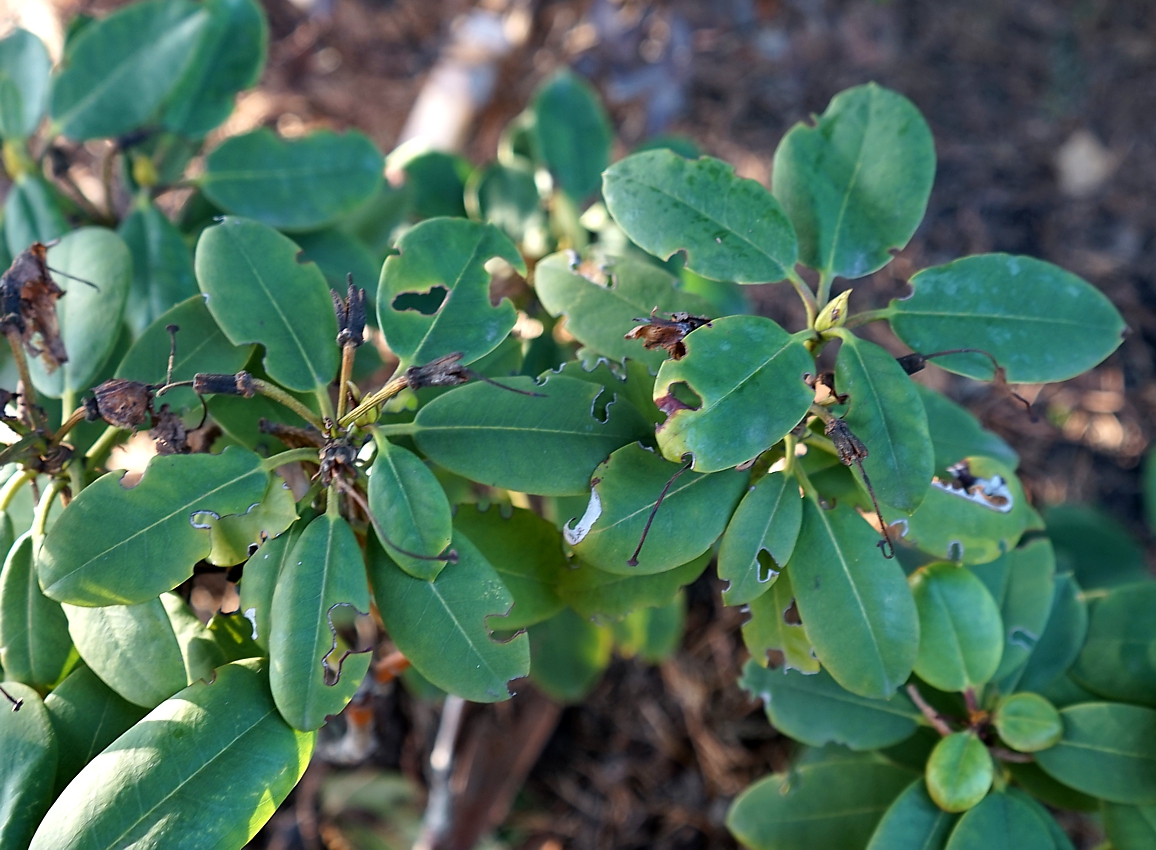
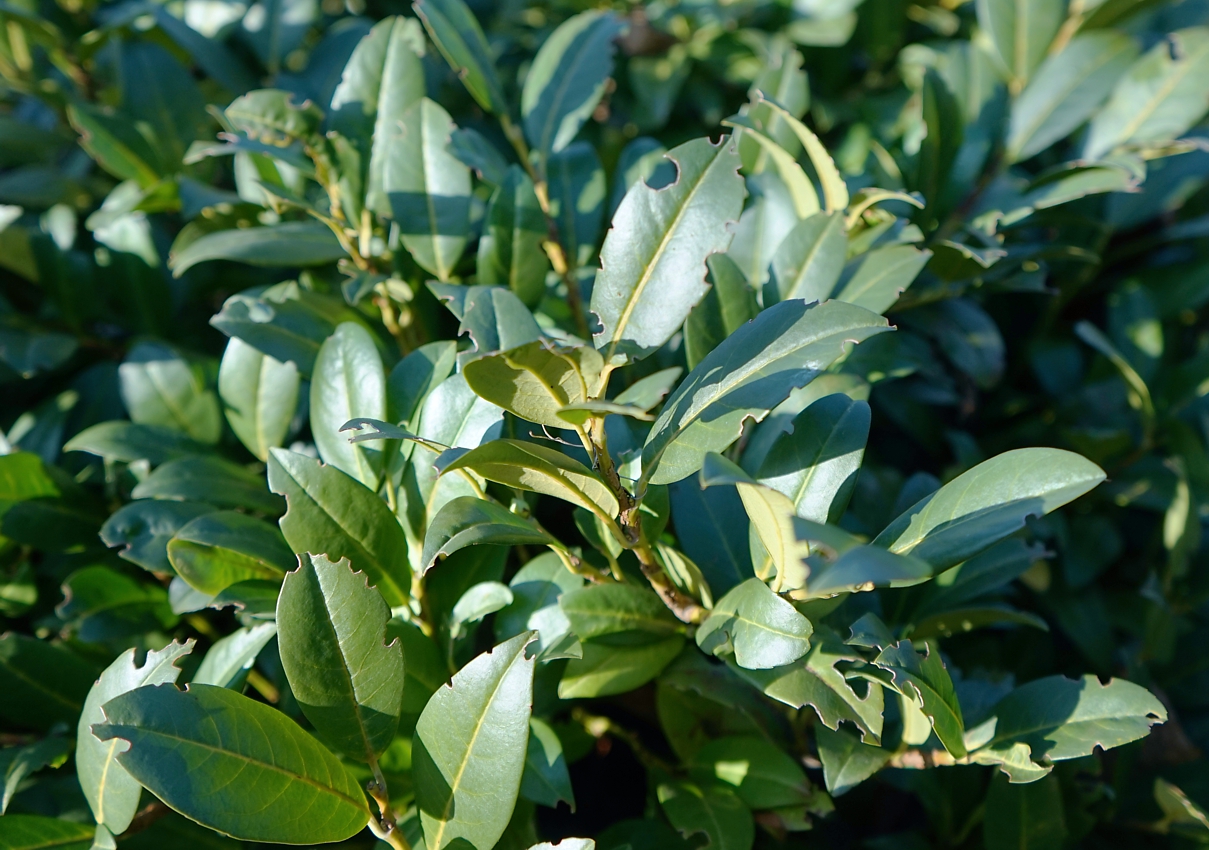
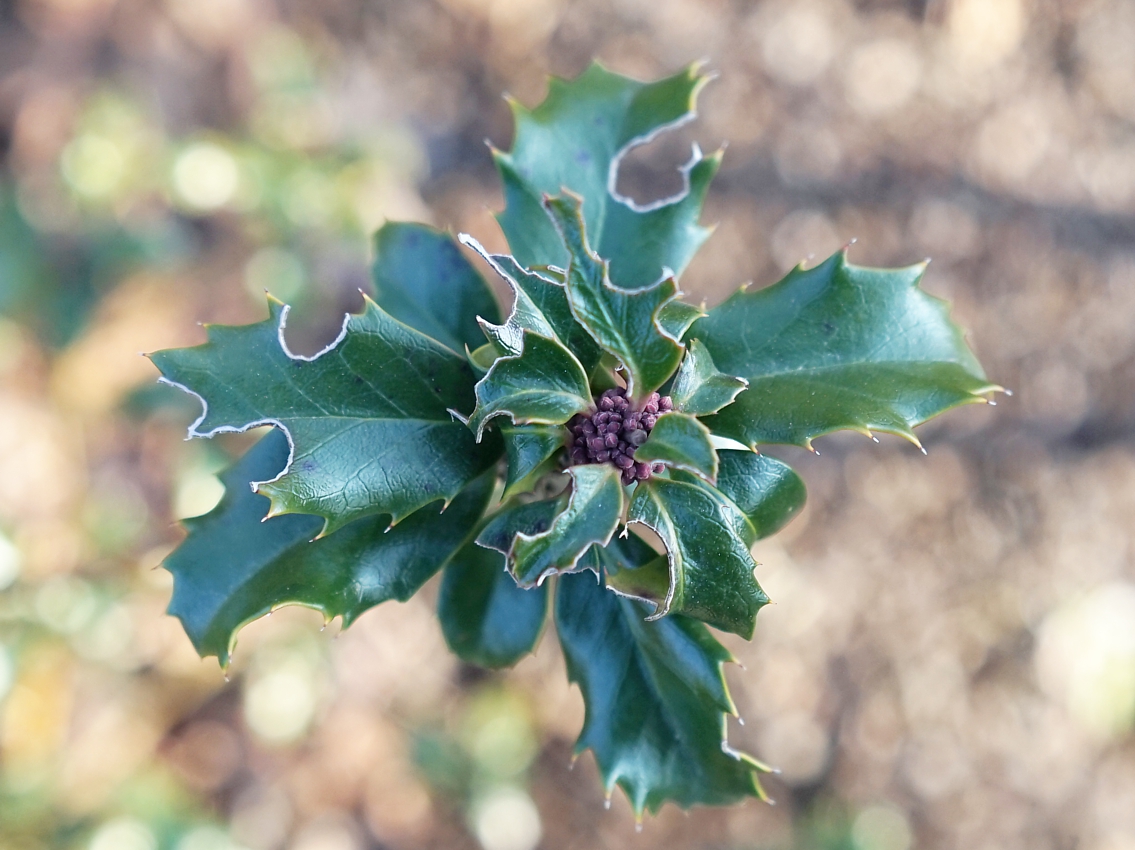
The adult vine weevil is a black to dark brown beetle, about one centimeter long. It has a stocky body, short legs, and a characteristic “snout” from which it gets its name. It does have wings, but flying does not interest it much – it prefers walking. And despite its chunky appearance, it can be surprisingly fast, especially when you try to catch it. It is a nocturnal creature. During the day you will hardly ever see it; it hides in the soil, under pots, stones, or mulch. It is most active during warm nights, roughly from dusk until early morning. Most often, you will recognize it by the traces it leaves behind. Leaf edges are irregularly notched into semicircles. Not holes in the middle, not completely eaten leaves – just those typical bites along the margins. Once you have seen them, you will never confuse them with anything else.
 How it damages plants (and why it is worse than it seems)
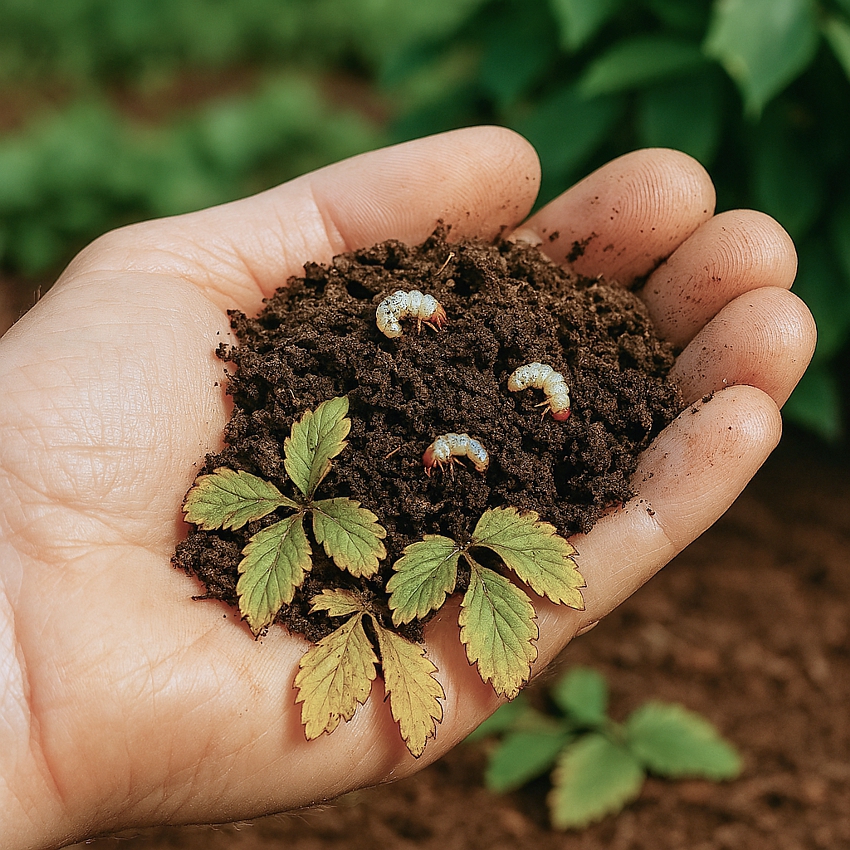
The vine weevil causes damage in two ways – and this is important to understand. Adult beetles feed on leaves. At first glance, this may seem like a purely aesthetic problem. However, the plant loses leaf area, weakens, and with heavier infestations struggles to recover. Much worse are the larvae. These are small white grubs, about half a centimeter long, living in the soil. They feed on soft roots and especially on root collars. When present in larger numbers, they can destroy a plant completely. Often you only notice the problem when the plant wilts despite sufficient watering – or when you pull on it and it comes away in your hand.
 Where it causes the most damage
Larvae mainly attack perennials – typically strawberries, heucheras, bergenias, and other herbaceous plants. Adults prefer evergreen shrubs with tough leaves, but when populations increase, they will also attack deciduous shrubs with firmer foliage, such as dogwoods, lilacs, large-leaved hydrangeas, and others.
What to do? Is spraying enough?
If it were enough to grab a product and spray, I would not be writing this article. Most chemical methods used in the past are now banned – they were highly toxic, damaged soil, and contaminated groundwater. Vine weevils require a smarter approach and a combination of methods. Below are techniques we have tested over many years and know to work.
 1. Night collection
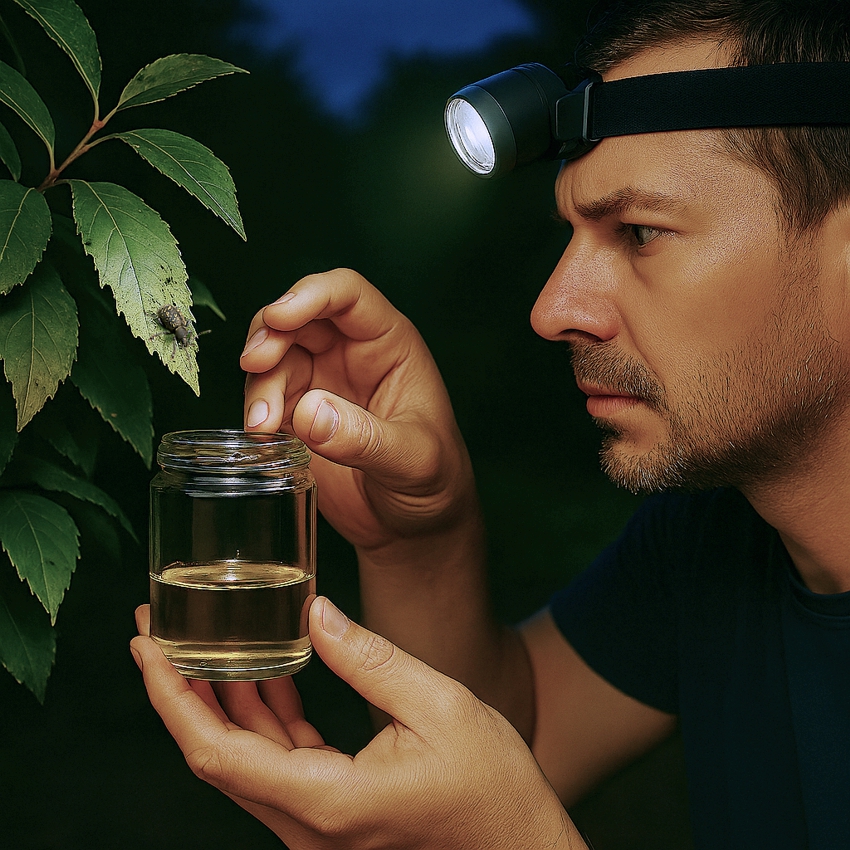
The simplest and most direct method. It works best with smaller infestations. Take a headlamp and a glass jar. Pour about three centimeters of cheap cooking oil into the jar. Head out into the garden no earlier than around ten in the evening, ideally on a warm night without rain or drizzle. Vine weevils love the freshest leaves, so look mainly at the tips of branches with young growth. They are extremely sensitive to vibrations – once startled, they immediately drop to the ground, where you will never find them again. Hold the jar under the leaf and gently shake the beetle into it. In the oil, it will soon stop moving. After collecting, screw the lid on tightly so that stronger individuals cannot escape. With light infestations, this method is very effective. With heavier ones, it becomes a long-term effort, as beetles hatch gradually throughout the season.
2. Mechanical protection
A very effective method against adult beetles. Coat the bases of shrubs and small trees with a special insect glue. The beetle either gets stuck or cannot cross the barrier and moves elsewhere. This does not kill larvae, but if you regularly renew the glue according to instructions, newly hatched adults will also be prevented from reaching the plants. It requires consistency, but it works reliably.
 3. Repellent protection
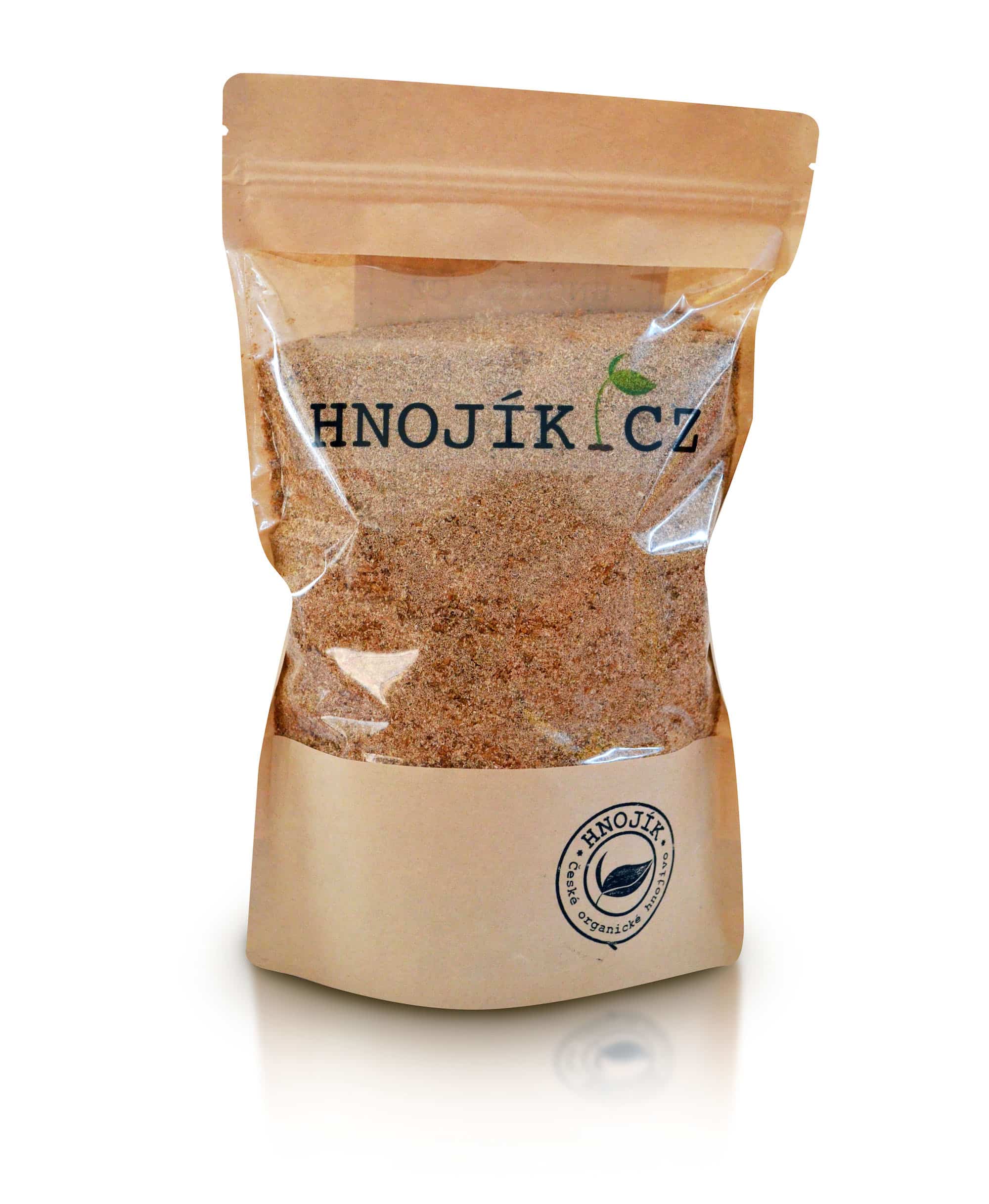
The goal is not to kill the vine weevil, but to make your garden an unpleasant place for it. Natural products are used that either repel pests or help plants produce their own defensive substances that beetles dislike or find foul-smelling. We have had good results with Hnojík. Mix two tablespoons in ten liters of water in a watering can with a rose. In the evening, thoroughly water the plants from top to bottom. There must be no rain for the following eight hours. Repeat every fourteen days throughout the season. Plants will grow stronger, and the vine weevil will gradually start looking for another garden.
 4. Smart trapping using strawberries
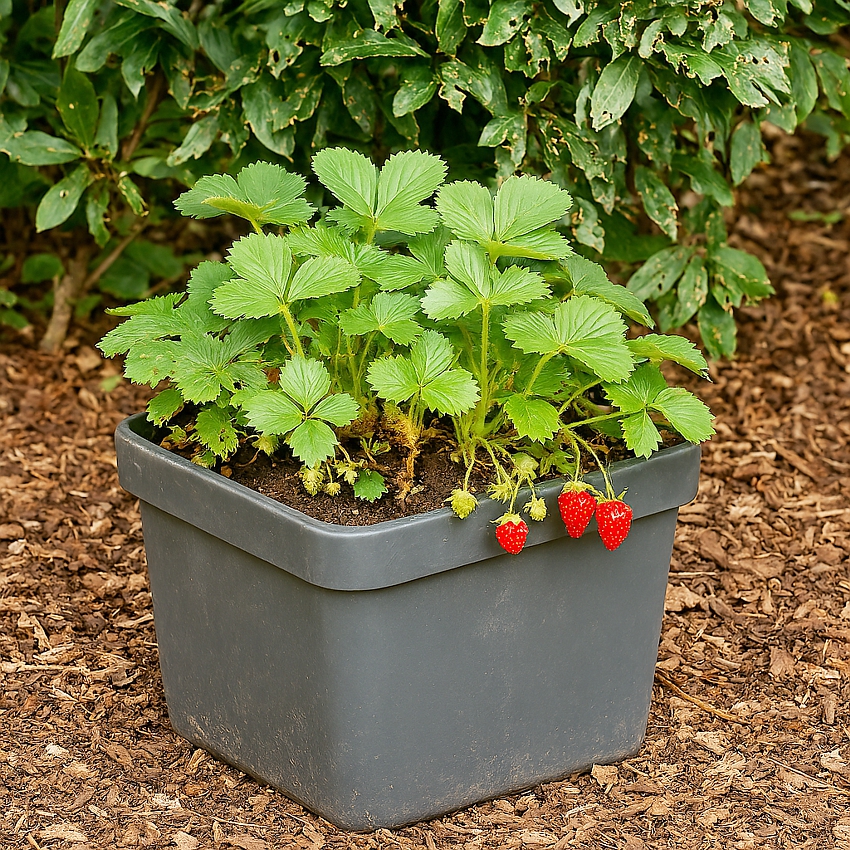
This method has proven effective even in nurseries. Vine weevils love strawberries (and also bergenias). Use this to your advantage. Plant four to five strawberry plants into low but wide plastic pots, ideally at least 40 cm in diameter. Place the pots near the shrubs where vine weevils are active, preferably in partial shade. One pot usually covers about five to six square meters of affected garden area. Once the vine weevil smells strawberry leaves, it will move in with its entire family and start laying larvae there. At this stage, leave it alone – even for the whole season. At night, it will continue feeding on your shrubs, but by morning it will return to the strawberries.
The turning point is easy to recognize. When strawberry leaves also start showing damage and the plants begin to wilt, it means the weevils are no longer feeding “out”, but at home. Sometimes you pull on a strawberry plant and it comes away in your hand – the larvae have already eaten through the entire root collar. In other words: eureka. They are all there. This is the moment when you have the vine weevil in your grasp. Wait for a sunny day, ideally around noon. This is almost a guarantee that the beetles are not out on their nightly wanderings. Then either take the entire pot far away to a landfill and dispose of it, or place it into a large black plastic bag, seal it airtight, and leave it in the sun until the following spring. Both beetles and larvae will suffocate.
 5. Parasitic nematodes
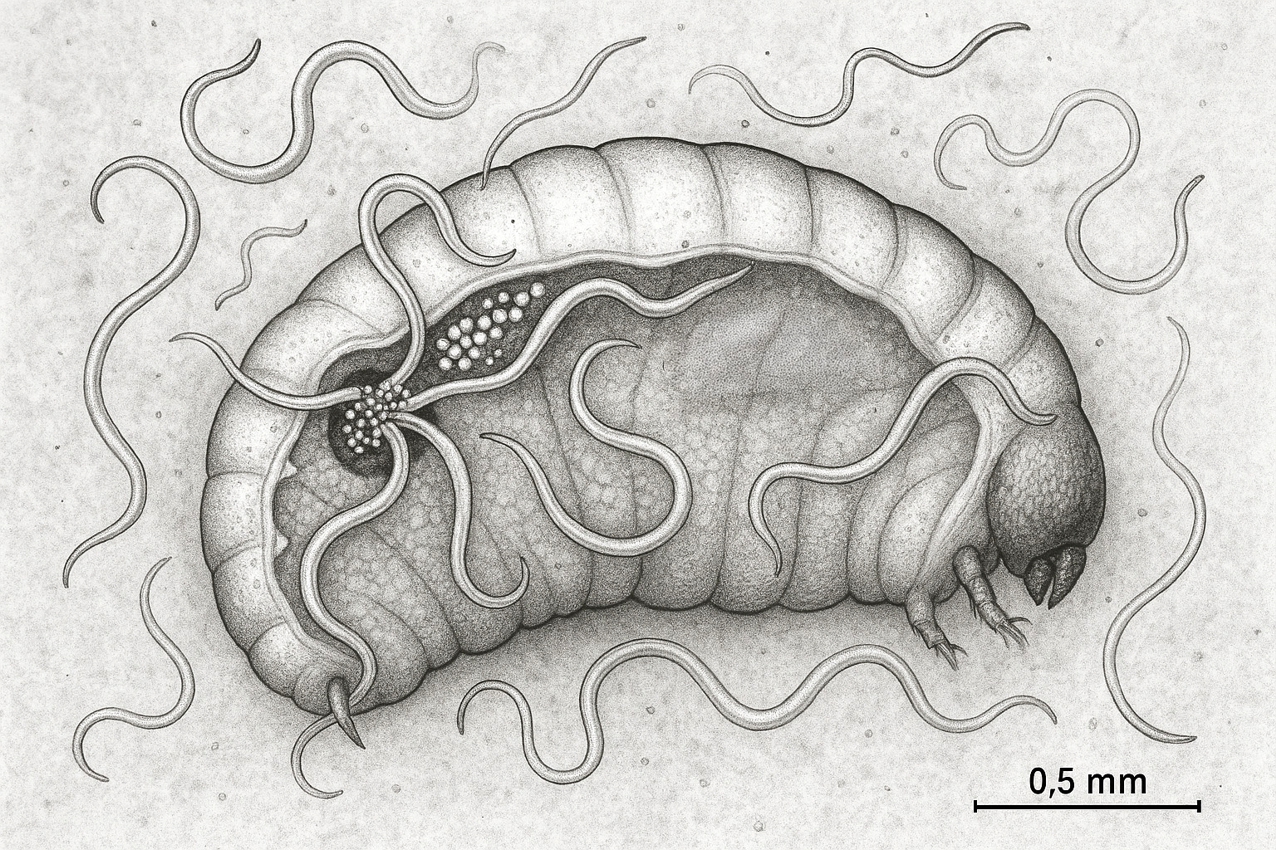
An effective but more demanding method. In the past, they targeted only larvae; today, nematodes parasitizing adult beetles are also available. They require the correct temperature, moisture, and strict adherence to instructions. The soil must not dry out. When applied properly, they work even with heavy infestations, but they are not suitable for everyone and are relatively expensive.
6. Chemical spraying
We do not know of any that truly works.
All of the methods above have been tested and proven effective. Different combinations will suit different gardeners. The key is to start early and remain consistent. The vine weevil is not an enemy you defeat in one night – but it can be managed, and you can win.
