Acer tataricum ssp. ginnala Amur maple

 Symbivit Tric (arbuscular)
 Symbivit (arbuscular)
Acer
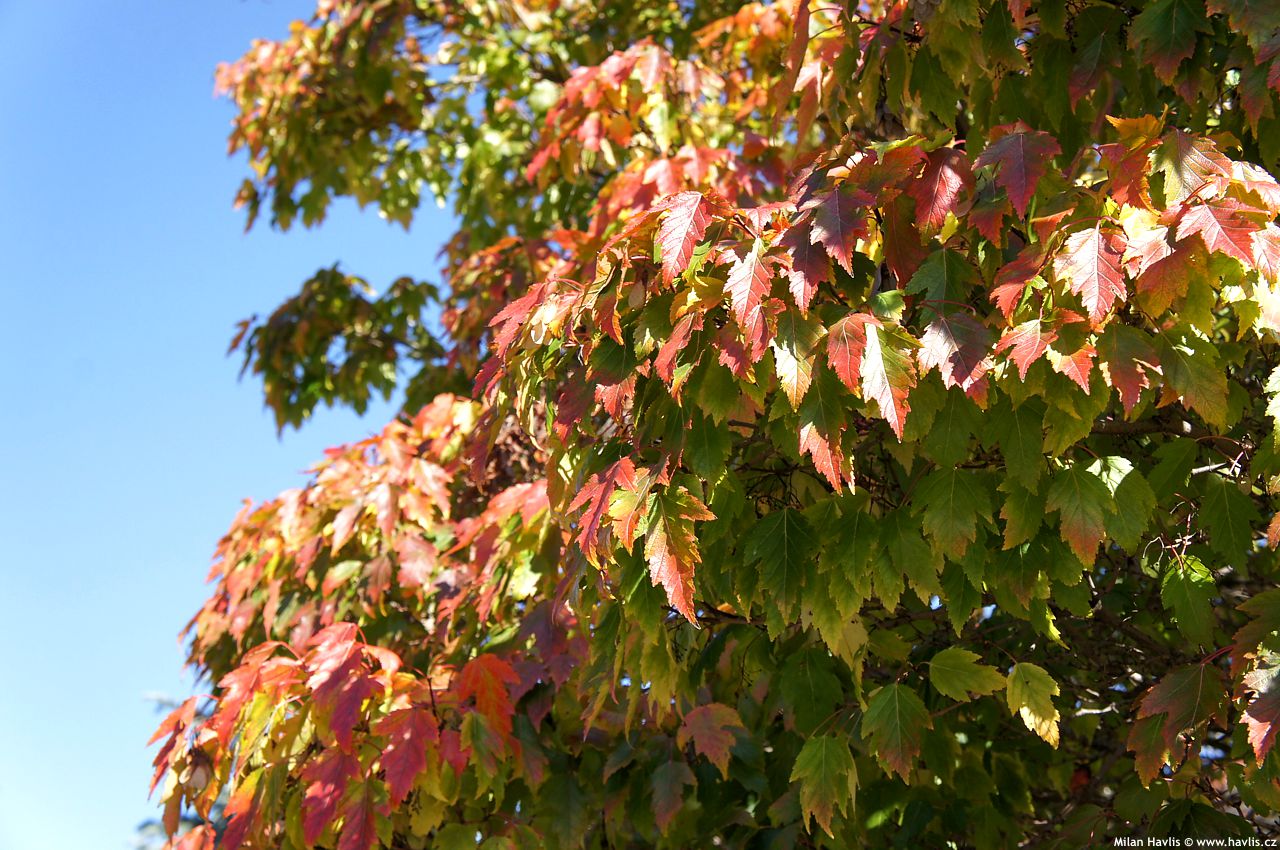
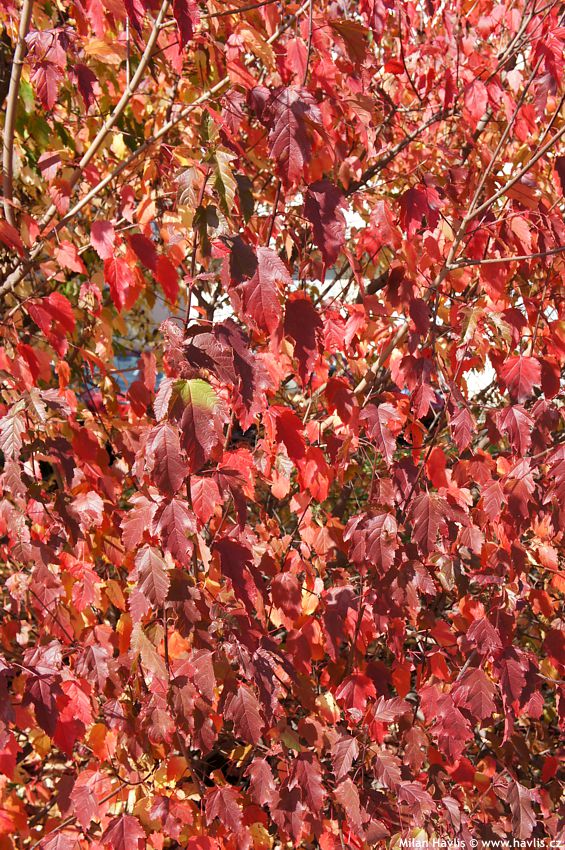
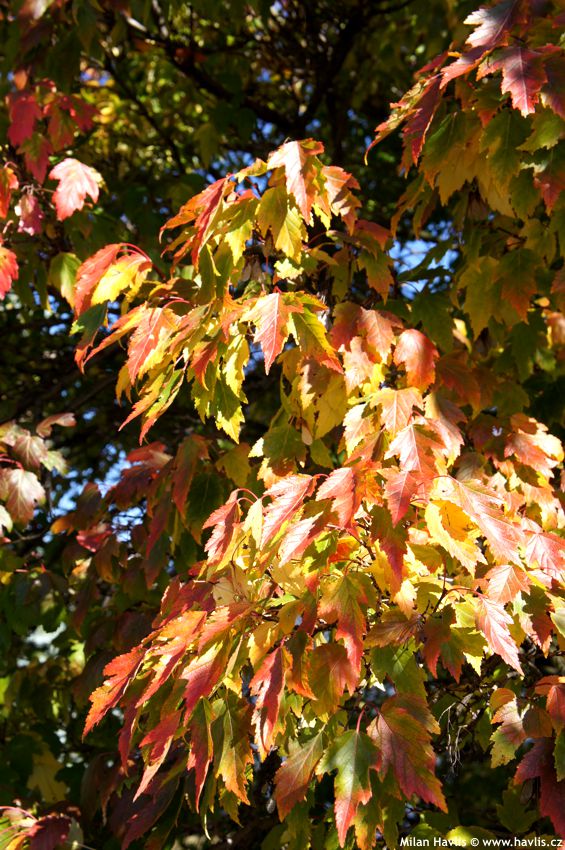
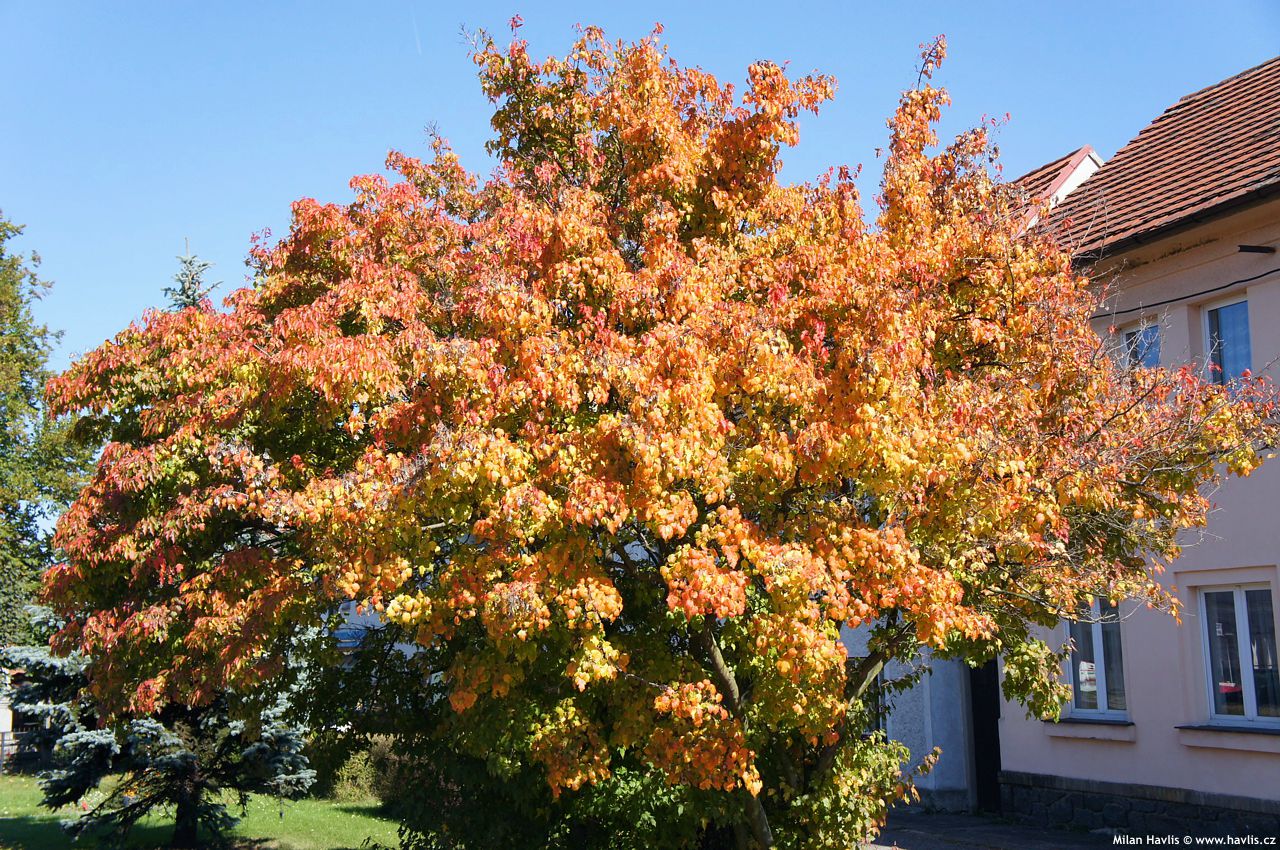
If you are an enthusiastic plant collector, or simply a lover of trees, you probably have a specimen you return to from time to time and observe through the changing seasons. I have a couple, too, or in fact quite a few 😊, and one of them is this maple. It is called the Amur maple, yet I prefer the other commonly used name, fire maple, which better reflects its most characteristic feature – the autumn colouring of its leaves. Just a small warning – do not confuse it with the equally magnificent flame tree (Delonix regia), which is also a favourite of mine, but since it grows only in the tropics and subtropics, I do not have many opportunities to visit it regularly.
The fire maple is a subspecies of the rather rarely cultivated Tatarian maple and originates from Asia, specifically from the region around the Amur River in East Asia, which forms the border between Russia and China. Botanically it is known as Acer tataricum subsp. ginnala, a taxon that was long treated as a separate species, Acer ginnala, and is still often referred to as such in horticulture. It was described by Karl Maximovich (1827–1891), a Russian botanist who explored large parts of East Asia in the 19th century. Compared to the western form of Acer tataricum, this eastern subspecies developed in a harsher continental climate, which gave it exceptional hardiness and a slightly different character. In its native range it grows along riverbanks, forest edges and open woodland, often forming thickets, and has long been used by local people as an ornamental shrub near dwellings, as a source of hard, workable wood and as a valuable nectar plant for bees.
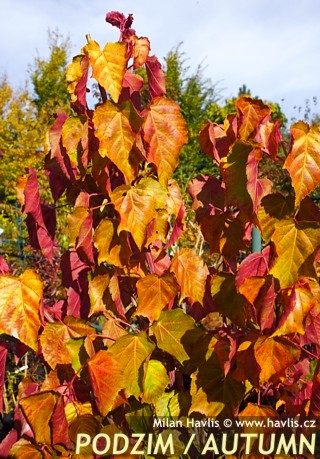
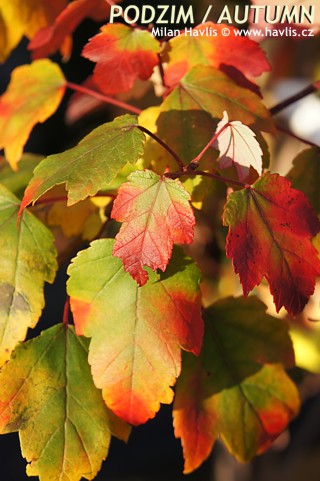
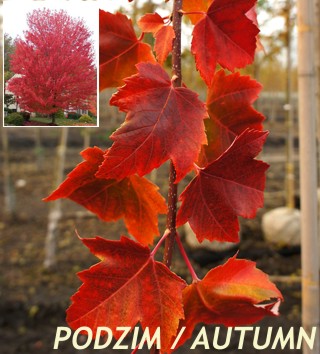
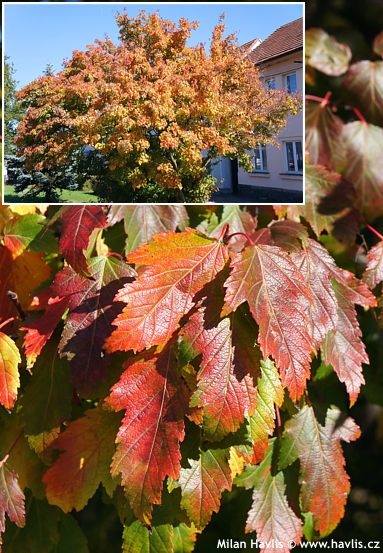
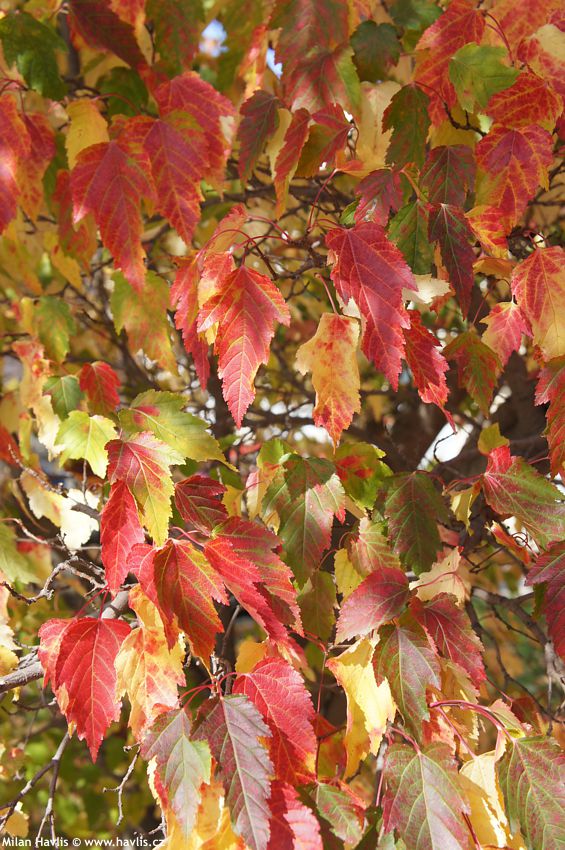
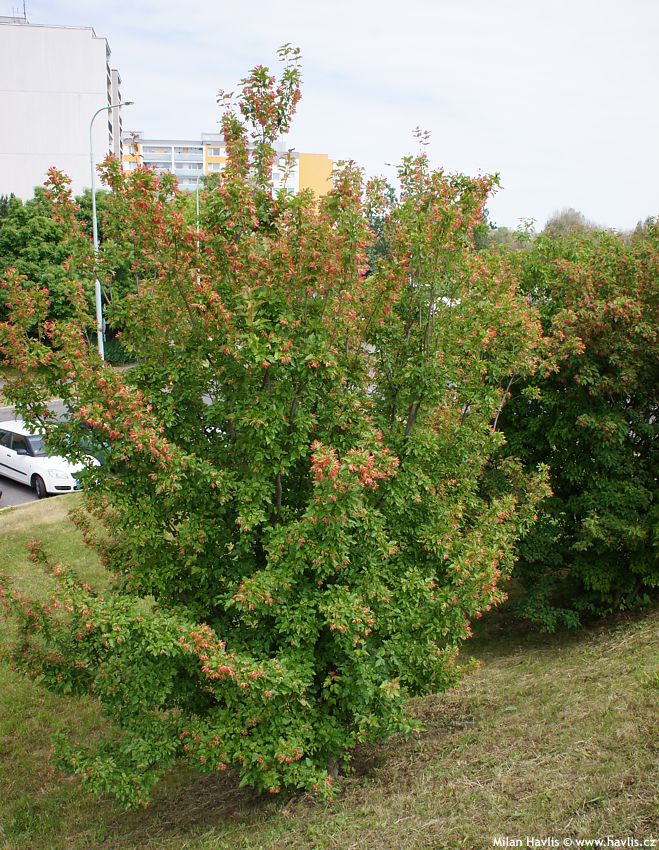
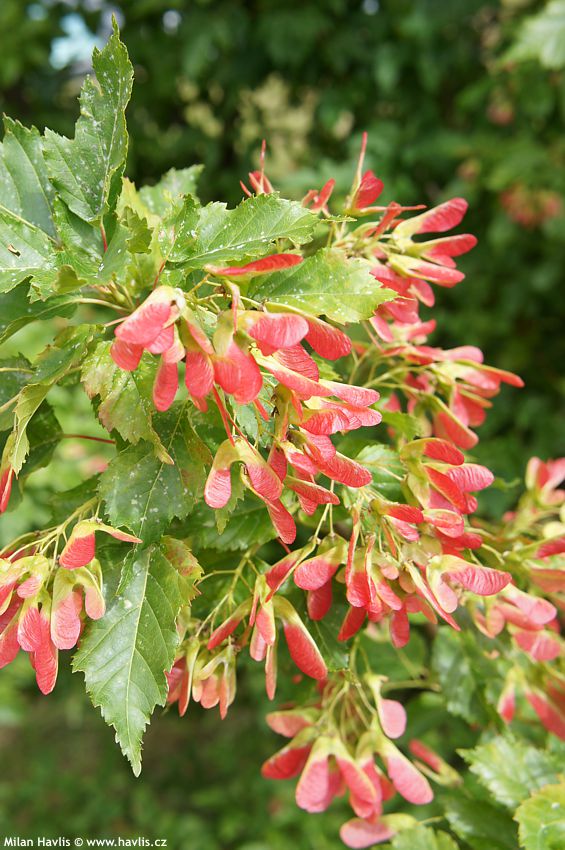
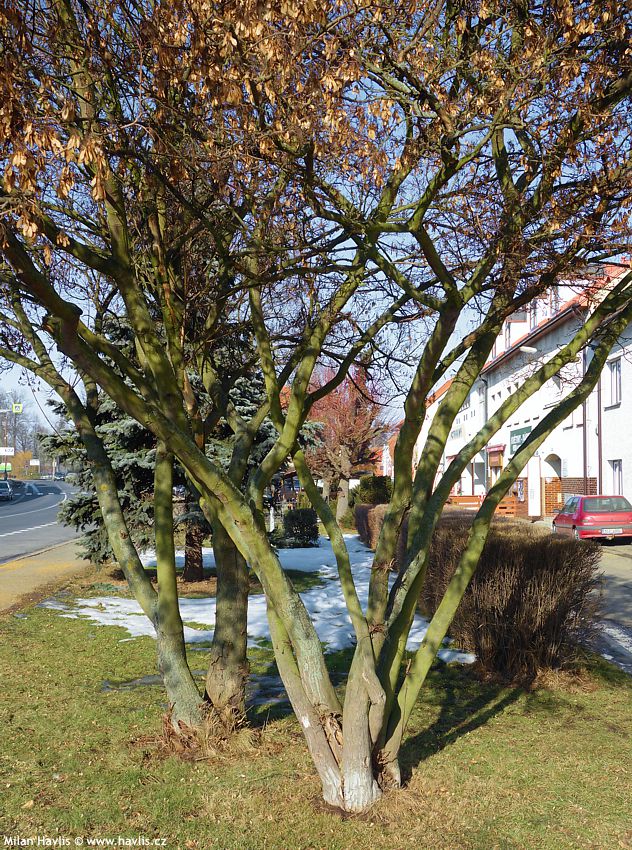
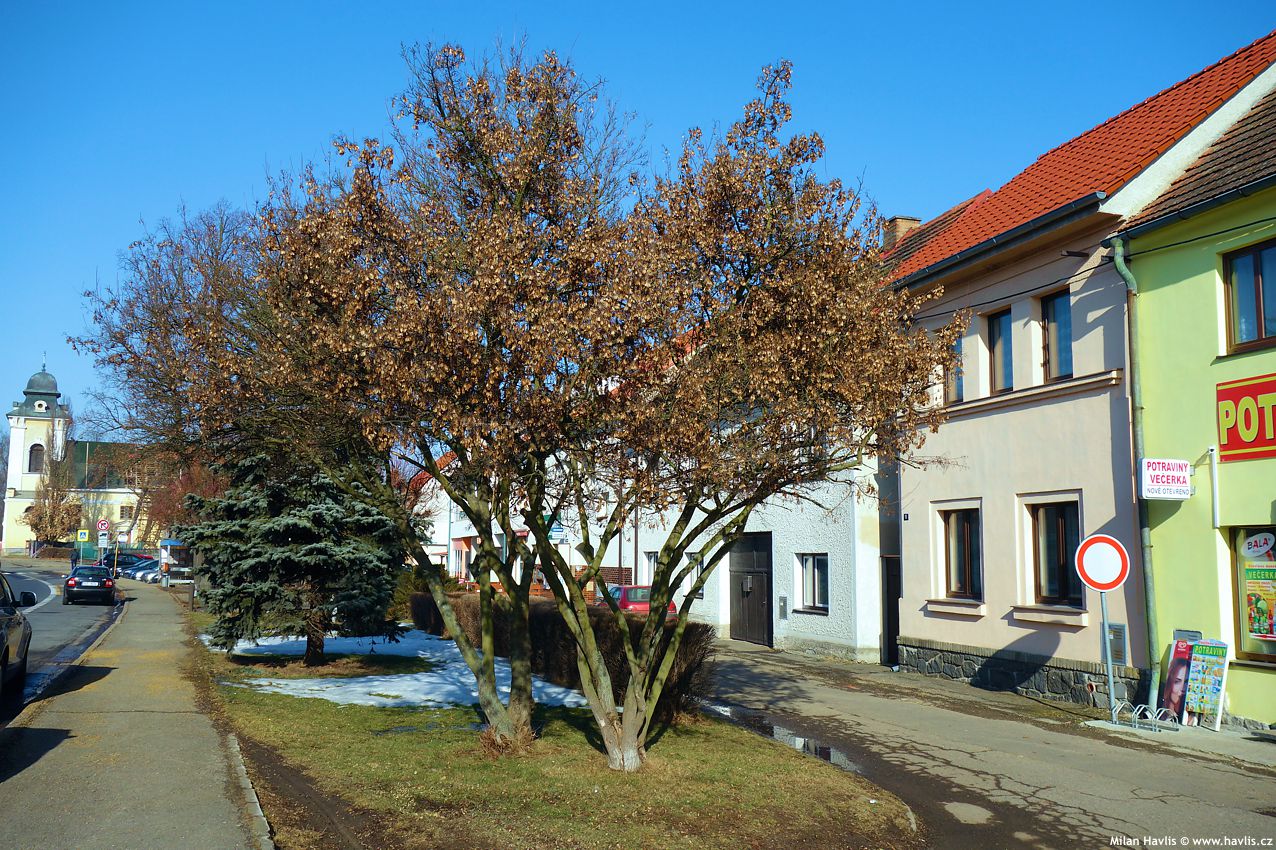
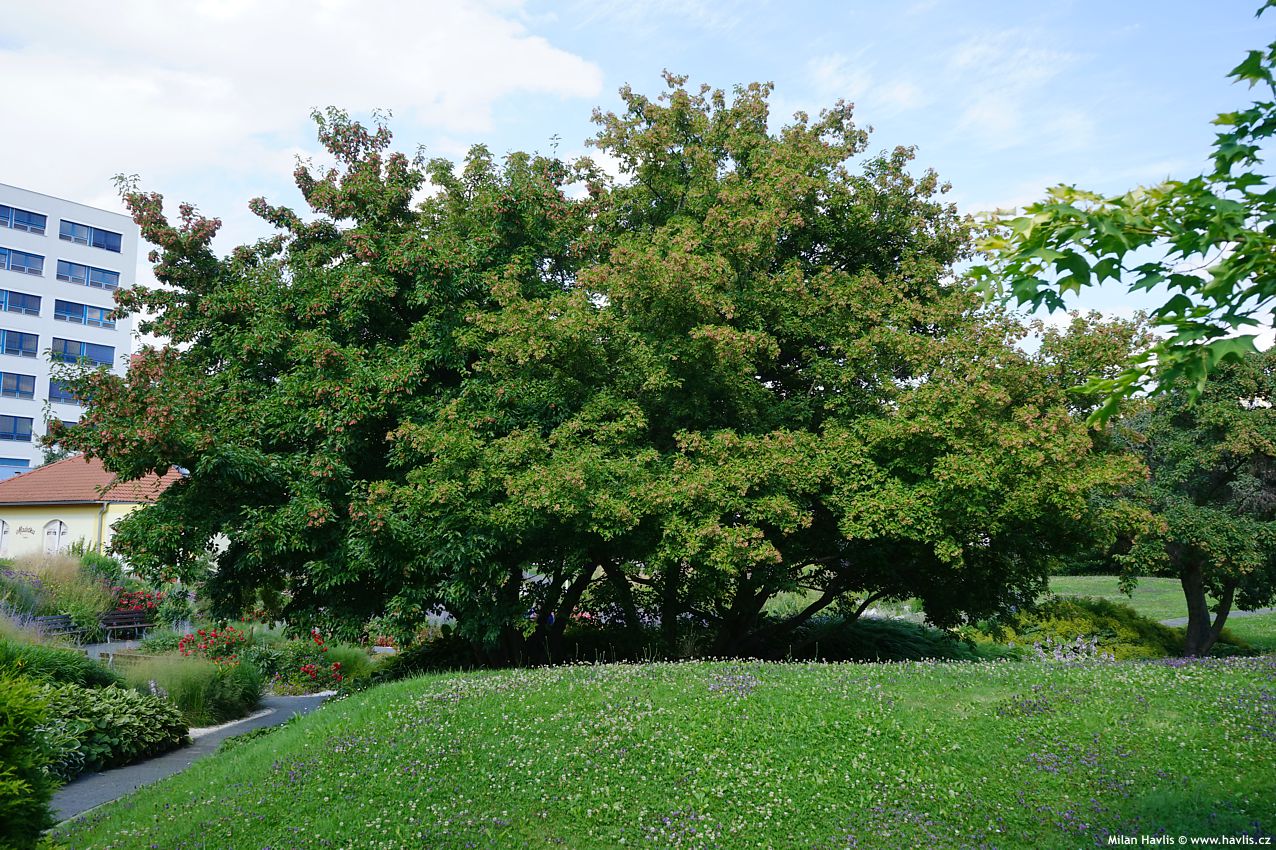
The fire maple is naturally a multi‑stemmed shrub with a broadly funnel‑shaped crown, but it is also grown as a small tree with a single trunk. The deciduous leaves are three‑lobed, with distinctly serrated margins, bright green during the growing season and then, quite early in autumn, they turn into a wide palette of almost every shade of fire – from golden yellow through orange and scarlet red to deep wine red. It is true that this colour display does not last very long, but that is typical of most maples. After abundant spring flowering, attractive deep red paired samaras appear, shaped like tiny boomerangs.
The fire maple needs time to look its best – young plants often appear too whip‑like at first glance, but the rapid growth of rather open branches in youth is necessary to establish a good framework of lower limbs and to give the tree space to build its domed crown. Side shoots on the lower branches are often removed to keep the lower part of the stems smooth and visually striking. It is not a large tree, yet it does require some space – in gardens it usually reaches around 4 metres in height and can spread to a similar width. In parks and in the wild it can grow to almost twice that size. It responds well to pruning (end of winter) and can easily be shaped and kept smaller.
Last update 01-03-2017; 27-01-2026
This maple is very undemanding when it comes to soil. It tolerates compacted ground in parks or along roads, copes well with drought and is not bothered by road salt. What it does not tolerate is excessive moisture and strongly calcareous soils. Under such conditions it may suffer from wood diseases, dieback of even older branches and pale foliage. Its preferred conditions are evenly moist, slightly acidic soil and full sun. Frost hardiness is commonly given as down to –34 °C, although there are documented experiences from areas corresponding to zone 2, where temperatures can drop to around –45 °C (USDA zone 2).