











.jpg)
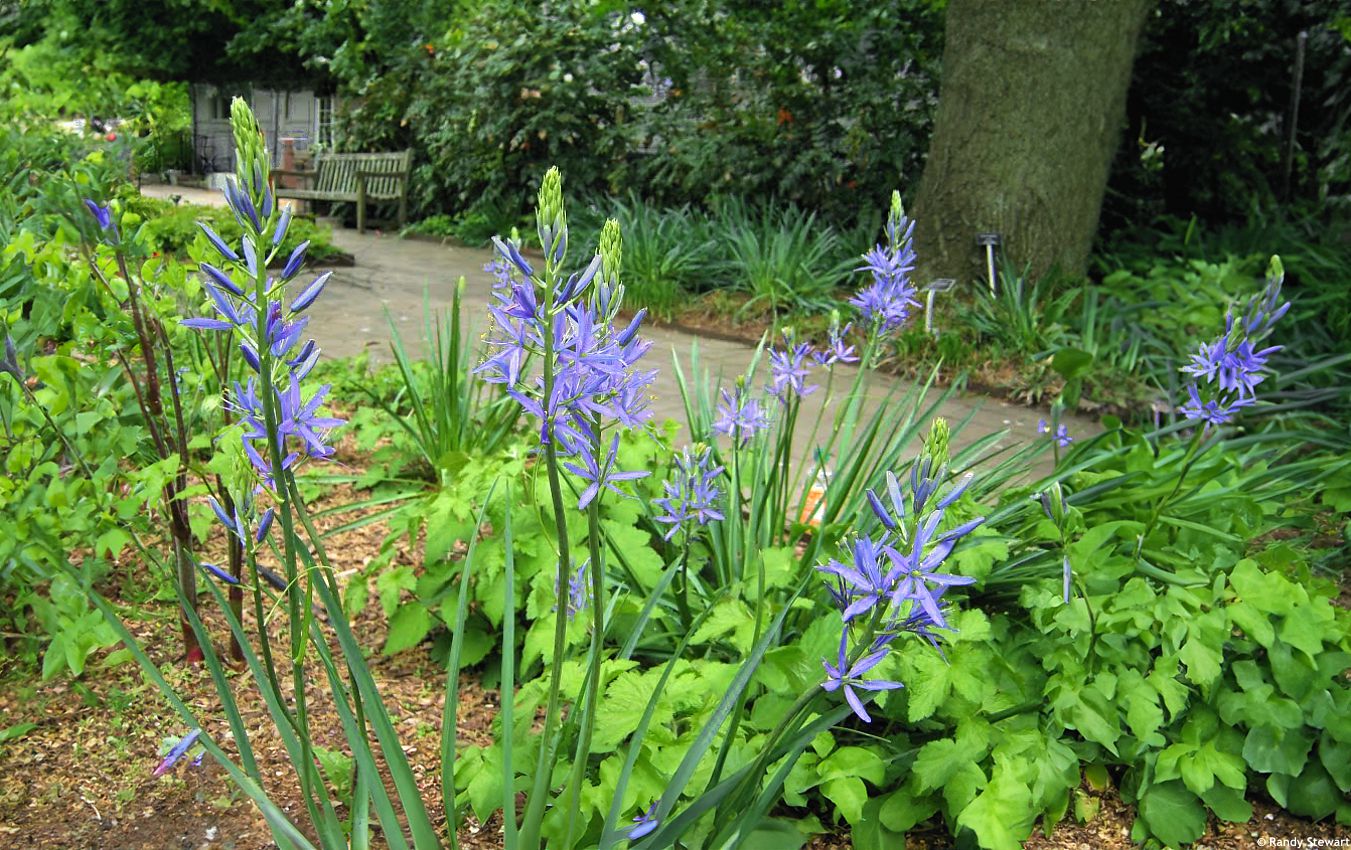
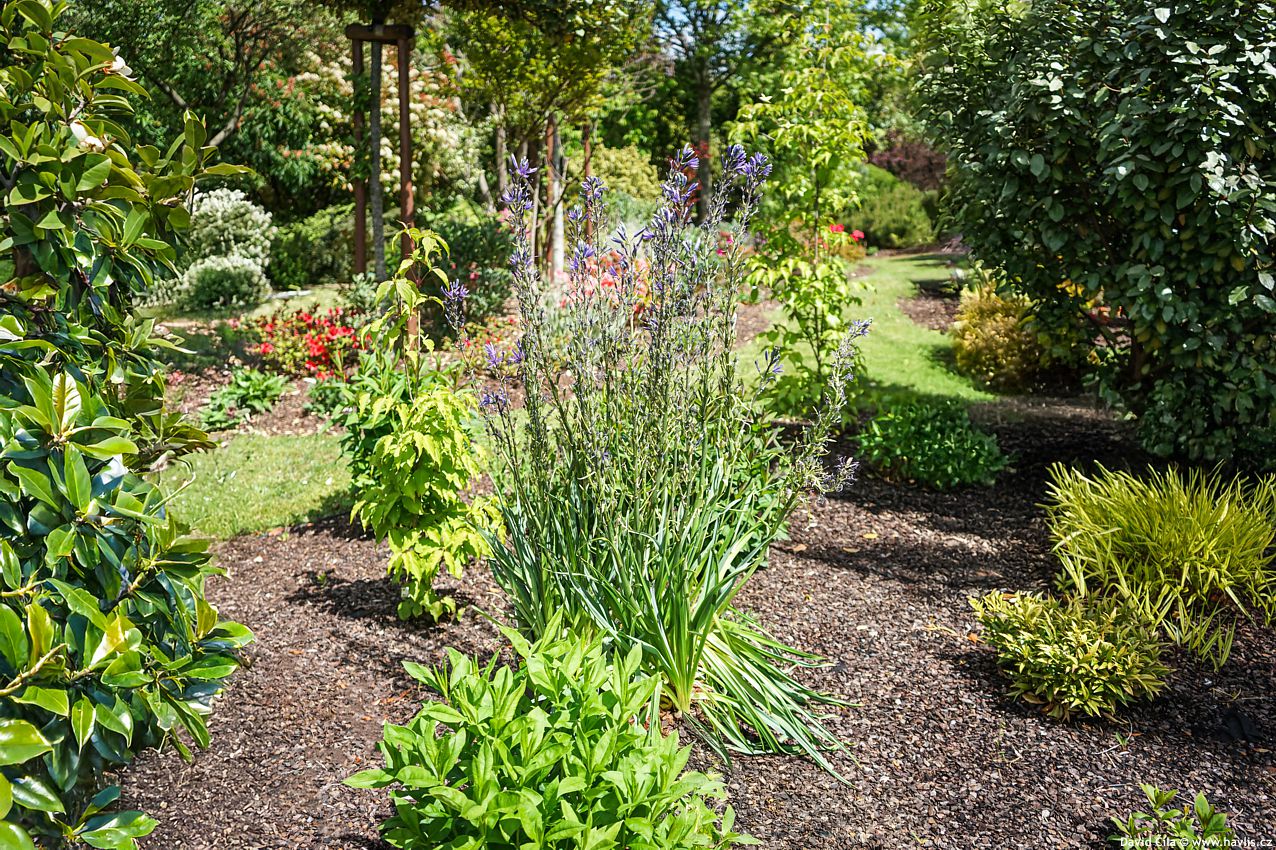
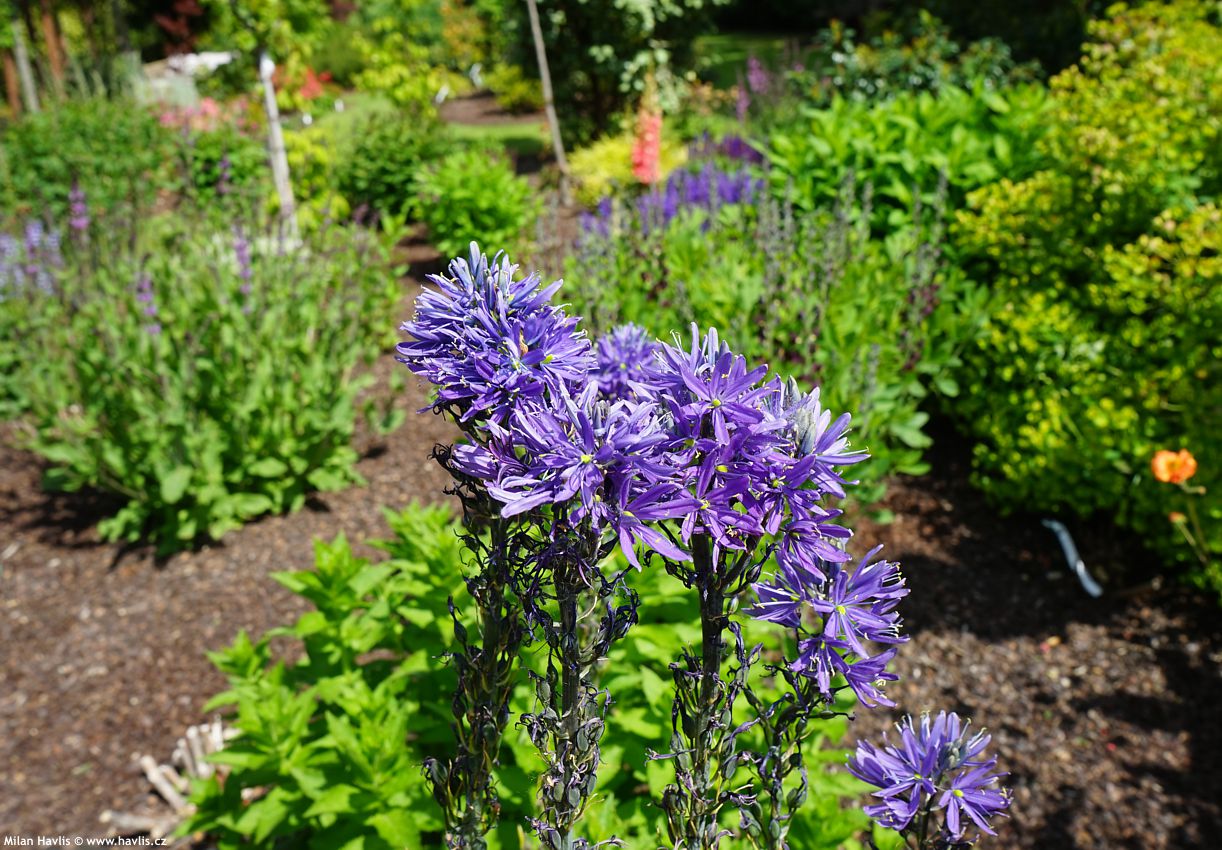
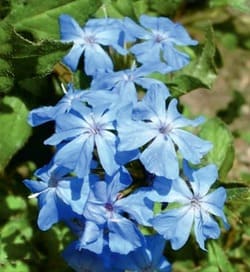
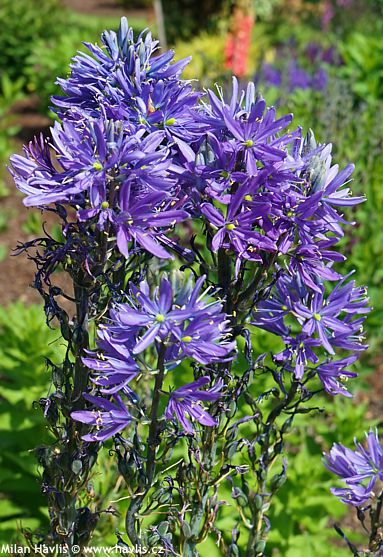
Camassia leichtlinii 'CAERULEA' blue camas

 Symbivit Tric (arbuscular)
 Symbivit (arbuscular)
Camassia
Camassia belongs to a small yet botanically and culturally remarkable group of North American bulbous plants within the asparagus family. The genus was defined by John Lindley (1799–1865) in the first half of the nineteenth century. In the wild, camassias occur mainly in western North America, from British Columbia south to California and further inland, where they inhabit moist meadows, river floodplains and seasonally inundated prairies. The genus comprises approximately five to six species whose delimitation has long been debated, as they hybridise readily and form intermediate populations. The first scientific descriptions of the genus emerged at a time when the flora of North America was being systematically explored and documented by European botanists. The name Camassia is derived from the Indigenous term quamash, referring to the edible bulbs of certain species.
Camassia leichtlinii is one of the best known and most widely cultivated species of the genus. It was described by John Gilbert Baker (1834–1920) and later reassigned by Sereno Watson (1826–1892). This species became emblematic of spring meadows which, at peak flowering, transform into vast blue‑violet expanses visible from many kilometres away. For Indigenous peoples of North America, camas was an essential food plant; its bulbs were baked or dried and formed an important source of carbohydrates. However, due to the dangerous similarity to toxic related species, consumption without expert knowledge is not recommended.
Camassia reached Europe in the early 19th century from western North America, particularly from the regions of present‑day Oregon and Washington State. A key stimulus was the knowledge gained during the expedition of Meriwether Lewis (1774–1809) and William Clark (1770–1838) between 1804 and 1806, which drew European botanists’ attention to extensive stands of camas in the naturally moist habitats of the Pacific Northwest. The first living bulbs were brought to Great Britain shortly thereafter, roughly between 1811 and 1815, most likely by naval officers and botanical collectors. From there, camassia quickly spread to botanical gardens and parks across continental Europe, especially in France and Germany.
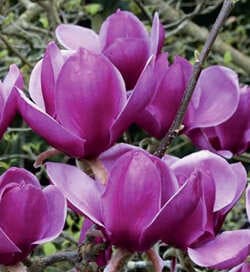
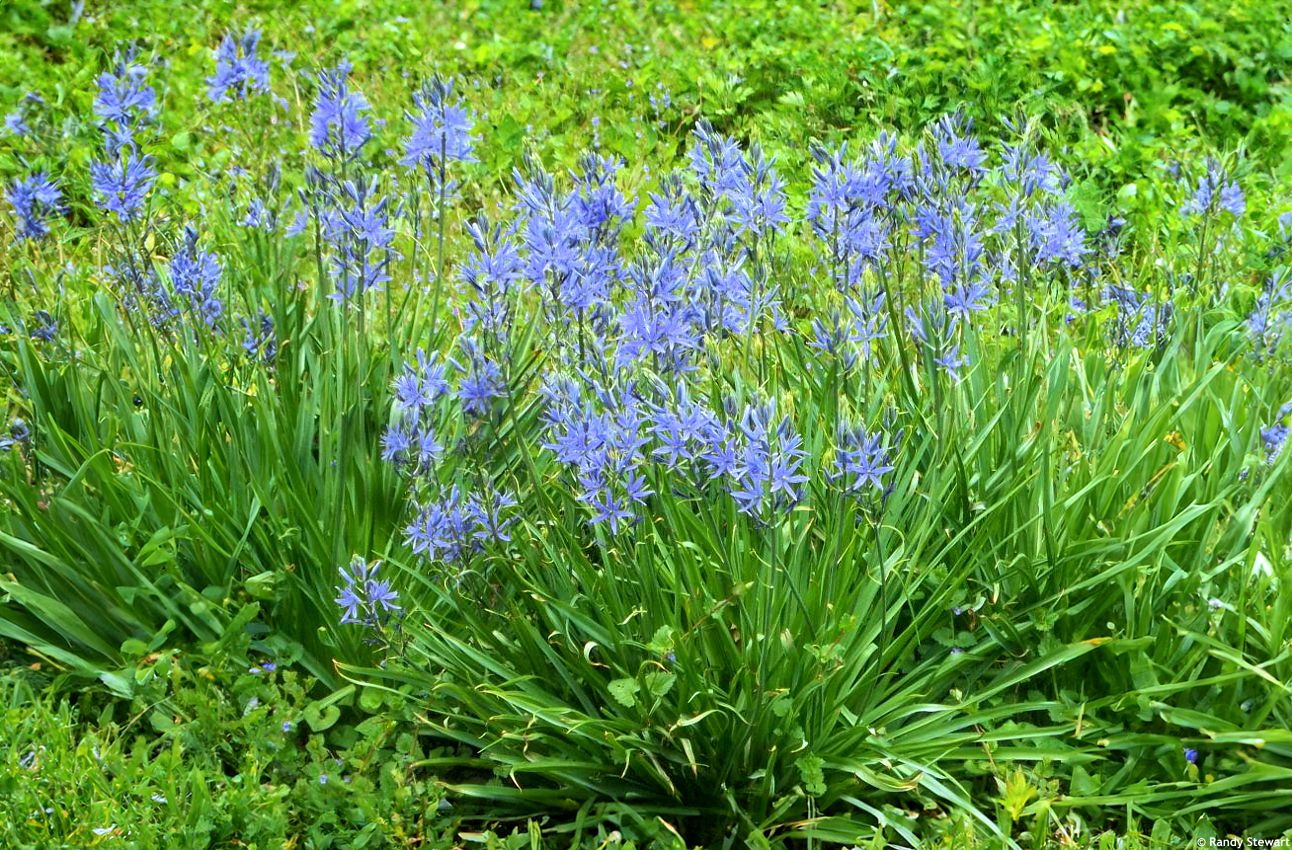
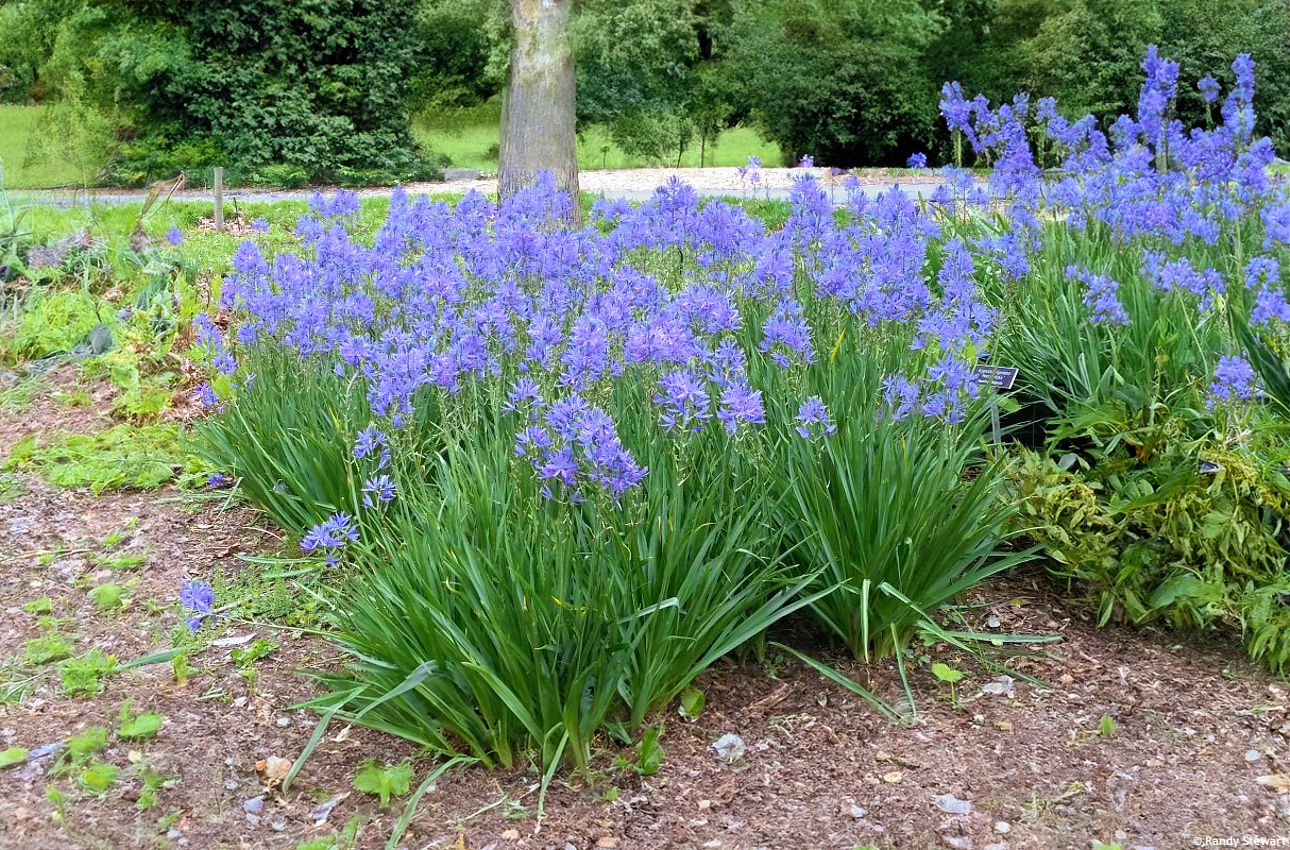
Blue camas is a delight for lovers of blue colour. This spring‑flowering bulb ranks among the taller perennials, offering a striking structure and intense colour at a time when most herbaceous plants are only beginning to gain substance. Caerulea is a result of long-term selection of forms with deeper, vivid blue flowers. They are star‑shaped and arranged in loose, erect racemes. The leaves are narrow and strap‑shaped, emerging from a basal rosette that appears fresh and architectural in spring before gradually dying back after flowering. Compared with other species of the genus, blue camas has a more delicate build and smaller flowers, lending it a natural, meadow‑like character. Despite its height and generous inflorescences, it never appears overly exotic. The stems are sturdy and require no support.
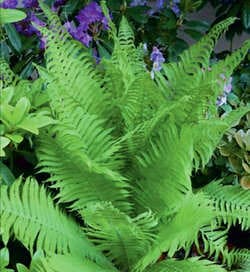
In the garden, blue camas excels wherever a transition is needed between spring bulbs and the onset of summer perennials. As it favours sun and moisture, it is best combined with late‑emerging perennials whose expansive foliage can fill the gaps left by the retreating leaves of camas without competing for root space. Suitable companions include ligularia, actaea, rodgersia, swamp mallow or some of the few hostas that tolerate full sun. Taller deciduous ferns adapted to sunny sites can also work well, such as ostrich fern, which emerges around the same time as camas but only fully unfurls its tall fronds once camas begins to fade. As it spreads readily, it can become an excellent successor in larger plantings. Blue camas also performs beautifully in moist lawns mown only after the foliage has died back, or in the light shade beneath deciduous trees, where it enjoys ample spring light. It is particularly effective in generous drifts along ponds or in rain gardens. For a predominantly spring‑focused border with dramatic flowering on tall stems, combine it with large‑flowered ornamental alliums and foxtail lilies for a true firework of colour.
Last update 29-03-2026
Blue camas is surprisingly undemanding provided it has sufficient moisture in spring. It tolerates full sun as well as light shade. The soil should be humus‑rich and capable of retaining water, though prolonged summer waterlogging should be avoided. It copes very well with heavy, clay soils. Dry, sandy substrates are unsuitable, as is container cultivation without regular watering. After flowering, the foliage should be allowed to die back naturally so the bulbs can replenish their reserves. Fertilising is usually unnecessary and may even be counterproductive in fertile soils. The plant itself is not toxic. Its winter hardiness is excellent, withstanding temperatures down to approximately −34 °C (USDA zone 4) without difficulty.