










Cornus elliptica (syn. C. angustata) Chinese evergreen dogwood


 Symbivit Tric (arbuscular)
 Symbivit (arbuscular)
Cornus
Cornus is a genus that botanists rightly regard as true aristocracy among woody plants. It comprises approximately 50–60 species of trees and shrubs distributed mainly across the temperate regions of the Northern Hemisphere, with centres of diversity in East Asia and North America. Fossil records confirm its presence as early as the Tertiary period, and the first scientific description of the genus was published by Carl Linnaeus (1707–1778) in 1753 in his Species Plantarum. For centuries, dogwoods have accompanied human culture not only as ornamental plants, but also as sources of exceptionally hard timber, medicinal substances and symbolic meaning in folk traditions, where they often represent strength, order and longevity.
Chinese dogwood, Cornus elliptica, is still a relatively rarely cultivated evergreen species native to Southeast Asia. Its natural range extends from the southeast coast of China through the mountainous regions of Yunnan and Sichuan provinces to northern Myanmar, the Himalayas and Nepal, where it grows at elevations of approximately 300–2,200 m. The species was formally described by the British botanist William Botting Hemsley in 1909, yet for much of the 20th century it was frequently confused with the related species Cornus capitata; only modern genetic studies have confirmed its distinct status and, in fact, shown that the two species are more distantly related than previously assumed. The first recorded collecting expedition that yielded material later referred to as Cornus angustata took place during the 1980 Sino‑American Botanical Expedition, with Dr Ted Dudley as the collector; from this material the species gradually became established in the United States. Interestingly, the species had already been cultivated in Europe earlier, appearing at Hillier Gardens from the 1970s, when material of uncertain origin was introduced into the collections, reportedly from “a garden in Ireland”.
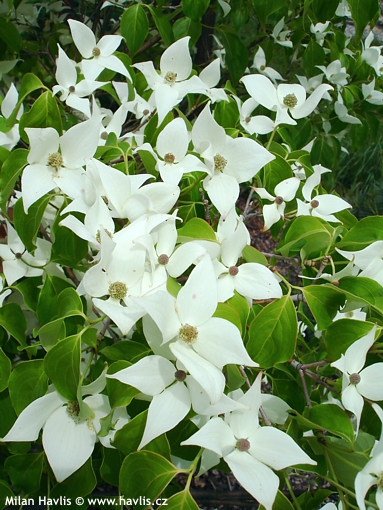
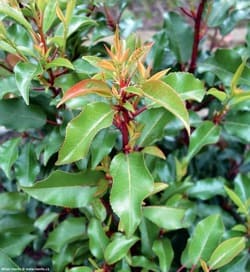
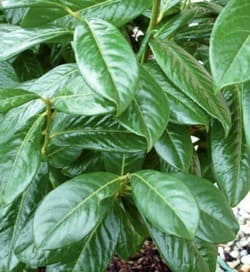
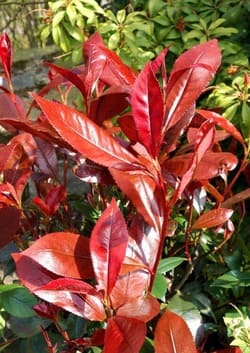
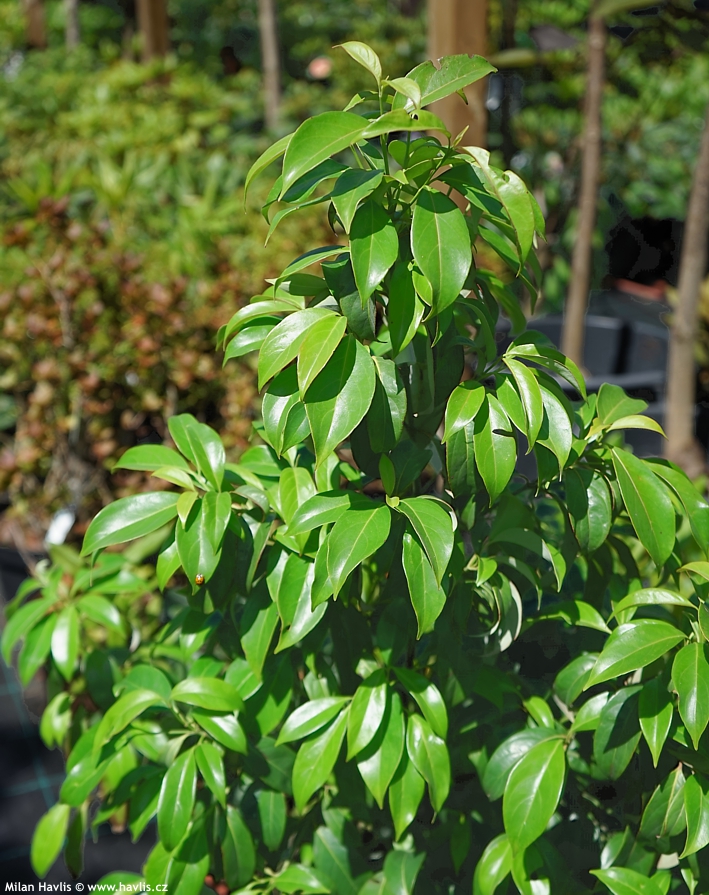
Chinese dogwood differs from all other known dogwoods in one fundamental attribute – it is evergreen. Its leaves are slightly leathery, glossy, narrowly ovate with a pronounced tip, usually somewhat incurved and pendulous like pear leaves, mid‑green with bronze tones during the season and a wine‑red overlay in winter. They are smaller and significantly narrower than the leaves of deciduous dogwoods, which gives the plant a more elegant character. In ordinary winters the leaves remain evergreen; after prolonged and severe frosts they may be weakened and drop in spring, to be quickly replaced by new growth.
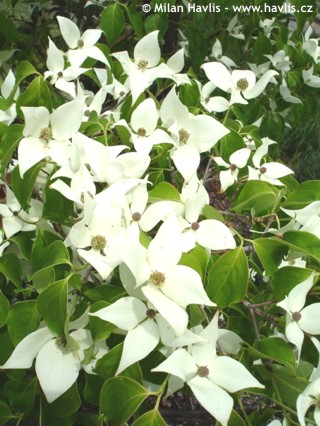
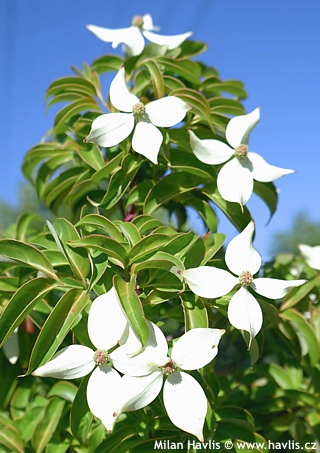
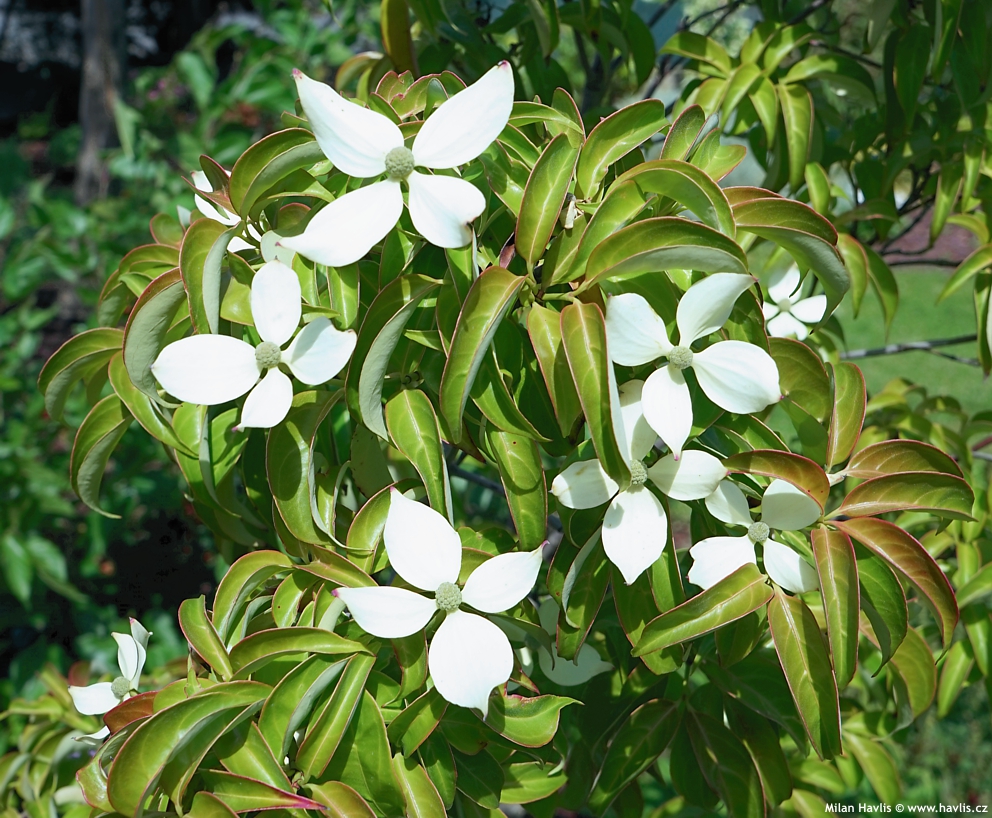
Blooming time is the latest of all dogwoods and takes place over a long period from early June to about mid‑July. The ornamental part of the inflorescence consists of four striking, snow‑white bracts 6–8 cm across that surround a small head concealing the true, minute flowers; after the bracts fall, small edible pink fruits develop, whose flavour is hard to describe. There are usually many flowers, and on a fully leaved shrub or small tree they shine from afar.
Last update 13-07-2022; 08-02-2026
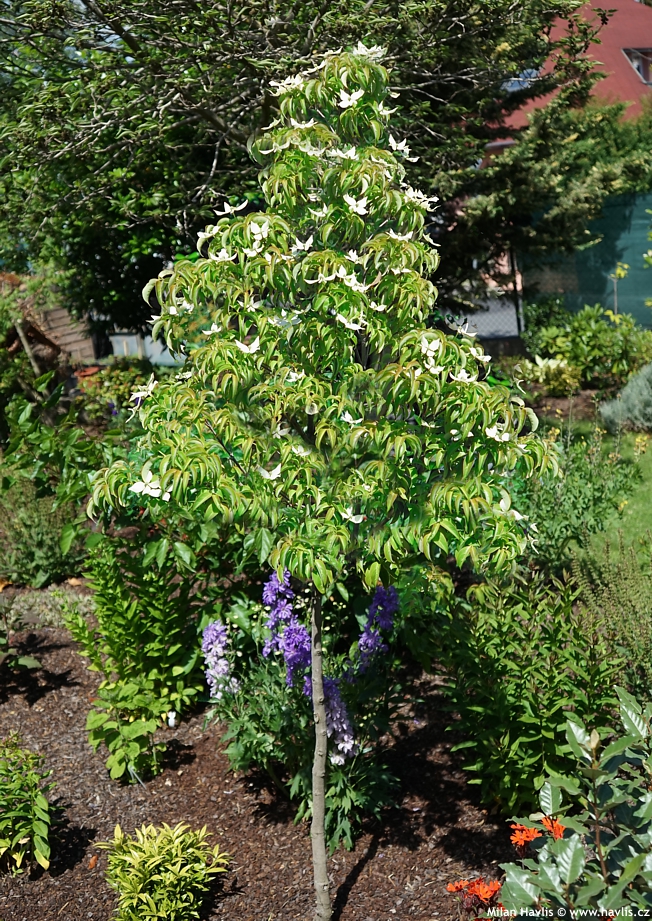
Chinese dogwood grows slowly and forms either a small tree or a large, dense shrub with a conical habit. Final height in our conditions has not yet been long‑term verified but is estimated at around 4–5 m. Thanks to its naturally dense habit it does not require pruning for thickening; any shaping can be carried out shortly after flowering. It requires light, fertile, acidic to slightly acidic soil with even moisture, but must not be waterlogged. It performs best in full sun, where it flowers more abundantly and develops a healthy, compact habit; partial shade has not proved successful in practice. Over‑fertilisation is undesirable – use only fertilisers that support flowering and leaf quality rather than rapid growth. Hardiness is still under testing, but so far it has withstood temperatures of around −17 °C without damage and further trials continue. Like any evergreen, it requires occasional watering during dry winters in frost‑free periods.

.jpg)