










.jpg)

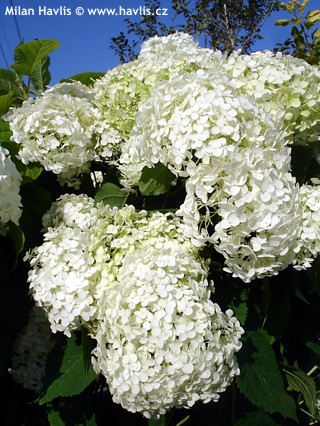
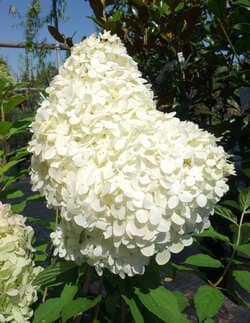
Hydrangea arborescens 'Kolmakilima' LAVALAMP ANNABELLE sevenbark, smooth hydrangea

 Symbivit Tric (arbuscular)
 Symbivit (arbuscular)
Hydrangea
The genus Hydrangea comprises approximately 70–75 species of woody plants, occurring naturally mainly in East Asia, with a smaller number found in North and South America. The greatest species diversity is concentrated in Japan and China, where hydrangeas have long formed part of both the cultural landscape and garden tradition. The genus was first scientifically described by Carl Linnaeus in 1753 in his Species Plantarum. Later botanical research also documented fossil remains of hydrangeas from the Tertiary period in North America, pointing to a long evolutionary history. Hydrangeas were introduced to Europe towards the end of the eighteenth century through botanical expeditions and quickly became popular ornamental shrubs.
Hydrangea arborescens, commonly known as smooth hydrangea or sevenbark is a deciduous woody plant native to eastern North America, where it grows along woodland margins, in open groves and in moist valleys. The species was scientifically described in 1789 by the American botanist William Bartram (1739–1823), one of the key figures in the early exploration of North American flora. It entered European botany at the turn of 18th and 19th centuries through plant exchanges between American and European gardens, particularly in England and France, where it was initially cultivated mainly as a botanical curiosity. A decisive turning point in its garden use came with the cultivar ‘Annabelle’, discovered in the mid‑twentieth century in the US state of Illinois. Its large, spherical inflorescences and ability to flower abundantly even after hard pruning established a new standard by which smooth hydrangea was judged for decades. Over time, however, the limitations of this type became apparent, notably soft stems prone to flopping and a restricted colour range. These shortcomings provided the impetus for modern breeding, which has since produced cultivars with stronger stems and flowers in other colours: soft pink, deep pink or even pale magenta, and even chartreuse.
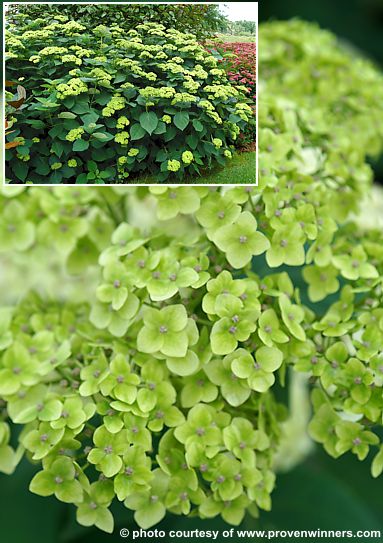
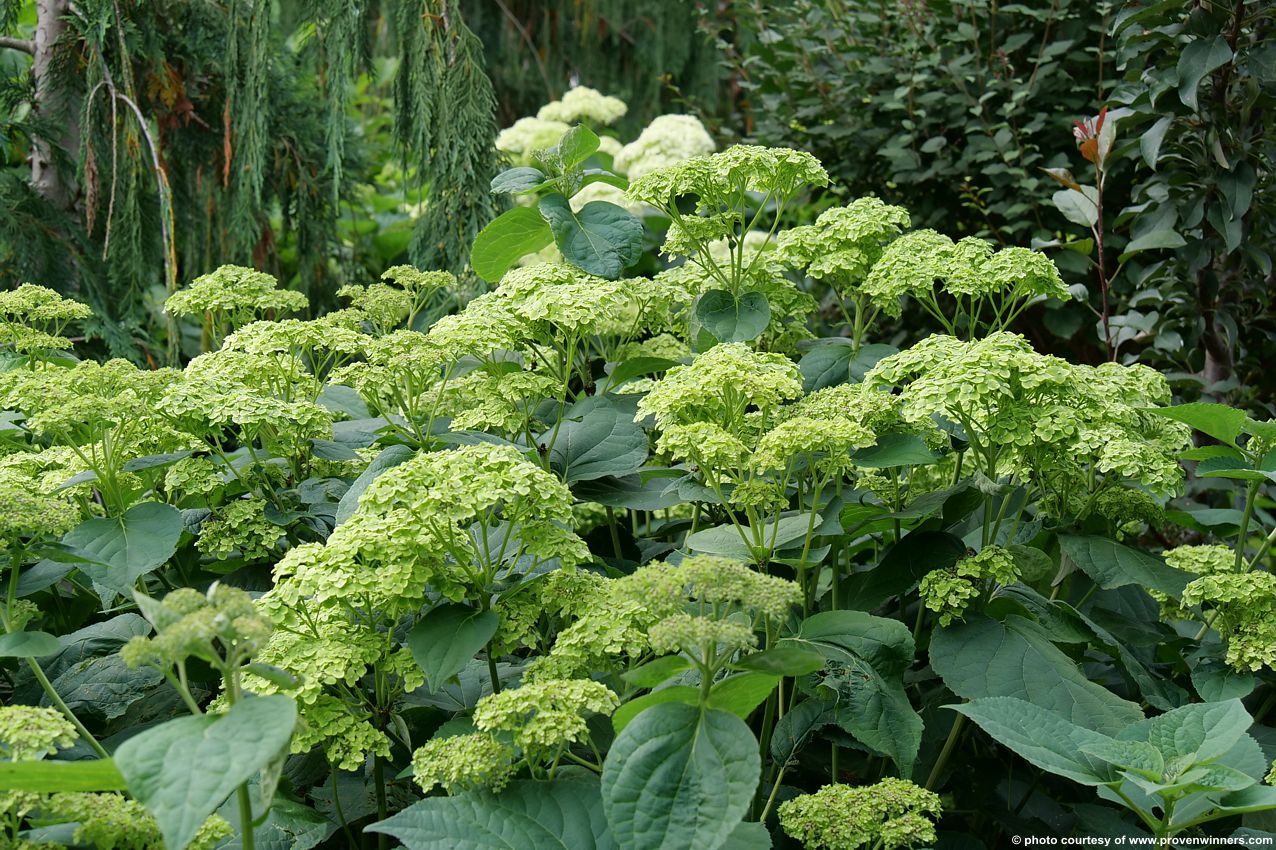
LAVALAMP SUBLIME is a distinctive smooth hydrangea with large, full inflorescences that appear from June in fresh greenish tones and gradually mature to creamy white. The flower heads are semi‑globular to globular, held firmly above the foliage and retaining their shape even at full bloom. The deciduous leaves are large and bright green, with the characteristically soft texture of the species, forming a calm backdrop to the prominent inflorescences. The shrub grows upright and evenly, with strong, well‑ripened stems that reliably support even large flower heads without lodging. The overall habit is dome‑shaped, compact and very dense, giving the plant a neat and stable appearance throughout the growing season. The cultivar was bred by Peter Rudolf Kolster of the Dutch company Kolster Holding BV. It is protected by European Plant Breeders’ Rights under number EU 34653 (2013) and by the US plant patent PP29853, granted in 2018.
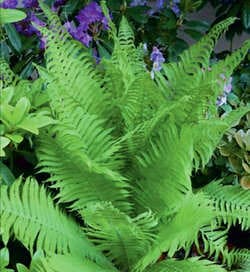
Smooth hydrangeas rank among the most reliable and trouble‑free garden shrubs, which largely explains their enduring popularity. Flowering from June on fully leafed plants, they introduce a compact yet generously flowering mass into mixed borders with shrubs and perennials. They combine well with plants in contrasting shades so do not hesitate to experiment with more vivid colours among companion perennials, such as Salvia, Trollius, Geum, purple‑leaved Actaea or Ligularia, as well as red and purple Lobelia. It is important, however, to remember that hydrangeas prefer consistently moist soil, and neighbouring plants should therefore share similar requirements. For calmer compositions based more on texture than colour, combinations with ferns work particularly well, their finely divided fronds providing a delicate counterpoint to the simpler leaves of the hydrangea. LAVALAMP SUBLIME also performs beautifully in containers and in modern, single‑species ambient compositions, where its regular form stands out and offers long‑lasting interest, especially if spent flower heads are removed after flowering which enhances formation of new flowers for late summer.
Last update 16-03-2026
Cultivating smooth hydrangea is relatively straightforward. It performs best in full sun or light partial shade, where sufficient light prevents the stems from stretching excessively. It tolerates full sun throughout the day provided it is watered during dry periods; prolonged drought is poorly tolerated and leads to rapid wilting, browning of leaves and reduced flower size. Additional watering is particularly important during bud formation. Short‑term waterlogging is tolerated, but permanently wet sites are unsuitable. The soil should be deep, humus‑rich and well drained; soil pH is not critical. Mulching is beneficial, helping to keep the soil cool and moist while protecting the roots. Feeding is not essential, but the shrub may be supported with a balanced fertiliser low in nitrogen after leaf emergence and again before flowering, ideally using organic products. Pruning is necessary and is carried out in early spring, or in mild regions before winter, as hard cutting results in stronger stems and larger flowers. Up to 80 % of the previous year’s growth can be removed. The plant can also be grown in containers, where regular watering and feeding are required, although it performs best when planted in the ground. It is neither toxic nor allergenic and is hardy to at least –34 °C (USDA zone 4); some sources report successful cultivation even in zone 3, corresponding to temperatures as low as –40 °C.