










Magnolia 'JUDY ZUK' magnolia

 Symbivit Tric (arbuscular)
 Symbivit (arbuscular)
Magnolia
The entire genus Magnolia belongs among the oldest flowering plants on Earth, with fossil evidence more than 95 million years old, documented from the Cretaceous period in North America, Europe and Asia. It is almost mind‑bending to imagine dinosaurs walking beneath them and pterosaurs gliding above their crowns while magnolias were already opening their first flowers. They evolved even earlier than bees, which is why their blossoms are adapted to beetle pollination – with firm, waxy tepals and resilient reproductive structures able to withstand the rougher handling of these early pollinators. Today the genus comprises around two hundred species, occurring mainly in eastern and south‑eastern Asia and in the eastern parts of North America, a distribution that reflects the ancient connection between continents and the climatic similarities of that era. In Asia, magnolias have appeared in traditional medicine and garden culture for centuries; in North America they held significance in indigenous traditions; and in Europe they began to be cultivated only from the eighteenth century onwards, when botanists brought them into the first collections. The genus was formally described by the French botanist Charles Plumier (1646–1704), who named it in honour of Pierre Magnol (1638–1715), an influential systematist of his time. The taxonomy of magnolias remained unsettled for a long period – some groups were treated as separate genera, such as Michelia or Manglietia, but modern molecular research has united them once again under a single genus, Magnolia.
Hybrid magnolias arise from several key parent species that recur in modern breeding thanks to their distinctive traits. The fundamental building block is Magnolia denudata, an ancient Chinese species with pure white, waxy flowers and robust buds, contributing elegance, early flowering and fragrance to hybrids. Magnolia liliiflora adds rich purple tones and a more compact habit, which is why its genes appear in popular crosses such as M. × soulangeana. Magnolia kobus is valued for its hardiness, reliability and ability to thrive in cooler regions, making it a parent that imparts strong branching and a willingness to flower even in less favourable conditions; it is also widely used as a rootstock. Magnolia stellata contributes delicacy, star‑shaped blooms and exceptional earliness, allowing some hybrids to open at the very beginning of spring. In recent decades, Magnolia acuminata, a North American species with yellow‑green flowers, has entered breeding programmes and enabled the creation of an entire palette of yellow‑flowered hybrids – from soft cream shades to deep canary yellow.
The history of magnolia breeding is remarkably rich and shaped by several influential figures, each of whom moved the genus forward in a different way. Étienne Soulange‑Bodin (1774–1846) gave the world its first large‑flowered hybrids and demonstrated the dramatic potential of interspecific crosses, laying the foundation of the European tradition. Max Löbner (1864–1934) brought reliability to colder regions through the hybrid M. × loebneri, still one of the hardiest magnolias grown today. Ernest Henry Wilson (1876–1930) greatly expanded the genetic base of the genus by introducing dozens of Chinese species to Europe and America, without which modern breeding would not exist. Phil Savage (1917–2000) opened an entirely new colour chapter by using M. acuminata to create the first truly yellow hybrids, while August Kehr (1914–1998) pushed boundaries through work with polyploidy, enabling larger, richer and more resilient flowers. The New Zealand Jury family – Felix Jury (1910–1995), Les Jury (1930–2019) and Mark Jury (1950) – gave magnolias elegance, colour and refinement, producing cultivars now considered the pinnacle of aesthetic breeding. Vance Hooper (1952) continued this line with modern cultivars bearing dark, almost wine‑coloured flowers and compact growth, whereas Todd Gresham (1922–1985) created robust, large‑flowered hybrids of exceptional vigour. The contemporary era is represented by Koen Camelbeke (1960), who combines botanical precision with modern breeding and focuses on late‑flowering hybrids that escape spring frosts. Together they form a lineage of enthusiasts who have turned magnolias into one of the most dynamically evolving groups of ornamental trees in the world.
Judith D. Zuk (1951-2007) was an American horticulturist and conservationist, a graduate of the prestigious Rutgers University, where many beautiful plants are bred, several of which have reached us, too. From 1990 to 2005, she served as president of the Brooklyn Botanic Garden, and during her tenure, she managed to raise significant funds for its expansion and the renovation of outdated areas. Upon her retirement in 2005, one of the latest magnolia hybrids was named Judy Zuk in her honour.
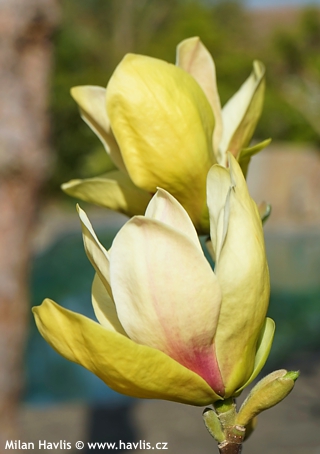
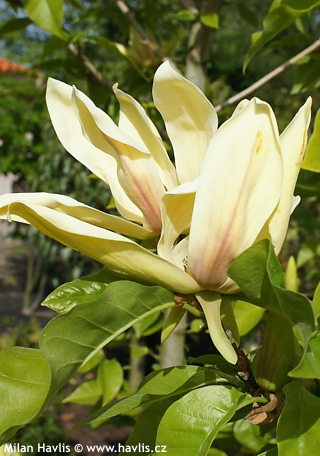
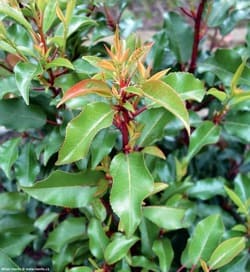
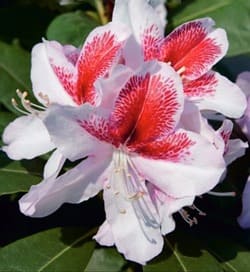
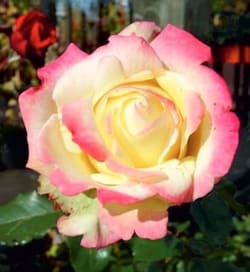
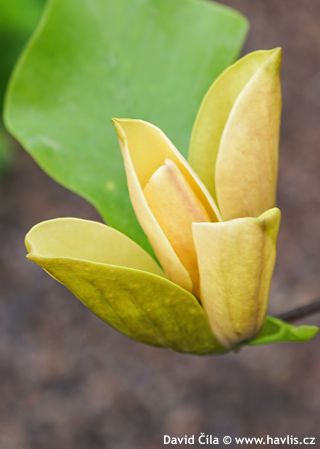
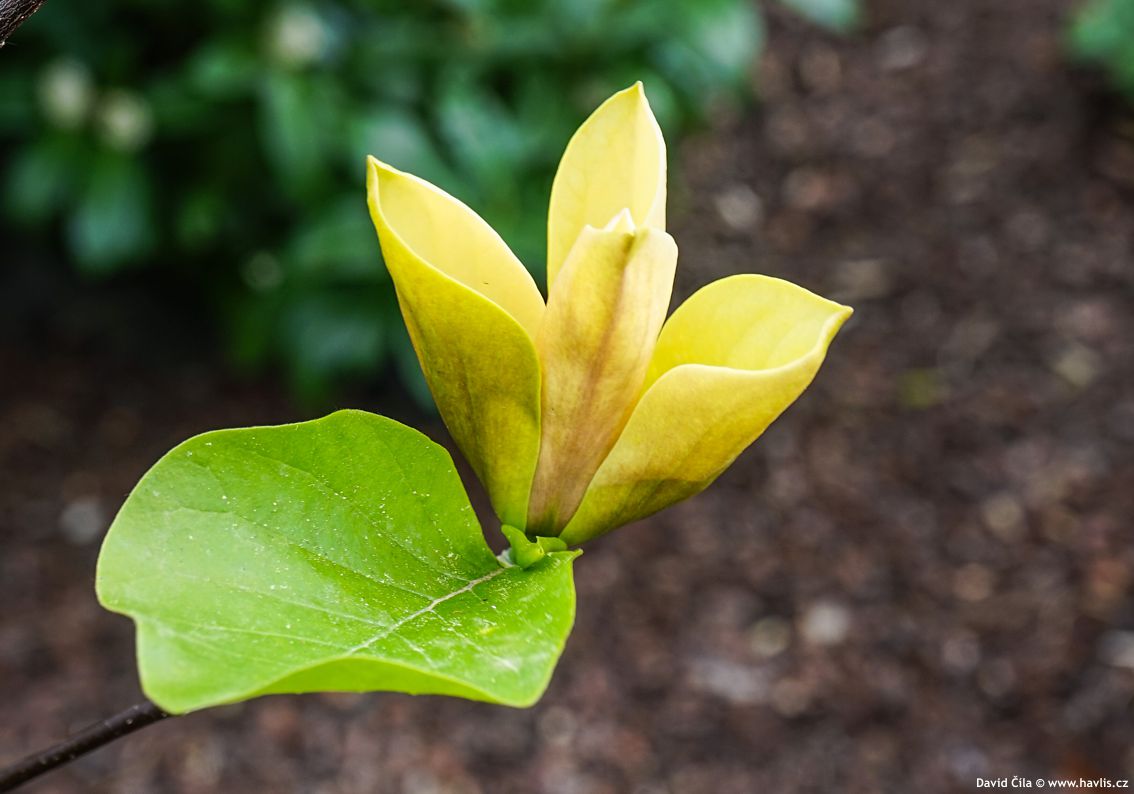
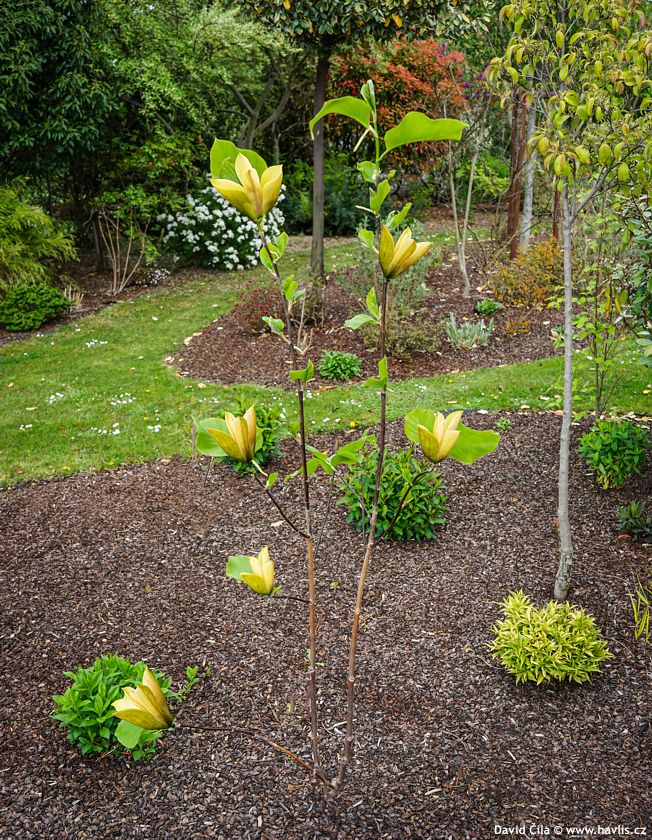
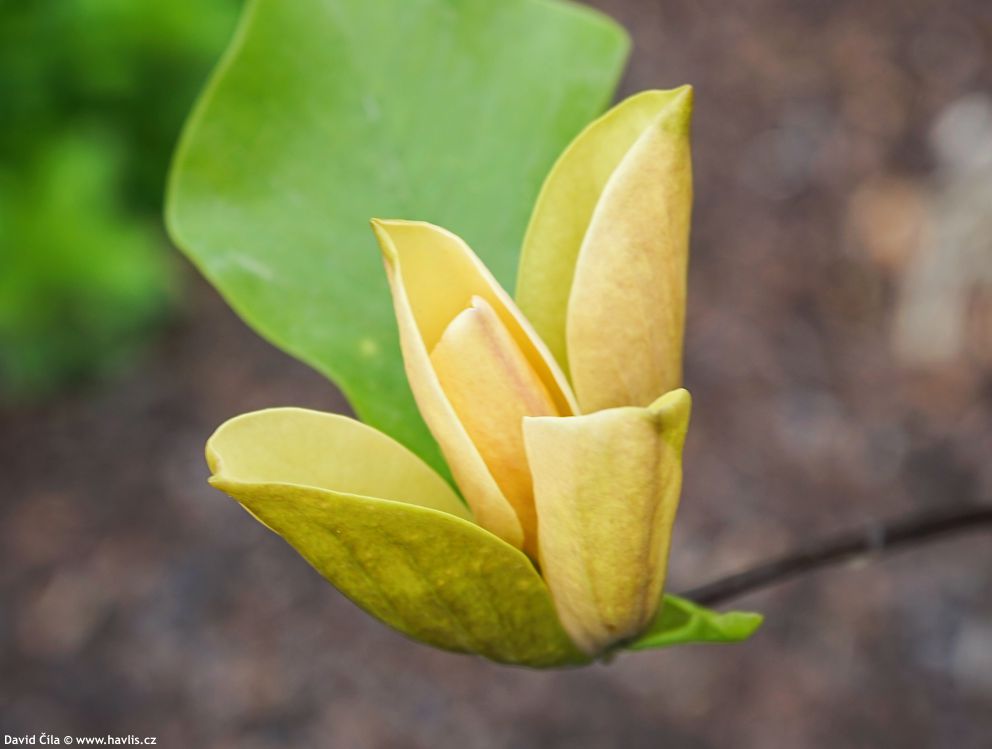
Judy Zuk magnolia is a hybrid between M. acuminata, M. liliiflora, and M. stellata and was introduced in 2007. It is a relatively slender variety that bears the traits of all its parents – a bit of everything: the yellow flower colour comes from M. acuminata, its pink hues from M. liliiflora, and the elongated petal shape from M. stellata. The flower colour is intriguingly variable –there are pale purple to pink flames on a yellow base and a green patina on the petal exterior. The flower is more lily-like, large, with a spread of 20-25 cm in full bloom and reportedly up to 30 cm on older plants. They bloom from around mid-April along with emerging leaves. The leaves are deciduous, bright green, shortly obovate, and 15-25 cm long.
Magnolias are not supposed to be pruned. You can prune old shrubs if ill, or trim them to shape or to reduce size, or make an elementary cut to young plants of unsightly or unhealthy appearance. Do this as soon as possible after flowering to secure setting of flower buds for the following year. Be aware that each magnolia can respond differently to pruning.
Deciduous magnolias are quite easy plants. All they need is light, well-drained, acidic soil with equal moisture throughout the year. Once established they can do with occasional drought but will not look as nice as the ones with regular watering. Just pay attention to how you plant your magnolia. First, find it a spot where it will live forever and ever. It does not like transplanting. And as it makes shallow roots reaching well over its spread, stay away from disturbing the roots by digging or messing about around it. Just cover the soil with bark mulch and do not plant anything else near it after say the second year after planting onwards. You could damage the important top roots that absorb maximum moisture and nutrients from the soil. Also avoid planting magnolia too deep. Thus, you could be digging it a grave. Hardy is abt. -29 °C (USDA zone 5).
Last update 10-01-2025
Deciduous magnolias share broadly similar requirements. They prefer a sunny or lightly shaded position with deep, humus‑rich, evenly moist soil that must not be heavy or permanently waterlogged; they grow best in slightly acidic to neutral conditions, where they can develop a strong root system without stress. Young plants benefit from a mulch of leaf mould, which helps maintain stable moisture levels and protects the shallow roots from summer overheating and winter frost. Never dig a deep planting hole, as the roots may suffocate or sit in stagnant water, and choose a place where you will not dig or cultivate within at least two metres of the trunk – magnolias dislike disturbance and their root system spreads widely around the plant, reacting poorly to digging, cultivation or regular foot traffic. If planting a solitary specimen with an edging, place the edging at least 1.5 metres from the centre of the trunk.
Pruning is carried out only when necessary to reduce height or remove diseased branches, and always immediately after flowering, as later pruning would remove the developing flower buds; most species respond sensitively to cutting and can easily lose their naturally graceful shape. During dry periods, supplementary watering is important for young plants, while mature specimens are surprisingly tolerant of occasional drought and short‑term waterlogging – they generally appreciate consistent moisture. Most hybrids are sensitive to strong winds and exposed sites, especially large‑leaved cultivars whose young, tender foliage can be torn by gusts. Yellow‑flowered hybrids tolerate slightly more sun and heat, whereas crosses involving Magnolia stellata and M. kobus cope better with cooler positions and early spring fluctuations. All hybrid magnolias are non‑toxic to humans and pets, and although some species produce fruit, it is not intended for consumption. Cold hardiness varies with parentage, but most modern hybrids reliably withstand temperatures between –23 and –30 °C, while yellow‑flowered lines and evergreen types may require light winter protection.