









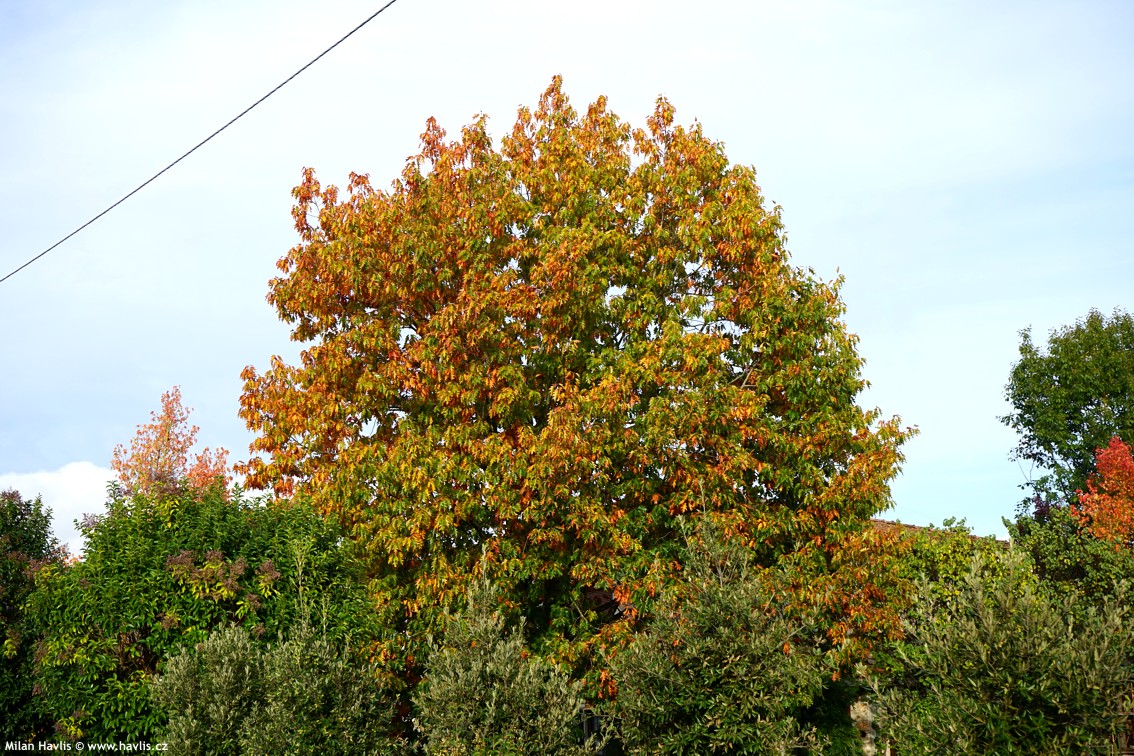
Quercus coccinea scarlet oak

 Ectovit (ectomycorrhizal)
Quercus
Oaks are common trees of our natural woodlands. They border our ponds, occur naturally in our mixed forests, and make magnificent specimen trees in our parks and arboretums where less common species or rare varieties can be seen.
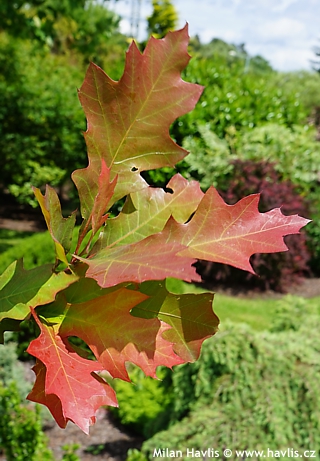
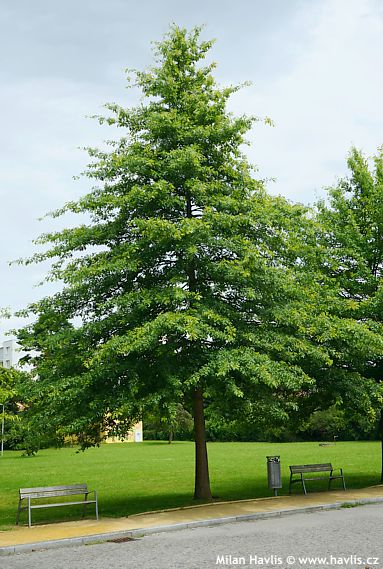
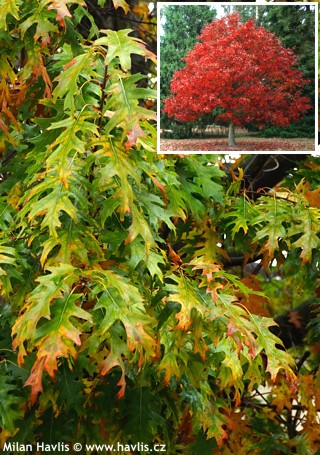
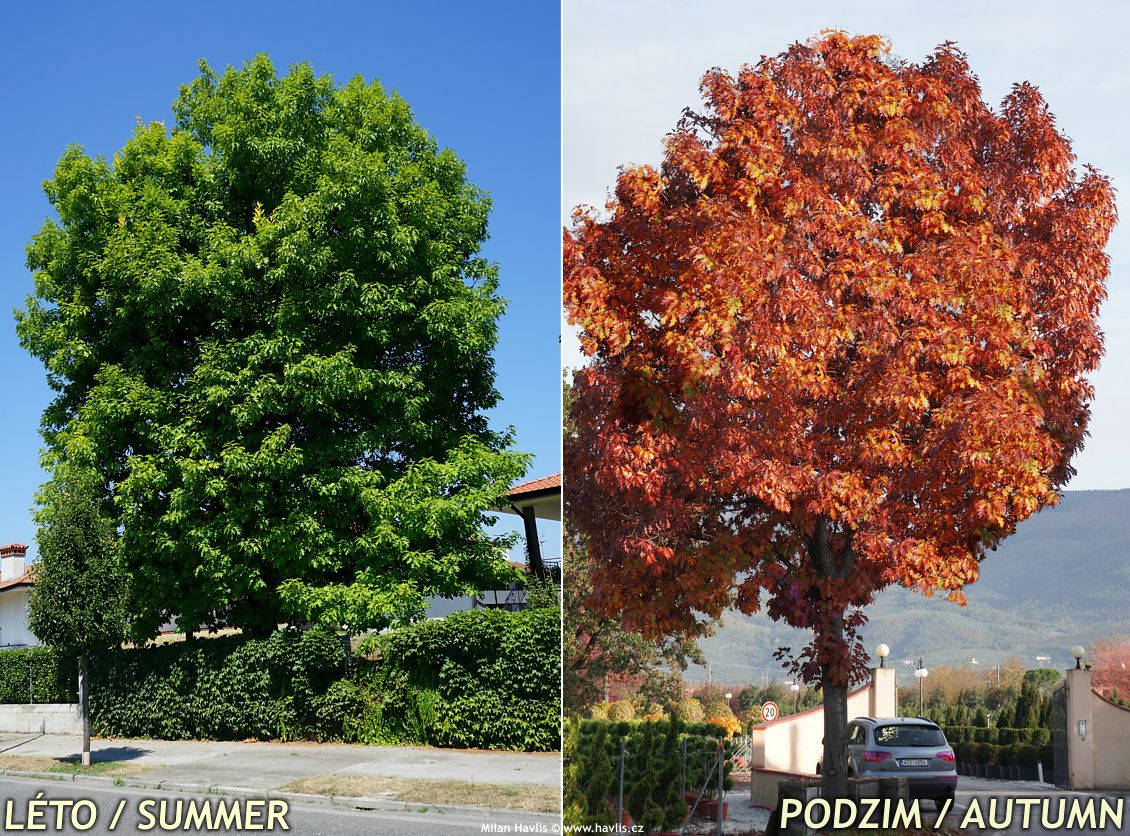
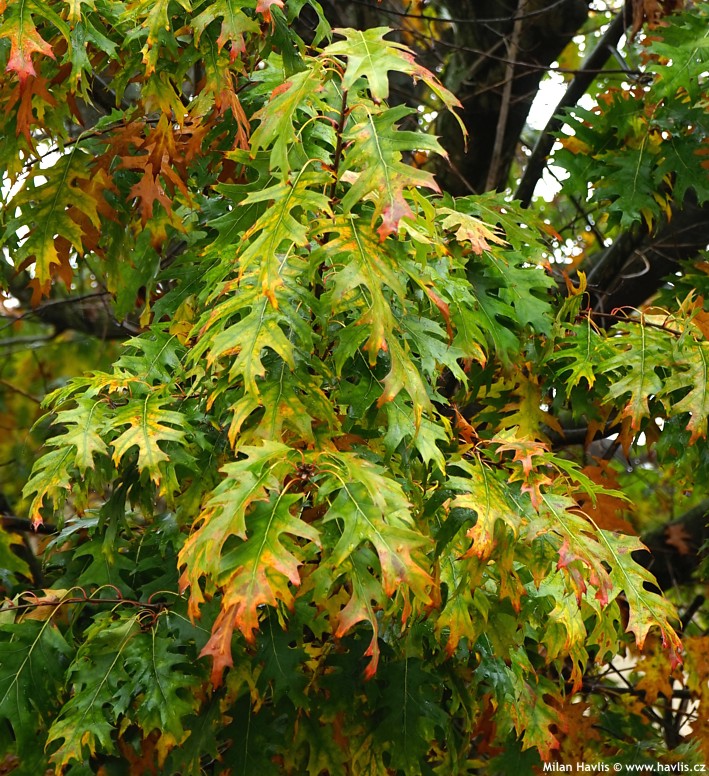
Scarlet oak comes from eastern parts of USA and is considered one of the toughest and long-lived species. It is quite difficult trying to differentiate it from closely related red oak (q.rubra) or pin oak (q.palustris) looking only at the leaves. Though quite variable, they are 15-20 cm long and deeply lobed just like those of the other species. You have to look up to see the canopy. Older trees of scarlet oak form almost sharply outlined, dome-shaped crowns, while red oaks are rounded and pin oaks remain pyramidal.
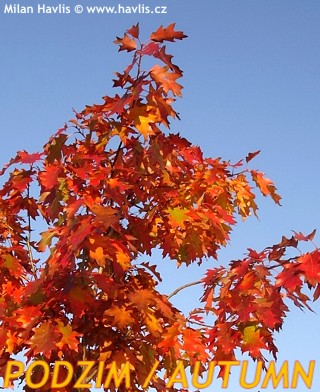
Leaves are deciduous, glossy, dark green, and turn amber orange in lime-based ground, or scarlet and crimson red in acidic soil. The tree cannot be found in North or Central European woodlands unless an odd plant escaped a collectors garden. But it is very common in Mediterranean macchia and man-made landscapes of South Europe where the soil is usually not very acidic hence its rather orange autumn colour. Its large size (15-20m tall and 10-15m wide) makes it a gorgeous lawn and shade tree in large gardens and parks, often chosen for its long-lasting autumn colour of leaves.
Last update 14-11-2019
Oaks are not fussy about soil type and scarlet oak is more tolerant of lime-based soil as opposed to pin oak which may suffer from chlorosis. It requires well-drained soil without standing water. Once established it is extremely drought tolerant, withstands city pollution, and requires zero maintenance. Newly planted trees need to be staked for 2-3 years to establish. Roots are strong and can heave pavements. Fully hardy to about -34°C (USDA zone 4).