











Quercus suber cork oak

 Ectovit (ectomycorrhizal)
Quercus
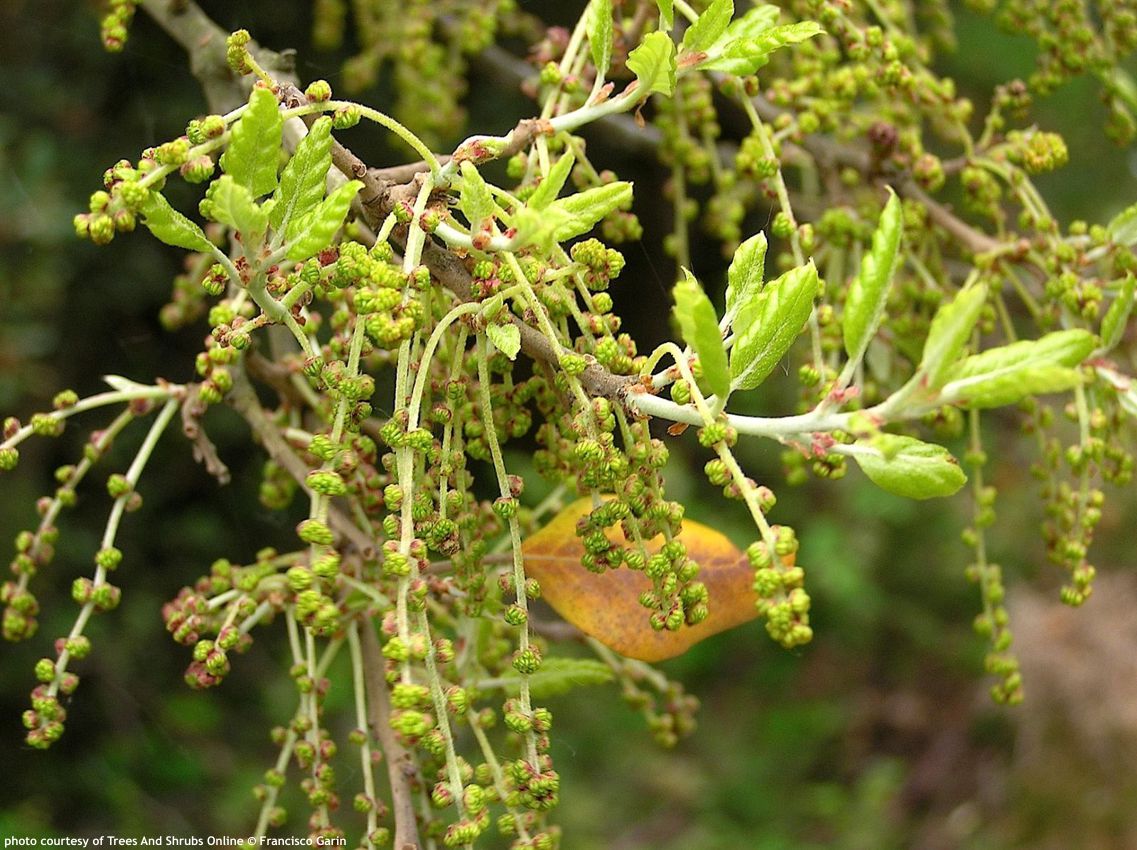
The genus Quercus – oaks – is one of the richest tree genera of the Northern Hemisphere, comprising approximately 450 to 600 species. They are predominantly found in temperate and subtropical zones, with the highest diversity in North America and East Asia, though they also reach into tropical mountain regions. Oaks can be deciduous or evergreen, ranging from massive trees to small shrubs. They are monoecious, with inconspicuous flowers in catkins pollinated by wind, and their typical fruit is the acorn – a single-seeded nut enclosed in a cup-like structure. Oak leaves are alternate and highly variable: they may be lobed, toothed, serrated, or entire, and often show significant variation even within a single species, which makes identification challenging. Oaks are known for their hard, durable wood and their ability to grow into long-lived, majestic trees. They play an important role in ecosystems and culture – providing food for wildlife, wood for construction, cork, tannins, and medicinal substances. They are also considered symbols of strength and endurance in many mythologies and religions and are often associated with the masculine element.
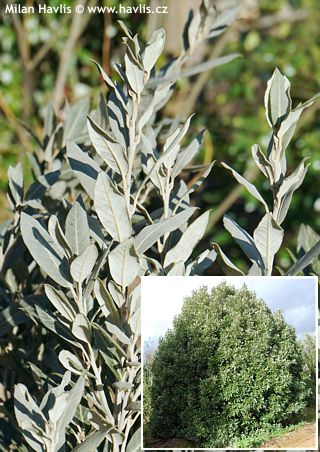
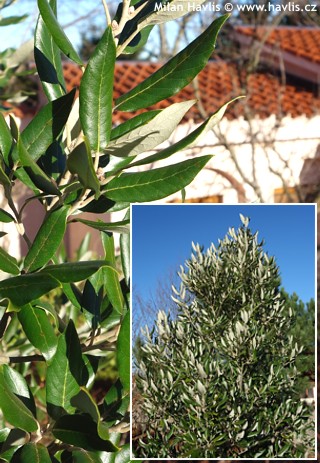
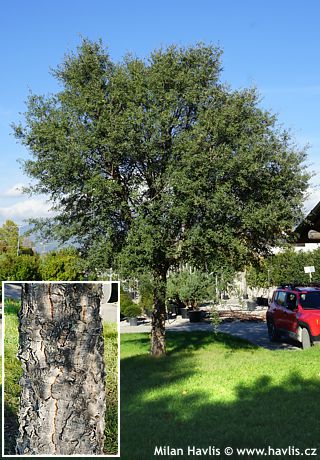
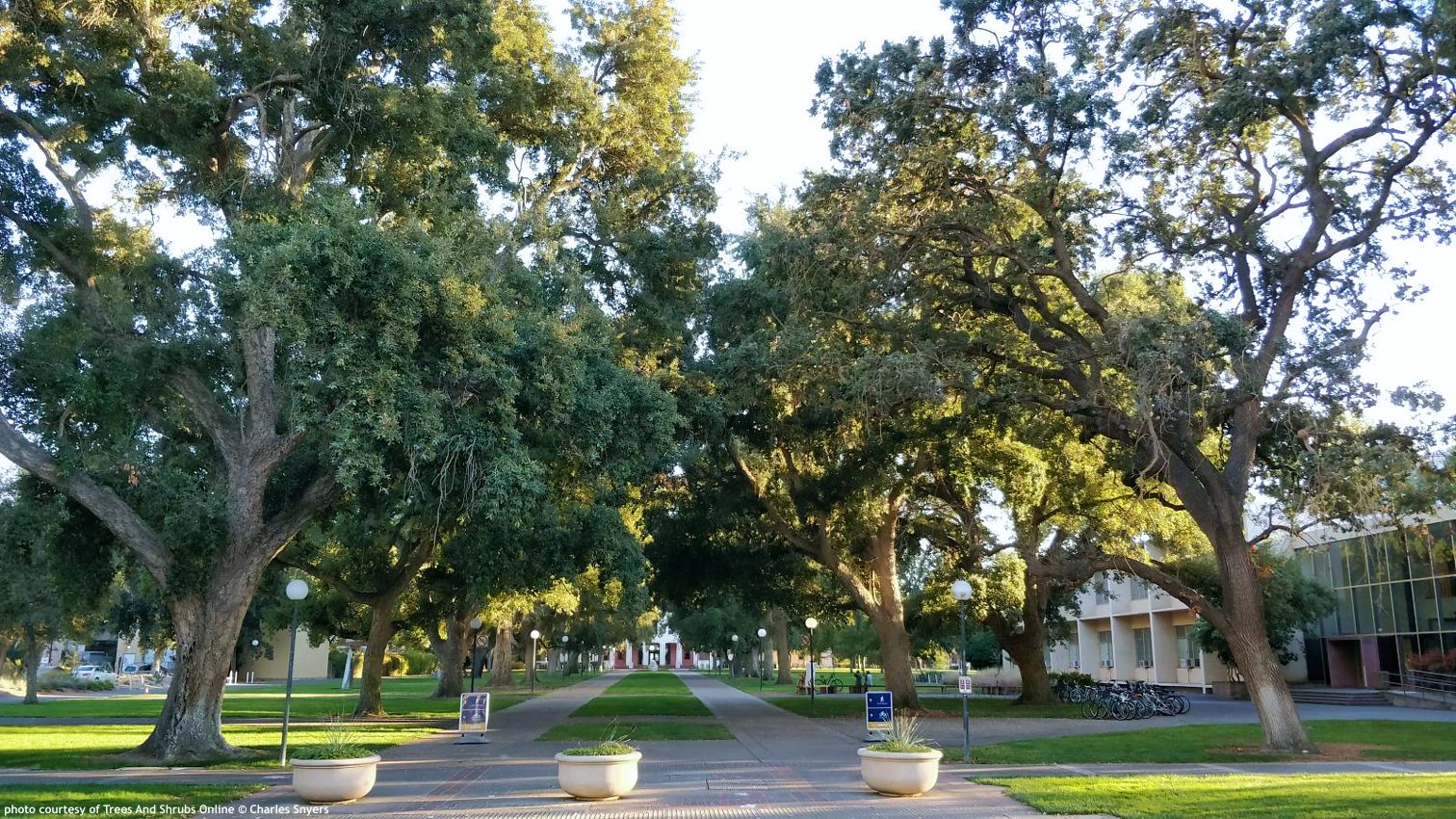
Cork oak will not win you over with flamboyant flowers or fiery autumn colour, but with character – and above all with the legendary bark that gave the tree both its name and worldwide fame. Its evergreen, leathery leaves are narrowly oval, emerging with a striking silvery sheen before maturing to mid-green with a glossy upper surface, while the undersides retain their soft silver-grey coating. Older trees produce small, elongated acorns, although most gardeners barely notice them, as attention is inevitably drawn elsewhere.
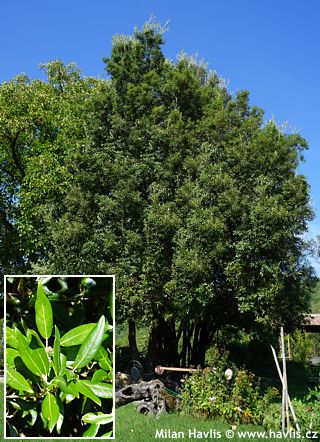
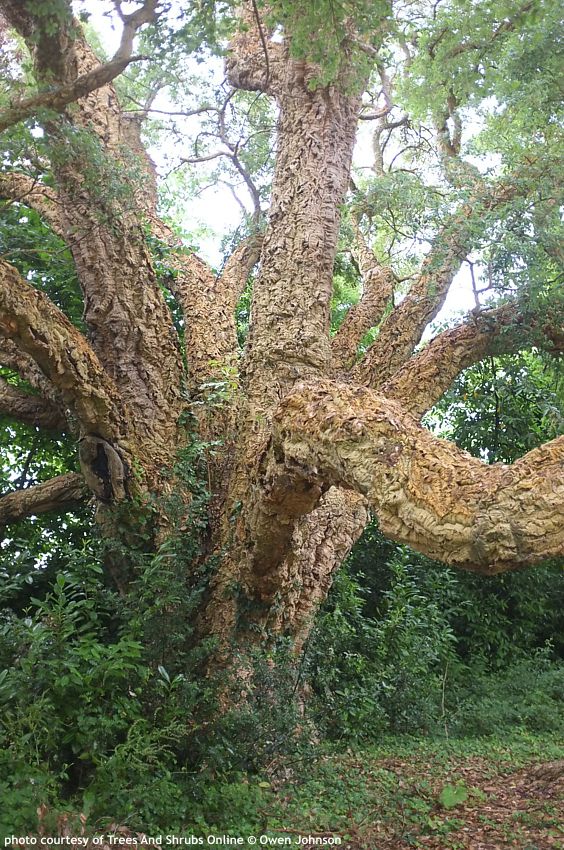
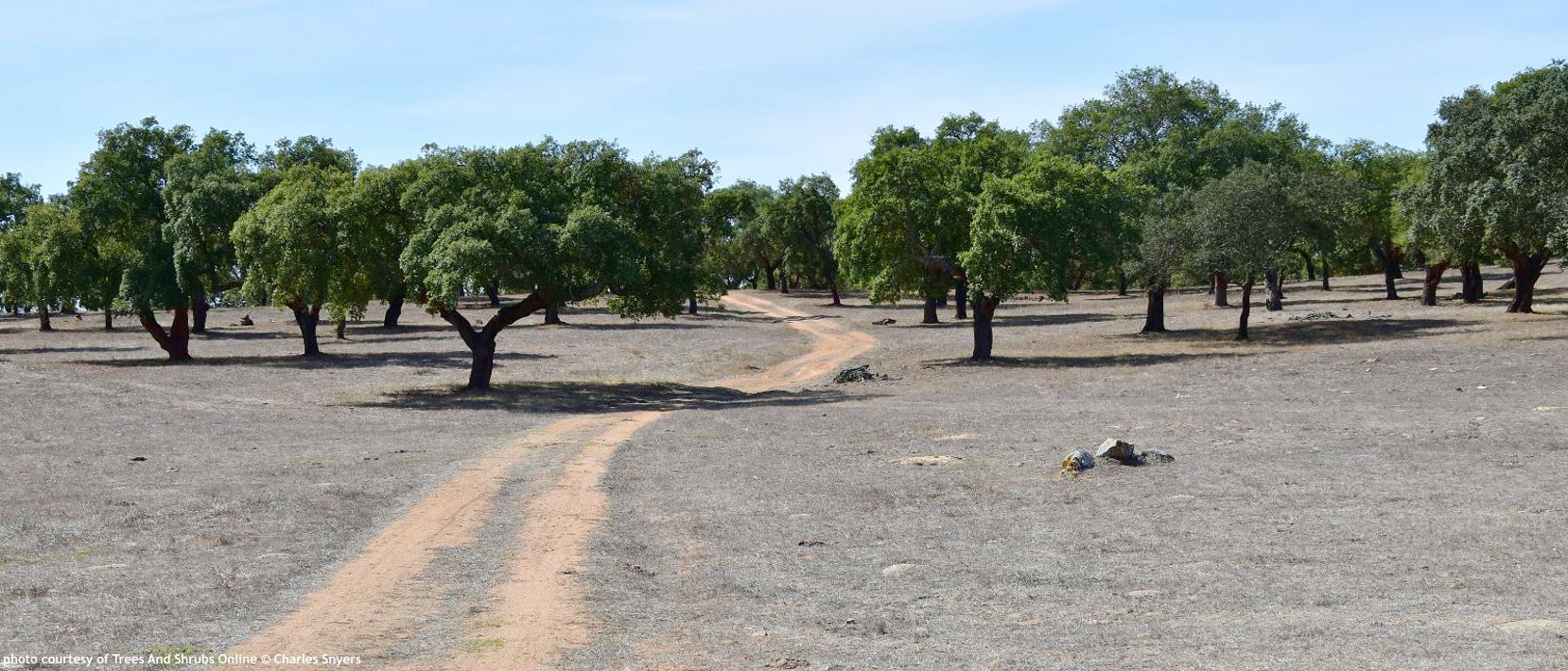
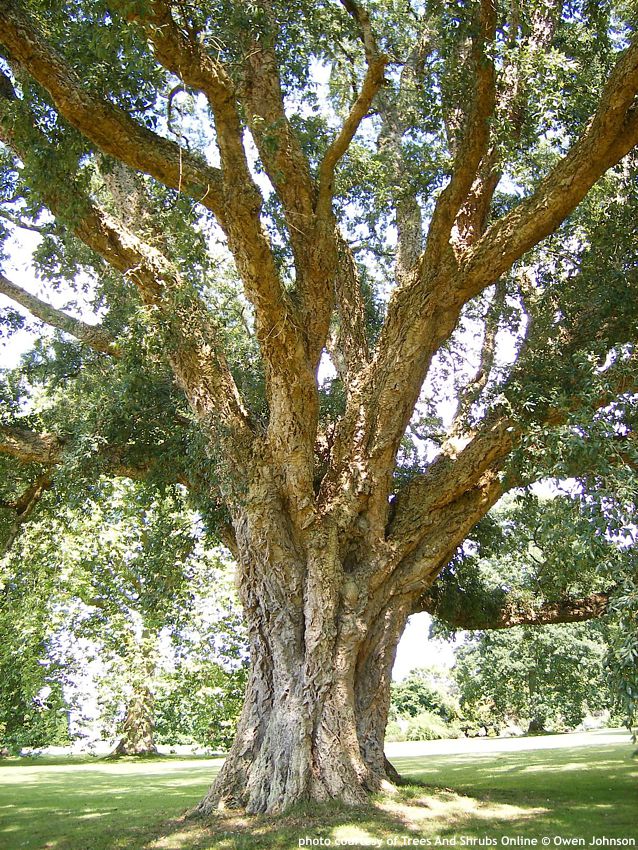
That something else is cork. A thick layer of dead bark develops on the trunk throughout the tree's life and, in its native range, is harvested at roughly ten-year intervals from about 30 to 40 years of age, although so-called virgin harvests from trees aged 20 to 25 years are also known. This process does not harm the tree which simply regenerates a fresh layer each time, though I would not recommend doing it in an ornamental garden – a stripped Cork Oak tends to resemble a patient recovering from a less-than-perfect operation. Its corky bark creates one of the most extraordinary textures to be found among trees, perhaps rivalled only by ancient olive trees. Deeply furrowed and surprisingly soft to the touch, it develops an almost sculptural quality with age. Run your hand across it and it produces a gentle rustling sound that you may find strangely addictive, even if you have no idea what ASMR means. In temperate climates it typically reaches around 10 metres in height, while in the Mediterranean, given enough decades, it may grow to twice that size.
The crown is irregular, slightly unkempt and pleasantly airy, making every specimen an individual. It never appears stiff or formal and perhaps for that reason so strongly evokes the character of old olive trees. It is often planted as a hardier alternative in temperate regions, delivering a remarkably similar visual effect. Just one thing: however rare or special the oak may be, it will never provide a crop of olives 😊.
Cork oak has been cultivated for a long time beyond its native range, although it remains largely confined to the collections of adventurous arboreta and dedicated enthusiasts. It tolerates almost any well-drained soil but strongly dislikes prolonged waterlogging, especially during winter. During the first few months after planting, it benefits from regular moisture to encourage root establishment; once settled, it copes well with ordinary periods of drought and usually requires no supplementary watering. Full sun, summer warmth and a sheltered position away from cold drying winds are essential. In temperate climates it is particularly important to plant specimens with well-ripened growth, as these withstand their first winters far better than soft, vigorous plants that continue growing late into the season. It responds very well to pruning, including hard rejuvenation cuts, best carried out in early spring before growth begins or in midsummer for shaping. More often than severe frost, the real enemy is a wet winter in heavy, cold soil. Reliable long-term hardiness is around -18 °C (USDA Zone 7), although mature specimens in favourable situations have demonstrably survived brief drops to around -25 °C, usually with varying degrees of damage.
Last update 15-01-2023; 15-11-2026