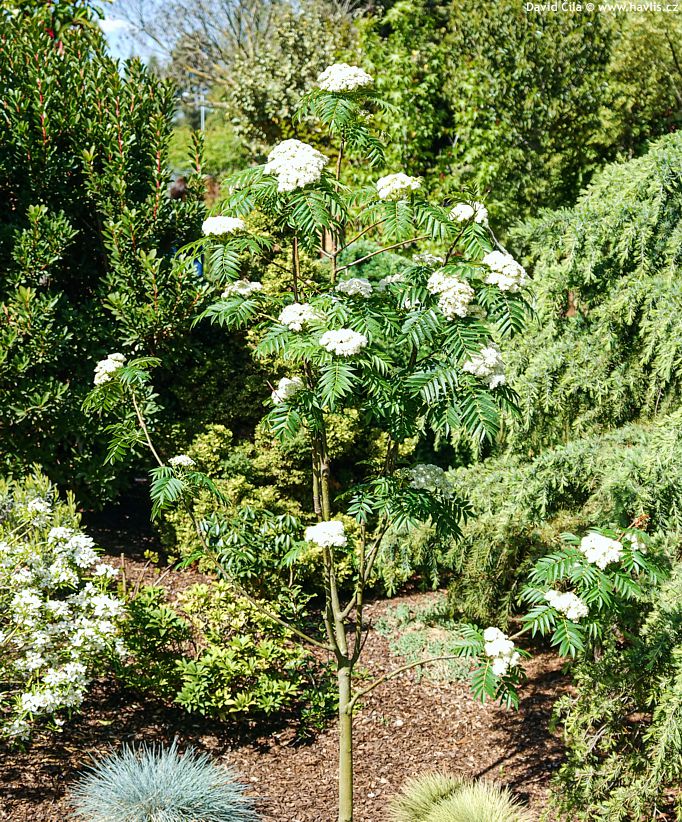
Sorbus (syn. Sorbus ulleungensis) 'DODONG' whitebeam

 Ectovit (ectomycorrhizal)
 Symbivit (arbuscular)
Sorbus
Rowans are typical trees of European landscape. Some are common, others are extraordinary. Dodong is definitely the latter. It was discovered only recently - at the end of the 20th century, on the Korean island of Ullung-do (Ulleungdo) with altitude between 300 and 980 m. It was quite a surprise for its discoverer as well as the National Research Foundation of Korea which, in order to get to the bottom of it, in collaboration with Harvard University, conducted research, results of which were published precisely on New Year's Eve 2014. There in detail, they describe the 2 main Korean rowan species - Sorbus pohuashanensis and Sorbus commixta. The resulting data show that there is really one more species on the island, very similar to s. commixta but with visibly larger leaves, larger inflorescences and larger fruits. They named it Sorbus ulleungensis.
However, the initial credit should go to the Swedish botanist and dendrologist Tor Nitzelius (1914-1999) who collected seeds during his expedition to the Korean island of Ullung-do in 1976, thinking that it was S. commixta. However, as he watched the plants grow, he noticed that everything about them was bigger. He decided to register it as a new variety and introduced it in 1989. He named it Dodong after the port village of Do-dong, near which he once collected the seeds, and under this name it is still sold today, although since 2014 the new scientific name Sorbus ulleungensis has been recognized.
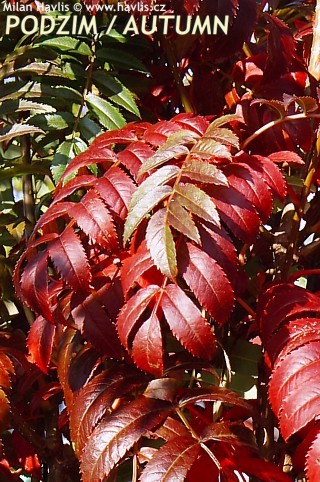
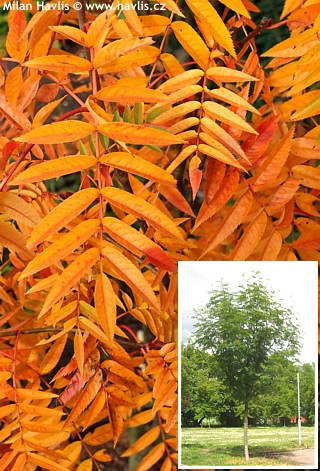
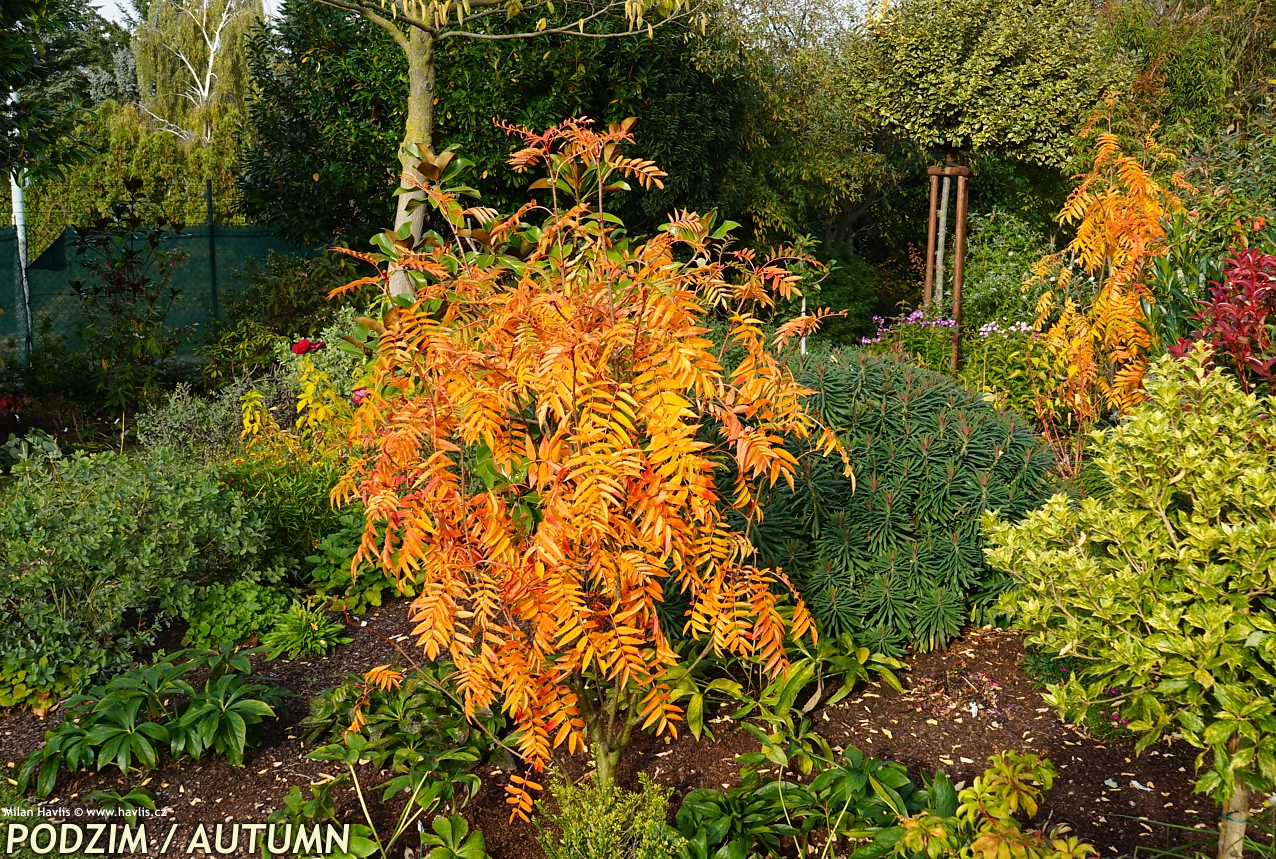
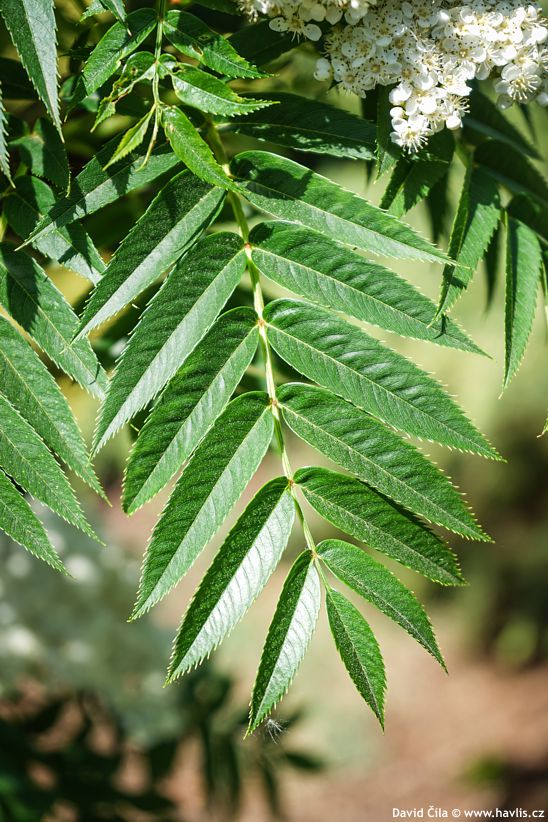
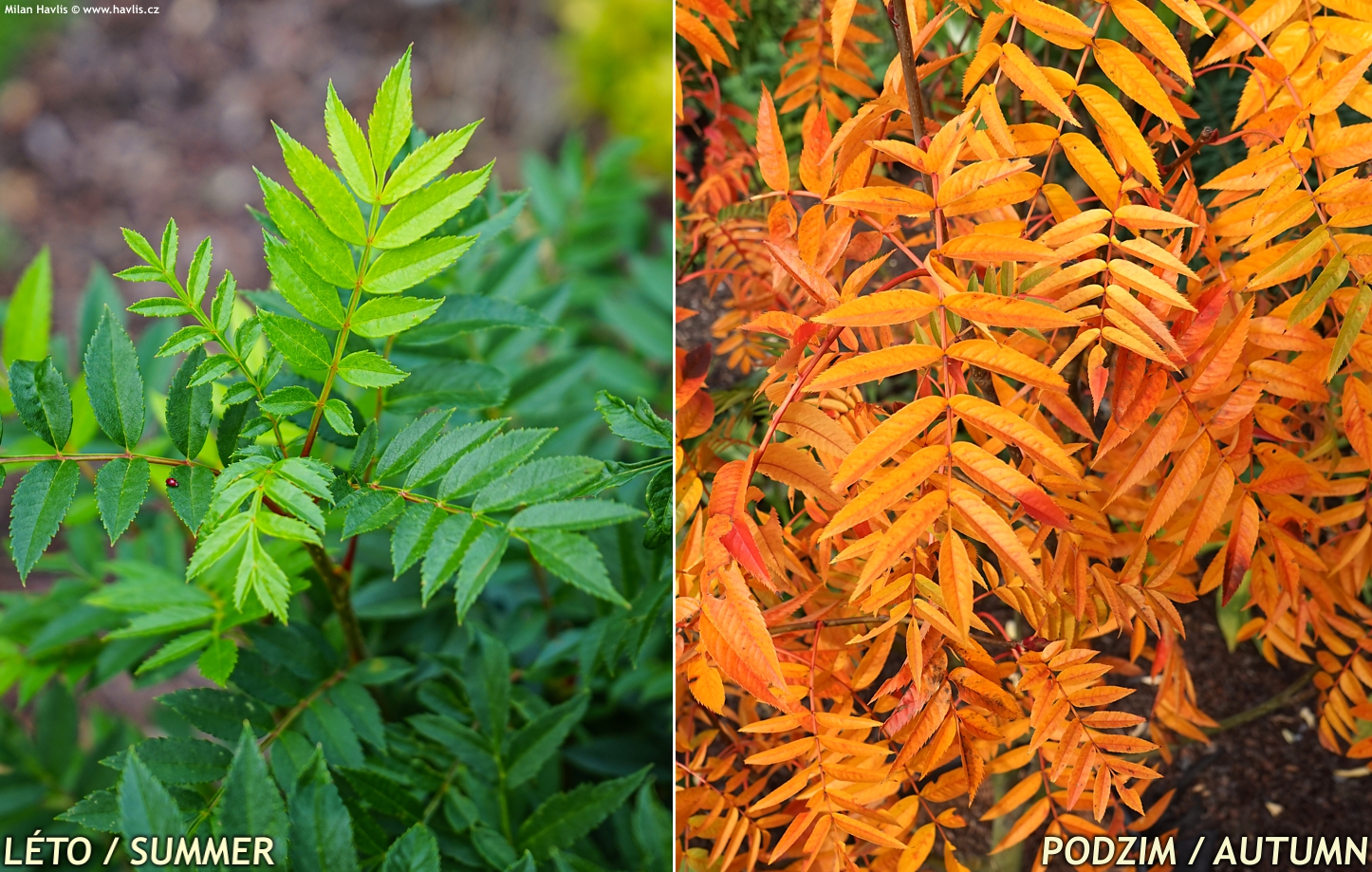
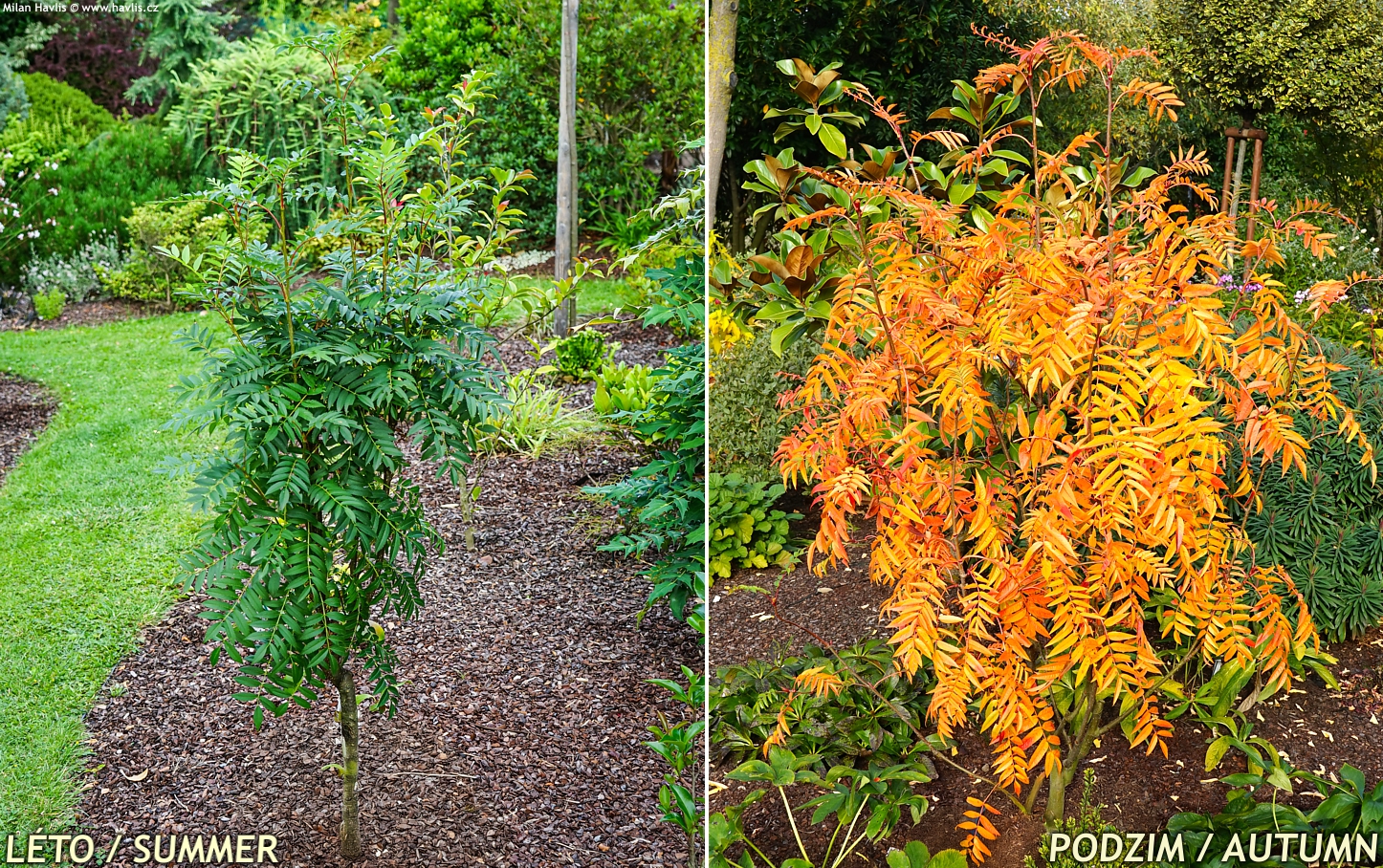
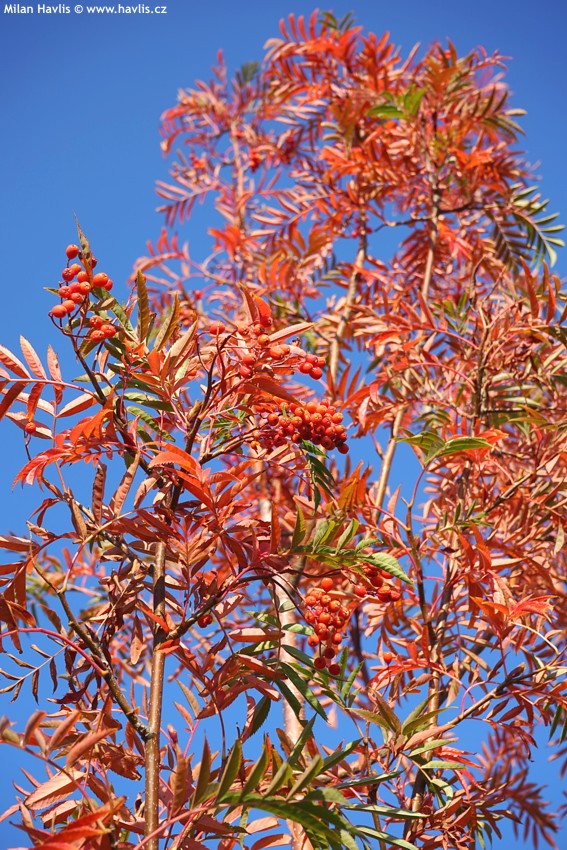
Dodong is a rowan variety grown for its attractive foliage and fruit. The pinnate leaves are up to 25 cm long and composed of 15-17 lance-shaped, tapered, mid green and glossy leaflets. In autumn, they gradually turn fantastic shades of golden yellow, amber orange, and fiery red.
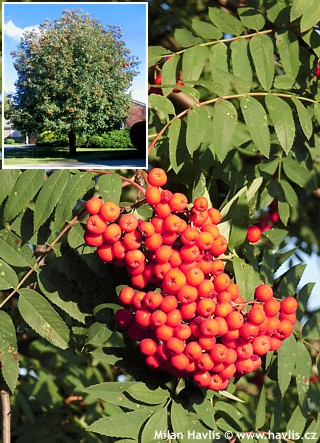
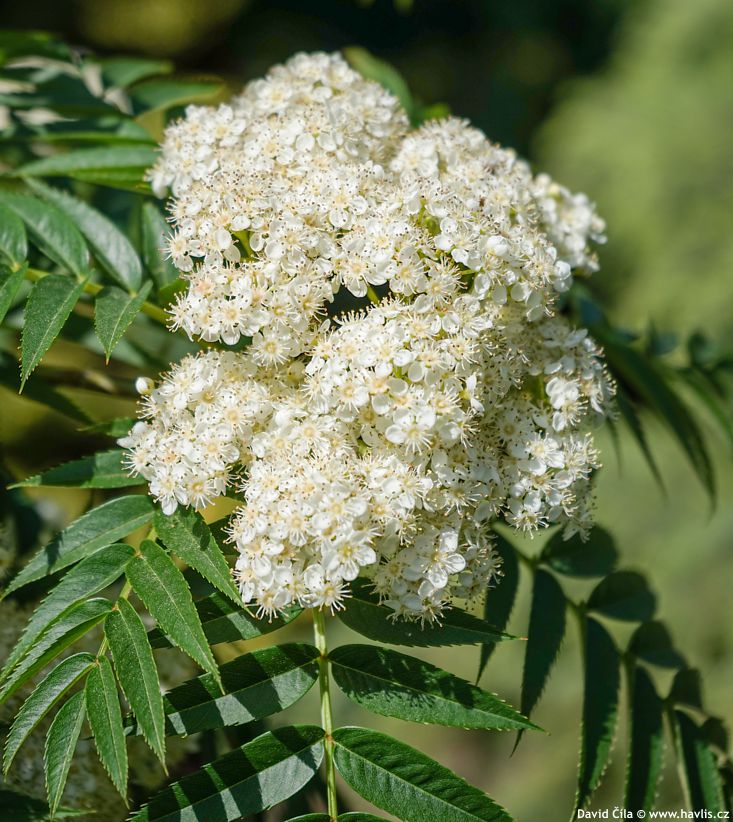
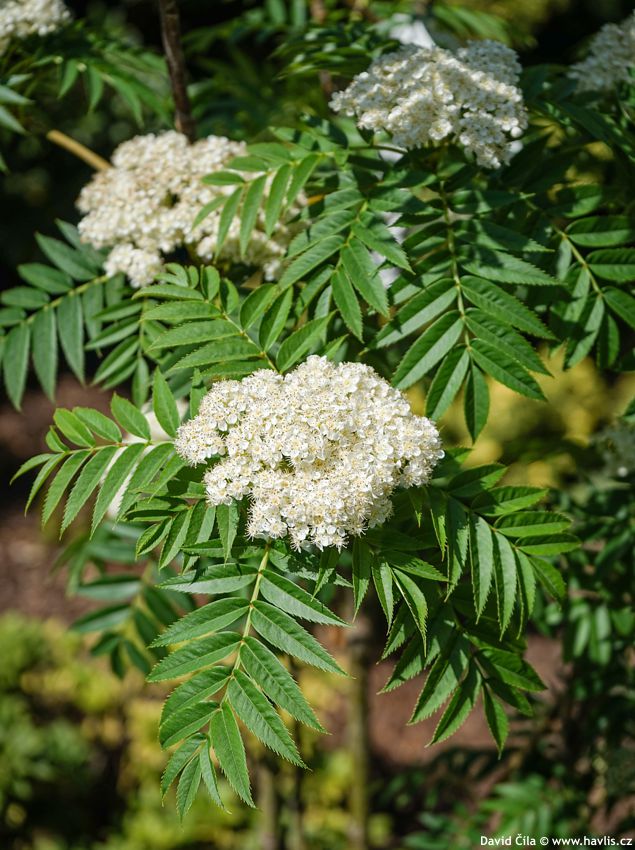
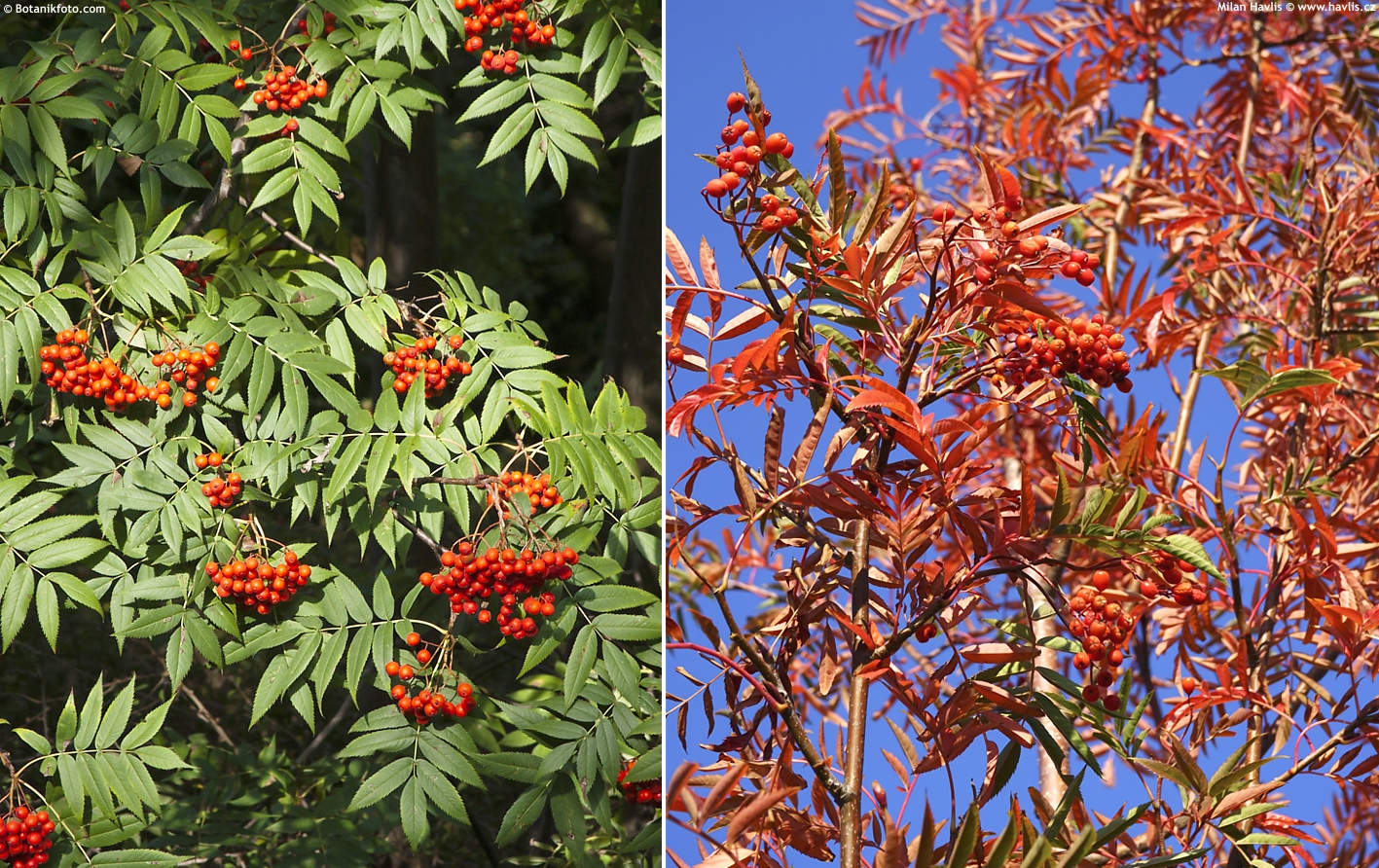
In May appear large corymbs of creamy white flowers that are followed by scarlet red fruit in late summer which look especially exquisite on the background of lush green foliage. The fruit is not classified as edible since the seeds may contain small amounts of hydrogen cyanide (as in bitter almonds), therefore the fruit is not recommended for mass consumption. However, to be absolutely objective, the same is said about fruit of s. aucuparia which is commonly cultivated as an edible fruit tree.
Rowan will grow almost everywhere. It likes well-drained, preferably acid soil for best autumn colours. Dodong grows fast into an upright tree with broadly oval crown with open top. Still, I reckon than the most beautiful are multi-stemmed trees with a firm lower framework of strong branches and a dense canopy of lush foliage. Pruning of old branches should be limited to avoid fungi infections. It is hardy to about -34 °C (USDA zone 4).
Last update 22-01-2019; 25-10-2024

.jpg)