












Syringa vulgaris 'AUCUBAEFOLIA' lilac

 Symbivit Tric (arbuscular)
 Symbivit (arbuscular)
Syringa
Lilacs (Syringa) comprise a genus of approximately twenty species of deciduous shrubs and small trees belonging to the olive family (Oleaceae), a remarkably diverse group whose roughly 615 species often differ strikingly in both appearance and hardiness. Its members include the olive, ash, privet and forsythia. Lilacs occur naturally from south-eastern Europe through Asia Minor to eastern Asia, with their greatest diversity concentrated in the mountainous regions of China. The genus was formally described by Carl Linnaeus (1707–1778) in 1753 in Species Plantarum. The name Syringa derives from the Greek word syrinx, meaning pipe or flute, referring to the soft pith that can easily be removed from the stems of some species to create a hollow tube. Although lilacs are now considered an inseparable part of European gardens, they were an unknown rarity here until the sixteenth century. In 1566, the first plants were brought from Constantinople by the imperial ambassador Ogier Ghislain de Busbecq (1522–1592) to the court of Emperor Maximilian II (1527–1576), at precisely the time when the Ottoman Sultan Suleiman the Magnificent (1494–1566) was attempting to capture the fortress of Szigetvár, which stood in the way of his advance towards Vienna. The military campaign outlived neither side equally well - the lilac survived, the sultan did not.
Common lilac, Syringa vulgaris, is native to the Balkan Peninsula, particularly present-day Serbia, Bulgaria, North Macedonia, Albania and Greece. Carl Linnaeus (1707–1778) described the species in 1753, and it subsequently became the foundation of most garden lilacs cultivated today. Compared with other species in the genus, it stands out for its exceptional durability, longevity and, above all, the powerful fragrance of its flowers, qualities that secured its popularity in settings ranging from humble cottage gardens to grand aristocratic parks. For centuries it has been planted close to homes, from where it frequently escaped into the wider landscape and eventually became naturalised across many parts of Europe and North America. Beyond its ornamental value, it was used in traditional herbal medicine, its tough wood was fashioned into small household items, and folklore credited it with the power to ward off evil spirits.
In Czech history, lilac is so closely associated with the arrival of May that it has become part of the nation's cultural memory, as naturally as blossoming fruit trees or the scent of freshly cut grass. It appears in literature, visual art and the recollections of several generations. It gained a particularly special significance during the final days of the Second World War in May 1945. At that time lilacs were in full bloom, and people presented their flowering branches to Red Army soldiers as a symbol of gratitude, liberation and joy at the end of the war. Many now-iconic photographs from the Prague Uprising and the first days of peace show tanks, soldiers and civilians surrounded by masses of lilac blossoms. Interestingly, the spring of 1945 was exceptionally warm and lilacs flowered roughly a week earlier than is typical in Central Europe. Had the weather been cooler, a completely different plant might have become the floral symbol of liberation.
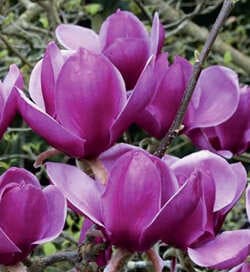
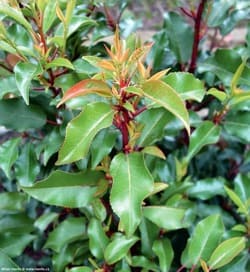
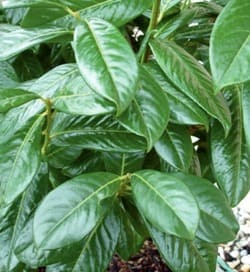
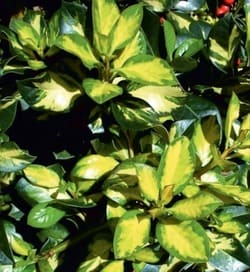
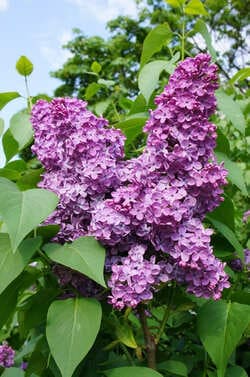
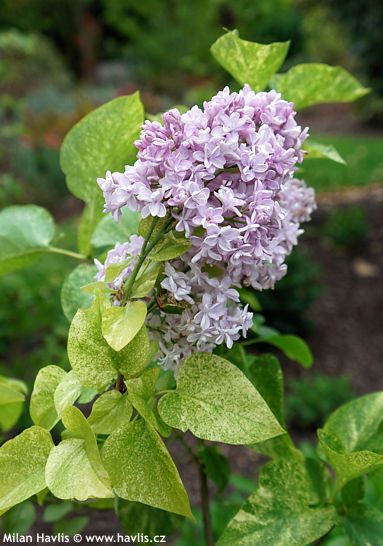
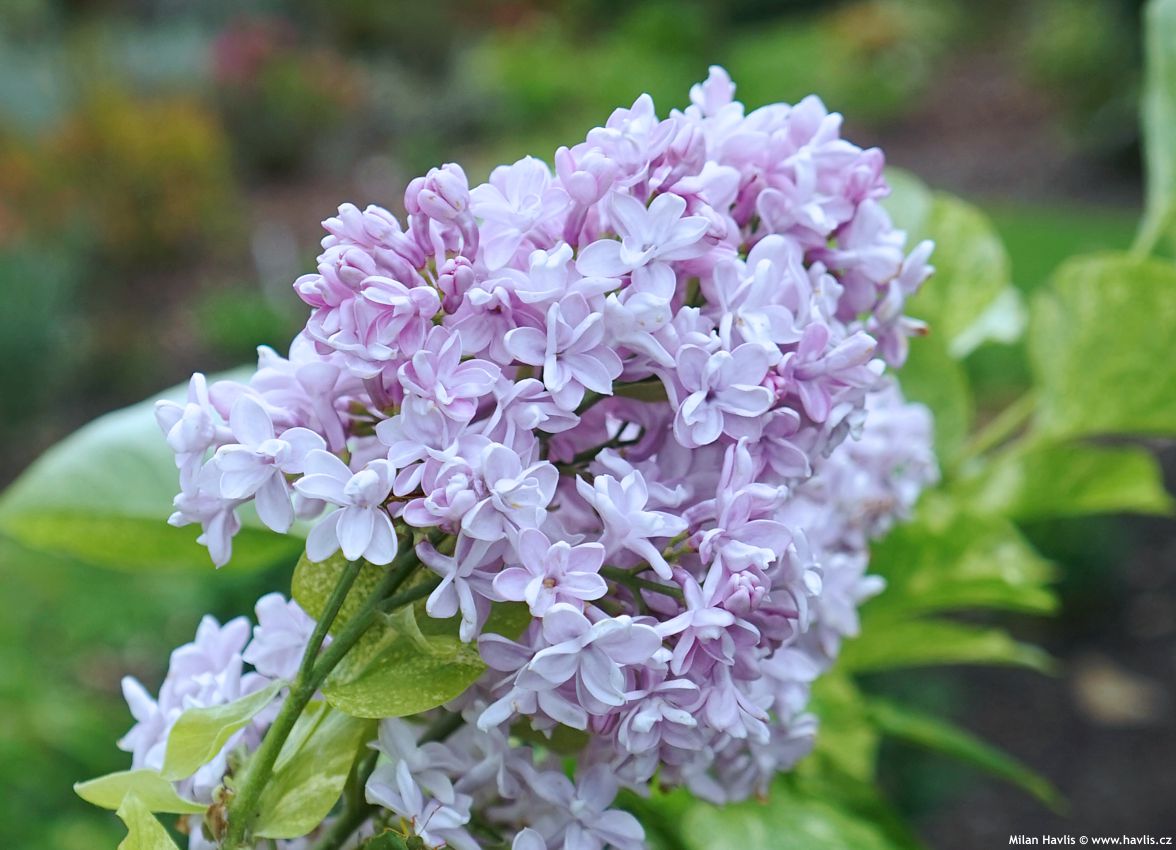
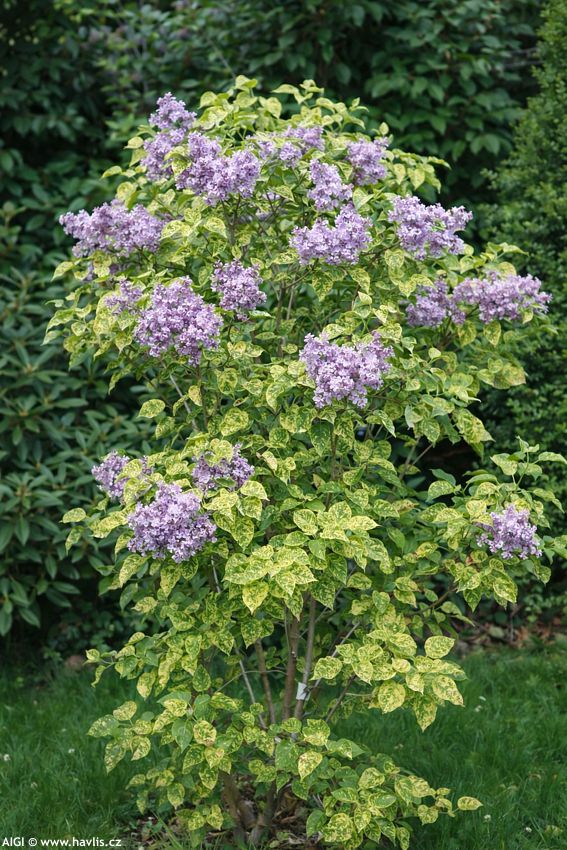
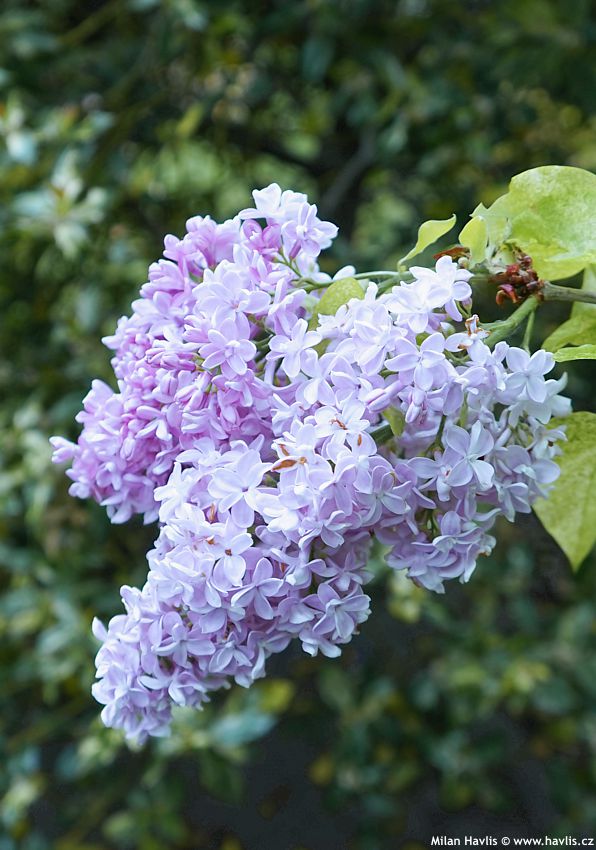
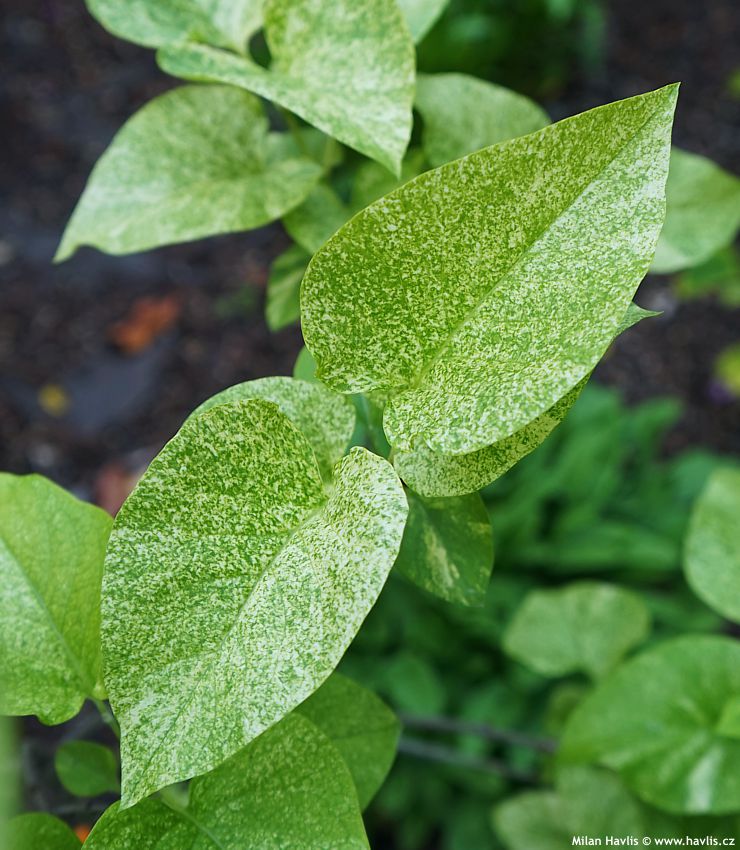
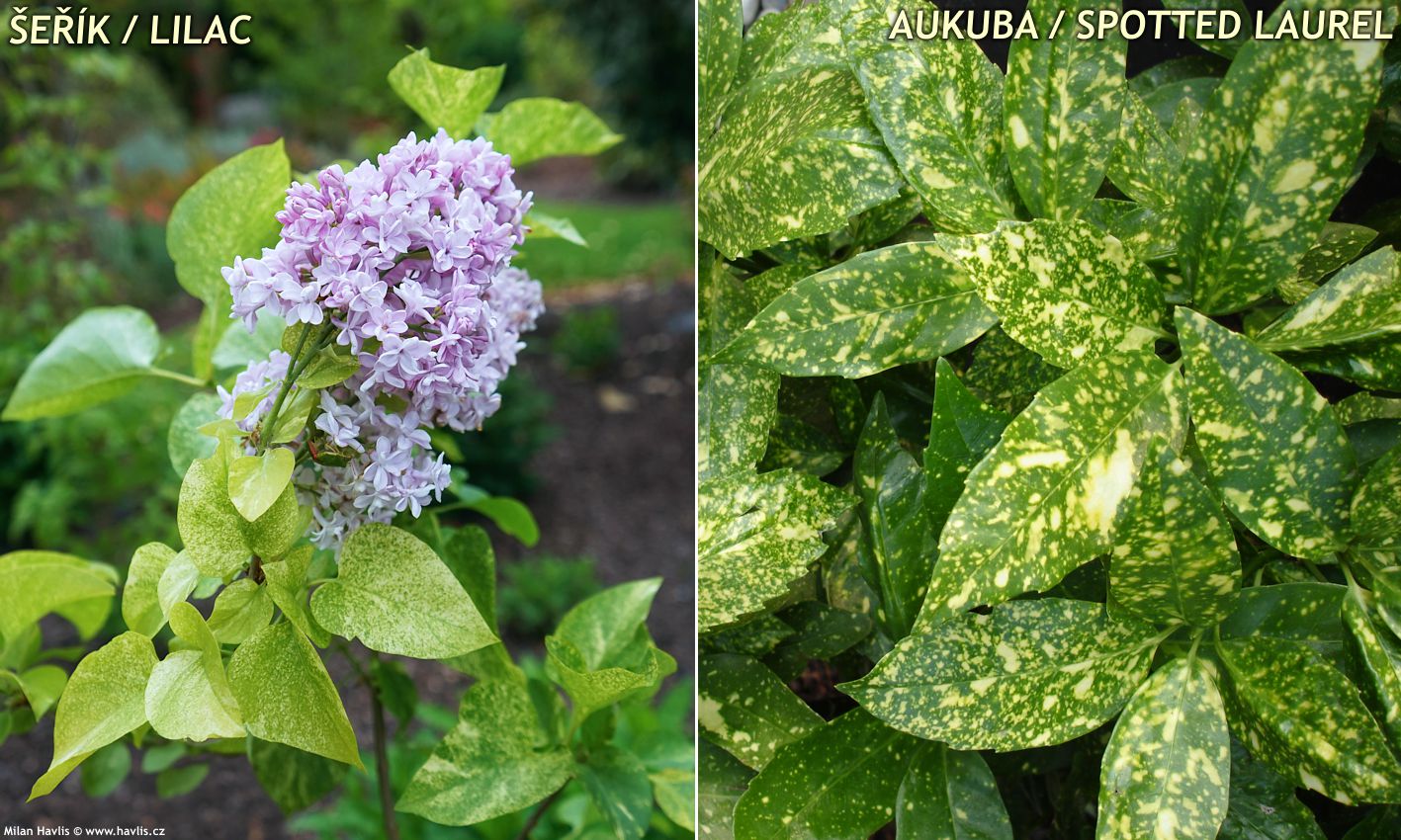
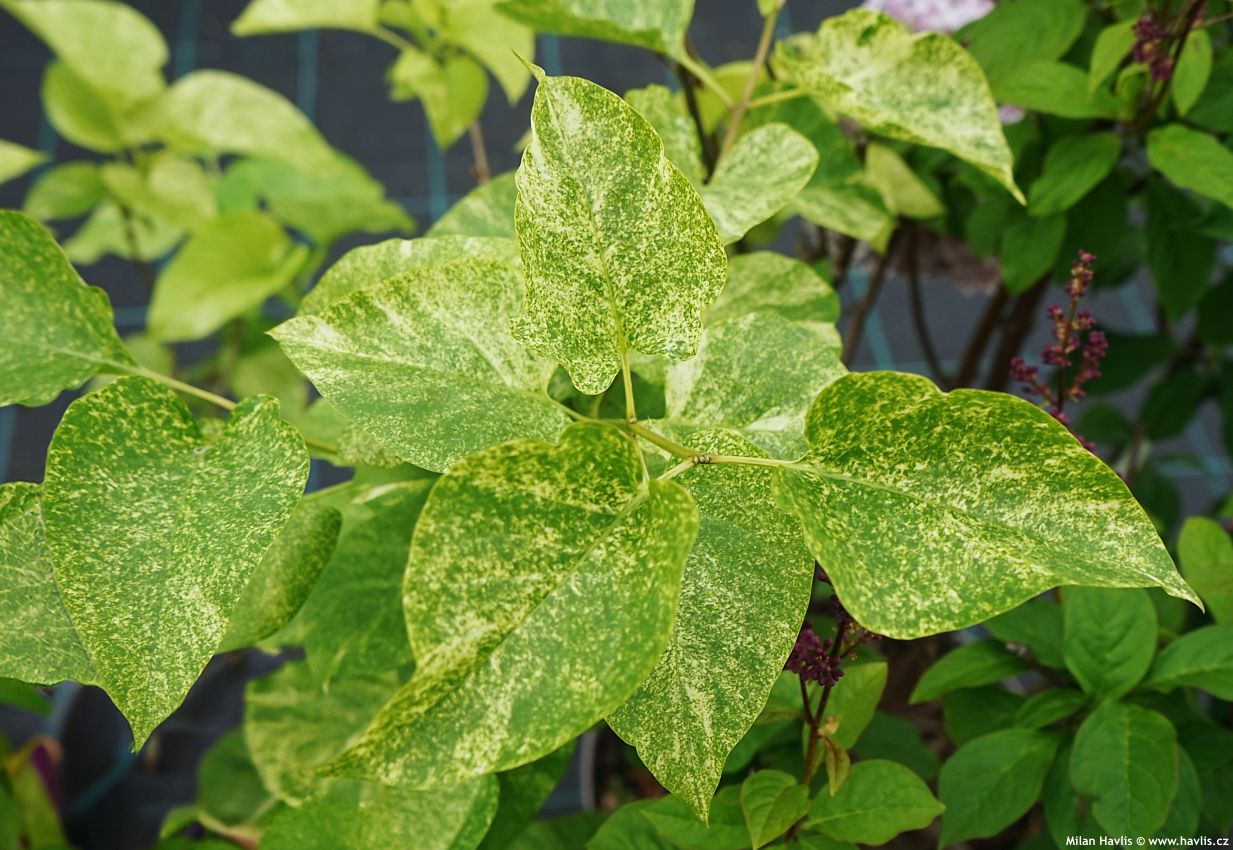
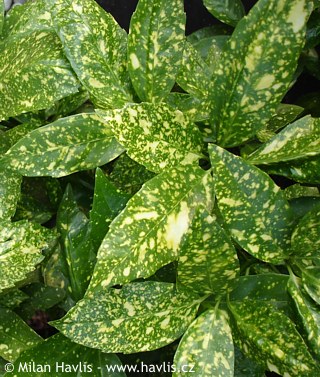
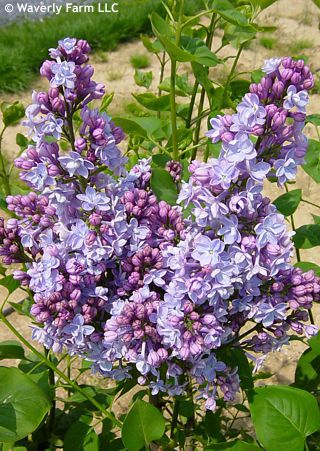
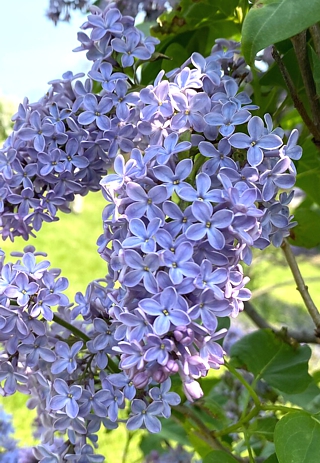
Although lilacs are grown primarily for their flowers and fragrance, Aucubaefolia wins people over with its striking variegated foliage. The leaves are irregularly marbled, speckled and streaked with creamy yellow to golden-yellow markings, creating the impression that an artist devoted to very abstract art has been let loose on them. A botanical Jackson Pollock, if you like. As this pattern resembles the foliage of spotted laurel (Aucuba japonica), the cultivar name could not have been more accurate. It arose as a natural mutation of the famous French lilac 'President Grévy' and, although the leaves look completely different, the flowers remain so faithful to the parent cultivar that most people would struggle to tell them apart. They appear from late May into early June in dense panicles around 25 cm long. The individual flowers are semi-double, soft violet in colour and, like other lilacs, strongly fragrant. The plant grows into a dense, upright to broadly rounded shrub with a moderate growth rate, typically reaching 2.5 to 4 m in height and 2 to 3 m in width at maturity.
Last revised 24-11-2026
Common lilac is an undemanding shrub with far fewer requirements than most ornamental woody plants. Its root system is strong enough to penetrate heavy clay soils and is equally unfazed by stony ground. Nevertheless, it performs best in deep, fertile soil with a neutral to slightly alkaline reaction. Only during the first months after planting should prolonged waterlogging be avoided. Once established, however, it copes remarkably well with extended wet periods as well as entire summers without a drop of rain. For abundant flowering and balanced growth it requires full sun or only very light shade. One of its characteristic traits is the production of root suckers, through which older plants gradually expand their footprint over time. This is part of their natural habit, but where a more compact plant is desired, or unwanted spread needs to be prevented, suckers should be removed regularly as close as possible to their point of origin. Covering the soil around the main stems with woven landscape fabric can also significantly reduce the emergence of new shoots. Pruning is rarely necessary, as lilacs naturally develop an attractive branch structure. If reduction, rejuvenation or reshaping is required, pruning should be carried out as soon as possible after flowering, before next year's flower buds are formed. Old and neglected shrubs tolerate even severe renovation pruning into old wood and usually recover very well. On younger plants, removing spent flower clusters helps prevent seed production and encourages stronger new growth. Most cultivars of common lilac are hardy to approximately -37 °C (USDA Zone 3).

Goods are shipped all over Europe. For Russia and U.K. and for further details please read about SHIPPING OPTIONS HERE.
Are you interested in a serious discount for orders NOV-FEB? Check your options here.
THE PRICES INCLUDE VAT of 15%. For quick conversion you can use 1 CZK = approx. 0.04 EUR
- STANDARD QUALITY - Plants of this group are 1st class quality with number of branches and overall density adequate to their size and age, considering they were container grown.
- DE LUXE QUALITY - This label guarantees a luxurious quality of manually selected plants that, compared to their height and age, are exceptionally dense and beautiful.
- EXTRA - These plants are usually mature and bigger specimens with exceptional overall appearance.
- STANDARD (as described in the plant form) means a tree with a trunk of 190-210 cm and a crown at the top, unless specified differently. The commercial size for trees is their girth measured in the height of 1m from ground.
- HOBBY - These plants are of the same quality as our standard-quality plants but younger and therefore cheaper.
- SHRUB - a woody plant with branches growing bushy from the ground level.
- HALF-STANDARD or MINI-STANDARD - a small tree with shorter trunk, its size is usually specified.
- FEATHERED - These are trees with branches growing already from the base of the trunk and up along the stem.
- GRASSES and PERENNIALS - Sizes given usually read the diameter of the pot or the clump, as specified.
