











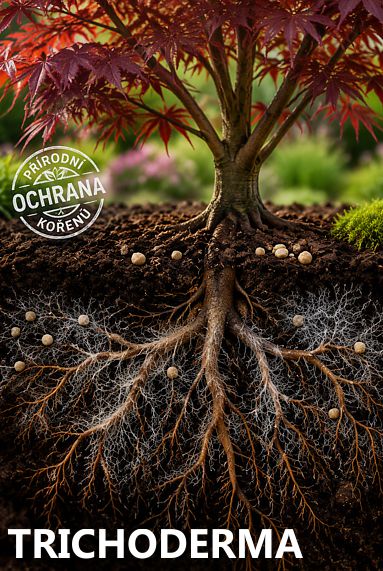
TRICHODERMA - Rizocore Soil Biostimulant for Healthy Roots and Plant Vitality
Application
Recommended Application Rates
|
Use |
Rate (g/ha) |
Application Method |
|---|---|---|
|
Field crops |
50-80 |
Application before sowing |
|
Vegetables - field production |
40-60 |
2 applications at 4-6 week intervals |
|
Vegetables - greenhouse production |
60-80 |
2 applications at 4-6 week intervals |
|
Orchards |
40-80 |
2 applications at 4-6 week intervals |
|
Nursery stock, root dipping |
60-80 |
Root dipping |
|
Ornamental plants |
40-60 |
2 applications at 4-6 week intervals |
|
Seed treatment |
50 |
Seed treatment |
The species listed below may be particularly sensitive to certain soil-borne pathogens or stress conditions affecting the root system. Rizocore is not intended to directly suppress these pathogens but helps create an active environment around the roots and supports plant recovery during periods of increased stress.
|
Botanical Name |
Common Name |
Risk Factors |
When to Apply Rizocore |
|---|---|---|---|
|
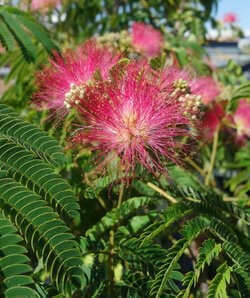
Albizia julibrissin |
Silk tree |
Warm soils, stress, root collar damage, waterlogging |
At planting, after transplanting and whenever signs of stress appear |
|
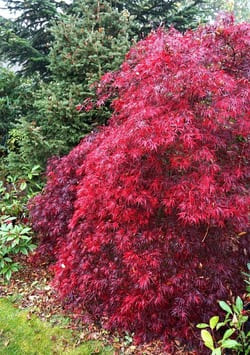
Acer palmatum |
Japanese maple |
Heavy soils, fluctuating moisture, after transplanting |
At planting and after transplanting |
|
Acer spp. |
Maples |
Compacted soil, alternating drought and excess moisture, root damage |
When plant vitality declines and after root disturbance |
|
Azalea |
Azalea |
Waterlogging, unsuitable pH, after transplanting |
At planting and during recovery of weakened plants |
|
Camellia japonica |
Japanese camellia |
Waterlogging, heavy substrates, root damage, container cultivation |
At planting and regularly for container-grown plants |
|
Catalpa bignonioides (especially 'Nana') |
Indian bean tree |
Heavy clay soils, waterlogging, stress after planting |
After planting and during periods of slow growth |
|
Cotinus coggygria |
Smoke bush |
Root damage, fluctuating moisture, heavy soils |
After planting and during periods of stress |
|
Eucalyptus gunnii |
Cider gum |
Waterlogging, poor drainage, heavy soils |
At planting and following prolonged wet conditions |
|
Fraxinus excelsior |
European ash |
Stress, compacted soil, root damage |
When vitality declines and after root-zone disturbance |
|
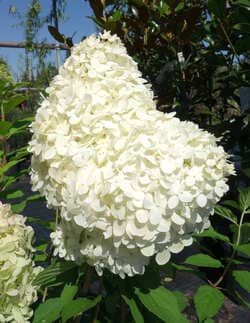
Hydrangea spp. |
Hydrangeas |
Waterlogging, poor drainage, heavy substrates |
At planting and when growth problems occur |
|
Juglans regia |
English walnut |
Warm soils, alternating drought and waterlogging, root damage |
After planting and during periods of significant stress |
|
Koelreuteria paniculata |
Golden rain tree |
Stress after transplanting, heavy soils, fluctuating moisture |
After transplanting and during establishment |
|
Rhododendron |
Rhododendron |
Waterlogging, heavy soils, poor drainage, winter stress |
After winter, after transplanting and during recovery |
|
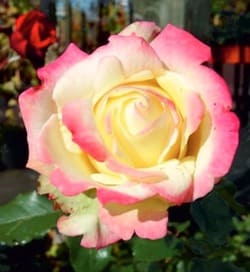
Rosa spp. |
Roses |
Weakened plants, waterlogging, poor soil conditions |
In spring and after stressful growing conditions |
|
Sophora japonica |
Japanese pagoda tree |
Young plants, root damage, hot summers |
At planting and during summer stress |
|
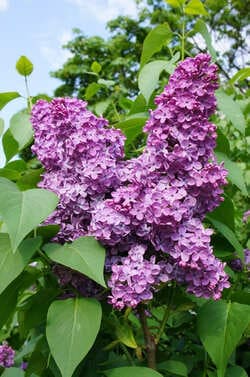
Syringa vulgaris |
Common lilac |
Heavy soils, waterlogging, stress conditions |
After planting and when plant vitality declines |
|
Thuja, Chamaecyparis, Juniperus |
Arborvitae, false cypresses and junipers |
Waterlogging, poor drainage, compacted soil |
At planting and after prolonged wet periods |
|
Tilia cordata |
Small-leaved lime |
Compacted urban soils, waterlogging, stress |
After planting and for weakened trees |

Goods are shipped all over Europe. For Russia and U.K. and for further details please read about SHIPPING OPTIONS HERE.
Are you interested in a serious discount for orders NOV-FEB? Check your options here.
THE PRICES INCLUDE VAT of 15%. For quick conversion you can use 1 CZK = approx. 0.04 EUR
- STANDARD QUALITY - Plants of this group are 1st class quality with number of branches and overall density adequate to their size and age, considering they were container grown.
- DE LUXE QUALITY - This label guarantees a luxurious quality of manually selected plants that, compared to their height and age, are exceptionally dense and beautiful.
- EXTRA - These plants are usually mature and bigger specimens with exceptional overall appearance.
- STANDARD (as described in the plant form) means a tree with a trunk of 190-210 cm and a crown at the top, unless specified differently. The commercial size for trees is their girth measured in the height of 1m from ground.
- HOBBY - These plants are of the same quality as our standard-quality plants but younger and therefore cheaper.
- SHRUB - a woody plant with branches growing bushy from the ground level.
- HALF-STANDARD or MINI-STANDARD - a small tree with shorter trunk, its size is usually specified.
- FEATHERED - These are trees with branches growing already from the base of the trunk and up along the stem.
- GRASSES and PERENNIALS - Sizes given usually read the diameter of the pot or the clump, as specified.
