

































.jpg)
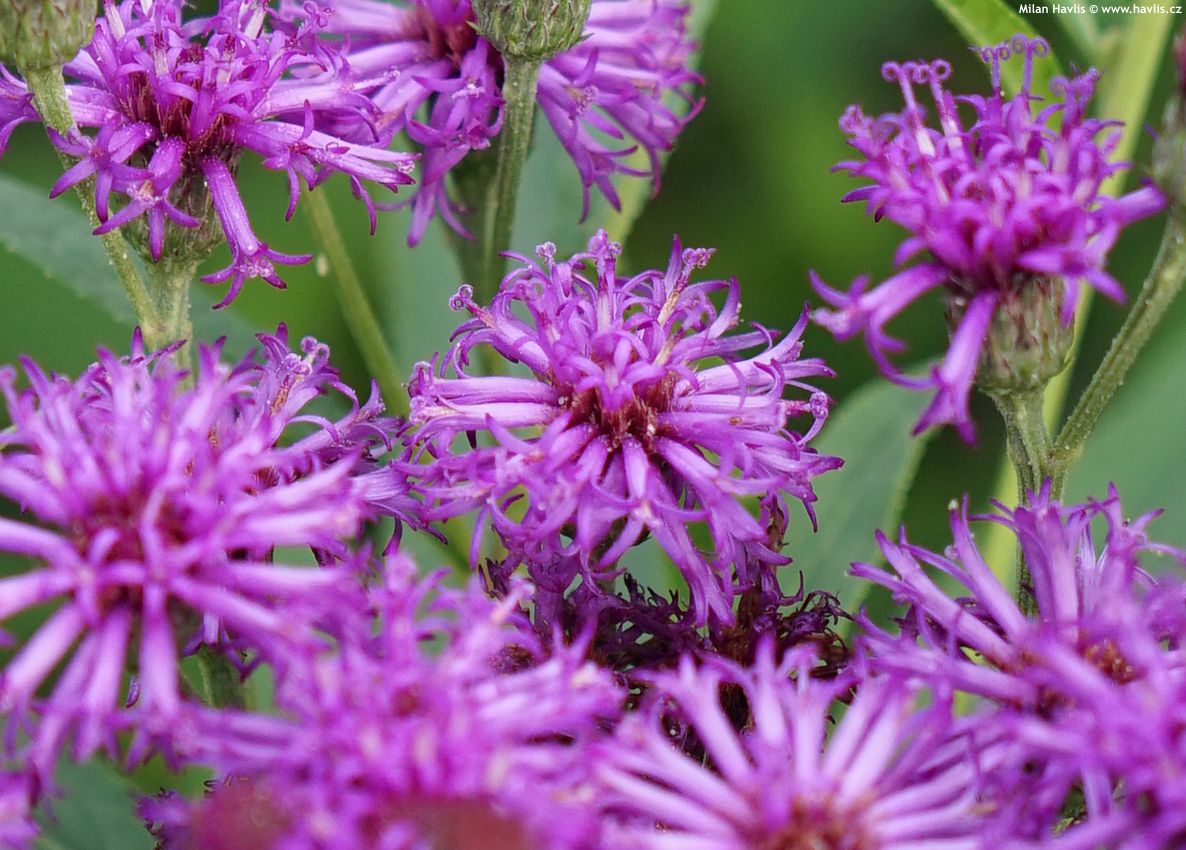
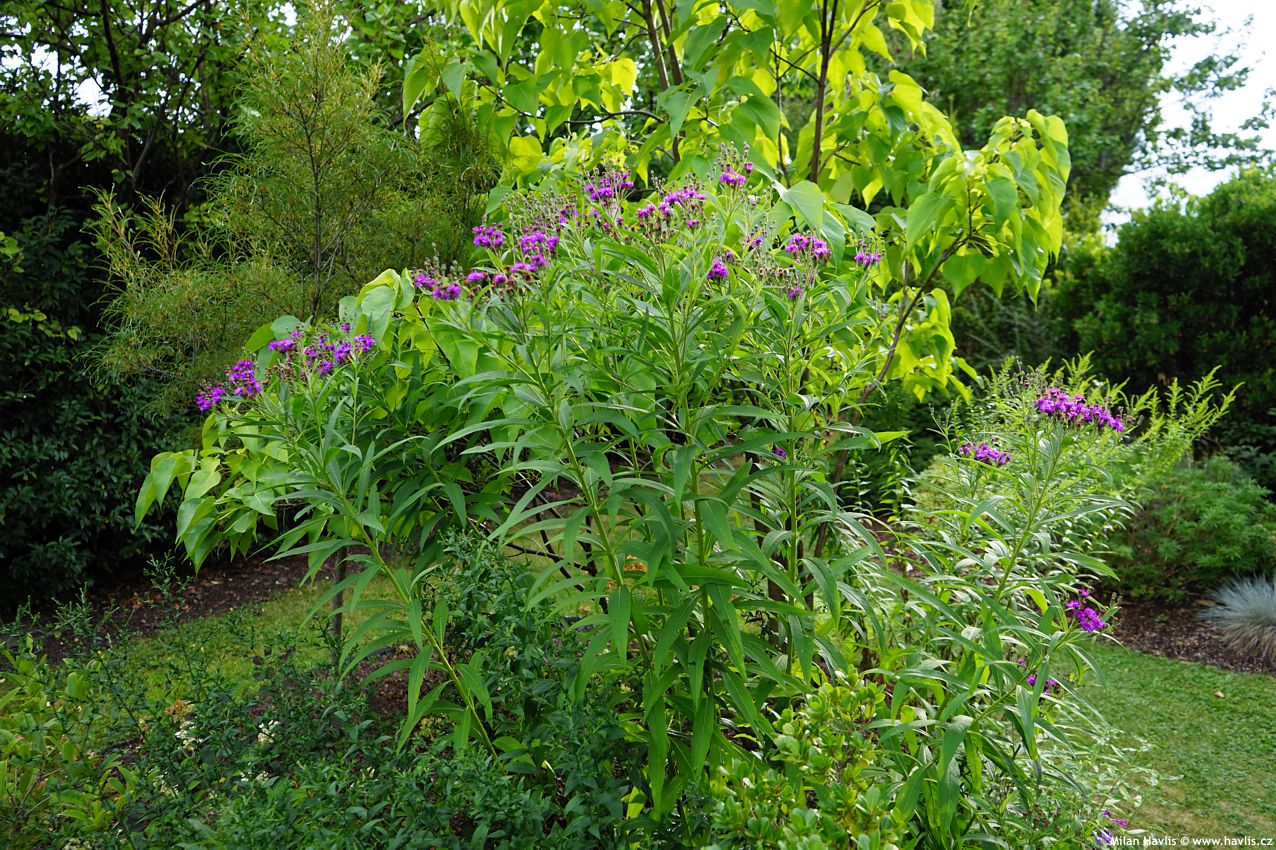
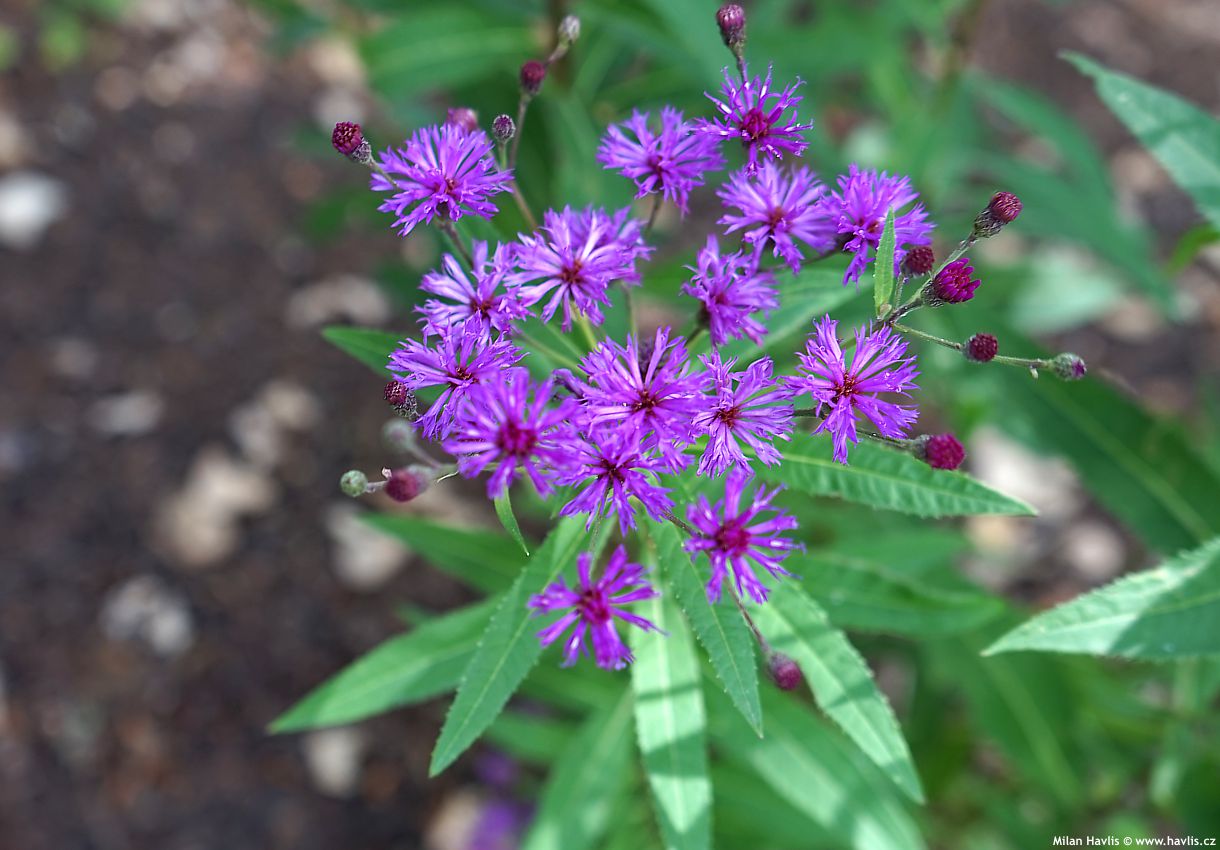
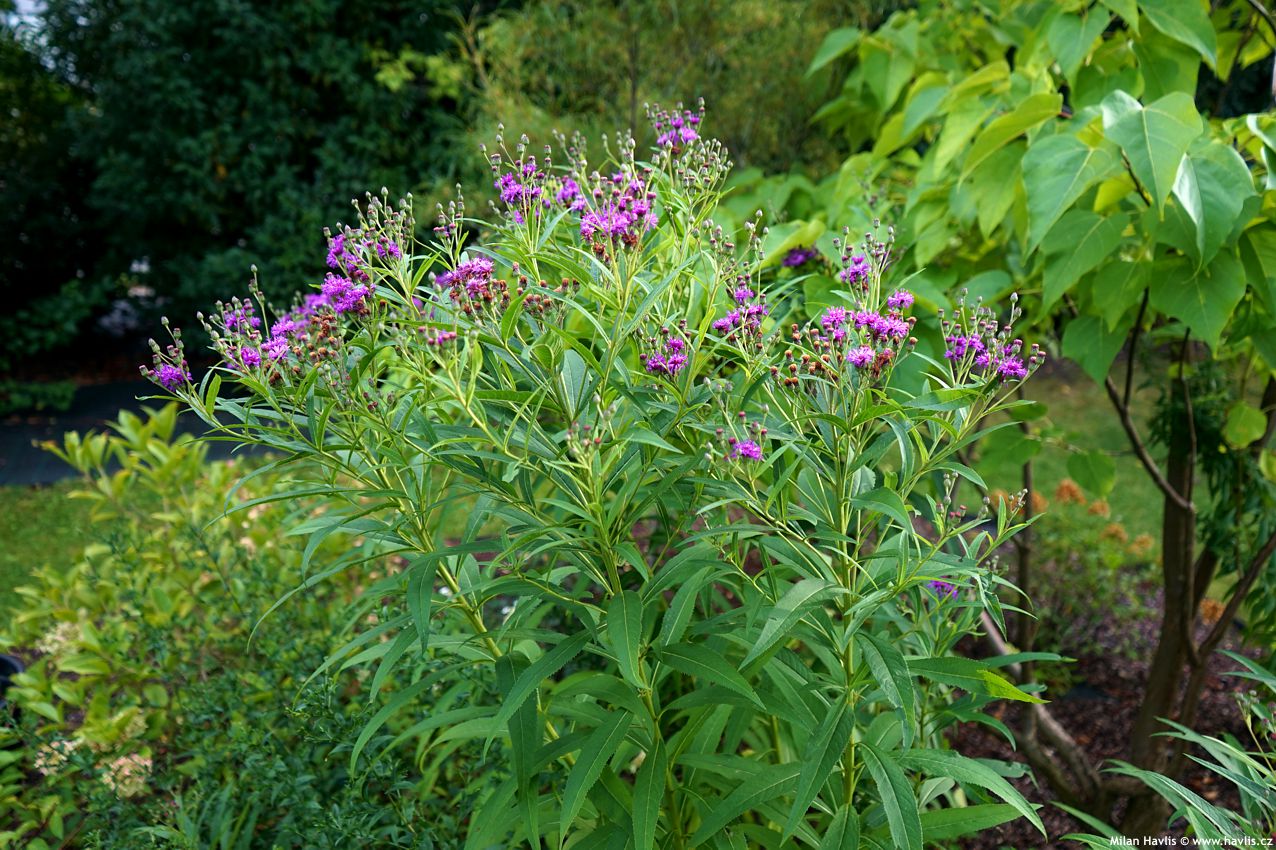
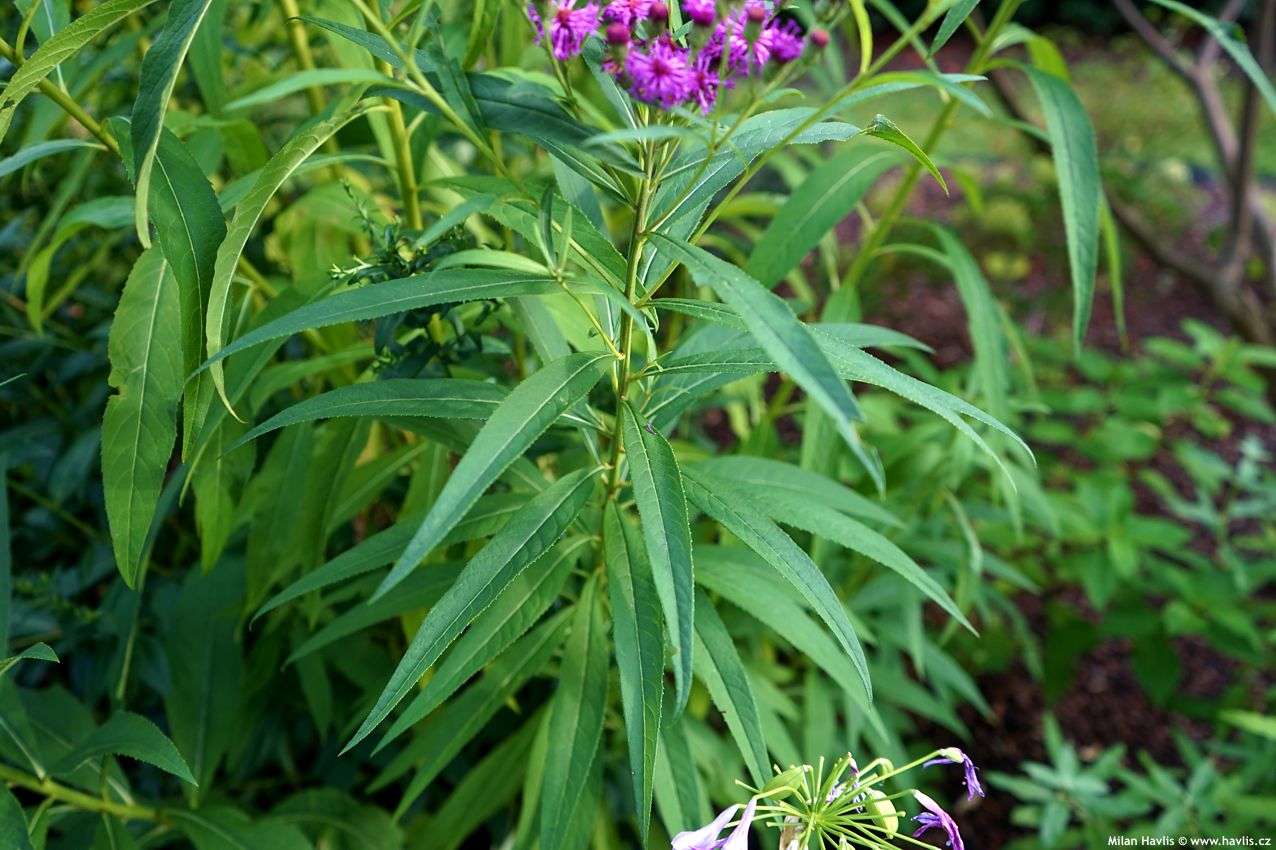
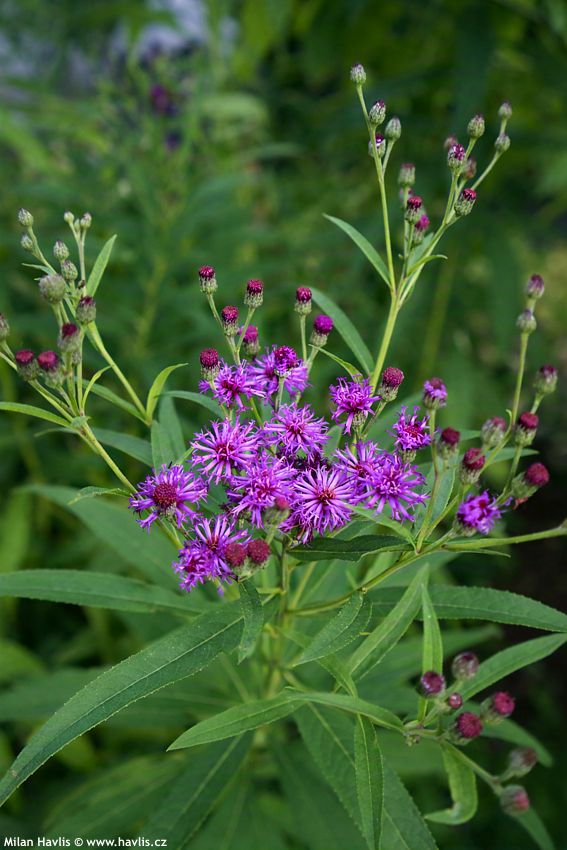
Vernonia noveboracensis New York ironweed

 Symbivit Tric (arbuscular)
 Symbivit (arbuscular)
Vernonia
The genus Vernonia comprises several hundred species distributed mainly in the tropics and subtropics of Africa, Asia and South America, but there is also a smaller, yet for us very interesting, North American group. Its scientific name honours the English botanist William Vernon (1666–1711), who studied African species and whose collections later contributed to the formal definition of the genus. The common English name ironweed was given not only by botanists but also by farmers, who noticed that these tall purple “weeds” were so tough that they were difficult to pull out, cut with a scythe or break – they behaved like “weeds made of iron”. The taxonomy of Vernonia has undergone extensive revisions and reclassifications in recent decades, but the North American ironweeds have remained stable within Vernonia sensu stricto. The fossil record is very limited, consisting mainly of pollen finds that indicate the presence of related groups in the late Tertiary, but do not allow a detailed reconstruction of the genus’s evolution.
Vernonia noveboracensis is a striking North American species that naturally occurs in wet meadows, along the edges of marshes and beside watercourses in the mid‑Atlantic region. It was formally published by André Michaux (1746–1802), who adopted Linnaeus’s original concept and created the current valid combination. The plant became valued for its unusually strong structure, deep purple flowers and its ability to form tall, prominent clumps that act as natural landmarks in the late‑summer landscape. It appears in descriptions of rural America as early as the 19th century, where it was seen as a symbol of resilience because it could grow even in heavy clay soils. Ecologically it is important as a late source of nectar for butterflies and bees, which explains its frequent use in the restoration of native wetland habitats. Compared with other ironweeds it is more robust, taller and has a wider natural range, which is why it has become the most commonly cultivated species of the genus in temperate gardens. The epithet noveboracensis is derived from Novum Eboracum, the Latin name for New York City.
The first thing you notice about New York ironweed is its unusually strong and tall structure: the stems feel as if they were made of flexible metal, and the plant keeps its upright shape even after heavy rain or wind. The main show, however, arrives from early to mid‑August – small purple flowers in a shade so vivid it almost dazzles the eye. They glow from a distance, and because ironweed is still relatively unknown, many plant lovers wonder what those bright flowers, unlike anything familiar, actually belong to. Their structure reflects the plant’s membership in the Asteraceae family: they resemble tiny asters, only smaller, denser and arranged in generous, open clusters. Flowering lasts almost two months, depending on the age of the plant, atop strong stems that reach up to 2 metres in good conditions. The habit is tall, slender and naturally architectural, with 10–20 cm long, lanceolate, mid‑green leaves with a finely serrated margin, forming a firm, continuous column of healthy foliage even at a time when other perennials may show signs of late‑season fatigue. It is hardy to abt. -34 °C (USDA zone 4).
New York ironweed is a quintessential late‑summer plant that brings the atmosphere of American wetlands and mid‑Atlantic wet meadows into garden borders, where it grows among tall grasses, Eupatorium, Eutrochium, Hibiscus moscheutos and other moisture‑loving species – and it is with these plants that it creates the most natural compositions in gardens. Its upright, architectural form works beautifully in modern naturalistic plantings, and it is no surprise that it has become popular in Great Britain, where gardeners traditionally love tall perennials that give borders dramatic height and late‑season impact. It pairs well with plants that share a similar rhythm: Eutrochium maculatum, Sanguisorba officinalis, Thalictrum rochebrunianum, Veronicastrum virginicum and dark‑leaved Actaea simplex, while the front of the border can be filled with lighter species such as Gillenia trifoliata, Helenium autumnale, Persicaria amplexicaulis or Eutrochium dubium, which complement its height and create a layered, natural picture.
Last revision 25‑08‑2026
North American ironweeds prefer a sunny position and a fertile, evenly moist soil with a neutral to slightly acidic reaction, but once established they cope very well with long periods of drought, a trait typical of many perennials from wetland margins that have deeper root systems and can draw water efficiently from the subsoil. They tolerate clay soils as well as extremely free‑draining sites, provided they are watered regularly during the first year. They dislike calcareous soils. In spring cut back all above‑ground growth to ground level, as the plant resprouts completely and old stems offer no benefit. If a lower height is required, stems can be shortened by about half in the first part of the growth cycle (usually in June); ironweed tolerates this well and flowering is only slightly delayed. Most of the time, however, it is left to grow freely, as it is valued for its stature and height. Hardiness is high, at least down to –30 °C, and North American growers commonly cultivate it in USDA zone 4, approximately –34 °C. It forms firm, slowly thickening clumps, does not produce runners, is long‑lived and stable, and is suitable even for low‑maintenance naturalistic plantings, where it serves as a late source of nectar for pollinators, butterflies and hummingbirds and hawk moths.

Goods are shipped all over Europe. For Russia and U.K. and for further details please read about SHIPPING OPTIONS HERE.
Are you interested in a serious discount for orders NOV-FEB? Check your options here.
THE PRICES INCLUDE VAT of 15%. For quick conversion you can use 1 CZK = approx. 0.04 EUR
- STANDARD QUALITY - Plants of this group are 1st class quality with number of branches and overall density adequate to their size and age, considering they were container grown.
- DE LUXE QUALITY - This label guarantees a luxurious quality of manually selected plants that, compared to their height and age, are exceptionally dense and beautiful.
- EXTRA - These plants are usually mature and bigger specimens with exceptional overall appearance.
- STANDARD (as described in the plant form) means a tree with a trunk of 190-210 cm and a crown at the top, unless specified differently. The commercial size for trees is their girth measured in the height of 1m from ground.
- HOBBY - These plants are of the same quality as our standard-quality plants but younger and therefore cheaper.
- SHRUB - a woody plant with branches growing bushy from the ground level.
- HALF-STANDARD or MINI-STANDARD - a small tree with shorter trunk, its size is usually specified.
- FEATHERED - These are trees with branches growing already from the base of the trunk and up along the stem.
- GRASSES and PERENNIALS - Sizes given usually read the diameter of the pot or the clump, as specified.
