













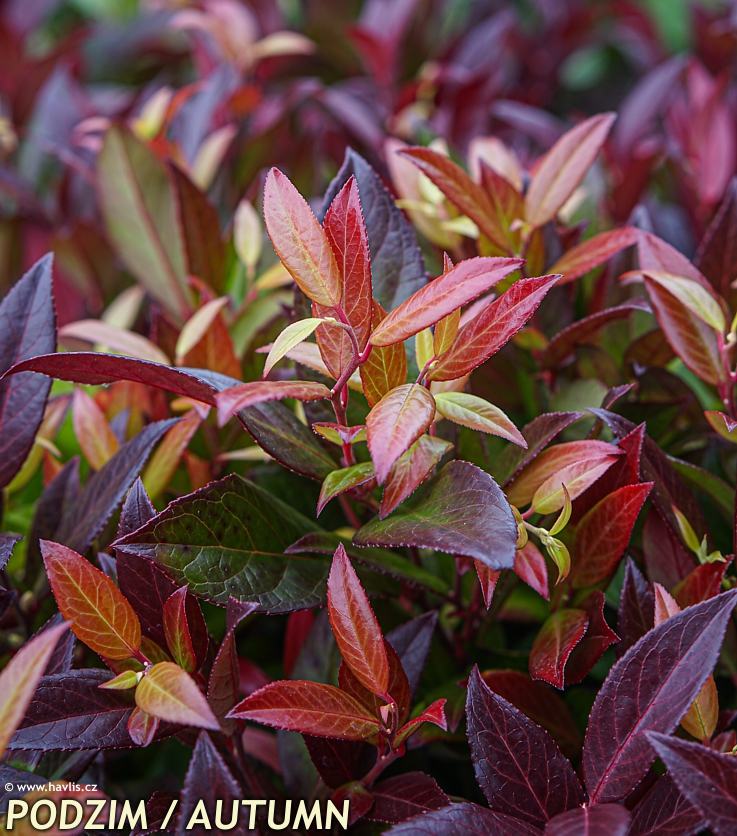
Leucothoe 'Zeblid' SCARLETTA® leucothoe

Leucothoe
Leucothoe belongs to the heath family and, as a genus, includes 10-12 species of evergreen or semi-evergreen shrubs distributed, somewhat unexpectedly, across distant regions, primarily in eastern USA and East Asia. Their natural habitat consists of woodland understoreys, moist mountain slopes and the margins of streams, where they grow in acidic, humus-rich soils and spend most of the year in dappled light. Botanically, the genus is considered relatively ancient, with its evolutionary origins placed in the Tertiary period on the basis of fossil evidence from the heath family as a whole and biogeographical patterns showing that shrubs with a similar leaf and flower structure were a common component of northern hemisphere forest ecosystems at a time when the climate was beginning to cool and diversify. The genus was formally defined by Carl Linnaeus (1707–1778) in 1753 in his seminal work Species Plantarum, where he clearly separated it from related ericaceous shrubs with which it had previously often been confused.
The name Leucothoe was chosen by Linnaeus as a deliberate reference to an ancient story of transformation, light and return from shadow. Leukothoē (Λευκοθόη) is a figure from Greek mythology, best known from Ovid’s Metamorphoses, where she appears as the daughter of the Persian king Orchamus. She fell in love, in a manner deemed unacceptable by the social standards of the time, with Apollo, the god of light, music and prophecy. When their relationship was discovered, she was buried alive on her father’s orders, a punishment too harsh even by ancient standards and intended as a demonstration of the father’s absolute power over his daughter’s fate and, by extension, over everything around him. According to the myth, Apollo transformed her into a plant from which fragrant resin began to flow. This motif of the human body transformed into a plant, associated with light, purity and the contrast between darkness and brightness, resonates with surprising accuracy with the character of leucothoes themselves. Moreover, the name contains the Greek root leukos (λευκός), meaning white or bright, which may be read as an allusion both to the delicate white flowers and the ability of these shrubs to lighten shaded woodland understoreys.
Leucothoes hybridise naturally mainly in North America, most notably between the species L. fontanesiana and L. axillaris, which are closely related both genetically and ecologically and occur together in the woodland understorey of the temperate zone. Other species, such as the East Asian L. keiskei or the less widely distributed L. walteri (SE USA), have remained largely outside the focus of plant breeders. The key North American species share a similar flower structure, bloom at the same time and have compatible pollen, making hybridisation between them almost inevitable. Pronounced differences in growth habit, plant size and seasonal foliage colour, as well as the overall variability of these shrubs, were recognised by American nurserymen in the mid‑20th century when they were seeking reliable evergreen shrubs for shade. This led to the deliberate selection and crossing of leucothoes, often using open pollination. The result is a range of stable garden cultivars that combine resilience with distinctive and long‑proven ornamental qualities.
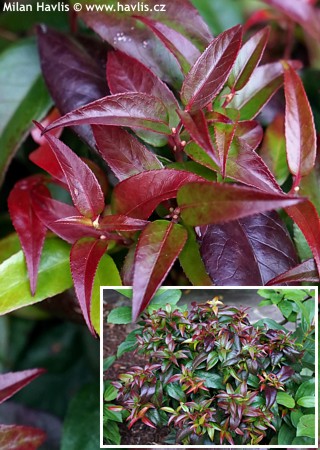
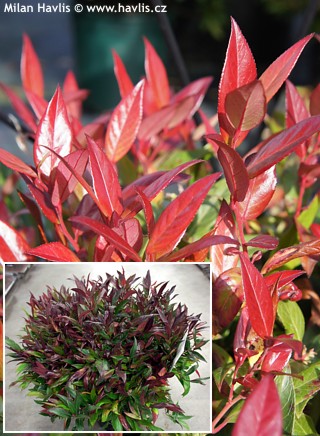
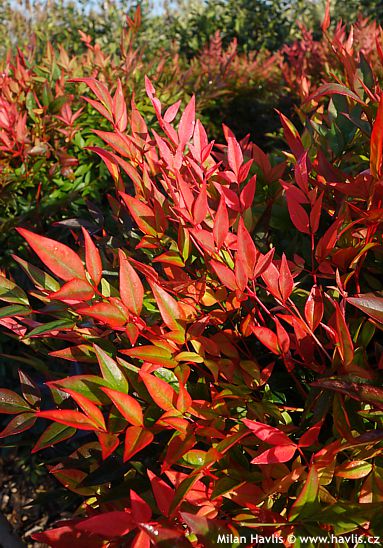
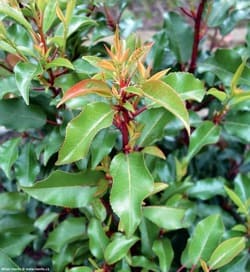
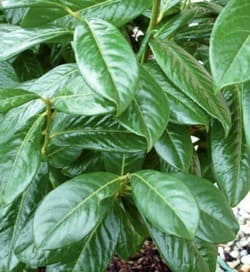
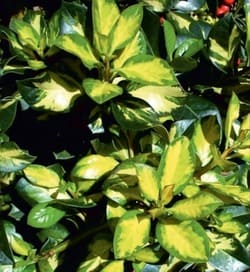
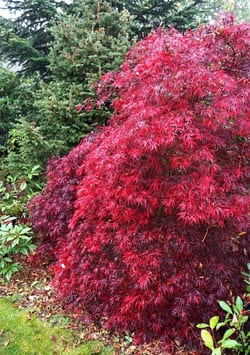
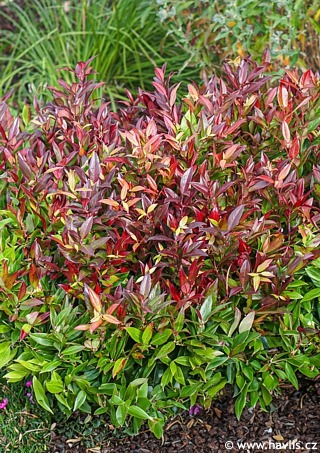
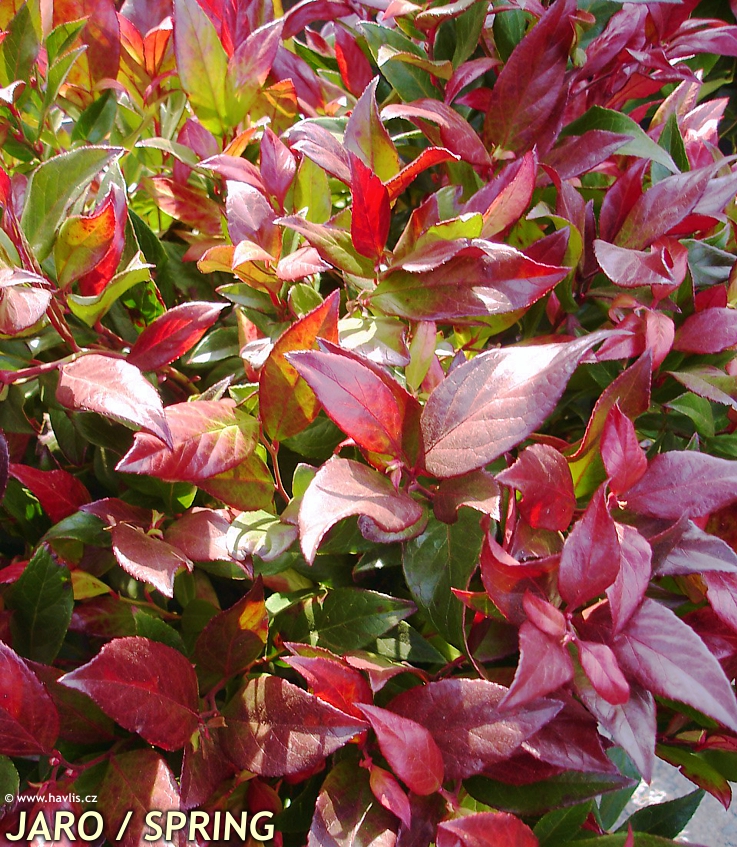
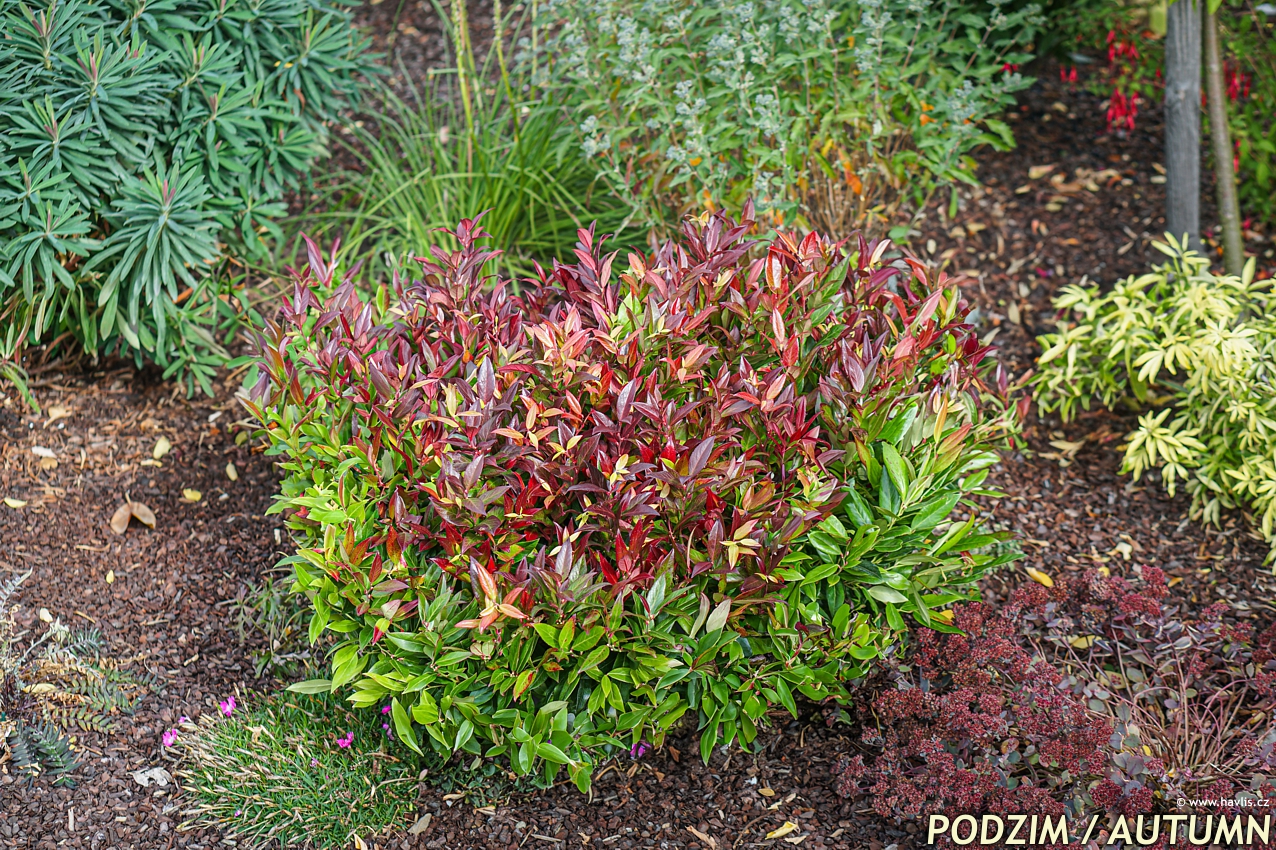
SCARLETTA® is one of the first truly successful registered leucothoe cultivars and is rightly regarded today as a historic yet still widely used classic (originated around 1980). It is reliable and has the rare ability to light up any garden corner. The plant carries evergreen, narrowly elliptic leaves approximately 6–10 cm long, firm, glossy and gently undulating along the margins. In spring, new growth emerges in muted bronze‑red to reddish‑brown tones, which gradually settle into a rich green over the summer, while a hint of red often remains visible at the shoot tips or along the leaf edges. The greatest show, however, comes in autumn: with the first cooler days, the foliage transforms once again, this time into vivid carmine and scarlet shades that deepen into a rich wine‑red. This striking winter dress remains on the shrub throughout the cold season until new leaves emerge in spring, ensuring that SCARLETTA® never disappears. Growth is slow, with annual increments of around 10–15 cm, and the plant naturally forms a low, broadly domed and exceptionally dense shrub that retains both shape and fullness without the need for pruning.
The cultivar was bred by Alex J. Zebehazy as part of a targeted breeding programme based on crosses between L. fontanesiana, L. axillaris and other related forms. For its time, the result was outstanding and truly unique among low, evergreen shrubs with seasonally changing foliage colour. SCARLETTA® therefore quickly became a sought‑after feature in more colourful gardens and a powerful stimulus for other breeders, who found in it both the courage and inspiration to take leucothoes further. Plant patent No. was granted in 1984.
In the landscape, SCARLETTA® offers many possibilities. As a low, evergreen shrub with striking seasonal colour, it is ideally suited to small front gardens and planting beds near windows and terraces, where it can be enjoyed all year round – including winter, when it may well be at its most beautiful. It also provides strong contrast in both form and colour among differently shaped shrubs, where it can serve as an attractive underplanting. I was particularly taken by a striking composition in a New Zealand‑inspired style, where almost exclusively rounded evergreen shrubs such as hebes, dwarf pieris and leucothoes were used, punctuated only by a few yuccas with sword‑like leaves and an upright habit to provide vertical accents. The result felt like an exotic meadow from another world. Thanks to its resilient root system, SCARLETTA® is also an ideal choice for elegant outdoor containers as mobile greenery that takes up little space yet delivers a strong visual effect throughout the year – whether on café and restaurant terraces, balconies or roof gardens.
Last update 20-02-2009; 22-03-2026
Leucothoe is a heathland-type shrub, bear this in mind when choosing and preparing the planting site. It performs best in conditions reflecting its woodland origin, at the edge of sun and shade or in light partial shade; in full sun it succeeds only with regular watering. It requires a shallow planting bed and a light soil that is acidic to slightly neutral, humus-rich and evenly moist, yet well drained. It does not tolerate calcareous substrates, prolonged waterlogging or complete drying of the root ball; its shallow root system therefore benefits from mulching and stable soil moisture, especially during the first years after planting. We strongly recommend using mycorrhiza for ericaceous plants. Feeding is generally unnecessary, though light applications of fertilisers formulated for ericaceous plants may be used. Pruning is not required and is carried out only occasionally after flowering or to rejuvenate older plants, ideally in early spring before growth begins. SCARELTTA® is hardy to at least –27 °C (USDA zone 5b) and, thanks to its sufficiently resilient root system, is also suitable for year-round cultivation in outdoor containers with good drainage but regularly watered and fed on annual basis.