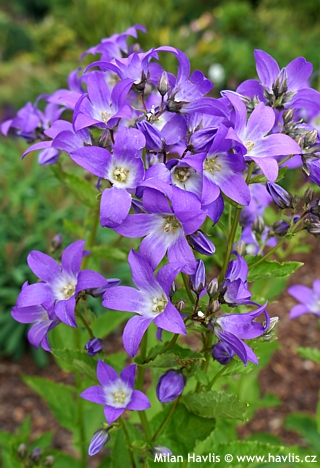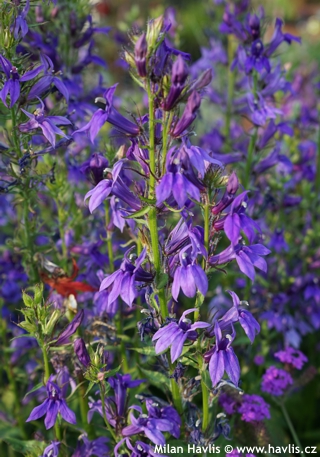











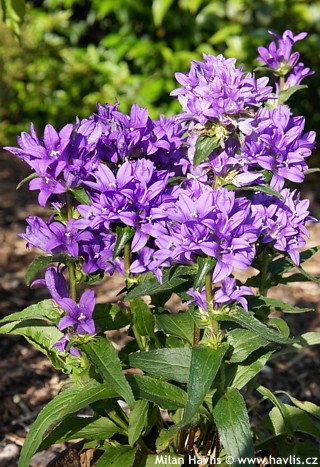
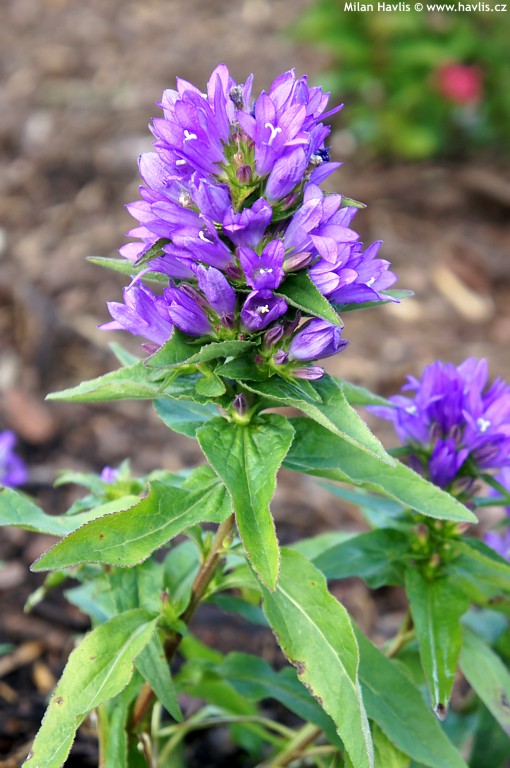
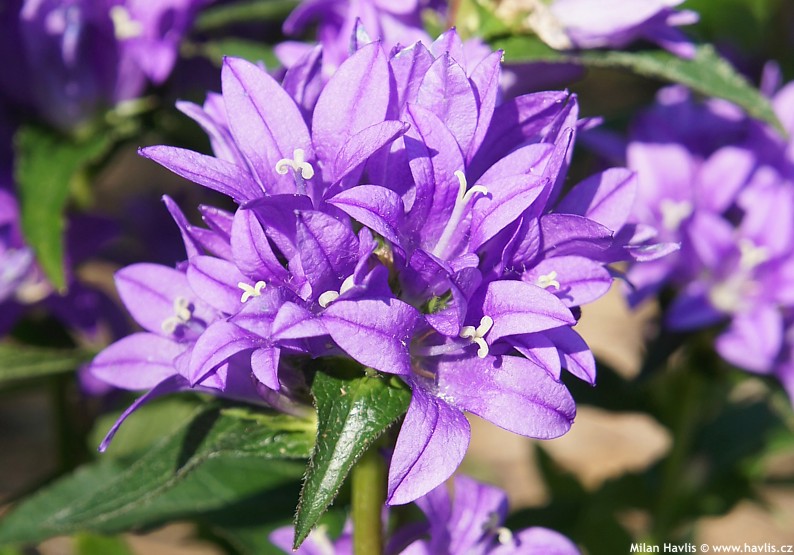
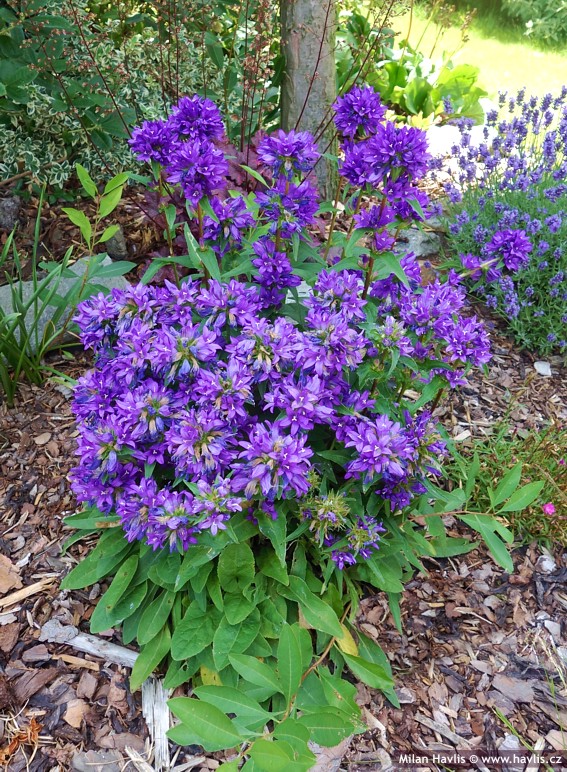
Campanula glomerata 'SUPERBA' clustered bellflower

 Symbivit Tric (arbuscular)
 Symbivit (arbuscular)
Campanula
The genus Campanula is one of the largest and most deeply rooted groups within the European flora. Depending on the taxonomic approach, it includes approximately 300 to 500 species, with the greatest diversity concentrated in the Mediterranean region, the Balkans, and the mountain ranges of Europe and western Asia. The genus was formally described by Carl Linnaeus (1707–1778) in 1753 in his seminal work Species Plantarum, where he already noted its remarkable variability in form and growth strategy. Bellflowers have accompanied people for centuries not only as ornamental plants, but also as part of folk symbolism, where the bell-shaped flower evoked voice, calling and protection. Genetic studies point to an ancient origin and repeated adaptations to extreme habitats, ranging from alpine screes to dry limestone slopes
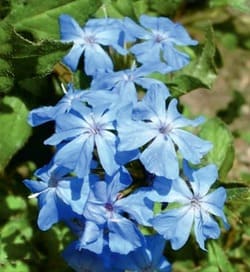
Superba is a fantastic variety of Zvonek klubkatý with terminal clusters of deep violet flowers. They are formed on strong, 40-60 cm tall stems from mid June until late summer. Lance-shaped leaves are mid green and appear along the entire length of the stem up to the flower cluster. After the flowering has finished you can cut the plant back to encourage new growth and a second flush of flowers. Superba bellflower makes a great cut flower that lasts long in a vase.
Last update 28-12-2013
Clustered bellflower loves full sun and evenly moist, fertile, neutral to alkaline soil. It will grow in partial shade or filtered sunlight, too. Slugs love its leaves so make sure they are kept away of just emerging or young plants, these pests can eat them all up before they even make a stem. Very hardy to about -40°C (USDA zone 3), and is suitable for outdoor pots that must not dry out