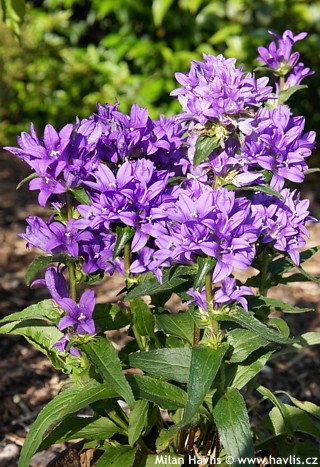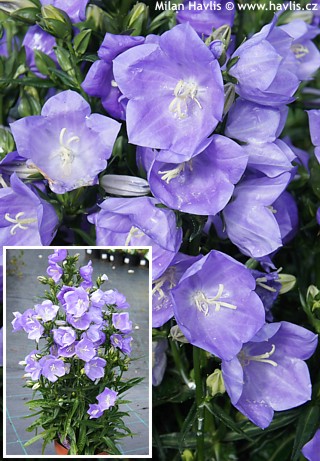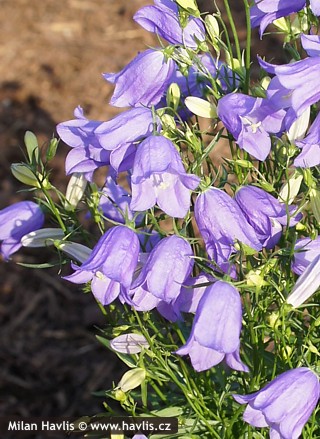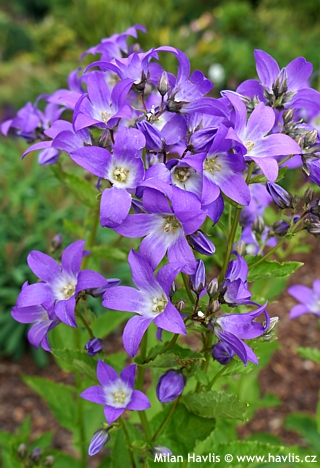
Campanula lactiflora 'Madiwiho' BORDER BLUES® milky bellflower

 Symbivit Tric (arbuscular)
 Symbivit (arbuscular)
Campanula
The genus Campanula is one of the largest and most deeply rooted groups within the European flora. Depending on the taxonomic approach, it includes approximately 300 to 500 species, with the greatest diversity concentrated in the Mediterranean region, the Balkans, and the mountain ranges of Europe and western Asia. The genus was formally described by Carl Linnaeus (1707–1778) in 1753 in his seminal work Species Plantarum, where he already noted its remarkable variability in form and growth strategy. Bellflowers have accompanied people for centuries not only as ornamental plants, but also as part of folk symbolism, where the bell-shaped flower evoked voice, calling and protection. Genetic studies point to an ancient origin and repeated adaptations to extreme habitats, ranging from alpine screes to dry limestone slopes.
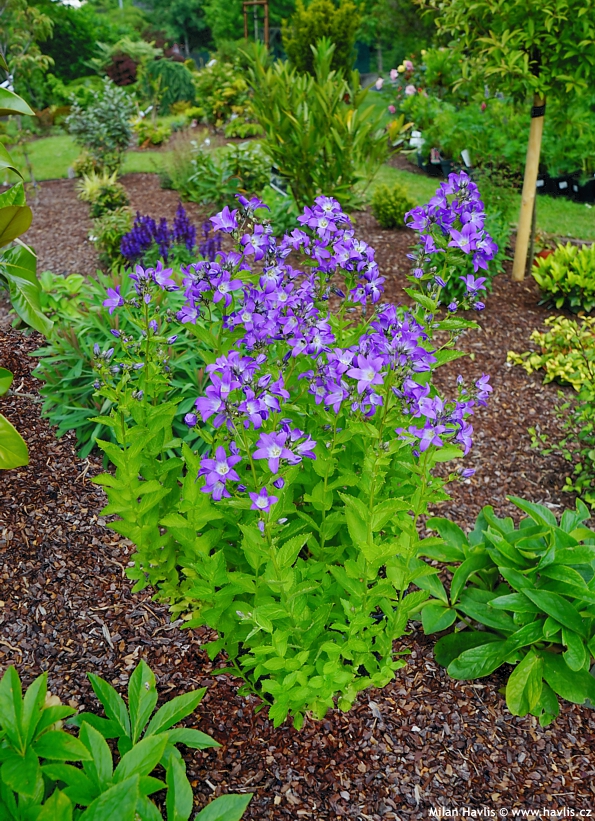
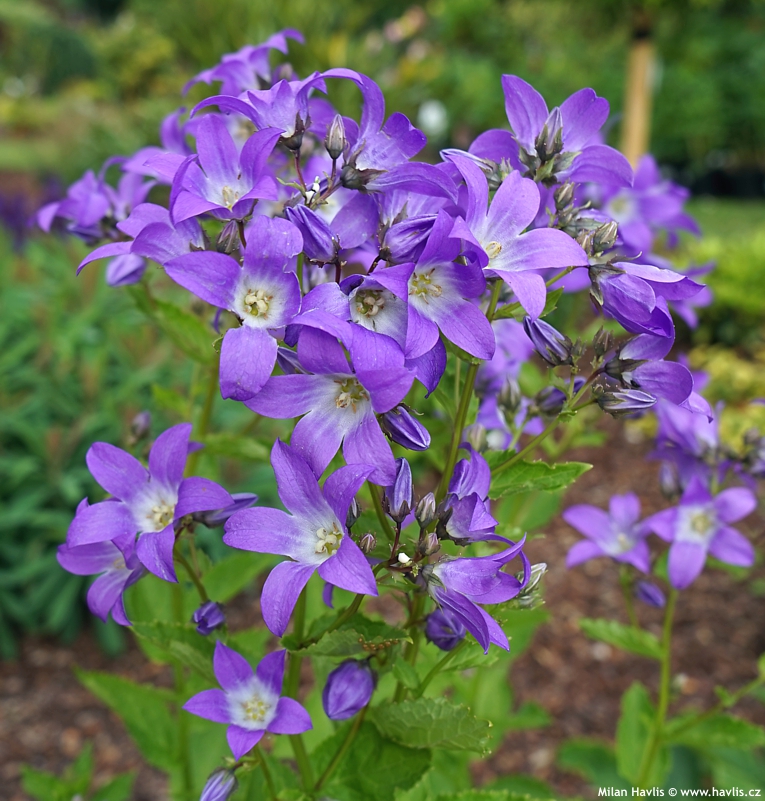
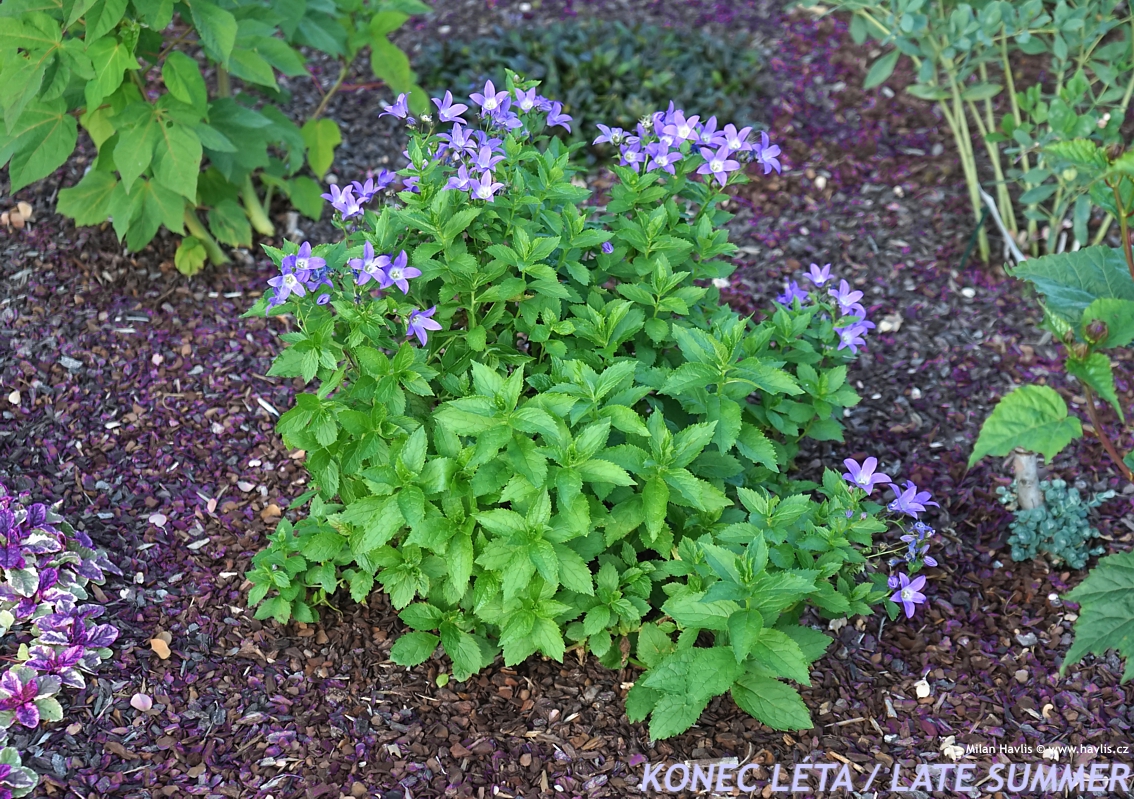
BORDER BLUES® is a modern variety of milky bellflower with bright violet blue flowers with almost white throats. They are shortly funnel-shaped, open wide into a star shape, and appear atop about 80-90 cm tall, light green stems. The main flowering season begins in June, lasts for about a month, and if you cut the plant back afterwards it will produce a new mound of fresh and healthy foliage and short stems with flowers that will keep on blooming until the last sunny and warm days of early autumn.
Leaves are light green, narrowly ovate with gently serrated margins and conspicuous veins. Stems and leaves contain white sap which could cause discomfort if you are allergic. BORDER BLUES® bellflower makes dense tufts with many-branched stems.
Last update 04-10-2021
Milky bellflower likes fertile, well-drained but evenly moist soil of almost any pH. They can be grown in full sun (never let it dry out completely) or very light shade. Thanks to its size it works best at the back of a perennial border or used solitarily mixed with other short growing perennials or small shrubs. Hardy to abt. -40 °C (USDA zone 3), and suitable for large outdoor pots.