












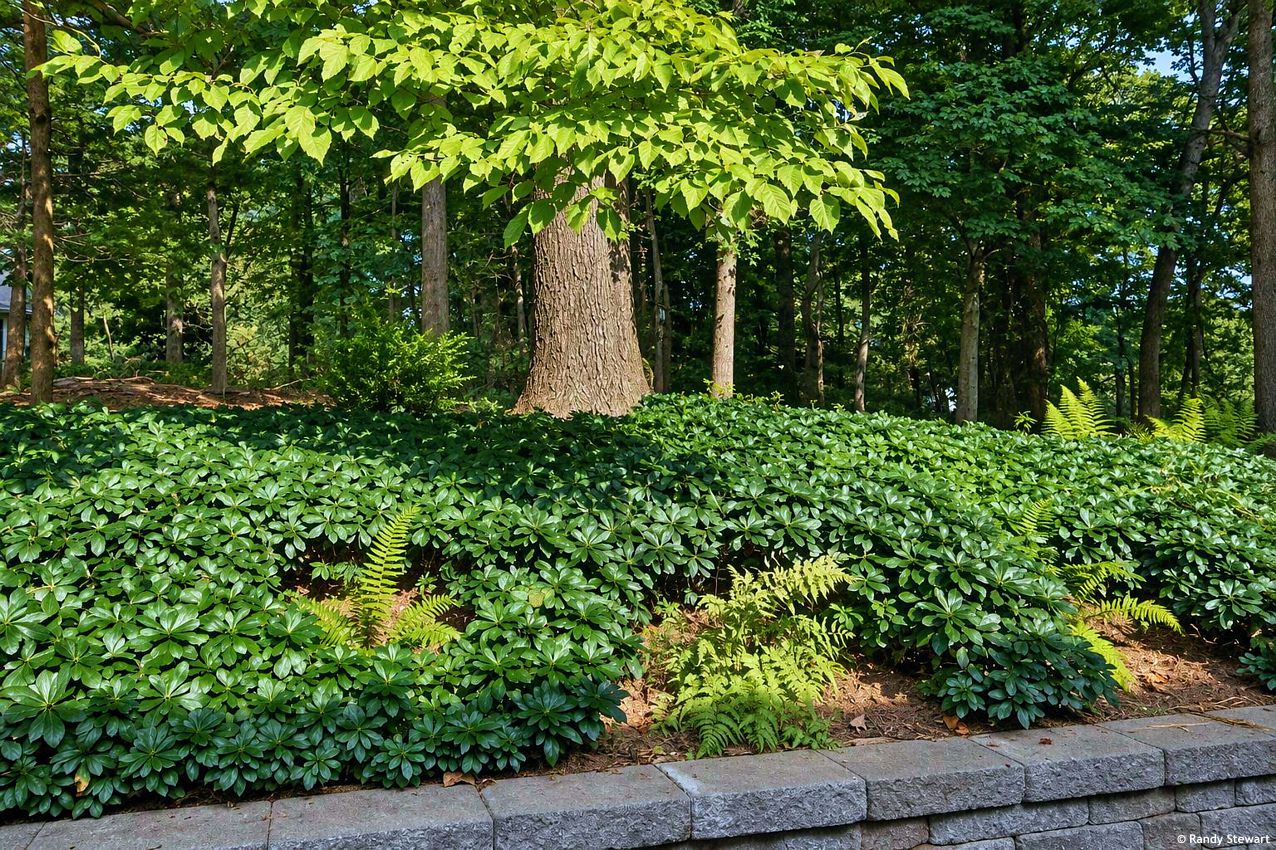
Euphorbia amygdaloides var. robbiae wood spurge

 Symbivit Tric (arbuscular)
 Symbivit (arbuscular)
Euphorbia
The genus Euphorbia belongs to the spurge family (Euphorbiaceae) and includes more than 2,100 species of herbaceous perennials, shrubs and trees, making it one of the largest genera of flowering plants in the world. Individual species can differ so dramatically that you would hardly believe they belong to the same genus. While tropical and subtropical Africa is home to massive succulent species with swollen stems and formidable spines, the Mediterranean region is dominated by drought-adapted shrubs and subshrubs, and the temperate regions of Europe and Asia are populated mainly by herbaceous perennials and short-lived species. Spurges occur on every continent except Antarctica, with the greatest diversity concentrated in tropical and subtropical Africa, Madagascar and the Americas, although many species extend well into temperate Europe and Asia. The genus was formally described by Carl Linnaeus in 1753 in his monumental work Species Plantarum. He named it after Euphorbus, the Greek physician to the Numidian king Juba II (52 BC – AD 23), who is said to have used certain spurges medicinally. A defining feature of all spurges is the cyathium, a remarkable inflorescence consisting of tiny male and female flowers surrounded by conspicuous bracts, giving the impression of a single flower.
By the way, did you know that the poinsettia (Euphorbia pulcherrima) is also a spurge? The Aztecs knew it as Cuetlaxochitl and used its vivid red bracts both for dyeing fabrics and for treating fevers. Today it has become one of the most recognisable symbols of Christmas worldwide. Some spurges even masquerade as cacti. Euphorbia trigona, commonly known as the African milk tree, produces tall, angular, spiny stems that most people would immediately mistake for a cactus, and in Africa it was often planted around homes as a living barrier against thieves and evil spirits alike. The distinction is important, however. Cacti are native exclusively to the Americas and their spines are modified leaves, whereas spurges produce a milky latex and their spines originate from modified branches. Another curious character is Euphorbia milii from Madagascar. At first glance it looks anything but a spurge, yet in Christian tradition it became associated with Christ’s Crown of Thorns thanks to its densely armed, twisting stems. Worth mentioning too is the wonderfully undemanding Madagascar jewel (Euphorbia leuconeura), a familiar houseplant that enthusiastically scatters ripe seeds across the room. Wherever a seed lands on a patch of compost, it wastes no time in producing offspring.
Wood spurge (Euphorbia amygdaloides) is native across much of Europe, extending into western Asia and North Africa, and is among the most woodland-oriented members of the entire genus. It naturally inhabits open deciduous woodlands, scrubby slopes, woodland margins and limestone hillsides, where it often forms extensive colonies. The remarkably regular arrangement of its branches and leaves gives the plant a tidy, almost orderly appearance. In the garden it offers a different sort of beauty, appreciated not only for its flowers but also for its structure and foliage. The species name amygdaloides means “resembling an almond tree” and refers to the shape of its leaves. This species has become the foundation of many modern garden cultivars with deep purple foliage, meaning that countless gardeners now grow its descendants without realising that their favourite varieties originate from this rather modest inhabitant of the European woodland floor.
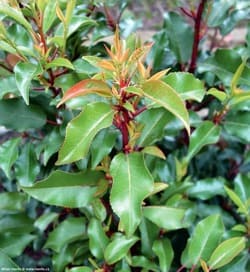
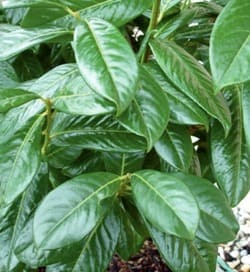
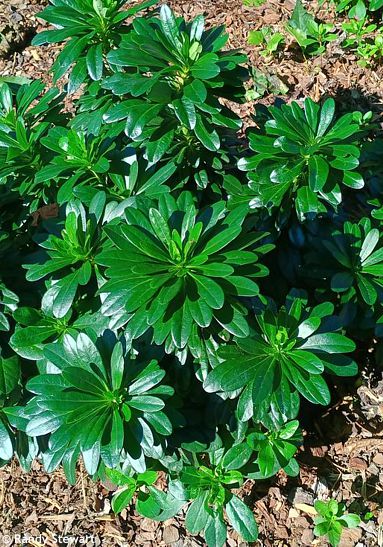
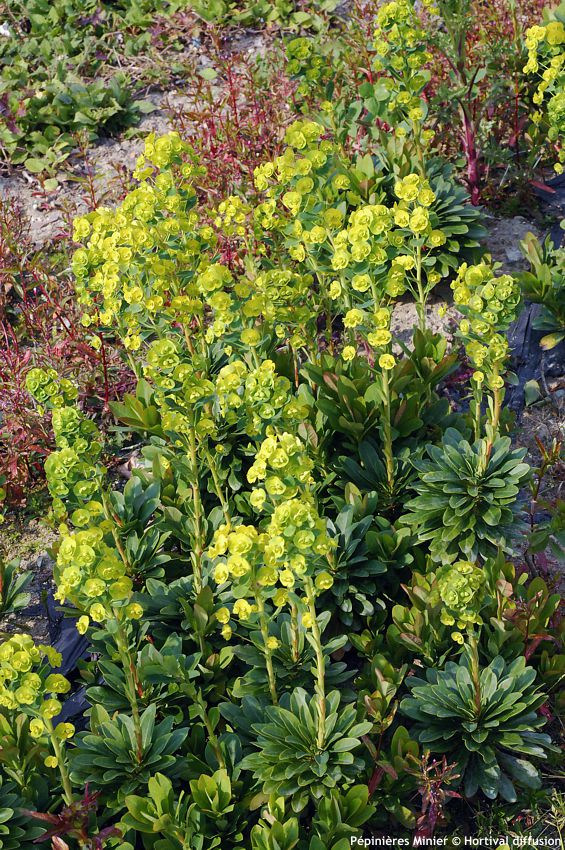
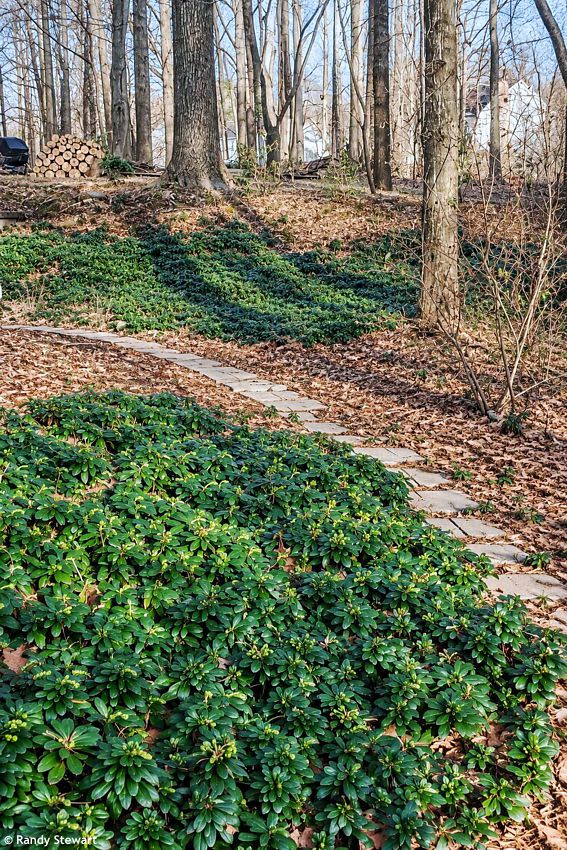
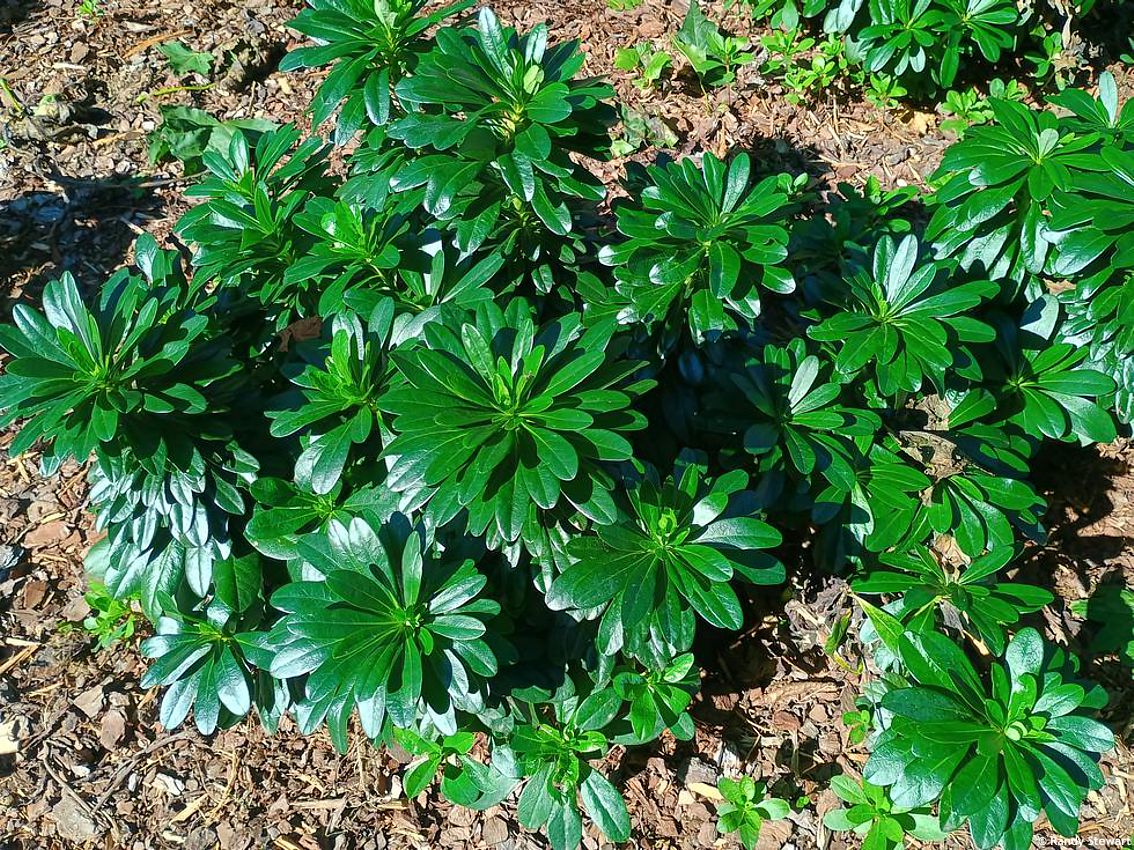
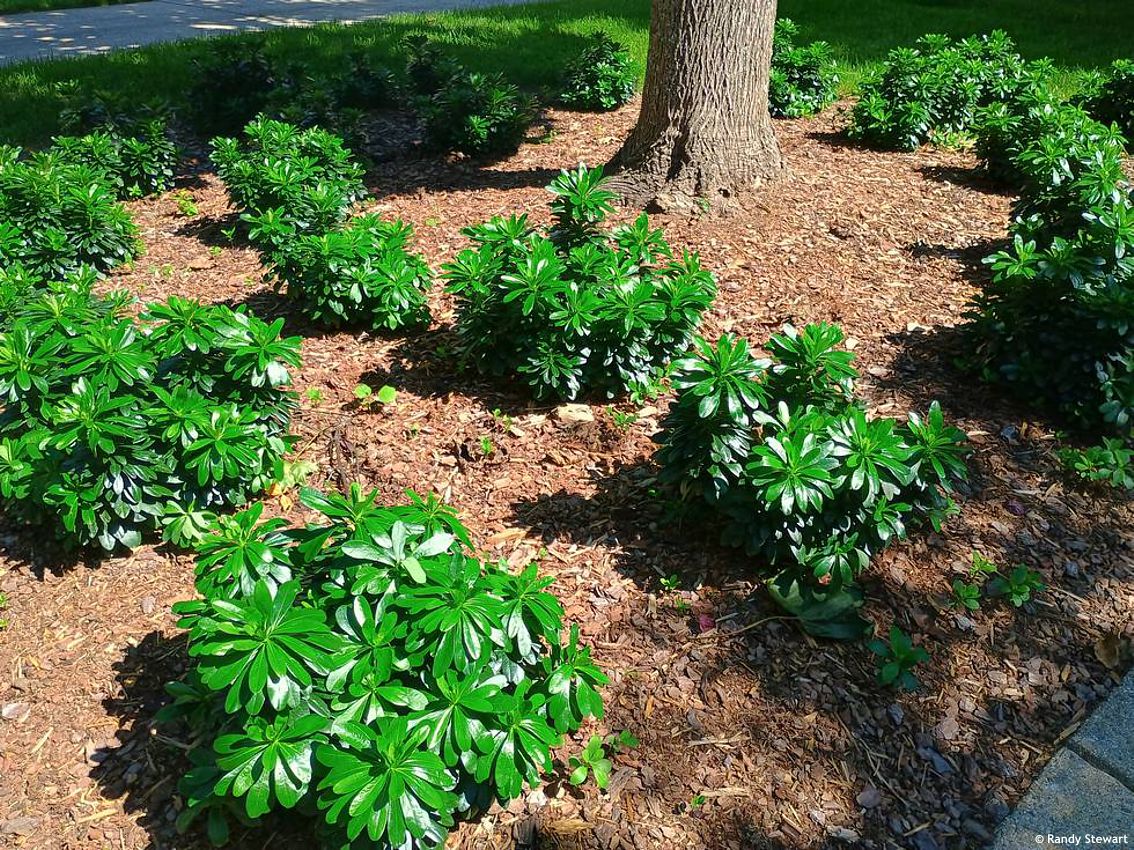
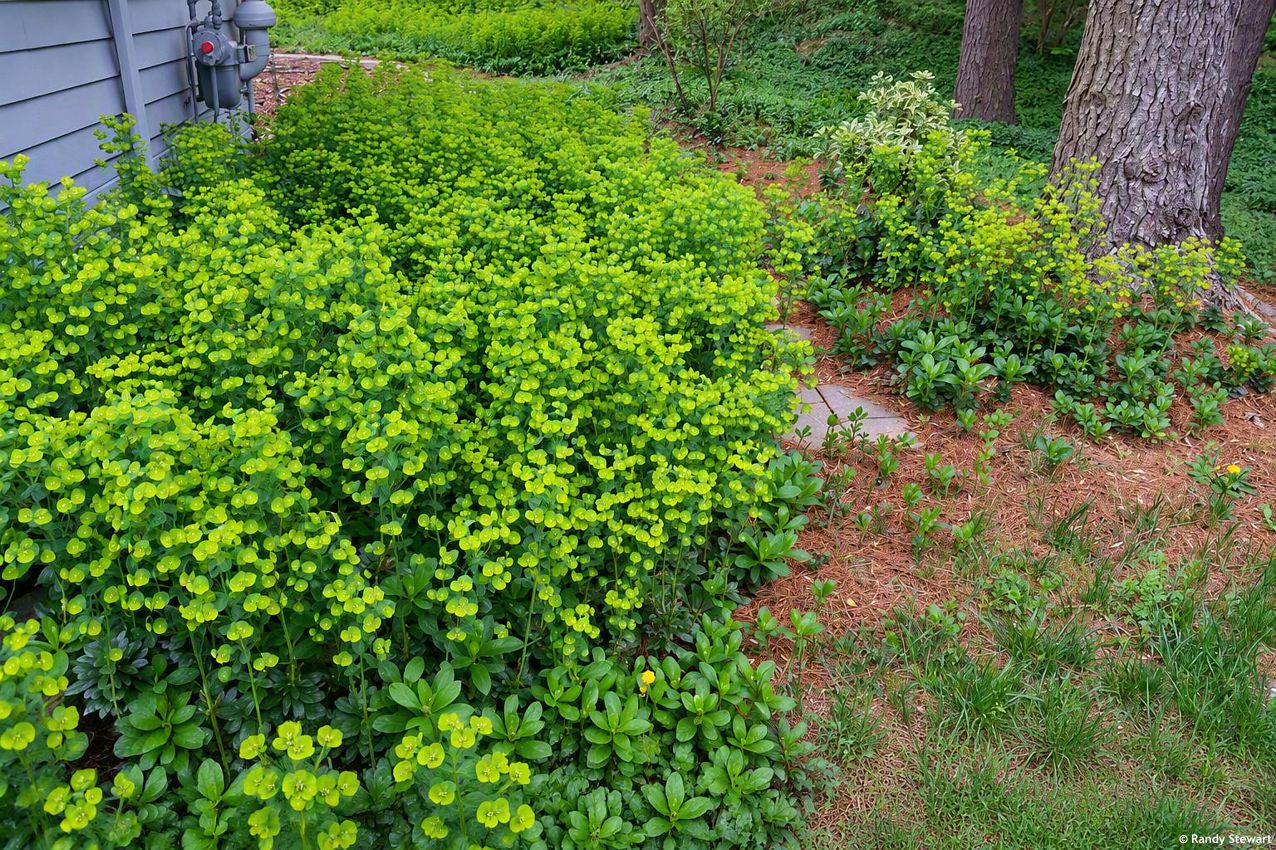
Whoever first decided to classify robbiae subspecies under wood spurge must have enjoyed a particularly lively evening beforehand and still been seeing through a slight haze the following morning. This extraordinary plant departs so dramatically from the typical species that it hardly looks related at all. Compared with ordinary wood spurge, it forms much lower colonies with strikingly fresh green foliage whose glossy surface is unusual among hardy spurges. Its overall structure is different too. Rather than the evenly leafy stems typical of the species, what catches the eye are the dense basal rosettes, from which rise 40–60 cm tall flower stems between April and May, carrying loose umbels of luminous chartreuse cyathia. Their decorative bracts often retain their colour for six weeks or more.
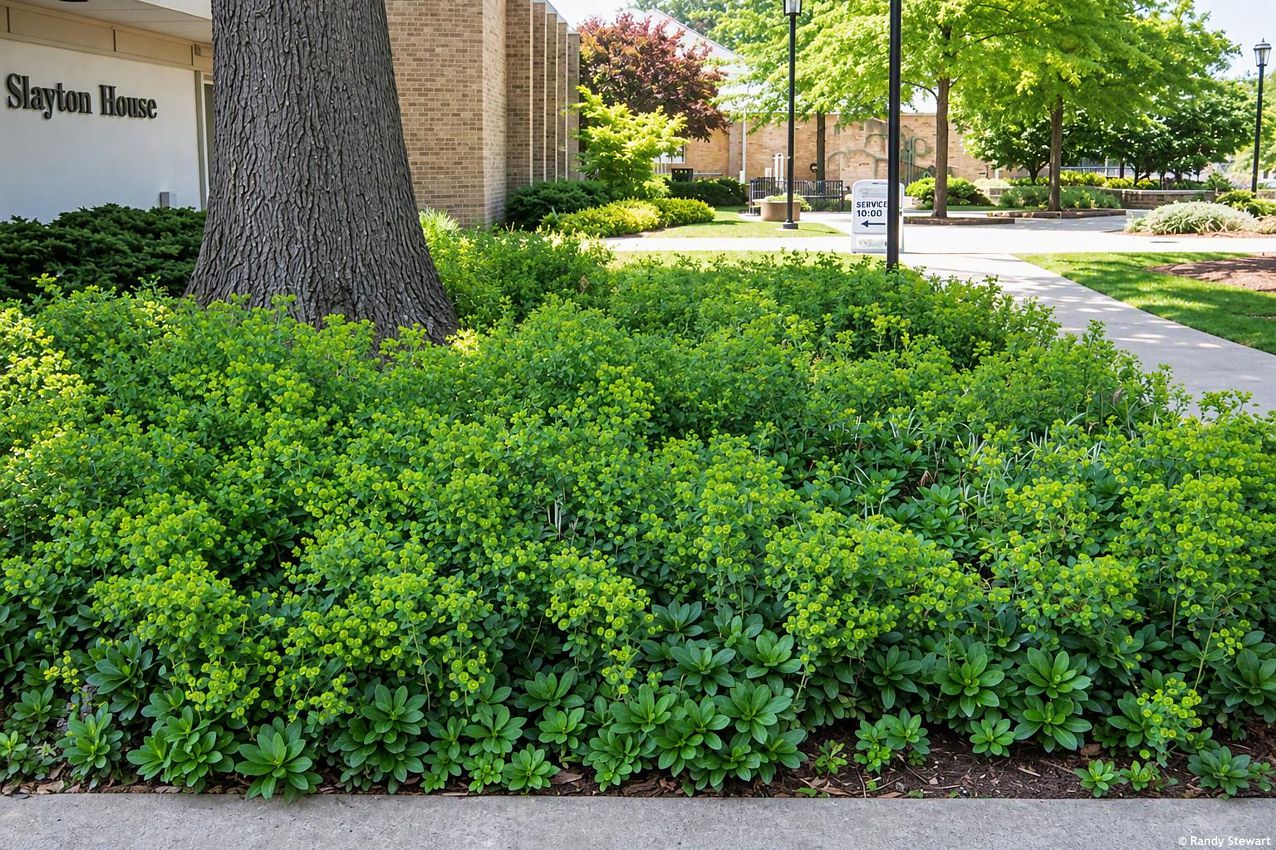
For me, its greatest strength is undoubtedly the foliage. It has an uncanny ability to mimic the lush, glossy appearance of tender pittosporums or large-leaved choisyas. In that respect, robbiae is something of a trickster. It looks as though it belongs on the coast of Cornwall, in Brittany or somewhere around the Mediterranean, yet it sits quite happily beneath an oak tree in Central Europe and shrugs off winters that a pittosporum would regard as a personal attack. Despite this rather southern appearance, robbiae originates from north-western Turkey and takes its name from Mary Anne Robb, who brought it to England in a hatbox towards the end of the nineteenth century. From there it spread into gardens across Europe. The word “spread” is particularly appropriate, and not only in a historical sense. Through underground rhizomes it gradually forms extensive colonies and remains one of the few evergreen perennials capable of thriving in the dry shade beneath mature trees.
Robbiae is at its best beneath mature trees, on the north side of buildings or on shaded banks. By means of underground rhizomes it gradually develops into broad, weed-suppressing colonies, so it is wise to give it plenty of room from the outset. Once flowering has finished, the spent stems can be cut back to ground level. Fresh rosettes are produced quickly and, for the remainder of the year, the plant remains attractive chiefly through its glossy evergreen foliage. If you know pachysandra, imagine a larger-leaved, more robust version with considerably more dramatic spring flowers.
Last revised: 13 November 2026
Wood spurge and many of its hybrids are not typical plants of the dry Mediterranean rock garden. Although they tolerate summer heat very well, they perform best in soils that retain some moisture. This explains their tremendous popularity in Britain, where the naturally humid atmosphere allows them to grow with remarkable vigour. In temperate climates they appreciate moderately moist but exceptionally well-drained soil of any pH. Good drainage is essential, as permanently waterlogged conditions encourage soil-borne fungal diseases, particularly fusarium infections. Newly planted specimens should be kept lightly moist for the first few months, though established plants rarely require supplementary watering beyond normal rainfall, especially if mulched. Feeding before flowering and again in late summer can be beneficial, although it is by no means essential. After flowering, the stems are best removed at ground level to maintain a compact, tidy appearance and encourage the production of fresh leaf rosettes. Outdoor containers are generally unsuitable because these plants dislike rapid fluctuations in both temperature and soil moisture. Hardiness is approximately -25°C (USDA zone 5b-6).

Goods are shipped all over Europe. For Russia and U.K. and for further details please read about SHIPPING OPTIONS HERE.
Are you interested in a serious discount for orders NOV-FEB? Check your options here.
THE PRICES INCLUDE VAT of 15%. For quick conversion you can use 1 CZK = approx. 0.04 EUR
- STANDARD QUALITY - Plants of this group are 1st class quality with number of branches and overall density adequate to their size and age, considering they were container grown.
- DE LUXE QUALITY - This label guarantees a luxurious quality of manually selected plants that, compared to their height and age, are exceptionally dense and beautiful.
- EXTRA - These plants are usually mature and bigger specimens with exceptional overall appearance.
- STANDARD (as described in the plant form) means a tree with a trunk of 190-210 cm and a crown at the top, unless specified differently. The commercial size for trees is their girth measured in the height of 1m from ground.
- HOBBY - These plants are of the same quality as our standard-quality plants but younger and therefore cheaper.
- SHRUB - a woody plant with branches growing bushy from the ground level.
- HALF-STANDARD or MINI-STANDARD - a small tree with shorter trunk, its size is usually specified.
- FEATHERED - These are trees with branches growing already from the base of the trunk and up along the stem.
- GRASSES and PERENNIALS - Sizes given usually read the diameter of the pot or the clump, as specified.
