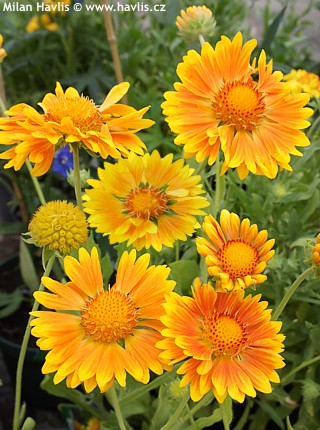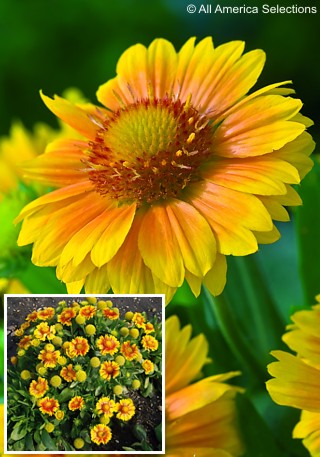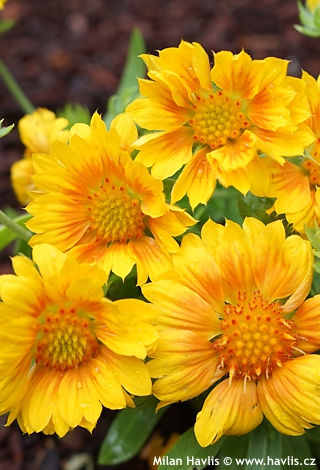











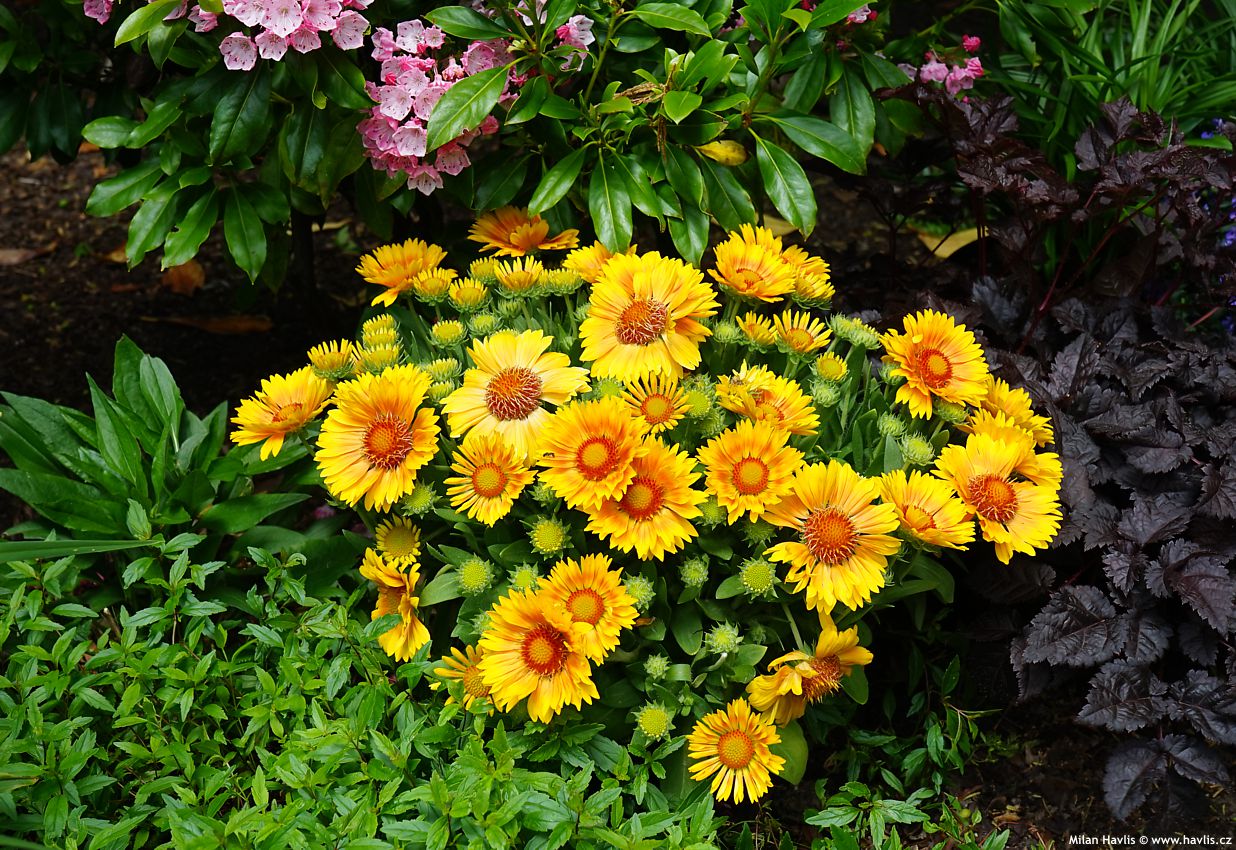
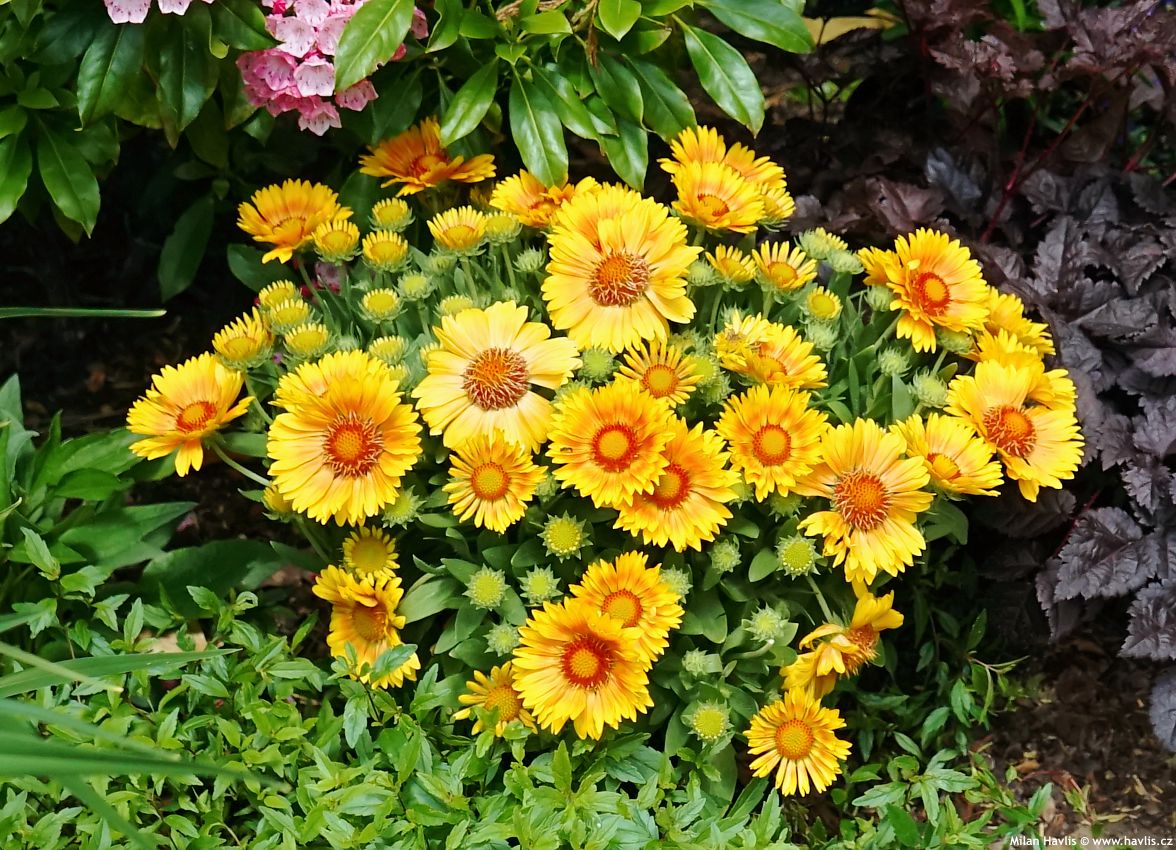
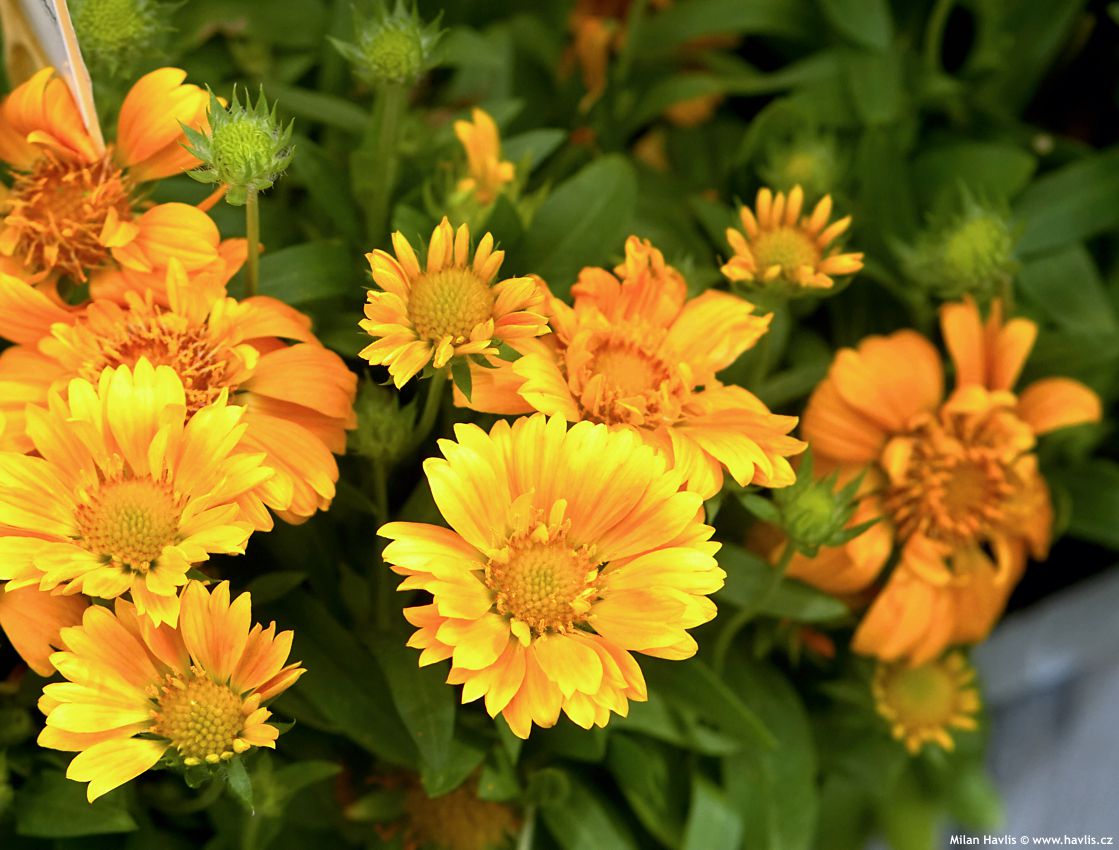
Gaillardia aristata ‘Dogailspinman’ SPINTOP™ MANGO blanket flower

 Symbivit Tric (arbuscular)
 Symbivit (arbuscular)
Gaillardia
The genus Gaillardia belongs to the daisy family and comprises roughly a dozen species distributed from Canada to northern Mexico, landscapes where scorching summers alternate with cool nights and where plants have had to learn to survive wind, drought and fire. The first botanical descriptions date back to 18th and the genus is named after the French patron of botany Antoine René Gaillard de Charentonneau (1720–1799), who supported Parisian naturalists at a time when North America was becoming a new botanical Eldorado. Blanket flowers reached European gardens quickly thanks to their tireless willingness to bloom and their colours, which during the Victorian fascination with exotic plants looked like small suns carried from the fires of the prairie. Interestingly, some late Pleistocene fossil finds suggest that the ancestors of today’s blanket flowers also grew in cooler regions, which helps explain their surprising hardiness despite their warm looking appearance. Within the genus there is a degree of nomenclatural confusion between G. aristata and G. pulchella, as they hybridise readily and form transitional populations in the wild that botanists have renamed several times. Yet this very variability underpins the richness of today’s cultivars, which differ in colour, height and flowering period.
Gaillardia aristata, blanket flower, is native to the Great Plains and the foothills of the Rocky Mountains, with a range extending from Canada to northern Mexico. The first collections date from the early 19th century in connection with the exploration of North America and the species was described botanically by Frederick Pursh (1774–1820) based on material that included specimens gathered during the expedition of Meriwether Lewis (1774–1809) and William Clark (1770–1838). In the indigenous cultures of North America, the blanket flower had both practical and symbolic uses: various tribes employed it medicinally for fevers, headaches and respiratory ailments, and the seeds were sometimes roasted and used as a food source. Thanks to its striking beauty the plant also appears in traditional decorative art and ritual motifs, where it often symbolises the sun and protection. It entered European gardens in the nineteenth century for its vivid colours and its ability to brighten borders for a long season. Today, in addition to its ornamental value, it is used in prairie restoration projects and for stabilising dry slopes, and it is valued for attracting pollinators.
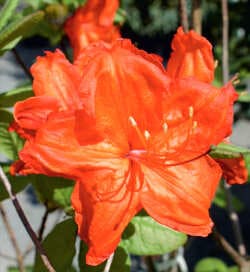
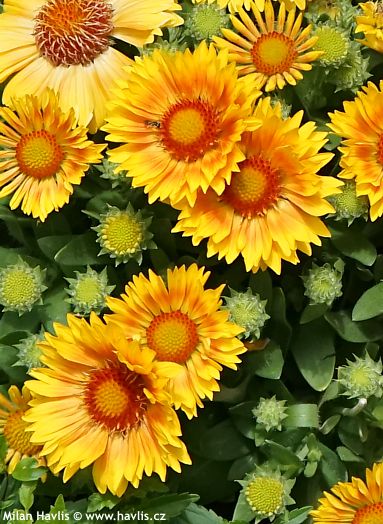
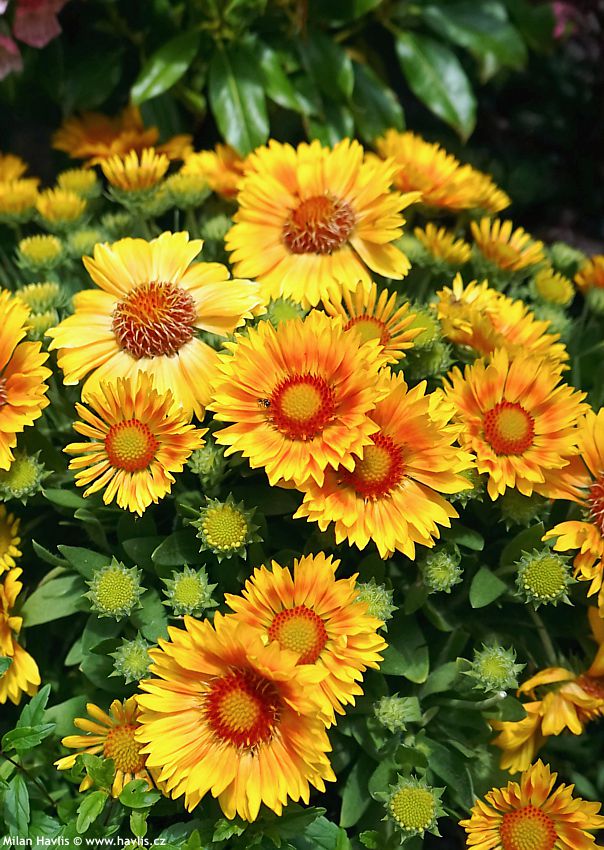
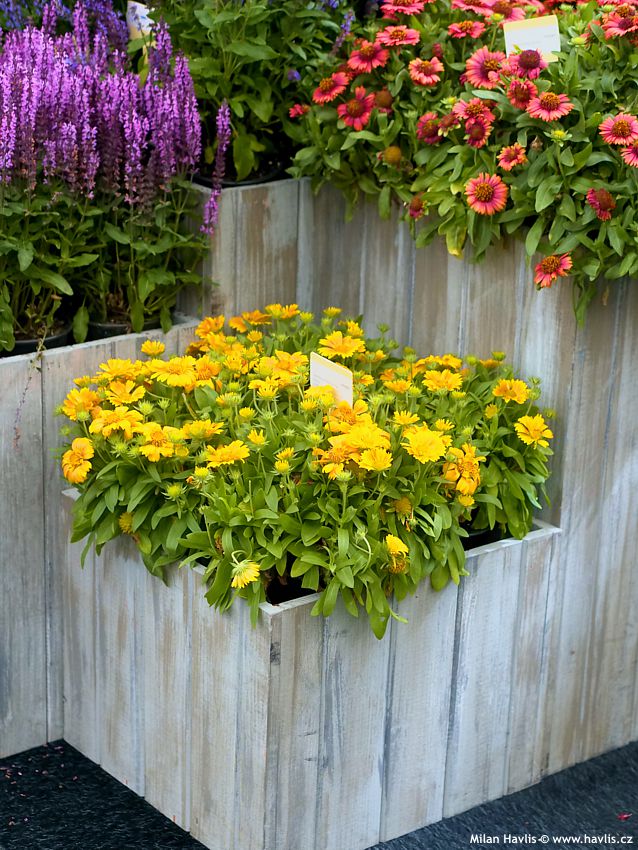
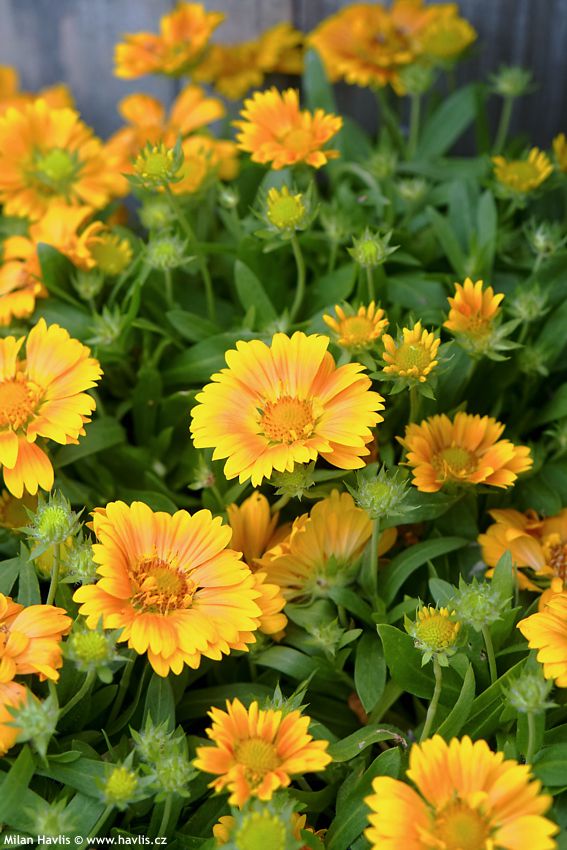
SPINTOP MANGO is another beautiful blanket flower variety from the SpinTop™ series and one of those cultivars that draw attention in almost any planting. Its blooms have the brightest shade of gold with soft orange tones, just like ripe mango, and look almost good enough to bite into. With a diameter of 6 to 8 cm, they appear surprisingly large on such a low plant and flower tirelessly from June until the last warm days of early autumn. The tips of the ray florets are often slightly frayed, giving the flowers the lively spinning top expression typical of the whole series. The clump is perfectly compact and low, usually 20 to 30 cm, as if the plant itself knew that its strength lies in density and uniformity. The stems are firm, straight and well branched, carrying narrow, grey green, distinctly hairy leaves with the rough texture typical of dry prairie species. Thanks to its low stature it does not collapse in wind or rain and all these qualities make it one of the most reliable low blanket flowers for modern plantings where strong colour, clean lines and minimal maintenance are required.
The SpinTop™ series was introduced by the breeding company Dümmen Orange in 2015 as a line of compact, early flowering blanket flowers with uniform habit, firm stems and striking bicolour combinations that hold their colour even in summer heat. Behind its development stands the Dutch breeder Ellen van Sambeek, an internationally recognised specialist in prairie perennials who by 2026 has around one hundred patented cultivars to her name. SPINTOP MANGO was introduced in 2023 at the Plantarium trade fair in Boskoop in the Netherlands and in the same year received US plant patent PP35273, followed by European protection PBR 65983 in 2024. Thanks to its rich colour, early flowering and perfectly compact habit it quickly became one of the most sought-after modern blanket flowers in current production. The breeder states that the cultivar can withstand temperatures down to an impressive minus 40 °C (USDA zone 3) under suitable conditions.
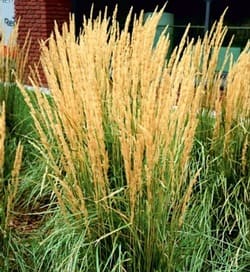
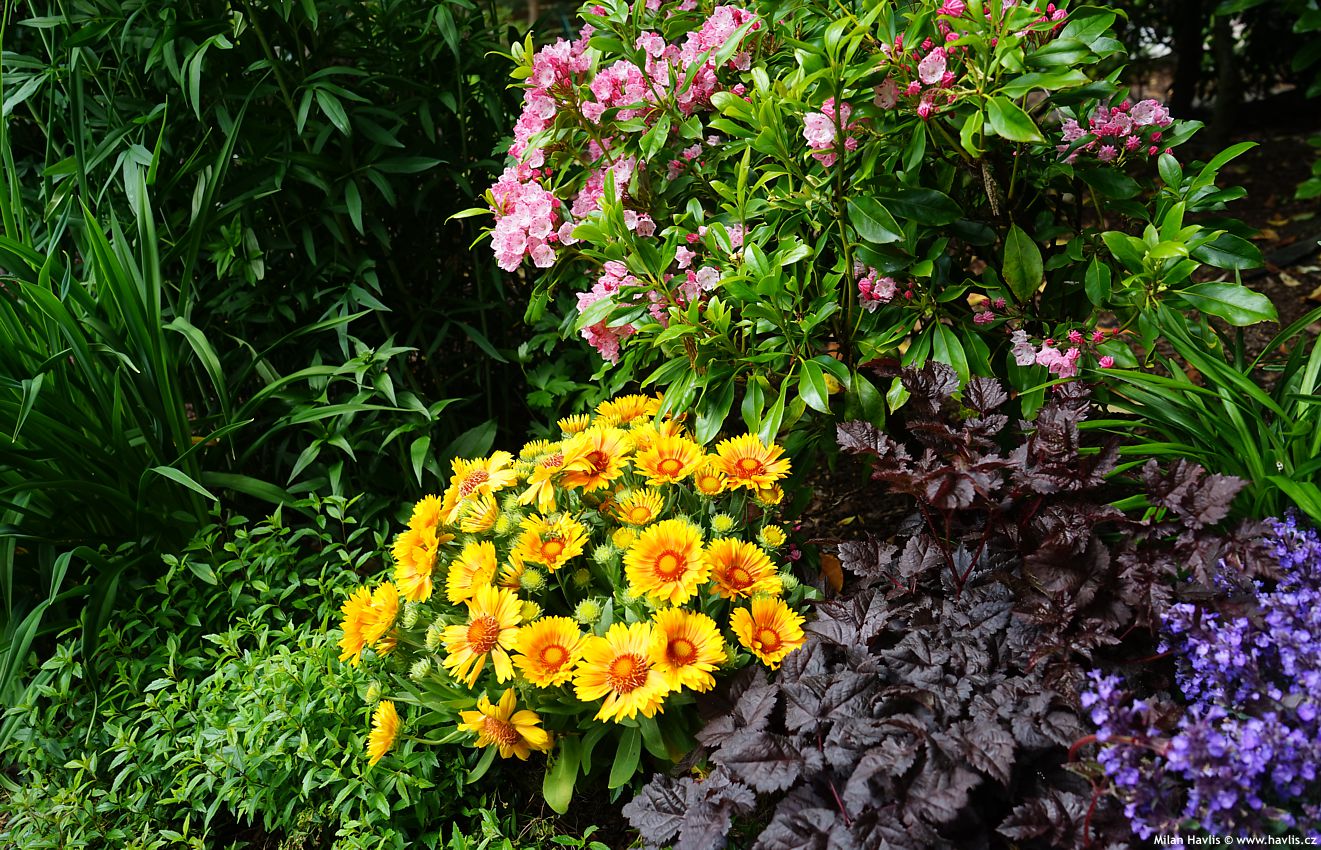
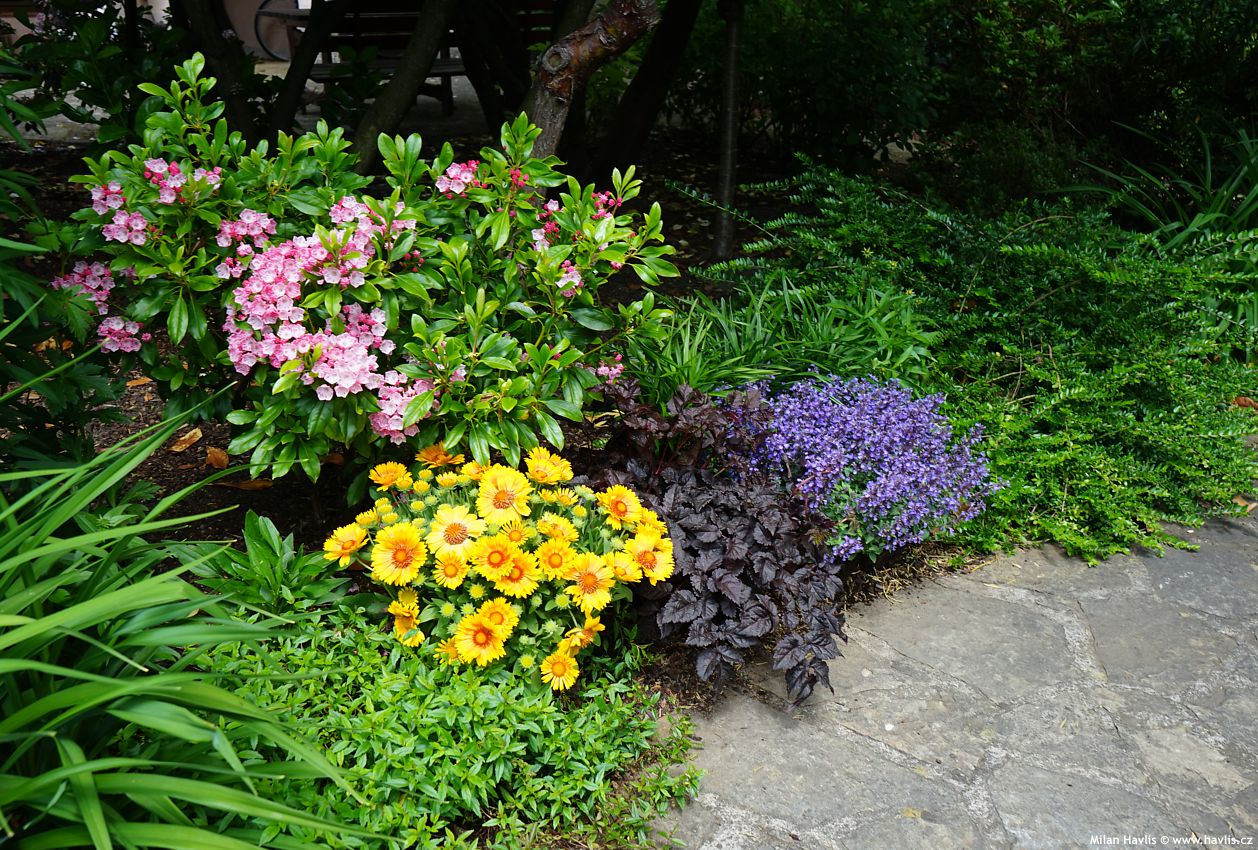
I often say, half in jest, that if there is a perennial heaven, blanket flowers must surely bloom there (and I actually mean it), because they are the plants that bring light, joy, intensity, beauty and a long flowering season to any border, all in all – a divine flower. Low growing cultivars are ideal for the front of beds and combine beautifully with other low drought tolerant perennials, especially those with contrasting texture and habit such as Gypsophila, Nepeta, Centranthus or fine leaved Stipa species. Behind them you can use shorter cultivars of Calamagrostis or Deschampsia, which add a gentle vertical rhythm, while dark leaved stem Sedums provide contrasting foliage colour. Blanket flowers act as bright points of colour that hold a border together from early summer to autumn while remaining undemanding, reliable and always cheerful.
Last revised 15-06-2026
Blanket flowers love full sun and well drained, rather poor soil where its roots do not remain wet for long periods. For a compact appearance it is useful to remove spent stems so that it produces new buds more quickly, although this is not essential as blanket flowers bloom generously even without deadheading, only taking a little longer to form the next flush. As typical prairie perennials they are more drought-loving and in heavy, water-retentive soils they may grow during the season but often rot in winter long before frost could harm them. In well drained soils, rock gardens or gravel plantings and without overfeeding, Gaillardia aristata tolerates frost down to around minus 40 °C (USDA zone 3), which reflects its natural hardiness in the North American prairies, and it persists on site far longer than encyclopedias suggest when they classify it as a short-lived perennial. Heavy feeding, on the other hand, often exhausts the plant in the first year, encourages excessive leafy growth at the expense of flowers and leads to early decline. The blanket flower is happiest where the soil is poor, the sun is strong and the care is light.