.jpg)
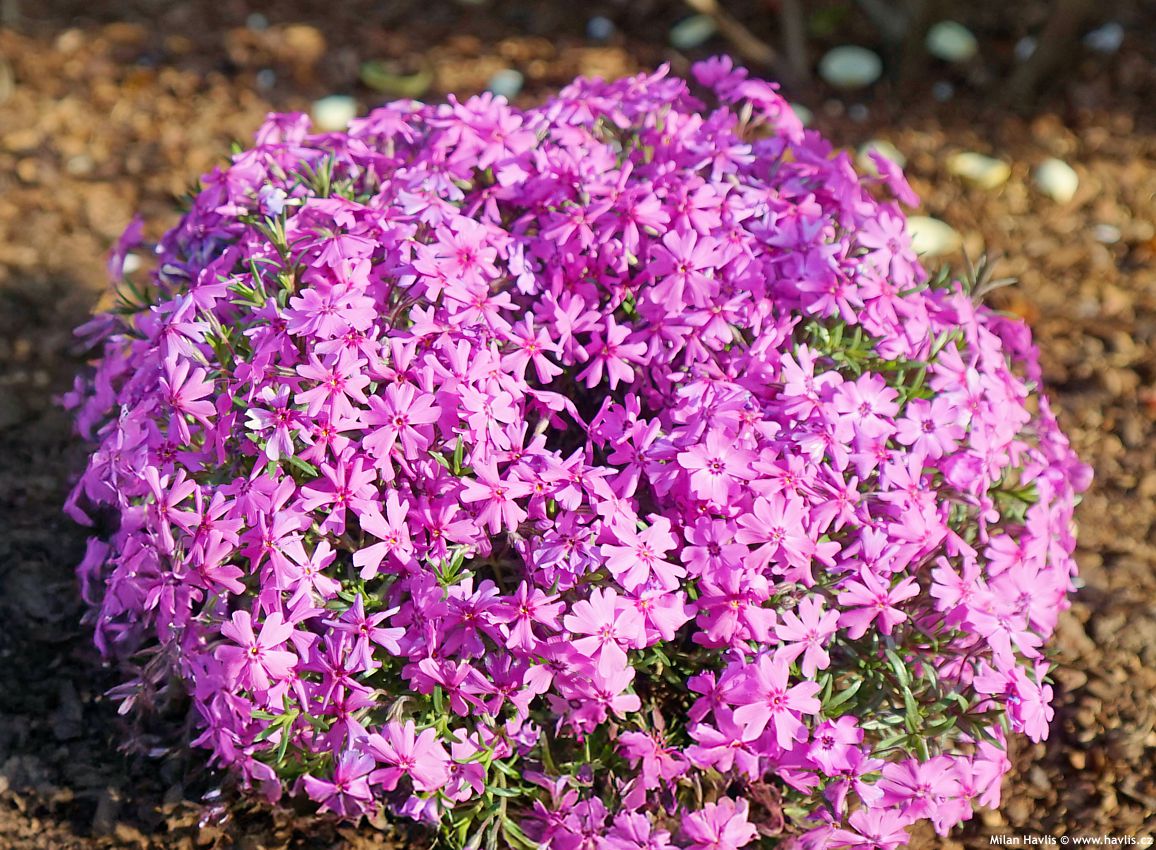
Phlox 'Flophfadr' FABULOUS™ DARK ROSE EYE moss phlox (subulata group)

 Symbivit Tric (arbuscular)
 Symbivit (arbuscular)
Phlox
The genus Phlox belongs to the family Polemoniaceae and includes roughly 65 to 68 species, almost all of them native to North America. Only a single species reaches into north‑eastern Asia, so this is a group that evolved mainly in the American landscape – from tundra and open woodland to wide prairies. The name comes from the Greek phlox, meaning “flame”, a reference to the vivid colours that impressed early botanists. The genus appeared in botanical literature as early as the 17th century, but it was Carl Linnaeus (1707–1778) who formally established it in 1753. Earlier authors used different names, such as Plukenet’s Lychnidea from 1696, which shows how unclear the family boundaries were at the time. Because the species grow in such varied habitats, gardeners later gained access to a broad range of plants suited to very different conditions.
Phlox subulata, known as moss phlox or creeping phlox, is native to the eastern United States, growing on rocky slopes, sandy soils and open ground from New York down to North Carolina. Carl Linnaeus (1707–1778) described the species in 1753. It reached Europe in the late 18th century and quickly became popular for its toughness, its ability to thrive in poor soils and the dense evergreen mats that turn into a solid sheet of colour in early spring. By the late 19th and early 20th century, it had become a key parent in breeding low, spring‑flowering phloxes. It was most often crossed with species such as Phlox douglasii or Phlox bifida, which contributed finer foliage, different height or a longer flowering period. These hybrids are used much like the original species – on rock gardens, dry walls and border edges – but modern breeding has made them more colour‑stable, more compact and generally more reliable in everyday garden conditions.
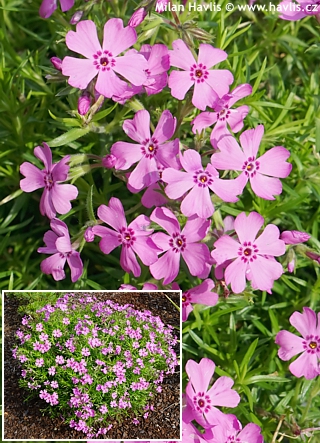
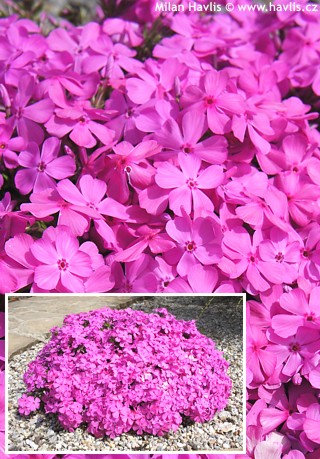
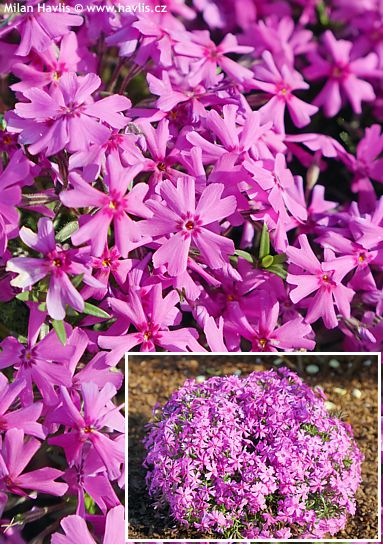
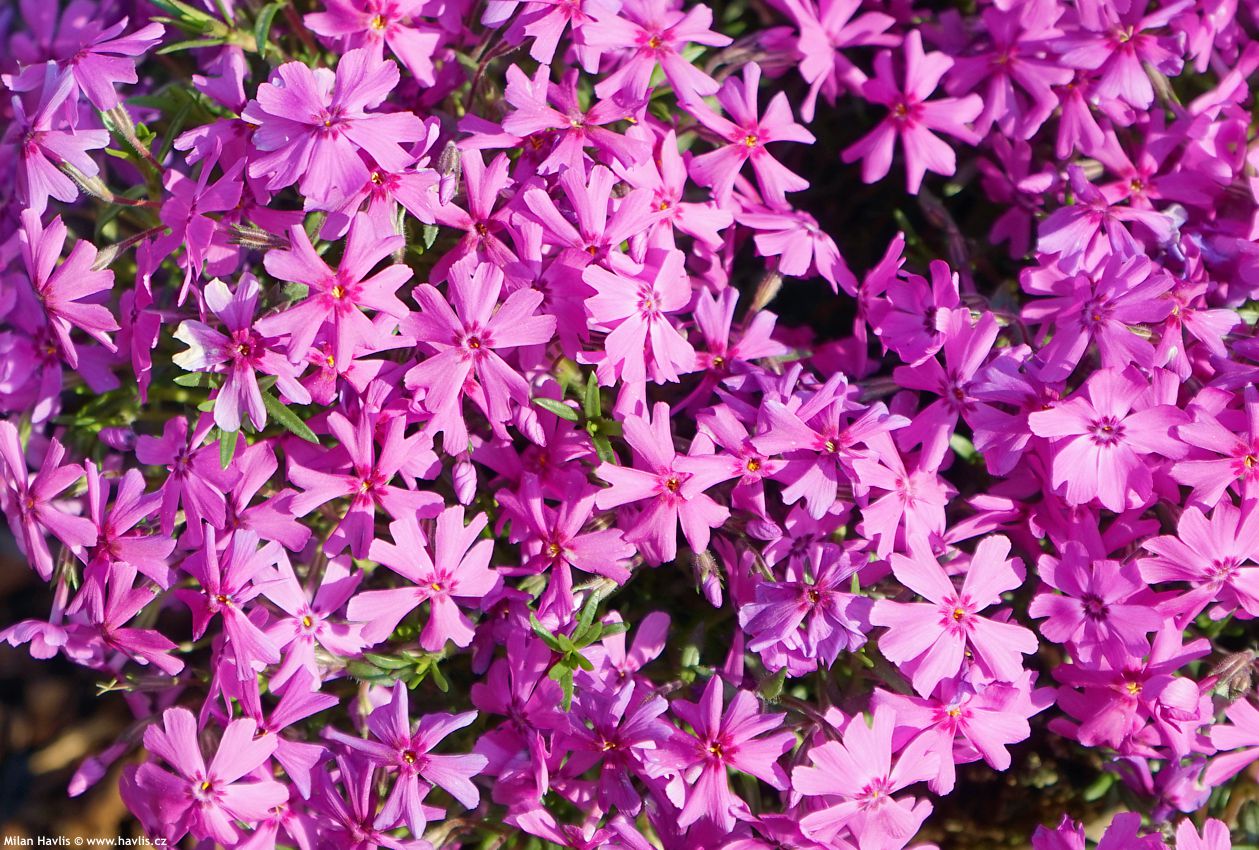
FABULOUS™ DARK ROSE EYE is quite possibly the most intensely pink‑flowered moss phlox cultivar in the FABULOUS™ series. Not only because of its clear pink flowers but also thanks to the vivid purple pink eye, which amplifies the surrounding pink rather than creating contrast – unlike other cultivars whose darker centres sharpen the outline of the flower instead of deepening the colour. It forms dense, continuous mats that stay evergreen and keep a compact shape without any “stray arms” throughout the year. The leaves are narrow to needle‑like, medium to light green, so the clump looks clean and tidy even outside the flowering season. The flowers are bright pink with the characteristic notched petals, giving each bloom the look of a tiny star. The flowering period is remarkably long; even at the end of June the plants still carried scattered fresh blooms, although the main flush was in May.
The cultivar was bred by Tobias M. Braeunig and is part of the FABULOUS™ series from the Dutch company Florensis. It was developed for both professional and home gardeners who need compact, uniform plants with long flowering and stable colour.
Last update 24-04-2026
Moss phlox needs full sun and well‑drained, rather lean soil. Once established, it copes well with long dry spells, handles hot, scorching summers without trouble and does not require regular feeding. It is not fussy about soil pH. It spreads sideways as a low groundcover, so it is practical to cover the surrounding soil with a weed‑control fabric to stop grasses and weeds from growing up through the flowering cushions. After flowering, it is helpful to give the plants a light trim – with hand shears or even a “lawn‑mower style” pass – which keeps them compact and prevents the centre of the clump from opening up. They are extremely hardy, down to about −45 °C (USDA zone 2), and grow well in troughs and outdoor containers.