










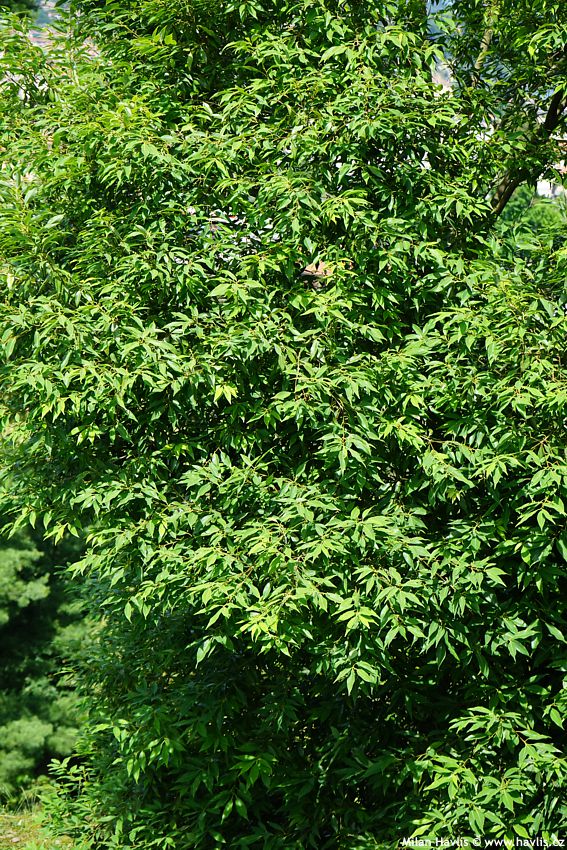
Quercus glauca ring-cupped oak, Japanese blue oak


 Ectovit (ectomycorrhizal)
Quercus
The genus Quercus – oaks – is one of the richest tree genera of the Northern Hemisphere, comprising approximately 450 to 600 species. They are predominantly found in temperate and subtropical zones, with the highest diversity in North America and East Asia, though they also reach into tropical mountain regions. Oaks can be deciduous or evergreen, ranging from massive trees to small shrubs. They are monoecious, with inconspicuous flowers in catkins pollinated by wind, and their typical fruit is the acorn – a single-seeded nut enclosed in a cup-like structure. Oak leaves are alternate and highly variable: they may be lobed, toothed, serrated, or entire, and often show significant variation even within a single species, which makes identification challenging. Oaks are known for their hard, durable wood and their ability to grow into long-lived, majestic trees. They play an important role in ecosystems and culture – providing food for wildlife, wood for construction, cork, tannins, and medicinal substances. They are also considered symbols of strength and endurance in many mythologies and religions and are often associated with the masculine element.
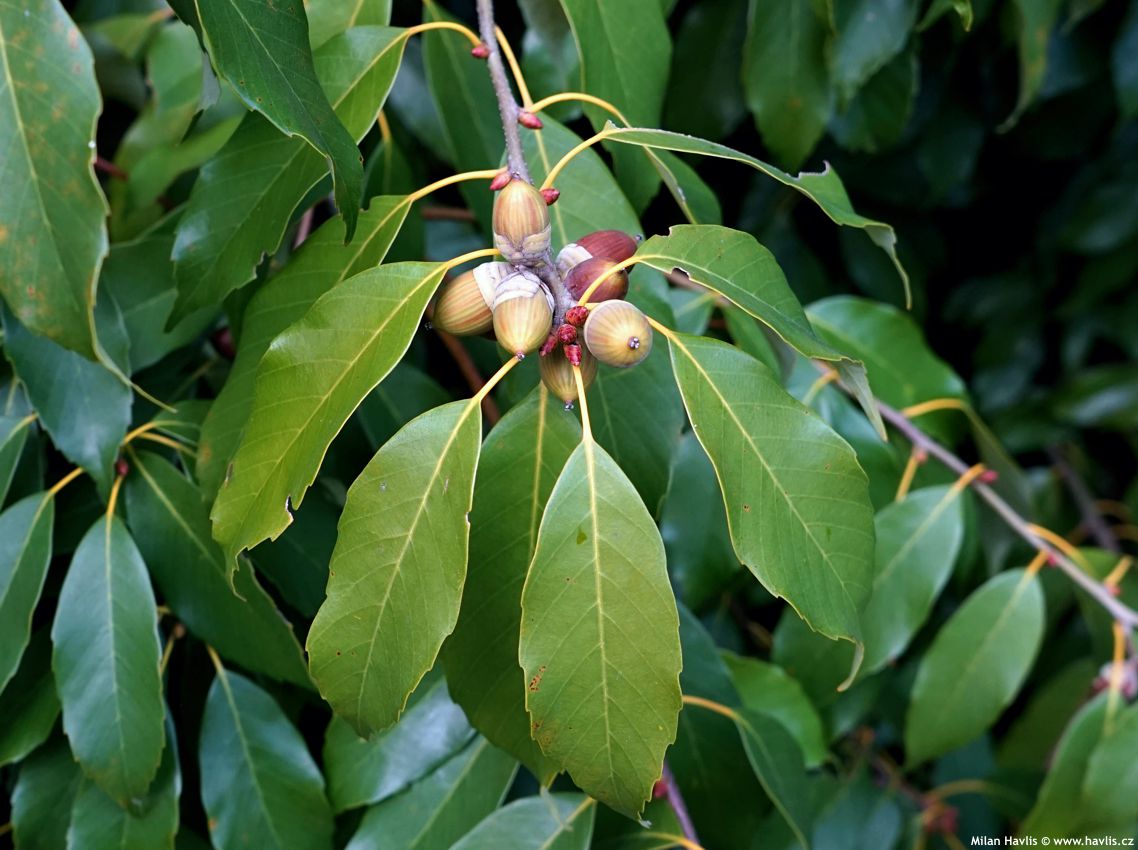
Quercus glauca was described in 1784 by the Swedish naturalist Carl Peter Thunberg, one of the most distinguished pupils of Carl Linnaeus, during his stay in Japan. It belongs to section Cyclobalanopsis, the ring-cupped oaks, whose acorns are enclosed by cupules formed of conspicuous concentric rings. The species name glauca derives from the Ancient Greek word glaukos, used by classical authors to describe the colour of the sea, olive leaves, or pale eyes, and here refers to the distinctive greyish-blue undersides of the leaves. Its native range stretches from the western slopes of the Himalayas through China, Korea and Taiwan to Japan. It is the only ring-cupped oak to extend as far as the western Himalayas and at the same time one of the most widespread evergreen oaks in all of Asia. It grows in mountain forests and valleys alongside the characteristic trees and shrubs of the humid forests of the Far East.
In Japan it is known as arakashi (荒樫) and kurokashi (黒樫). The latter means “black oak” and forms an intriguing counterpart to the related shirakashi (白樫), or “white oak” (Quercus myrsinifolia). These names do not refer to the colour of the foliage but to the character and appearance of the timber. For centuries, it has been valued as a source of exceptionally hard and durable wood used for tools, construction, and charcoal production. Around homes and farmsteads, it was also widely planted as a windbreak or clipped into dense hedges. Although introduced to Europe as early as 1804, becoming one of the first Asian oaks cultivated on the continent, it remains a surprisingly rare tree. Perhaps that is why encountering a mature specimen still feels a little like meeting a reluctant guest from another continent who has not yet realised how welcome it is.
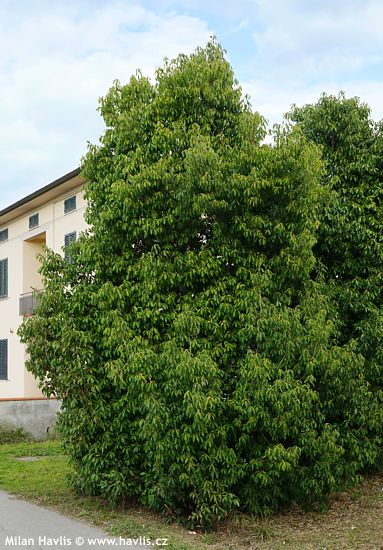
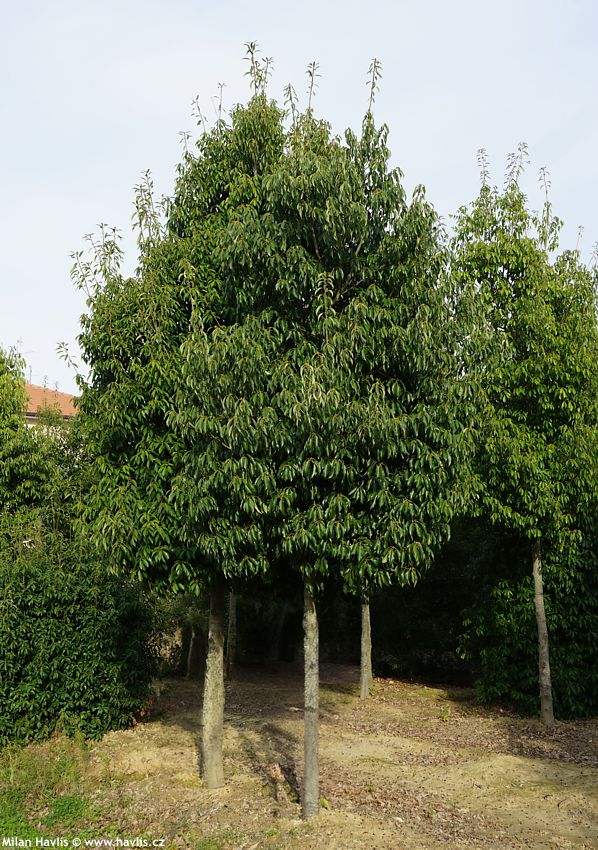
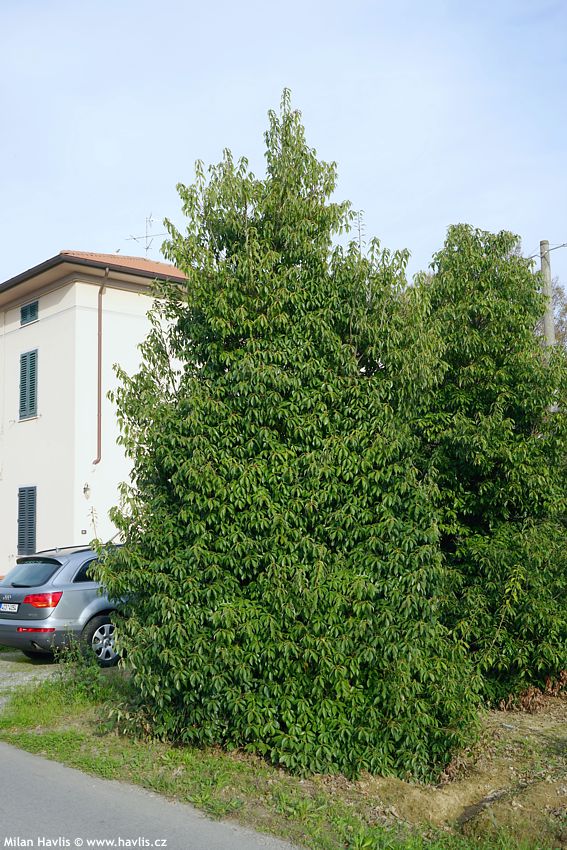
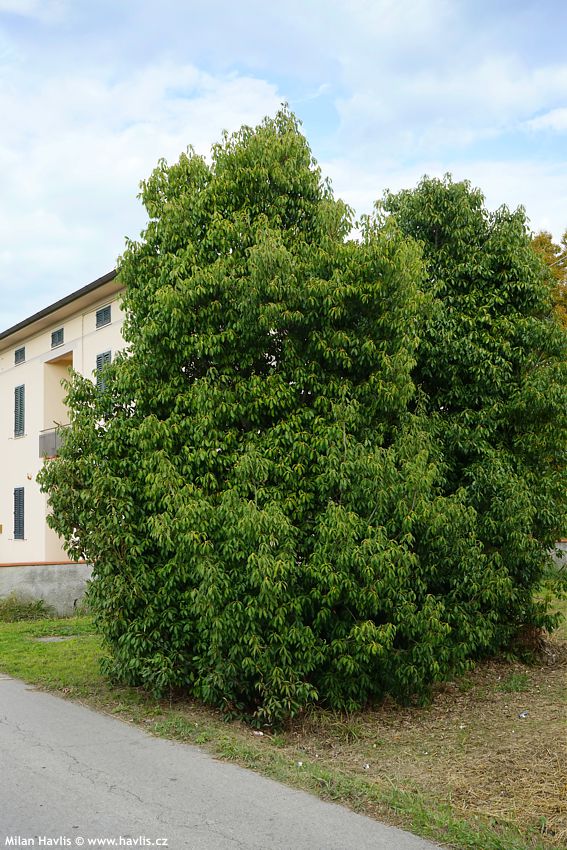
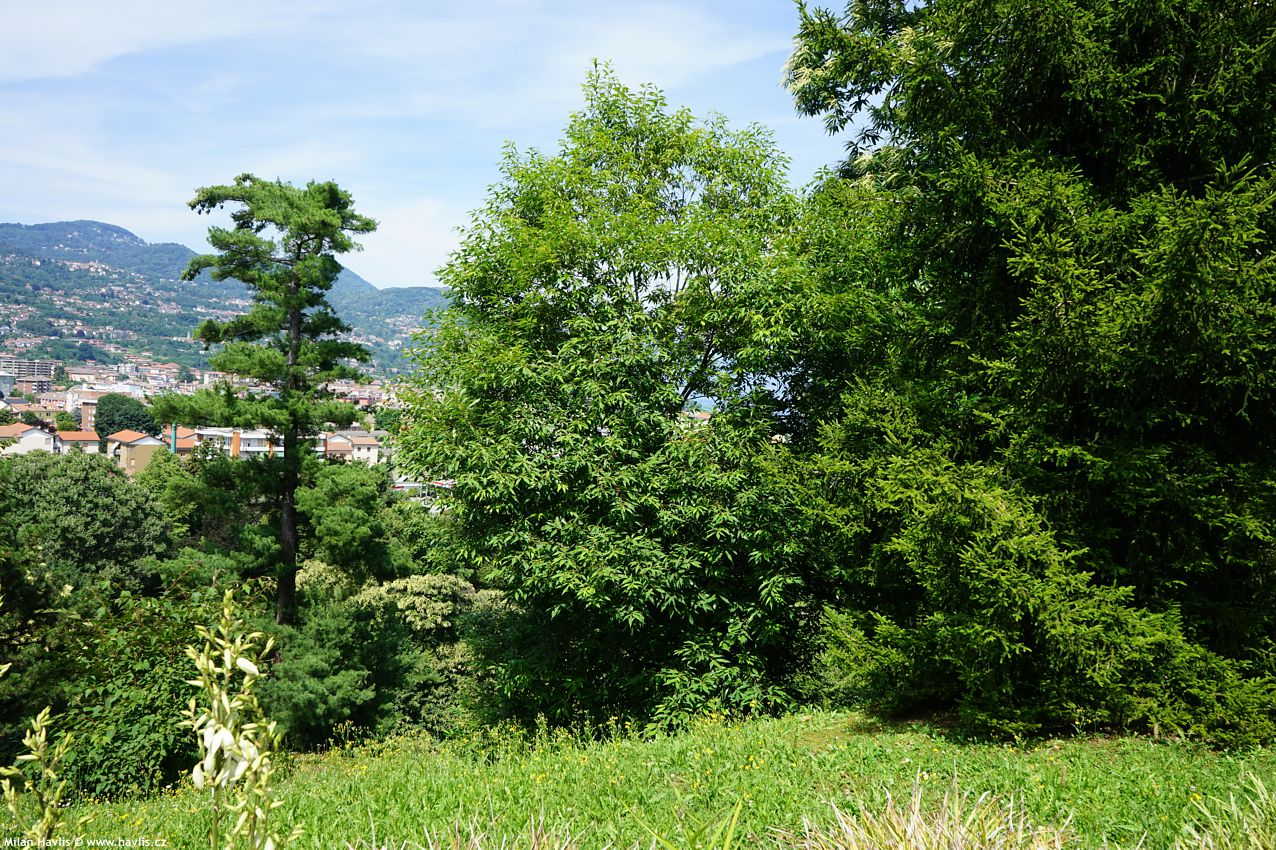
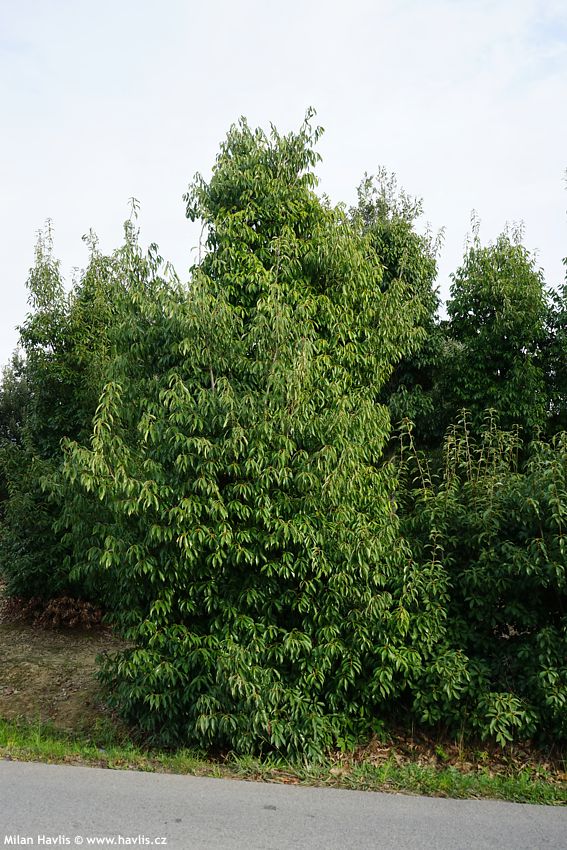
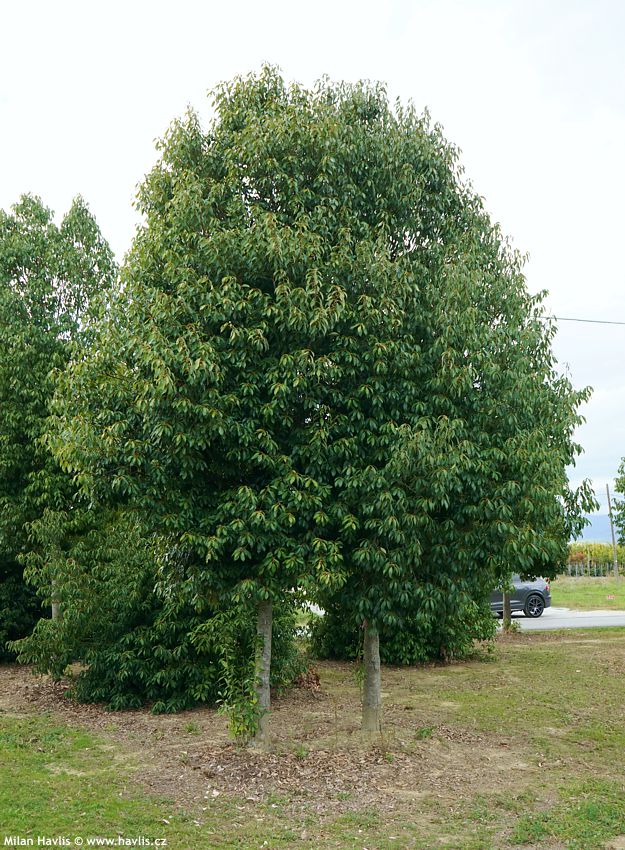
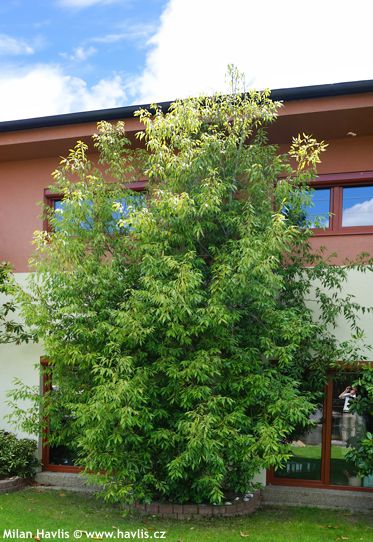
Imagine a tree that is evergreen, dense, yet never heavy-looking, and somehow unlike anything familiar. You rack your brains trying to remember where you may have seen it before. Got the picture? The answer is simple: you have not. It comes from Asia and remains almost unknown in Europe. Its name is Japanese blue oak, a small to medium-sized evergreen oak that reaches up to 20 m in its native habitat but usually only about half that height in our climate. Its crown is typically broad and dense, gradually developing a picturesque umbrella-like shape with age. It is often multi-stemmed, which only adds to its natural charm. Even from a distance it looks different from the oaks we know from European landscapes. It lacks both the rugged strength of the English oak and the stern dignity of the sessile oak. Instead, it is lighter, airier, and surprisingly elegant. Unlike many evergreen trees, it neither resembles an exotic curiosity nor a large shrub pretending to be a tree. It simply looks like a beautiful tree. With one small difference: while most oaks are fast asleep in January, this one remains green.
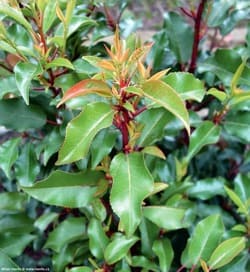
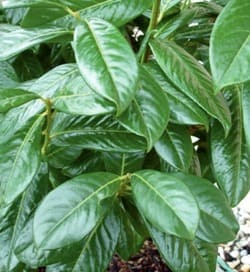
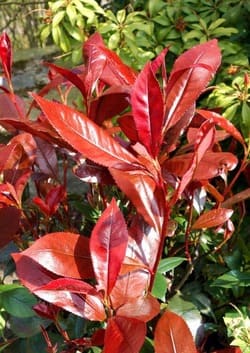
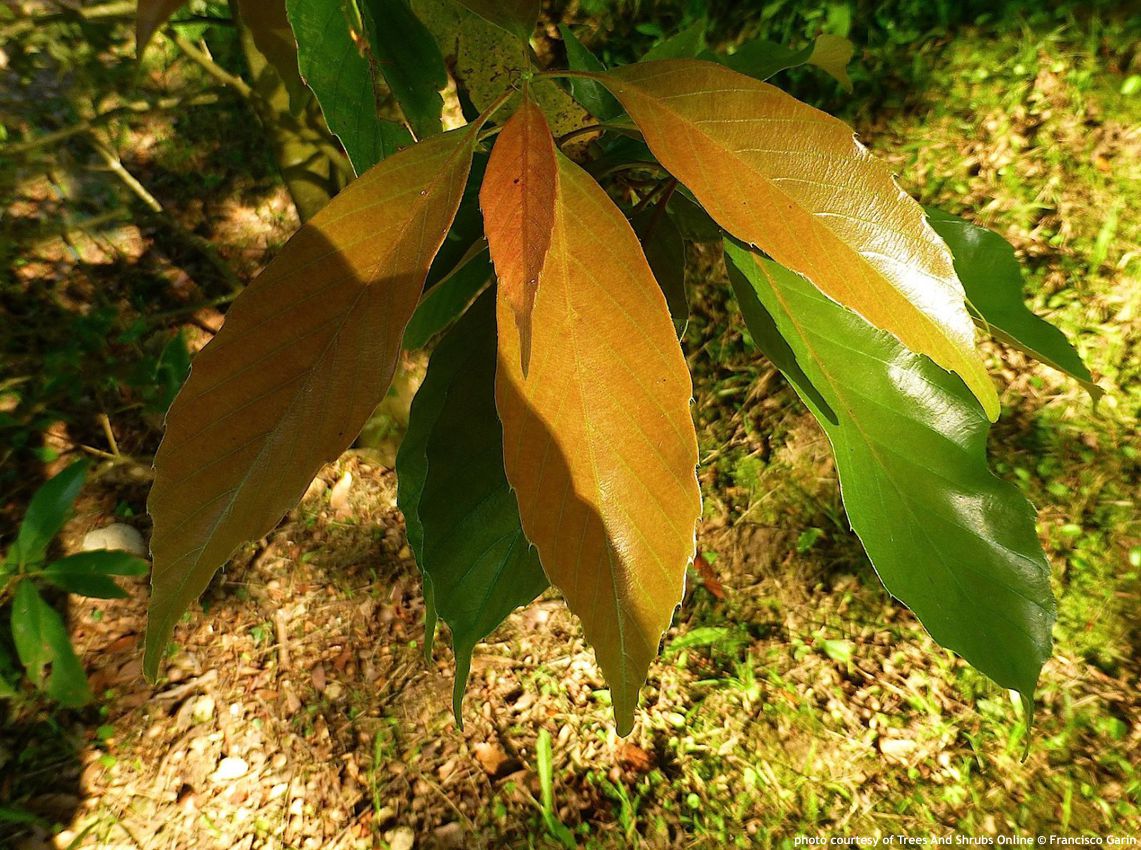
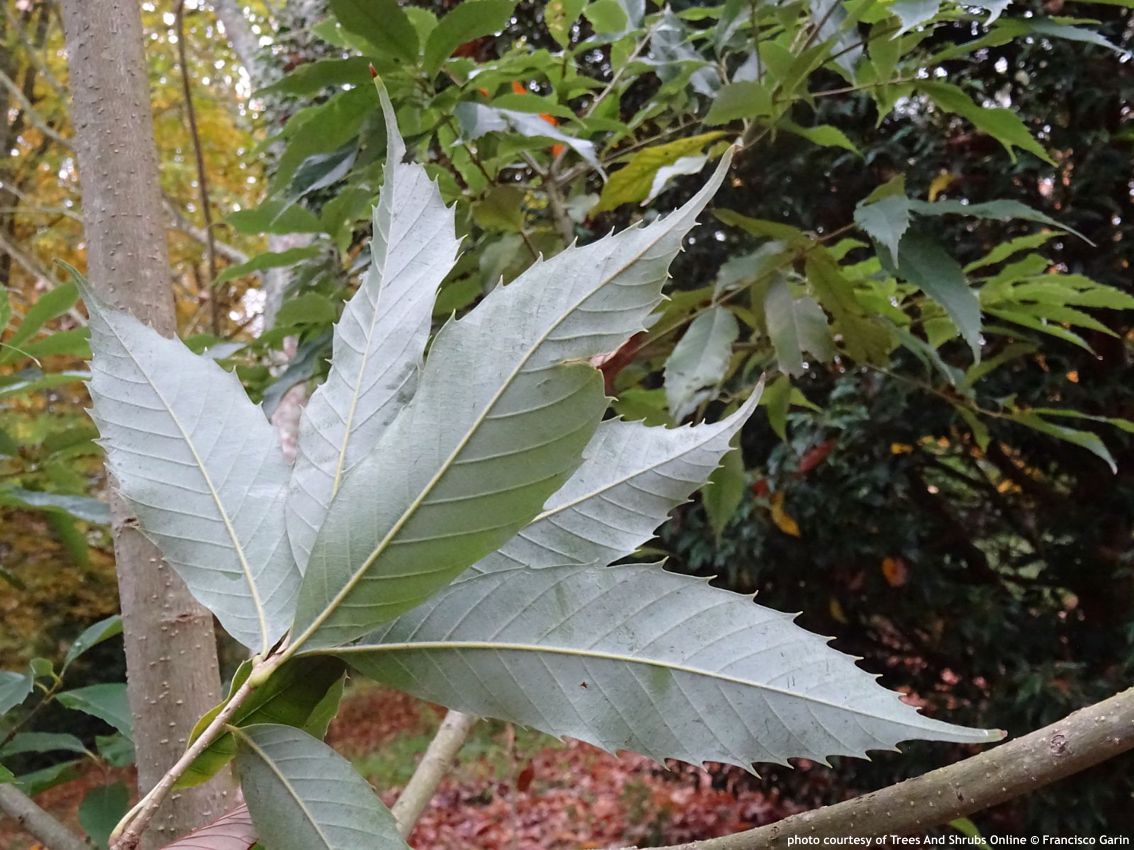
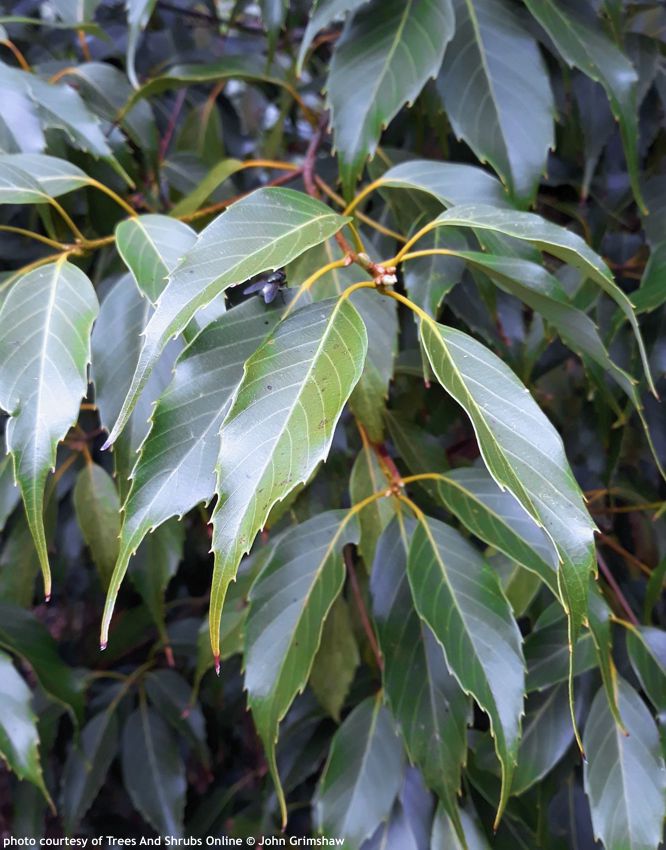
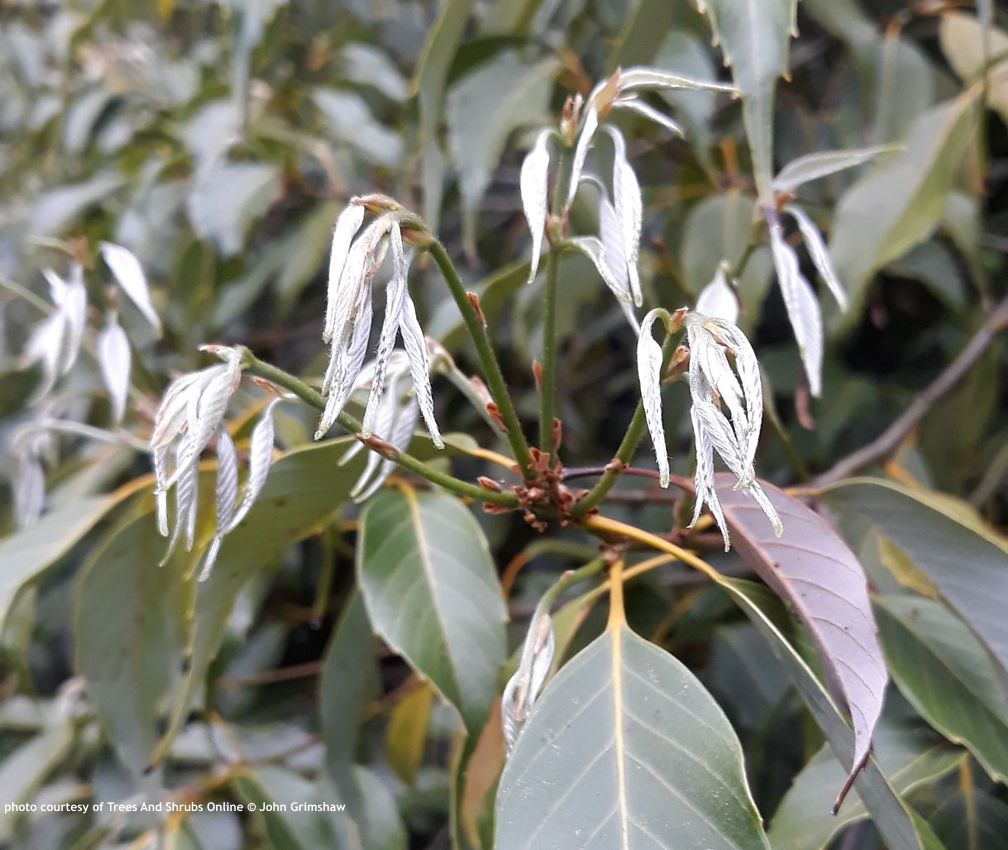
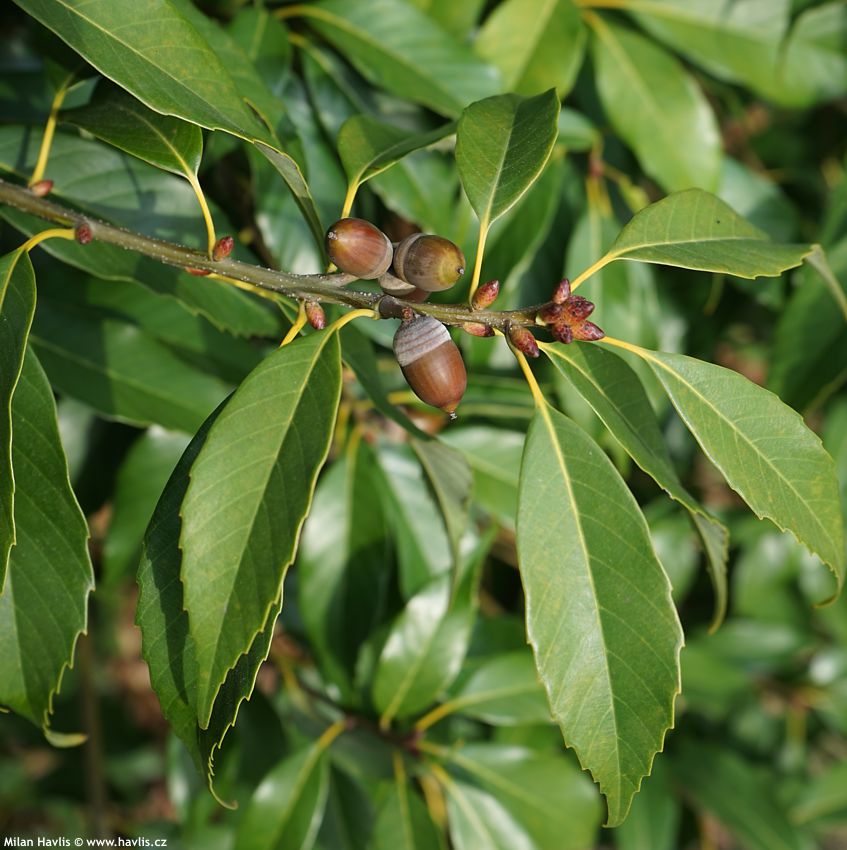
The leaves are leathery, elongated-elliptic to lance-shaped, dark green, and glossy. Their real magic, however, lies on the underside. Here they are grey-green to bluish glaucous and covered with fine appressed hairs. The slightest breeze turns the foliage over, transforming the crown into a constantly shifting display of green, silver, and blue shades. It is this very feature that gave rise to the name glauca, meaning “glaucous” or “bluish-grey”. If there is one season when this tree can win over even those otherwise indifferent to plants, it is spring. The new growth emerges in shades of chocolate brown, bronze, burgundy, and deep purple, creating a striking contrast with the older foliage. Those older leaves remain on the tree for two to three years, ensuring that the canopy stays dense and full throughout the seasons. Interestingly, the pale bark combined with the bluish undersides of the leaves creates a subtle impression of inner luminosity, so that the tree never appears sombre, even within its own shade.
Quercus glauca is often confused with Quercus myrsinifolia, as both belong to the Cyclobalanopsis section and share similar evergreen leaves and ringed acorns. However, they can be distinguished fairly easily. Glauca has broader, elliptic to ovate leaves with more pronounced teeth, dark green on the upper side and grayish to bluish underneath. In contrast, myrsinifolia has narrower, elongated to lanceolate leaves with fine serrations, often slightly drooping and bamboo-like in appearance. New foliage in glauca tends to be bronze to purple, while in myrsinifolia the shades vary widely and may include deep wine tones. The acorns of both species are similar, but those of glauca are generally shorter, and the cups usually cover a smaller portion of the nut. Additionally, Quercus glauca tends to grow as a shrub or multi-stemmed tree, whereas myrsinifolia naturally maintains a single-stemmed, tree-like form with a compact crown.
The Japanese blue oak is not demanding in terms of soil pH, but slightly acidic conditions are recommended for richer leaf coloration. It thrives best in well-drained, fertile, and moist soil that should not be heavy, although clay in the lower soil profile (30 cm and deeper) is beneficial as a nutrient reservoir. The planting site should be sheltered – not in open, wind-exposed landscapes or on hilltops – and ideally feature a mild microclimate, with full sun to partial shade. During the first three years after planting, it is essential to secure the tree with a strong wind-stabilizing support to help it root and establish. The root zone must remain free – no grass or competing plants should be planted above it, to prevent drying and stress. Watering is especially important during frost-free periods in winter, when the tree continues to transpire. It grows slowly but steadily, responds well to pruning, and thickens nicely after shaping. Pruning is best done in spring after the last frosts. Its frost resistance is around –20 °C, but young plants should be protected when temperatures drop below –15 °C, especially during sunny winter days following hard frosts, which can damage the tissues. Keep it mulched.
Last update 13-10-2025; 15-11-2026

Goods are shipped all over Europe. For Russia and U.K. and for further details please read about SHIPPING OPTIONS HERE.
Are you interested in a serious discount for orders NOV-FEB? Check your options here.
THE PRICES INCLUDE VAT of 15%. For quick conversion you can use 1 CZK = approx. 0.04 EUR
- STANDARD QUALITY - Plants of this group are 1st class quality with number of branches and overall density adequate to their size and age, considering they were container grown.
- DE LUXE QUALITY - This label guarantees a luxurious quality of manually selected plants that, compared to their height and age, are exceptionally dense and beautiful.
- EXTRA - These plants are usually mature and bigger specimens with exceptional overall appearance.
- STANDARD (as described in the plant form) means a tree with a trunk of 190-210 cm and a crown at the top, unless specified differently. The commercial size for trees is their girth measured in the height of 1m from ground.
- HOBBY - These plants are of the same quality as our standard-quality plants but younger and therefore cheaper.
- SHRUB - a woody plant with branches growing bushy from the ground level.
- HALF-STANDARD or MINI-STANDARD - a small tree with shorter trunk, its size is usually specified.
- FEATHERED - These are trees with branches growing already from the base of the trunk and up along the stem.
- GRASSES and PERENNIALS - Sizes given usually read the diameter of the pot or the clump, as specified.
