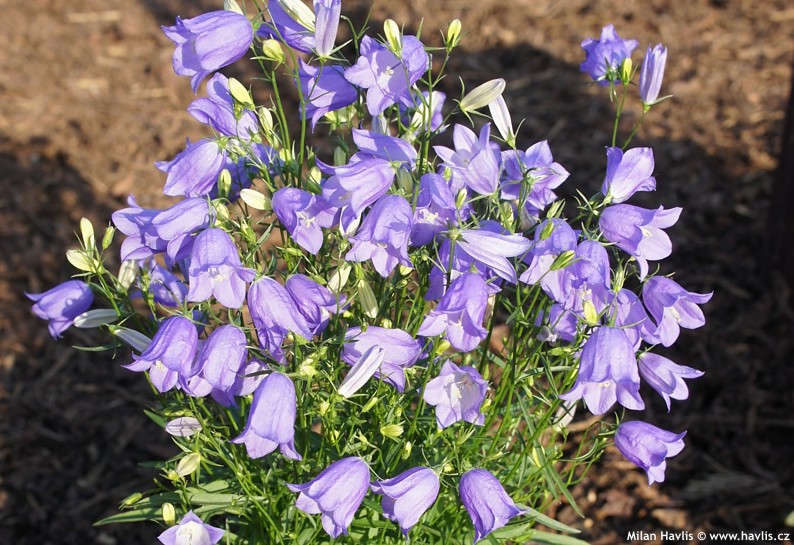
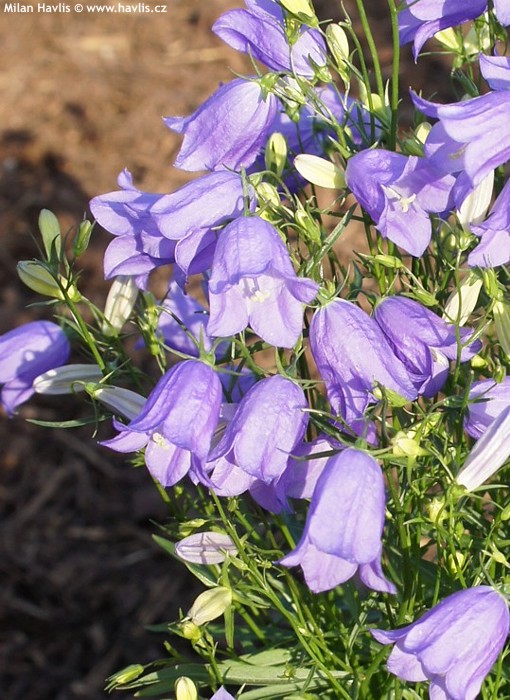
Campanula rotundifolia 'THUMBELL™ BLUE' harebell

 Symbivit Tric (arbuscular)
 Symbivit (arbuscular)
Campanula
The genus Campanula is one of the largest and most deeply rooted groups within the European flora. Depending on the taxonomic approach, it includes approximately 300 to 500 species, with the greatest diversity concentrated in the Mediterranean region, the Balkans, and the mountain ranges of Europe and western Asia. The genus was formally described by Carl Linnaeus (1707–1778) in 1753 in his seminal work Species Plantarum, where he already noted its remarkable variability in form and growth strategy. Bellflowers have accompanied people for centuries not only as ornamental plants, but also as part of folk symbolism, where the bell-shaped flower evoked voice, calling and protection. Genetic studies point to an ancient origin and repeated adaptations to extreme habitats, ranging from alpine screes to dry limestone slopes
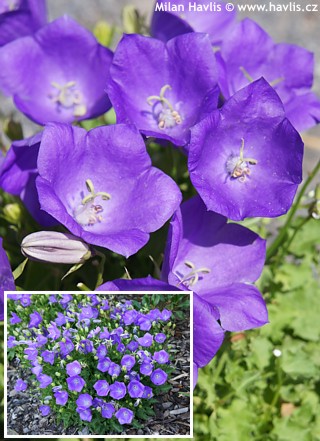
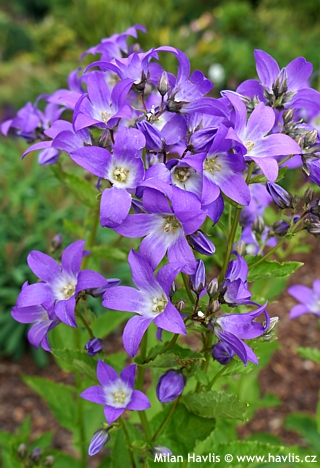
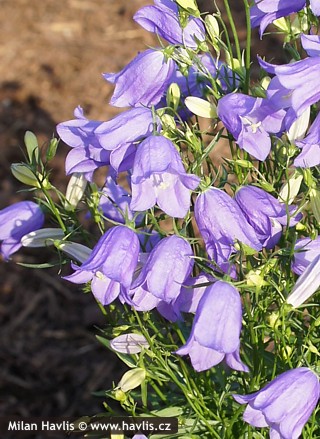
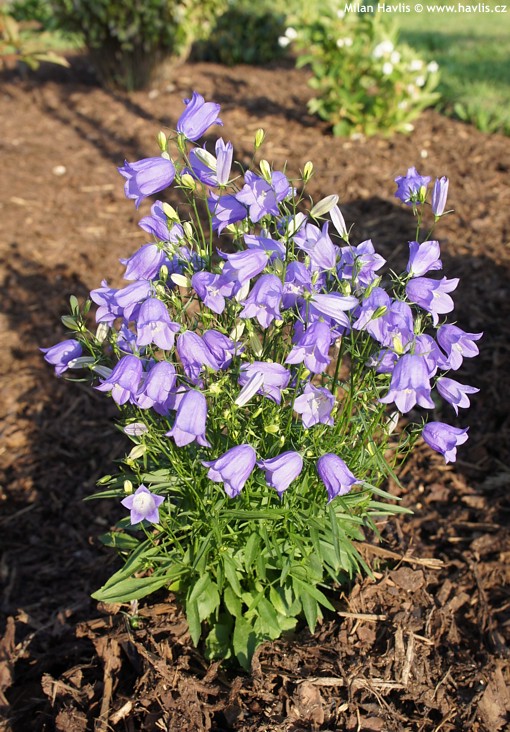
Thumbell™ Blue is an improved selection of harebell with cup-shaped, violet-mauve flowers on thin stems. They come out in early June and bloom over a long period throughout summer until September. The bottom leaves are rounded to heart-shaped, and along the stems they are linear.
Last update 25-06-2013
This harebell forms a bushy clump and prefers a sunny location. It can be grown under trees with thin canopies providing filtered sunlight. The soil should be evenly moist. Harebells are grown in rockeries, too, if the soil is not left too dry. Very hardy to min. -38°C (USDA zone 3a), possibly a little more.