









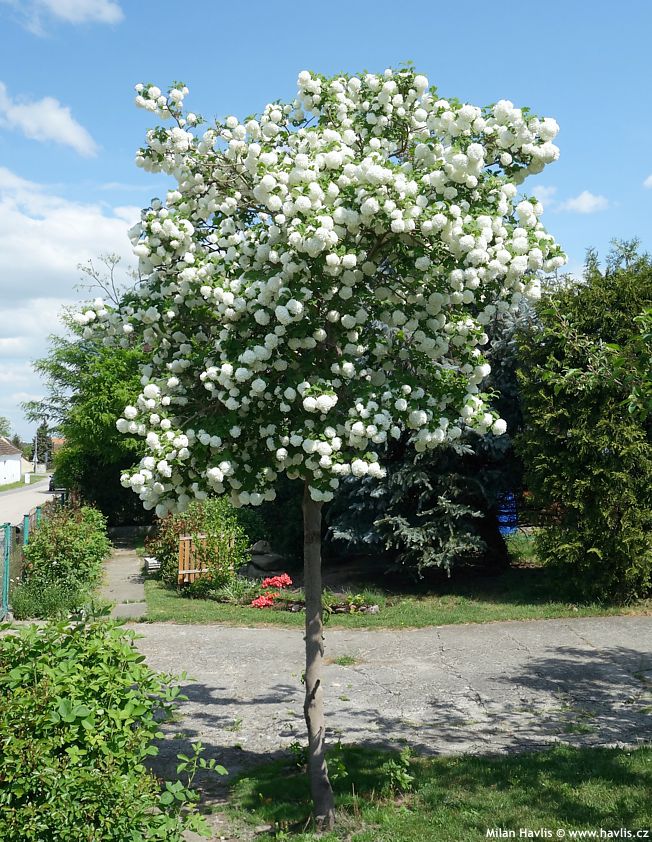
Viburnum opulus (syn. 'Sterile') 'ROSEUM' snowball tree

 Symbivit Tric (arbuscular)
 Symbivit (arbuscular)
Viburnum
The genus Viburnum includes around 150 species distributed across the temperate regions of the Northern Hemisphere, from eastern Asia through the Caucasus and Europe to North and South America. Botanically, it is an exceptionally diverse group: it comprises both deciduous and evergreen shrubs, species with strongly fragrant flowers as well as those with only a faint scent or none at all, and others grown primarily for their (inedible) fruit. This diversity is reflected in common horticultural practice and several informal groups – the fragrant winter viburnums (V. farreri and V. × bodnantense), the fruiting viburnums (V. opulus, V. trilobum), the evergreen Asian viburnums (V. davidii, V. tinus, V. cinnamomifolium), the large-leaved ornamental viburnums (V. plicatum, V. japonicum), and many more, including hybrids that combine traits from several groups. The genus has been known since antiquity, and its Latin name Viburnum appears in the works of Roman authors around the turn of the era, such as Virgil and Pliny the Elder.
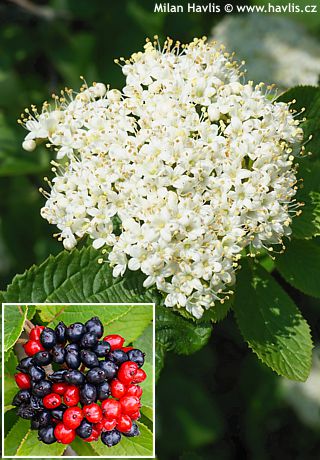
Guelder rose, Viburnum opulus, is arguably THE species by which many people picture a viburnum. It occurs naturally from the British Isles and France across central and northern Europe, through Ukraine and the Balkans, and onwards to the Caucasus, Kazakhstan and western Siberia. This is the species that inspired many traditional names and customs associated with viburnums throughout the Slavic world. Unlike numerous Asian species, it is valued not for exotic foliage or evergreen leaves but for the dramatic changes it undergoes throughout the year. In late spring and early summer, it flowers abundantly, providing nectar for a wide range of pollinators, while in autumn it becomes laden with translucent red fruits that often remain on the branches deep into winter. This ability to provide food for birds during the lean months helps explain why the species has persisted for centuries not only in natural habitats but also around villages, along roadsides, on field margins and in rural gardens. In traditional herbal medicine, both the bark and the fruits were used, although their distinctly bitter flavour, caused by the compound viburnin, remains a challenge for most people even when fully ripe.
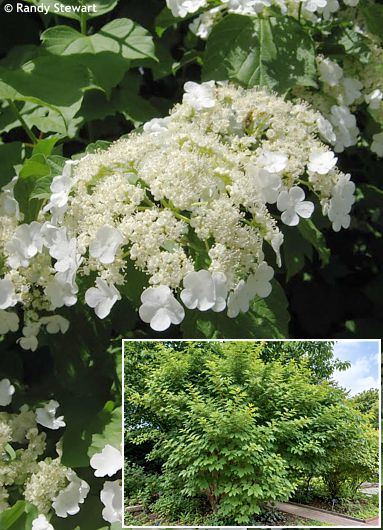
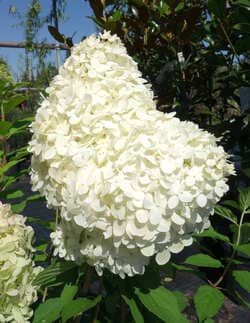
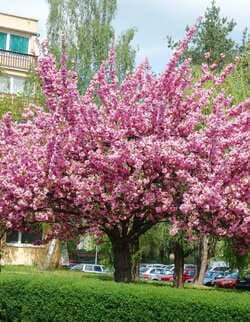
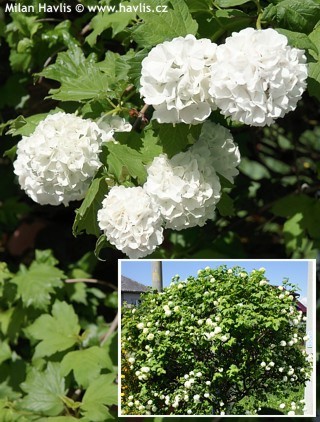
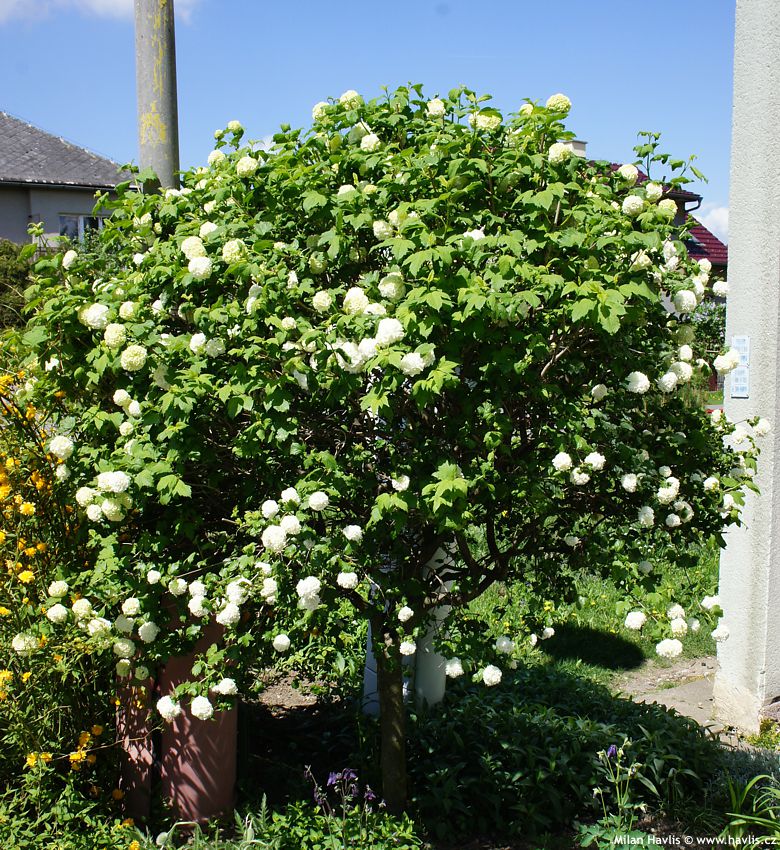
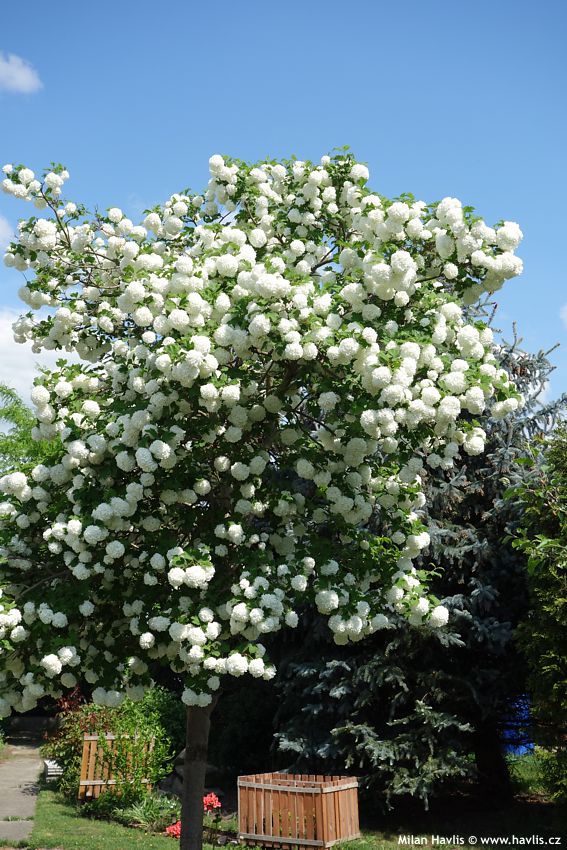
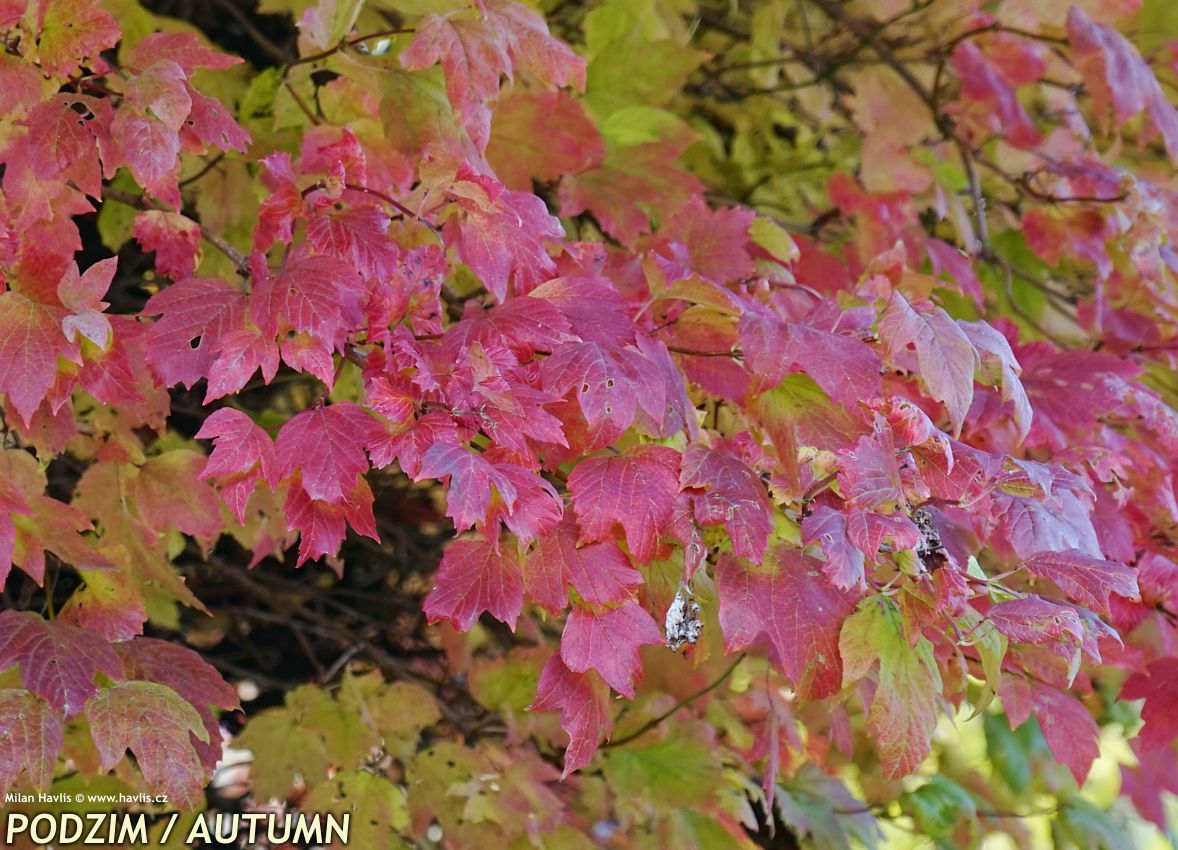
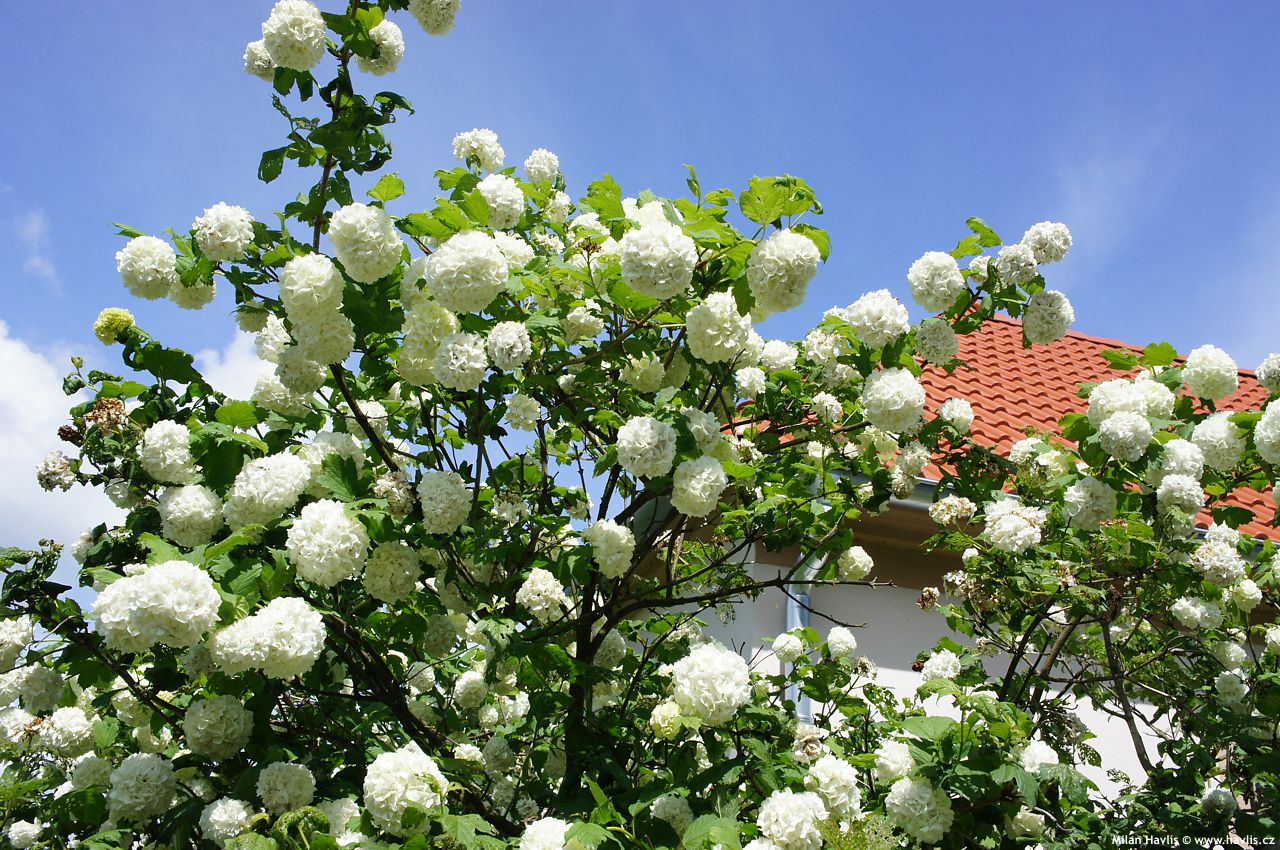
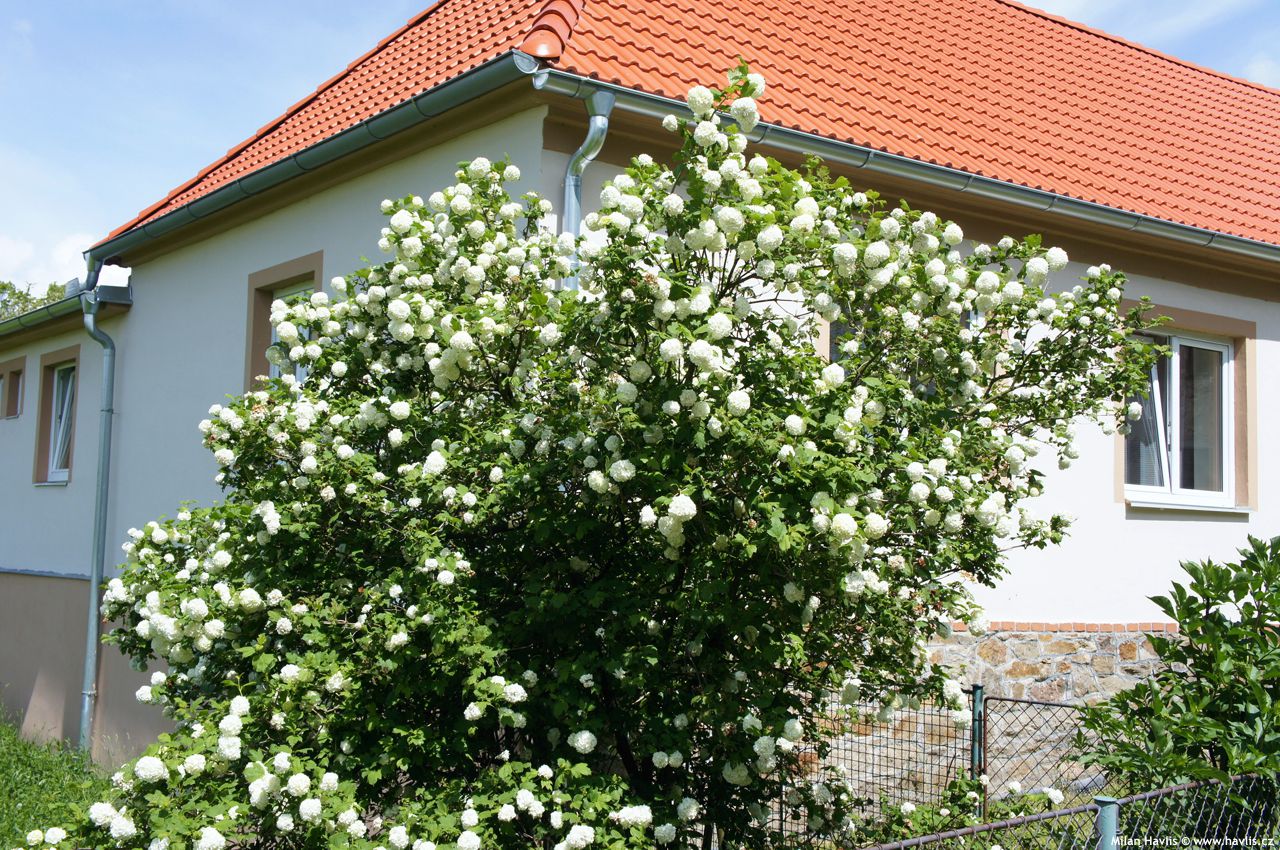
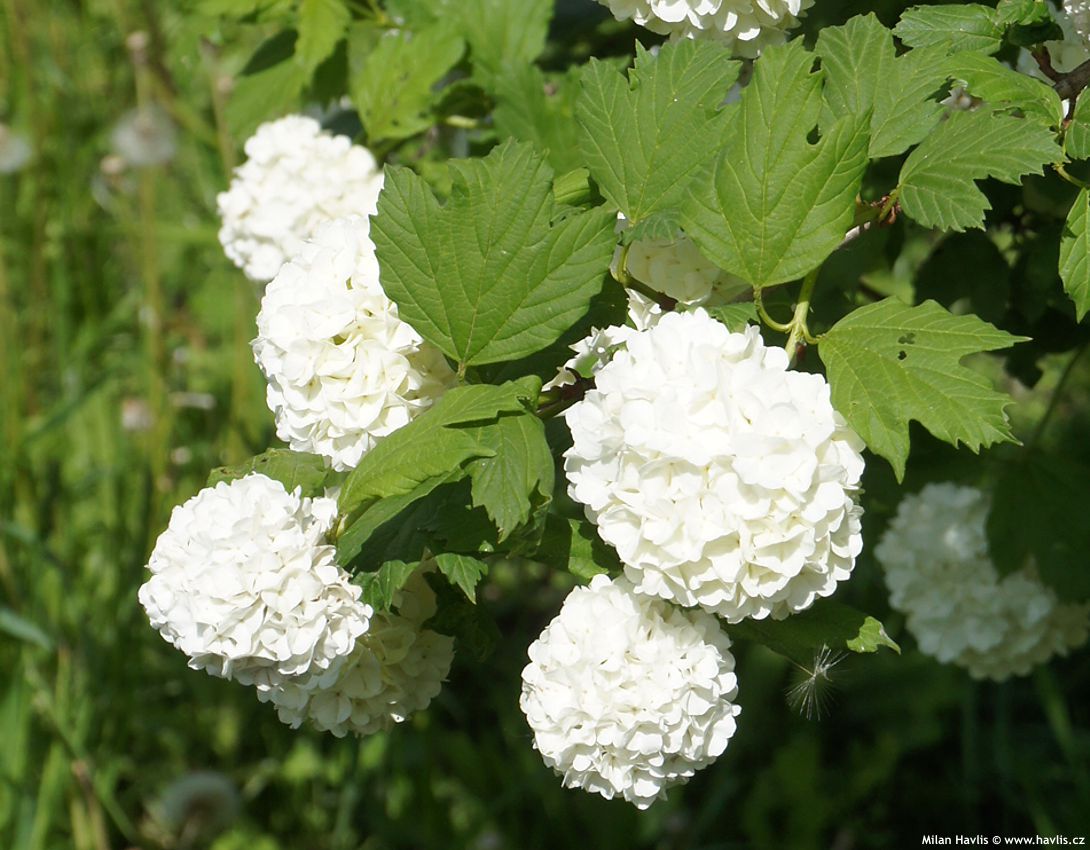
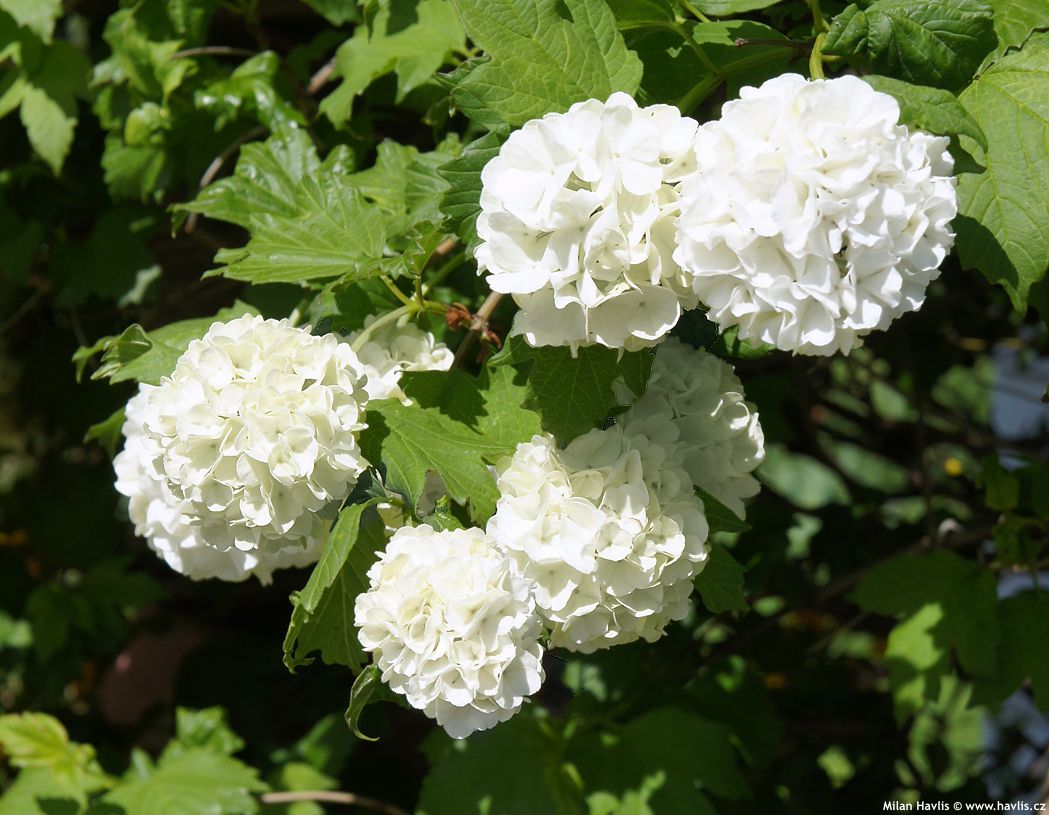
If there were ever a contest to crown the queen of viburnums, Roseum would very likely end up wearing the tiara. This is exactly the viburnum people remember from cottage gardens and grand estates alike, often recognising it instantly without having the faintest idea what it is actually called. When it bursts into bloom in late May and early June, within days it transforms into a living collection of snowballs that, thankfully, refuse to melt. These perfectly rounded flower heads, 8-12 cm across, emerge in a fresh green shade, gradually lighten, and eventually glow pure white. In a good year there can be so many of them that the foliage almost disappears from view and the entire shrub begins to resemble one of two things: to an adult, an enormous bouquet prepared for a garden celebration; to a child, an arsenal of snowballs that really ought to be hurled at anyone passing by in the name of complete fairness. Unlike the botanical species, it produces no fruit because the flowers are sterile. The leaves, however, are every bit as attractive. Deciduous and distinctly three-lobed like those of a maple, they remain bright green throughout summer before turning shades of yellow or orange and predominantly red in autumn. The shrub grows upright to broadly spreading and eventually reaches 2-3 m in height and width, occasionally adding another metre in particularly favourable conditions.
It is no coincidence that this viburnum has gathered so many names over the centuries. Alongside the botanically correct cultivar name'Roseum', you may still encounter'Sterile', referring to its lack of fruit, as well as Snowball Tree, Common Snowball, or simply Snowball Viburnum. All of these names tell essentially the same story: people have always prized it above all for its flower heads resembling great white snowballs. The exact origins of the cultivar have been lost to history. What is known is that it ranks among the oldest ornamental shrubs still grown in European gardens today. It was already recorded in cultivation by the middle of the 16th century and is thought to have originated in the Netherlands as a naturally occurring sterile form of Guelder rose. Its enduring popularity is not merely the product of generations of gardeners looking back with nostalgia. That popularity was finally recognised in 1993, when the Royal Horticultural Society awarded it the prestigious Award of Garden Merit (AGM). And deservedly so. Besides wearing the crown of beauty, 'Roseum' would most likely have taken home the People's Choice Award for patience as well. After all, what modern-day contestant would be willing to wait more than 400 years for recognition?
Last update 12-01-2011; 14-10-2019; 29-08-2021; 22-11-2026
Guelder rose is an exceptionally adaptable, undemanding and genuinely low- or even no-maintenance shrub. It performs best in full sun or light partial shade, although it tolerates considerably deeper shade, where it flowers and fruits less freely. While highly tolerant of different soil types, it is mostly found in the wild on moist sites. If you want it to look its very best, provide a deep, humus-rich soil that does not dry out completely during summer. Even so, it remains perfectly happy under far less favourable conditions. It copes well with heavier clay soils and occasional waterlogging, and surprisingly also withstands periods of summer drought. It requires no fertiliser. Pruning is unnecessary, as the plant naturally develops an attractive, well-balanced framework. Should reduction, thinning or rejuvenation become necessary, the best time is shortly after flowering. Hard annual pruning is generally counterproductive, as it reduces both flowering and fruiting while spoiling the shrub’s natural habit. It is not particularly suited to long-term container cultivation because it eventually develops both a substantial shrub and an extensive root system. It tolerates wind, urban conditions, winter road salt and severe frost with ease. The fruits are edible only after processing or exposure to frost; when eaten raw in larger quantities they may cause digestive discomfort, although they are not generally classified as poisonous. The species is fully hardy to approximately −40 °C (USDA Zone 3).