










Viburnum × burkwoodii 'ANNE RUSSELL' Burkwood viburnum, arrowwood

 Symbivit Tric (arbuscular)
 Symbivit (arbuscular)
Viburnum
The genus Viburnum comprises approximately 150 species distributed across the temperate regions of the Northern Hemisphere, from East Asia through the Caucasus and Europe to North and South America. Botanically, it is an exceptionally diverse group, including both deciduous and evergreen shrubs, species with strongly fragrant flowers as well as those with little or no scent, and species cultivated primarily for their ornamental fruit. One of the most important garden hybrids within this genus is the Burkwood viburnum (Viburnum × burkwoodii), which originated in England in the 1920s from a cross between Viburnum carlesii and Viburnum utile. The hybrid was bred by Arthur Burkwood and quickly gained popularity for its combination of strongly scented flowers, more compact growth and good frost hardiness. Viburnum × burkwoodii subsequently became an important starting point for further breeding and laid the foundation for an entire group of modern hybrid viburnums intended for gardens in temperate climates.
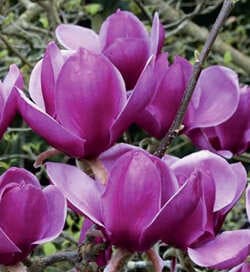
As the popularity of viburnums increased, so did the need for more compact plants. Many botanical species proved too large for smaller gardens, which led to targeted breeding. This made it possible to combine a manageable size with frost hardiness, fragrance, long-term stability and good overall health. One of the most important breeders of viburnums was Donald Egolf (1928–1990), a research horticulturist at the U.S. National Arboretum, who successfully linked systematic botany with practical plant breeding. His work was based on his own research into viburnums, which already in the 1960s clarified which species could be meaningfully crossed and how desirable traits were inherited. His breeding programme produced cultivars such as ‘Mohawk’, ‘Cayuga’, ‘Onondaga’, ‘Conoy’ and ‘Eskimo’, all selected for compact growth, reliable flowering and suitability for gardens in temperate climates. Egolf’s contribution, however, extended well beyond viburnums. As the international registrar of the genus and the author of fundamental systematic studies, he played a major role in broader botanical research, and his work still forms the professional foundation of modern breeding not only of viburnums but also of other ornamental woody plants. A notable example is his frost-hardy hybrid crape myrtles, which became the basis of modern cultivation of this genus in cooler regions and are known in the literature as Lagerstroemia × egolfii.
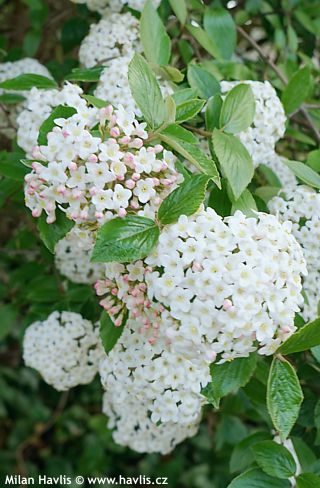
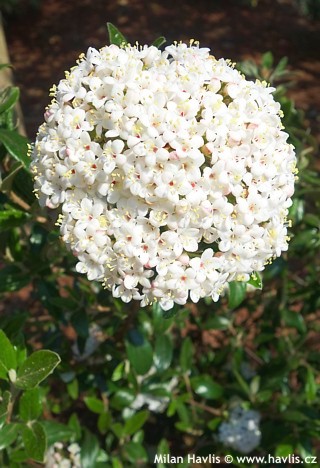
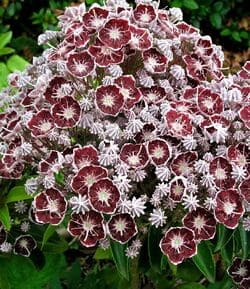
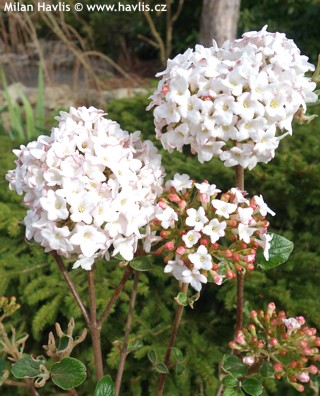
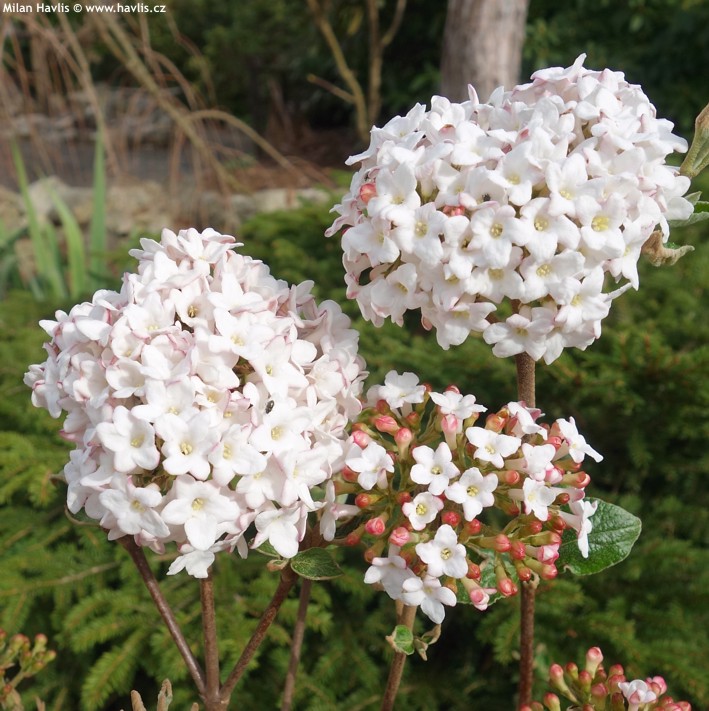
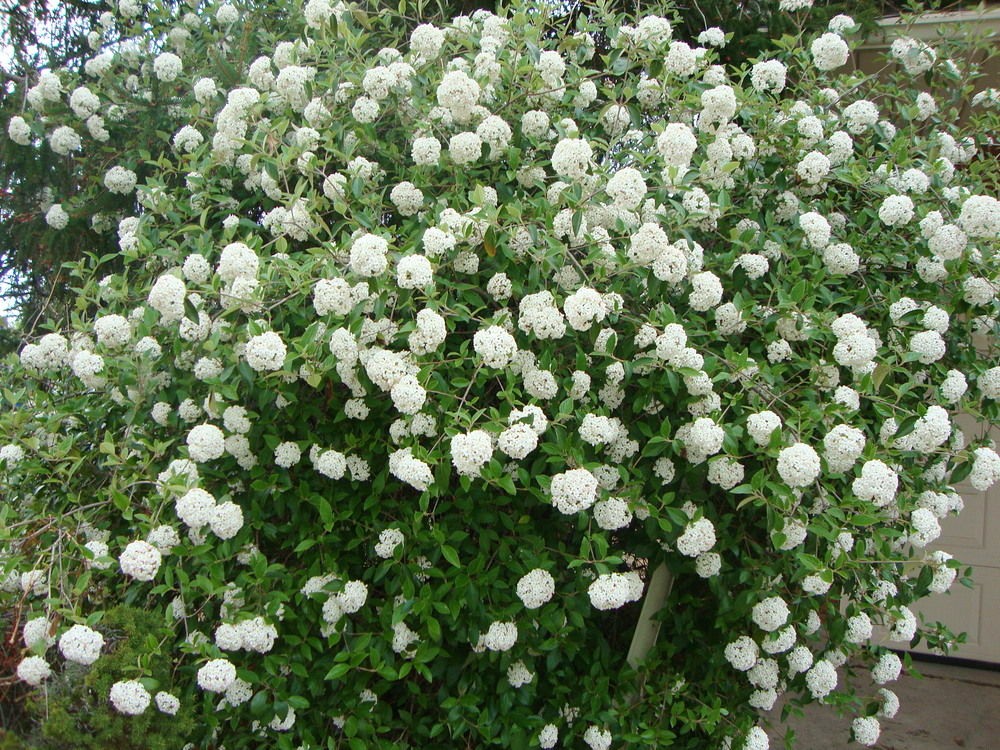
Burkwood viburnum is a garden hybrid between v.carlesii and v.utile made in England in 1924. It belongs to the most fragrant viburnums whose flowers people can smell from a distance of 7 or even 8 meters. Small, intensely sweetly scented, tubular flowers are composed in spherical clusters about 10 cm across, and are produced in early spring. Sometimes a few flowers are produced in late autumn if the weather is sunny and warm. They are followed by small, red, inedible fruit turning black later.
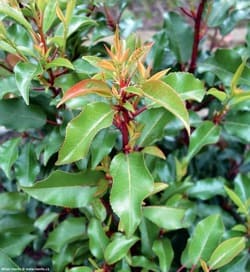
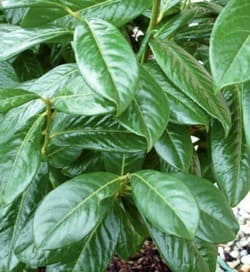
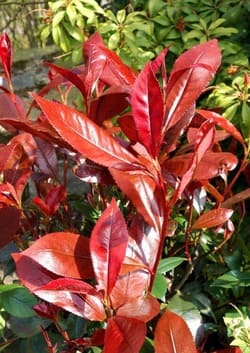
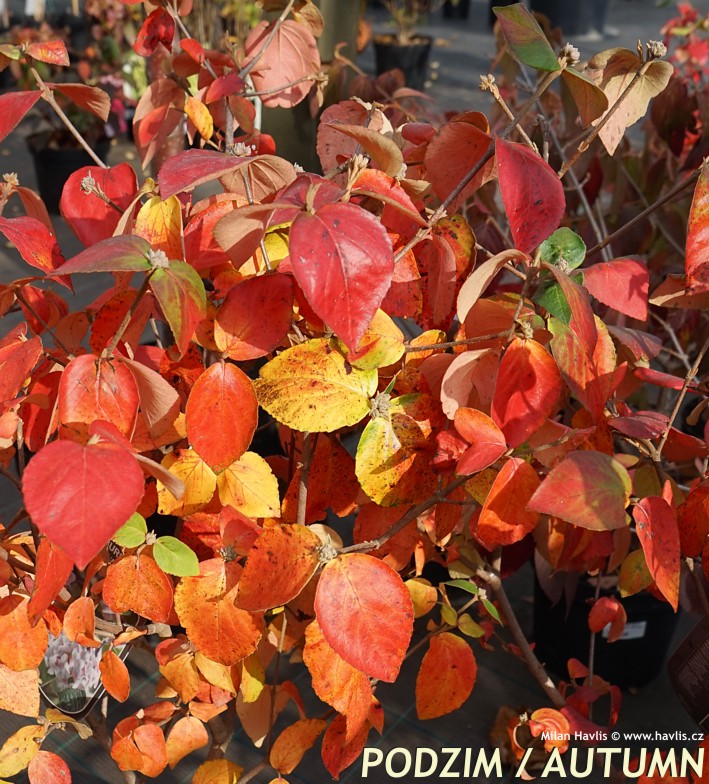
Anne Russell is a compact variety producing profusion of fragrant flowers opening from glossy, pink buds in late April and early May. Leaves are dark green, ovate, 6-10 cm long, and glossy. They are evergreen from zone 8 up and deciduous or semi-evergreen in colder regions, making a handsome show of pastel shades of scarlet red and golden yellow in autumn. The plant grows moderately (about 20 cm per year), forming bushy, rounded shrubs with slightly flat tops. Pruning is not needed to improve branching, but can be done to make a prettier shape or to keep it smaller. Prune it just after the blooming has finished before the leaves unfold completely
Last update 22-04-2018
Burkwood viburnums and related hybrid viburnums are undemanding shrubs suitable for most gardens in temperate regions. They perform best in full sun to partial shade, in humus-rich, moderately moist but well-drained soil. They tolerate a wide range of ordinary garden soils, except for extremes, particularly sites that are persistently dry or permanently waterlogged. After planting, regular watering is required, but once established they are tolerant of short periods of drought. Pruning is not essential; if shaping or rejuvenation is required, it should always be carried out immediately after flowering, as the plants flower on the previous year’s wood. Feeding is not necessary, but may support vigour and flowering, most commonly in spring using compost or a balanced fertiliser for ornamental shrubs. Frost hardiness is high, and in proven cultivars reaches approximately −29 °C (USDA zone 5), possibly a bit more.

.jpg)