Home > Catalogue > by foliage >

deciduous broadleaf

deciduous broadleaf beginning with: complete list

CURRENTLY IN STOCK:

5411_1.jpeg
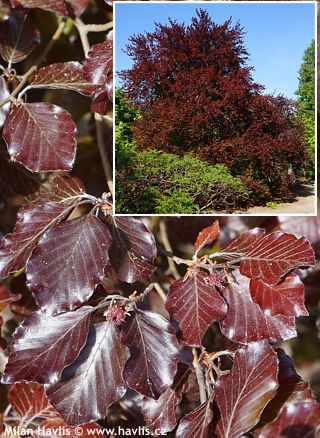
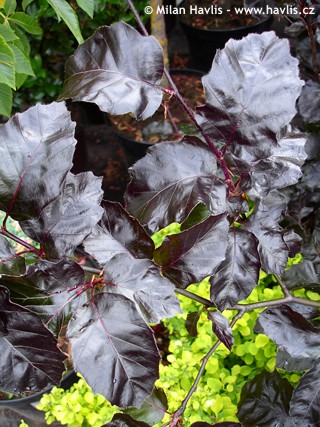
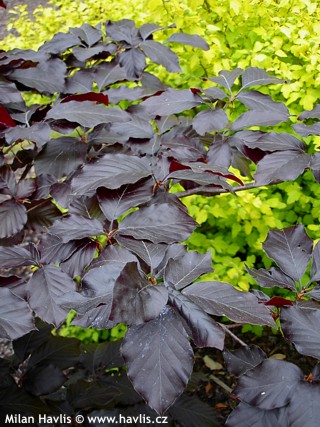
Atropunicea is a copper beech variety from the atropurpurea group but not a synonym for forma purpurea as often described. Atropunicea is a vegetatively propagated variety which keeps its characteristics and is much smaller that the species, nearly half its size. It features maroon foliage which is ...
8 - 12m
6 - 8m
full sun
4   (down to -34°C)
Code of winter protection zone 5+6
for zone 5+6
Code of winter protection zone 7
for zone 7
235_1.jpeg
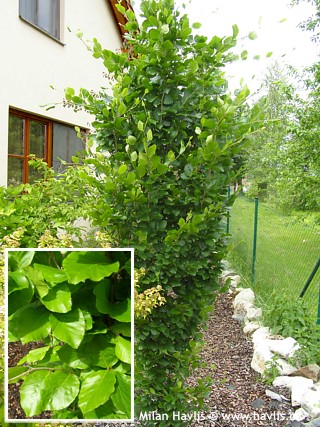
Dawyckii varieties of common beech are very popular for their habit and leaf colours. Dawyck Gold has upright, columnar habit, its initial slow growth changes after a few years to medium-fast, never really fast. Young leaves are bright yellowish green, turning to glowing grass green throughout the s ...
10 - 15m
1 - 3m
full to partial sun
4   (down to -34°C)
Code of winter protection zone 5+6
for zone 5+6
Code of winter protection zone 7
for zone 7
236_1.jpeg
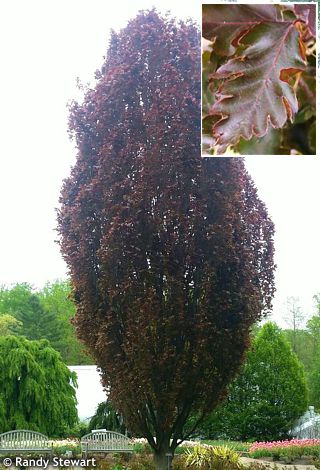
Dawyckii varieties of common beech are very popular for their habit and leaf colours. Dawyck Purple has upright, columnar habit, its initial slow growth changes after a few years to medium-fast, never really fast. Spring leaves are striking purple, colour slightly deepens throughout the summer. Lack ...
10 - 15m
1 - 3m
full sun
4   (down to -34°C)
Code of winter protection zone 5+6
for zone 5+6
Code of winter protection zone 7
for zone 7
5089_1.jpeg
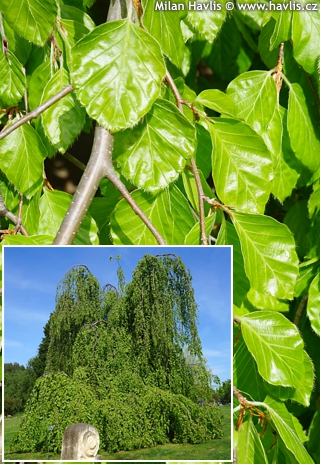
Pendula is a weeping form of European beech first introduced by George Loddiges in his nursery in London, UK, in 1836. It bears deciduous, 6-10 cm long, broadly elliptic-ovate, glossy leaves that emerge bright green, mature to dark green in summer, and turn yellow and brown shades in autumn. Its wee ...
8 - 20m
5 - 15m
full to partial sun
4   (down to -34°C)
Code of winter protection zone 5+6
for zone 5+6
Code of winter protection zone 7
for zone 7
487_1.jpeg
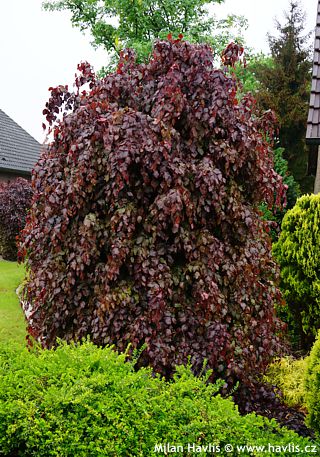
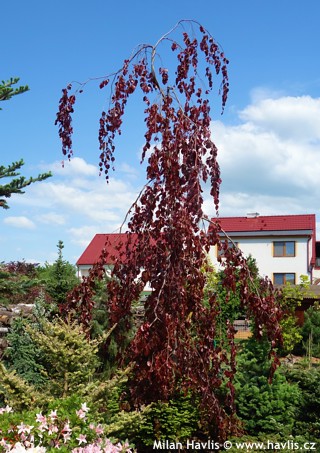
This red-leaved variety of common beech was a chance seedling from 1975. It is a slow growing small tree with weeping branches that do not need staking. The deciduous leaves are rich purple or nearly reddish-black, glossy. Thanks to its slow growth rate and reduced size it is suitable for small gar ...
3 - 6m
full sun
4   (down to -34°C)
Code of winter protection zone 5+6
for zone 5+6
Code of winter protection zone 7
for zone 7
1440_1.jpeg
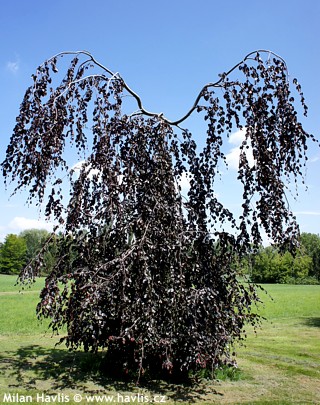
Purpurea Pendula is a perfect example of a beautiful garden-origin eech. It is a slow growing small tree with a mushroom head of pendent branches, usually grafted from 1.5 to 2m tall. The deciduous leaves are rich purple-black (if grown in full sun) that create a fascinating waterfall of striking co ...
1,5 - 2,5m
1,5 - 2m
full sun
4   (down to -34°C)
Code of winter protection zone 5+6
for zone 5+6
Code of winter protection zone 7
for zone 7
4354_1.jpeg
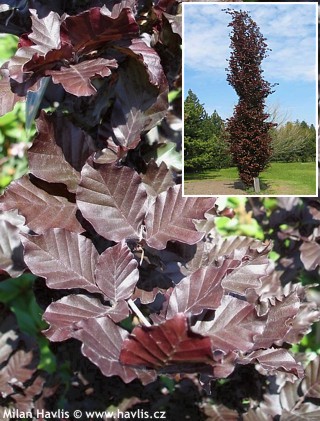
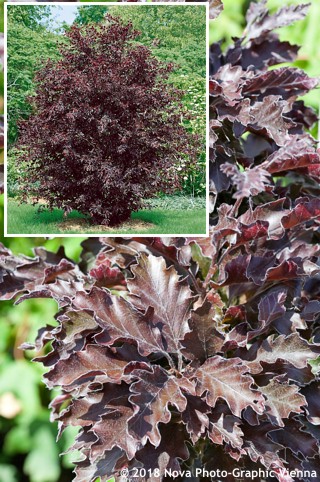
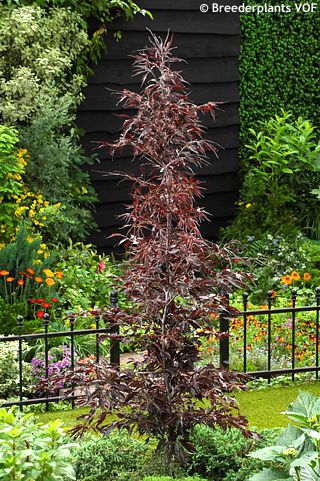
Rohan Obelisk beech produces deciduous leaves with coarse margins. They are glossy, slightly undulated, and emerge bright burgundy red, mature to deep copper red to almost brown-red while leaves which lack direct sunlight are dark green. In autumn they turn amber orange and brown for a short period ...
8 - 12m
2 - 3m
full sun
4   (down to -34°C)
Code of winter protection zone 5+6
for zone 5+6
Code of winter protection zone 7
for zone 7
141_1.jpeg
Riversii (syn. 'Purpurea Major') is a variety of European beech, a slow growing big tree with deep maroon leaves. They are elliptic-ovate, deciduous, emerge bright burgundy red, maturing to deep purple maroon and deep green inside the crown in summer, and eventually turn copper orange in autumn. ...
15 - 18m
5 - 10m
full sun
4   (down to -34°C)
Code of winter protection zone 5+6
for zone 5+6
Code of winter protection zone 7
for zone 7
436_1.jpeg
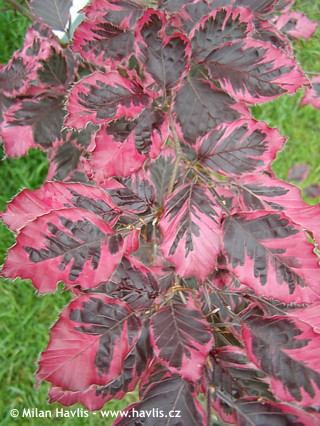
Beech is a reliable and hardy tree of our climate. Variety Purpurea Tricolor has deep burgundy red leaves with pink margins that, upon conditions, can reach the centre of the leaf. Natural habit is quite airy and thin when young. When mature it reaches well over 10 meters but this happens seldom, ...
3 - 15m
3 - 10m
full sun
4   (down to -34°C)
Code of winter protection zone 5+6
for zone 5+6
Code of winter protection zone 7
for zone 7
687_1.jpeg
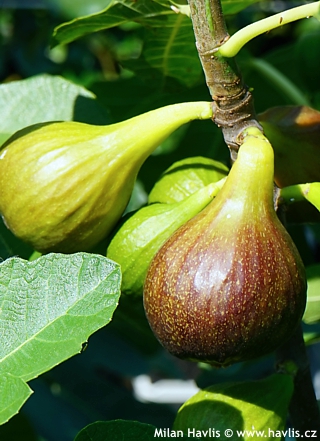
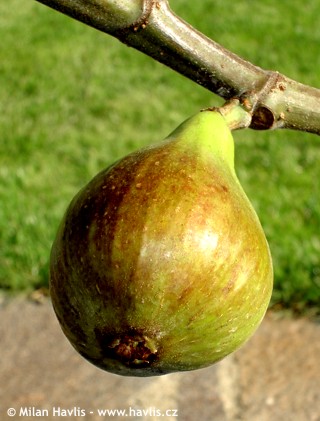
Another hardy fig that can grow and even fruit in our climate (zone 6) is called Bornholm’s Diamond (Bornholms Diamant). Its name and characteristics were derived from a Swedish variety called Bornholm bred on on island of the same name. This one is more tolerant of damp weather which makes it ...
1 - 2m
full sun
6b   (down to -21°C)
Code of winter protection zone 5+6
for zone 5+6
Code of winter protection zone 7
for zone 7
447_1.jpeg
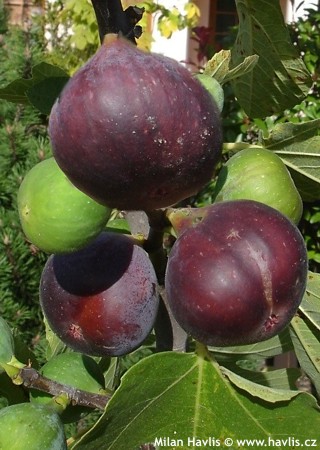
One of the hardiest figs for our climate (zone 6) is named Brown Turkey. As the name suggests the fruit is brownish-red or blackish-purple, relatively large and sweet. They do not require pollination. Immature fruit and branches contain sap which can be an eye and lip-irritant. Palmate leaves are ve ...
1 - 2m
1 - 2m
full sun
6b   (down to -21°C)
Code of winter protection zone 5+6
for zone 5+6
Code of winter protection zone 7
for zone 7
5701_1.jpeg
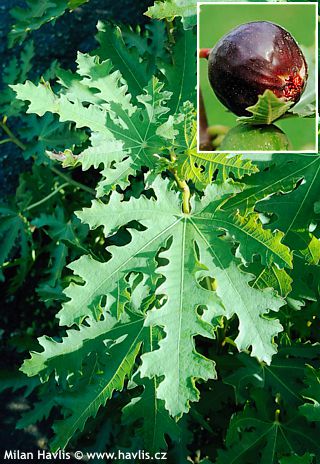
Ice Crystal is a unique variety of fig tree which probably rose from spontaneous crossbreeding with ficus afghanistanica. It stands out for its beautiful, palmate, deeply lobed leaves whose margins are picturesquely carved with smaller lobes and notches, so with a little imagination you can get the ...
1 - 2m
1 - 2m
full sun
6   (down to -23°C)
Code of winter protection zone 5+6
for zone 5+6
Code of winter protection zone 7
for zone 7
4524_1.jpeg
Peretta® is a Swiss addition to the group of hardy figs for zone 6. It produces greenish-brown, sweet fruit from mid August. They do not require pollination. Immature fruit and branches contain sap which can be an eye and lip-irritant. Palmate leaves are very ornamental – mid green and la ...
1 - 2m
1 - 2m
full sun
6   (down to -23°C)
Code of winter protection zone 5+6
for zone 5+6
Code of winter protection zone 7
for zone 7
762_1.jpeg
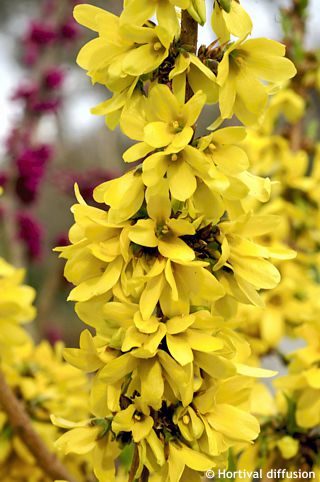
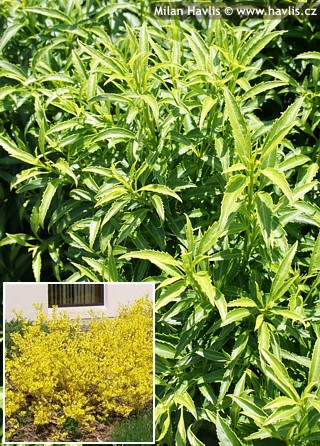
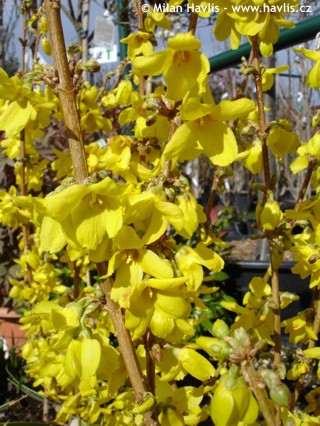
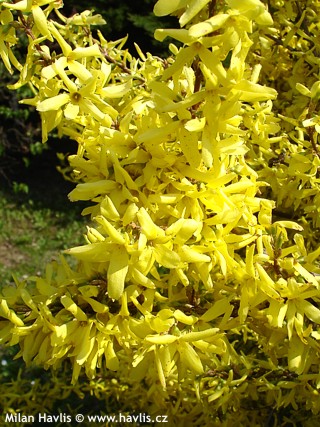
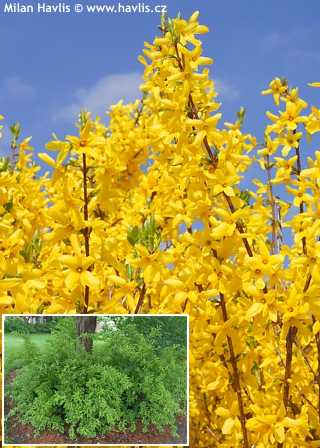
Golden bell is one of the earliest blooming shrubs in Central European spring. Though considered one of the most usual, perhaps boring and omnipresent shrubs, once it puts up its millions of vivid yellow flowers it cheers up many tired faces. Forsythia x intermedia is a hybrid between F. suspensa x ...
IV - IV
1 - 2m
1 - 2m
full to partial sun
5   (down to -29°C)
Code of winter protection zone 5+6
for zone 5+6
Code of winter protection zone 7
for zone 7
5636_1.jpeg
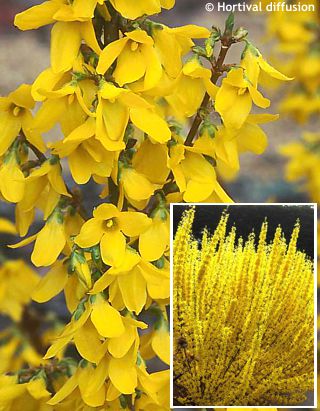
MINIGOLD® is a French variety of compact and shorter growing golden bell from 1972. It makes strong and upright branches, covered with a profusion of sulphur-yellow flowers from April. They are usually not visited by bees as they contain very little nectar and are only used if other flowers des ...
IV - V
1 - 1,5m
1 - 1,5m
full to partial sun
5   (down to -29°C)
Code of winter protection zone 5+6
for zone 5+6
Code of winter protection zone 7
for zone 7
4079_1.jpeg
MIKADOR® is a French introduction of golden bell from 2012. It exhibits compact growth with upright, strong branches, and rich, sulphur yellow flowers. Deciduous leaves are lanceolate, mid-green, serrated. The bark is yellow-green to yellow-brown. It can be pruned almost any time from spring un ...
IV
1 - 2m
1 - 2m
full to partial sun
5   (down to -29°C)
Code of winter protection zone 5+6
for zone 5+6
Code of winter protection zone 7
for zone 7
1221_1.jpeg
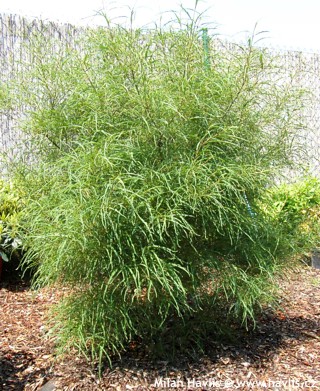
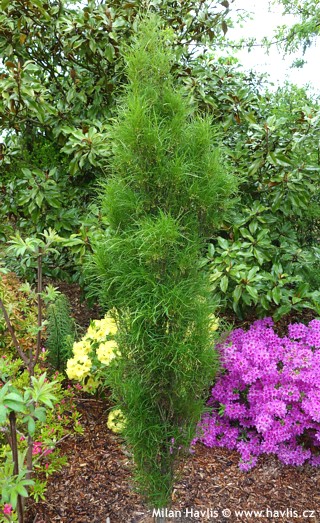
Fine Line® buckthorn is a gorgeous shrub which in its few years on the market has managed to gain attention of many gardeners as well as landscape architects. It is a result of cross-pollination carried out by Ronald Williams in 1989, but only in 1999 he selected plants showing stable character ...
1 - 2m
0,5 - 1,5m
full to partial sun
3   (down to -40°C)
Code of winter protection zone 5+6
for zone 5+6
Code of winter protection zone 7
for zone 7
451_1.jpeg
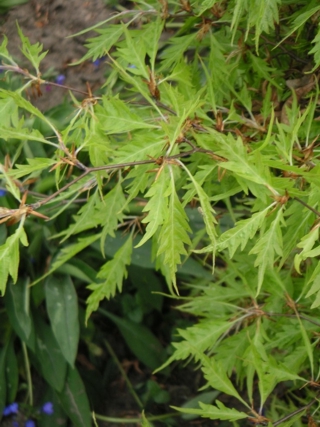
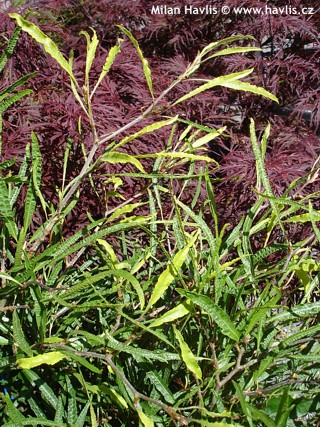
We always notice a happy smile on our customers’ faces when we show them a plant that is beautiful and maintenance-free at the same time. This is the case of fernleaf buckthorn – a gorgeous shrub that requires zero care from the minute you plant it. It has very narrow, fern-like, linea ...
1,5 - 2,5m
1 - 2m
full to partial sun
3   (down to -40°C)
Code of winter protection zone 5+6
for zone 5+6
Code of winter protection zone 7
for zone 7
841_1.jpeg
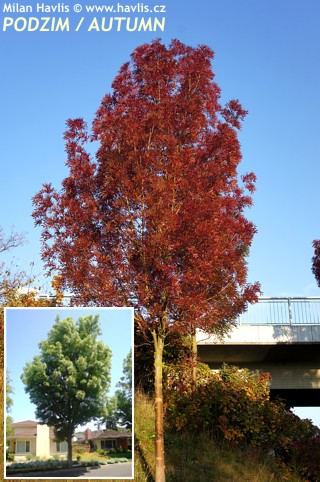
Raywood is a very elegant variety of a deciduous tree called Claret ash. Its leaves are pinnate, up to 25 cm long and are composed of narrow, elliptic and very glossy individual leaflets that are deep green in summer and turn breathtaking shades of brilliant carmine red and deep burgundy red in the ...
10 - 15m
2 - 5m
full sun
5   (down to -29°C)
Code of winter protection zone 5+6
for zone 5+6
Code of winter protection zone 7
for zone 7
559_1.jpeg
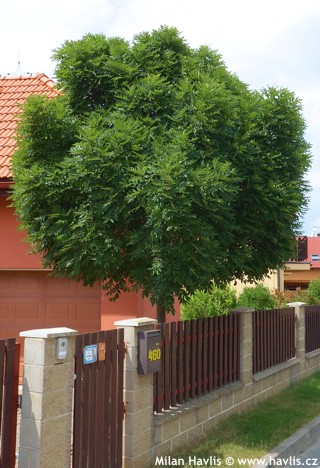
Mecsek is a special variety of flowering ash which, in direct contradiction to its name, does not flower. It has another feature for which its is one of the top popular trees for small gardens and narrow streets - small, slow growing, compact crown. It is mop-shaped to almost perfectly rounded and n ...
3 - 5m
2 - 3m
full sun
5   (down to -29°C)
Code of winter protection zone 5+6
for zone 5+6
Code of winter protection zone 7
for zone 7
5338_1.jpeg
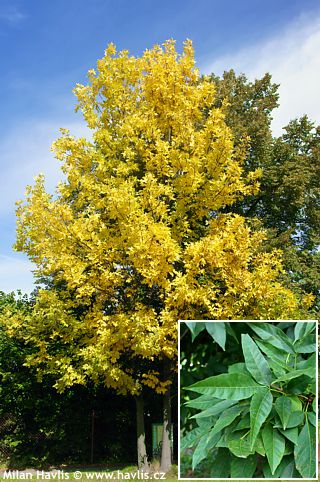
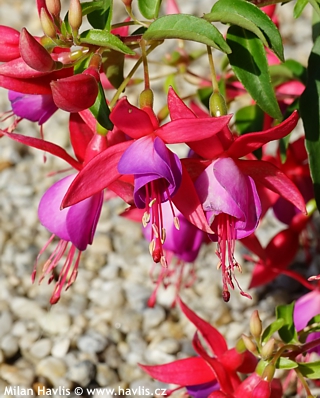
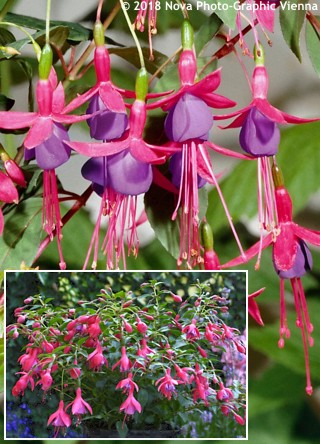
Summit is a green ash variety sought-after for mostly two features: it is a male tree – not producing seeds and unwanted seedlings, and its vibrant autumn colour. The pinnate leaves are deciduous, composed of 5-9 broadly elliptic to narrowly ovate, deep green, not very glossy leaflets which tu ...
12 - 15m
7 - 12m
full sun
4   (down to -34°C)
Code of winter protection zone 5+6
for zone 5+6
Code of winter protection zone 7
for zone 7
1005_1.jpeg
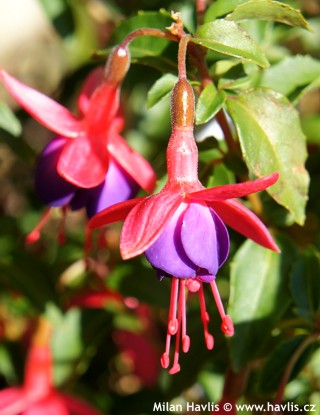
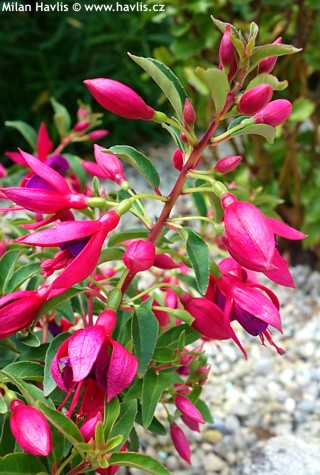
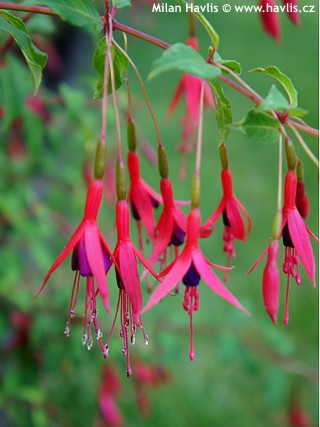
Fuchsias are back in fashion these days, mainly because more and more countries are testing the so-called hardy fuchsias which are aimed to live outdoors, in garden beds and borders. They are usually magellanica hybrids. Ricartonii is a short, upright shrub with pendent, single flowers that have s ...
VII - X
0,3 - 0,8m
0,3 - 0,8m
full to partial sun
6   (down to -23°C)
Code of winter protection zone 5+6
for zone 5+6
Code of winter protection zone 7
for zone 7
NOT AVAILABLE AT THE MOMENT:

×
Product has been added to your cart.