

































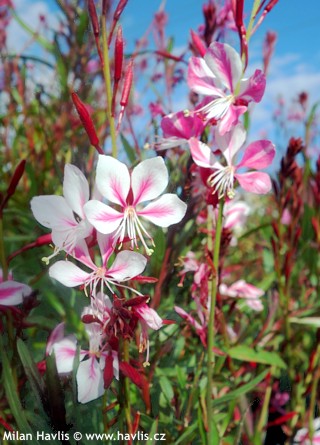
Siskiyou Pink is a uniquely coloured gaura with pink and white flowers. They open from fuschia red buds into white flowers with pink marbling or central stripes. The ratio of pink colour varies flower to flower. Stems are very thin and move in the slightest breeze thanks to which the flowers look li ...
pot 3L
155 Kč
added:
4.8.2026
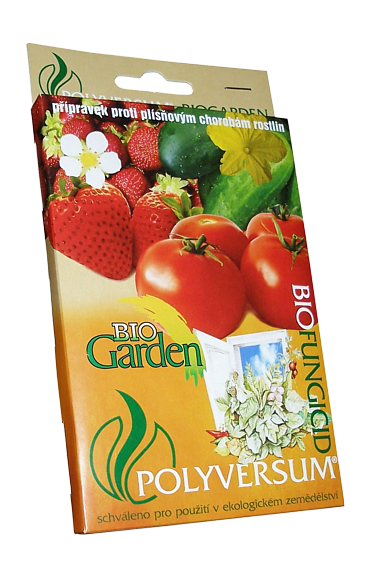
POLYVERSUM® contains oospores of the fungus Pythium oligandrum, which acts as a mycoparasite. It penetrates the tissues of pathogenic fungi (Botrytis, Phytophthora, Pythium, Fusarium, Alternaria, etc.), degrades their mycelium, and uses them as a nutrient source. At the same time, it produces the pr ...
5g
149 Kč
added:
4.8.2026
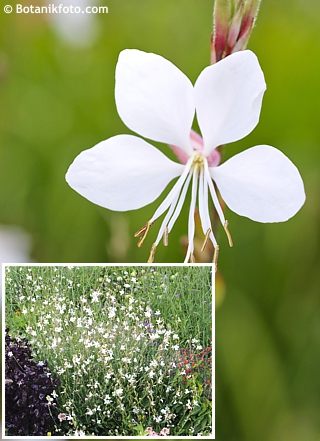
Every gaura series must have its white flowering variety and Gambit is no exception. Gambit White gaura produces pure white flowers like tiny butterflies whirling among thin stems. The plant is more compact than older varieties yet airy enough to enable movement in the slightest breeze. Trimming off ...
pot 2L
315 Kč
added:
3.8.2026
.jpg)
Following this lineage is the modern cultivar BLOOM ME AWAY, bred in the Netherlands by Garry Grueber. It originated as a selection from open pollination of other hybrid cranesbills in 2012 in the growing area of Warmond. Its flowers are notable for always facing upwards and turning towards the sun ...
pot 2L
465 Kč
pot 2L
465 Kč
added:
3.8.2026
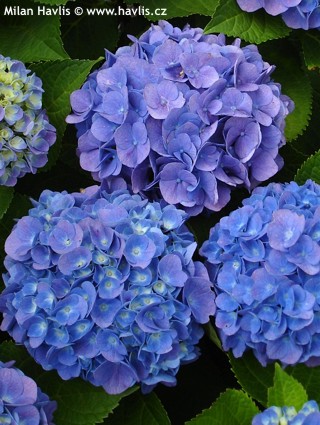
Blue Heaven® comes from the Netherlands and has the typical mop-head flowers that are heavenly blue if grown in acidic soil with pH 5.2-5.5. If you are unsure about your soil acidity buy a simple testing kit and if needed add some aluminium sulphate to reduce the pH which will increase the acidity.
...
height 30-40 cm, width 30-40 cm
1390 Kč
added:
3.8.2026
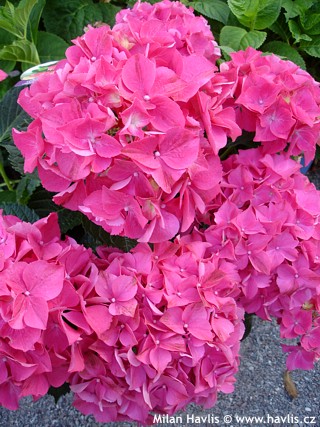
RED is a Forever@Ever® hydrangea with the deepest red possible. To achieve this colour your soil should be alkaline with pH of 6.0-6.2. If you are unsure about your soil pH buy a simple testing kit and if needed add some dolomitic lime to reduce soil acidity.
It produces large, globular, mop-head ...
pot 5L
1190 Kč
height 30-40 cm, width 30-40 cm
1390 Kč
added:
3.8.2026
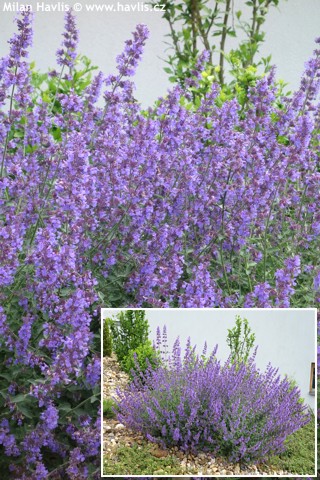
Six Hills Giant is a popular catmint variety of vigorous growth. It grows up to 90 cm tall and wide and looks like a small shrub. From June open small, pale violet flowers along and atop slender stems. Mint-scented leaves (and possibly the whole plant) look very similar to perovskia, they are small, ...
pot 2L
220 Kč
added:
3.8.2026
.jpg)
The Rudy series of rudbeckias was developed by the Dutch breeding company Florensis, with the goal of creating early flowering cultivars with good performance even under less-than-ideal care. These varieties offer a profusion of blooms roughly from the same period as echinaceas.
Rudy Mini Y ...
pot 2L
395 Kč
added:
3.8.2026
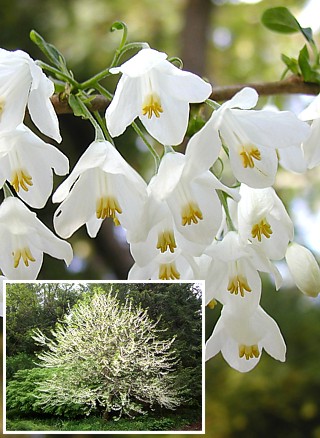
Silver bell is a gorgeous shrub whose other name is probably even more accurate: snowdrop tree. Its origin is SE USA and it is still quite rare in Europe although it is easy to grow and hardy.
Silver bell is cultivated mostly for its snow-white bell-shaped flowers produced in masses in late April a ...
height 100-125 cm
2850 Kč
added:
3.8.2026
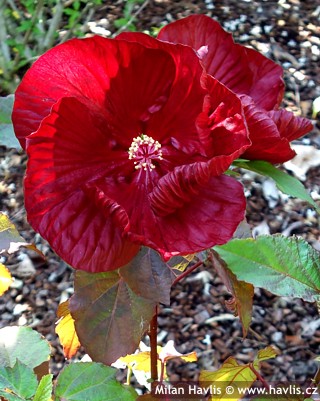
Cranberry Crush swamp mallow produces large, cup-shaped, rich cranberry red flowers from midsummer until early autumn. They are borne atop about one meter tall, strong, red stems, and each stem makes 14-20 flowers. Deciduous leaves are ovate to hart-shaped, dark green with wine red hues, same like t ...
pot 5L
510 Kč
pot 5L
510 Kč
added:
3.8.2026
.jpg)
Blind dates – we’ve all been there. Anyone who has ever tried one knows how much you rely on the agreed sign of recognition. A flower on the table, a book in your hand, anything that helps the other person spot you. And then you sit, order a glass of wine, then another, and when it becomes clear tha ...
pot 3L
495 Kč
pot 3L
495 Kč
added:
3.8.2026
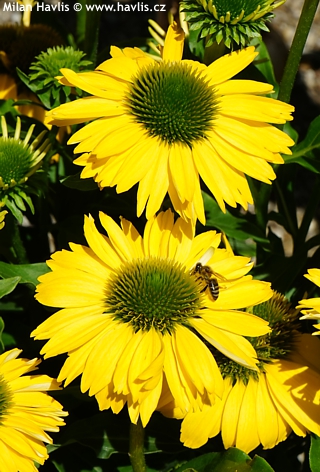
Bright colour of SUNSEEKERS CITRUS coneflower looks like a cheerful display of spring daffodils. It is another hybrid coneflower from the Sunseekers series which, thanks to its name, made many of us smell its flowers in anticipation of citrus perfume. Wrong. The scent is sweet like honey, it’s the f ...
pot 2L
385 Kč
pot 2L
385 Kč
added:
3.8.2026
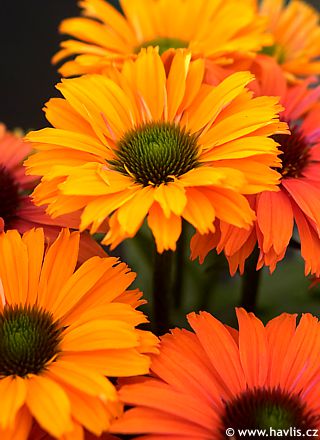
Flowering plants with fruit-like names sound very tasty and make you want them just because they recall the fruit taste you like. It is a good trick that the SUNSEEKERS coneflower series could not miss. Its 2023 introduction is called SUNSEEKERS MINEOLA and presents a variety whose flowers resemble ...
pot 2L
385 Kč
pot 3L
485 Kč
pot 3L
485 Kč
added:
3.8.2026
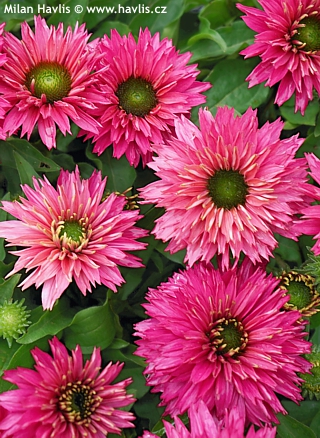
SUNSEEKERS SWEET FUCHSIA is a fully double flowering coneflower variety from 2022, first on the market in 2023. Its exquisite flowers are large, about 10 cm across, and more than a coneflower they resemble dahlias or gerberas. As the new flowers emerge, their petals are a warmer shade of salmon oran ...
pot 2L
395 Kč
pot 2L
395 Kč
added:
3.8.2026
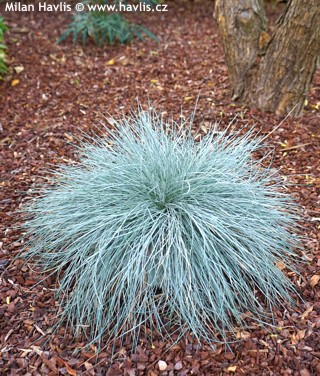
INTENSE BLUE® is a blue fescue of a striking colour. It was bred by Allure Tuinplanten and Amigra from the Netherlands. It was found in 2005 and introduced three years later. The plant makes well-behaved, symmetrical, extremely dense tufts of silvery blue foliage. Their colour literally calls f ...
pot 2L
220 Kč
pot 2L
220 Kč
added:
3.8.2026
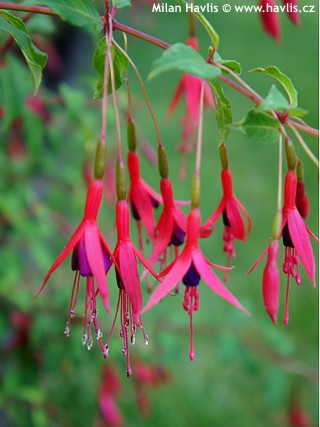
Fuchsias are back in fashion these days, mainly because more and more countries are testing the so-called hardy fuchsias which are aimed to live outdoors, in garden beds and borders. They are usually magellanica hybrids.
Ricartonii is a short, upright shrub with pendent, single flowers that have s ...
pot 3L
340 Kč
pot 3L
340 Kč
added:
3.8.2026
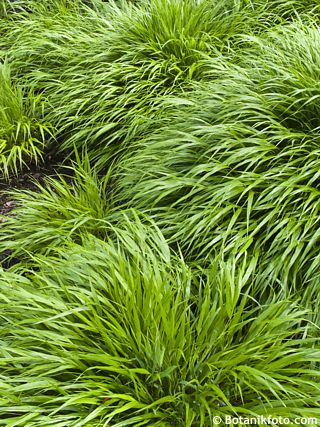
Hakone grass is one of the top grass species most appreciated by landscape designers. It is so showy and simple at the same time, so no wonder it is often used as undergrowth of larger beautiful Japanese maples or other appealing multistemmed shrubs with bare framework of bottom branches.
The speci ...
pot 2L
355 Kč
pot 2L
355 Kč
added:
3.8.2026
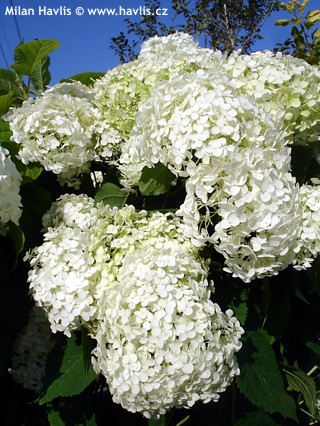
The cultivar Annabelle is one of the best‑known and most influential forms in the history of smooth hydrangea. It is a deciduous shrub with almost pure white flowers arranged in rounded flower heads 20–25 cm in diameter, the size of which is directly influenced by the availability of nutrients ...
pot 3L
470 Kč
pot 3L
470 Kč
pot 6L
1190 Kč
added:
3.8.2026
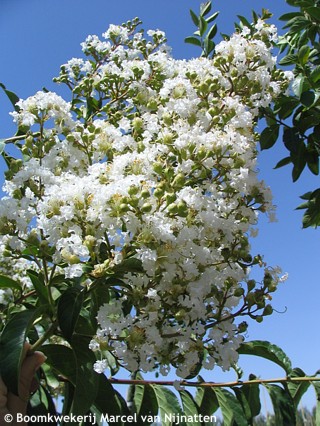
Natchez is another hardy hybrid of crape myrtle. It has profusion of white flowers from mid summer. Deciduous leaves are 3-4 cm long, elliptic to obovate, very glossy, mid green in summer, turning red and orange in autumn. Older plants reveal cinnamon red flaking-off bark. Natchez is a strong grower ...
height 125-150 cm
4100 Kč
added:
3.8.2026
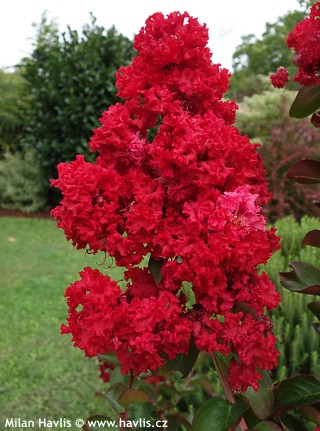
DYNAMITE® is among the reddest crape myrtle cultivars currently available and also one of the hardiest, able to withstand winters of zone 6 (down to about –23 °C). Its name was chosen aptly and with humour, reflecting the explosive red of its flowers. It belongs to the Play It Again® series, which i ...
height 150-175 cm
4960 Kč
height 150-175 cm
4960 Kč
height 200-225 cm, width 60-80 cm
19900 Kč
added:
3.8.2026
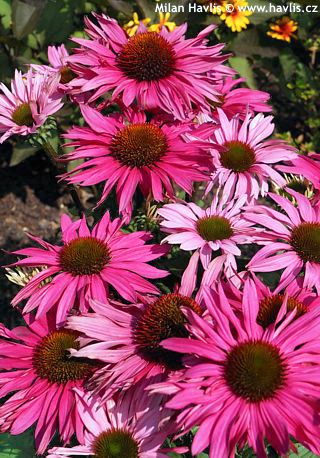
Apart from the beauty of the flowers, coneflowers are also sought after for their amazing fragrance. It is mostly described as honey-sweet with varying intensity. However, those of you who are able to differentiate for example various scents of roses, these perennials may challenge you to try and te ...
pot 2L
420 Kč
pot 2L
420 Kč
added:
1.8.2026
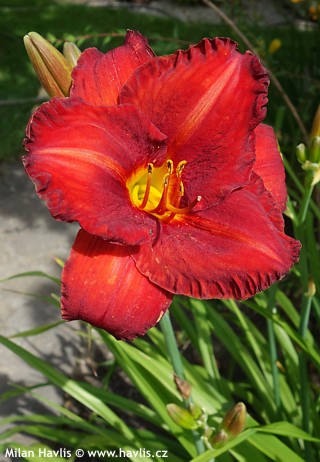
Chicago Apache daylily is a sought-after variety thanks to its vibrant red colour. It produces firm flowers on strong stems from mid to late summer (July-August).
Last update 27-05-2012.
...
pot 1L
155 Kč
pot 3L
195 Kč
added:
1.8.2026
.jpg)
GROUNDBREAKER® is the world’s first series of groundcover panicle hydrangeas. The variety GROUNDBREAKER® RUBY produces flower clusters 15–20 cm tall, which open in July in creamy white and soon turn to a cherry‑red shade, while new blossoms continue to appear on the shrub in pure white. This c ...
pot 1
449 Kč
added:
1.8.2026
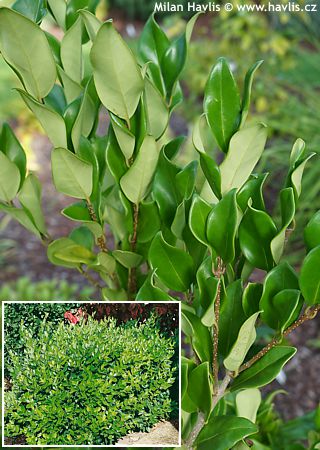
Texanum is a distinctive and easily recognisable cultivar of Japanese privet, notable at first glance for its gently undulating leaves and a fuller, more relaxed habit that is untypical for the species. The leaves are evergreen, leathery, narrowly ovate, usually 4–6 cm long, fresh green and striking ...
height 50-70 cm
520 Kč
height 50-70 cm
520 Kč
height 50-70 cm
580 Kč
added:
1.8.2026
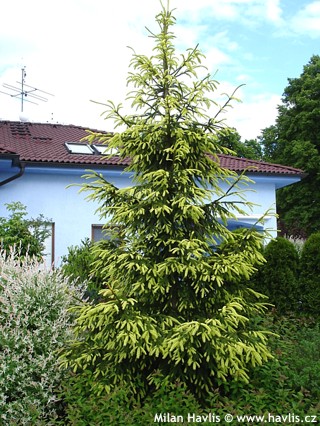
Caucasian spruce is an attractive conifer with an interesting habit. Lateral branches grow horizontally first, later they rise a bit upwards in an angle of about 45° while new growths are slightly drooping. Aureospicata is a variety with bright yellow new foliage that lasts for as long as 6 weeks.
...
height 50-70 cm
1810 Kč
height 80-100 cm
2360 Kč
height 80-100 cm
4100 Kč
added:
1.8.2026
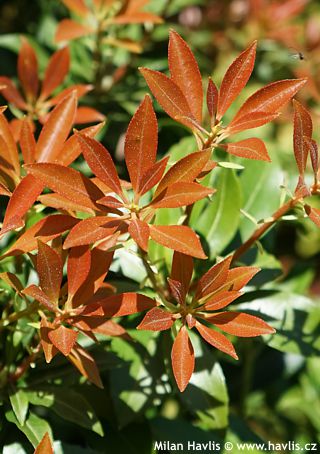
The species of Pieris taiwanensis is an elegant, evergreen shrub whose inflorescences – though similar to other pieris species – have their own easily recognisable character. From late summer it sets numerous buds in horizontal racemes, which open in spring into small, pure white, delicately scented ...
height 40-50 cm, width 35-45 cm
520 Kč
added:
1.8.2026
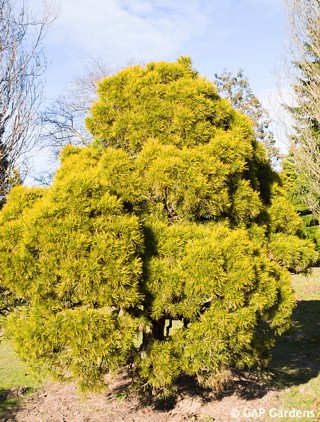
Moseri is a dwarf variety of Scots Pine from Moser Nursery in Versailles, France, from 1900. It has long, slightly twisted needles of soft green colour in summer and rich golden yellow in winter. It grows very slowly (8-12 cm per year) and naturally forms dense, broadly pyramidal shrubs with rounded ...
height of stem 50 cm, crown width 40-60 cm
3450 Kč
height 40-50 cm, width 30-40 cm
3830 Kč
height 60-80 cm, width 50-60 cm
4980 Kč
added:
1.8.2026
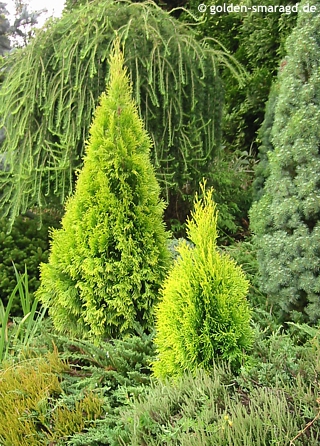
Golden Smaragd® is an improved version of a very popular arborvitae variety called Smaragd. This new selection has bright yellow-green foliage which turns only a little gold in winter. It was bred by Edward Kubik from Poland, and released in 2009. It grows rather slowly into a conical shape wit ...
height 120-140 cm
3450 Kč
added:
1.8.2026
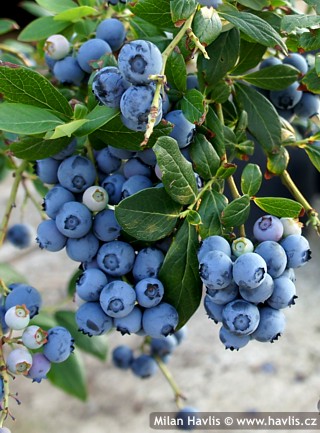
Cultivar
Type
Ripening time
Berry size
Pollination
Bush height
Hardiness
Flavour / quality
Unique trait
Patriot
northern highbush ...
height 20-30 cm, JERSEY
339 Kč
height 20-30 cm, PATRIOT
339 Kč
height 20-30 cm, BRIGITTA BLUE
339 Kč
added:
1.8.2026
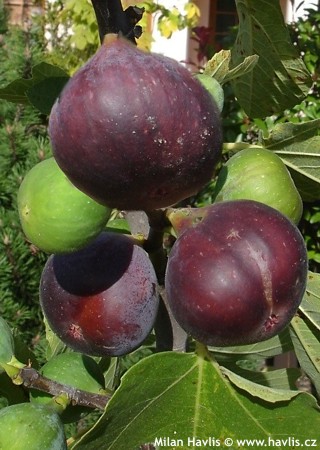
One of the hardiest figs for our climate (zone 6) is named Brown Turkey. As the name suggests the fruit is brownish-red or blackish-purple, relatively large and sweet. They do not require pollination. Immature fruit and branches contain sap which can be an eye and lip-irritant. Palmate leaves are ve ...
height 40-60 cm
499 Kč
height 40-60 cm
770 Kč
height 60-80 cm
890 Kč
added:
1.8.2026
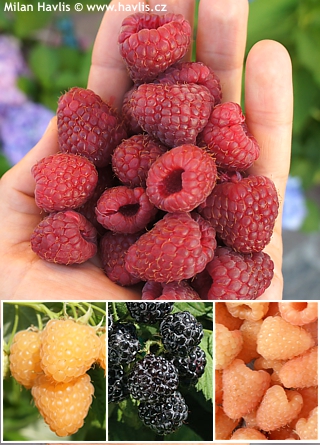
VARIETIES
Idaeus is the botanical species of raspberry producing slightly oval, rich pink-red fruit that is very aromatic, medium sweet, and its juice has a rich colour. It matures in early July is best eaten fresh, either off the bush or in fruit salads or smoothies. It can be canned, frozen, or m ...
Black Jewel - černé
119 Kč
Black Jewel - černé
160 Kč
phoenicolasius - japonská 30-40
279 Kč
added:
1.8.2026
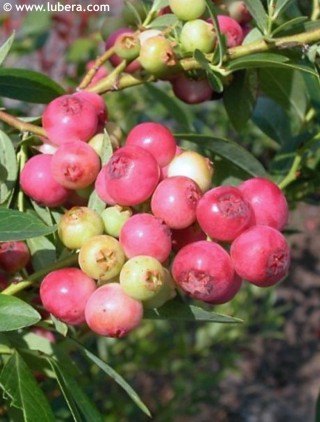
Pink blueberries, now commonly called Pinkberry® are a modern attraction of early 2000's. The first plant was achieved by American breeder Mark Ehlenfeldt from Agricultural Research Service (ARS), who in 1991 crossed rabbiteye blueberry whose immature fruit is pink, and usual highbush blueberry ...
height 20-40 cm, Pink Lemonade®
359 Kč
height 40-50 cm, Pink Lemonade®
465 Kč
added:
1.8.2026
.jpg)
The rose MENDOZA is a fully double floribunda from the Castle® Collection, bred by Mogens Nyegaard Olesen for Poulsen Roser in 2010. Its name refers to the Argentine city of Mendoza beneath the Andes, renowned for its wine tradition and striking landscape, which makes the name of the variety easy to ...
pot 3L
655 Kč
pot 3L
655 Kč
added:
31.7.2026
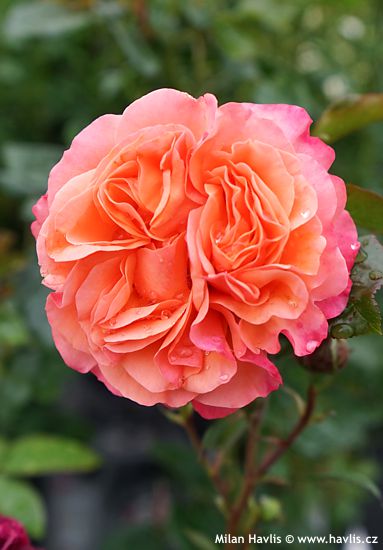
The rose CORAL LIONS ROSE is a coral‑coloured sport of the famous Lions Rose bred by Kordes, bringing a soft coral‑pink shade with orange undertones that shifts subtly through the season depending on temperature and light. The blooms are semi‑double, 6–8 cm across, forming large, g ...
pot 3L
750 Kč
pot 3L
750 Kč
added:
31.7.2026
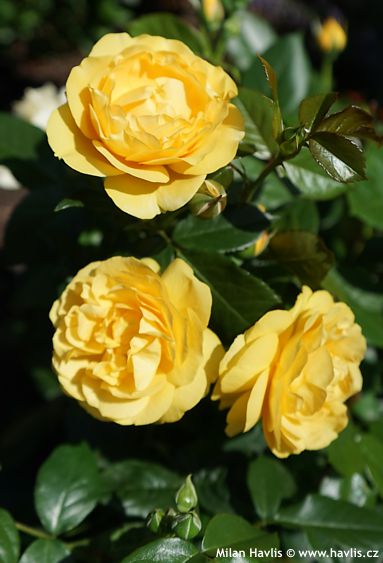
The rose ABSOLUTELY FABULOUS takes its name from the hugely successful British TV sitcom of the same title, because that is exactly what this rose is: absolutely fabulous. It produces a profusion of rich yellow, semi‑double blooms 8–10 cm across (usually 26–40 petals), with distinctly ruffled ...
pot 3L
750 Kč
pot 3L
750 Kč
added:
31.7.2026

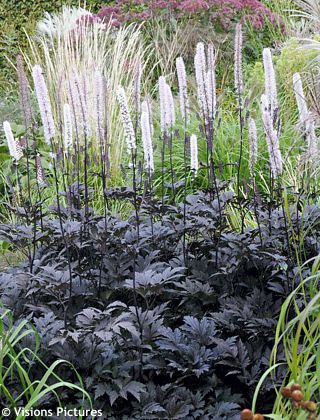
Brunette is a popular, compact variety of bugbane with deep burgundy brown or almost black, 30-50 cm across leaves. They are 3-ternate-pinnate, with palmate, lobed, sharply toothed basal leaves. In late summer rise slender, dark stems bearing 30-40 cm long erect racemes composed of small, soft pink, ...
pot 3L
335 Kč
pot 3L
335 Kč
pot 2L
470 Kč
added:
31.7.2026
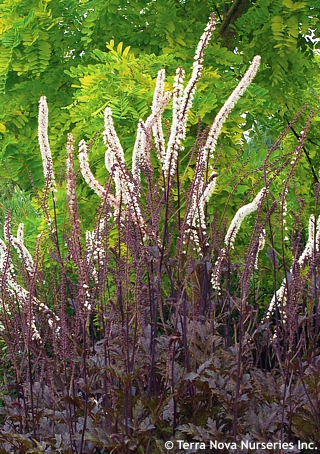
Black Negligee is another beautiful dark-leaved variety of bugbane with deep burgundy brown or almost black, 30-50 cm across leaves. They are 3-ternate-pinnate, with palmate, lobed, sharply toothed basal leaves. In late summer rise slender, dark stems bearing 30-40 cm long erect racemes composed of ...
pot 2.5L
275 Kč
added:
31.7.2026
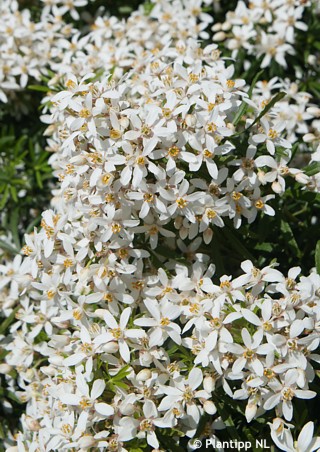
WHITE DAZZLER is a follow-up choísie to Aztec Pearl from Peter Moore, introduced in 1991. It produces masses of simple, star-shaped, pure white, and very fragrant flowers with yellow stamens in May and June. Their perfume is very similar to orange flowers hence its name Mexican orange or Mexican blo ...
pot 2L
429 Kč
height 15-20 cm
450 Kč
added:
31.7.2026
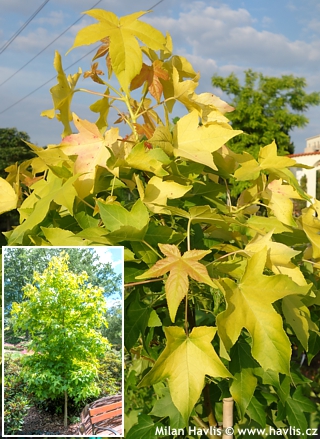
Naree sweet gum was found as a spontaneous mutation of the species in Australia and did not reach Europe until after 2000 – it was first introduced by the Junker’s Nursery from Milverton, United Kingdom, in 2002. It belongs among a few unique varieties with yellow leaves. These are deciduous, broadl ...
height 150-175 cm, height of stem 110 cm
2660 Kč
added:
31.7.2026
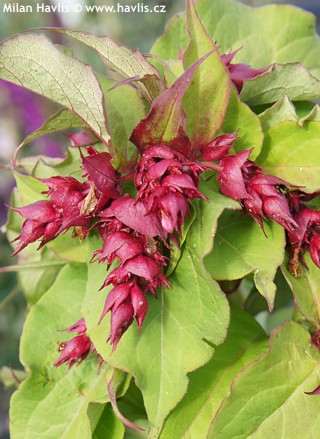
Himalayan honeysuckle is a native Asian plant that comes from mountain woodlands of west China and Himalayas. In European gardens it is grown for its ornamental inflorescence composed of claret-red bracts hanging above small, campanulate, almost white blooms. Purple Rain is a variety with richer pur ...
height 30-50 cm
460 Kč
height 40-60 cm
595 Kč
added:
31.7.2026
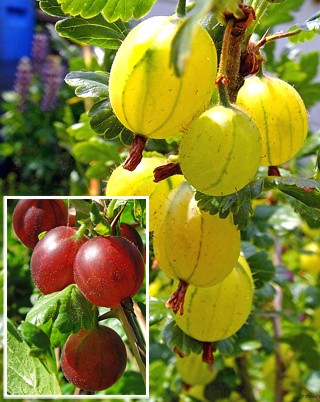
VARIETIES
Captivator - midseason, almost thornfree variety with rich red, mid-sized, sweet fruit of a very good taste. Late July to early August. Very resistant to mildew. Upright, moderate to fast growth, average yield.
Invicta is an early variety from England producing yellow-green fruit of good ...
Hinnonmäki Röd - červený
310 Kč
Captivator - červený beztrnný
329 Kč
height 40-60 cm, Captivator - červený beztrnný
420 Kč
added:
31.7.2026
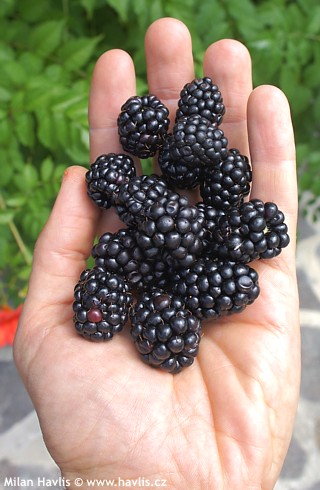
VARIETIES:
Oregon Thornless is a fantastic blackberry variety from the leading US blackberry producer: Oregon. It offers high yields of tasty fruit and does not irritate us with thorns. On top of that it has evergreen, deeply cut leaves so the plant looks beautiful even before it sets fruit. The b ...
height 30-40 cm, Black Satin
279 Kč
height 20-30 cm, Little Black Prince
279 Kč
height 30-40 cm, Thornless Evergreen
279 Kč
added:
31.7.2026
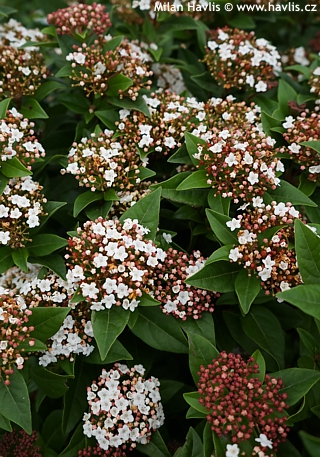
SPIRIT is compact laurustinus variety introduced by Antigone Plantvermeerdering B.V. and protected by European patent No. EU 2352 from 1997. It grows slowly into a mounding to rounded, densely branched shrub with attractive foliage and flower buds. Its evergreen leaves are up 4-6 cm long, ovate, lea ...
height 30-50 cm
440 Kč
height 50-60- cm, width 30-40 cm
590 Kč
height 60-80 cm, width 40-50 cm
1700 Kč
added:
31.7.2026
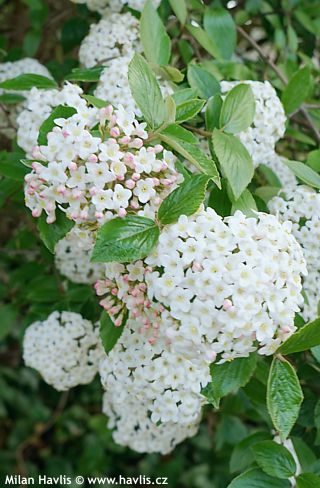
Burkwood viburnum is a garden hybrid between v.carlesii and v.utile made in England in 1924. It belongs to the most fragrant viburnums whose flowers people can smell from a distance of 7 or even 8 meters. Small, intensely sweetly scented, tubular flowers are composed in spherical clusters about 10 c ...
height 40-50 cm
580 Kč
height 50-60 cm
660 Kč
added:
31.7.2026
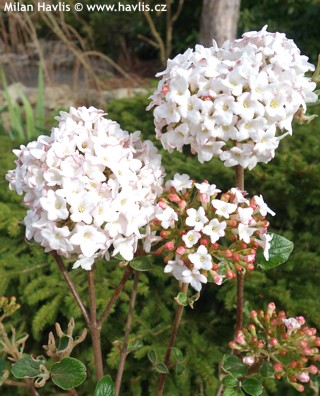
Burkwood viburnum is a garden hybrid between v.carlesii and v.utile made in England in 1924. It belongs to the most fragrant viburnums whose flowers people can smell from a distance of 7 or even 8 meters. Small, intensely sweetly scented, tubular flowers are composed in spherical clusters about 10 c ...
height 40-60 cm
540 Kč
added:
31.7.2026
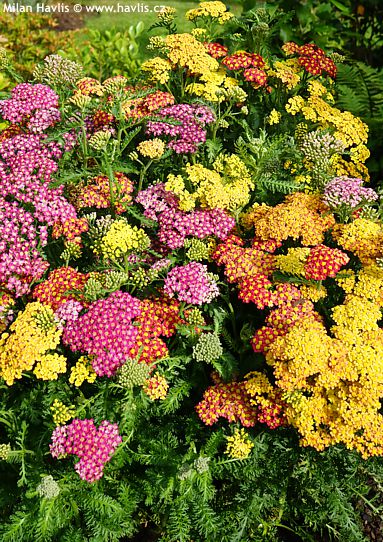
I'm not a huge fan of multi-coloured combinations — I admit that. But when I visited the Plantarium trade fair in 2023 and saw the exhibition by the Dutch company Florensis, showcasing their rising star — a modern yarrow series called Milly Rock, planted in mixed containers with three to five shade ...
pot 7.5
755 Kč
added:
30.7.2026
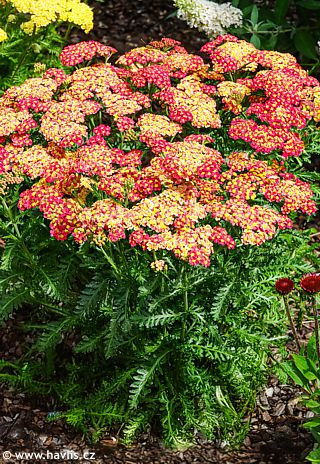
MILLY ROCK™ RED yarrow makes warm red flowers with yellow centres composed in almost flat corymbs atop about 30-40 cm tall stems. Flowering begins in June and continues until late August. Fern-like leaves are finely cut and rich grass green, basal leaves are larger than stem leaves. Removing s ...
pot 2L
160 Kč
pot 1.5L
255 Kč
pot 1.5L
255 Kč
added:
30.7.2026
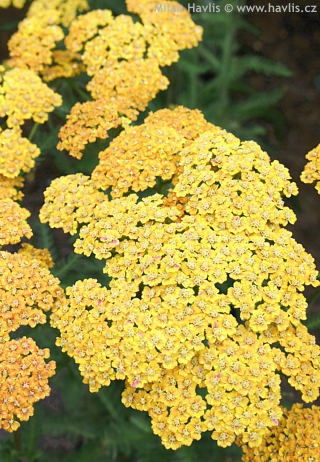
MILLY ROCK™ YELLOW TERRACOTTA yarrow makes attractive flowers combining brick orange-red and pastel yellow colours. They are composed in almost flat corymbs atop about 30-40 cm tall stems. Flowering begins in June and continues until late August. Fern-like leaves are finely cut and rich grass ...
pot 2L
310 Kč
added:
30.7.2026
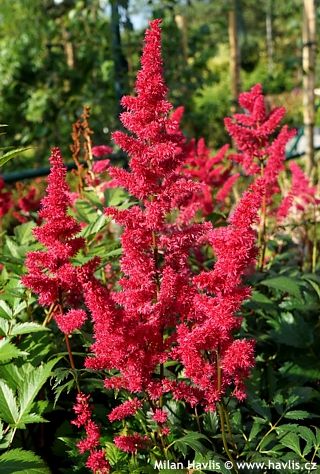
Fanal astilbe is one of the earliest varieties with red flowers. It begins to bloom in mid June and forms rich raspberry red flowers atop 30-50 cm tall stems. Leaves are divided, healthy, glossy, mahogany red as they emerge and turning dark green before flowering starts. It was awarded AGM (Award of ...
pot 2L
285 Kč
pot 2L
285 Kč
added:
30.7.2026
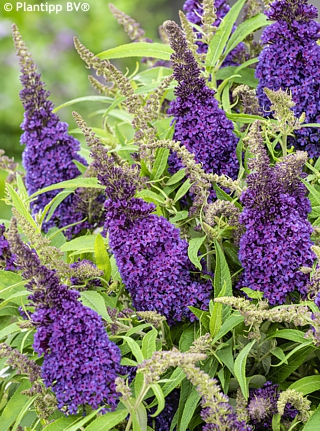
BUTTERFLY CANDY™ LITTLE PURPLE is a dwarf and compact buddleja producing dark violet blue flowers. The inflorescence is conical, slim, around 10 cm long, and composed of small, funnel-shaped flowers. They are moderately, sweetly fragrant and bloom from late June until late September. Deciduous leave ...
pot 2L
525 Kč
pot 2L
525 Kč
added:
30.7.2026
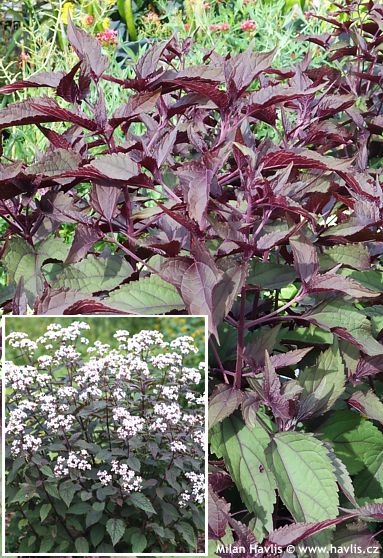
The variety Chocolate of white snakeroot is not a common perennial, yet among perennial specialists it ranks among the most admired. Above all for its foliage colour: a deep chocolate brown with a burgundy tone that in partial shade hangs over the border like a soft haze. It is tall and beautifully ...
pot 2L
165 Kč
pot 2L
175 Kč
added:
30.7.2026
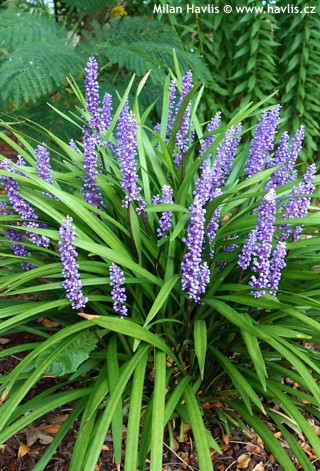
Moneymaker is a clump forming lily-turf variety with attractive foliage and flowers. Its dark green, ribbon-like, semi-glossy, narrow leaves are evergreen in mild winters of zone 6, and reliably evergreen in warmer areas. In early August are borne spikes of rich lavender violet flowers on strong, da ...
pot 2L
175 Kč
added:
30.7.2026
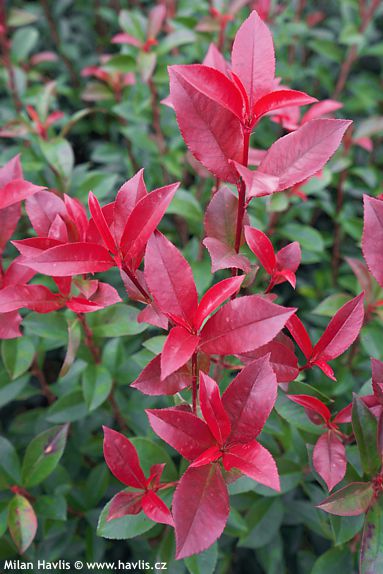
From the very moment CARRÉ ROUGE photinia hit the market, it became an overnight sensation. It originates from the hugely successful ‘Red Robin’, but offers a far more compact and denser habit, with smaller leaves that look elegant and completely smother the plant’s coat, turning the photinia into a ...
height 30-40 cm
399 Kč
height 40-60 cm
550 Kč
height 40-60 cm, width 30-50 cm
865 Kč
added:
30.7.2026
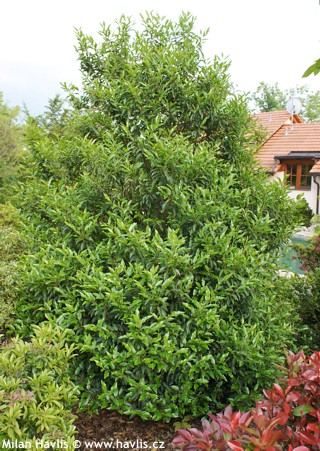
Angustifolia is a popular cultivar of Portuguese laurel, valued for its more compact growth and narrower leaves. The foliage is evergreen, leathery and firmer than that of the species, slightly incurved, narrowly elliptic, 6–10 cm long and 1.5–3 cm wide, with a striking glossy surface. The leaves de ...
height 40-60 cm
835 Kč
height 40-60 cm
835 Kč
height 80-100 cm, width 50-60 cm
1990 Kč
added:
30.7.2026
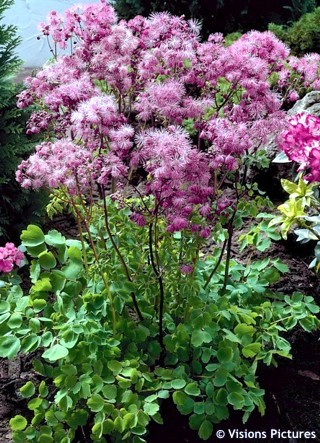
Meadow rue is a showy perennial with large leaves and striking inflorescence. Black Stocking is a hybrid of meadow rue with columbine-like leaves. They are 2-3 times pinnate, individual leaflets are rounded just like those on columbines, medium green with some blue-green hues.
In June, from the ce ...
pot 2L
245 Kč
added:
30.7.2026
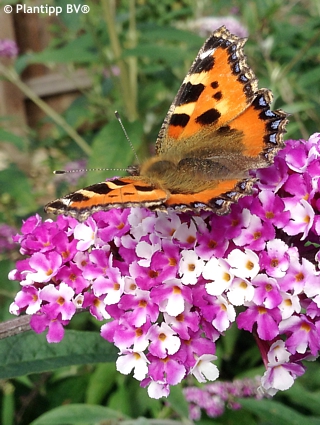
BERRIES & CREAM butterfly bush produces 15-20 cm long, slim panicles composed of small, funnel-shaped, fragrant flowers with orange throat. They are a bit naughty when it comes to colour – some are white, some are magenta purple, some are bi-coloured as if you mix a bowl of forest fruit with fre ...
height 40-80 cm
1220 Kč
added:
30.7.2026
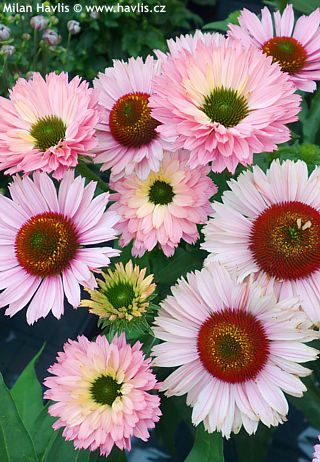
Sunseekers Salmon is truly a unique coneflower. Among the load of colours available today this one stands out like a proud princess who knows that she is being watched. Semi-double, large flowers have frayed ends and appear from July until October atop short and strong stems. Young, emerging flowers ...
pot 2L
365 Kč
added:
30.7.2026
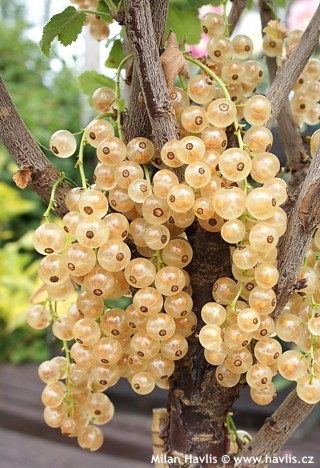
VARIETIES
Orion is a Czech variety of white currant. It produces long racemes of medium sized berries. They are sweet and juicy, and mature from midsummer. Shrubs are upright and strong. Very resistant to fungi diseases.
Weisse aus Jüterborg is a white currant variety with medium long racemes of ...
Weisse Versailles bílý
319 Kč
Witte Holander bílý
319 Kč
Witte Parel bílý
329 Kč
added:
30.7.2026
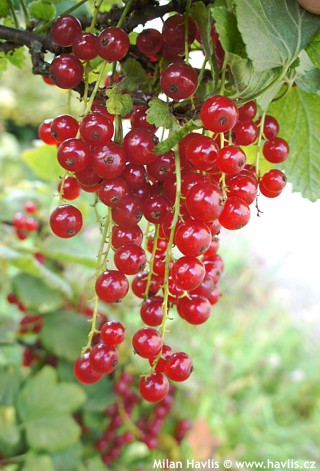
VARIETIES
Jonkheer van Tets is a red currant from the Netherlands. This famous variety has long racemes of bright red berries of excellent taste, only medium sour. Best grown as espalier because it is a rampant grower. Ripens in July.
Kozolupský raný is an early maturing Czech variety from 2003. ...
height 30-50 cm, Jonkheer van Tets - červený
329 Kč
height 40-60 cm, Jonkheer van Tets - červený
420 Kč
added:
30.7.2026
