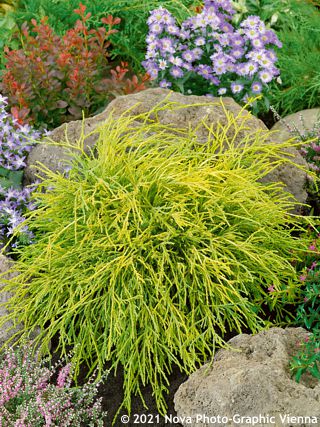
CURRENTLY IN STOCK:
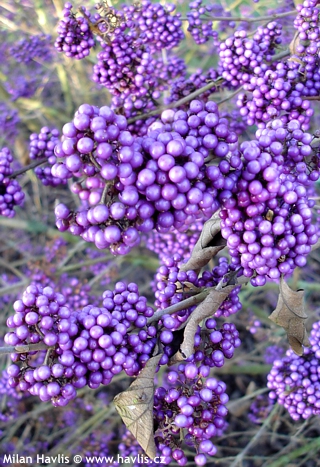
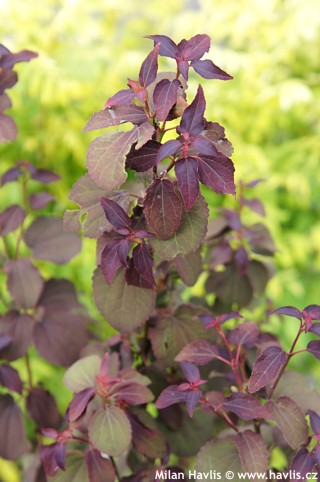
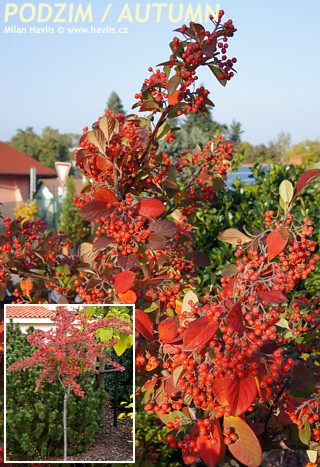
Beauty berry. Sounds like a beauty salon. The truth is the name is right because this plant, originally from China, is grown for its beautifully coloured berries.
It is a mid-sized shrub with deep green, elliptic to obovate, deciduous leaves that are bronze when young. It flowers in summer with sma ...

1 - 3m

1 - 2m

full to partial sun

6 (down to -23°C)

for zone 5+6
for zone 7
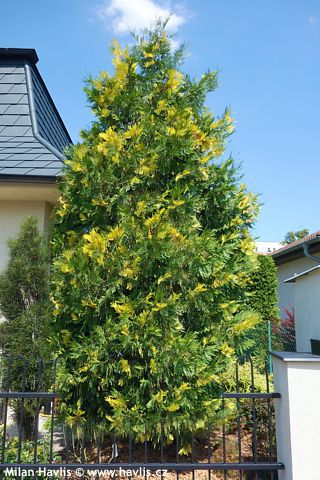
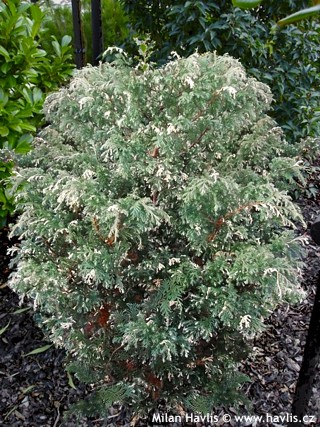
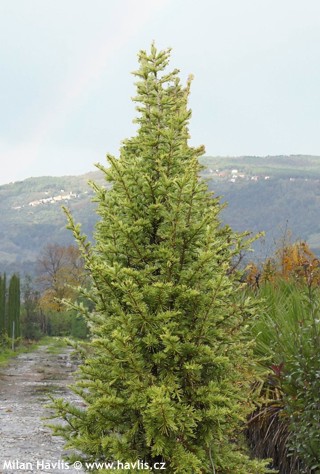
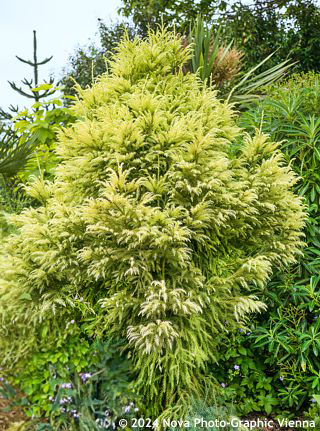
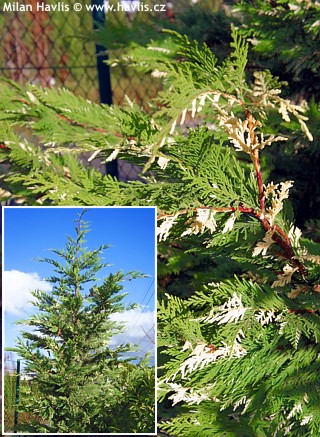
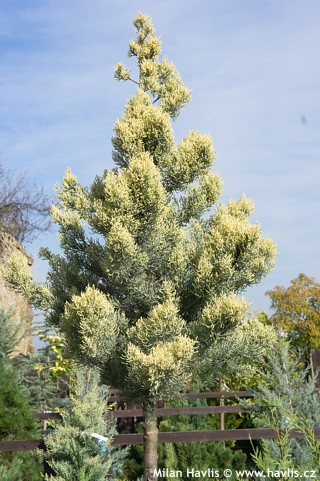
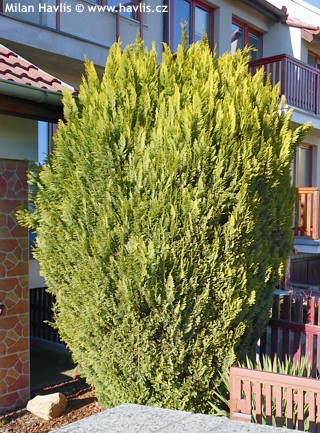
Although this incense cedar is one of the most sought after conifers of the south, it seems to perform much better in Czech climate thanks to cold and wet winters. It needs a lot of sun in summer though to keep its varigated leaves golden. Though, if the sun is not as hot as in the Mediterranean, fo ...
5 - 10m
full to partial sun
5 (down to -29°C)
for zone 5+6
for zone 7
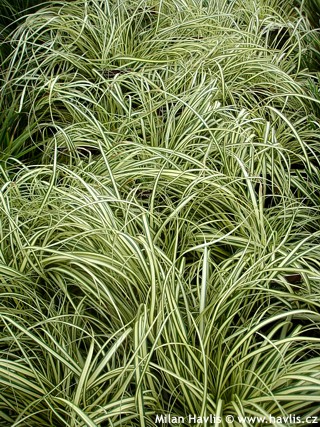
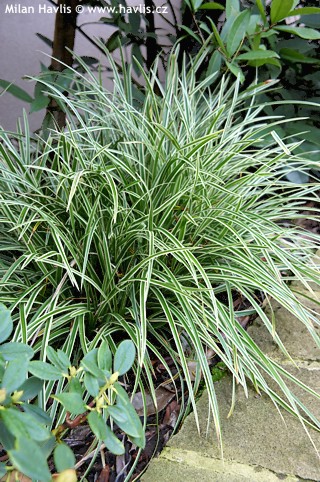
Evergold, introduced in 1977, is now regarded as a pioneer among these colourful and evergreen Japanese sedges. It offers a broad, creamy yellow central stripe that runs along the leaf like a ray of light set between deep green margins. It is one of the earliest variegated sedges that gained wider a ...
0,2 - 0,3m
0,3 - 0,4m

semi-shade to shade
5 (down to -29°C)
for zone 5+6
for zone 7
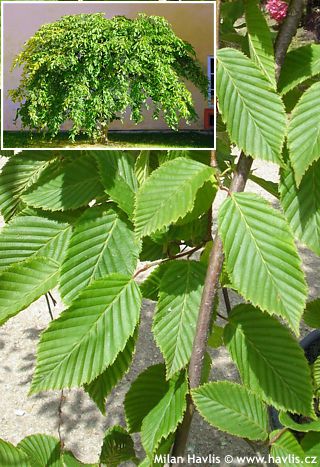
Pendula is a weeping form of hornbeam. Mature plants make gracious looking specimens with irregularly weeping or cascading branches. Their crowns are usually not too symmetrical providing a unique appearance for every plant. Naturally the crown grows slowly into a large, umbrella-shaped head with br ...
2 - 4m
2 - 6m

full sun
4 (down to -34°C)
for zone 5+6
for zone 7
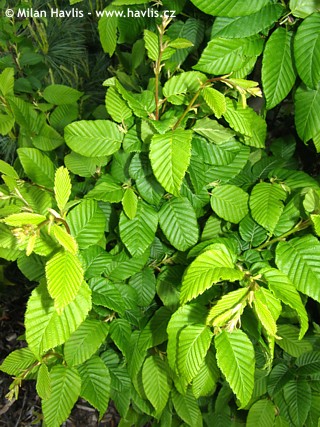
One of the original trees found in natural woodlands of Europe is hornbeam. Varieties of this deciduous tree are becoming more and more popular in gardens, too.
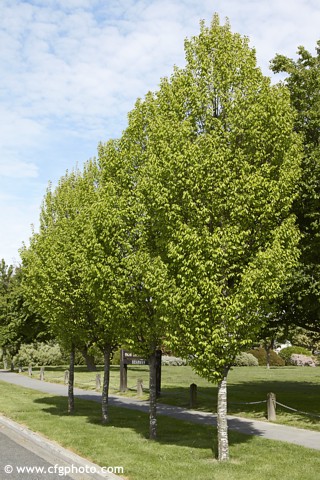
Fastigiata, syn. “Pyramidalis” is an elegant, slow growing hornbeam with columnar habit and branches growing strictly upright ...
8 - 12m
2 - 4m
full to partial sun
4 (down to -34°C)
for zone 5+6
for zone 7
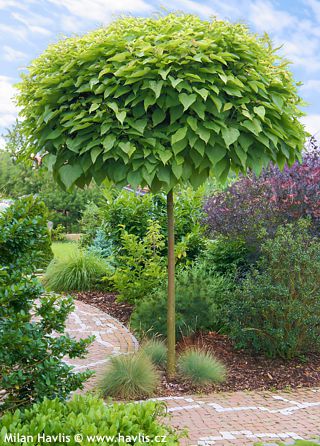
Nana variety is a lot different to the species. It can be found under its second Latin name catalpa bungei. It is a small tree that can be considered dwarf as opposed to its parent. It was bred to achieve an attractive tree with exceptional foliage but of reduced size to fit even a small garden or a ...
2 - 3,5m
2 - 4m
full sun
5 (down to -29°C)
for zone 5+6
for zone 7
.jpg)
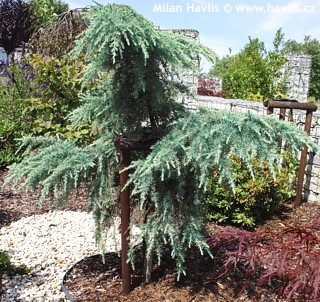
Glauca Pendula represents a truly distinctive form of the Atlas cedar, offering an almost aristocratic character. This cultivar was discovered and selected in France around 1873, in the horticultural setting of Châtenay‑les‑Sceaux near Paris, then a centre of botanical experimentation an ...
2 - 4m
3 - 5m
full sun
5 (down to -29°C)
for zone 5+6
for zone 7
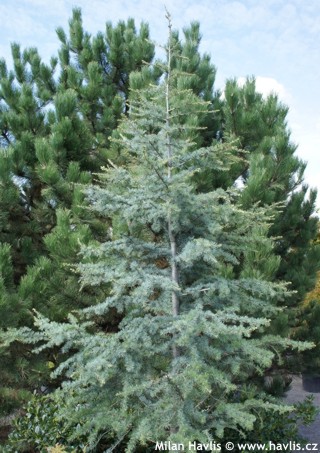
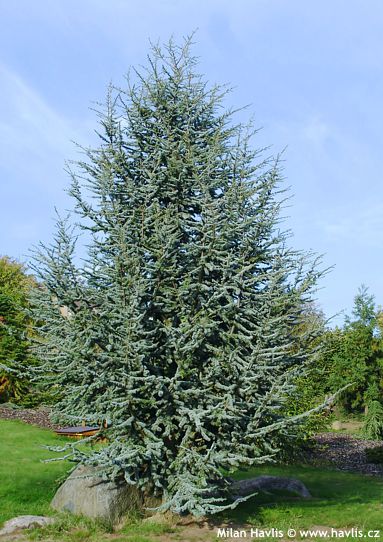
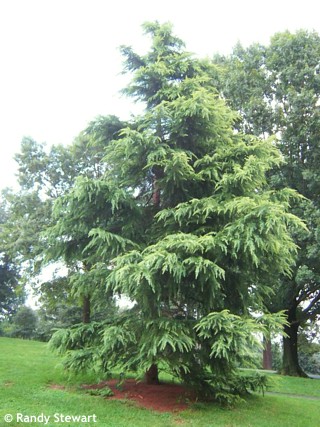
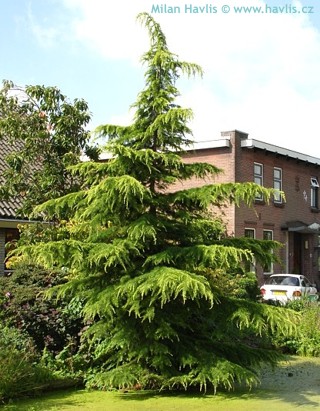
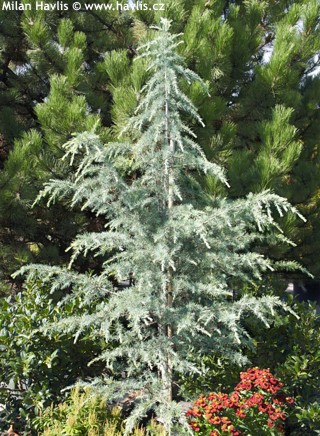
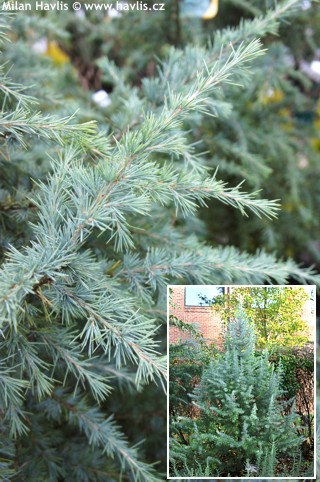
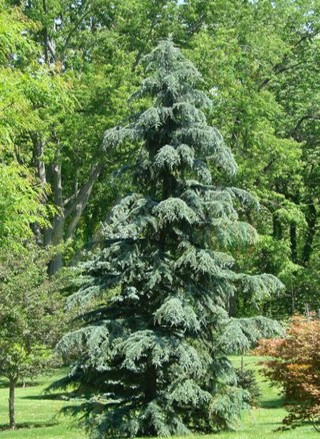
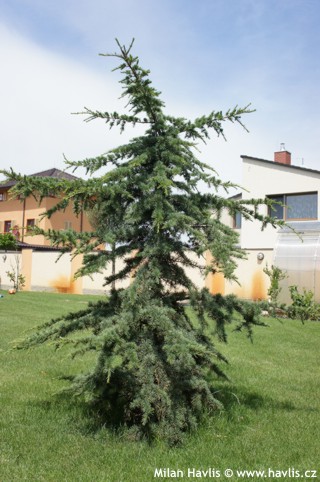
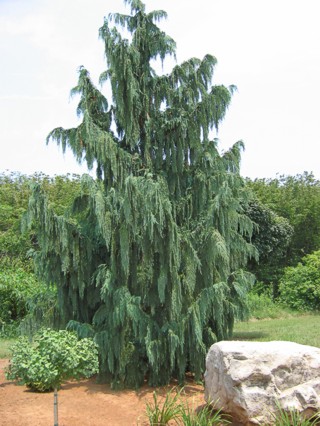
Himalájský cedr is the most graceful of all cedars. Robusta Glauca is an Italian selection with long, evergreen needles. Their colour is from blue-green to almost silvery blue while new shoots are soft green. Robusta Glauca cedar is unique for its robust structure with strong stem and habit which is ...
10 - 15m
5 - 7m
full sun
5b (down to -27°C)
for zone 5+6
for zone 7
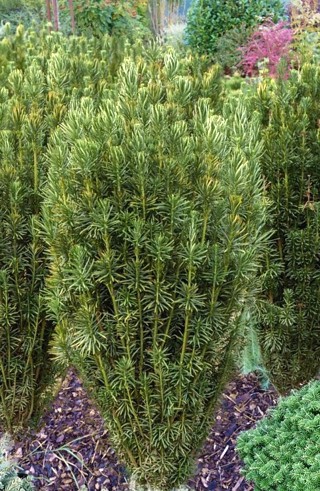
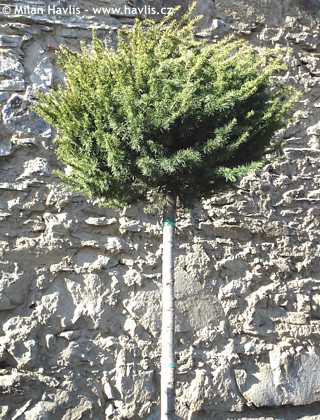
Japanese plum yew is still an uncommon evergreen conifer which was first popularized by Earl of Harrington in early 19th century. It is hardy for almost the whole area of Central Europe except for the coldest mountainous regions, and can take diversity of soil types. It comes from Japan and Fastigia ...
1,5 - 3m
1 - 1,5m

full sun to shade
5b (down to -27°C)
for zone 5+6
for zone 7
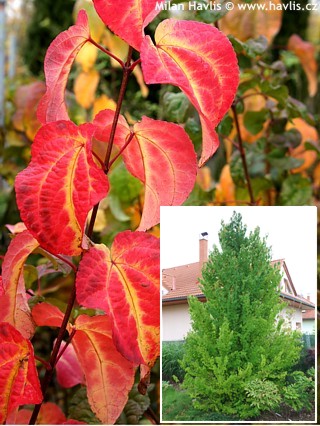
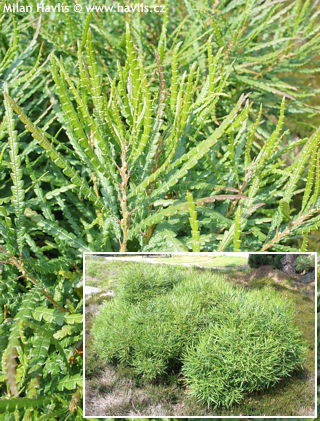
Katsura tree is native to China and Japan, and thanks to its versatility it has found many fans among both professionals and general gardening public. It is a large deciduous shrub or very rarely a tree (uneasy to train it into a tree with one central leader). Its leaves emerge pale bronze and quick ...
10 - 15m
3 - 6m
full sun
4 (down to -34°C)
for zone 5+6
for zone 7
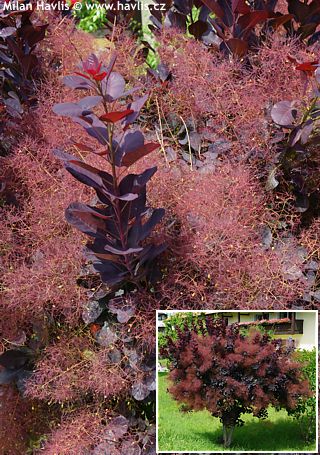
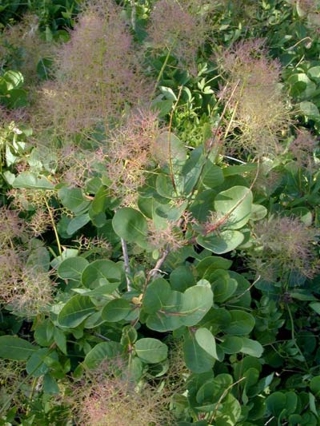
Smoke tree might have a slight problem these days when smoking outside becomes prohibited ... just joking, the alleged smoke is what flowering of this shrub looks like. It blooms from
June to July and from a distance the clusters do look like purple smoke. The leaves of Royal Purple are deep burgund ...

VI - VII
2 - 5m
full to partial sun
5 (down to -29°C)
for zone 5+6
for zone 7
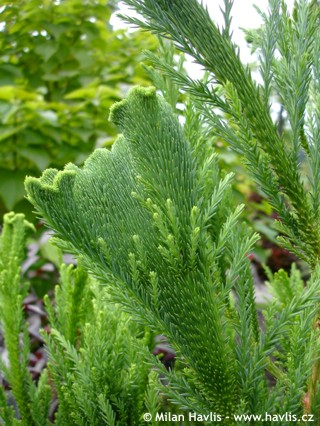
The Japanese cryptomeria Cristeria is a weird looking variety with congested new growths that are flattened into “cockscombs” and divide into individual branches in summer. Their colour is rich, warm green that turns bronzy-brown in winter which is its protective colour. It grows moderately into a n ...
3 - 6m
1 - 2,5m
full to partial sun
5b (down to -27°C)
for zone 5+6
for zone 7
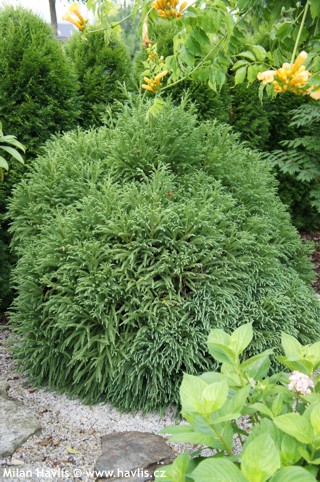
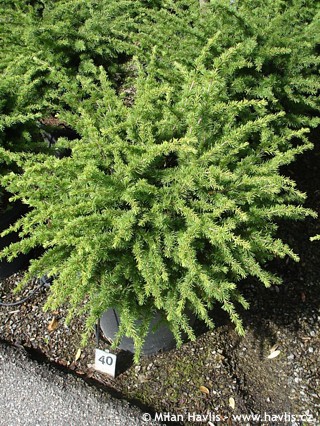
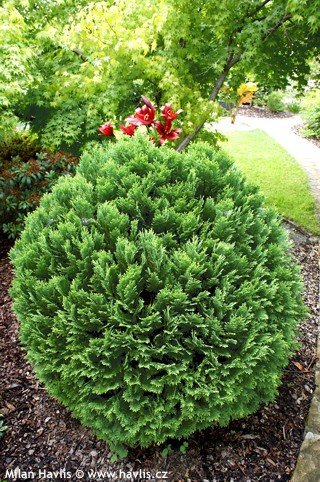
Globosa Nana variety of the Japanese cryptomeria was first discovered in 1923 in Japan, where it is called Mitama-sugi. It is a dense, compact conifer with rounded branches. The needles are curved, inward-pointing, bright green as they emerge and emerald green in all seasons apart from winter when t ...
1 - 2m
1 - 2m
full to partial sun
5b (down to -27°C)

for zone 5+6
for zone 7
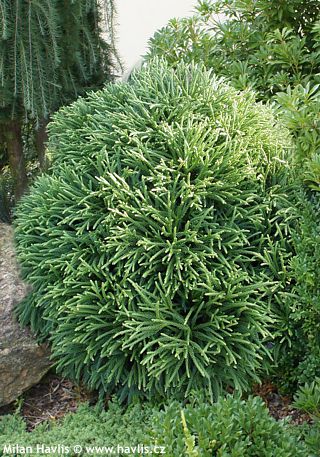
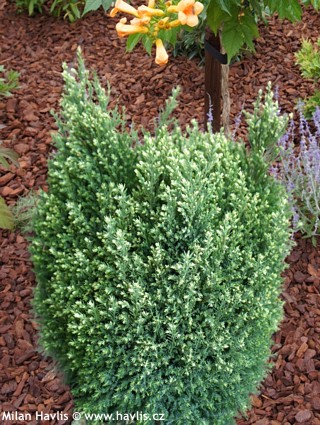
Little Champion is a witches' broom of another Japanese cedar variety called Gracilis, found in Europe. It is very similar to Nana Gracilis variety but has slightly different foliage and shape and grows smaller. Little Champion is a dense, compact conifer with rounded branches that look like woven ...
0,5 - 1m
0,5 - 1,3m
full to partial sun
5b (down to -27°C)
for zone 5+6
for zone 7
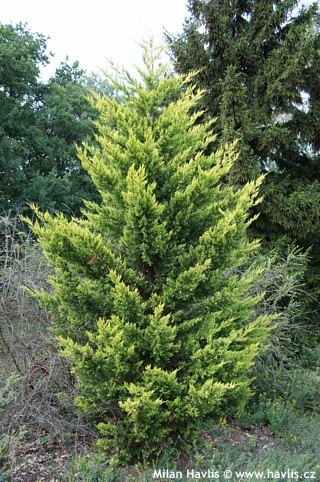
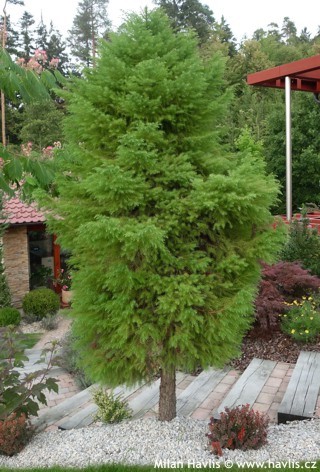
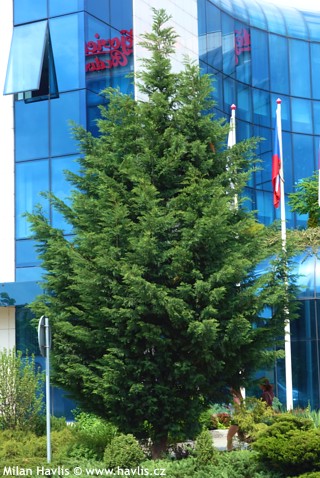
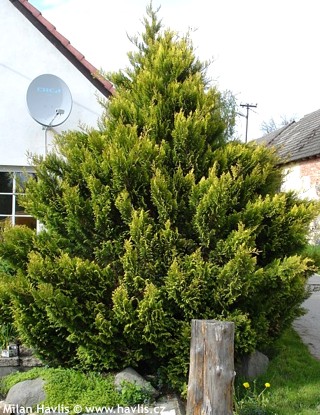
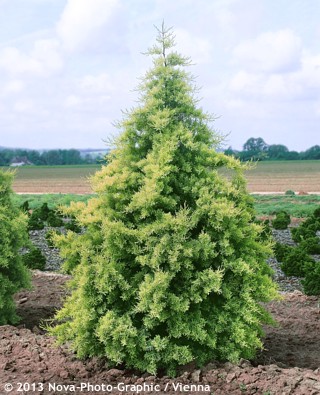
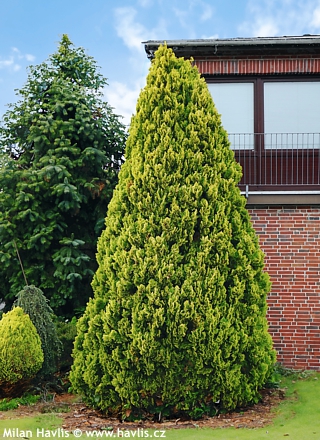
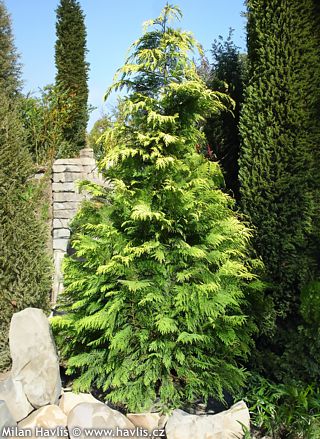
Gold Rider is still quite new in the Leyland cypress family. It produces flattened sprays of bright yellow-green, scale-like leaves. The branches are not pendent, not erect. Something in between and that makes it stand apart from chamaecyparis. The big advantage of Leyland cypress is the fact that i ...
2 - 10m
2 - 4m
full to partial sun
5b (down to -27°C)
for zone 5+6
for zone 7
.jpg)
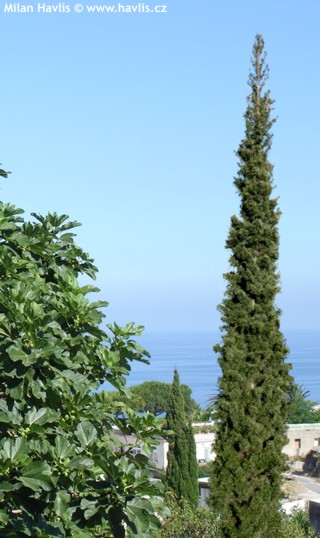
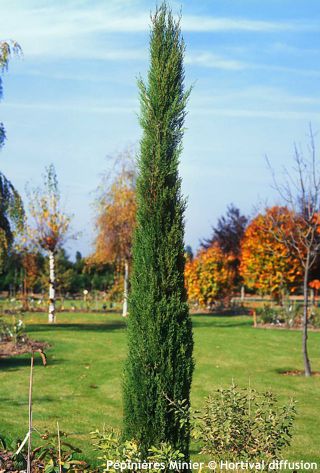
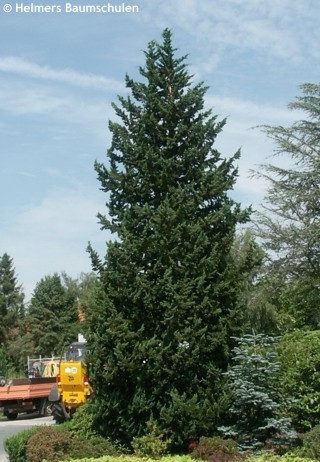
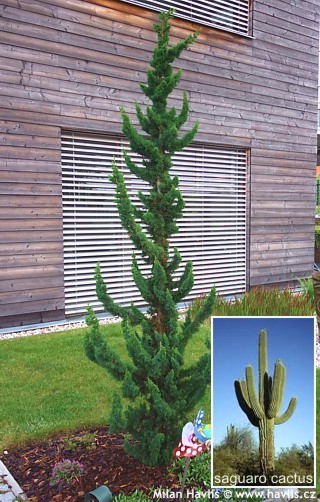
Fastigiata Arizona cypress is a favourite even in gardens where conifers aren’t typically welcome, thanks to its distinctive character, texture, and color. It grows upright and compact, with branches forming a sharper angle with the trunk, emphasizing its columnar habit. The foliage is soft to the t ...
5 - 10m
2 - 5m
full sun
5 (down to -29°C)
for zone 5+6
for zone 7
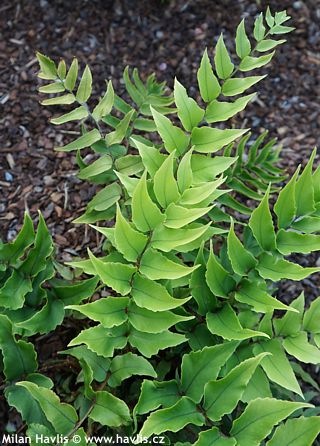
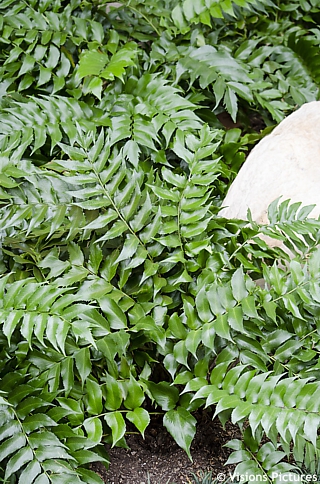
This fern is close relative to cyrtomium falcatum (Japanese holly fern). It is hardier and its leaves are not glossy. They are light to dull green, erect, pinnate with sickle-shaped leaflets. It likes acidic, humus-rich soil that is light and always moist. It does best planted in shade or semi-shad ...
0,3 - 0,6m
0,3 - 0,6m

semi-shade / partial sun
6 (down to -23°C)
for zone 5+6
for zone 7
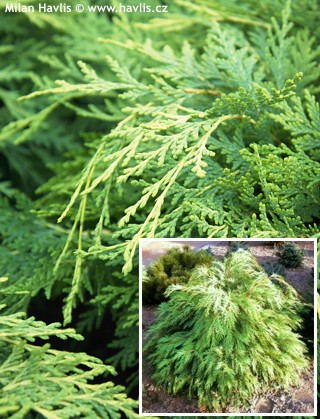
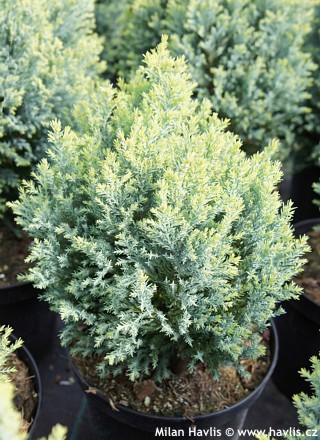
Sunkist is a dwarf, compact Lawson cypress, similar to Mini Globus. It is a slow growing conifer with attractive flat sprays of mid green foliage that is not prickly. Ends of new branches emerge bright yellow or yellow-green and the plant keeps its fresh appeal until autumn when the yellow shades be ...
0,5 - 1m
0,5 - 1m
full to partial sun
5 (down to -29°C)
for zone 5+6
for zone 7
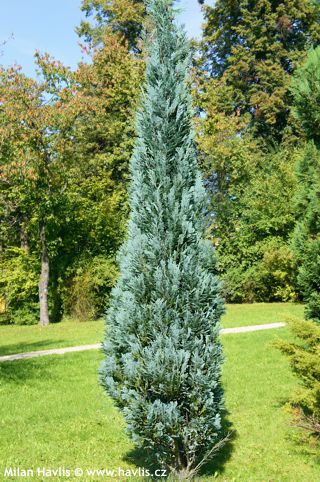
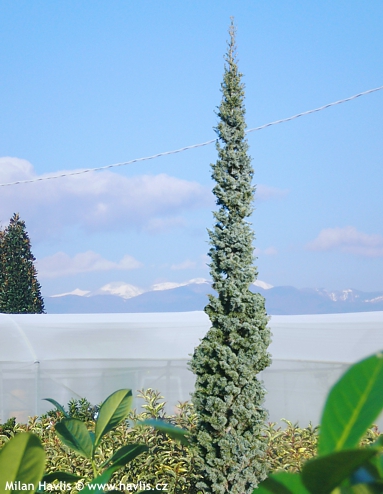
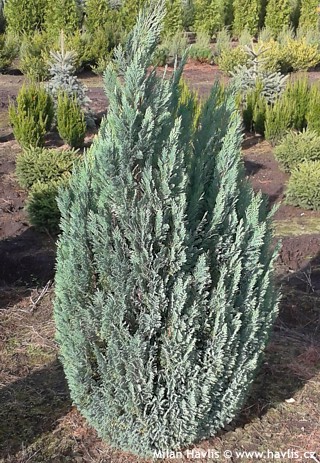
Columnaris is a hugely popular variety of Lawson cypress with blue needles and compact habit. It does not grow wider than 1m which makes it ideal for hedges that are only trimmed at the top. Mature plants can reach 6-8m in many decades, they are usually kept smaller by regular trimming that is best ...
3 - 6m
1 - 1m
full to partial sun
5 (down to -29°C)
for zone 5+6
for zone 7
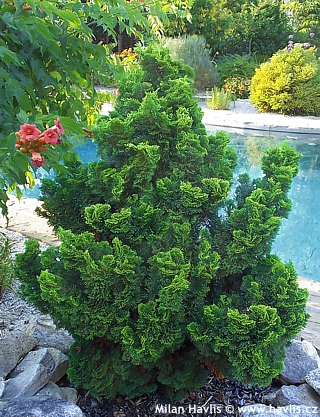
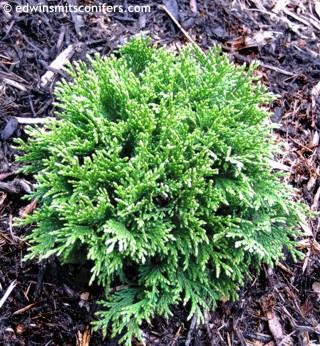
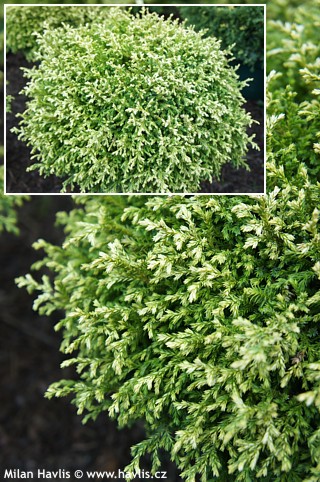
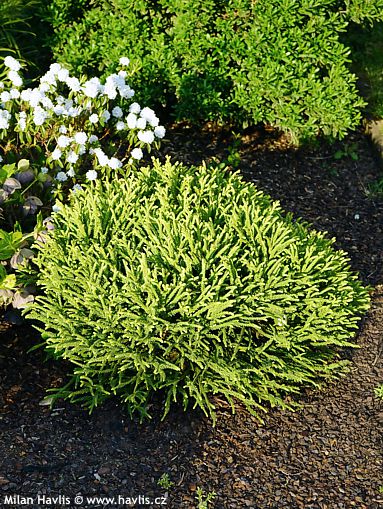
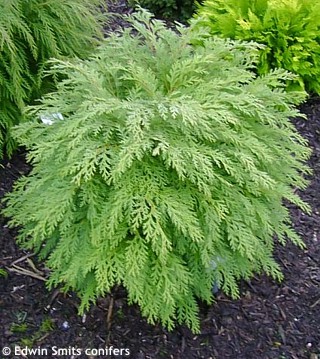
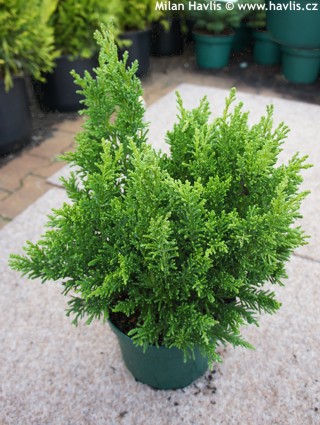
The Hinoki cypress is both a must-see and a must-have thereafter. Its dark green foliage is tightly congested, forming a tiny mound. It forms twisting fan-shaped branchlets in dense tiered layers.
Want to ask how fast it grows? Well it takes the same time as your partner does getting prepared for ...
1 - 1,5m
1 - 1,5m
full to partial sun
5 (down to -29°C)
for zone 5+6
for zone 7
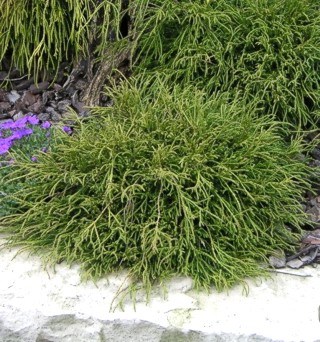
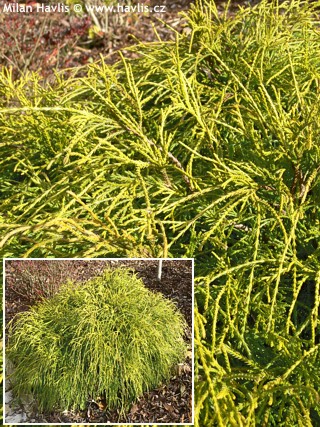
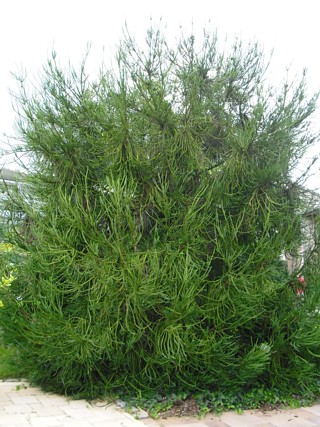
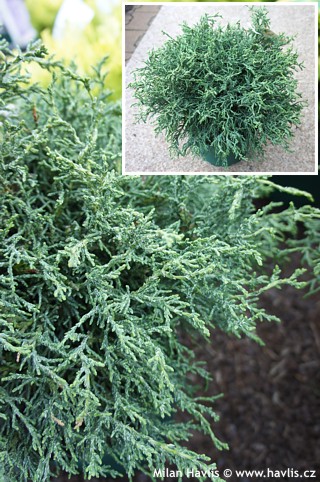
Filifera Nana is a dwarf cultivar of Sawara cypress with fine, cord‑like foliage of a rich green colour. The branchlets are slender, pendulous and densely arranged, forming a compact, cushion‑shaped to low‑mounded habit. Growth is very slow and regular; at maturity the plant typica ...
0,3 - 1m
0,5 - 1,5m
full sun
4 (down to -34°C)
for zone 5+6
for zone 7
.jpg)