CURRENTLY IN STOCK:
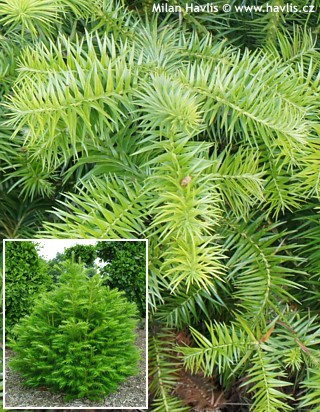
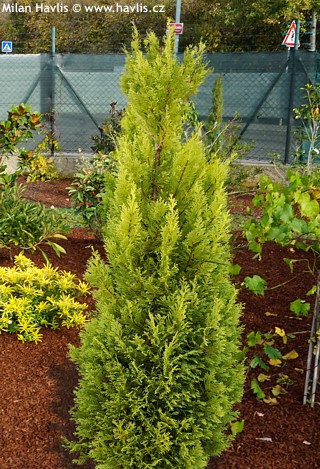
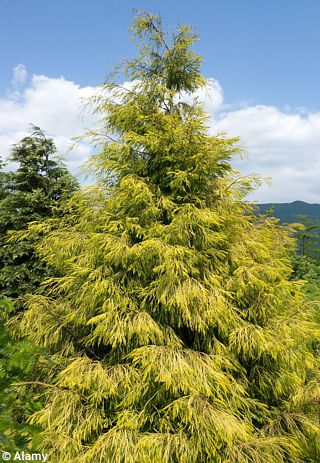
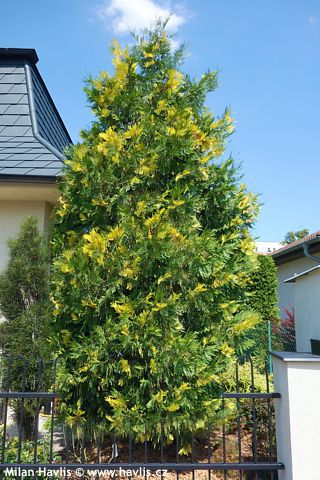
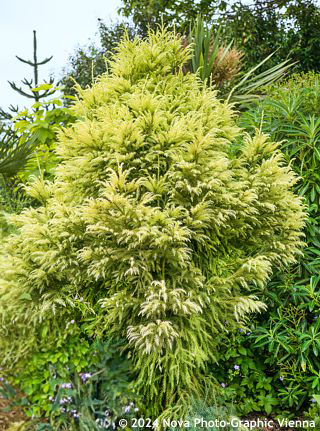
Although this incense cedar is one of the most sought after conifers of the south, it seems to perform much better in Czech climate thanks to cold and wet winters. It needs a lot of sun in summer though to keep its varigated leaves golden. Though, if the sun is not as hot as in the Mediterranean, fo ...

5 - 10m

full to partial sun

5 (down to -29°C)

for zone 5+6

for zone 7
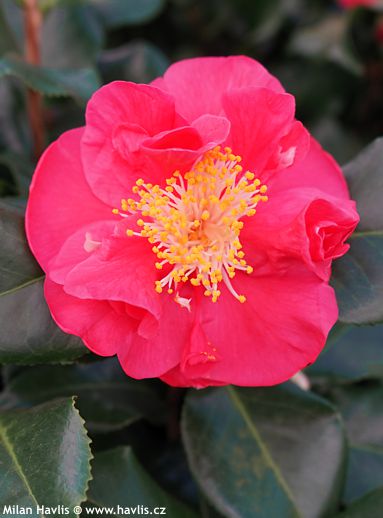
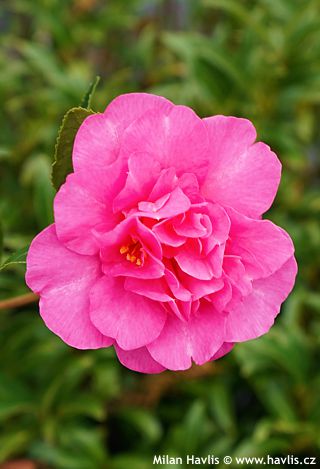
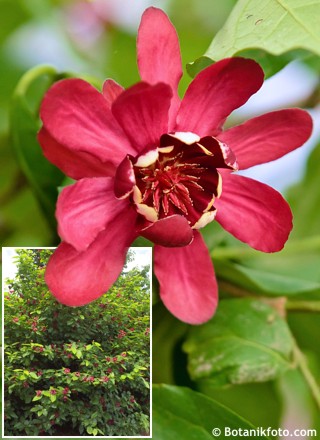
Aphrodite is a beautiful, large-flowered sweetshrub hybrid between c.chinensis and c.occidentalis. The flowers are often compared to magnolias - both in shape and size. They are 7-9 cm across, rich crimson to burgundy red, and appear with the first hot days of May, and continue blooming until late J ...

V - VIII

3 - 4m

2 - 3m

full to partial sun

6 (down to -23°C)

for zone 5+6

for zone 7
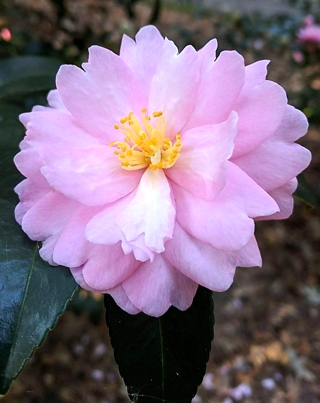
Ashton’s Ballet is an autumn flowering camellia from the Ashton series bred by dr. Ackerman and introduced in 1996. It is a cross between a very hardy species camellia oleifera and Shikishima variety (c. hiemalis). It produces utterly pretty, tutu-like, soft pink, semi-double to fully ...

XI - I

2 - 3m

1 - 2m

semi-shade to shade

6 (down to -23°C)

for zone 5+6

for zone 7
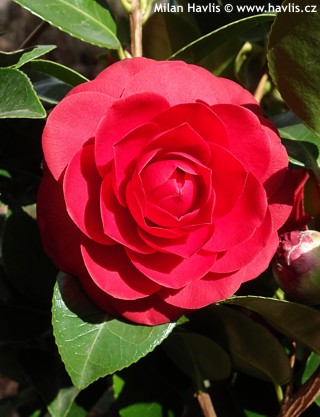
Black Lace is an older and proved variety of hardy camellia, in fact one of the best reds available. Its is a hybrid of c.reticulata and c.williamsii and has so far withstood -20°C. Its fully double, dahlia-like flowers are rich red, and bloom from early April for 6 to 8 weeks if the plant ...

IV - V

1,5 - 3m

1,5 - 2,5m

semi-shade to shade

6 (down to -23°C)

for zone 5+6

for zone 7
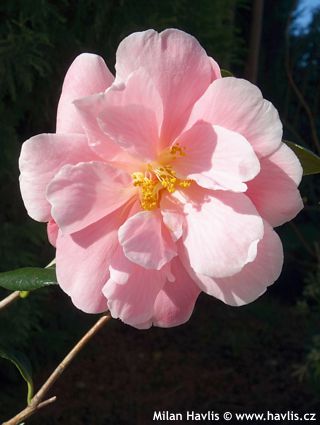
Pink Icicle is a showy, large-flowered hybrid camellia bred by dr. Ackermann from the United States National Arboretum. Its semi-double, soft pink flowers are 11 cm across, and open in April for 6-8 weeks. Leaves are evergreen, obovate, gently serrated at margins, deep green, and glossy. It grows fa ...

IV - V

1,8 - 2,5m

1,3 - 1,8m

semi-shade to shade

6b (down to -21°C)

for zone 5+6

for zone 7
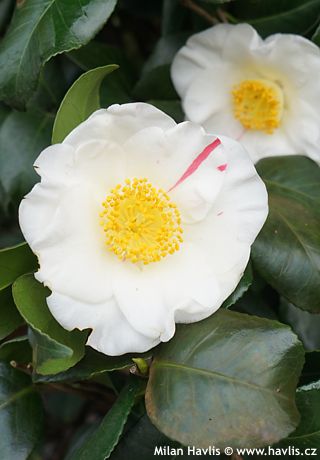
Alba Simplex is a spring flowering hardy camellia whose origin, despite the availability of multiple historical sources, is rather uncertain. One source claims that it comes from China but does not support it with any further details. Another source says it comes from Germany, registe ...

III - IV

2 - 3m

1,5 - 2m

semi-shade to shade

6 (down to -23°C)

for zone 5+6

for zone 7
Dr. King is a Japanese camellia cultivar, a spring-flowering one, first introduced in 1944 by the Australian nursery Camellia Grove Nursery. It is a large-flowered cultivar with semi-double, highly decorative blooms measuring approximately 8 to 10 cm in diameter. The flowers display a distinctive sh ...

IV - V

2 - 3,5m

2 - 3m

semi-shade to shade

7 (down to -18°C)

for zone 5+6

for zone 7
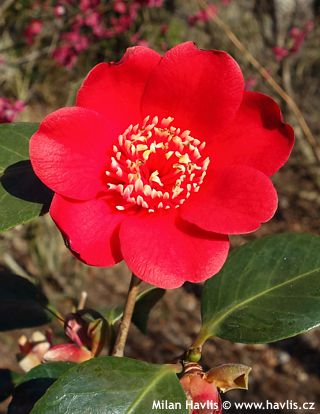
Kimberley is another old Japanese camellia variety from early 20th century, and awarded AGM by RHS in 1934. It produces beautiful, cup-shaped, rich scarlet red blossoms with a crown of yellow stamens. Flowering begins in April and continues for 6-8 weeks. Leaves are evergreen, narrowl ...

IV - V

2,5 - 3,5m

1,3 - 1,5m

semi-shade to shade

6b (down to -21°C)

for zone 5+6

for zone 7
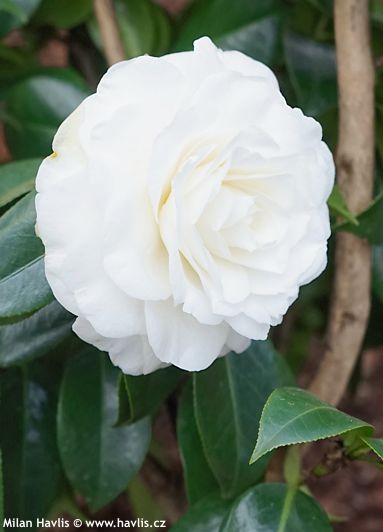
Matterhorn is a magnificent, large-flowered cultivar of Japanese camellia, a classic spring-flowering variety that in temperate Central European conditions usually blooms from late March into early May. Its flowers are pure white, without any creamy or pink undertones, measuring approximately 8 to 1 ...

IV - V

2 - 3m

2 - 2,5m

semi-shade to shade

7 (down to -18°C)

for zone 5+6

for zone 7
If you like cedars or perhaps if you are a collector or just an enthusiast don’t miss this one. It is a beautiful example of a form that is rarely seen in private gardens or arboretums.
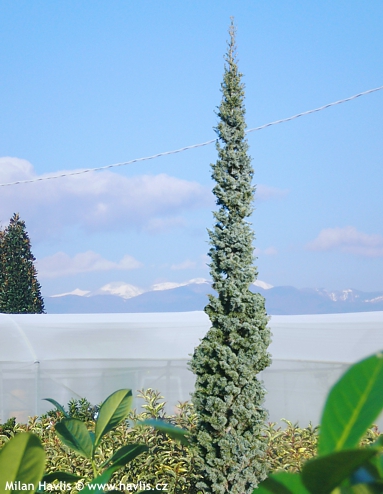
Fastigiata is an attractive form of Atlas cedar with strictly narrow, columnar habit. Its evergreen, short need ...

4 - 8m

1 - 2m

full sun

6 (down to -23°C)

for zone 5+6

for zone 7
Fastigiata Glauca is a blue green or silvery blue version of an attractive form of Atlas cedar Fastigiata with strictly narrow, columnar habit. Its lateral branches are short and densely cover the leader. If a branch goes mad and grows too long in the unwanted direction just clip it, any time of yea ...

4 - 8m

1 - 2m

full sun

6 (down to -23°C)

for zone 5+6

for zone 7
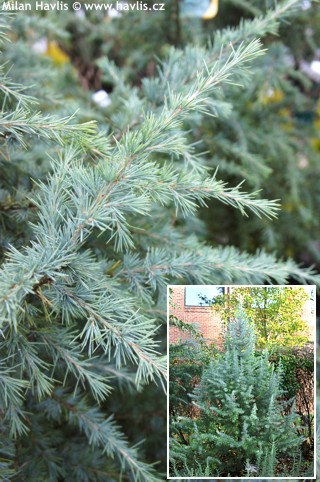
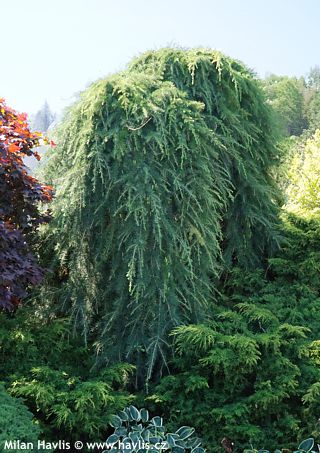
Himalayan cedar is the most graceful of all cedars. Bushes Electra is a slower growing variety bred by Richard Bush in Canby, USA, at the turn of the century. It bears showy, 2-3 cm long, needles of silvery blue colour on insolated parts of the plant, and blue-green color inside the bush. The side b ...

4 - 7m

2 - 3m

full sun

5b (down to -27°C)

for zone 5+6

for zone 7
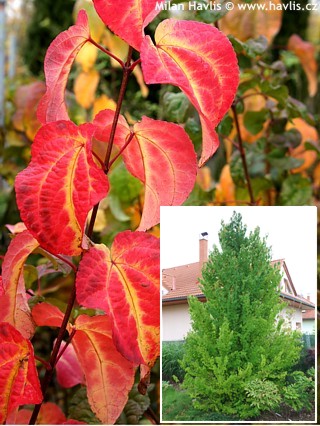
Katsura tree is native to China and Japan, and thanks to its versatility it has found many fans among both professionals and general gardening public. It is a large deciduous shrub or very rarely a tree (uneasy to train it into a tree with one central leader). Its leaves emerge pale bronze and quick ...

10 - 15m

3 - 6m

full sun

4 (down to -34°C)

for zone 5+6

for zone 7
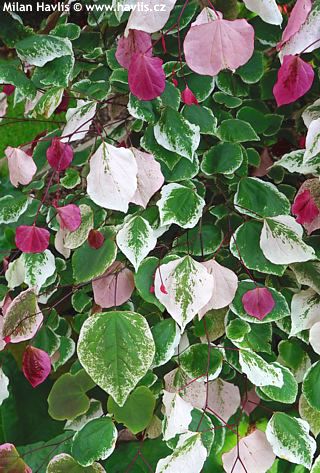
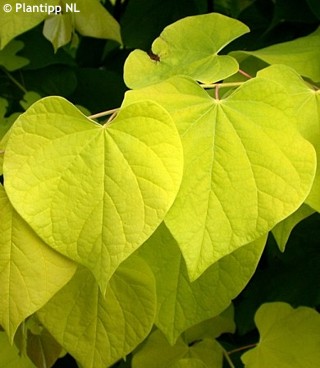
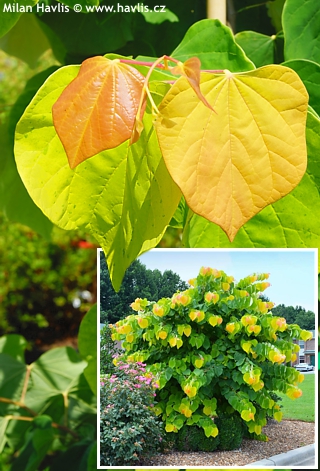
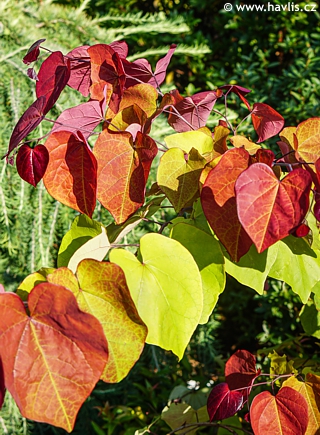
RISING SUN™ is an American variety of Eastern redbud found by Ray and Cindy Jackson for their Jackson Nursery in Belvidere, Tennessee, as a chance seedling. It boasts large, 10-14 cm long and wide, broadly heart-shaped leaves which emerge bright golden or orange while older leaves are bright y ...

IV - V

2 - 4m

2 - 4m

full to partial sun

5 (down to -29°C)

for zone 5+6

for zone 7
Dennis James Werner is a Distinguished Professor of Horticultural Sciences at North Carolina State University in Raleigh, USA, and a breeder who specializes in buddleja, peaches, and redbuds. Regarding the last mentioned he has developed and already patented 8 beautiful varieties, some of which are ...

IV

2 - 4m

2 - 3m

full to partial sun

5 (down to -29°C)

for zone 5+6

for zone 7
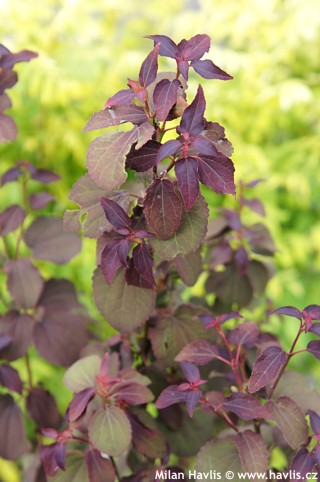
CAROLINA SWEETHEART™ redbud is like fireworks glowing with several colours at once. This darling was developed in cooperation with the Star Roses and Plants Nursery by Thomas G. Ranney from North Carolina State University in the USA, who is also known in our country thanks to his of wonderful ...

IV - V

2 - 4m

2 - 4m

full to partial sun

5 (down to -29°C)

for zone 5+6

for zone 7
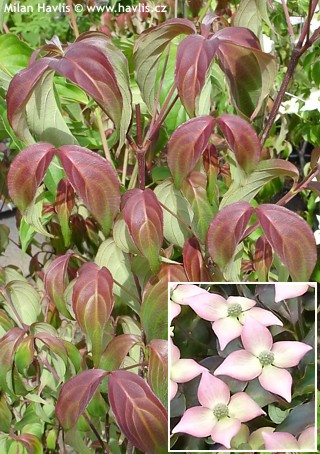
Venus® is a trade name for this lovely plant. It is truly much nicer than the original variety name “KN30-8”. It is as mathematical as the breeding equation: (cornus kousa „Chinensis“ x cornus nuttalli „Goldspot“ ) x cornus kousa „Rosea“. The res ...

VI - VI

2 - 4m

3 - 5m

full sun

5 (down to -29°C)

for zone 5+6

for zone 7
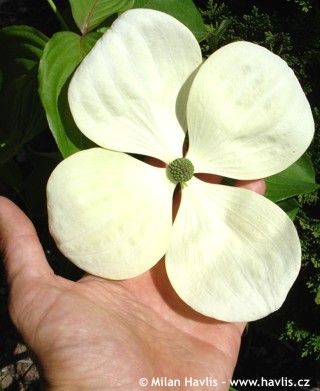
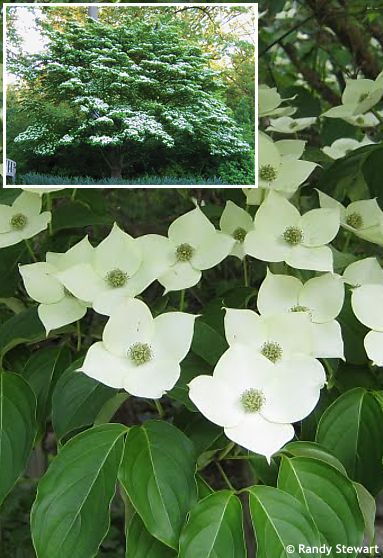
The cultivar Variegata elevates the natural beauty of giant dogwood not by one, but quite possibly by three levels at once. It bears striking green‑and‑white variegated leaves, whose broad creamy margins resemble sugar icing on the tiers of a wedding cake – hence the common name Wedding ...

IV - V

4 - 8m

3 - 6m

full sun

5 (down to -29°C)

for zone 5+6

for zone 7
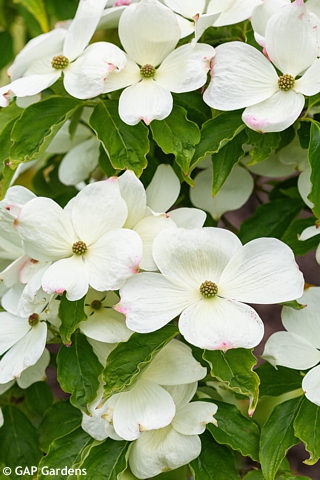
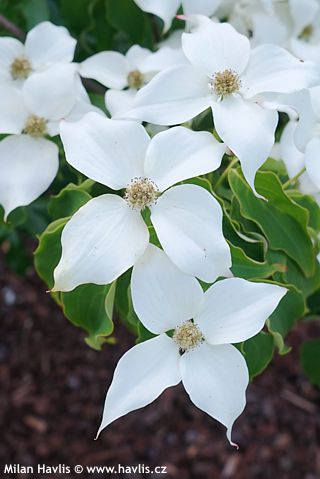
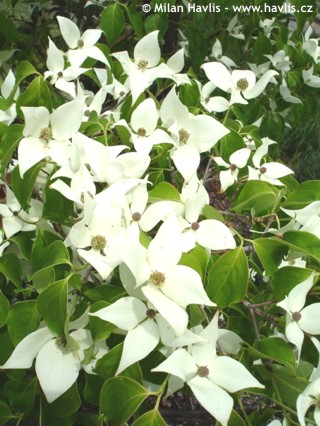
Empress of China Chinese dogwood stands out above all for its abundant and reliable flowering on a fully leaved, evergreen plant. It produces striking, snow‑white bracts approximately 6–8 cm across, appearing in great numbers and creating an exceptionally clean, almost porcelain‑like eff ...

VI - VII

3 - 5m

3 - 4m

full sun

6b (down to -21°C)

for zone 5+6

for zone 7
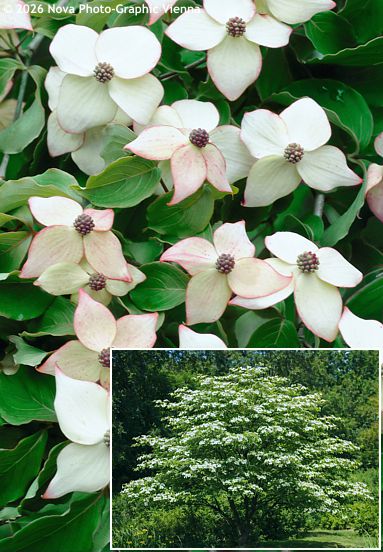
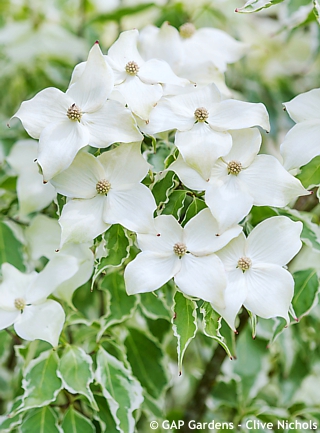
Big Apple is a Japanese dogwood variety from the USA where it was discovered and selected by Polly Hill in the 1960s. The seeds were obtained from M.M. Brubaker of Pennsylvania and as the plants grew she noticed one that was different from the species. She named it Big Apple and while most contempor ...

VI - VII

3 - 5m

2 - 3m

full sun

5 (down to -29°C)

for zone 5+6

for zone 7
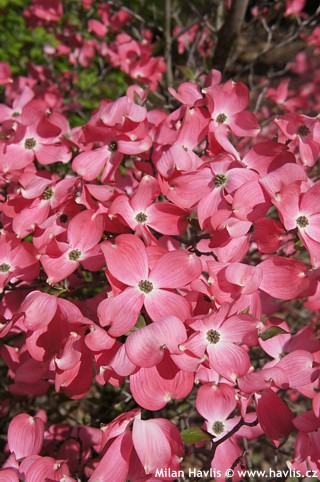
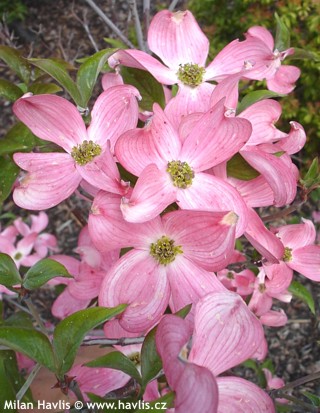
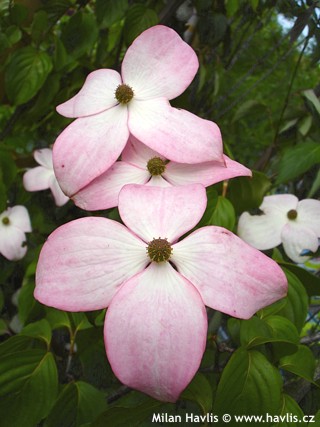
SCARLET FIRE® is a proper Japanese dogwood, not a hybrid, so a plant which flowers later than American dogwoods, on already leafed-out trees (shrubs). The flowers are in fact bracts. There are 4, rich magenta pink, oval, sharply pointed bracts, composed around a small flower head, about 13 cm across ...

V - VI

3 - 4m

2 - 3m

full sun

5 (down to -29°C)

for zone 5+6

for zone 7
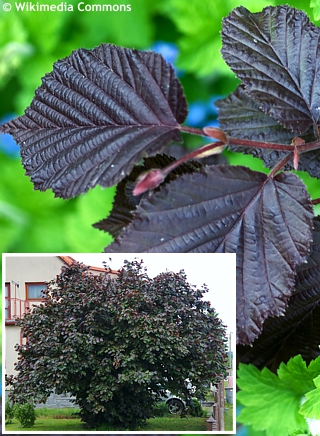
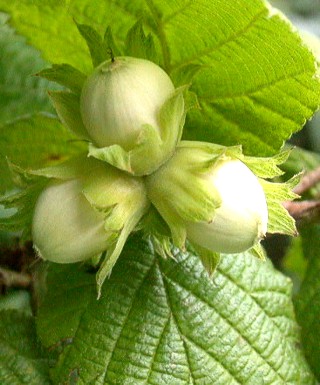
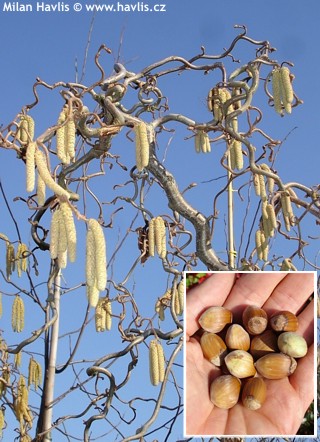
Hazel is a well-known shrub of European woodlands which is popular mainly for its nuts.
It is a suckering, thicket-forming shrub with numerous upright stems. As it is a dense and large shrub it is used as a screening plant. It will also make a wild hedge which should be controlled if required compa ...

II - III

2 - 4m

full to partial sun

4 (down to -34°C)

for zone 5+6

for zone 7
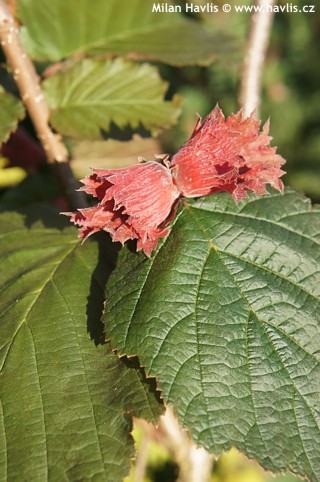
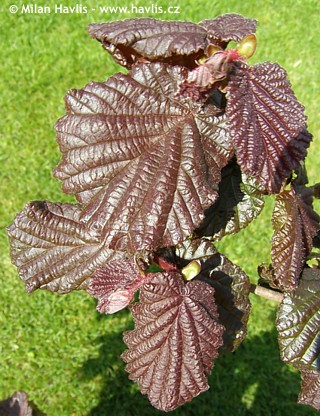
Filbert is a hazelnut species from S.E. Europe and S.W. Asia and exhibits a vigorously growing many-stemmed shrub with deciduous leaves. Purpurea is an old variety with deep maroon to near black leaves. They are 5-12 cm long, 4-10 cm wide, and during summer the colour of maturing leaves changes to d ...

II - III

3 - 6m

3 - 6m

full sun

4 (down to -34°C)

for zone 5+6

for zone 7
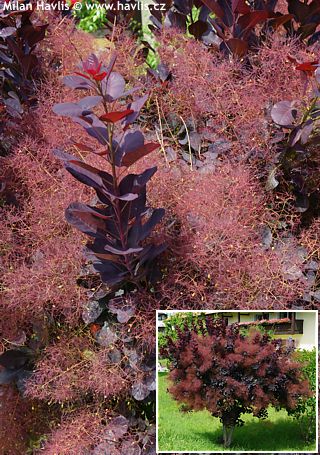
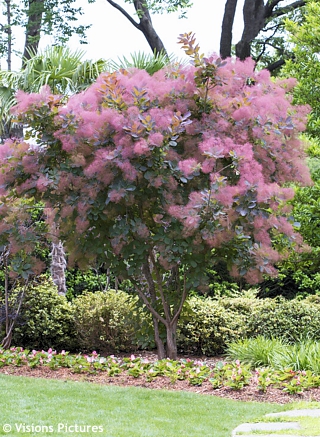
Smoke tree might have a slight problem these days when smoking outside becomes prohibited ... just joking, the alleged smoke is what flowering of this shrub looks like. It blooms from
June to July and from a distance the clusters do look like purple smoke. The leaves of Royal Purple are deep burgund ...

VI - VII

2 - 5m

full to partial sun

5 (down to -29°C)

for zone 5+6

for zone 7
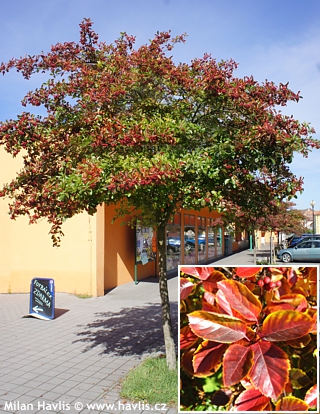
Granatnaja is a Russian cultivar of crataegosorbus - a medium-sized tree with edible fruit. Its leaves are odd-pinnate, with lanceolate to elliptical, finely serrated leaflets that resemble hawthorn more than rowan, reflecting its hybrid origin. In autumn, the foliage turns vibrant shades of red-ora ...

IV - V

3 - 6m

3 - 4m

full to partial sun

4 (down to -34°C)

for zone 5+6

for zone 7
Splendens hawthorn is undoubtedly one of the most beautiful trees of northern hemisphere not only among hawthorns. It is valued for its lush, glossy foliage and a profusion of red berries. Leaves are deciduous, broadly elliptic, serrated at margins, dark green in spring and summer, and take on vibra ...

V - VI

4 - 7m

3 - 4m

full to partial sun

4 (down to -34°C)

for zone 5+6

for zone 7
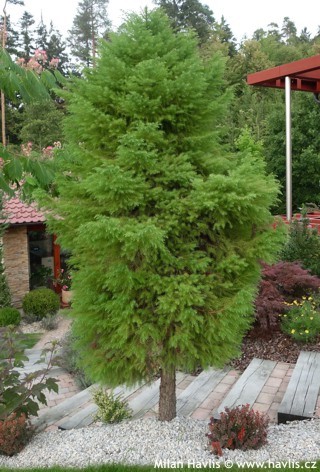
Elegans Viridis is one of those Japanese cedar cultivars that one remembers at first sight. Even as a young plant it looks as if it were wrapped in soft, delicate feathers that ripple lightly with every breath of wind. The needles are soft and threadlike yet structured, held on the branches in dense ...

2 - 6m

2 - 3m

full to partial sun

5b (down to -27°C)

for zone 5+6

for zone 7
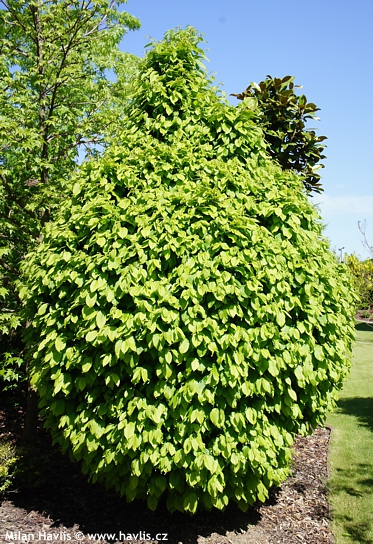
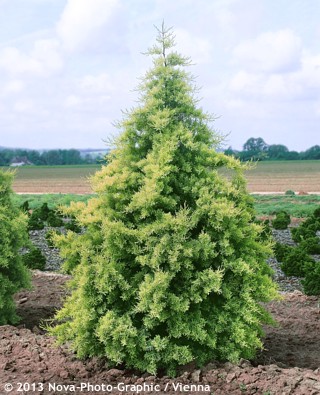
Sekkan Sugi is a gorgeous evergreen conifer not only for Japanese gardens. It forms a fat, cone-shaped shrub or small tree with bright, sulphur-yellow or creamy-yellow new growths. They remain yellow throughout the year until next spring when they turn deep green and are replaced by new foliage that ...

3 - 8m

2 - 3m

full to partial sun

5b (down to -27°C)

for zone 5+6

for zone 7
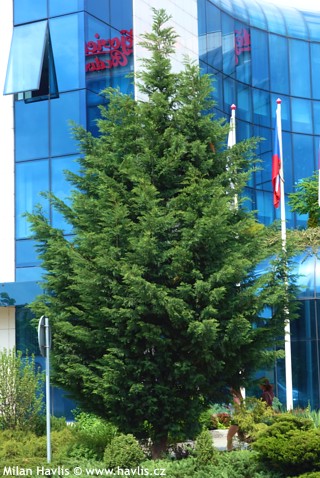
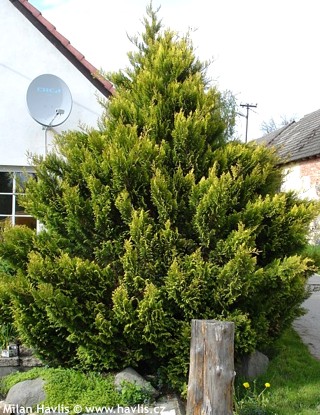
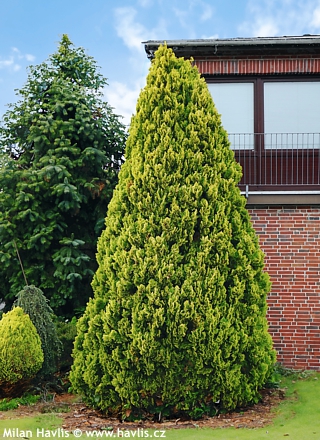
Gold Rider is still quite new in the Leyland cypress family. It produces flattened sprays of bright yellow-green, scale-like leaves. The branches are not pendent, not erect. Something in between and that makes it stand apart from chamaecyparis. The big advantage of Leyland cypress is the fact that i ...

2 - 10m

2 - 4m

full to partial sun

5b (down to -27°C)

for zone 5+6

for zone 7
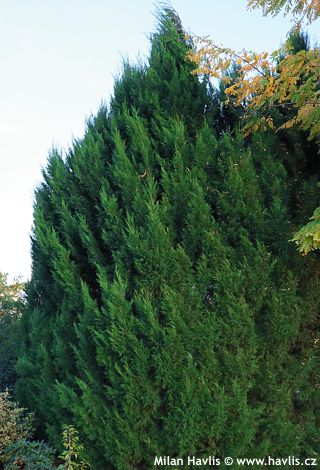
Fastigiata Arizona cypress is a favourite even in gardens where conifers aren’t typically welcome, thanks to its distinctive character, texture, and color. It grows upright and compact, with branches forming a sharper angle with the trunk, emphasizing its columnar habit. The foliage is soft to the t ...

5 - 10m

2 - 5m

full sun

5 (down to -29°C)

for zone 5+6

for zone 7
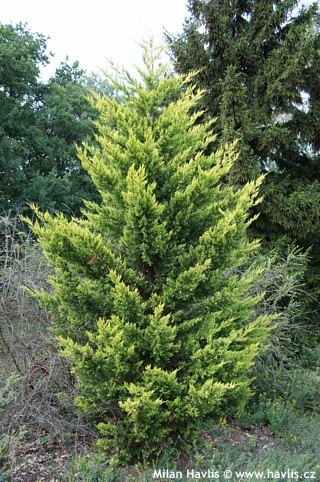
The cultivar Fastigiata Aurea of the Arizona cypress is a true delicacy among conifers. It likely originated as a horticultural selection in France during the second half of the 20th century, although precise details about its development are not documented in the literature. Unlike ‘Fastigiata’, it ...

3 - 6m

1 - 2m

full sun

6 (down to -23°C)

for zone 5+6

for zone 7
The cultivar Sulphurea of the Arizona cypress was bred in France in 1963 and stands out like a sunbeam among conifers – its young shoots shine with a bright yellow hue that gradually matures into a warm chartreuse tone but never fades completely. It grows upright, with looser branching than ‘Fastigi ...

3 - 6m

2 - 3m

full sun

5 (down to -29°C)

for zone 5+6

for zone 7
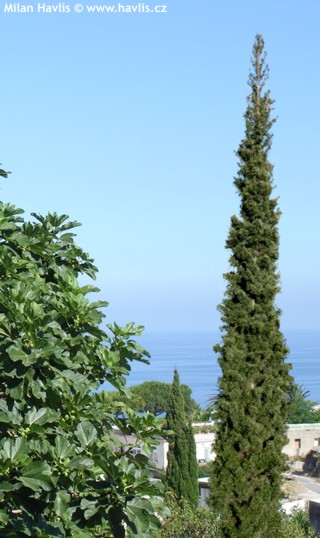
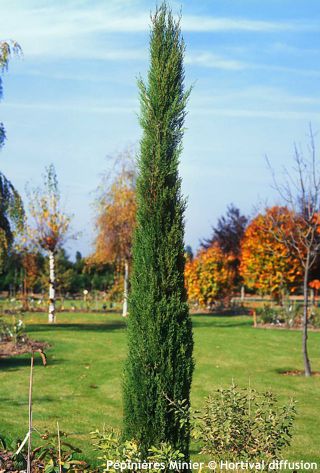
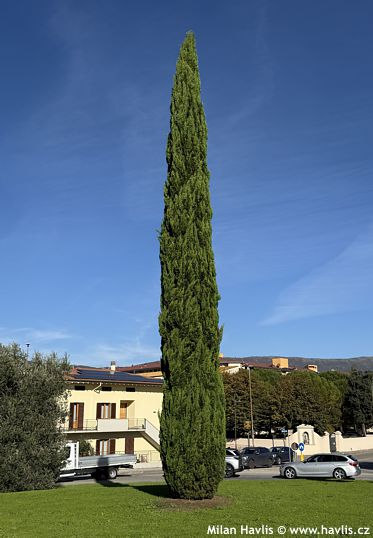
Now for the cultivar Totem. The name itself suggests a plant with the character of a sculpture – and that is exactly what it is. Totem is an extremely narrow, columnar cultivar of Tuscan cypress, like a green sword thrust into the ground. It grows slowly yet steadily, holding its shape like a soldie ...

4 - 8m

0,5 - 1m

full sun

7 (down to -18°C)

for zone 5+6

for zone 7
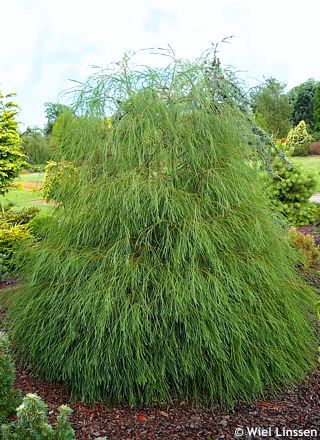
Drooping Solo is a Lawson cypress variety discovered by a Dutch conifer lover and horticulturist Wiel Linssen from Baexem. It was a seedling mutation of Imbricata Pendula, a similar variety of much taller but narrower habit. Drooping Solo forms dense shrubs of a broadly pyramidal shape with drooping ...

2 - 3m

1,5 - 2m

full to partial sun

5 (down to -29°C)

for zone 5+6

for zone 7
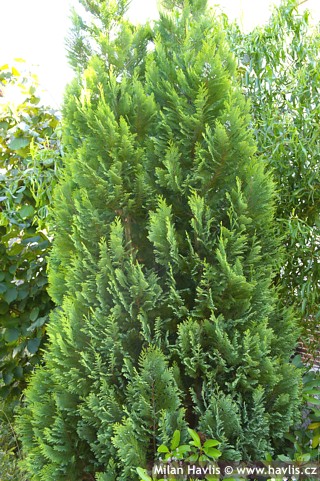
Ellwood's Empire is a natural mutation of an old and proved Ellwoodii Lawson cypress. Its scale-like needles are medium green with blue-green hues, and in spring its tips emerge bright lime-green or almost yellow-green which makes the whole shrub look very fresh and bright. It grows rather slowly in ...

1,5 - 2,5m

0,5 - 1m

full to partial sun

5 (down to -29°C)

for zone 5+6

for zone 7
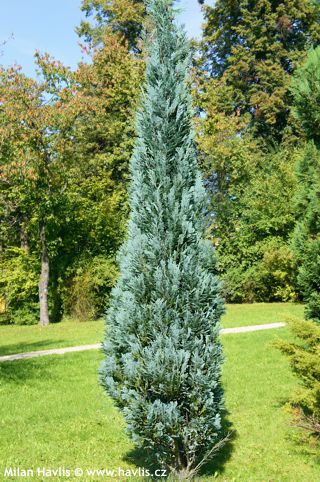
Cypress trees and shrubs are very popular for their variable shapes, leaf types and colours. Variety Columnaris has blue needles and compact shape. It does not grow wider than 1m which makes it ideal for hedges that are only trimmed at the top. Mature plants can reach 6-8m in many decades, they are ...

3 - 6m

1 - 1m

full to partial sun

5 (down to -29°C)

for zone 5+6

for zone 7
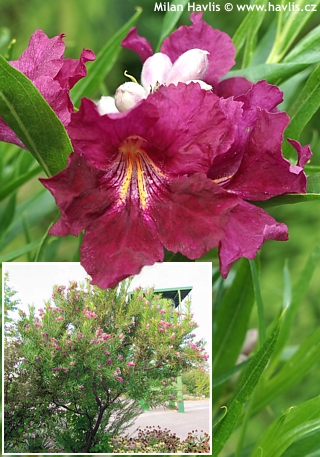
Burgundy is a beautiful variety of desert willow of untraceable origin, possibly a selection of Rio Salado with slightly paler flowers. Burgundy desert willow makes deep maroon, velvety flowers with white and yellow stripes in the throat. They are slightly fragrant and formed in narrow, terminal, up ...

VI - IX

2 - 5m

2 - 4m

full sun

6 (down to -23°C)

for zone 5+6

for zone 7
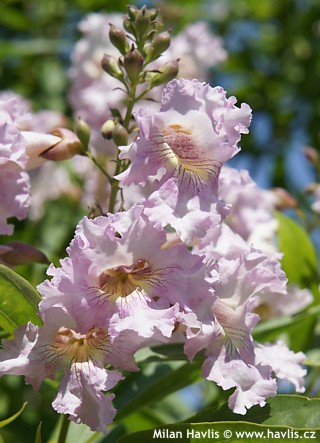
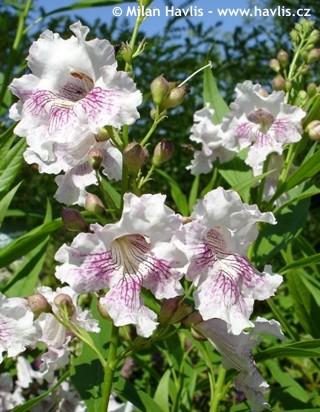
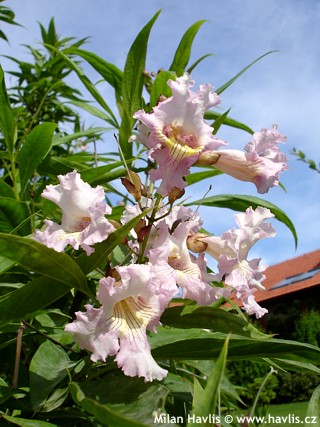
The cultivar Pink Dawn is the principal selection of ×Chitalpa tashkentensis, chosen from the original lines bred by N. F. Rusanov in Tashkent. It was introduced to the United States in 1977 and quickly became the most widespread form thanks to its reliability and long flowering season. Its blossoms ...

VI - VIII

4 - 6m

3 - 4m

full sun

5 (down to -29°C)

for zone 5+6

for zone 7
The cultivar SUMMER BELLS of chitalpa boasts abundant and prolonged flowering throughout summer, from June to August. The inflorescences are upright clusters shaped like slender pyramids, reaching 10 to 20 cm in height, composed of exquisite orchid‑like blossoms that combine light pink to lila ...

VI - VIII

4 - 6m

3 - 4m

full sun

5 (down to -29°C)

for zone 5+6

for zone 7


.jpg)
.jpg)


.jpg)


.jpg)