CURRENTLY IN STOCK:
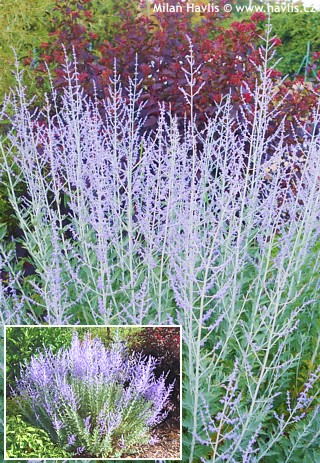
Blue Spire is a hybrid between two types of perovskia. It was first introduced to RHS in 1961 and since late 80´s it has been in cultivation in most of the world with mild climate. It is a very hardy plant originally found in Central Asia (Afghanistan, Pakistan) but is successfully grown even furthe ...

VII - IX

0,6 - 1,2m

0,5 - 1m

full sun

4 (down to -34°C)

for zone 5+6
for zone 7
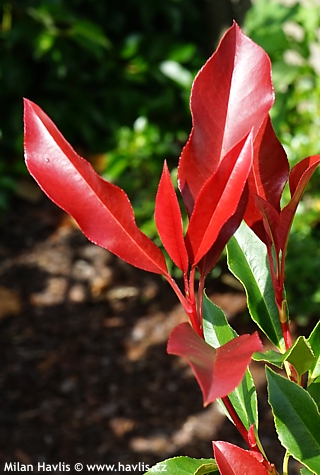
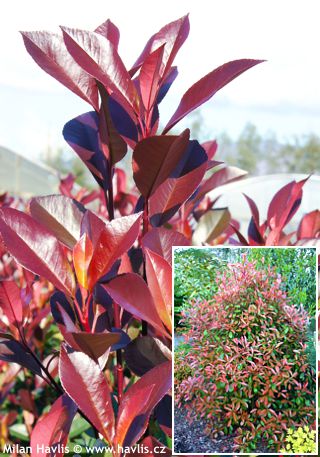
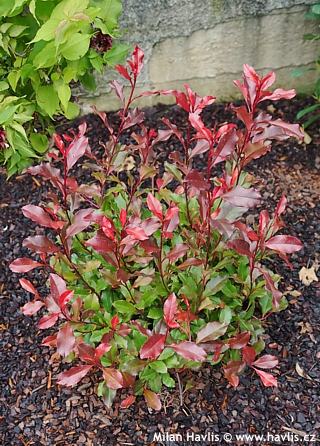
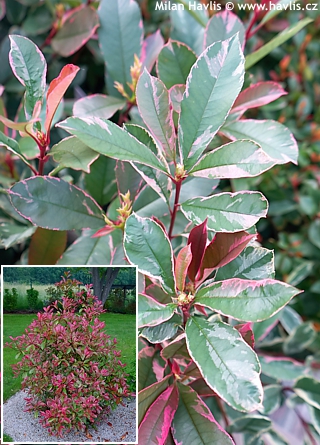
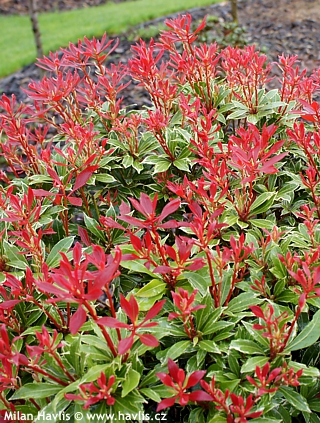
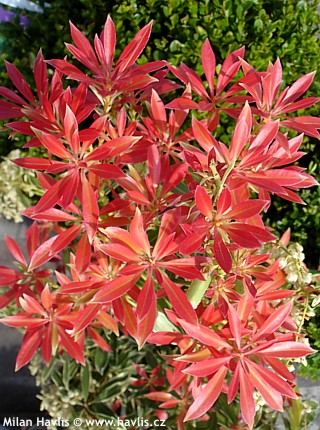
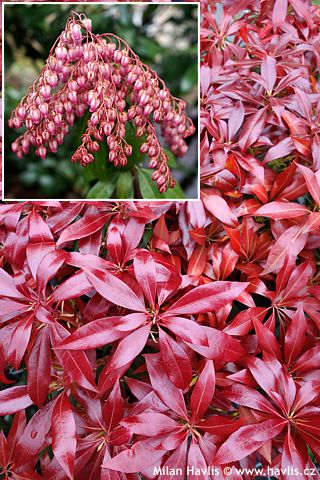
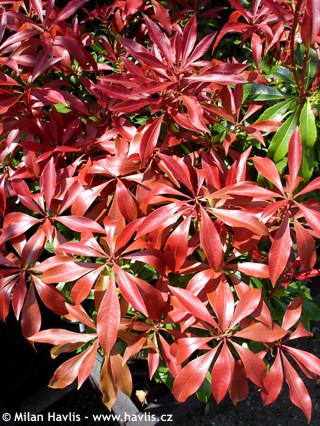
DYNAMO RED is an Australian variety of Japanese photinia from the town of Kulnurra, where it was selected by its breeder John Robb in 2001. One parent was the hardy variety Red Robin and the other was a male plant of p. glabra, so botanically the result should only be referred to as hybrid photinia ...
V - VI
2 - 4m
1,5 - 2,5m

full to partial sun
7 (down to -18°C)

for zone 5+6
for zone 7
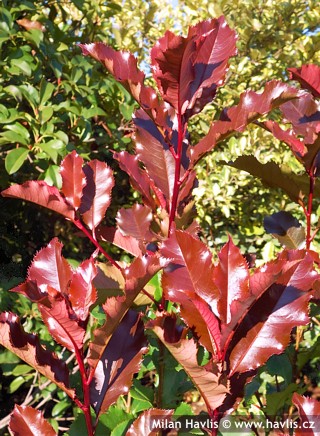
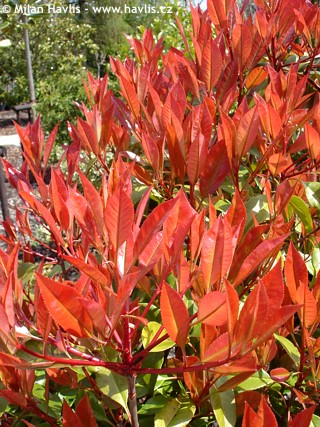
MAGICAL VOLCANO is a new photinia bred by Peter R.Kolster from the Netherlands in 2009. It is a cross between popular Fraser’s hedging photinia and Chinese photinia serratifolia. It is renowned for extremely serrated leaf margins, compact growth, and longer lasting colour of new shoots. It was ...
V - V
2 - 3m
1,5 - 2m
full to partial sun
6 (down to -23°C)
for zone 5+6
for zone 7
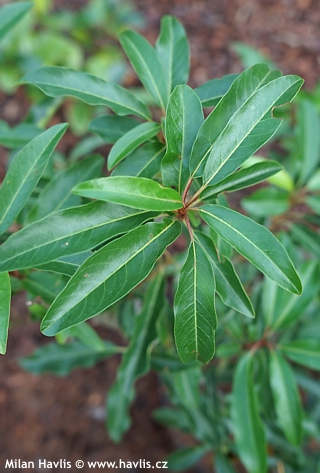
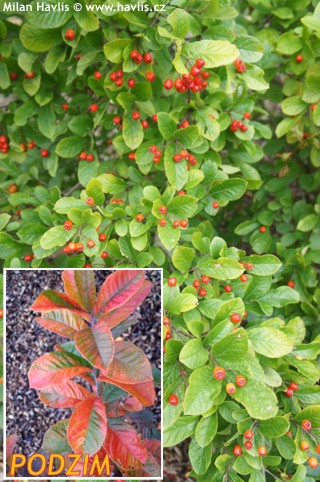
Taiwanese photinia is renowned for notably narrower leaves as opposed to Chinese photinia. Those are deep green, narrowly lance-shaped, and glossy. They emerge coppery red in spring, and in autumn many of older leaves turn scarlet red or light maroon, some plants may gain these shades all over.
It ...
VI
1,5 - 4m
1,5 - 4m
full to partial sun
6 (down to -23°C)
for zone 5+6
for zone 7
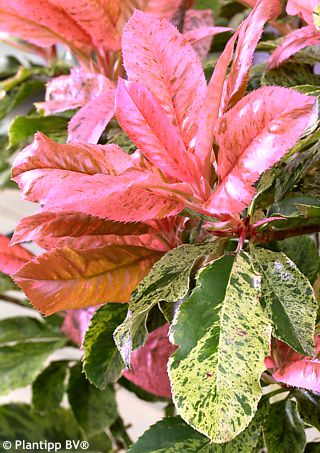
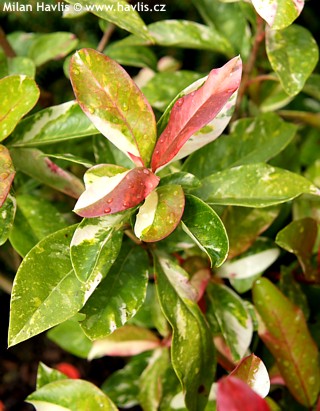
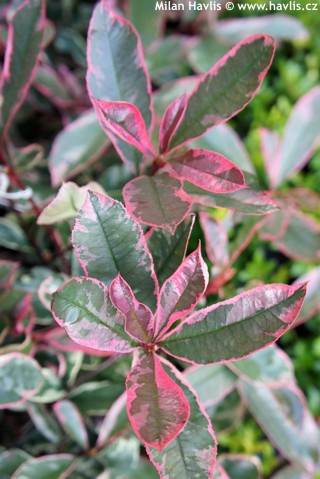
PINK CRISPY photinia is a drama at first glance. Exceedingly showy foliage reveals creamy white variegation on dark green, slightly undulated, gently serrated, and broadly oval to obovate, evergreen leaves. And the real extravaganza show kicks off when new leaves emerge. They are so intensely pink y ...
2 - 4m
1,5 - 3m
full to partial sun
6b (down to -21°C)
for zone 5+6
for zone 7
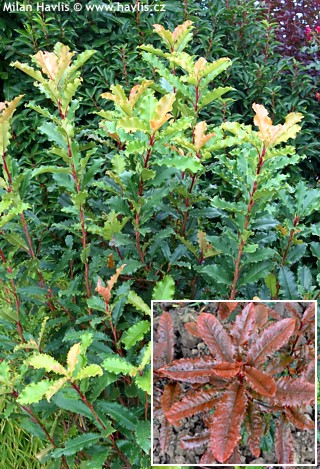
Chinese photinia is a species which is less common in trade and almost nonexistent in European nurseries. Reason being that all European encyclopedias rate it much less winter hardy than David’s or Fraser’s photinia which are very popular evergreen shrubs used for hedges in zones 6 and h ...
1,5 - 2m
1 - 1,3m

full sun to shade
6 (down to -23°C)
for zone 5+6
for zone 7
.jpg)
Devil’s Dream is a German cultivar of Fraser's photinia, bred by Manfred Behrens in his nursery in Bad Zwischenahn, a town at the heart of the well‑known horticultural region of Ammerland. It is an evergreen shrub that, among the many existing cultivars, sits somewhere between the large& ...
IV
2 - 3m
1 - 2m
full to partial sun
6 (down to -23°C)
for zone 5+6
for zone 7
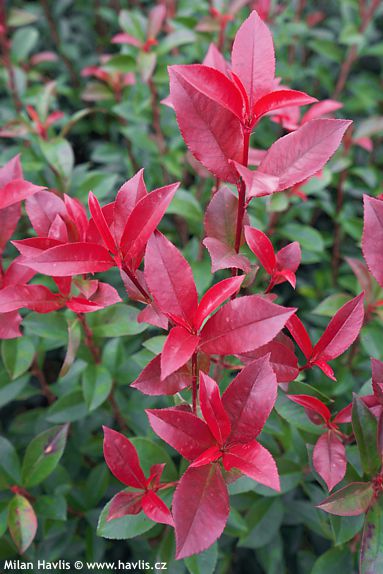
From the very moment CARRÉ ROUGE photinia hit the market, it became an overnight sensation. It originates from the hugely successful ‘Red Robin’, but offers a far more compact and denser habit, with smaller leaves that look elegant and completely smother the plant’s coat, turning the photinia into a ...
2 - 3m
1 - 2m
full to partial sun
6 (down to -23°C)
for zone 5+6
for zone 7
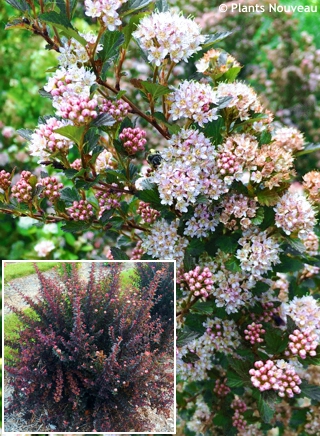
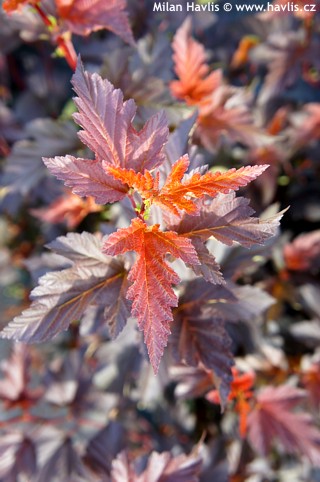
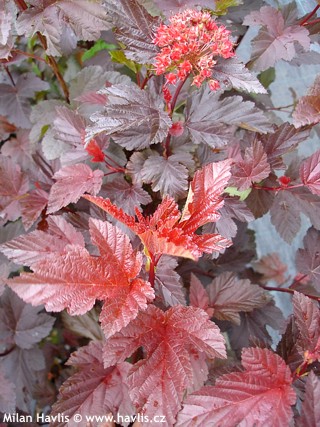
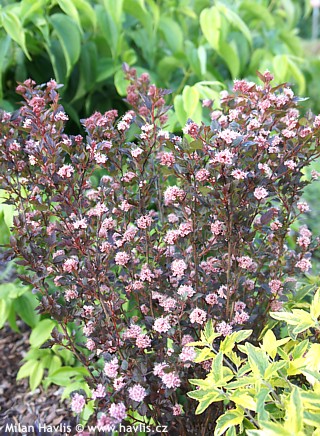
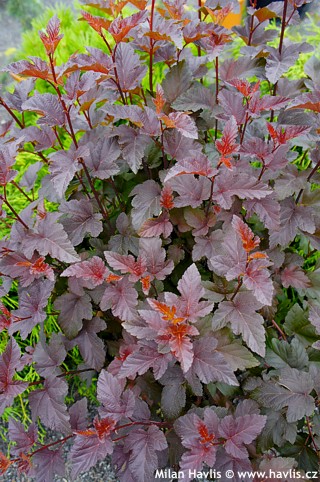
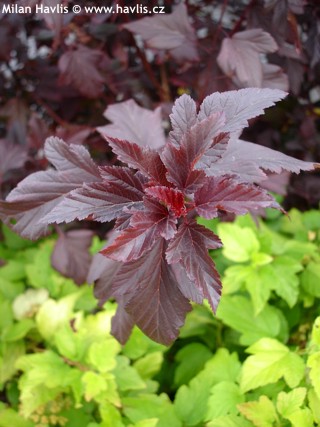
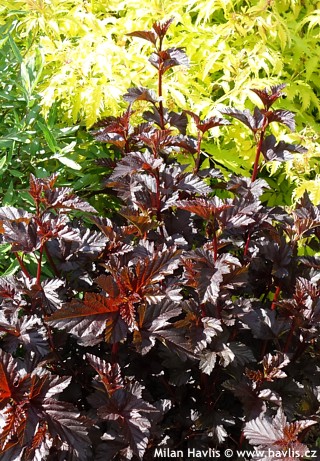
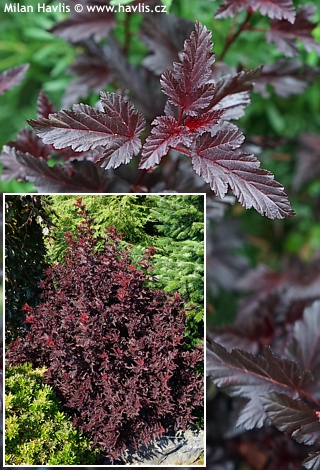
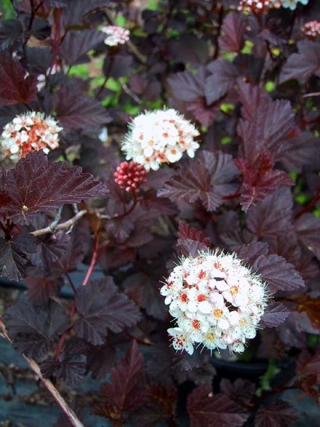
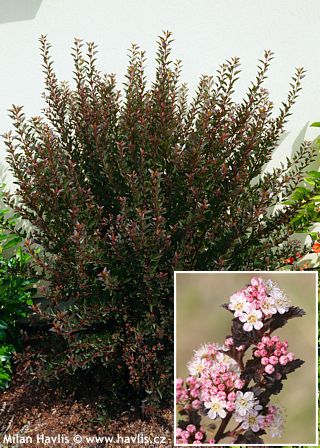
SWEET CHERRY TEA™ belongs among compact to dwarf ninebark varieties with one extra trait: it re-blooms in summer. Its deciduous leaves are small, conspicuously serrated (notched) at margins, and three-lobed like, for example, fire maple leaves. In early spring they emerge bright red with orang ...
VI - VIII
1 - 1,5m
1 - 1,5m
full to partial sun
2 (down to -45°C)
for zone 5+6
for zone 7
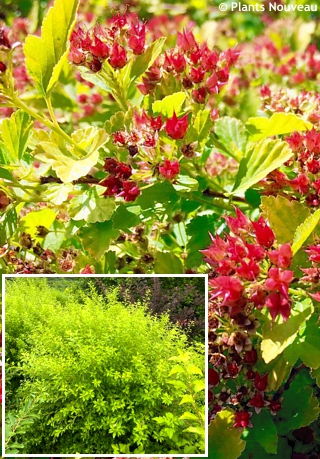
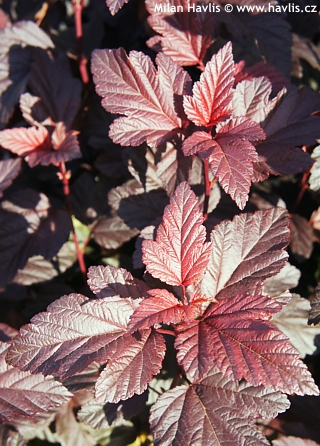
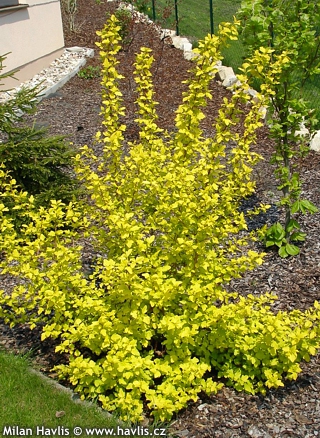
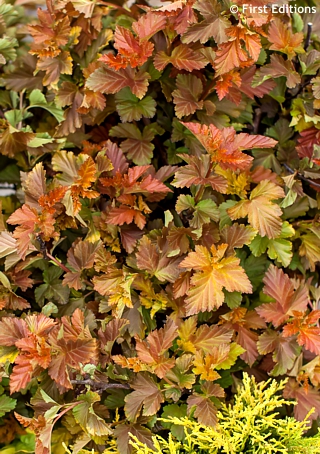
RASPBERRY LEMONADE™ belongs among compact ninebark varieties with a fine texture of small leaves. They are deciduous, about haf the size of the species, conspicuously serrated (notched) at margins, and three-lobed like, for example, fire maple leaves. In early spring they emerge almost yellow ...
VI
1 - 1,5m
1 - 1,5m
full to partial sun
2 (down to -45°C)
for zone 5+6
for zone 7
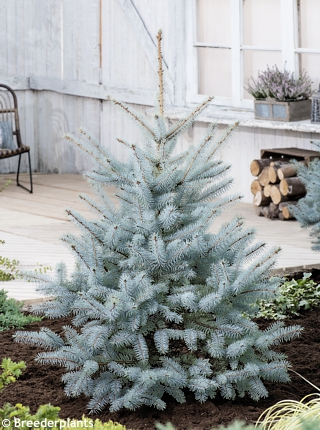
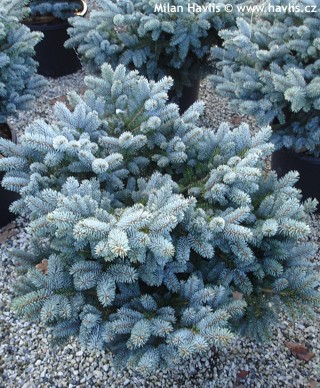
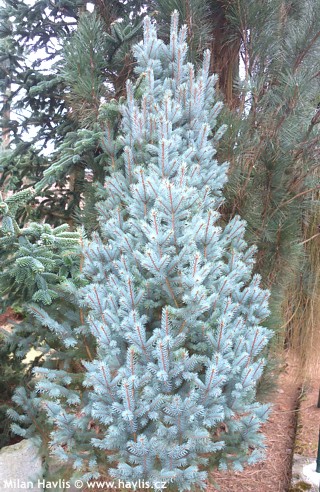
Blue Diamond is a true jewel. This conifer is a variety of Colorado spruce with intensely blue coloured needles with silver overlay. They are quite prickly and evergreen. It grows about 15 cm per year, and only 10 cm upwards making about 1m tall plant in 10 years time. It is well branched from the b ...
4 - 7m
1 - 3m
full sun
3 (down to -40°C)
for zone 5+6
for zone 7
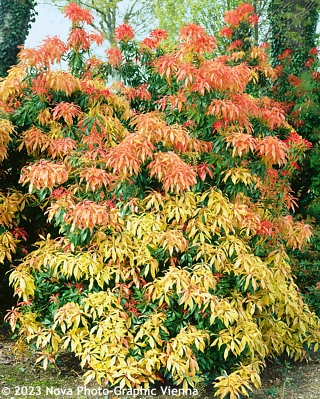
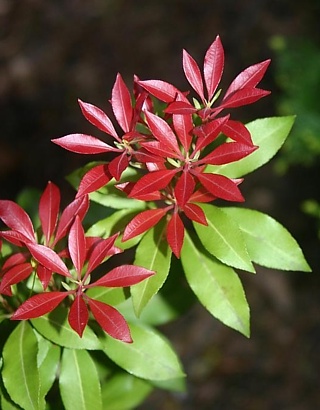
Forest Flame is a variety that belongs to floribunda group. It has deep green, elliptic, pointed, glossy leaves that emerge orange-bronze to fiery-orange coloured. Flowers are small, vase-shaped, compound in 10-15 cm long, hanging racemes. Buds are orange-red. We recommend dead-heading spent flowers ...
IV - V
0,8 - 1,5m
0,8 - 1,5m
full to partial sun
5 (down to -29°C)
for zone 5+6
for zone 7
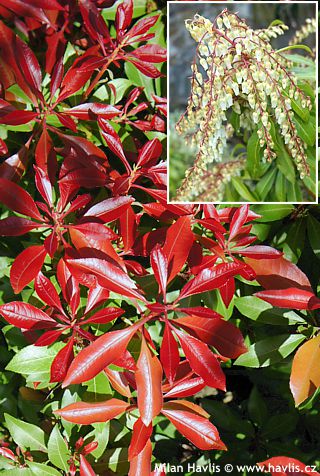
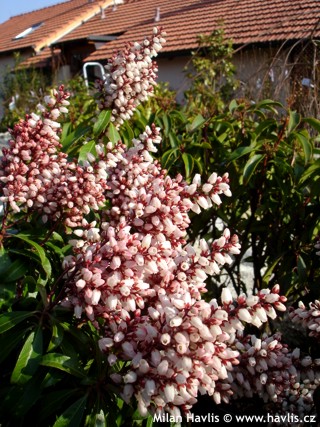
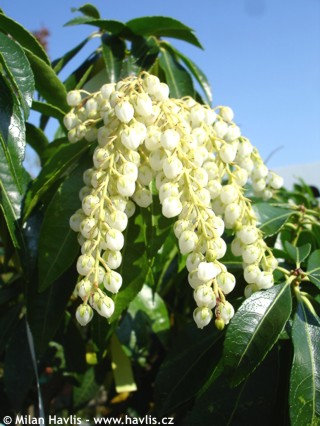
Lily-of-the-valley shrubs are very popular ericaceous plants with attractive foliage and abundant flowering. Mountain Fire is one the best old varieties. It produces abundance of vase-shaped, creamy white flowers hanging on pink stamens in slightly pendent, long racemes. After 3-4 weeks of flowering ...
III - IV
1 - 1,8m
0,5 - 1,5m
full to partial sun
5b (down to -27°C)
for zone 5+6
for zone 7
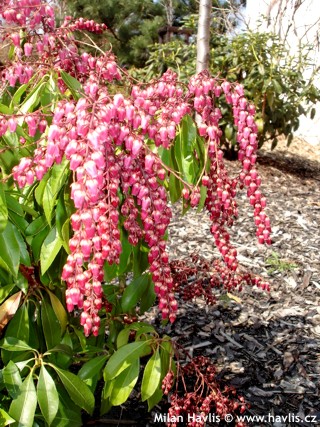
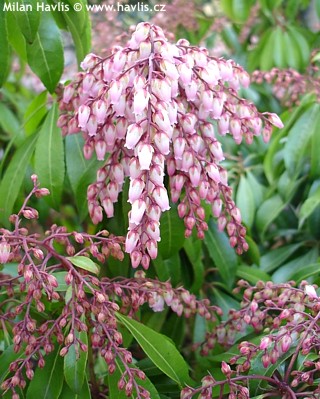
Lustrous green foliage of Valley Valentine pieris complements extraordinary deep rose-pink flowers which come out from late March till early April. They are urn-shaped, sweetly scented, composed in long, pendent racemes, and last for 2-4 weeks. Deadhead spent flowers immediately after flowering so t ...
III - IV
0,8 - 1,5m
0,5 - 1,5m
full sun to shade
5 (down to -29°C)
for zone 5+6
for zone 7
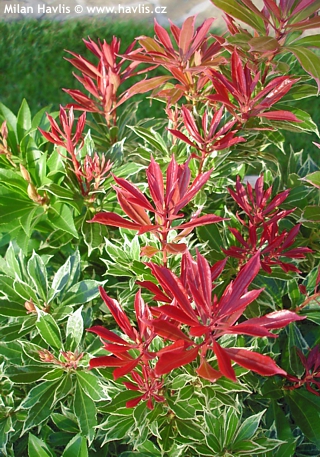
Variegata is a coloured form of Japanese pieris. Its leaves are dark green and glossy with bright white margins which turn pink in autumn. New leaves emerge bright red. Well established plants grown under good conditions bear long racemes of small lily-of-the-valley like white flowers from March to ...
III - IV
1 - 1,5m
0,8 - 1,3m
full sun to shade
5 (down to -29°C)
for zone 5+6
for zone 7
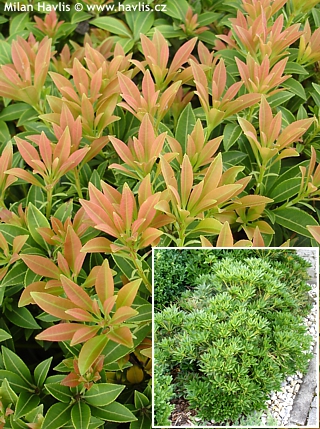
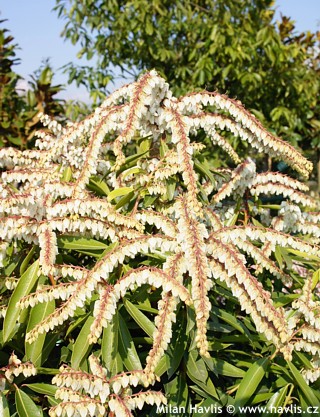
Sarabande pieris was named with intention. Sarabande is the name of an old baroque dance of slow, dignified rhythm, originally in triple time, often with a slightly melancholic or ceremonial tone. The shrub reflects this perfectly: its habit is compact, gently open and gives the impression of branch ...
III - IV
0,5 - 1,2m
0,5 - 1,3m
full to partial sun
5b (down to -27°C)
for zone 5+6
for zone 7
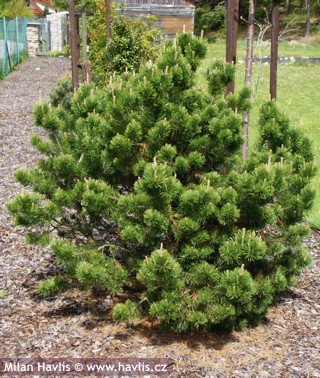
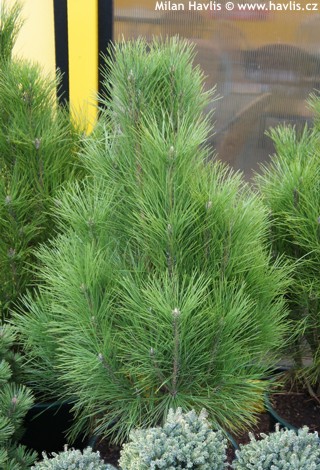
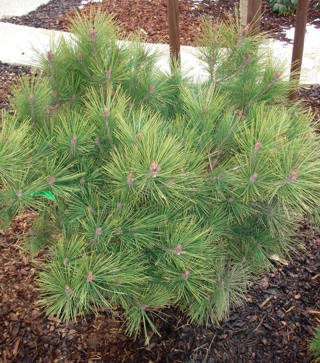
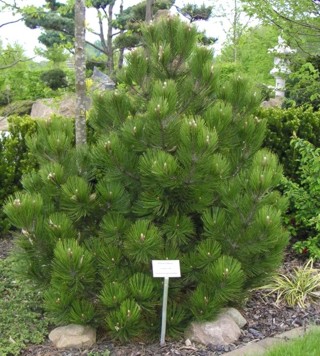
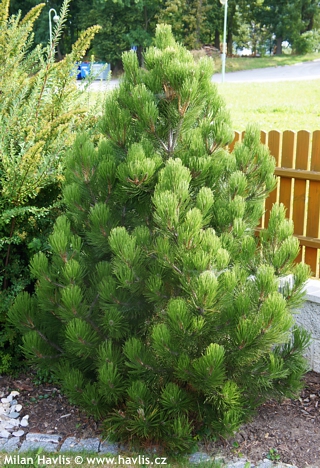
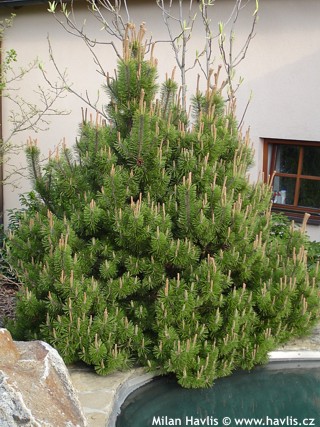
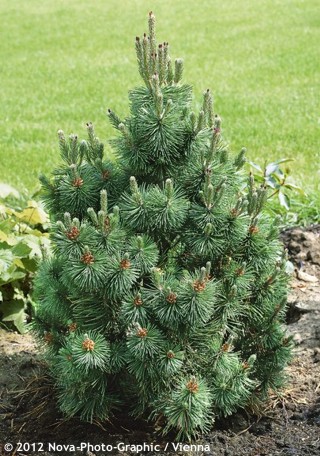
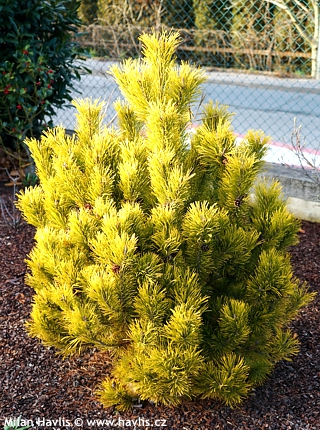
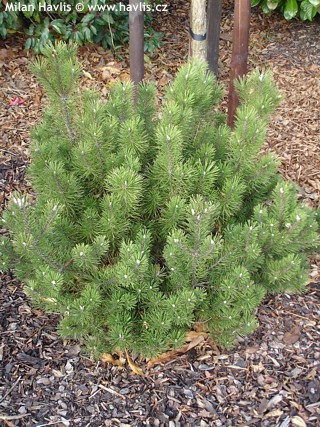
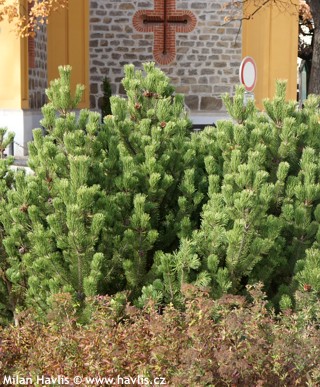
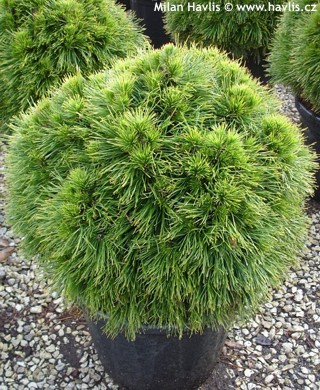
Would you like a gnom for your garden? Not the one from plaster, a living one – a dwarf pine called the same name = Gnom. This one is very beautiful, slow and dense growing with short to medium sized, dark green needles. It is mound-forming when young, making a shrub about 60 cm tall and almos ...
1 - 2,5m
1 - 2,5m
full to partial sun
3 (down to -40°C)
for zone 5+6
for zone 7
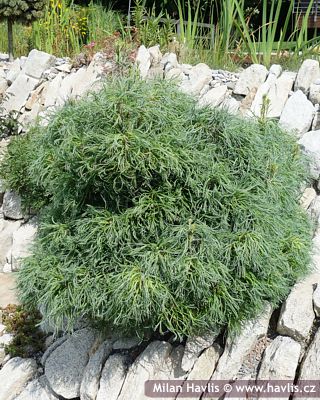
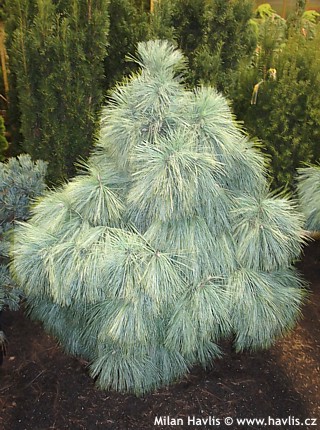
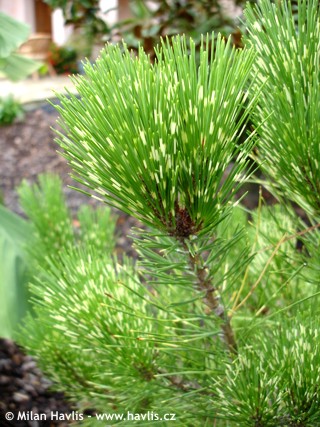
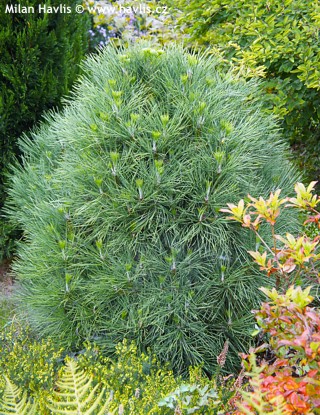
Tiny Curls is a picturesque selection of white pine with twisted needles and straight trunk and branches. The needles are mid green with a silver stripe. It is very similar to another variety with twisted needles called Torulosa but Tiny Curls show much more symmetrical growth, forming a compact, co ...
1 - 3m
1 - 1,5m
full sun
3 (down to -40°C)
for zone 5+6
for zone 7
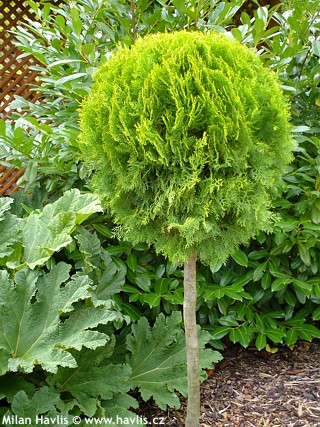
Aurea Nana is a dwarf conifer with golden-yellow, scale-like leaves. It belongs to cypress family and is known under its other name – oriental thuja. It grows slowly, keeps it compact shape and dense habit and is suitable for cultivation on short stems.
Platycladus is a trouble-free conifer w ...
1 - 2m
0,5 - 1m
full to partial sun
5b (down to -27°C)
for zone 5+6
for zone 7
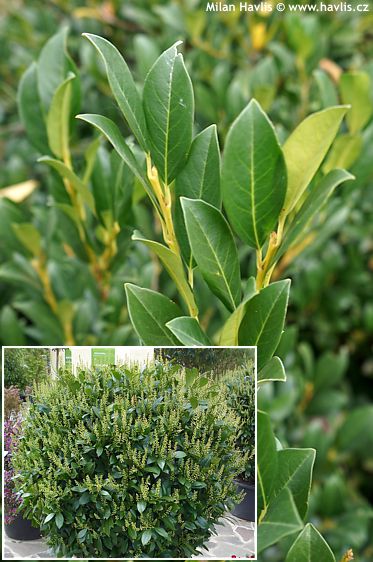
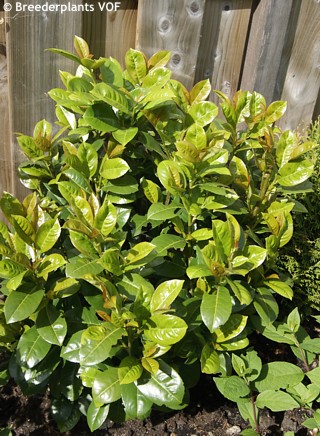
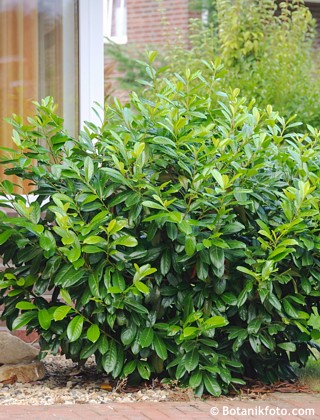
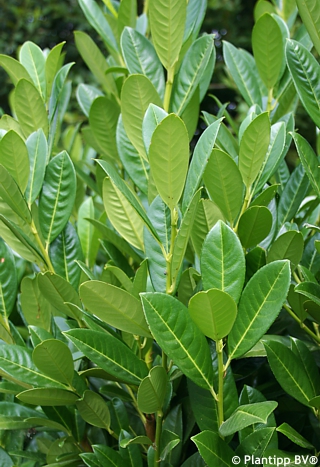
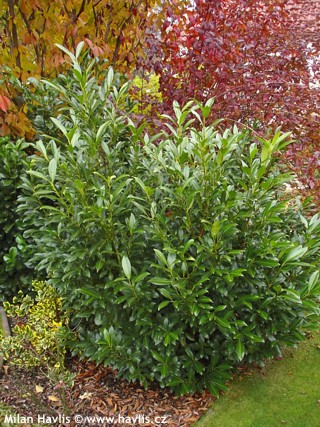
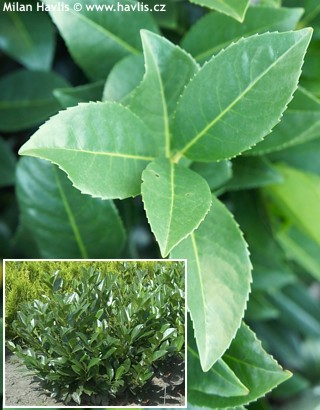
Cherry laurel Mano is a reliable, small to medium‑growing cultivar with a very clean and calm appearance. It stands out for its deep to dark green, highly glossy leaves, which are noticeably pale on the reverse and slightly thinner than those of most other, typically large‑leav ...
V - VI
1,5 - 2m
1,5 - 2m
full sun to shade
6 (down to -23°C)
for zone 5+6
for zone 7
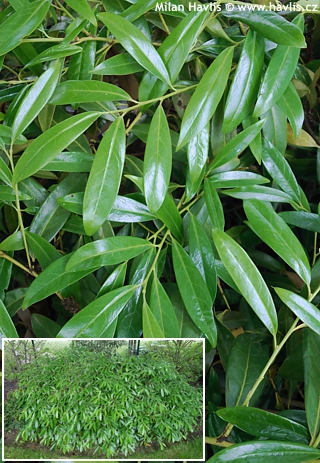
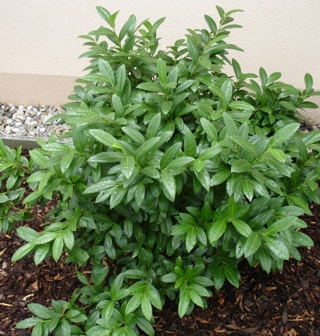
Zabeliana is an old cherry laurel variety whose birth dates back to the end of 19th century as it was introduced in Germany in 1898. There are no extent notes or articles about it, but it is believed to have been found by accident by a German botanist Hermann Zabel (1832-1912) who was already in ...
IV - V
1 - 1,3m
1 - 3m
full sun to shade
5a (down to -29°C)
for zone 5+6
for zone 7
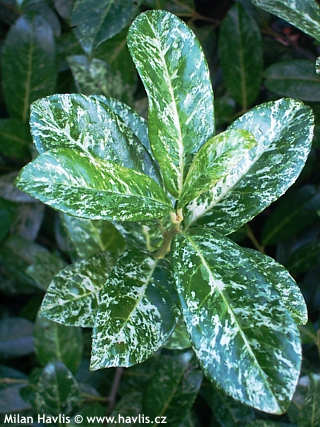
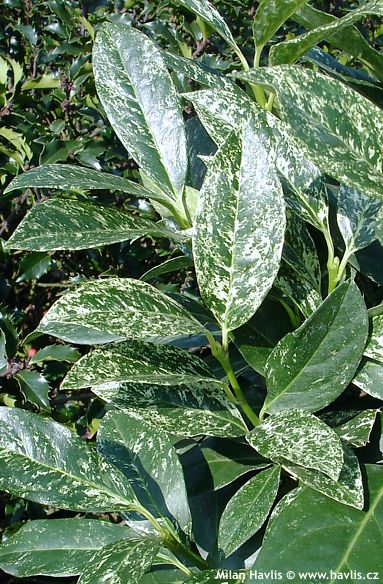
The Northern Irish cherry laurel selection known as ‘Castlewellan’, marketed elsewhere in Europe as Marbled White, is a true treat for lovers of variegated foliage. And by reliably variegated, we really mean it: the marbled pattern that defines the plant and captivates at first glance is stable and ...
IV - V
3 - 5m
2 - 3m
full sun to shade
6 (down to -23°C)
for zone 5+6
for zone 7
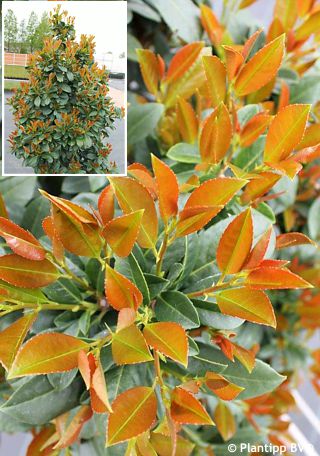
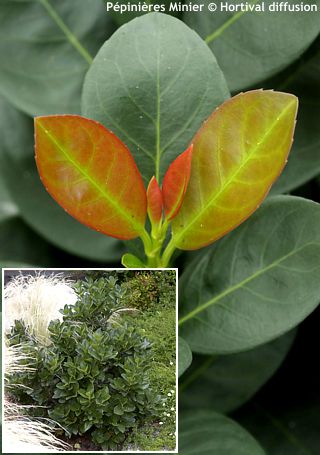
BONAPARTE® is a beautiful cherry laurel cultivar with striking copper‑coloured new growth, once again personally discovered by nurseryman Adrian Straver as a continuation of his work with cherry laurels. It thus follows the highly successful cultivar ETNA®, his first major discovery from a ...
IV
2 - 4m
1 - 2m
full to partial sun
6 (down to -23°C)
for zone 5+6
for zone 7
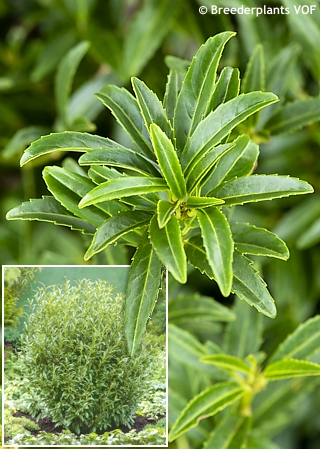
SOFIA is a Hungarian cherry laurel variety from 2020 and an attractive addition to the family of new and hardy varieties from Hungarian breeders. It was granted an EU patent 53851 in 2020, and a year before it won Gold Medal at a prestigious fair of novelties Plantarium 2019.
SOFIA is a dwarf ...
1 - 2m
1 - 2m
full sun to shade
5b (down to -27°C)
for zone 5+6
for zone 7
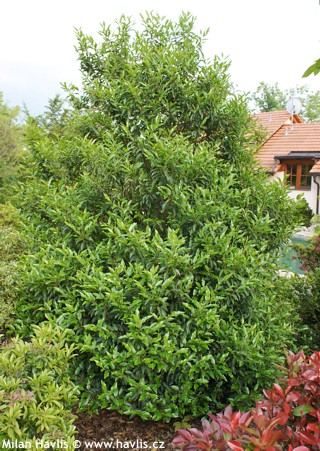
Angustifolia is a popular cultivar of Portuguese laurel, valued for its more compact growth and narrower leaves. The foliage is evergreen, leathery and firmer than that of the species, slightly incurved, narrowly elliptic, 6–10 cm long and 1.5–3 cm wide, with a striking glossy surface. The leaves de ...
V - VI
2 - 6m
2 - 4m
full to partial sun
5b (down to -27°C)
for zone 5+6
for zone 7
.jpg)
Variegata is a collective name for variegated forms of Portuguese laurel, and it must be acknowledged that, although they remain relatively scarce, they are more than precious collectibles. Their principal ornamental feature lies in the evergreen, leathery leaves with creamy to whitish variegation, ...
V - VI
2 - 4m
2 - 3m
full to partial sun
6 (down to -23°C)

for zone 5+6
for zone 7
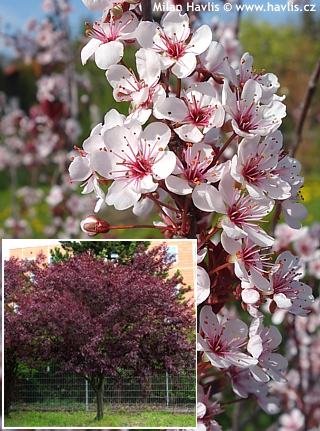
A beautiful ornamental plum tree with deep purple leaves. Flowers appear in May, after the leaves have started to wrap out, and they are pale, nearly white with light purple tint. They do not flower as richly as the flowering cherries, however, this small tree is exquisite for its foliage. The small ...
V - V
2 - 3m
1 - 1,5m
full sun
3 (down to -40°C)
for zone 5+6
for zone 7
.jpg)
.jpg)
.jpg)
.jpg)
.jpg)