










Home > Catalogue > by growth >

small tree

small tree beginning with: complete list

CURRENTLY IN STOCK:

731_1.jpeg
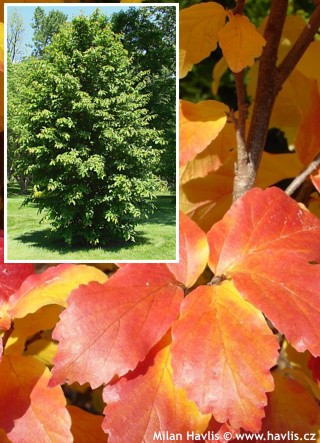
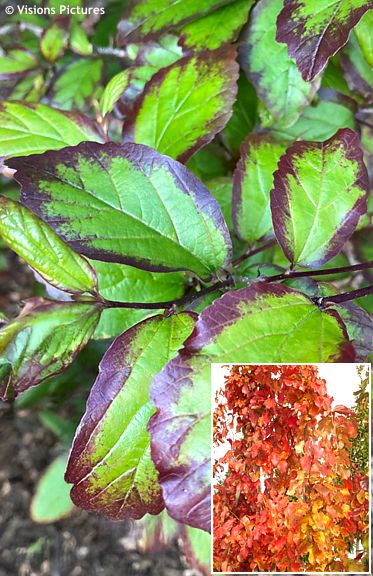
The cultivar Vanessa belongs among the narrowly growing forms of Persian ironwood and is distinguished by attractive, broadly oval leaves with pronounced veins. In spring they are fresh green, in summer some retain reddish margins, and in autumn they transform into several layers of radiant colours ...
8 - 12m
3 - 5m
full sun
4   (down to -34°C)
Code of winter protection zone 5+6
for zone 5+6
Code of winter protection zone 7
for zone 7
Parrotia persica 'JL Columnar' PERSIAN SPIRE®
When people think of Persian ironwood, most imagine a broad, spreading tree with dazzling autumn colours. ‘Vanessa’ once showed that it could grow more narrowly, but with age it widens and loses its slender form. PERSIAN SPIRE® plays in a different league – it was chosen from the very beginning for ...
6 - 9m
1,5 - 2,5m
full sun
4   (down to -34°C)
Code of winter protection zone 5+6
for zone 5+6
Code of winter protection zone 7
for zone 7
5040_1.jpeg
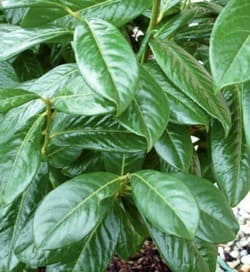
Media mock privet bears evergreen, opposite, 3-4 cm long, broadly elliptic, very dark green, leathery, and glossy leaves. In mid or late spring appear profusion if tiny, insignificant, creamy white flowers followed by small, blue-black, spherical fruit which recalls tiny balls of black pepper when f ...
3 - 4m
2 - 4m
full sun
6   (down to -23°C)
Code of winter protection zone 5+6
for zone 5+6
Code of winter protection zone 7
for zone 7
4261_1.jpeg
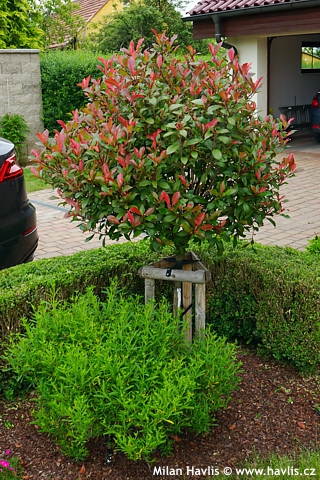
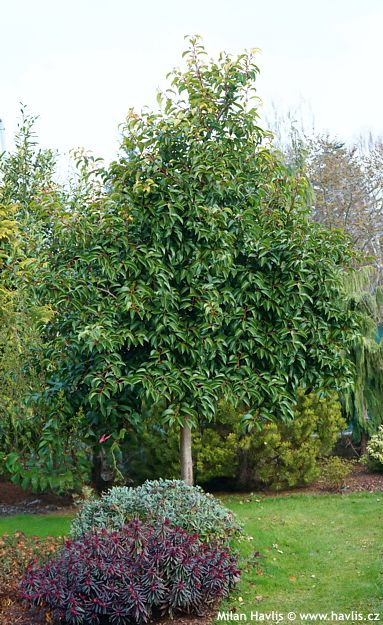
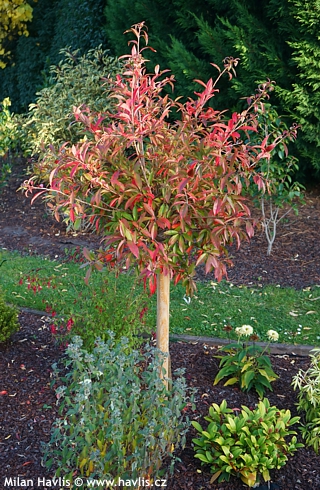
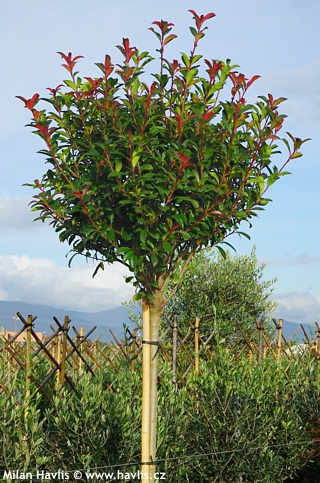
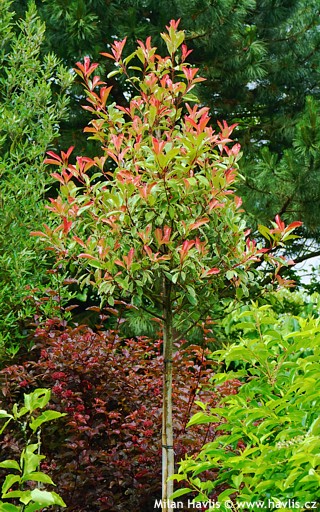
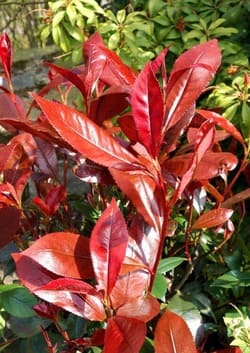
Red Robin is the very first and, it must be said, still a remarkably successful cultivar of Fraser's photinia. Twenty years after its introduction it received the AGM (Award of Garden Merit) from the Royal Horticultural Society for its resilience, beauty and reliability. It is a New Zealand selecti ...
V
2 - 6m
2 - 5m
full to partial sun
6   (down to -23°C)
Code of winter protection zone 5+6
for zone 5+6
Code of winter protection zone 7
for zone 7
4115_1.jpeg
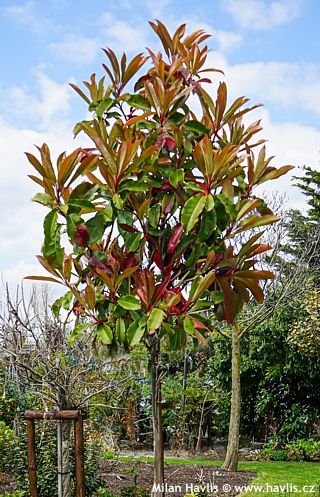
This photinia was originally named Cassini, a very charming name, but the commercial world insisted on a new designation: PINK MARBLE®. It must be said that it is fits – this evergreen shrub bears ovate leaves intricately threaded with white and silvery tones that turn distinctly pink towards the en ...
V
2 - 4m
2 - 4m
full to partial sun
6   (down to -23°C)
Code of winter protection zone 5+6
for zone 5+6
Code of winter protection zone 7
for zone 7
4365_1.jpeg
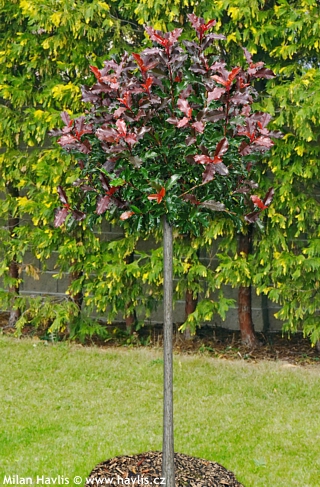
From the very moment CARRÉ ROUGE photinia hit the market, it became an overnight sensation. It originates from the hugely successful ‘Red Robin’, but offers a far more compact and denser habit, with slower growth and smaller leaves that look elegant and completely smother the plant’s coat, turning t ...
2 - 3m
1 - 2m
full to partial sun
6   (down to -23°C)
Code of winter protection zone 5+6
for zone 5+6
Code of winter protection zone 7
for zone 7
1169_1.jpeg
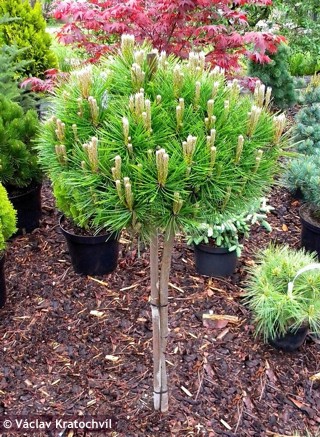
There are about 20 currently registered varieties of Japanese red pine and if you admire Mediterranean stone pines with their rounded crowns, take a look at this variety, which shares several similar traits but is perfectly suited to temperate climates. Its name is Alice Verkade, and it is truly a g ...
1 - 2m
0,5 - 1,5m
full sun
5   (down to -29°C)
Code of winter protection zone 5+6
for zone 5+6
Code of winter protection zone 7
for zone 7
129_1.jpeg
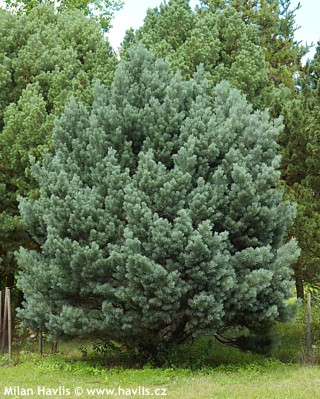
Watereri is a small, slow-growing pine which is also commercially known under the name “Nana” – a typical name for many dwarf plants. Its needles are borne in pairs, dark green with only a hint of blue-green in summer, and more bluish in cold months of autumn and winter. It is very ...
2 - 4m
1 - 4m
full sun
2   (down to -45°C)
Code of winter protection zone 5+6
for zone 5+6
Code of winter protection zone 7
for zone 7
1115_1.jpeg
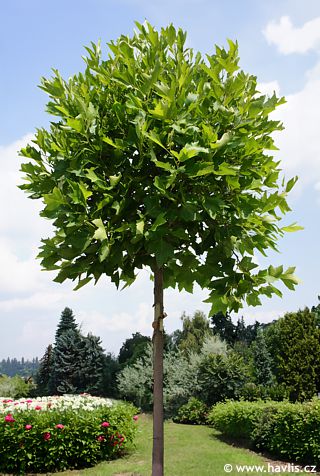
Alphen’s Globe has been a sought after small tree in the last decade or so since it offers beauty of its parent – plane tree - but much smaller dimensions which make it suitable even for small gardens. Its deciduous leaves are large – 20 cm wide, glossy green, with 5 lobes. Fruits ...
3 - 5m
2 - 3m
full sun
5   (down to -29°C)
Code of winter protection zone 5+6
for zone 5+6
Code of winter protection zone 7
for zone 7
1370_1.jpeg
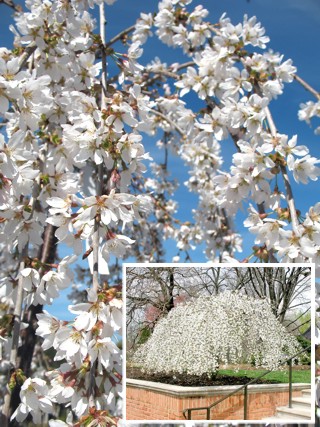
Originally named Snofozam after it was put to trade this hybrid weeping cherry received a nicer name Snow Fountains® which tells everything. In the spring it produces masses of lightly scented pure white flowers along plentiful of weeping branches that may run almost to the ground unless pruned ...
IV - V
1,5 - 3m
1 - 3m
full sun
4   (down to -34°C)
Code of winter protection zone 5+6
for zone 5+6
Code of winter protection zone 7
for zone 7
4528_1.jpeg
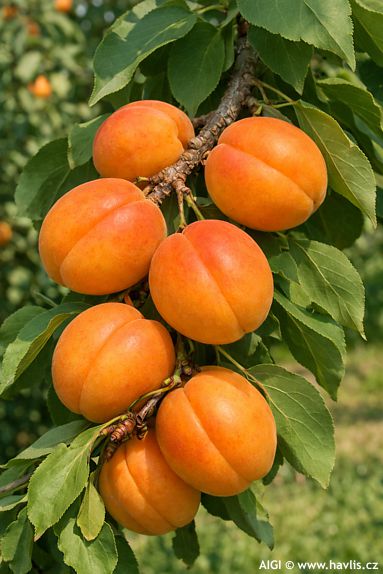
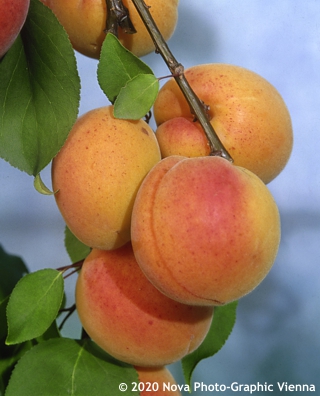
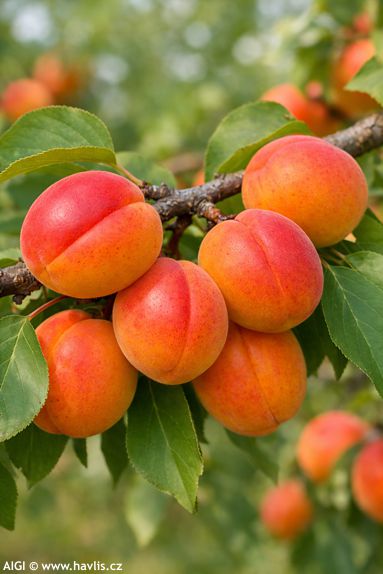
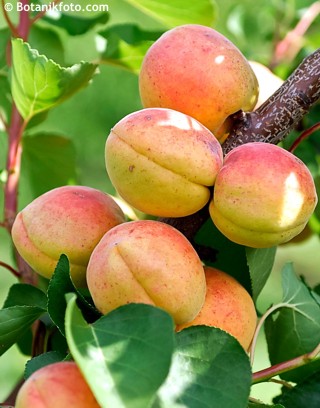
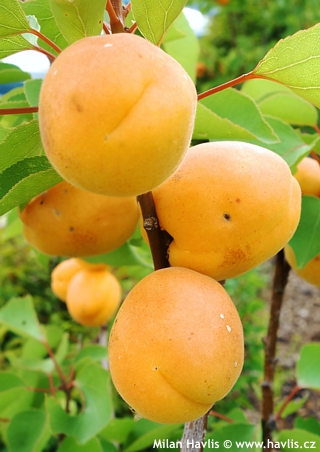
Aprikose von Nancy, De Nancy, Gros Peche or simply Nancy Peach is an old and proven variety of apricots from 1709. It originated in France and is valued for production of large fruit of excellent taste and good garden performance. The fruit is almost rounded, deep orange, red flushed, the flesh is a ...
IV
3 - 4m
2 - 4m
full sun
5   (down to -29°C)
Code of winter protection zone 5+6
for zone 5+6
Code of winter protection zone 7
for zone 7
3397_1.jpeg
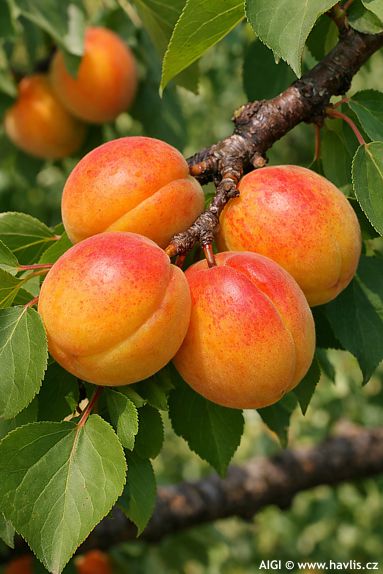
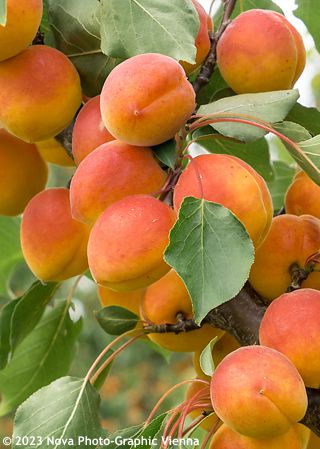
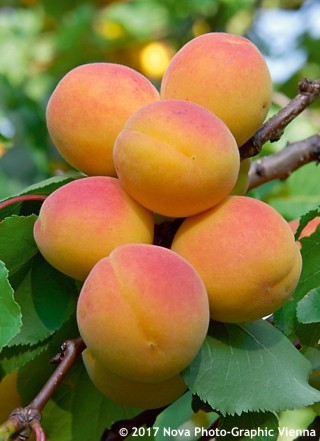
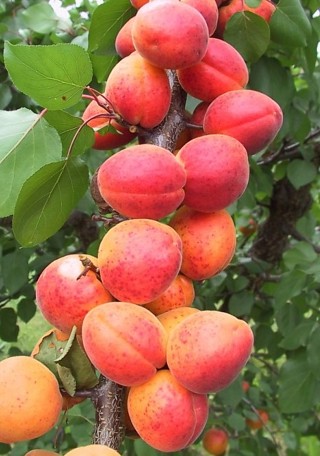
Harcot is a Canadian breeding of apricots made by Richard Layne from Harrow in Ontario. It is a very hardy and tasty apricot variety from 1978. The fruit is medium-sized with orange and red skin, ripening from late July. The flesh is sweet and juicy, freestone, and the stones have sweet kernels. Fru ...
IV - IV
3 - 5m
2 - 4m
full sun
5   (down to -29°C)
Code of winter protection zone 5+6
for zone 5+6
Code of winter protection zone 7
for zone 7
4498_1.jpeg
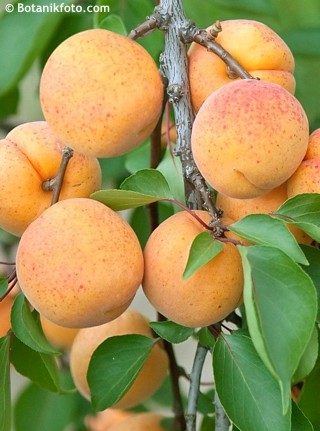
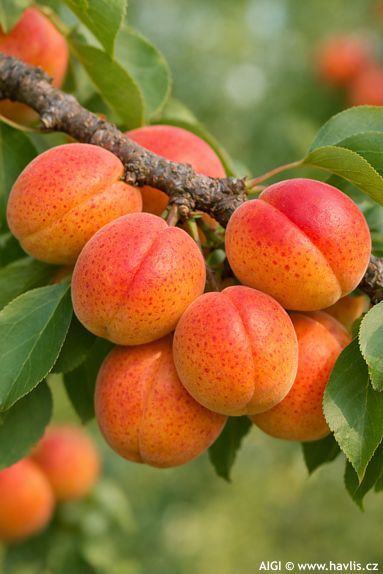
Harlayne is a Canadian breeding of apricots made by Richard Layne from Harrow in Ontario. It is a very hardy late apricot variety producing fruit from about mid August in CE climate. The fruit is deep orange red flushed, almost rounded, sweet, aromatic, and freestone. Fruit is great for fresh consum ...
3 - 5m
2 - 4m
full sun
4   (down to -34°C)
Code of winter protection zone 5+6
for zone 5+6
Code of winter protection zone 7
for zone 7
5715_1.jpeg
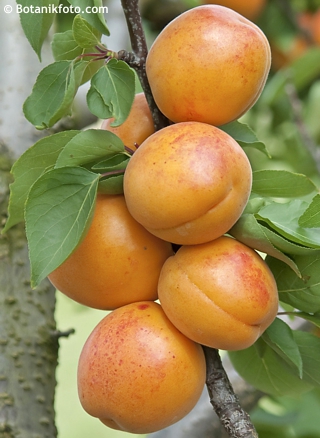
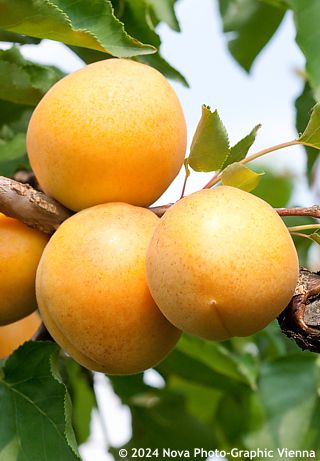
Polonais is a late apricot tree variety from Provence in France. It produces rounded to oval fruit of golden yellow skin with orange cheeks and some red freckles. The flesh is sweet and juicy, mildly aromatic and medium firm which makes it ideal for making preserves apart from eating fresh. Maturity ...
3 - 5m
2 - 4m
full sun
5b   (down to -27°C)
Code of winter protection zone 5+6
for zone 5+6
Code of winter protection zone 7
for zone 7
2199_1.jpeg
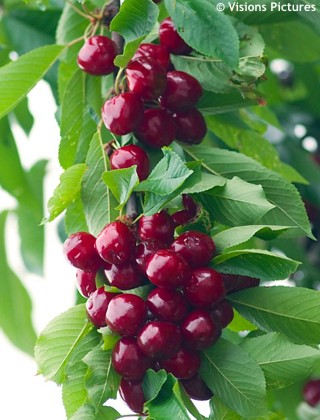
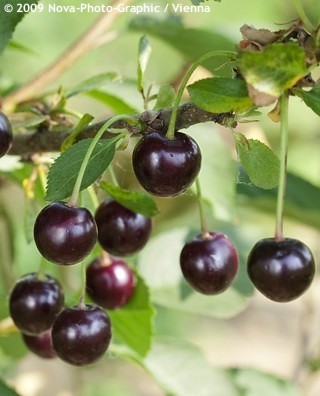
Stella is one the best modern self-fertile varieties of sweet cherries. It comes from Canada and produces reliable crop of large, sweet, very dark red, juicy fruit from end July. Self-fertile means it does not need a pollinating partner and you can have just one tree in the garden and there will alw ...
IV - IV
2 - 2,5m
1,5 - 2m
full sun
5   (down to -29°C)
Code of winter protection zone 5+6
for zone 5+6
Code of winter protection zone 7
for zone 7
Prunus avium 'VICTORIA'
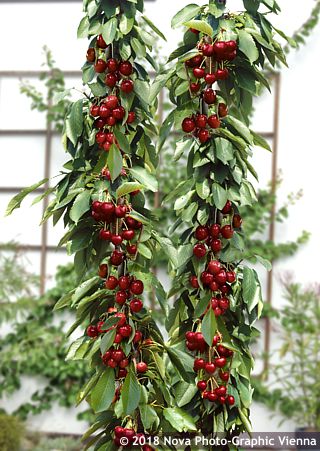
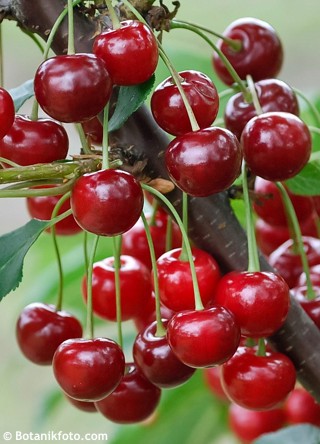
Victoria is an exceptional sweet cherry of the bigarreau type with a naturally narrower growth, which is why it is often classified among so‑called columnar fruit trees. It produces large, round fruits with dark red to reddish‑brown skin. The flesh is firm, juicy, and sweet, with a pleas ...
IV
2 - 3m
0,8 - 1m
full sun
5   (down to -29°C)
Code of winter protection zone 5+6
for zone 5+6
Code of winter protection zone 7
for zone 7
4387_1.jpeg
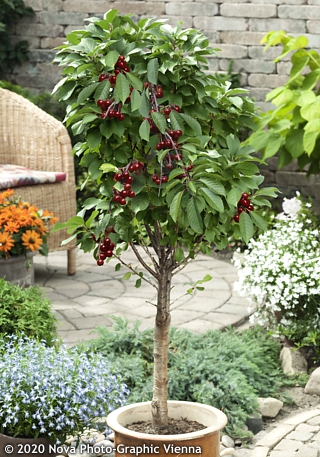
Dwarf cherry trees are compact and slow growing fruit trees. They are usually at least partially or fully self-fertile so that they don’t need a pollinator which might be a problem to find if located on a city balcony. Cherry trees cannot form a true columnar variety, botanically those which a ...
1 - 1,5m
0,5 - 1m
full sun
5   (down to -29°C)
Code of winter protection zone 5+6
for zone 5+6
Code of winter protection zone 7
for zone 7
Prunus cerasifera 'PISSARDII'
Pissardii was the very first variety of purple-leaved cherry plum to reach Europe from the Orient, naturally named after its discoverer. Early in spring, before blackthorns and Japanese cherries begin to bloom, it bursts into a profusion of small, nearly white flowers with purplish calyxes, which fr ...
IV
3 - 7m
3 - 6m
full sun
3   (down to -40°C)
Prunus domestica 'HANNA'
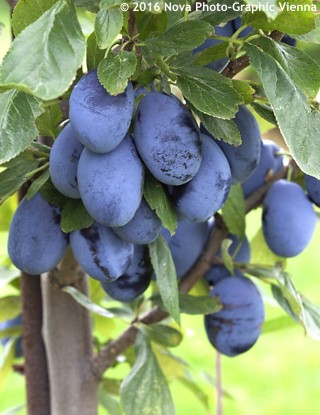
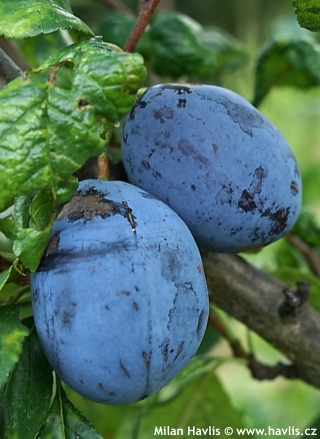
Hanna is a dwarf variety of European plum, seemingly made for urban gardens and terraces. It grows compactly, with a crown so neat you could plant it in a pot next to geraniums or any other handsome plant. It’s ideal for small spaces, reaching barely two meters in height. The fruits are medium- ...
1,5 - 2m
1 - 1,5m
full to partial sun
5   (down to -29°C)
Code of winter protection zone 5+6
for zone 5+6
Code of winter protection zone 7
for zone 7
5168_1.jpeg
President is an amazing moyer plum variety of excellent taste and late maturity. Unlike most moyer plums such as Stanley of Jojo which can be picked up as early as in late August, you have to be more patient for President as it ripens in roughly mid September. And as it matures over almost 4 weeks y ...
3 - 6m
2 - 3m
full sun
4   (down to -34°C)
Code of winter protection zone 5+6
for zone 5+6
Code of winter protection zone 7
for zone 7
1827_1.jpeg
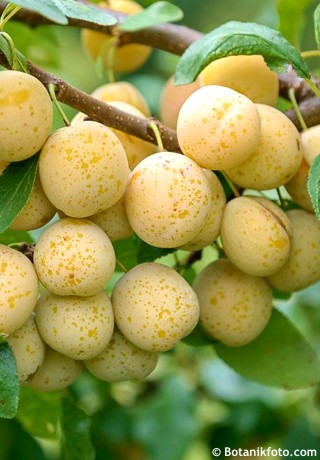
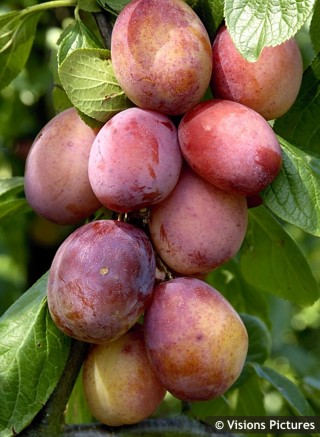
Queen Victoria is probably the most popular plum with red skin. It is a heavy cropper, producing typically egg-shaped fruit with yellow skin decorated with numerous red blotches. It is very sweet and juicy, stone-free. The best way to eat them is fresh off the tree, obviously, but they can be proces ...
V - V
2 - 3,5m
2 - 3m
full sun
5   (down to -29°C)
Code of winter protection zone 5+6
for zone 5+6
Code of winter protection zone 7
for zone 7
3305_1.jpeg
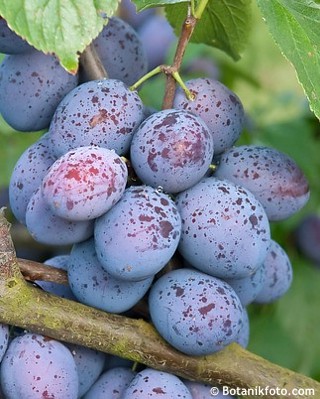
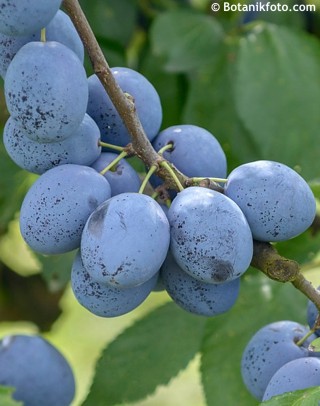
Quetsche d’Alsace is one of the oldest European plum varieties that was first described in German Alsace in 1914, hence its name. Still, it is so old and of unclear origin that most producing countries gave it its own name in their own language. We call it Švestka domácí (‘house plumR ...
V - V
3 - 5m
2 - 3,5m
full sun
5   (down to -29°C)
Code of winter protection zone 5+6
for zone 5+6
Code of winter protection zone 7
for zone 7
3301_1.jpeg
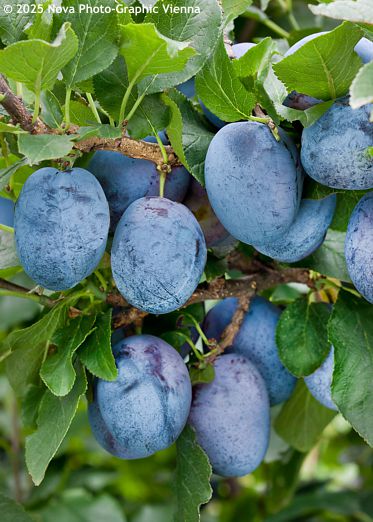
Toptaste® is a modern variety of plum tree tolerant of sharka virus. It produces quite large fruit of excellent taste, possibly one of the best – hence its name TopTaste. It is an early variety ripening in September. The plums are oval to rounded, rich blue outside and yellow inside, very ...
IV - V
3 - 4m
2 - 3,5m
full to partial sun
Code of winter protection zone 5+6
for zone 5+6
Code of winter protection zone 7
for zone 7
Prunus domestica 'Courod' GOLDUST®
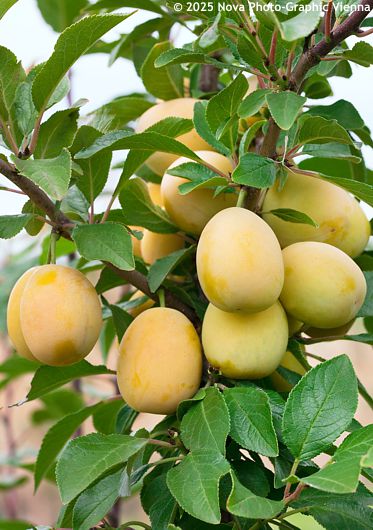
The dwarf plum GOLDUST® looks like something out of a fairytale – compact, with a small crown and delicate foliage, perfectly suited to balconies or terraces. It grows to just 1.5 to 2 metres tall yet bears fruit that could rival full-sized trees. The fruits are round to slightly oval, strikingly go ...
1,5 - 2m
1 - 1,5m
full to partial sun
5   (down to -29°C)
Code of winter protection zone 5+6
for zone 5+6
Code of winter protection zone 7
for zone 7
4366_1.jpeg
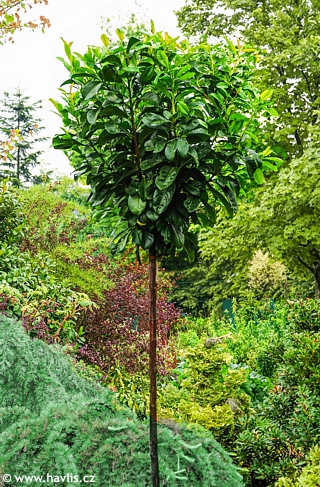
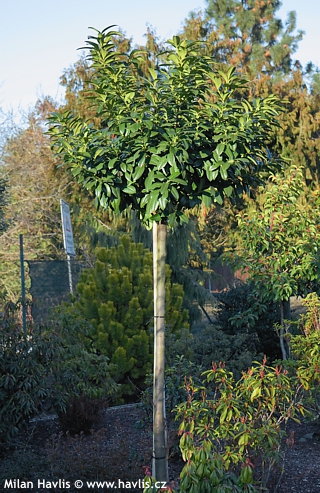
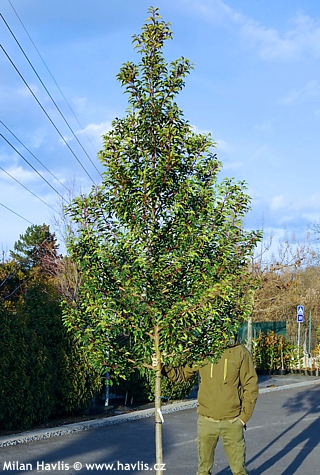
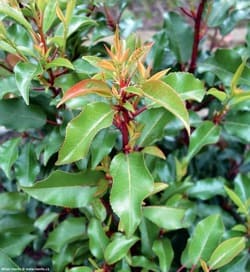
Otto Luyken is one of the hardiest and now truly classic low‑growing cultivars of cherry laurel. It is perhaps the only one to have reliably survived temperatures as low as –29 °C without a single leaf showing frost damage. Growth is slow and compact, with narrow, elongated, lance‑sh ...
IV - V
1,5 - 3m
2 - 3m
full sun to shade
5   (down to -29°C)
Code of winter protection zone 5+6
for zone 5+6
Code of winter protection zone 7
for zone 7
5484_1.jpeg
KLEOPATRA® is a Hungarian cherry laurel variety bred by Dr. Józsa Miklos and introduced in 2007. It forms a compact, graceful shrub or a small tree with spreading branches and dark green, glossy, leathery, evergreen leaves. They emerge coppery orange just like on Etna® variety and can be distinguish ...
IV - V
2,5 - 3,5m
1 - 2m
full sun to shade
5b   (down to -27°C)
Code of winter protection zone 5+6
for zone 5+6
Code of winter protection zone 7
for zone 7
1752_1.jpeg
Angustifolia is a very elegant variety of Portugal laurel. Irrespective of its origin it belongs to the hardiest evergreen plants for our climate and performs better than some large-leaved cherry laurels. It has narrower leaves than the species and brighter red stalks and new twigs. In May and June ...
V - VI
3 - 6m
2 - 3m
full to partial sun
6   (down to -23°C)
Code of winter protection zone 5+6
for zone 5+6
Code of winter protection zone 7
for zone 7
5195_1.jpeg
Brenelia is an elegant novelty variety of Portugal laurel from early 21st century. In appearance and use it is similar to Angustifolia variety but has larger leaves with undulated margins and exhibit faster growth. The stalks and new stems are rich burgundy red not only in winter but most of the gro ...
VI
3 - 6m
2 - 4m
full to partial sun
6   (down to -23°C)
Code of winter protection zone 5+6
for zone 5+6
Code of winter protection zone 7
for zone 7
1237_1.jpeg
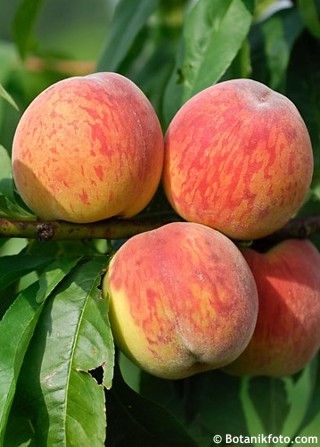
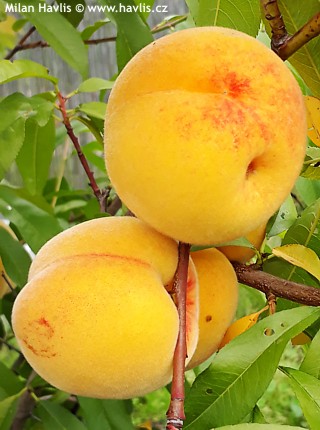
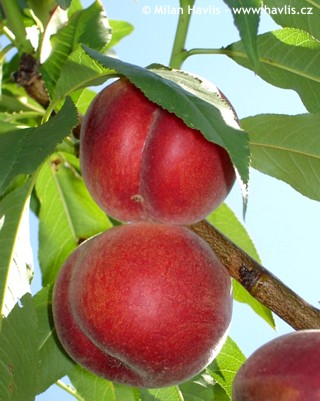
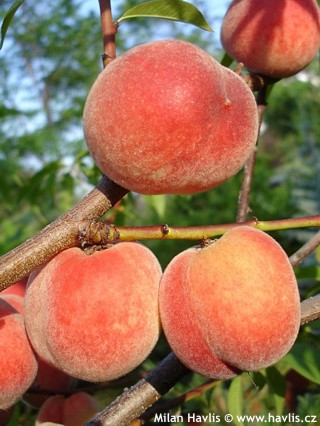
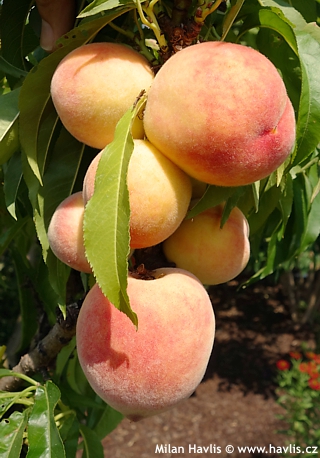
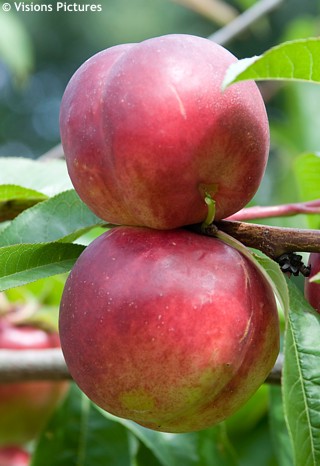
If you like peaches and are looking for a heavy cropper try Fayette. This freestone variety bears large fruit that can be compared to the modern varieties. It has smooth, deep red skin with some yellow-orange shades, yellow flesh, and sweet taste. It matures from end August until mid September. Frui ...
IV - IV
3 - 4m
2 - 3m
full sun
5b   (down to -27°C)
Code of winter protection zone 5+6
for zone 5+6
Code of winter protection zone 7
for zone 7
2888_1.jpeg
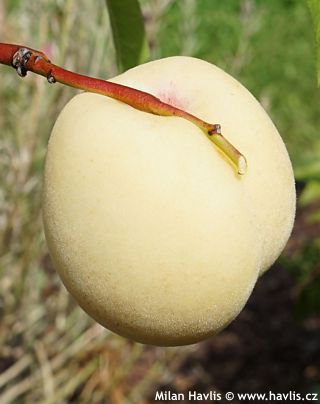
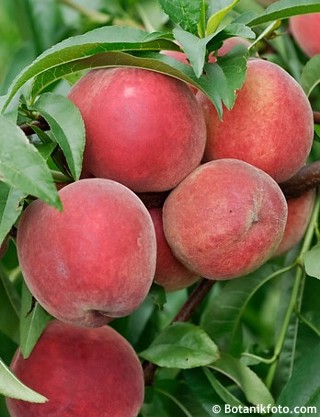
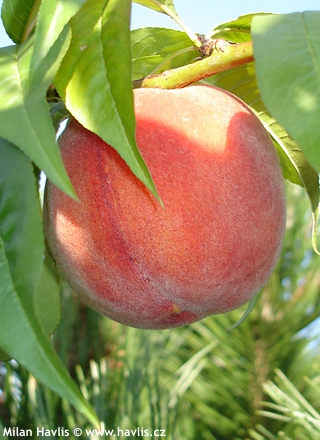
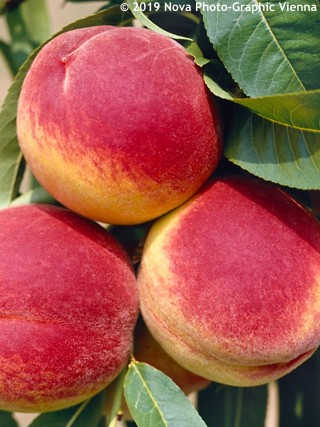
Revita is a modern variety of a healthy peach tree not suspectible to leaf curl. It produces medium large fruit with red and yellow skin and white, sweet and juicy flesh in mid August. Revita peach is freestone and self-fertile (no other tree is needed as a pollinator). We suggest planting peach t ...
IV - IV
3 - 4m
2 - 3m
full sun
5b   (down to -27°C)
Code of winter protection zone 5+6
for zone 5+6
Code of winter protection zone 7
for zone 7
4125_1.jpeg
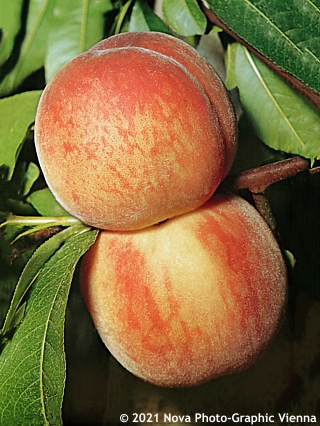
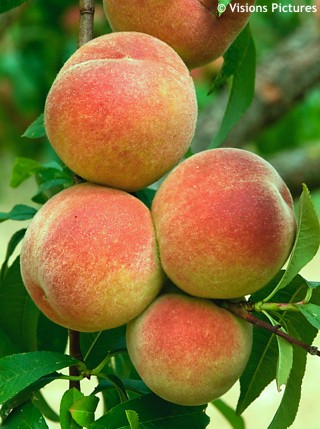
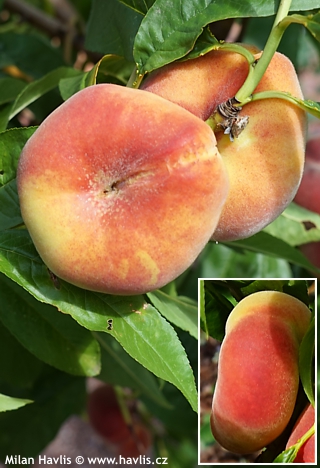
Suncrest is a late peach tree variety, a cross between Alamar and Gold Dust. It produces large, rounded fruit with only slightly flattened tops. The skin is yellow-green, remarkably flushed carmine red when mature. The flesh is firm, yellow, very sweet, juicy, and aromatic. Stone-free and self-ferti ...
3 - 3,5m
3 - 4m
full sun
5b   (down to -27°C)
Code of winter protection zone 5+6
for zone 5+6
Code of winter protection zone 7
for zone 7
5091_1.jpeg
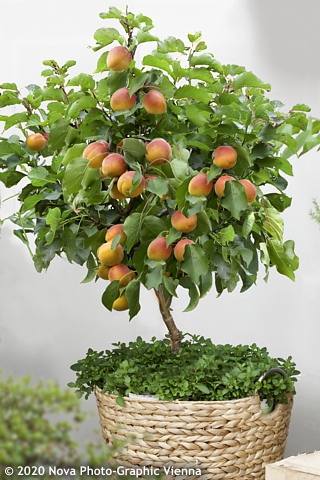
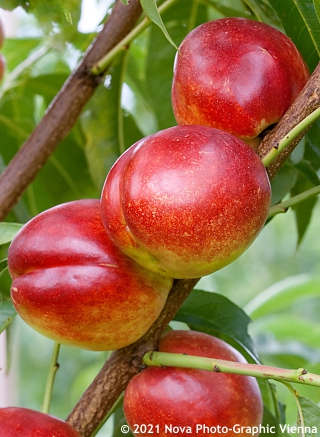
AMBER® is a dwarf peach tree developed by Chris “Floyd” Zaiger (1926-2020) who devoted all his adult life to breeding stone fruit. He set up Zaiger’s Genetics in Modesto, California, USA, where plants are bred using hand pollination rather than using DNA manipulation. As of 20 ...
IV
1 - 1,5m
1 - 1,5m
full sun
5b   (down to -27°C)
Code of winter protection zone 5+6
for zone 5+6
Code of winter protection zone 7
for zone 7
Prunus Pluot® 'FLAVOR SUPREME'®
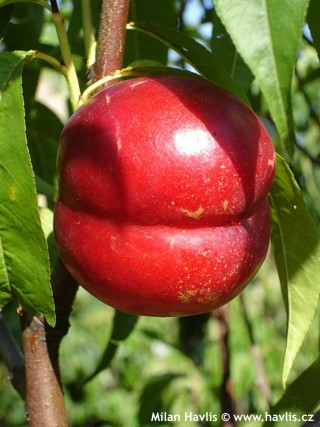
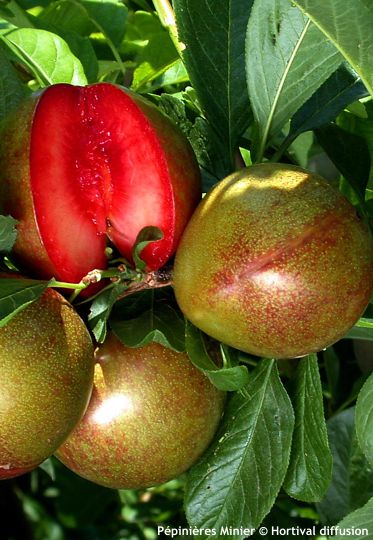
Pluot® Flavor Supreme® has truly earned its name – and wears it with pride, as its flavour ranks among the most intense of all pluots. The fruit features a velvety dark red to burgundy skin with a soft bloom, resembling a plum dressed for a gala. Its flesh is deep red, exceptionally juicy, with ...
2 - 3m
1 - 2m
full sun
5   (down to -29°C)
Code of winter protection zone 5+6
for zone 5+6
Code of winter protection zone 7
for zone 7
Prunus Pluot® 'PINK CANDY'®
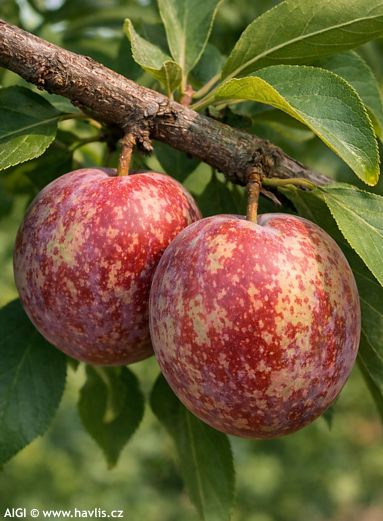
Pluot® Pink Candy® is like a summer postcard from California – its fruits shine with a pastel pink skin, delicately marbled like watercolour on a ripe peach. The flesh is light orange, exceptionally tender and juicy, with a surprisingly complex flavour that blends the sweetness of tropical fruit wit ...
2 - 2,5m
1 - 2m
full sun
5   (down to -29°C)
Code of winter protection zone 5+6
for zone 5+6
Code of winter protection zone 7
for zone 7
Prunus Pluot® 'PURPLE CANDY'®
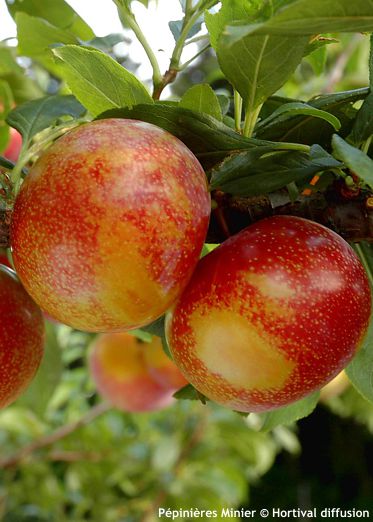
Pluot® Purple Candy® looks as if in the middle of the night it secretly escaped from a tree of purple plums and caught stardust on its skin. Its fruits have a rich purple skin with a gentle sheen, reminiscent of a candy wrapped in fruit syrup. The flesh is bright carmine red, exceptionally juicy, wi ...
2 - 3m
1 - 2m
full sun
5   (down to -29°C)
Code of winter protection zone 5+6
for zone 5+6
Code of winter protection zone 7
for zone 7
Prunus salicina 'SHIRO'
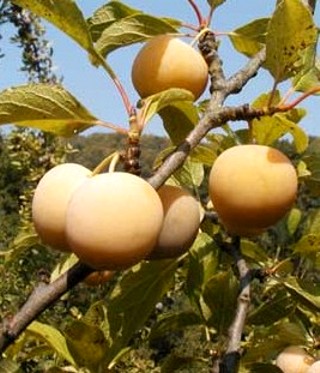
Shiro is a Japanese plum variety producing large, round fruits with smooth, golden-yellow skin that may have a slight red blush on the sun-exposed side. The flesh is light yellow, very juicy, soft, and sweet, with a sugar content of around 16–18 °Brix. The flavour is mild and honey-li ...
2 - 3m
1,5 - 2,5m
full sun
5   (down to -29°C)
Code of winter protection zone 5+6
for zone 5+6
Code of winter protection zone 7
for zone 7
214_1.jpeg
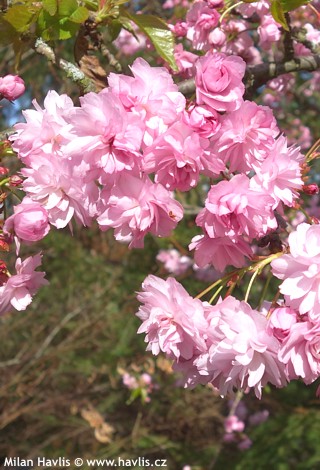
True pink is the colour of this beautiful Cheal´s Weeping Cherry. Either a standard or a half standard tree, this flowering cherry always has rather pendulous branches forming a wide crown. Double flowers appear on bare branches at the end of April and continue throughout May already with new leav ...
IV - V
2,5 - 3m
1 - 3m
full to partial sun
5   (down to -29°C)
Code of winter protection zone 5+6
for zone 5+6
Code of winter protection zone 7
for zone 7
948_1.jpeg
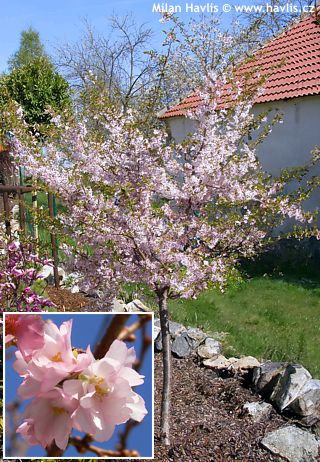
The prunus genus contains over 400 species which are useful and beautiful at the same time. There are cherries, plums, peaches or sloes, as well as flowering Japanese cherries, cherry laurels etc. This variety received its name for the season in which it can re-flower if the end of autumn is warm. H ...
III - IV
3 - 4m
1 - 3m
full sun
4   (down to -34°C)
Code of winter protection zone 5+6
for zone 5+6
Code of winter protection zone 7
for zone 7
1403_1.jpeg
Fukubana is another beautiful flowering Higan cherry for spring display. It produces masses of unique, almost star-shaped, semi-double, rich pink flowers in early spring. The flowers look like those on deutzias and even though they do not last over a long time they make a stunning show with its colo ...
IV - IV
3 - 5m
2 - 4m
full sun
5   (down to -29°C)
Code of winter protection zone 5+6
for zone 5+6
Code of winter protection zone 7
for zone 7
109_1.jpeg
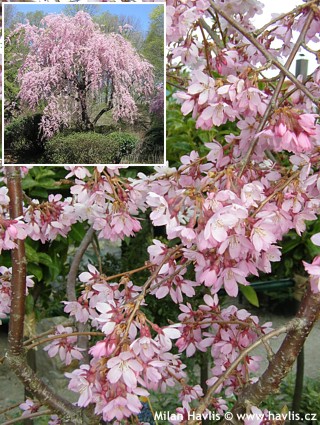
Weeping Higan cherry has rich pink, double flowers in early cherry season. It makes pendent branches that soon reach the ground. It is the right spring-teller as it announces warmer weather as one of the first flowering trees. It seldom grows taller than 3 m which makes it an ideal selection for eve ...
IV - IV
3 - 4m
1 - 3m
full to partial sun
4   (down to -34°C)
Code of winter protection zone 5+6
for zone 5+6
Code of winter protection zone 7
for zone 7
4385_1.jpeg
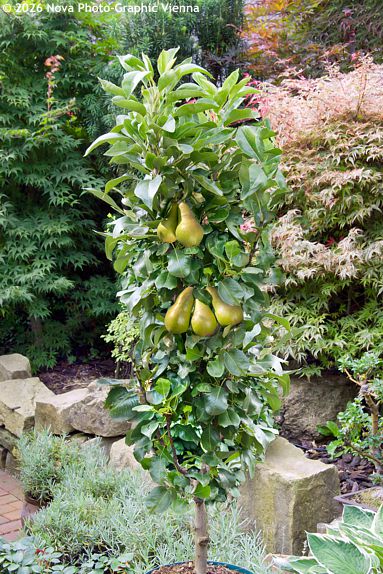
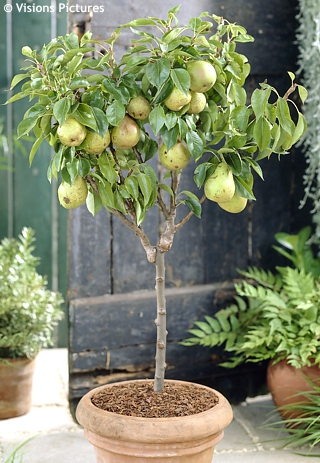
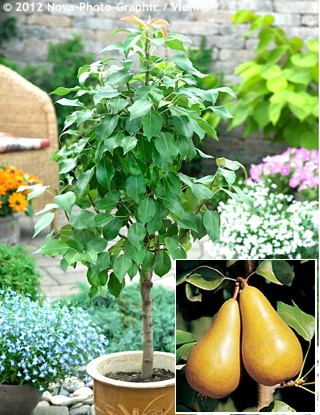
Dwarf pears are short and slender mini trees, usually with erect branches and plenty of fruit on a small tree. They are commonly at least partially or fully self-fertile so that they don’t need a pollinator which might be a problem to find if located on a city balcony. Leaves ma suffer from ...
1 - 1,5m
0,5 - 1m
full sun
4   (down to -34°C)
Code of winter protection zone 5+6
for zone 5+6
Code of winter protection zone 7
for zone 7
1477_1.jpeg
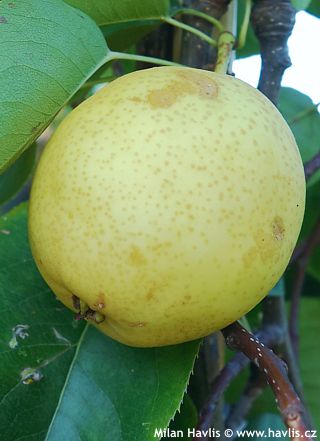
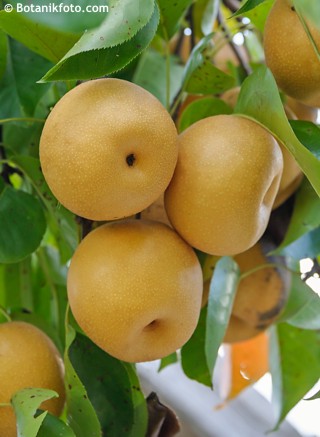
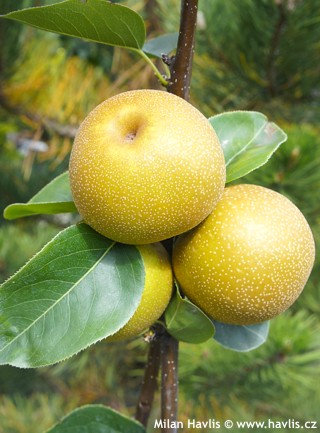
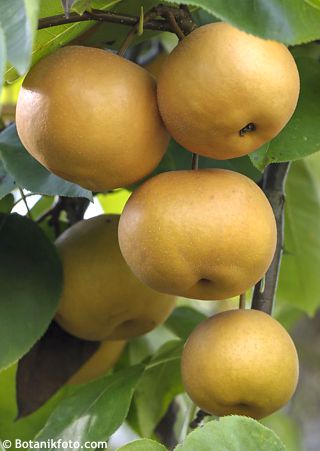
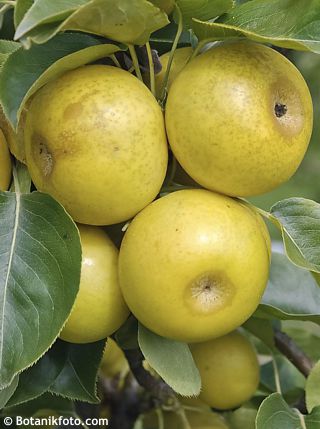
Kosui is a nashi pear of excellent taste, for me definitely the best I have had so far. It produces rounded fruit with smooth, dark sandy yellow skin covered with tiny speckles. The flesh is white, extremely juicy and sweet, and on top of that so aromatic – you find yourself wondering when som ...
IV - V
2 - 4m
1,5 - 3m
full sun
5b   (down to -27°C)
Code of winter protection zone 5+6
for zone 5+6
Code of winter protection zone 7
for zone 7
1702_1.jpeg
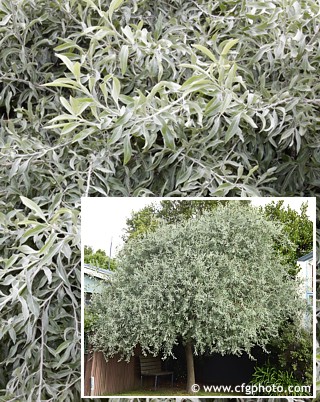
Among quite a few English names of this species I think that silver pear is best. This deciduous tree really belongs to a pear family and has silvery blue-green, willow-like, narrow leaves. They emerge much greener in mid spring, along with the white, scented, 5-petalled flowers that are followed by ...
IV - V
3 - 5m
2 - 4m
full sun
4   (down to -34°C)
Code of winter protection zone 5+6
for zone 5+6
Code of winter protection zone 7
for zone 7

NOT AVAILABLE AT THE MOMENT:

×
Product has been added to your cart.