CURRENTLY IN STOCK:
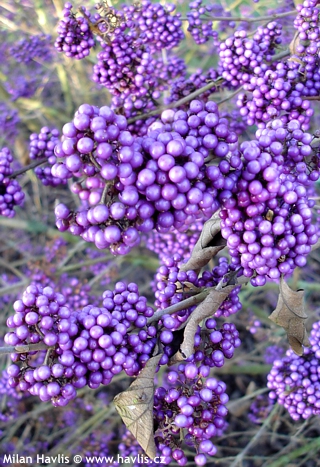
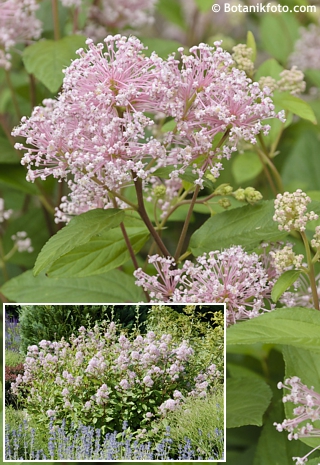
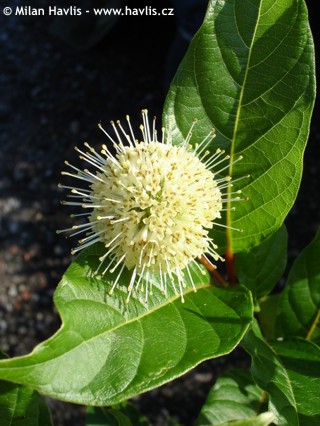
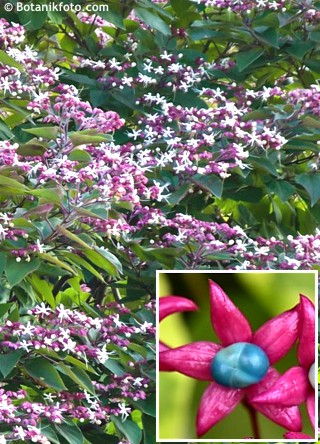
Beauty berry. Sounds like a beauty salon. The truth is the name is right because this plant, originally from China, is grown for its beautifully coloured berries.
It is a mid-sized shrub with deep green, elliptic to obovate, deciduous leaves that are bronze when young. It flowers in summer with sma ...

1 - 3m

1 - 2m

full to partial sun

6 (down to -23°C)

for zone 5+6
for zone 7
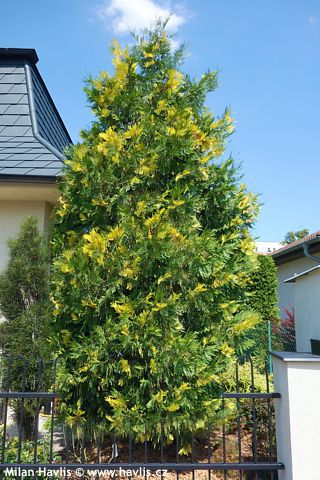
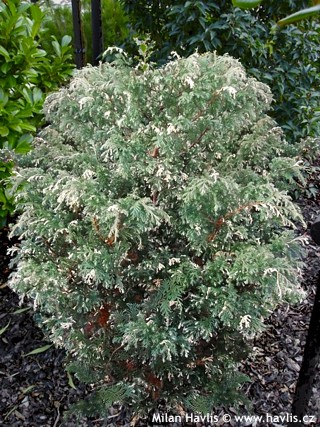
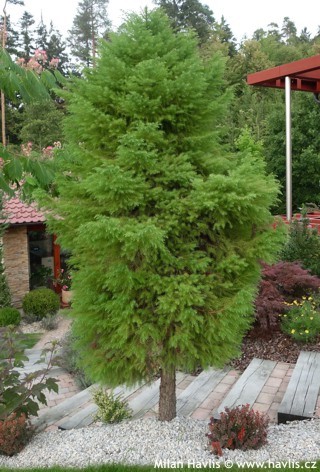
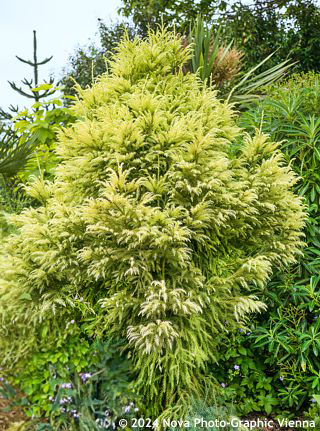
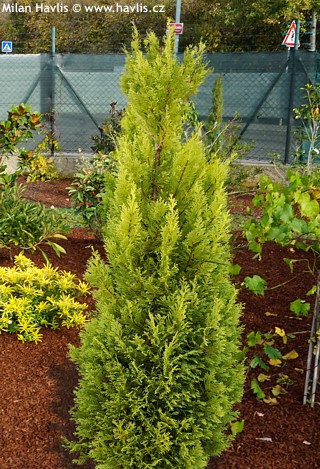
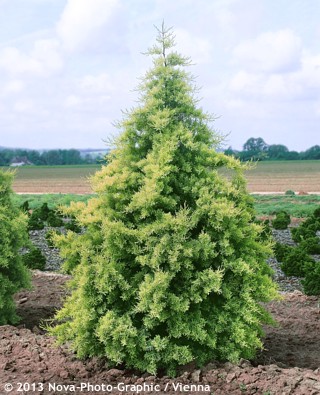
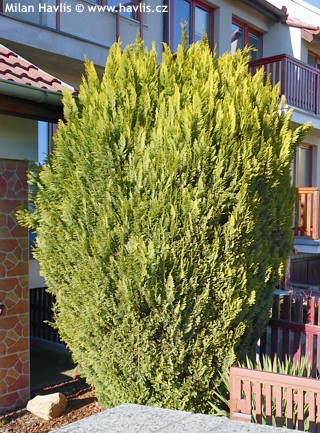
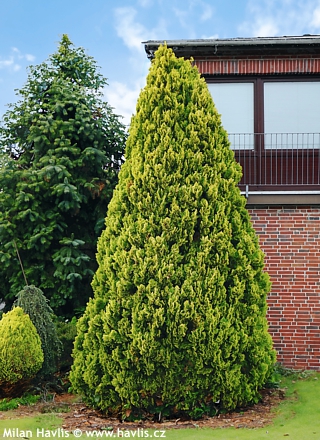
Although this incense cedar is one of the most sought after conifers of the south, it seems to perform much better in Czech climate thanks to cold and wet winters. It needs a lot of sun in summer though to keep its varigated leaves golden. Though, if the sun is not as hot as in the Mediterranean, fo ...
5 - 10m
full to partial sun
5 (down to -29°C)
for zone 5+6
for zone 7
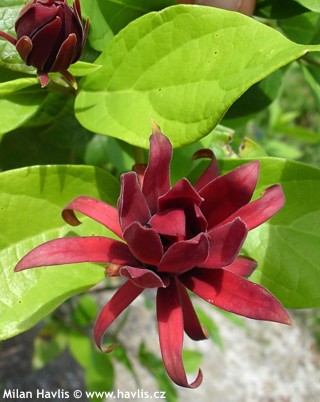
This easy to grow shrub has many names and all of them say something about the beautiful perfume of the flowers: sweetshrub, strawberry shrub, or even pineapple shrub. They really smell like a few types of fruit: strawberry, apple, and even melon. Sweetshrub is native to much of the eastern USA and ...

V - VI
1,5 - 2,5m
1 - 1,5m

full sun
5 (down to -29°C)
for zone 5+6
for zone 7
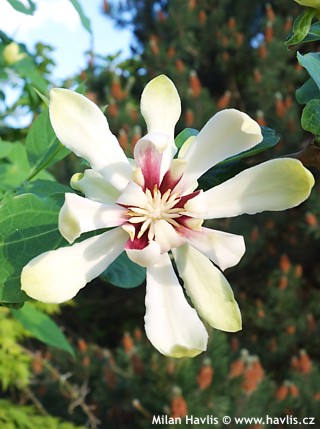
Venus is one of the fascinating inventions which followed Richard Hartlage’s breakthrough with hybridizing sweetshrub species in early 1990’s. This variety was bred by Dr. Thomas Ranney of the Mountain Horticultural Crops Research Station in Fletcher, NC, USA, and patented in 2005 under ...
V - VII
1,5 - 2,5m
1 - 1,5m
full to partial sun
6 (down to -23°C)
for zone 5+6
for zone 7
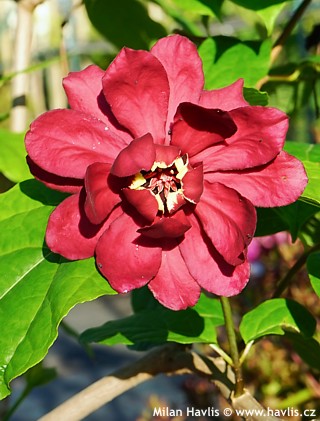
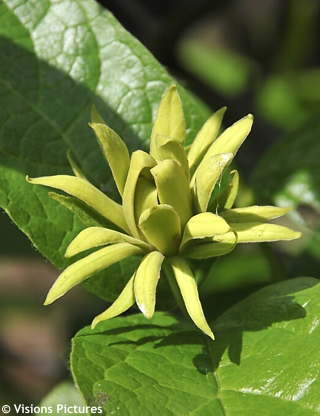
Hartlage Wine is an interspecific hybrid sweetshrub bred by Richard Hartlage in 1991, a former student of NC State University, USA. He managed to cross calycanthus floridus and sinocalycanthus chinensis. The result is a very floriferous deciduous shrub with quite large 6.9-8.5 cm across flowers. The ...
VI - VIII
1,5 - 2,5m
1 - 1,5m
full to partial sun
5 (down to -29°C)
for zone 5+6
for zone 7
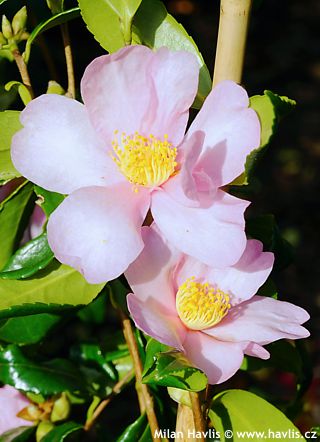
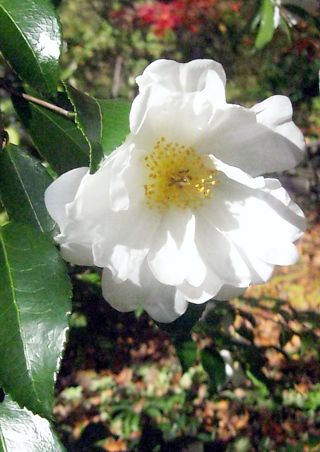
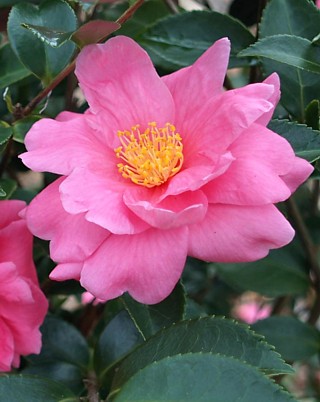
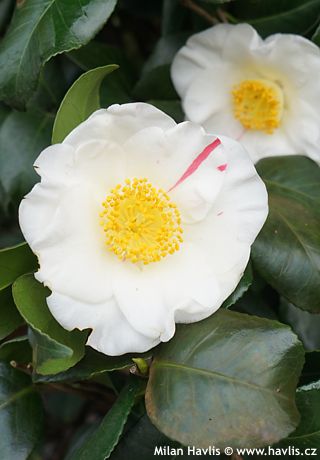
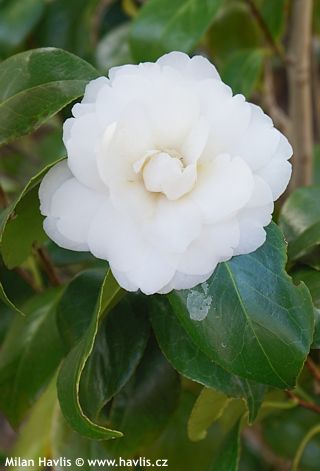
Ashton’s Pride is an autumn flowering camellia from the Ashton series bred by dr. Ackerman. It is a cross between a very hardy species camellia oleifera (cv. Plain Jane) and camellia sasanqua (cv. Santozaki). It produces medium large, 6-8 cm wide, soft pink, single flowers with yellow ...
IX - XI
1,5 - 2,5m
1,5 - 2,5m

semi-shade to shade
6b (down to -21°C)

for zone 5+6
for zone 7
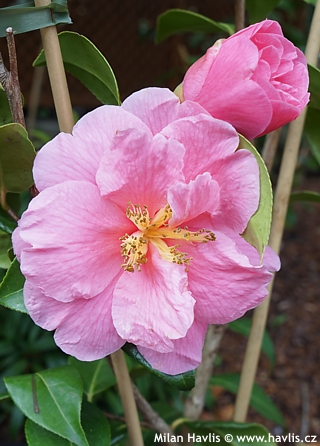
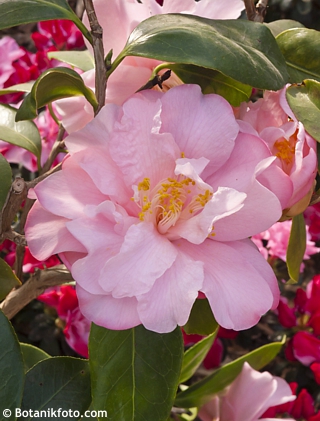
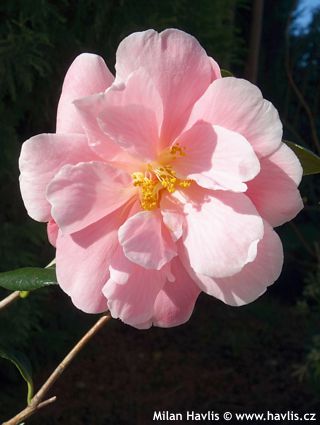
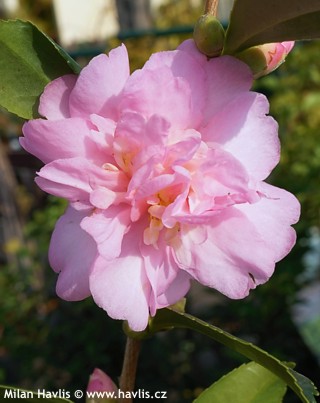
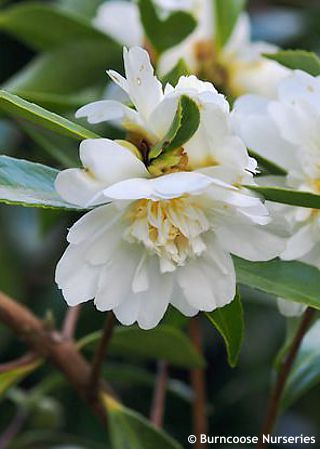
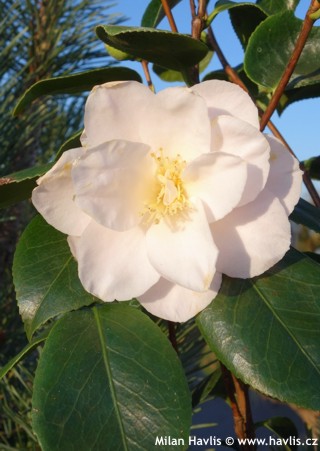
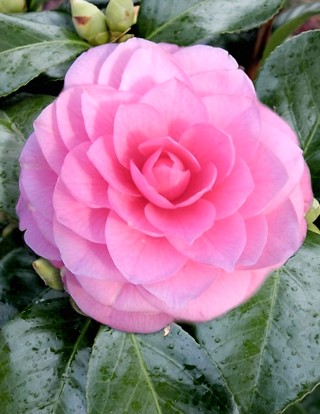
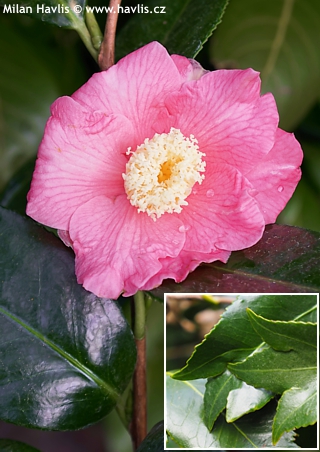
Ice Follies is a spring flowering hardy camellia from dr. Ackerman that first flowered in 1984 and was registered in 1992. It is a cross between c. x williamsii ‚November Pink‘ and c. oleifera. It produces large, 10-12 cm across, semi-double flowers. They are soft pink with a bit darker pink veins. ...
IV - V
2 - 3m
1,3 - 1,5m
semi-shade to shade
6 (down to -23°C)
for zone 5+6

for zone 7
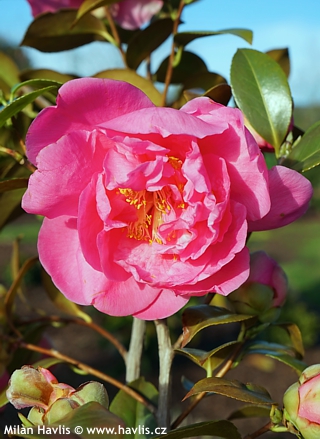
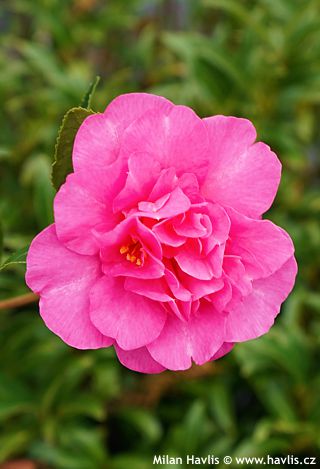
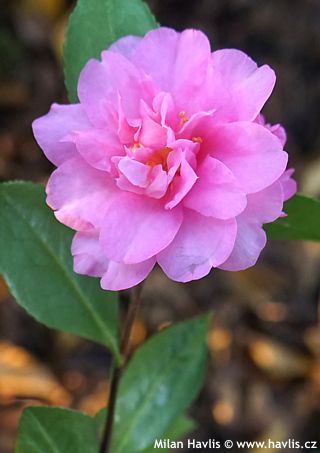
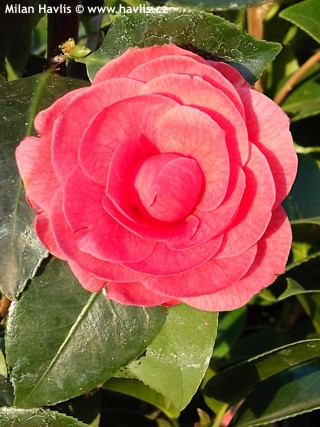
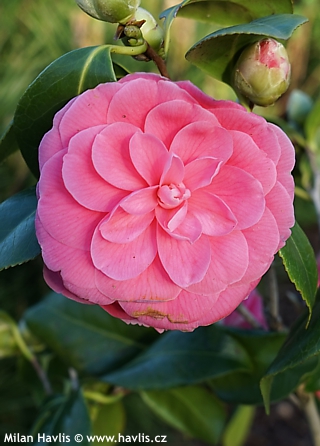
Spring Frill is a spring flowering hardy camellia from dr. Ackerman that first flowered in 1985 and was registered in 1992. It is a cross between c. oleifera ‚Plain Jane‘ and c. vernalis ‚Egao‘. It produces large, 10-12 cm across, rose-like, double flowers with 34 frilled, rose-pink p ...
IV - V
2 - 3m
1,3 - 1,5m
semi-shade to shade
6 (down to -23°C)
for zone 5+6
for zone 7
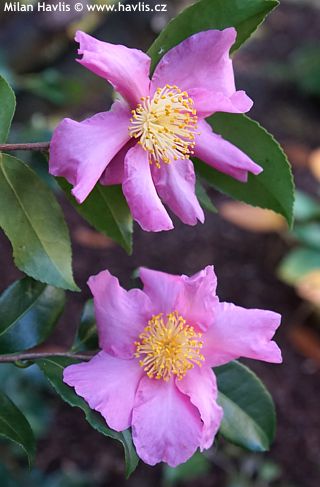
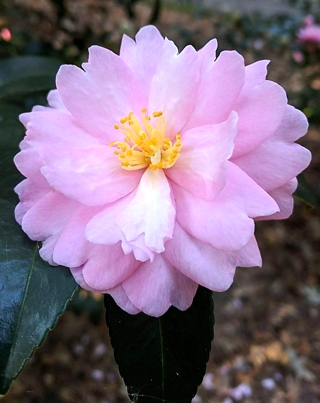
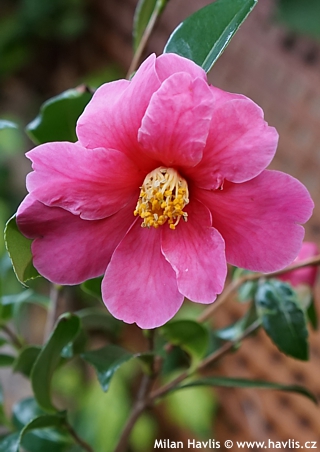
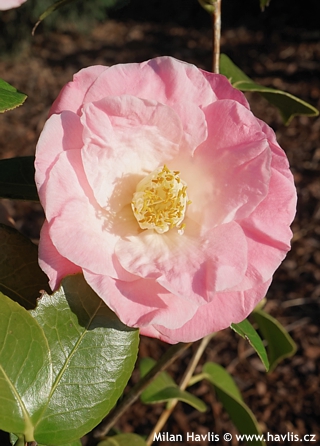
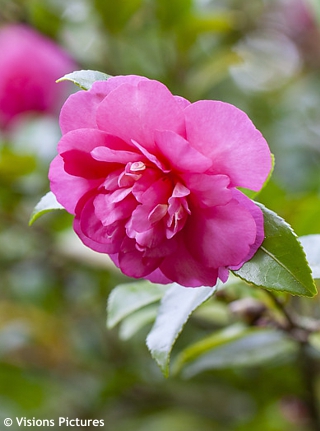
Winter’s Star is an autumn flowering camellia from the Winter series bred by dr.Ackerman in 1988. It produces stunning, large, single flowers of pure pink colour. The colour is darker as the flowers emerge, and gets paler as they mature. They have a pale, spicy fragrance, an ...
IX - XI
1,5 - 1,8m
1,5 - 2m
semi-shade to shade
6 (down to -23°C)
for zone 5+6
for zone 7
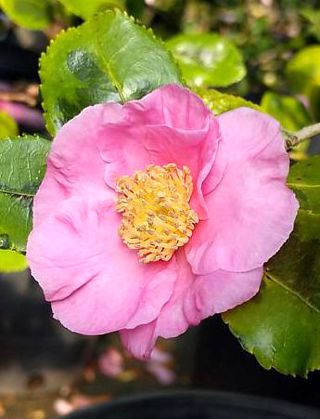
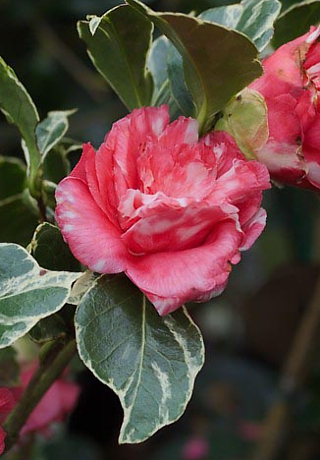
Winter’s Sunset is an autumn flowering camellia from the Winter series bred by dr. Ackerman. It is one of the very rare varieties with variegated foliage. It produces small, bright pink, single, non-fragrant flowers with numerous yellow stamens in the centre from late October for 4-6 ...
X - XI
1,5 - 2,5m
1,5 - 2m
semi-shade to shade
6b (down to -21°C)
for zone 5+6
for zone 7
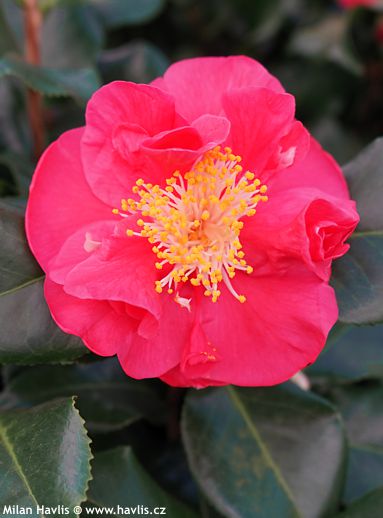
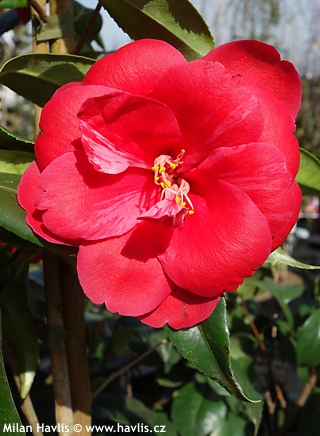
Dr. King is a Japanese camellia cultivar, a spring-flowering one, first introduced in 1944 by the Australian nursery Camellia Grove Nursery. It is a large-flowered cultivar with semi-double, highly decorative blooms measuring approximately 8 to 10 cm in diameter. The flowers display a distinctive sh ...
IV - V
2 - 3,5m
2 - 3m
semi-shade to shade
7 (down to -18°C)
for zone 5+6
for zone 7
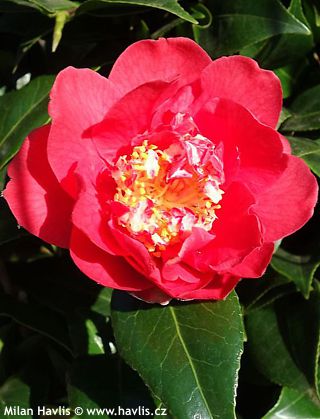
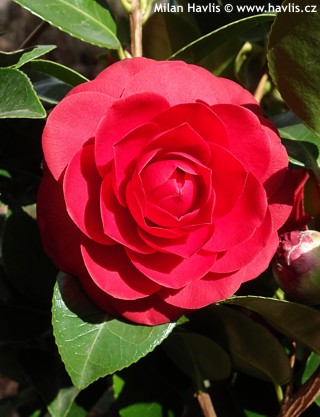
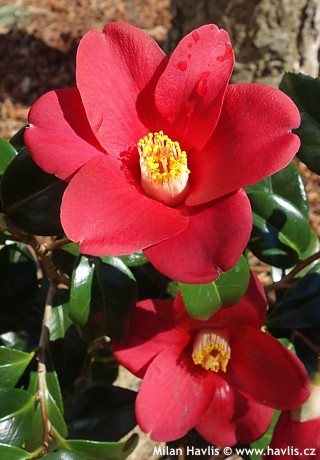
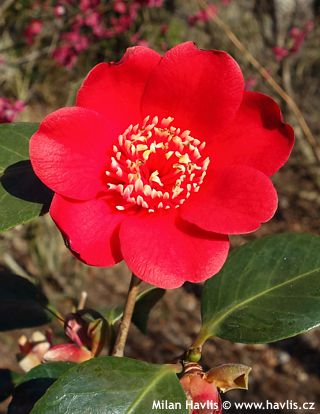
Fire and Ice, or Fire’n’Ice is a rock’n’roll among hardy Japanese camellias, and possibly the largest flowering double, red, hardy camellia so far. Its flowers are 9-10 cm across, semi-double or fully double with shorter sepals, rich red with yellow stamens in the centre. Flowers appear from ve ...
III - IV
1,5 - 3m
1,5 - 2m
semi-shade to shade
6 (down to -23°C)
for zone 5+6
for zone 7
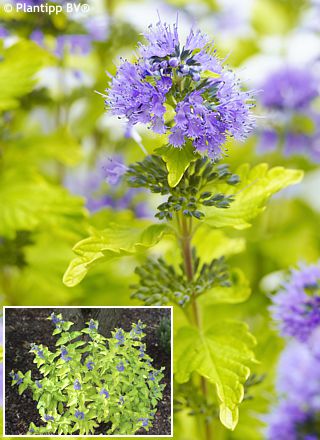
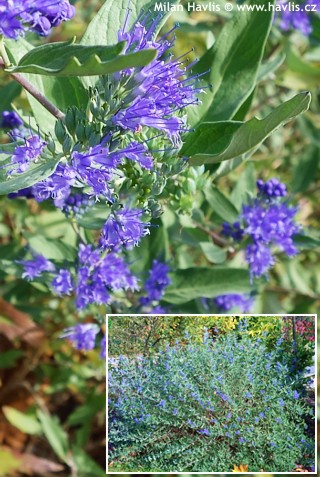
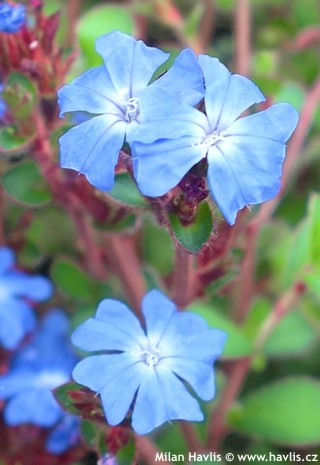
HINT OF GOLD bluebeard is a showstopper due to its vibrant golden chartreuse leaves. They are larger than on most other bluebeards – up to 5.5 cm long and 3 cm wide, deciduous, and bear interesting fragrance when crushed. They cover the plant completely and make it an attractive item long befo ...
VIII - X
0,6 - 1m
0,6 - 1m
full sun
5b (down to -27°C)
for zone 5+6
for zone 7
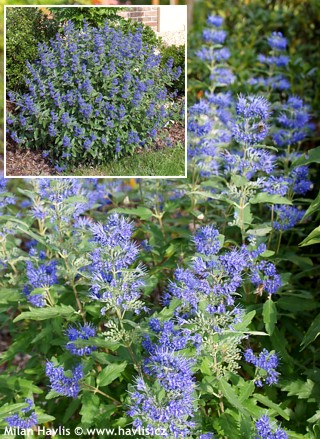
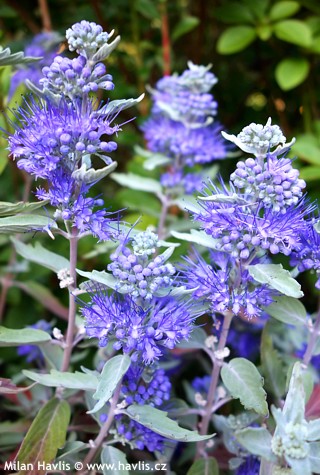
Blue Balloon bluebeard stands out at first glance. Perfectly round, almost improbably so. It is a deciduous, compact shrub with an almost spherical habit that lights up in late summer with deep blue flowers opening gradually from the bottom upwards, creating the impression of a slow rising wave ...
VIII - IX
0,4 - 0,6m
0,4 - 0,6m
full sun
6 (down to -23°C)
for zone 5+6
for zone 7
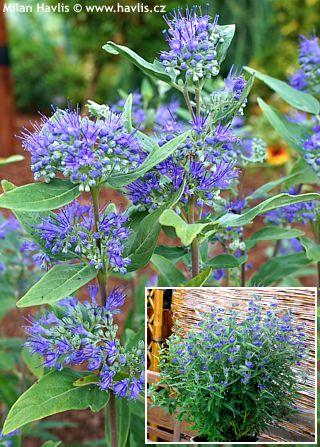
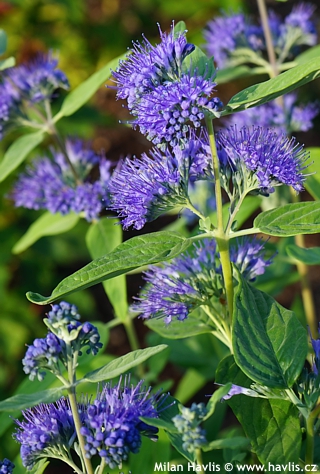
STEINTHE bluebeard boasts compact and strictly upright growth without arching side branches. In late summer it produces a profusion of dark violet-blue flowers. They are composed in cymes and are always occupied by bumble bees, butterflies and similar insects. They keep on blooming until mid autumn ...
VIII - X
0,6 - 1m
0,5 - 0,6m
full sun
5 (down to -29°C)
for zone 5+6
for zone 7
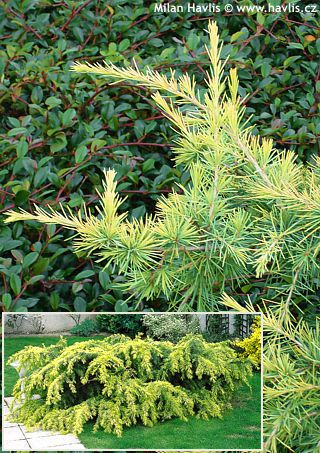
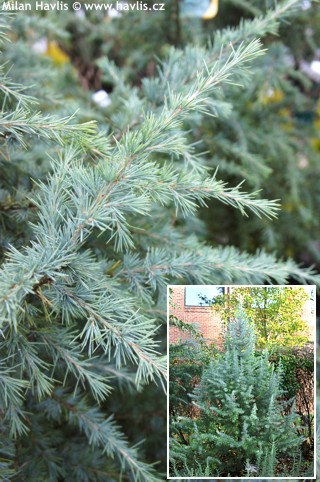
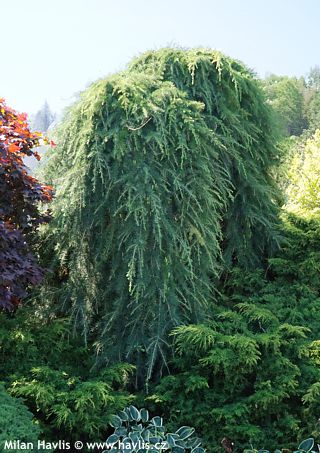
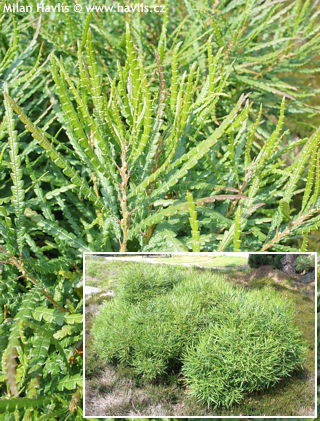
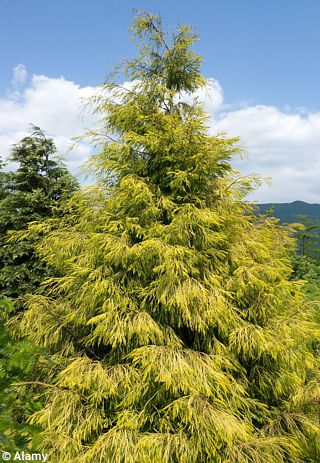
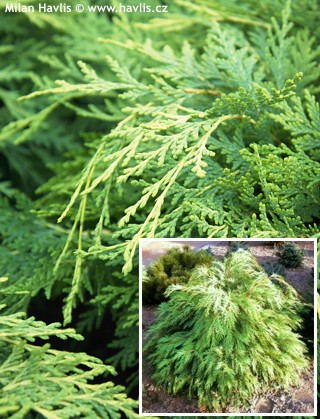
Golden Horizon is an interesting variety of Himalayan cedar with weeping branches. The needles are evergreen, yellow-green when young and in summer, turning blue-green as they mature and in the shade. The shape of the shrub is irregular, making horizontal branches with weeping ends.
It grows slowl ...
1 - 1,5m
1 - 3m
full sun
6b (down to -21°C)
for zone 5+6
for zone 7
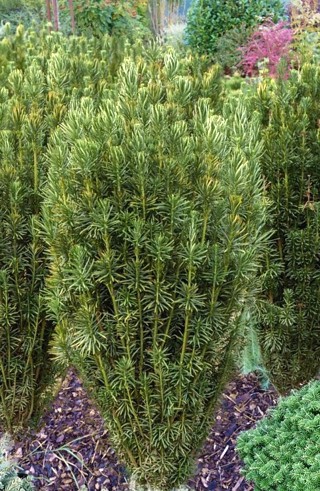
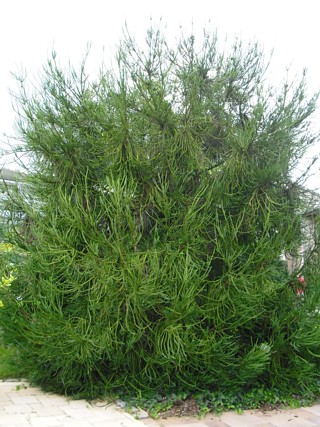
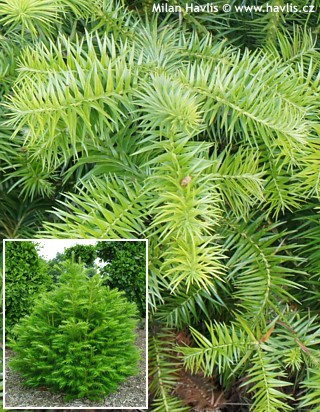
Japanese plum yew is still an uncommon evergreen conifer which was first popularized by Earl of Harrington in early 19th century. It is hardy for almost the whole area of Central Europe except for the coldest mountainous regions, and can take diversity of soil types. It comes from Japan and Fastigia ...
1,5 - 3m
1 - 1,5m

full sun to shade
5b (down to -27°C)
for zone 5+6
for zone 7
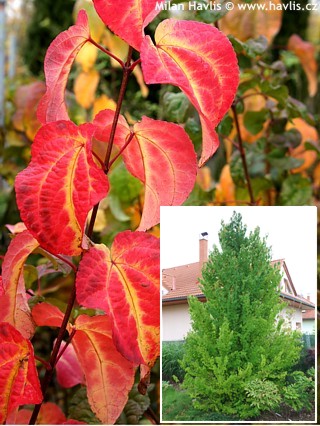
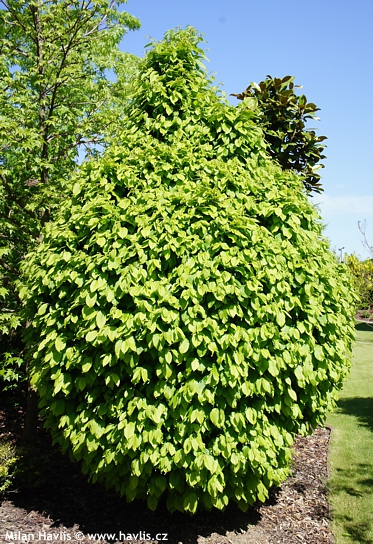
Katsura tree is native to China and Japan, and thanks to its versatility it has found many fans among both professionals and general gardening public. It is a large deciduous shrub or very rarely a tree (uneasy to train it into a tree with one central leader). Its leaves emerge pale bronze and quick ...
10 - 15m
3 - 6m
full sun
4 (down to -34°C)
for zone 5+6
for zone 7
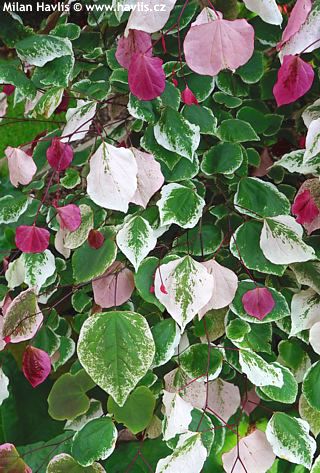
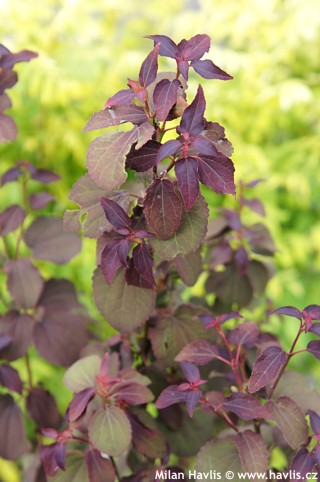
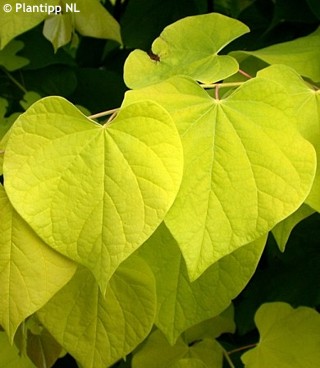
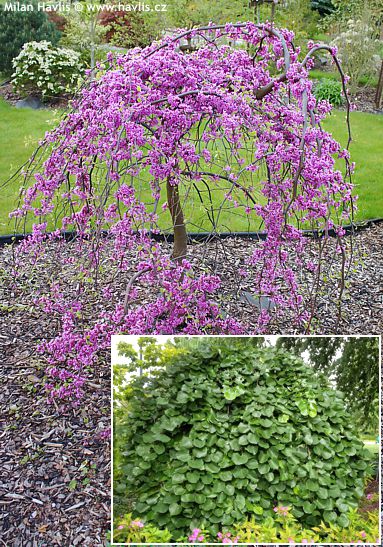
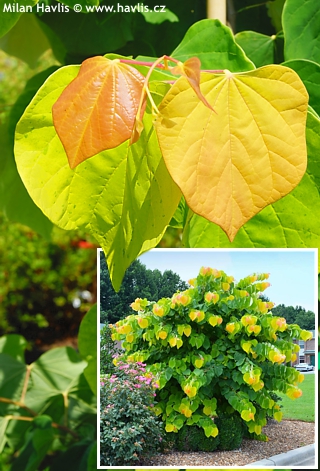
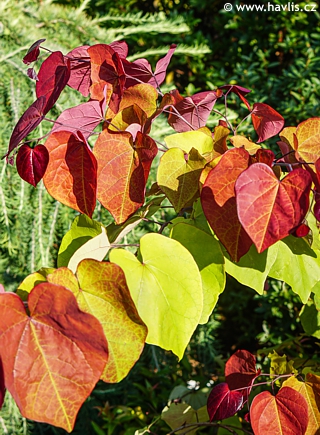
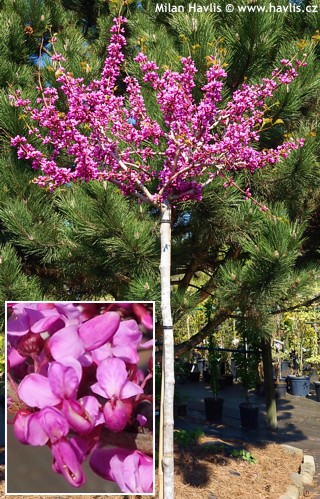
CAROLINA SWEETHEART™ redbud is like fireworks glowing with several colours at once. This darling was developed in cooperation with the Star Roses and Plants Nursery by Thomas G. Ranney from North Carolina State University in the USA, who is also known in our country thanks to his of wonderful Storm™ ...
IV - V
2 - 4m
2 - 4m
full to partial sun
5 (down to -29°C)
for zone 5+6
for zone 7
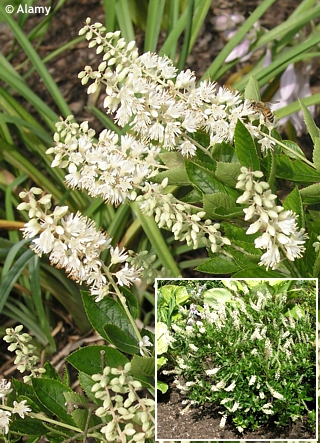
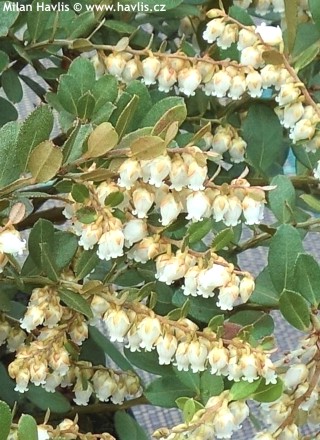
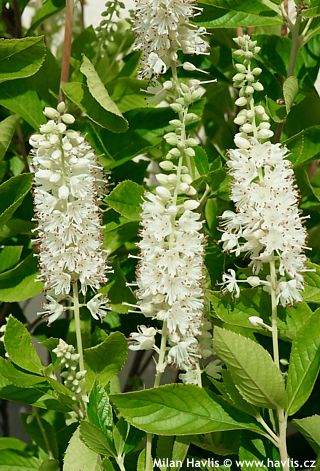
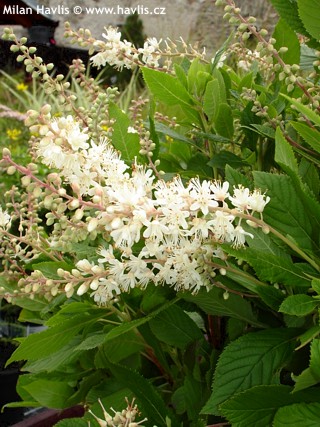
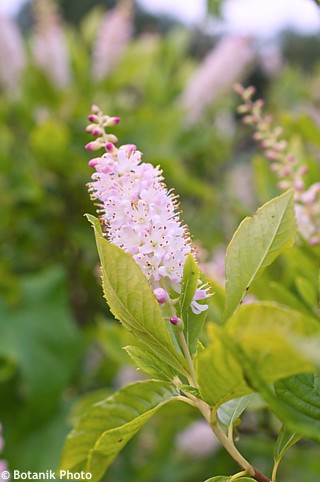
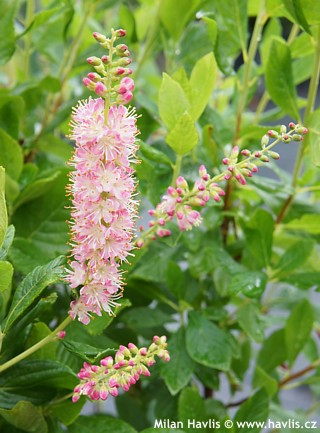
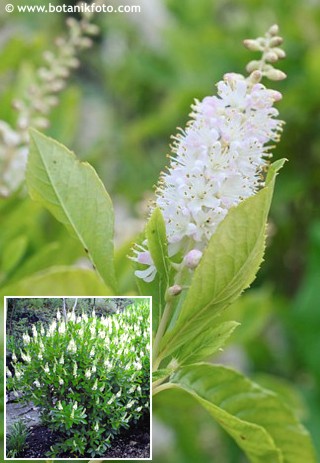
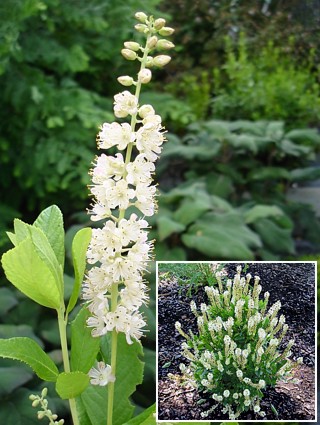
Hummingbird is a cute name for a cute and truly dwarf sweet pepper bush variety. From late July it produces a profusion of rather short, spike-like, erect racemes composed of creamy white, sweetly scented flowers. They last for 2-3 weeks but a well-established shrub may produce 2 or 3 flushes of flo ...
VIII - IX
0,5 - 1,2m
0,5 - 1,3m
full to partial sun
4 (down to -34°C)
for zone 5+6
for zone 7
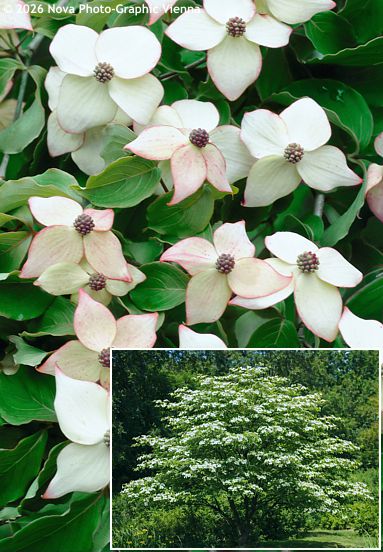
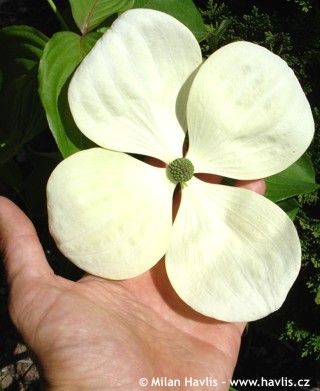
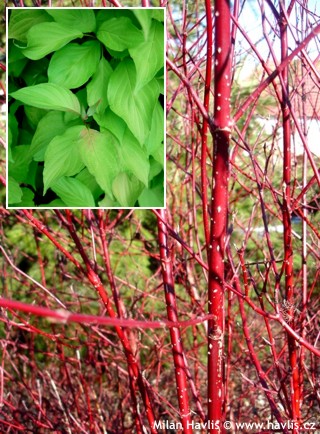
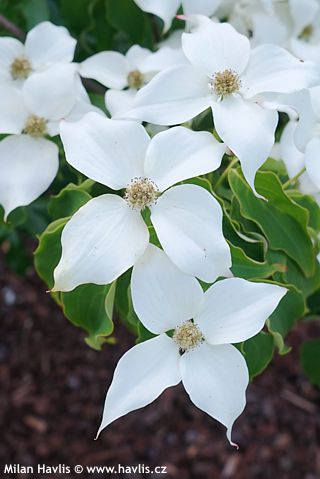
Norman Hadden is a Japanese dogwood that looks a little like a fashion trend from the 2020s – oversized. When it comes into bloom, it feels as if the tree has slipped into a set of ceremonial robes one size too large. Its bracts are unusually big, reaching 10 to 15 centimetres, placing it among the ...
V - VI
4 - 6m
3 - 5m
full to partial sun
5b (down to -27°C)
for zone 5+6
for zone 7
.jpg)
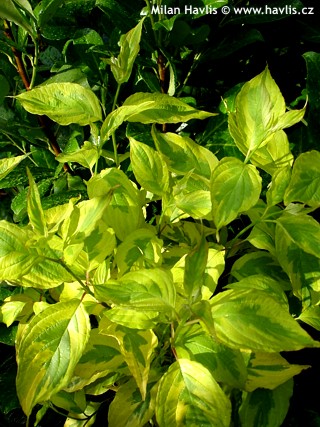
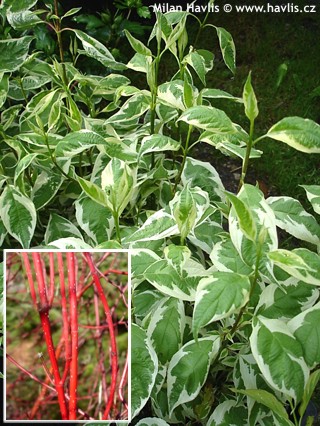
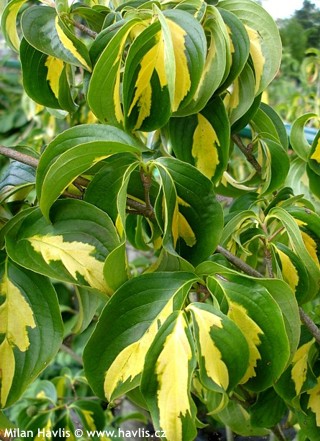
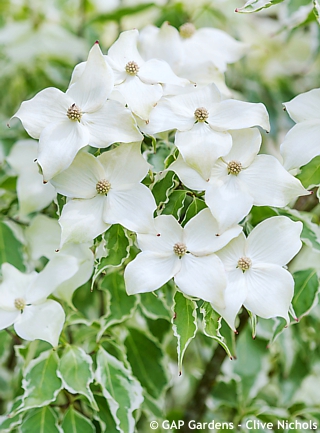
The cultivar Variegata elevates the natural beauty of giant dogwood not by one, but quite possibly by three levels at once. It bears striking green‑and‑white variegated leaves, whose broad creamy margins resemble sugar icing on the tiers of a wedding cake – hence the common name Wedding ...
IV - V
4 - 8m
3 - 6m
full sun
5 (down to -29°C)
for zone 5+6
for zone 7
.jpg)
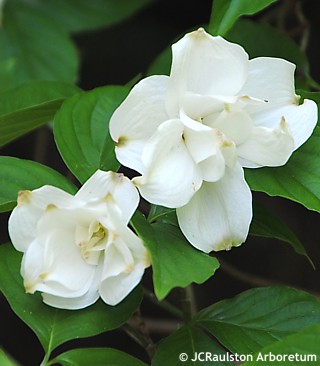
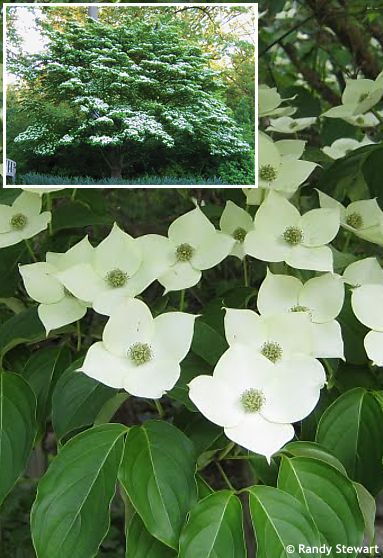
Empress of China Chinese dogwood stands out above all for its abundant and reliable flowering on a fully leaved, evergreen plant. It produces striking, snow‑white bracts approximately 6–8 cm across, appearing in great numbers and creating an exceptionally clean, almost porcelain‑like eff ...
VI - VII
3 - 5m
3 - 4m
full sun
6b (down to -21°C)
for zone 5+6
for zone 7
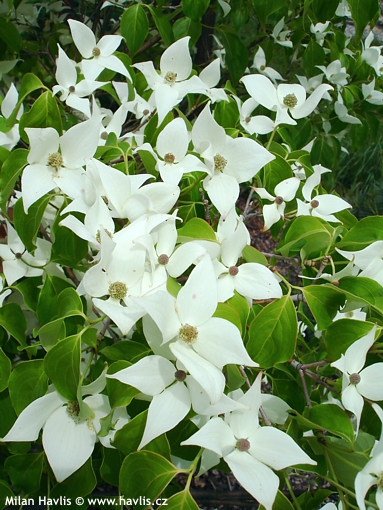
China Girl is a freely flowering Japanese dogwood with numerous creamy white flowers in June when the shrub is fully in leaf. Technically, they are not flowers but 4 flower bracts composed around small flower heads. They are followed by edible, bright pink fruit that looks like litchi.
Pointed le ...
VI - VI
2 - 3m
2 - 4m
full sun
5 (down to -29°C)
for zone 5+6
for zone 7
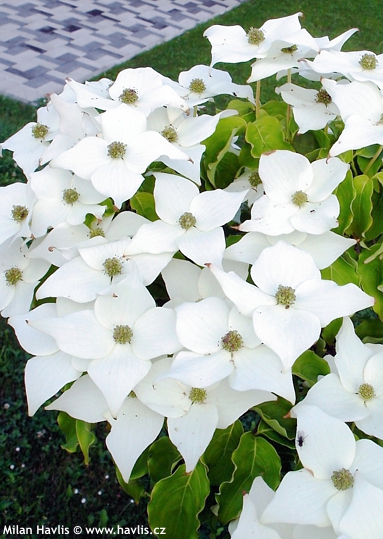
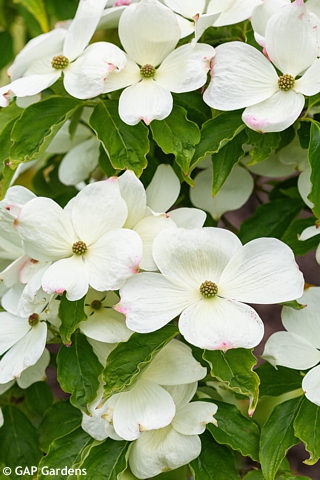
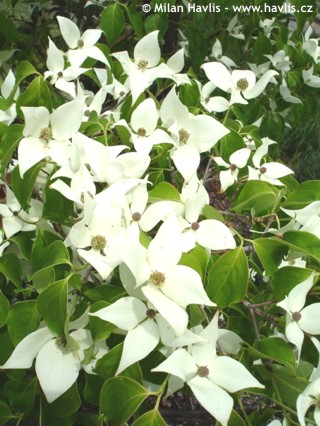
Milky Way is an old time favourite of the Japanese dogwood. It has snow white to creamy white flowers. Technically, they are not flowers but 4 flower bracts composed around small flower heads. They are 6-10 cm wide and conspicuous as they come out in June when the shrub is in leaf, and the foliage m ...
V - VI
2 - 4m
2 - 4m
full sun
5 (down to -29°C)
for zone 5+6
for zone 7
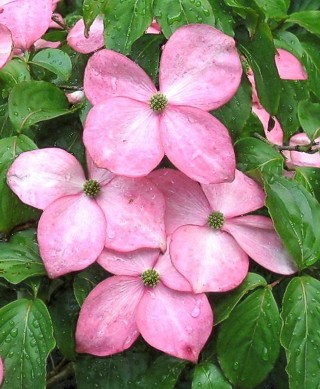
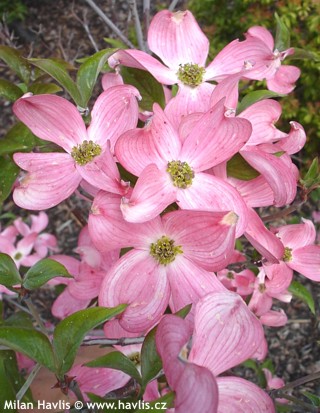
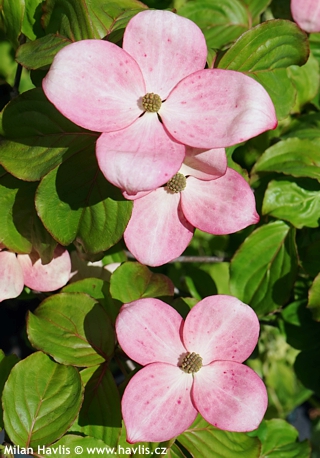
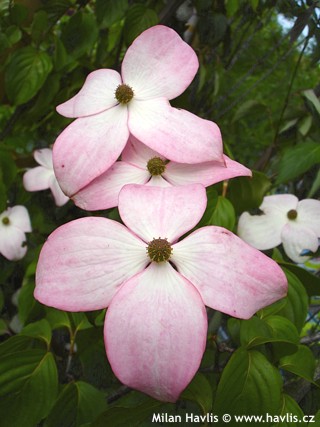
“Satomi” is the most sought after variety among the Japanese dogwood's. Its flowers are of light to deep pink colour that is unevenly spread throughout the flowers. Technically, they are not flowers but 4 flower bracts composed around small flower heads. They are up to 10 cm wide and conspicuous as ...
VI - VI
1,5 - 3m
full sun
5 (down to -29°C)
for zone 5+6
for zone 7
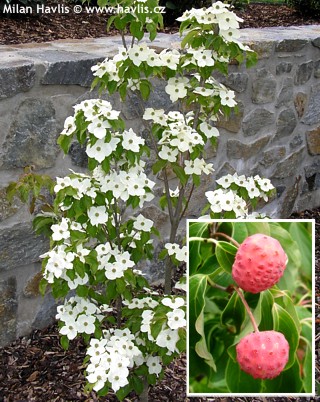
Teutonia is another extraordinary Japanese dogwood which, apart from its ornamental features, is valued mostly for its exquisite fruit. It is produced from small spheres, composed of tiny flowers that open from late May or early June. The showy parts are four surrounding bracts. They are broadly lan ...
V - VI
1,5 - 3m
1,5 - 3m
full to partial sun
5 (down to -29°C)
for zone 5+6
for zone 7
.jpg)
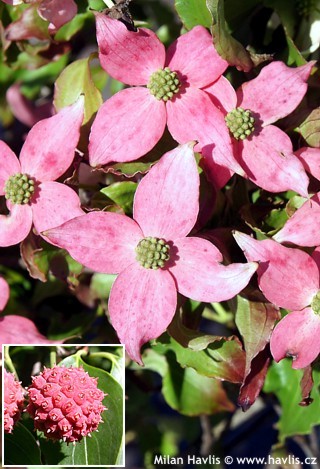
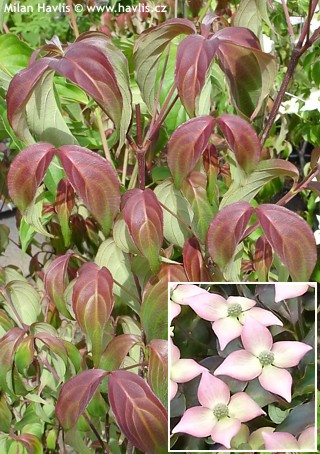
SCARLET FIRE® is a proper Japanese dogwood, not a hybrid, so a plant which flowers later than American dogwoods, on already leafed-out trees (shrubs). The flowers are in fact bracts. There are 4, rich magenta pink, oval, sharply pointed bracts, composed around a small flower head, about 13 cm across ...
V - VI
3 - 4m
2 - 3m
full sun
5 (down to -29°C)
for zone 5+6
for zone 7
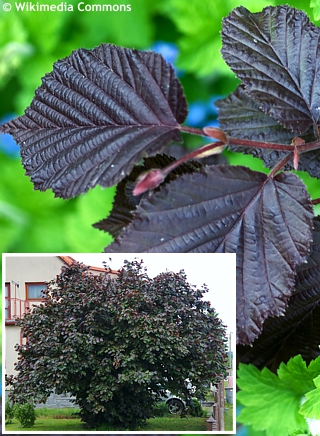
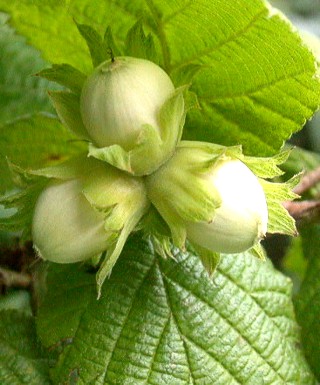
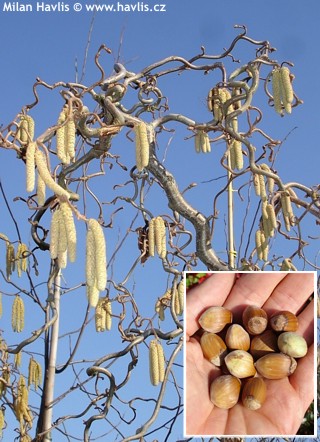
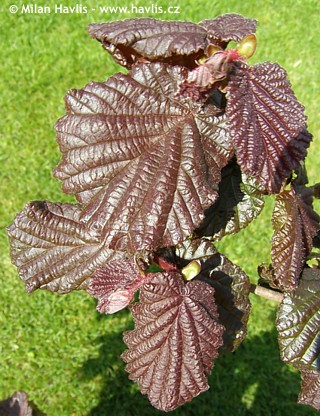
Filbert is a hazelnut species from S.E. Europe and S.W. Asia and exhibits a vigorously growing many-stemmed shrub with deciduous leaves. Purpurea is an old variety with deep maroon to near black leaves. They are 5-12 cm long, 4-10 cm wide, and during summer the colour of maturing leaves changes to d ...
II - III
3 - 6m
3 - 6m
full sun
4 (down to -34°C)
for zone 5+6
for zone 7
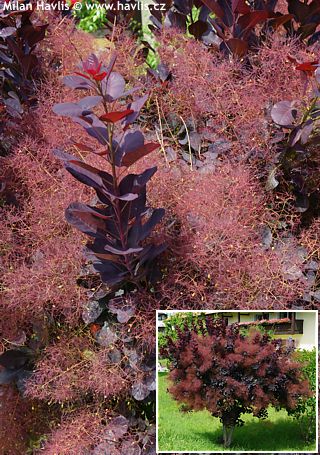
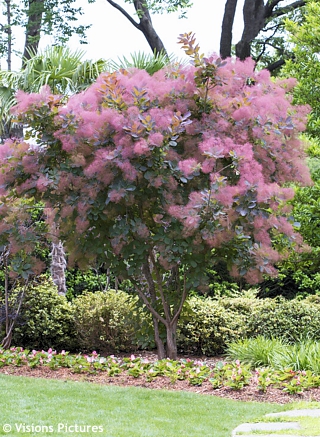
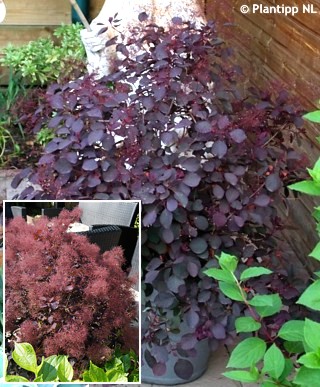
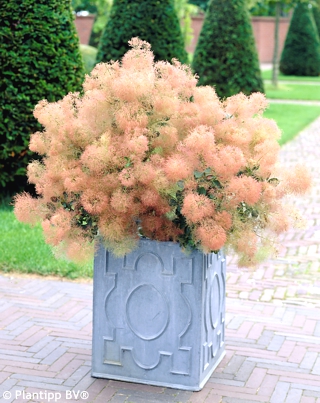
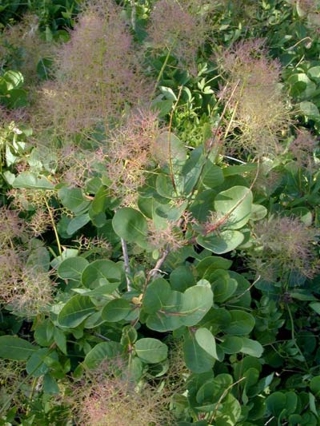
Smoke tree might have a slight problem these days when smoking outside becomes prohibited ... just joking, the alleged smoke is what flowering of this shrub looks like. It blooms from
June to July and from a distance the clusters do look like purple smoke. The leaves of Royal Purple are deep burgund ...
VI - VII
2 - 5m
full to partial sun
5 (down to -29°C)
for zone 5+6
for zone 7
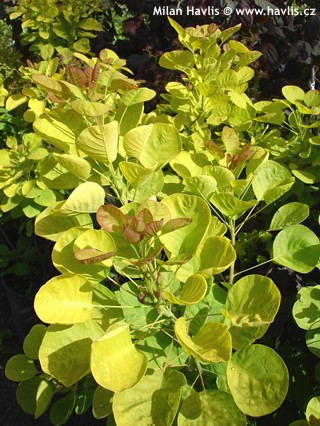
GOLDEN SPIRIT® is a new variety of smoke tree from Boskoop, Netherlands, patented in 2000 by Sanders-van Harn a Adriana Christina Bastiona under the name „Ancot“.
It is unique for its bright lime-yellow foliage on relatively long stalks compared to the leaf size. Leaves are oval t ...
VI - VII
2 - 3m
2 - 3m
full to partial sun
5 (down to -29°C)
for zone 5+6
for zone 7
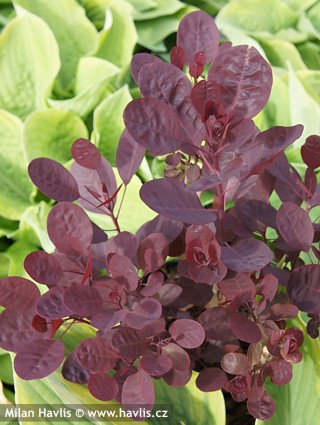
Lilla® smoke tree is a novelty that was first introduced at the Plantarium exhibition in Holland in 2011 where it received bronze medal. It is a dwarf version of Royal Purple variety with slower and more compact growth. It has deciduous, deep wine red, rounded leaves that turn scarlet red, oran ...
VI - VII
1 - 1,3m
1 - 1,3m
full sun
4 (down to -34°C)
for zone 5+6
for zone 7
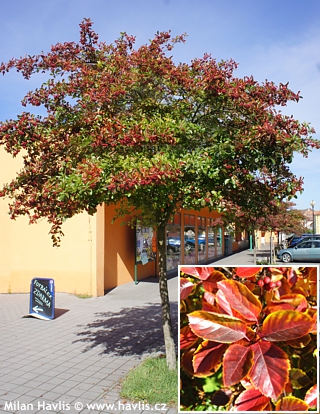
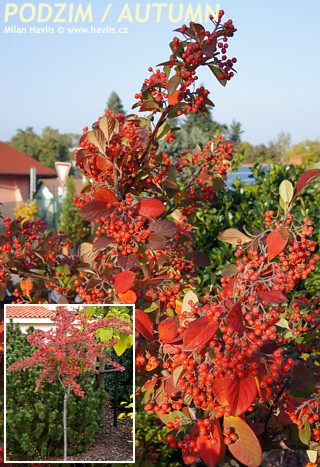
Splendens hawthorn is undoubtedly one of the most beautiful trees of northern hemisphere not only among hawthorns. It is valued for its lush, glossy foliage and a profusion of red berries. Leaves are deciduous, broadly elliptic, serrated at margins, dark green in spring and summer, and take on vibra ...
V - VI
4 - 7m
3 - 4m
full to partial sun
4 (down to -34°C)
for zone 5+6
for zone 7
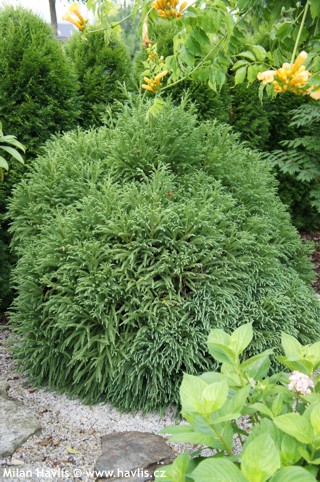
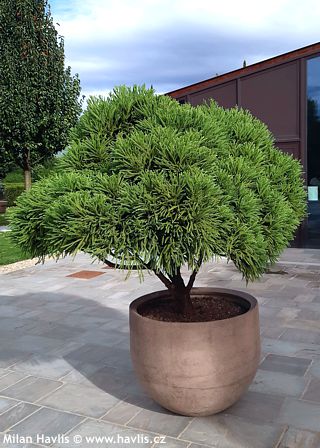
Globosa Nana variety of the Japanese cryptomeria was first discovered in 1923 in Japan, where it is called Mitama-sugi. It is a dense, compact conifer with rounded branches. The needles are curved, inward-pointing, bright green as they emerge and emerald green in all seasons apart from winter when t ...
1 - 2m
1 - 2m
full to partial sun
5b (down to -27°C)
for zone 5+6
for zone 7
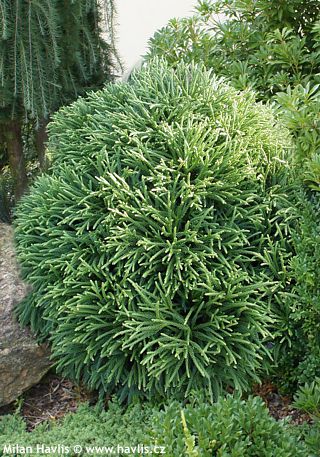
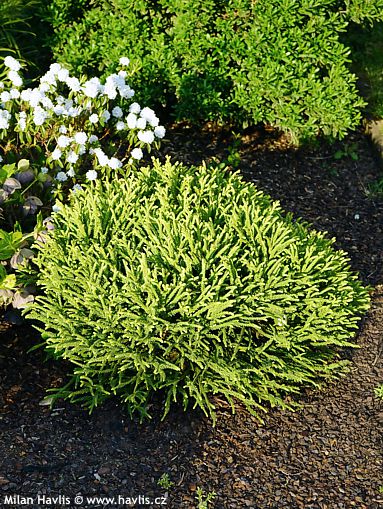
Little Champion is a witches' broom of another Japanese cedar variety called Gracilis, found in Europe. It is very similar to Nana Gracilis variety but has slightly different foliage and shape and grows smaller. Little Champion is a dense, compact conifer with rounded branches that look like woven ...
0,5 - 1m
0,5 - 1,3m
full to partial sun
5b (down to -27°C)
for zone 5+6
for zone 7
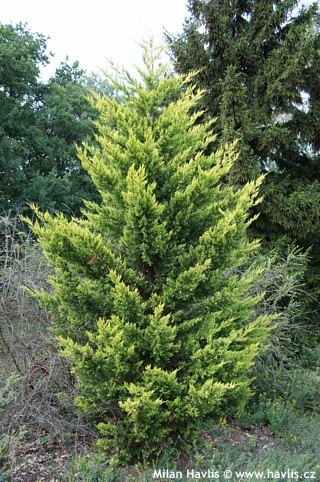
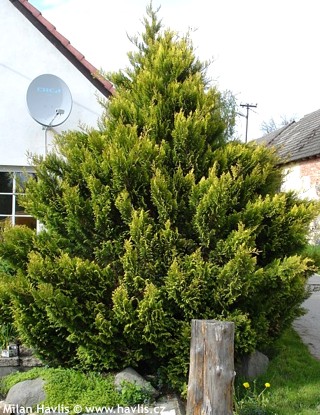
Gold Rider is still quite new in the Leyland cypress family. It produces flattened sprays of bright yellow-green, scale-like leaves. The branches are not pendent, not erect. Something in between and that makes it stand apart from chamaecyparis. The big advantage of Leyland cypress is the fact that i ...
2 - 10m
2 - 4m
full to partial sun
5b (down to -27°C)
for zone 5+6
for zone 7
.jpg)
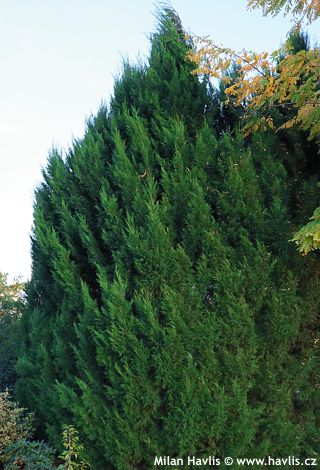
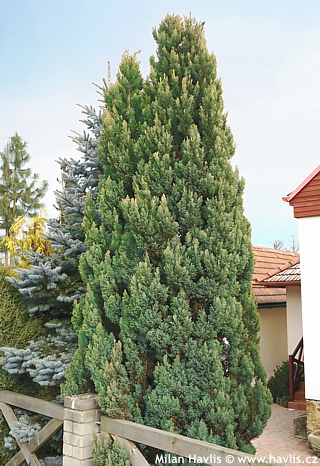
Fastigiata Arizona cypress is a favourite even in gardens where conifers aren’t typically welcome, thanks to its distinctive character, texture, and color. It grows upright and compact, with branches forming a sharper angle with the trunk, emphasizing its columnar habit. The foliage is soft to the t ...
5 - 10m
2 - 5m
full sun
5 (down to -29°C)
for zone 5+6
for zone 7
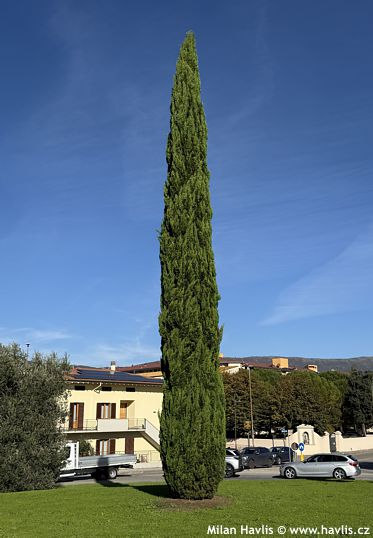
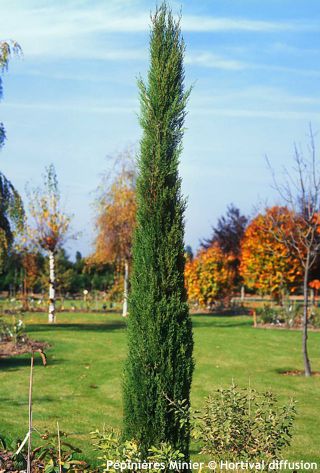
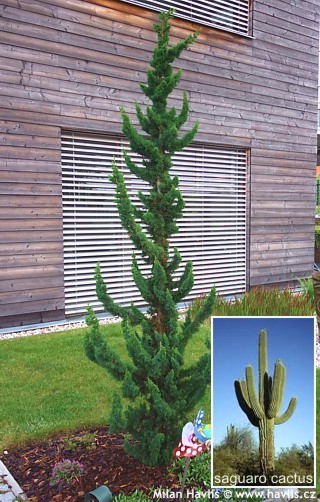
Now for the cultivar Totem. The name itself suggests a plant with the character of a sculpture – and that is exactly what it is. Totem is an extremely narrow, columnar cultivar of Tuscan cypress, like a green sword thrust into the ground. It grows slowly yet steadily, holding its shape like a soldie ...
4 - 8m
0,5 - 1m
full sun
7 (down to -18°C)

for zone 5+6
for zone 7
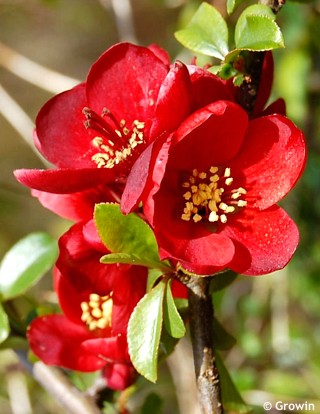
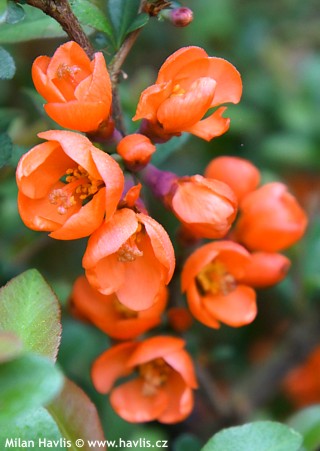
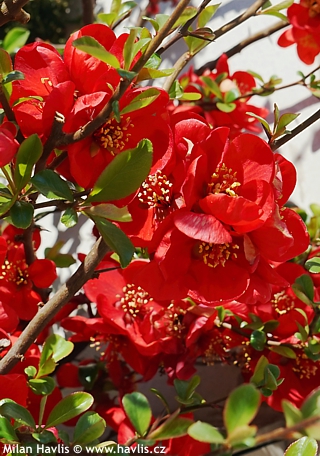
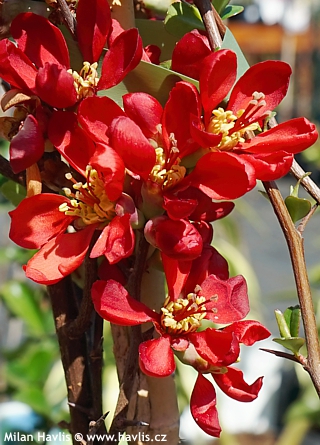
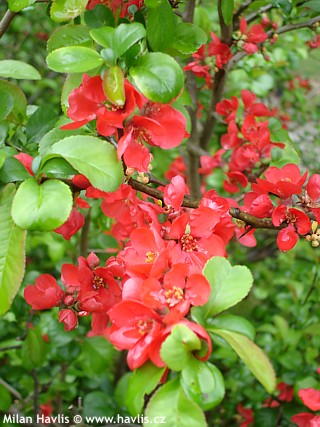
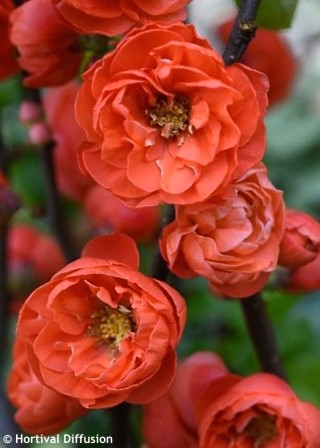
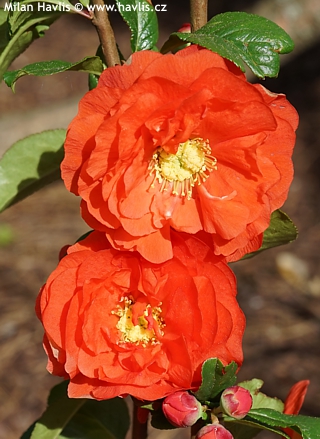
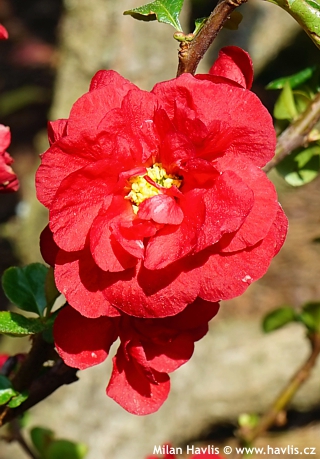
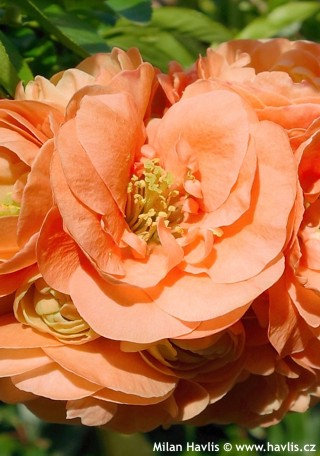
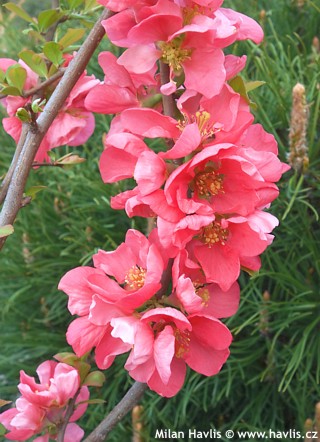
Crimson and Gold is another hybrid variety of Japanese quince, a cross between ch.japonica and ch.speciosa with large, deep crimson red flowers with superb yellow anthers which dominate the flowers like royal crowns. They commonly open in the first decade of April, howe ...
IV - V
0,5 - 1m
0,5 - 1m
full to partial sun
5 (down to -29°C)
for zone 5+6
for zone 7
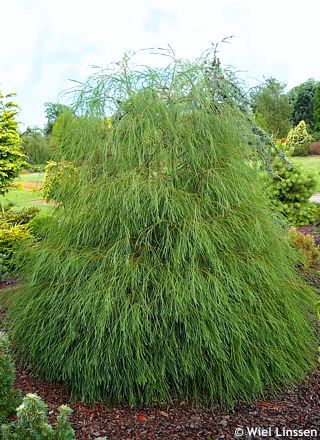
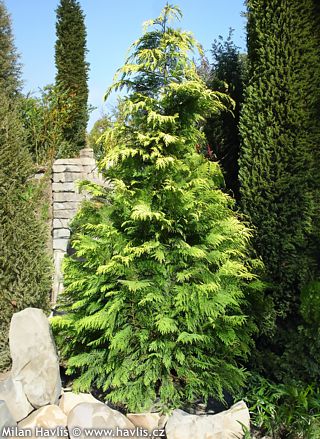
Drooping Solo is a Lawson cypress variety discovered by a Dutch conifer lover and horticulturist Wiel Linssen from Baexem. It was a seedling mutation of Imbricata Pendula, a similar variety of much taller but narrower habit. Drooping Solo forms dense shrubs of a broadly pyramidal shape with drooping ...
2 - 3m
1,5 - 2m
full to partial sun
5 (down to -29°C)
for zone 5+6
for zone 7
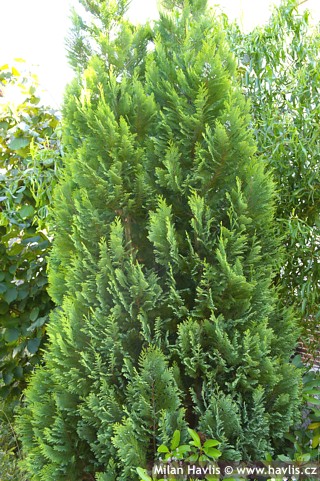
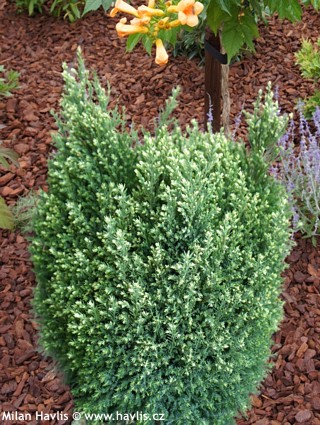
Ellwood's Empire is a natural mutation of an old and proved Ellwoodii Lawson cypress. Its scale-like needles are medium green with blue-green hues, and in spring its tips emerge bright lime-green or almost yellow-green which makes the whole shrub look very fresh and bright. It grows rather slowly i ...
1,5 - 2,5m
0,5 - 1m
full to partial sun
5 (down to -29°C)
for zone 5+6
for zone 7
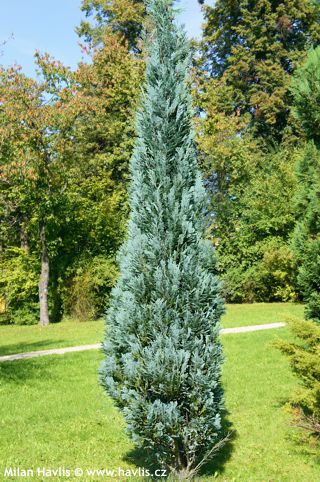
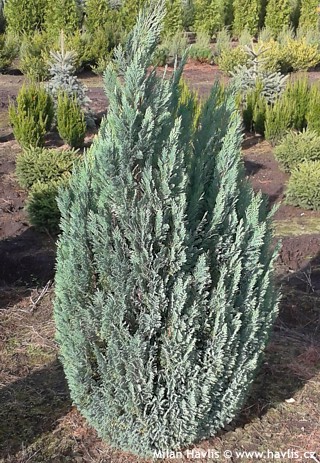
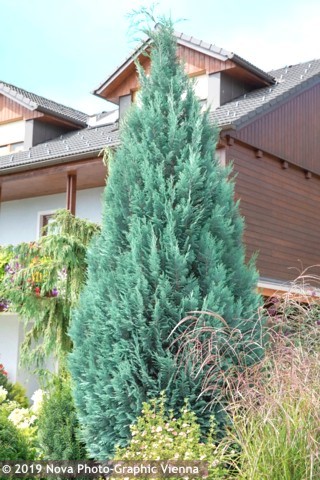
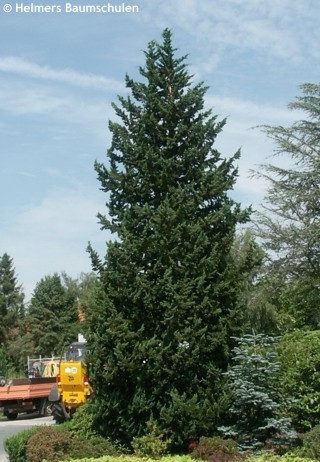
Columnaris is a hugely popular variety of Lawson cypress with blue needles and compact habit. It does not grow wider than 1m which makes it ideal for hedges that are only trimmed at the top. Mature plants can reach 6-8m in many decades, they are usually kept smaller by regular trimming that is best ...
3 - 6m
1 - 1m
full to partial sun
5 (down to -29°C)
for zone 5+6
for zone 7
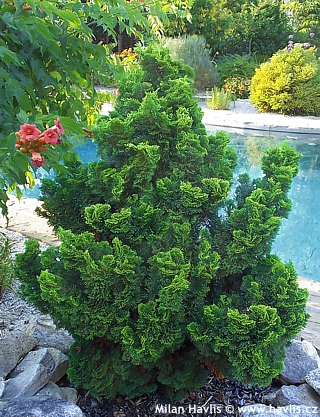
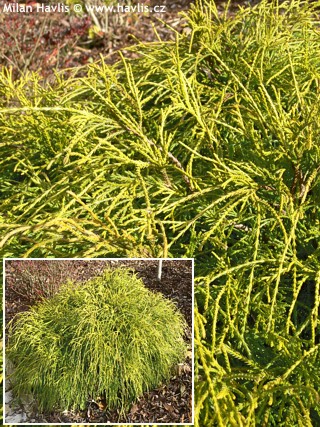
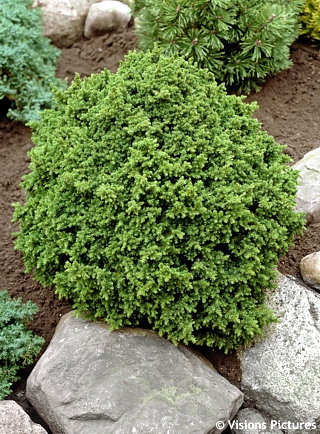
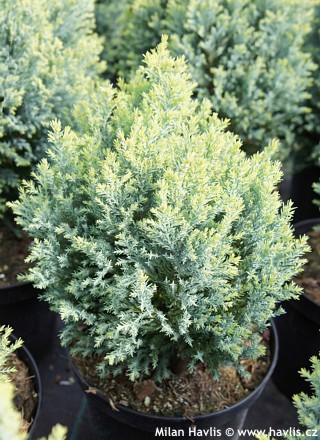
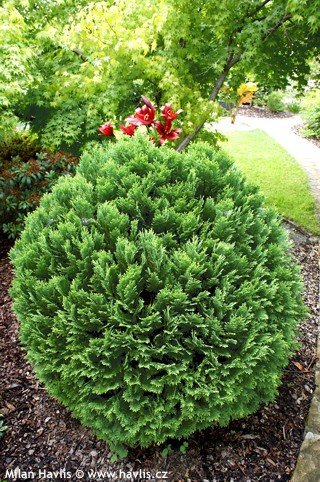
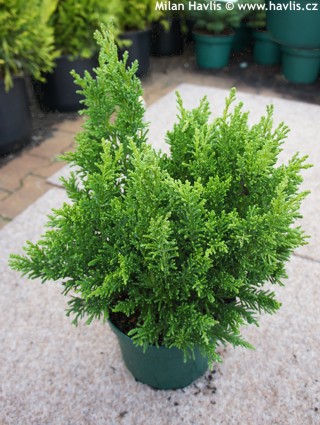
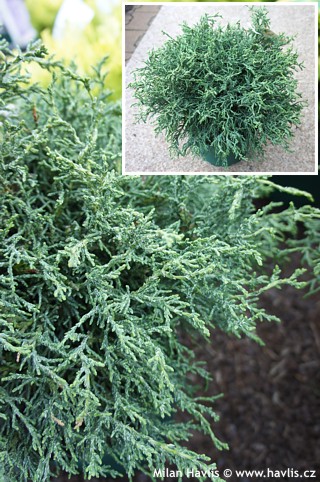
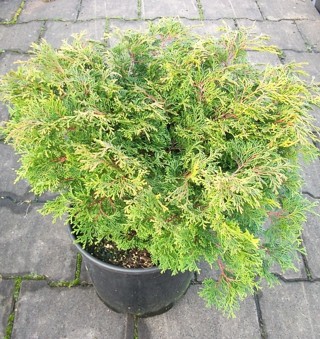
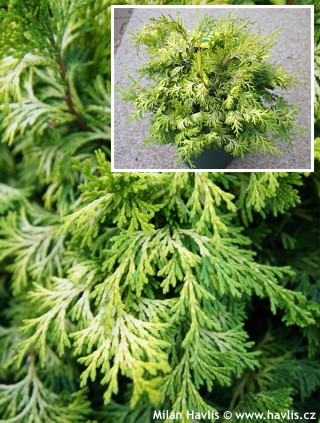
The Hinoki cypress is both a must-see and a must-have thereafter. Its dark green foliage is tightly congested, forming a tiny mound. It forms twisting fan-shaped branchlets in dense tiered layers.
Want to ask how fast it grows? Well it takes the same time as your partner does getting prepared for ...
1 - 1,5m
1 - 1,5m
full to partial sun
5 (down to -29°C)
for zone 5+6
for zone 7
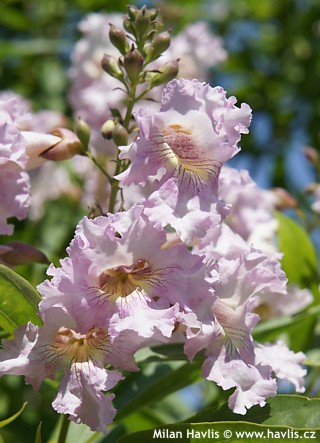
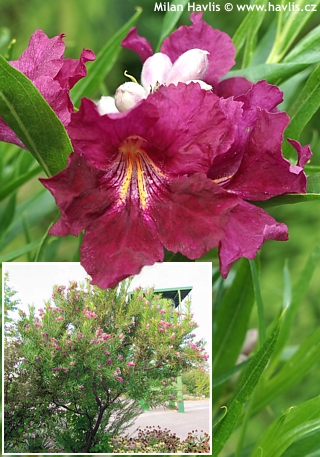
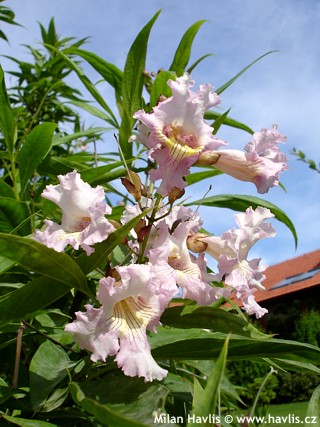
The cultivar SUMMER BELLS of chitalpa boasts abundant and prolonged flowering throughout summer, from June to August. The inflorescences are upright clusters shaped like slender pyramids, reaching 10 to 20 cm in height, composed of exquisite orchid‑like blossoms that combine light pink to lila ...
VI - VIII
4 - 6m
3 - 4m
full sun
5 (down to -29°C)
for zone 5+6
for zone 7
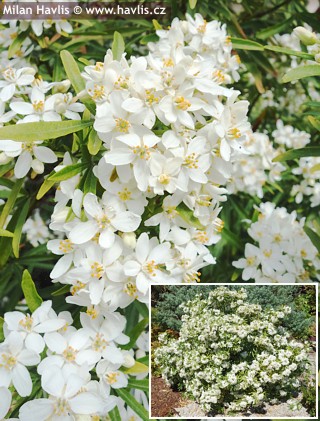
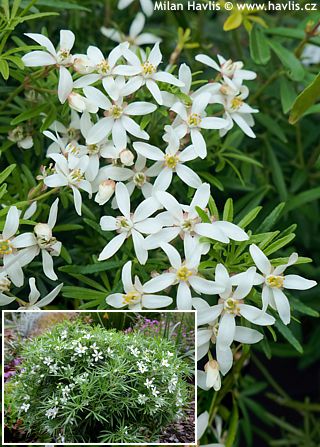
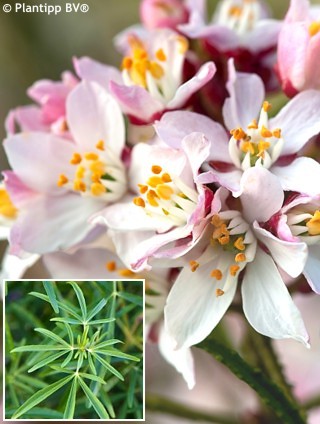
This variety called Aztec Pearl was bred by Peter Moore and introduced in 1989, when Hiller Nurseries celebrated their 125th anniversary. Its name perfectly describes this evergreen plant from the moment it begins to show flower buds. They are pearl-shaped, very light pink, and open into simple, sta ...
V - VI
1 - 2m
1 - 2m
full to partial sun
6 (down to -23°C)
for zone 5+6
for zone 7
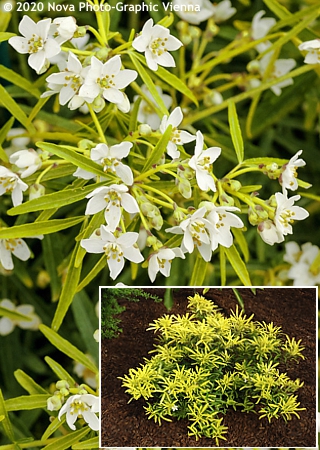
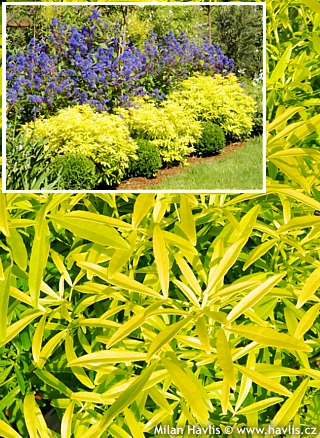
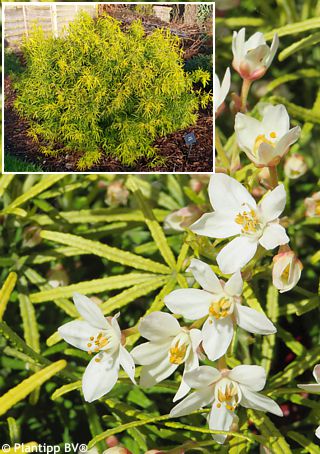
AZTEC GOLD is a Hillier Nurseries introduction from 2012, bred by Alan Postill. It is a bright golden-yellow-leaved choisya shrub. It produces profusion of simple, star-shaped, pure white, and very fragrant flowers with yellow stamens from late April until early June. Their perfume is very similar t ...
V - VI
0,8 - 1,3m
1 - 1,5m
full to partial sun
6 (down to -23°C)
for zone 5+6
for zone 7
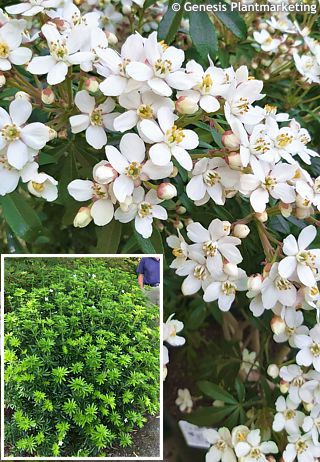
GREENFINGERS® is a large-leaved Mexican orange variety from 2019, developed by Peter Catt from Liss Forst Nursery in Liss, Hamshire, England. It bears evergreen, softly leathery, glossy, palmate leaves divided into 7 leaflets, which have a distinct, spicy aroma when crushed, but do not use them for ...
V
1 - 2m
1 - 2m
full to partial sun
6 (down to -23°C)
for zone 5+6
for zone 7
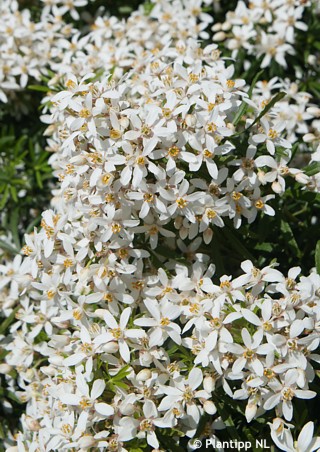
WHITE DAZZLER is a follow-up choísie to Aztec Pearl from Peter Moore, introduced in 1991. It produces masses of simple, star-shaped, pure white, and very fragrant flowers with yellow stamens in May and June. Their perfume is very similar to orange flowers hence its name Mexican orange or Mexican blo ...
V - VI
1 - 2m
1 - 1,5m
full sun
6 (down to -23°C)
for zone 5+6
for zone 7
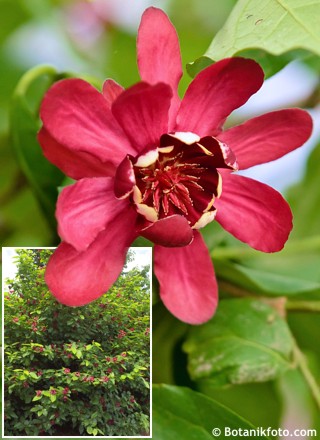
.jpg)
.jpg)
.jpg)