CURRENTLY IN STOCK:
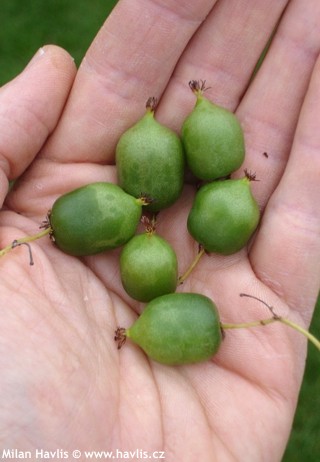
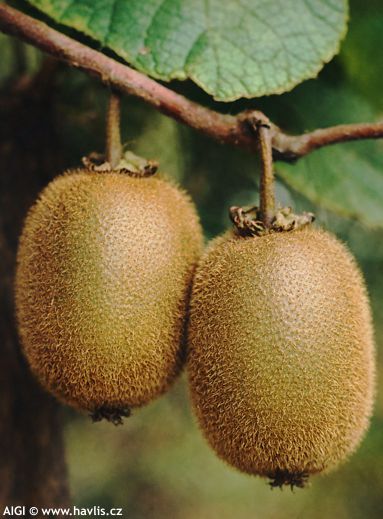
Issai is a self-fertile variety of the so-called mini-kiwi. This means that unlike the species it does not need a male and a female plant to produce fruit. Apart from tasty fruit it is a nice plant, too, with deep green leaves and scented flowers in June.
It is a vine that is less vigorous that the ...

V - VI

3 - 6m

full sun

4 (down to -34°C)

for zone 5+6
for zone 7
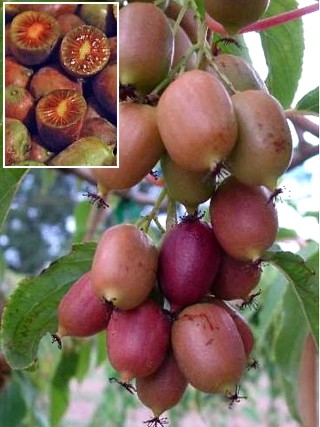
Ken’s Red is a female variety of the so-called mini-kiwi (kiwiberry). It is a vine that is less vigorous that the species. Apart from tasty fruit it is a nice plant, too, with deep green leaves and scented flowers in June.
Its fruit has smooth skin, and both skin and flesh have various shades ...
VI - VI
2 - 6m
full sun
5 (down to -29°C)
for zone 5+6
for zone 7
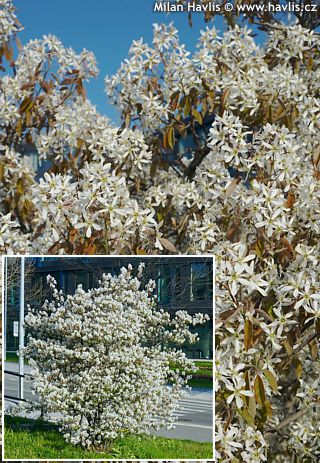
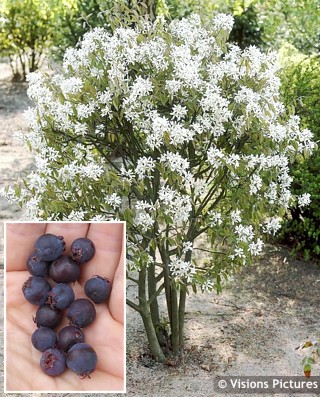
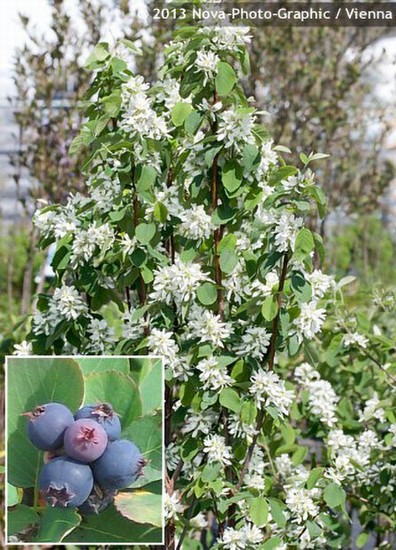
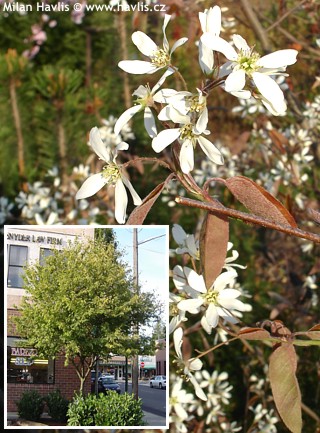
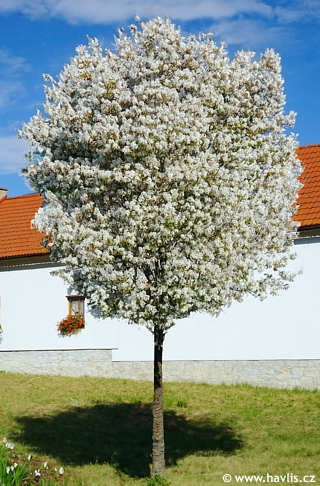
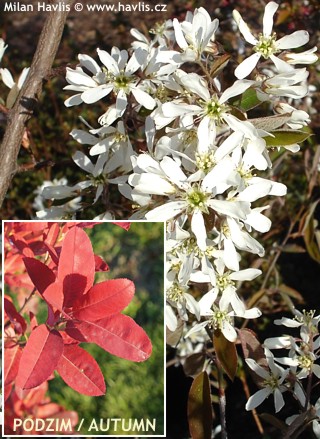
Juneberry is a large shrub cultivated mostly for its delicious and healthy fruit. It is a large deciduous shrub or a small tree.
Flowers are star-shaped, white and scented and appear in mid spring. Oval leaves are up to 8 cm long, emerge bronze and mature to green colour, turning scarlet red or dee ...
IV - V
2 - 6m

2 - 5m
full sun
4 (down to -34°C)
for zone 5+6
for zone 7
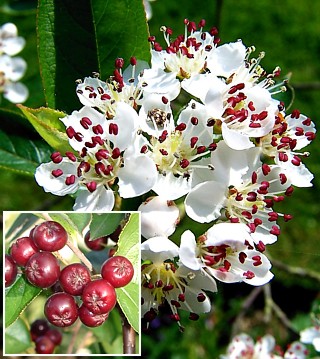
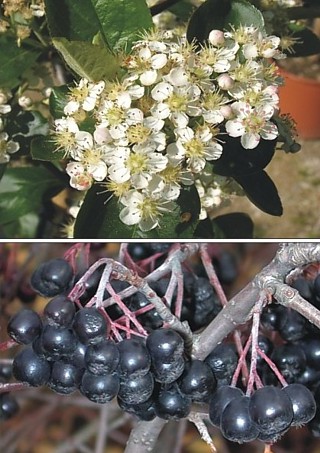
Brilliant is one of the latest varieties of purple chokeberry which is a hybrid between red and black chokeberry. So far you can find it listed under three names: a.melanocarpa, a.arbutifolia, and a. x prunifolia which is probably the most correct name. It is cultivated for several reasons, and the ...
V - V
1 - 2,5m
1 - 1,5m
full sun
4 (down to -34°C)
for zone 5+6
for zone 7
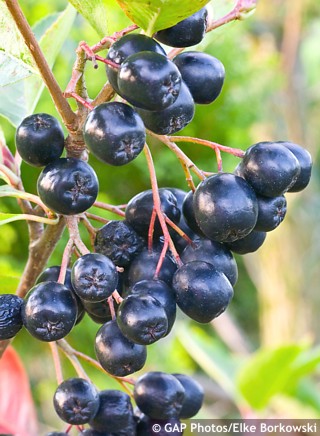
Nero is a Slovak variety of purple chokeberry with large fruit and leaves purple tinged on the reverse. The lustrous fruits are black, about twice as big as black currant berries, and are rich in vitamin C and other important microelements such as ferrum and iodine. They can be eaten fresh, in fruit ...
V - V
1,5 - 2m
1 - 2m

full to partial sun
3 (down to -40°C)
for zone 5+6
for zone 7
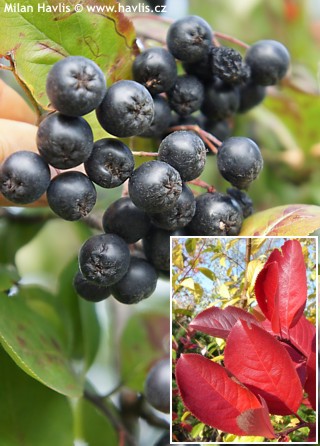
Recently, less known fruit trees and shrubs are becoming more and more popular mainly thanks to their original taste as well as positive impact on our health. Chokeberry is one of them. It is in the same rosaceae family as the service tree and its fruit is similar, too. The lustrous fruits are black ...
V - V
1,5 - 2m
1 - 2m
full sun
3 (down to -40°C)
for zone 5+6
for zone 7
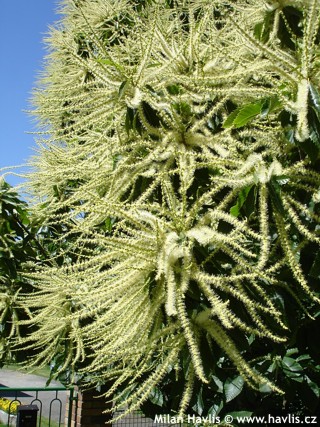
Sweet chestnut is cultivated for several beautiful features. The deciduous leaves are deep green, elliptic to oblong, up to 20 cm long, distinctly serrated and glossy, turning deep golden yellow in autumn. Flowers are creamy beige catkins that appear in July. They release a rather strong fragrance ( ...
VII - VII
5 - 20m
5 - 10m
full to partial sun
5 (down to -29°C)
for zone 5+6
for zone 7
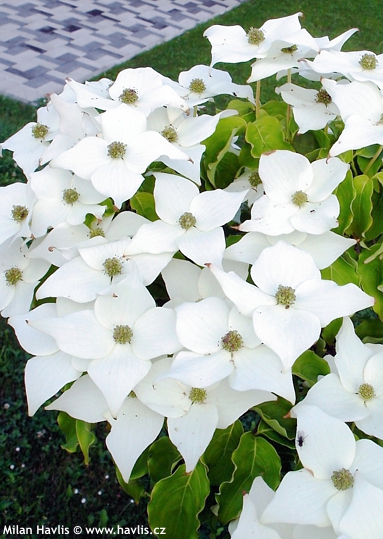
Milky Way is an old time favourite of the Japanese dogwood. It has snow white to creamy white flowers. Technically, they are not flowers but 4 flower bracts composed around small flower heads. They are 6-10 cm wide and conspicuous as they come out in June when the shrub is in leaf, and the foliage m ...
V - VI
2 - 4m
2 - 4m
full sun
5 (down to -29°C)
for zone 5+6
for zone 7
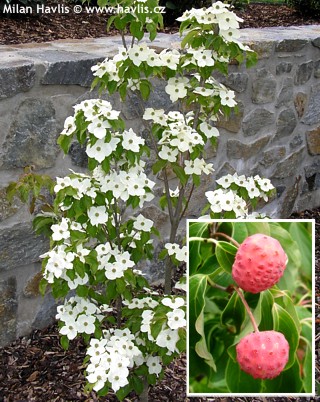
Teutonia is another extraordinary Japanese dogwood which, apart from its ornamental features, is valued mostly for its exquisite fruit. It is produced from small spheres, composed of tiny flowers that open from late May or early June. The showy parts are four surrounding bracts. They are broadly lan ...
V - VI
1,5 - 3m
1,5 - 3m
full to partial sun
5 (down to -29°C)
for zone 5+6
for zone 7
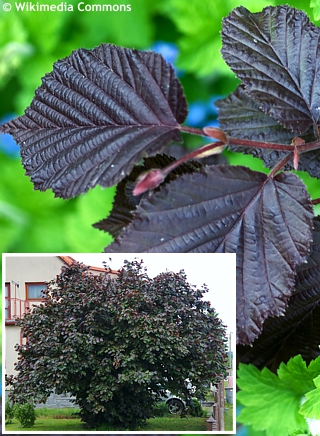
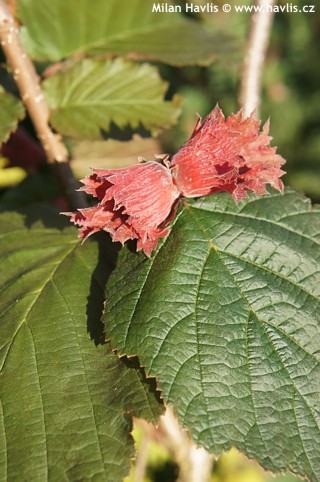
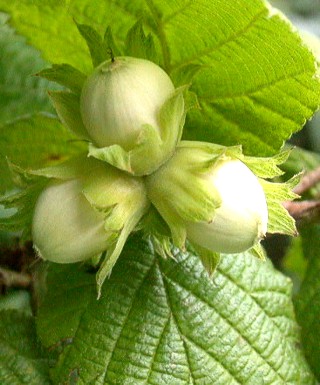
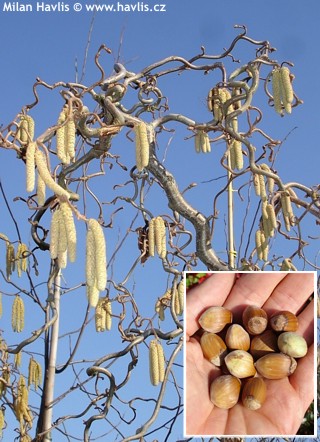
Filbert is a hazelnut species from S.E. Europe and S.W. Asia and exhibits a vigorously growing many-stemmed shrub with deciduous leaves. Purpurea is an old variety with deep maroon to near black leaves. They are 5-12 cm long, 4-10 cm wide, and during summer the colour of maturing leaves changes to d ...
II - III
3 - 6m
3 - 6m
full sun
4 (down to -34°C)
for zone 5+6
for zone 7
.jpg)
Granatnaja is a Russian cultivar of crataegosorbus - a medium-sized tree with edible fruit. Its leaves are odd-pinnate, with lanceolate to elliptical, finely serrated leaflets that resemble hawthorn more than rowan, reflecting its hybrid origin. In autumn, the foliage turns vibrant shades of red-ora ...
IV - V
3 - 6m
3 - 4m
full to partial sun
4 (down to -34°C)
for zone 5+6
for zone 7
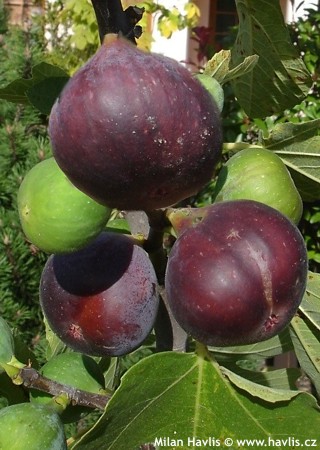
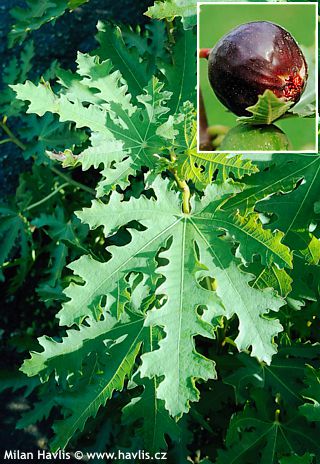
One of the hardiest figs for our climate (zone 6) is named Brown Turkey. As the name suggests the fruit is brownish-red or blackish-purple, relatively large and sweet. They do not require pollination. Immature fruit and branches contain sap which can be an eye and lip-irritant. Palmate leaves are ve ...
1 - 2m
1 - 2m
full sun
6b (down to -21°C)

for zone 5+6
for zone 7
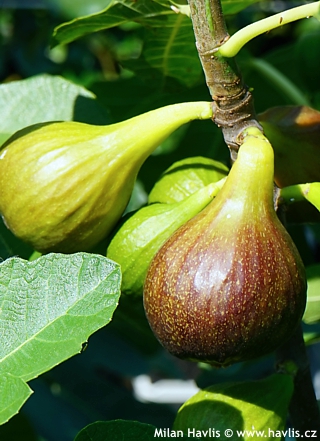
Peretta® is a Swiss addition to the group of hardy figs for zone 6. It produces greenish-brown, sweet fruit from mid August. They do not require pollination. Immature fruit and branches contain sap which can be an eye and lip-irritant. Palmate leaves are very ornamental – mid green and la ...
1 - 2m
1 - 2m
full sun
6 (down to -23°C)
for zone 5+6
for zone 7
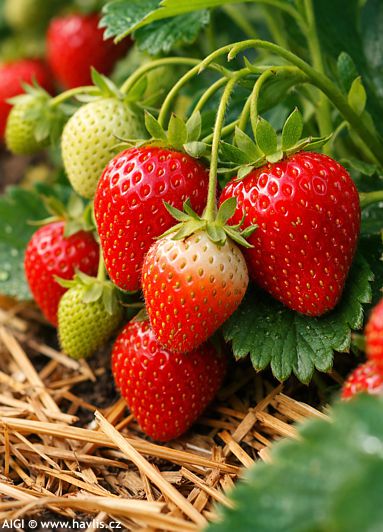
Variety
Fruiting type
Ripening period
Fruit size
Growth type
Colour
Flavour / quality
Karmen
June‑bearing
June
very large
...
0,2 - 0,3m
0,2 - 0,3m
full sun
5 (down to -29°C)
for zone 5+6
for zone 7
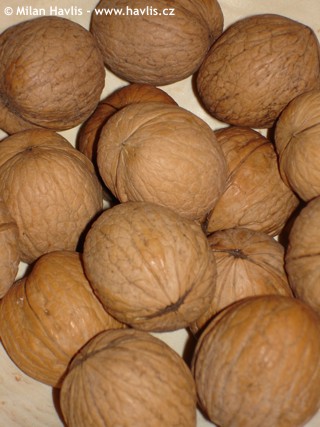
Common walnut is a native tree of the Old World. Its natural habitat lies between South-eastern Europe and Himalayas. Irrespective of its large size it is still one of the most sought-after fruit trees of our country.
Walnut has attractive, pinnate foliage that have a unique scent. Flowers are cat ...
IV - V
5 - 20m
5 - 20m
full sun
5 (down to -29°C)
for zone 5+6
for zone 7
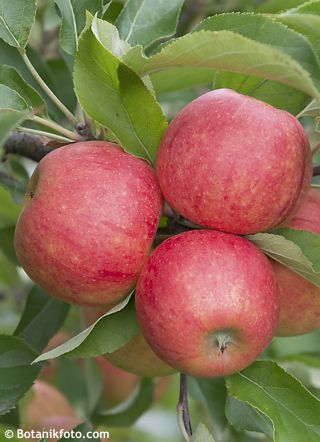
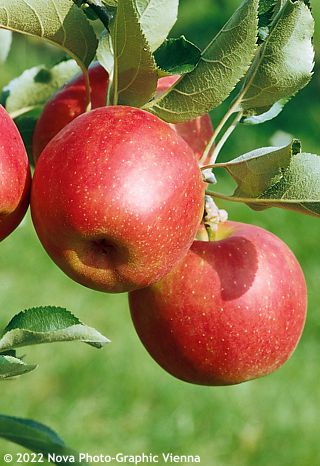
The fruits of Elstar are medium‑sized, round to slightly flattened apples, with a yellow‑green skin largely covered by a bright red blush and fine striping. The flesh is creamy yellow, tender, crisp, and very juicy, with a distinctly aromatic sweet‑tart flavor reminiscent of t ...
IV - V
3 - 8m
2 - 4m
full sun
5 (down to -29°C)
for zone 5+6
for zone 7
.jpg)
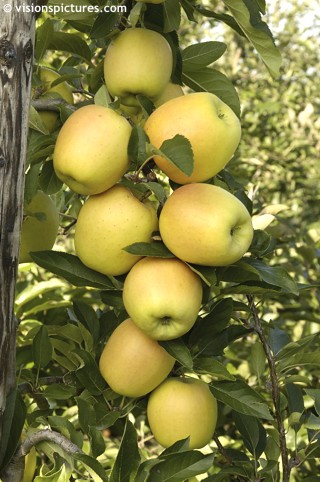
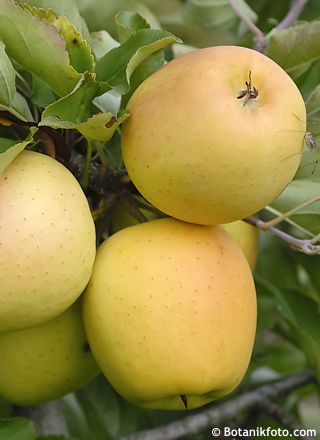
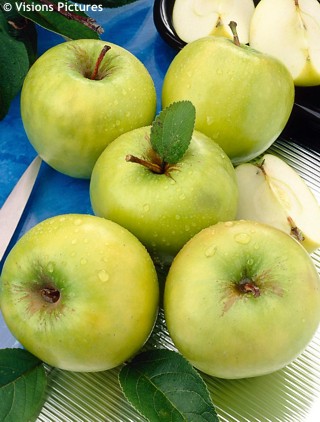
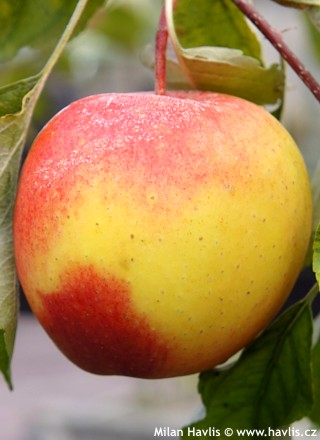
Golden Delicious ranks among the most important apple cultivars of the 20th century and became the foundation for breeding dozens of other varieties worldwide. The fruits are medium to large, conical to round‑conical, with a smooth skin that is greenish‑yellow at harvest and turns golden ...
IV - V
3 - 6m
3 - 4m
full sun
4 (down to -34°C)
for zone 5+6
for zone 7
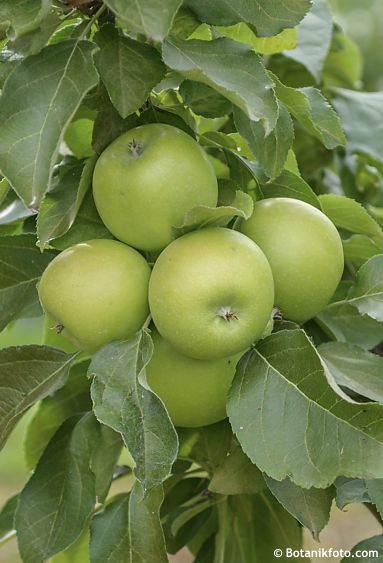
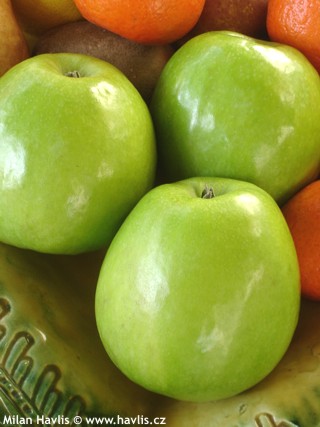
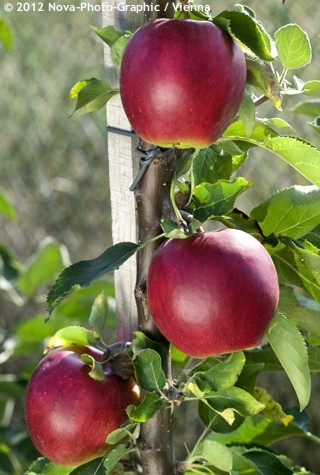
Greencats is another columnar apple variety. It bears medium-sized or large apples with rich green, glossy skin similar to Granny Smith variety. The flesh is firm and crisp, juicy, sweet and sour. The fruit is resistant to scab, canker, and powdery mildew. Greencats is a late variety can be picked f ...
IV - V
2 - 3m
0,4 - 0,5m
full sun
5 (down to -29°C)
for zone 5+6
for zone 7
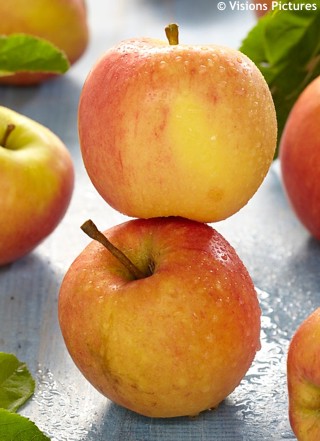
James Grieve is an old and proved, very tasting variety of a midseason apple tree from Scotland from 1893. The apples are medium to large, juicy and sweet, and are great eaten fresh off the tree, yet a little sharp. Sweetness rises only after one week of cold storage. It generally does not store wel ...
IV - V
3 - 5m
2 - 4m
full sun
5 (down to -29°C)
for zone 5+6
for zone 7
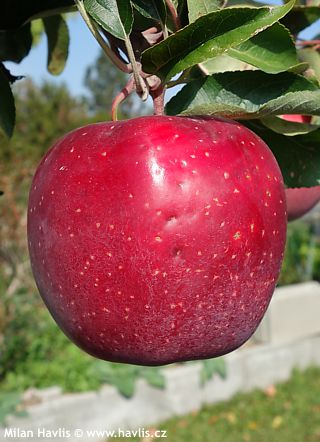
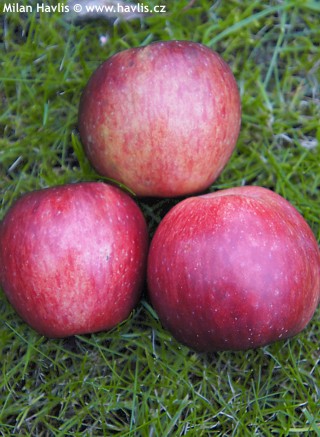
James Grieve Red is a sport of James Grieve apple, found in 1922 with redder fruit. It produces very tasty, sweet and aromatic apples from end August until early October. The fruit is best eaten fresh off the tree. Under usual condition it can be stored for maximum of 2 months, while in fruit-coolin ...
IV - IV
3 - 8m
2 - 4m
full sun
5 (down to -29°C)
for zone 5+6
for zone 7
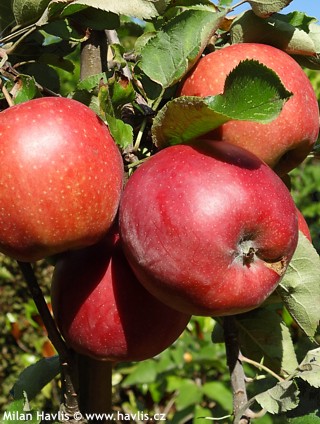
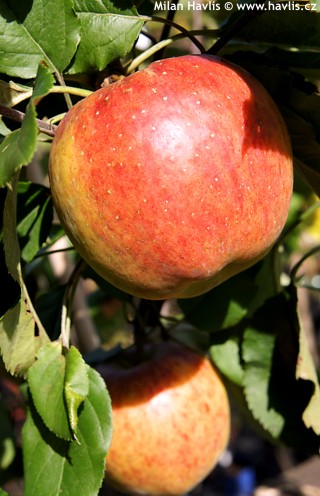
Jonagold is a great dessert apple variety that combines the best of both its parents. It has the sweetness of Golden Delicious as well as mild sharpness and aroma of Jonathan. The flesh is crispy and very juicy. Moreover, Jonagold is a very attractive apple to look at – it is honey yellow with ...
IV - V
2 - 4m
2 - 3m
full sun
for zone 5+6
for zone 7
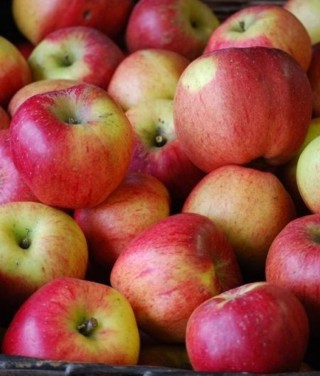
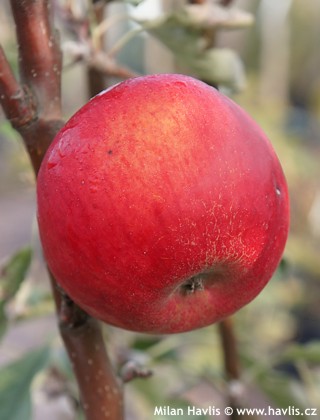
Melrose is an attractive and tasty late apple. It is a result of crossing Jonathan and Red Delicious. The apples are sweet and crunchy. Their colour is red. Ideal snack apple or for cooking. Tastes best about one month from picking. It can be stored until end February.
Apple trees should be pruned ...
IV - V
3 - 6m
2 - 4m
full sun
for zone 5+6
for zone 7
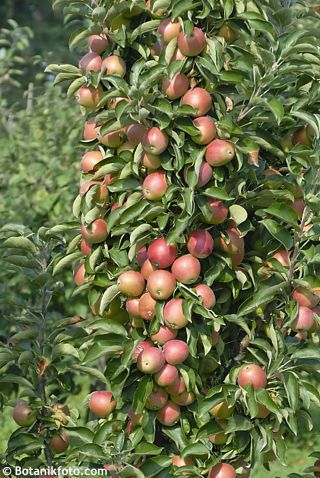
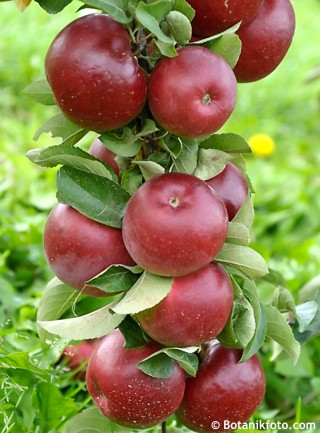
Polka belongs to the Ballerina® series and is one of the most reliable columnar apples for temperate gardens. It bears medium-sized fruit, mostly round to slightly conical, with a light green skin that develops a rosy red blush as it ripens. The flesh is pale to white, very juicy, crisp yet firm, wi ...
IV - V
2 - 3m
0,4 - 0,5m
full sun
5 (down to -29°C)
for zone 5+6
for zone 7
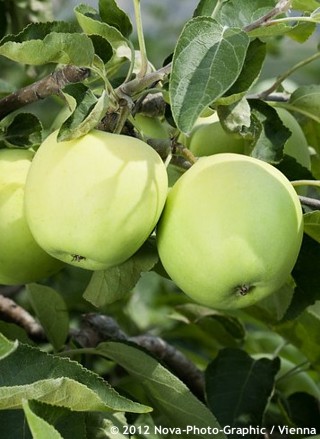
This is probably the earliest apple in our climate, of Russian origin from around 1800. Its name is different in every country, the English name is White Transparent. It produces good crops of medium-large to large fruit with greenish-yellow, soft skin and very juicy flesh that can be quite sharp fo ...
IV - V
2 - 4m
1,5 - 3m
full sun
5 (down to -29°C)
for zone 5+6
for zone 7
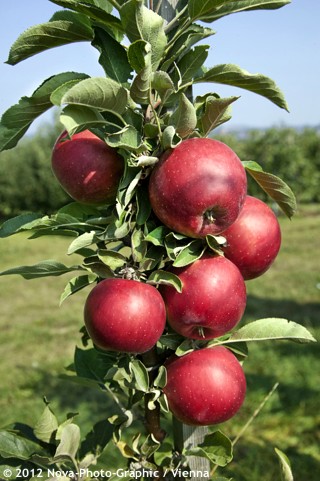
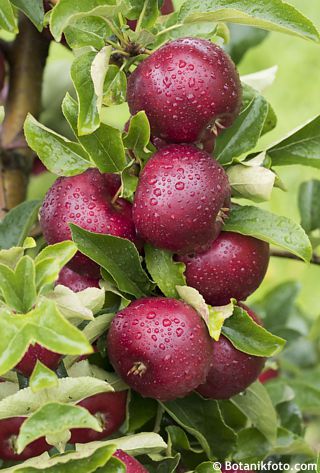
Redcats is a columnar apple variety with deep red fruit of excellent flavour. It resembles Gala variety. It is medium-sized, rounded, the flesh is firm and crisp, juicy, with a good sweet/sour balance. The fruit is resistant to scab, canker, and powdery mildew. Redcats a midseason variety can be pic ...
IV - V
2 - 3m
0,4 - 0,5m
full sun
5 (down to -29°C)
for zone 5+6
for zone 7
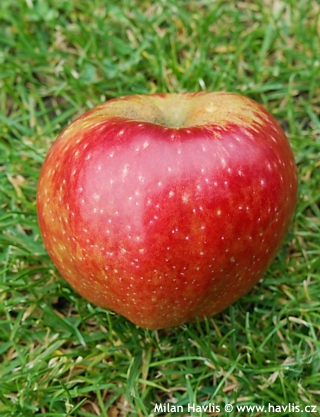
Summerred is an early apple tree variety from 1964 which originated in Canada as a self-pollination of McIntosh Red and Golden Delicious. Though both the parents are midseason apples, Summer Red produces its fruit as early as from late August in a good season. The apples are medium large, beautiful, ...
3 - 4m
2 - 3m
full sun
4 (down to -34°C)
for zone 5+6
for zone 7
.jpg)
The fruits of Princess Louise (aka ‘Marquis of Lorne’) belong among medium to large apples, broadly round in shape, with a thin and delicate skin that turns from greenish to yellow at full maturity, often with a rosy blush. The flesh is snow‑white, very fine, crisp, and juicy, with a pleasantl ...
IV - V
4 - 6m
3 - 5m
full sun
4 (down to -34°C)
for zone 5+6
for zone 7
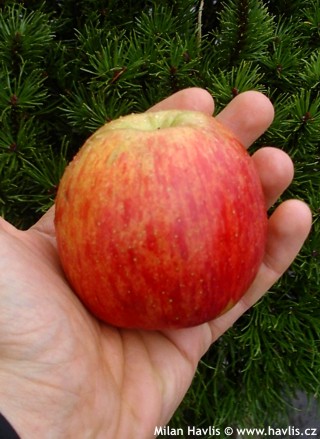
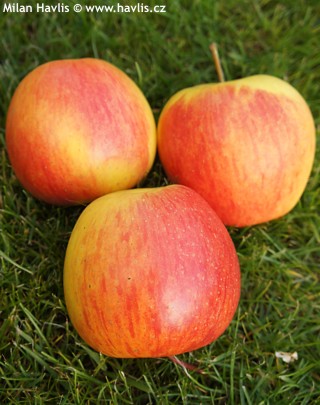
Reine des Reinettes (King of the Pippins, Goldparmäne) is a mid-season apple with golden-orange skin, with profusion of red stripes. It is medium-sized, rounded, and can be picked from September until October, and stores well approximately until Christmas time. The flesh is juicy, delicious and very ...
IV - V
2 - 5m
2 - 3m
full sun
5 (down to -29°C)
for zone 5+6
for zone 7
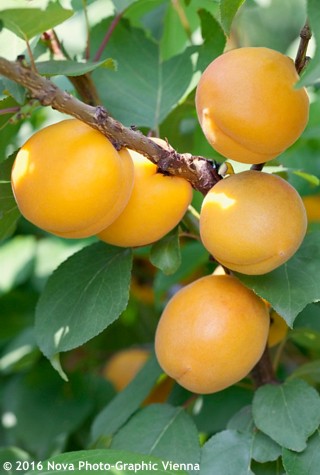
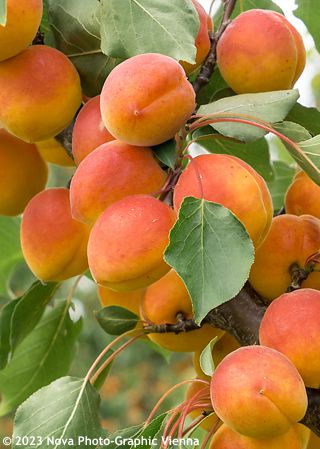
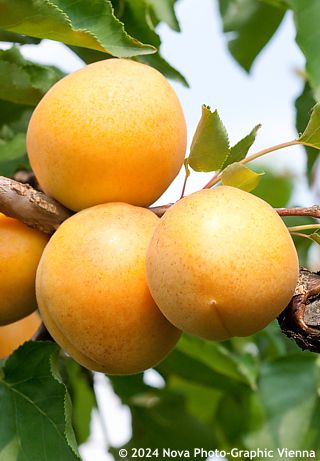
Bulida is a Spanish apricot tree variety from 1940. It is very hardy and a heavy cropper. The fruit is large, firm, yellow-orange without a red blush, very sweet, free-stone, and juicy with melting flesh. Maturing time is usually from early August, in good summers the fruit may ripen already in from ...
IV - IV
3 - 5m
2 - 4m
full sun
5 (down to -29°C)
for zone 5+6
for zone 7
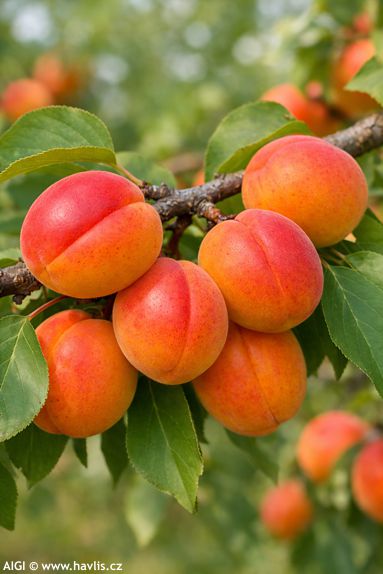
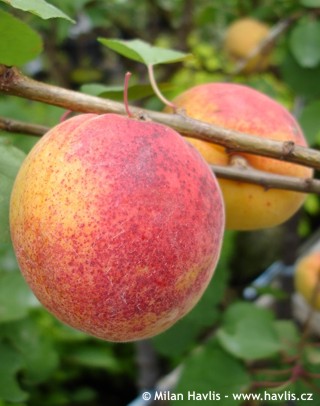
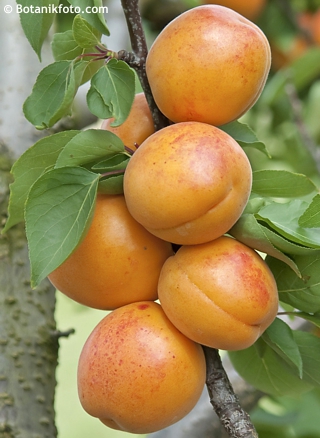
Farbaly apricot produces medium‑sized to large, broadly oval fruit with a deep orange skin and a pronounced, evenly distributed red blush that may cover up to half of the surface. The skin is finely velvety, slightly firmer, and tolerates handling and transport well. The flesh is orange, firm ...
IV
3 - 4m
3 - 4m
full sun
6 (down to -23°C)
for zone 5+6
for zone 7
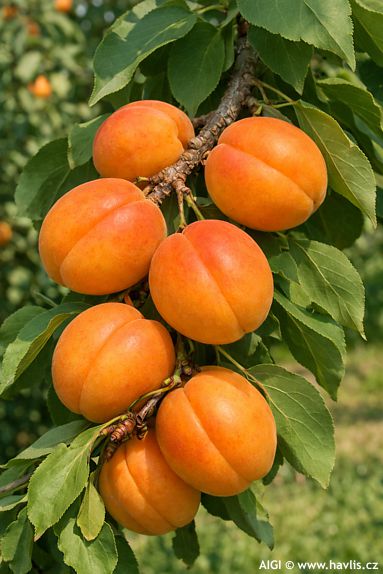
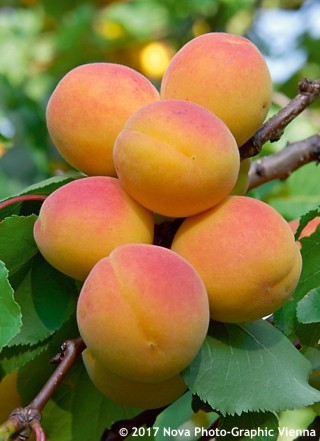
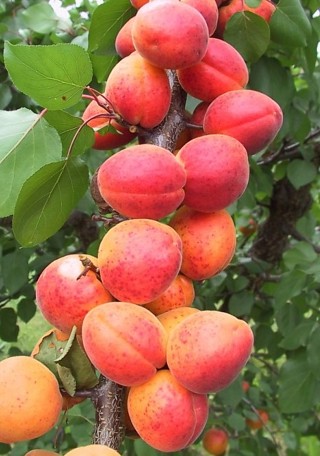
The fruit of Goldrich apricot is large to very large, broadly oval, with a smooth, firm skin of deep orange colour and a fine red blush on the sun‑exposed side. The flesh is orange, firm and moderately juicy, with a balanced ratio of sugars and acids; the flavour is sweet, refreshing and sligh ...
IV
3 - 4m
3 - 4m
full sun
5b (down to -27°C)
for zone 5+6
for zone 7
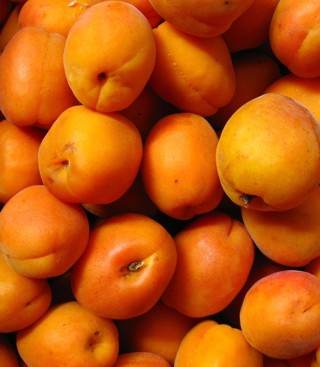
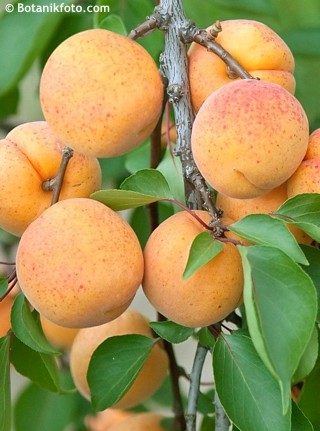
Luizet apricot is one f the most suitable ones from our climate because it blooms late which helps it avoid late spring frost. On the other hand it is an early variety with fruit maturing in mid-summer.
Fruit is rounded to oval, deep orange with irregular red flushes, very aromatic. Taste is sweet. ...
IV - IV
3 - 4m
2 - 3m
full sun
6 (down to -23°C)
for zone 5+6
for zone 7
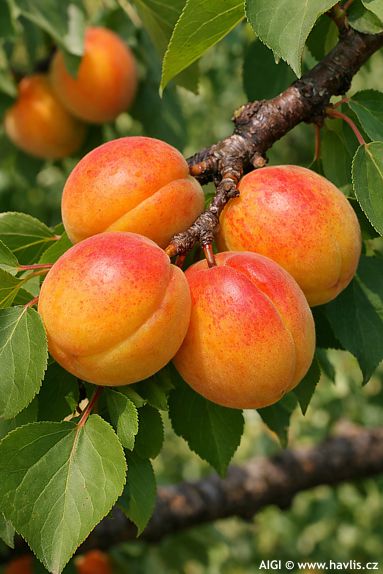
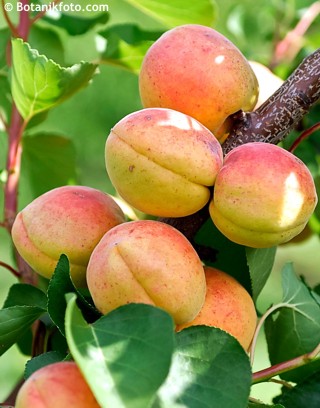
Mombacher Frühe apricot produces medium‑sized, round to slightly flattened fruits with a yellow‑orange skin and a fine red blush on the sun‑exposed side; the surface is softly velvety and the flesh is orange, juicy, tender, easily separating from the stone, with a balanced, ar ...
IV
3 - 5m
2 - 4m
full sun
5b (down to -27°C)
for zone 5+6
for zone 7
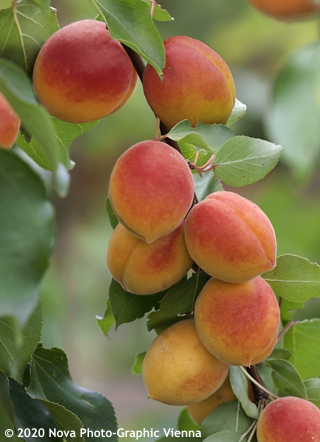
Imola is a town in Italy renowned for the race track The Autodromo Internazionale Enzo e Dino Ferrari. It is close to Bologna in a region called Emilia-Romagna, possibly the most important Italian region for growing fruit trees. Reale d’Imola is an apricot tree which originated there in one of ...
IV
4 - 6m
2 - 4m
full sun
5b (down to -27°C)
for zone 5+6
for zone 7
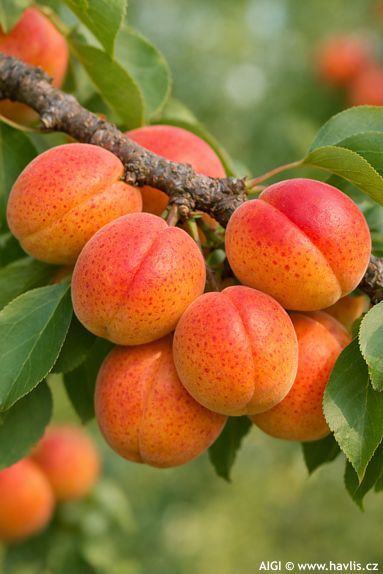
The fruit of Rouge du Roussillon apricot is small to medium‑sized (35–55 mm in diameter), round to slightly oval, with a deep orange ground colour and fine red speckling or a light red blush covering part of the surface. The skin is thin and finely velvety; the flesh is soft, juicy and highly ...
IV
3 - 4m
3 - 4m
full sun
6 (down to -23°C)
for zone 5+6
for zone 7
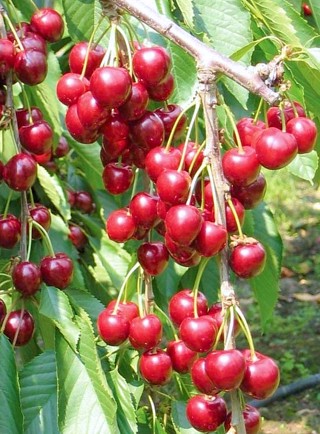
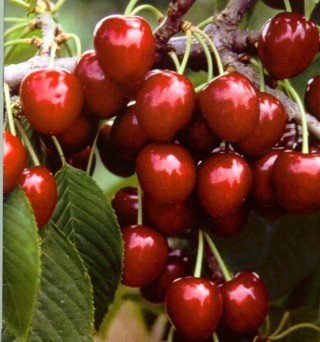
Burlat is an early variety of sweet cherries. The fruit is vivid to dark red, mid-sized or large, very sweet and juicy, with medium firm flesh. As it is very precocious it is not vermicular.
It is partly self-fertile but benefits from being pollinated by another early cherry. It likes slightly acid ...
IV - V
3 - 7m
full sun
for zone 5+6
for zone 7
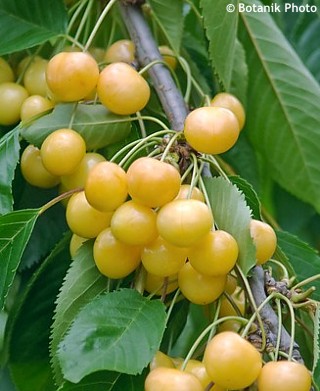
Dönissens Gelbe is a super sweet and aromatic variety of yellow sweet cherries from Germany. It produces masses of medium-sized, juicy fruit in July. Its colour brings one advantage – it is usually untouched by birds who relish on red-coloured cherries.
It is self-sterile and needs a pollina ...
IV - IV
3 - 5m
3 - 4m
full sun
5 (down to -29°C)
for zone 5+6
for zone 7
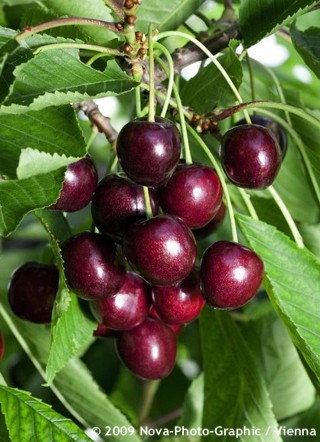
Hedelfingen is a very good variety of sweet cherry. It bears medium-sized fruit in early summer. Fruit is sweet and crunchy and partly resistant to cracking. It gains its colour about a week before it is truly mature. It needs protection from cherry-worms.
It is not self-fertile and needs a pollina ...
IV - IV
3 - 6m
3 - 4m
full sun
5 (down to -29°C)
for zone 5+6
for zone 7
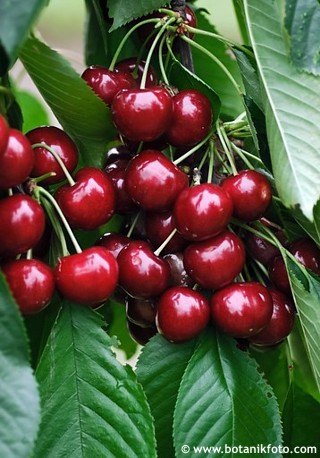
Moreau is a French cherry cultivar from the 19th century, named after the breeder Moreau of Angers (Loire, France). It first appears in the literature around 1880, making it an older, classic bigarreau type. Its fruits are medium‑large to large, round to slightly heart‑shaped, with dark ...
IV
5 - 7m
3 - 5m
full sun
5 (down to -29°C)
for zone 5+6
for zone 7
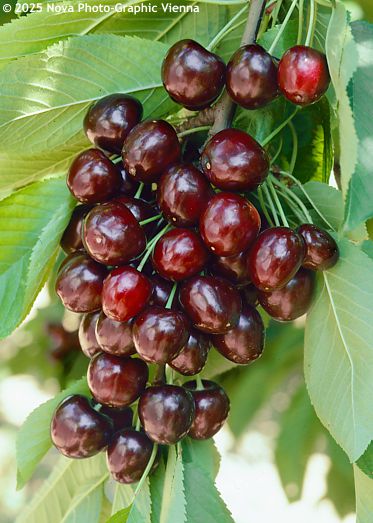
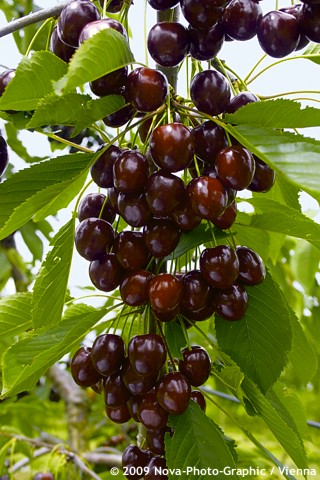
Morel belongs among old, dark-skinned, midseason sweet cherries of the bigarreau type. The fruits are medium to large, round, with a dark red to almost black skin. The flesh is firm, juicy, and sweet, with a clean, distinctive flavour suitable for fresh consumption as well as for preserving. Ripenin ...
4 - 8m
3 - 5m
full sun
5 (down to -29°C)
for zone 5+6
for zone 7
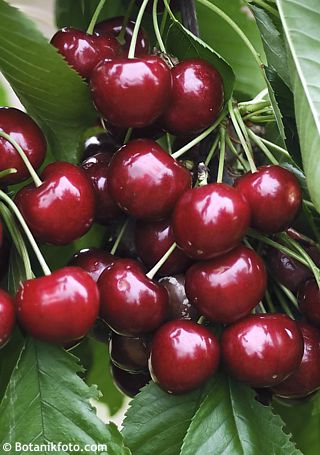
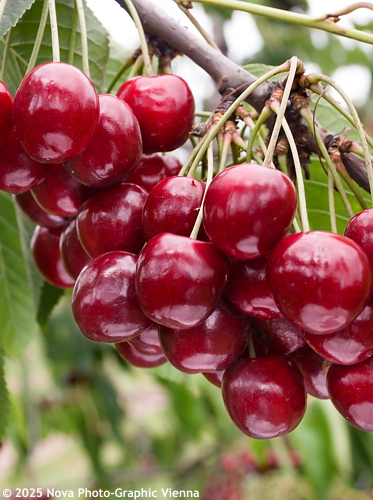
Sunburst is another modern variety of self-fertile sweet cherries. It produces heavy yields of large, dark red, glossy, free-stone fruit of excellent flavour – sweet and juicy. Harvest begins in late July. The fruit is significantly resistant to cracking in rainy weather.
Self-fertile means i ...
4 - 6m
3 - 5m
full sun
5 (down to -29°C)
for zone 5+6
for zone 7
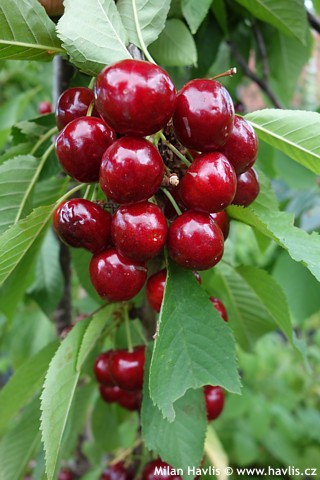
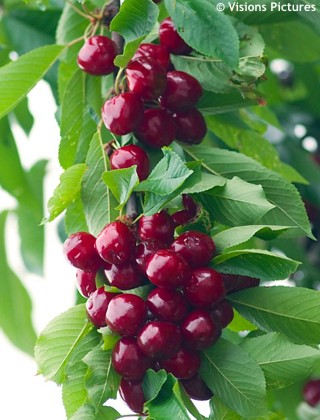
Van is a mid-season variety of sweet cherry. Its fruit ripens in early July. Fruits are large, heart-shaped, deep red, almost black. The flesh is aromatic, sweet, and has excellent taste. It needs protection from cherry-worms.
It is not self-fertile and needs a pollinated for heavy crop. It likes s ...
IV - V
4 - 6m
full sun
for zone 5+6
for zone 7
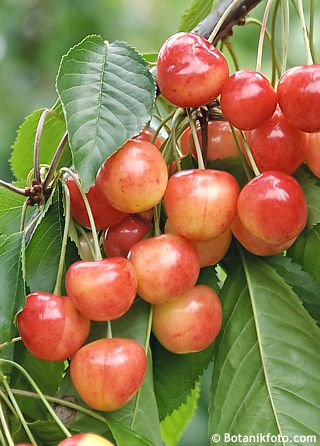
Büttners Rote Knorpelkirsche is a great and unique sweet cherry variety from German Halle found already in 1795. In early 2000‘ it was renamed to ALTENBURGER MELONENKIRSCHE which truly does no make its pronunciation any easier.
This cherry produces excellent fruit of unique taste and beautiful ex ...
4 - 6m
3 - 5m
full sun
5 (down to -29°C)
for zone 5+6
for zone 7
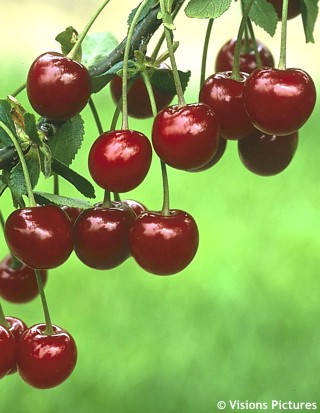
Morellenfeuer is one of the top German sour morello cherries. It bears medium-sized, burgundy-black fruit with dark, juicy flesh that is both sour and light sweet, aromatic, freestone. It is ideal eaten fresh as well as processed in jams, preserves, desserts etc. It is a late variety cropping in Aug ...
IV - V
3 - 6m
2 - 4m
full sun
5 (down to -29°C)
for zone 5+6
for zone 7
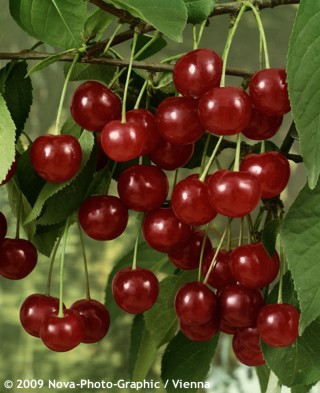
Schattenmorelle is a sour cherry variety with bright red fruit. The flesh is red, sour, not very sweet, and very juicy. Freestone.
It is a self-fertile variety that needs no pollination partner. It crops reliably every year, bearing plentiful of fruit at the ends of partly weeping branches. Semi-v ...
IV - IV
4 - 6m
3 - 4m
full sun
5 (down to -29°C)
for zone 5+6
for zone 7
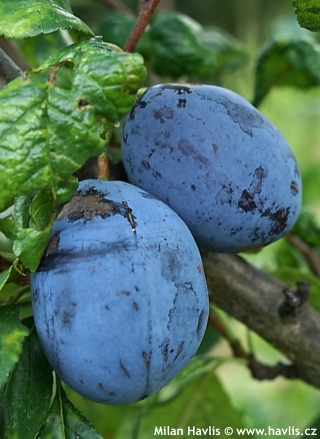
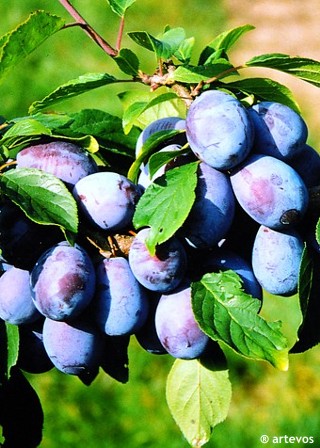
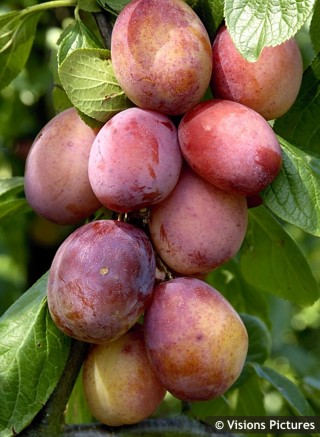
President is an amazing moyer plum variety of excellent taste and late maturity. Unlike most moyer plums such as Stanley of Jojo which can be picked up as early as in late August, you have to be more patient for President as it ripens in roughly mid September. And as it matures over almost 4 weeks y ...
3 - 6m
2 - 3m
full sun
4 (down to -34°C)
for zone 5+6
for zone 7
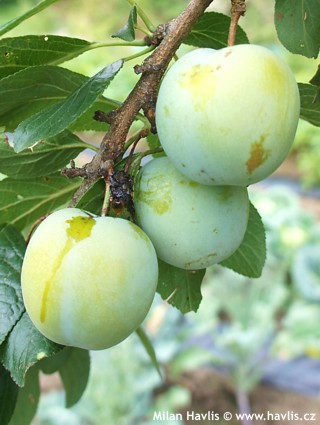
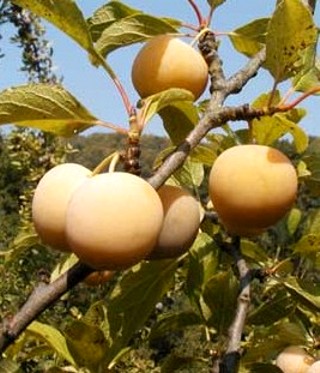
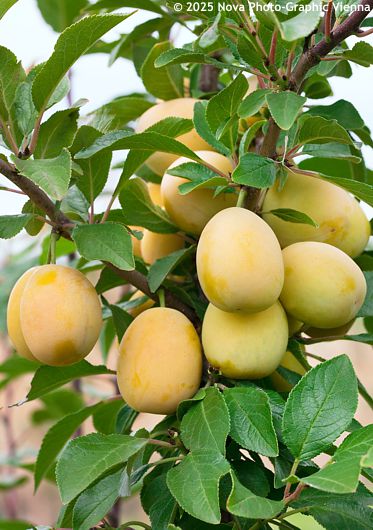
Reine Claude d´Oullins is another French variety out of Reine Claude range. It is a greengage with large, spherical fruit of greeny-yellow fruit. It is delicious, sweet and juicy taste, the flesh is attached to the core. It is an early variety that ripens from mid to end of August.
It flowers in Ma ...
V - V
3 - 4m
2 - 4m
full sun
5b (down to -27°C)
for zone 5+6
for zone 7
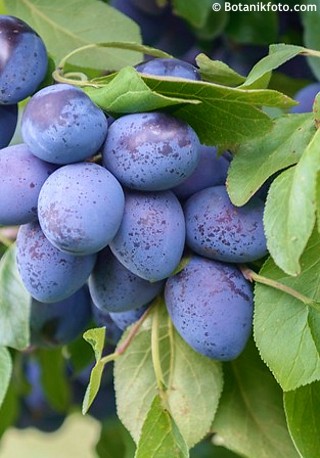
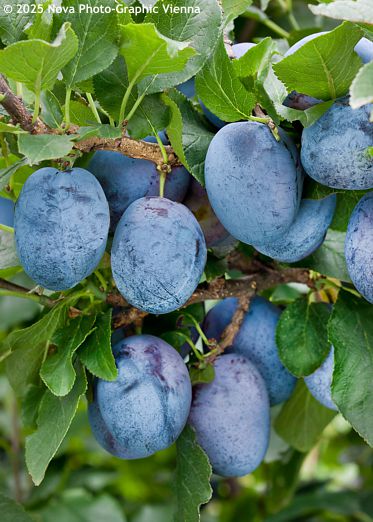
Stanley is one of the most tasteful and reliable varieties of plums. The fruit is sweet and juicy, though firm. Flesh is orange-yellow, skin is smooth, deep violet-blue. The fruit is excellent fresh as well as canned, high sugar content makes them ideal for drying.
It blooms late in the spring and ...
V - V
2,5 - 6m
2 - 4m
full sun
4 (down to -34°C)
for zone 5+6
for zone 7
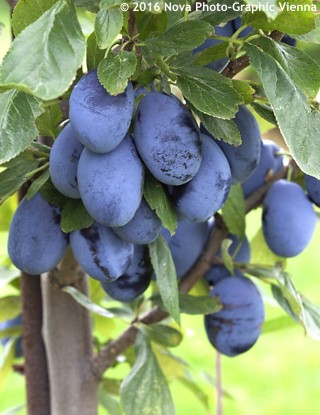
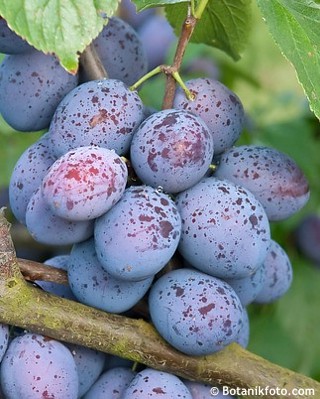
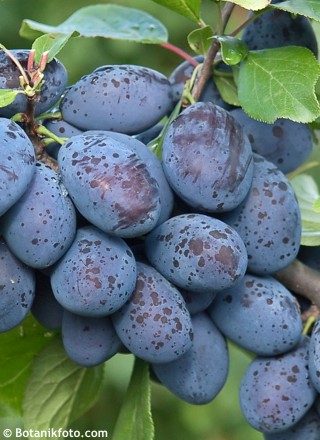
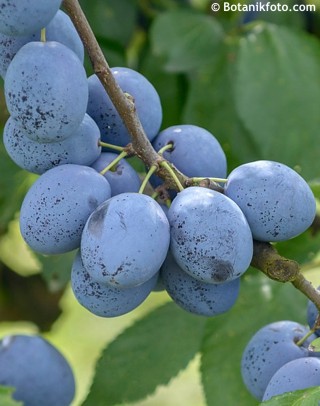
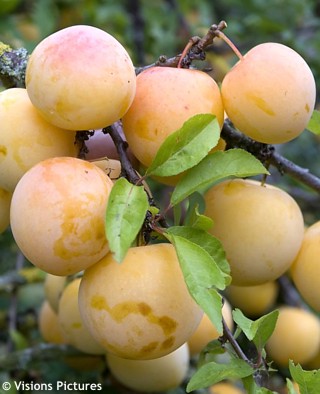
Quetsche d’Alsace is one of the oldest European plum varieties that was first described in German Alsace in 1914, hence its name. Still, it is so old and of unclear origin that most producing countries gave it its own name in their own language. We call it Švestka domácí (‘house plumR ...
V - V
3 - 5m
2 - 3,5m
full sun
5 (down to -29°C)
for zone 5+6
for zone 7
.jpg)
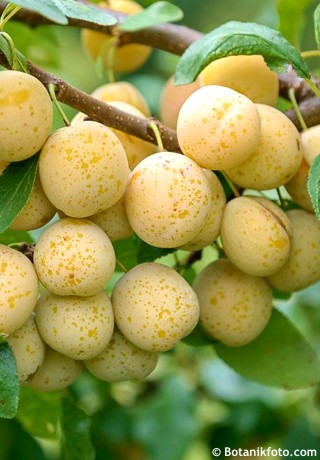
Mirabelle Ruby is a nearly columnar variety of mirabelle that grows tall and slender, as if reaching for the sky. It reaches a height of about 2.5 to 3 meters while maintaining a compact width of under one meter. The tree produces few lateral branches – its fruits grow directly from the trunk and ma ...
2,5 - 3m
1 - 1,5m
full sun
5 (down to -29°C)
for zone 5+6
for zone 7
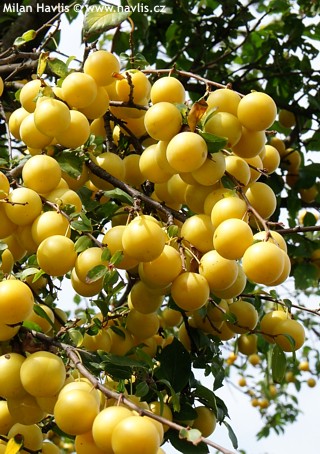
Mirabelle de Nancy is a traditional French mirabelle variety, primarily cultivated in the region between the cities of Metz and Nancy. The tree reaches a height of 4 to 6 meters and develops a dense, rounded crown with a slightly irregular growth habit. It blooms in April with delicate white flowers ...
IV - IV
3 - 6m
3 - 4m
full sun
5 (down to -29°C)
for zone 5+6
for zone 7
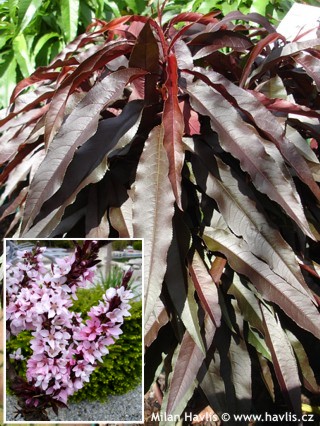
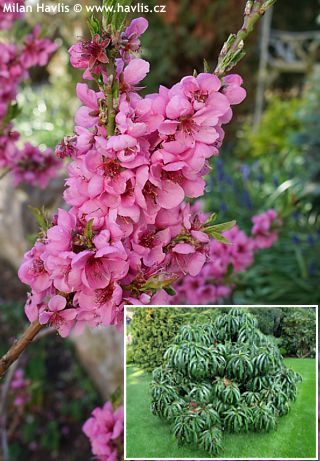
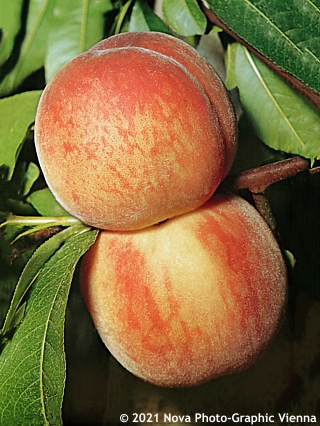
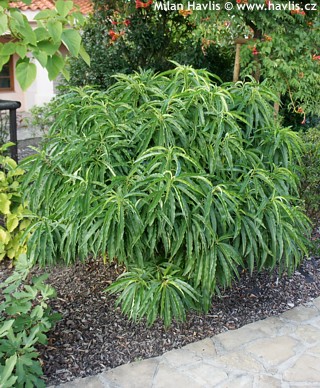
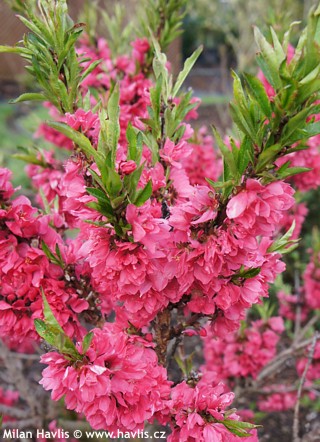
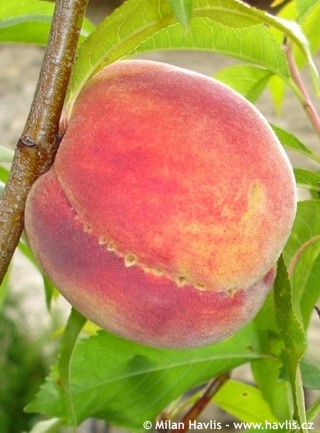
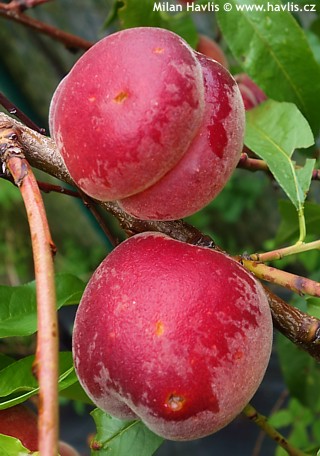
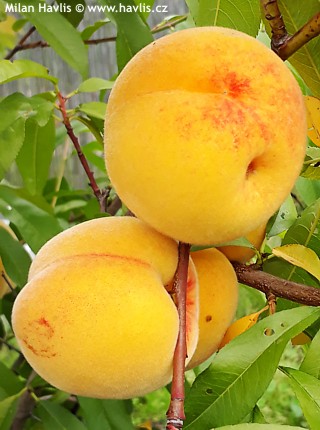
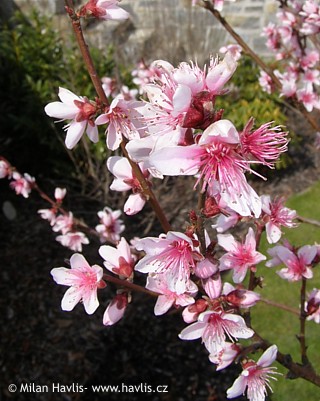
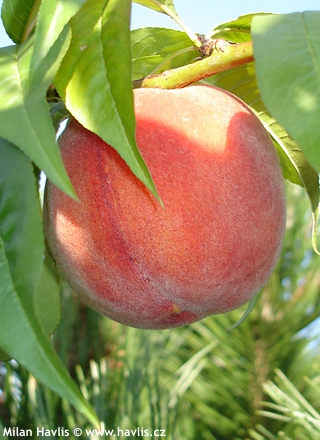
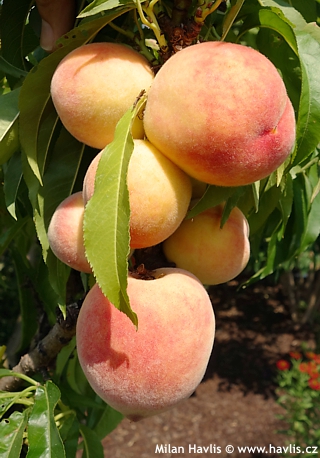
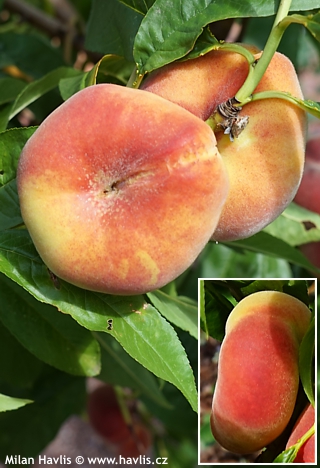
Bonfire is a spectacular new variety of dwarf ornamental peach with edible fruit. It has profusion of typical peach-like, light pink flowers that are clustered along short branches in a dense crown. The leaves are fantastic deep burgundy red and glossy, narrow and elongated, and not much smaller tha ...
IV - IV
0,5 - 1,3m
0,5 - 1,5m
full sun
5a (down to -29°C)
for zone 5+6
for zone 7
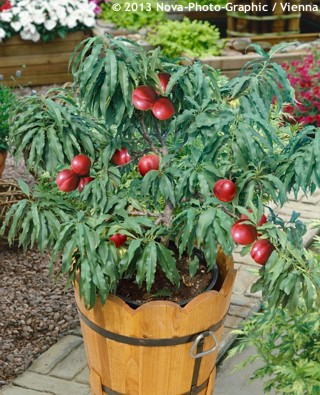
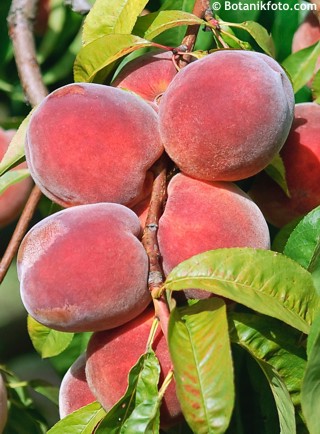
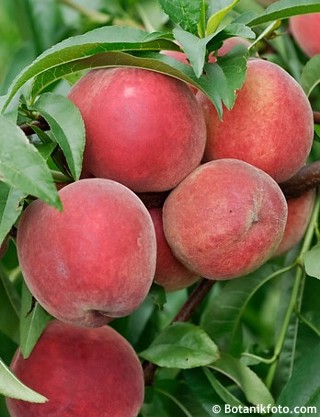
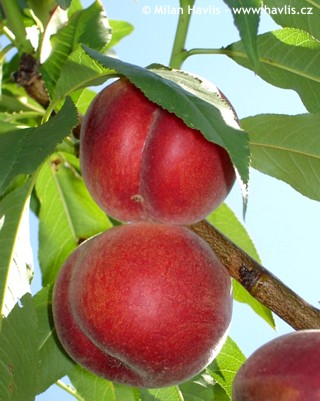
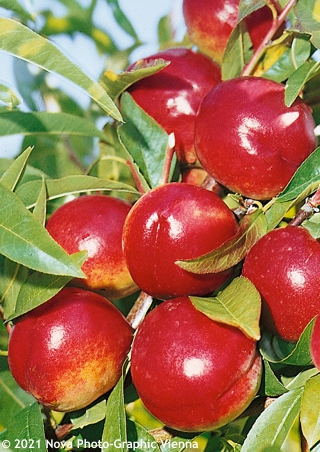
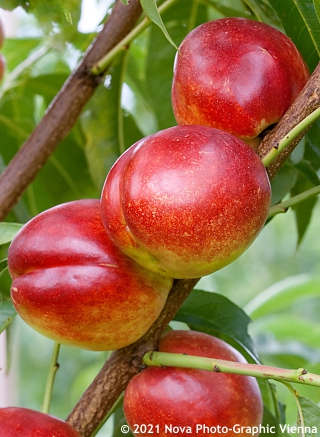
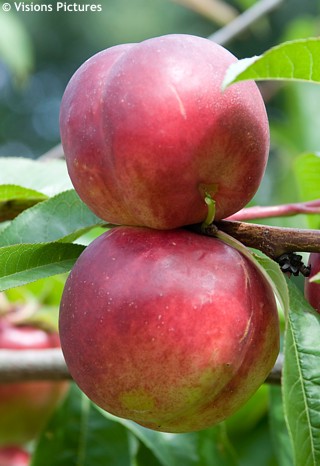
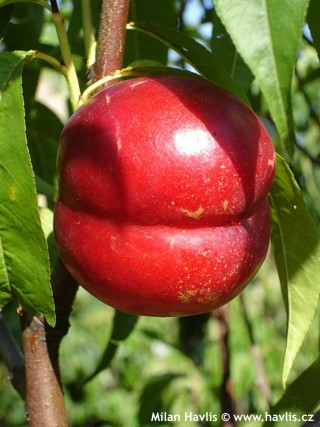
Silver Prolific is a dwarf nectarine variety with excellent fruit. It has profusion of usual peach-like, bright pink flowers that are clustered along short branches in a dense plant. The leaves are mid green, semi-glossy, narrowly lanceolate, and not much smaller than those on any other peach tree. ...
IV - IV
1 - 1,5m
1 - 1,5m
full sun
5a (down to -29°C)
for zone 5+6
for zone 7
.jpg)
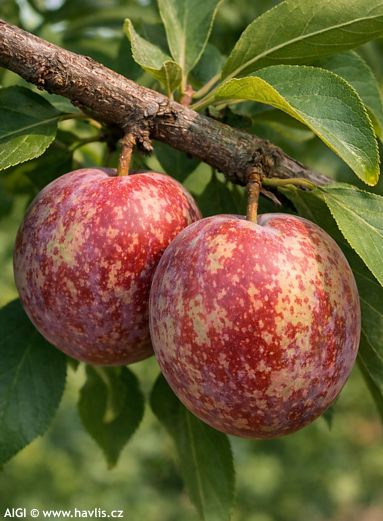
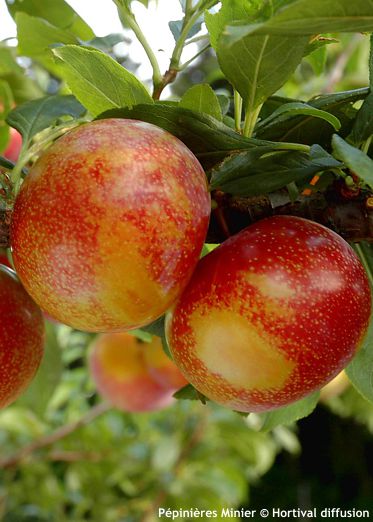
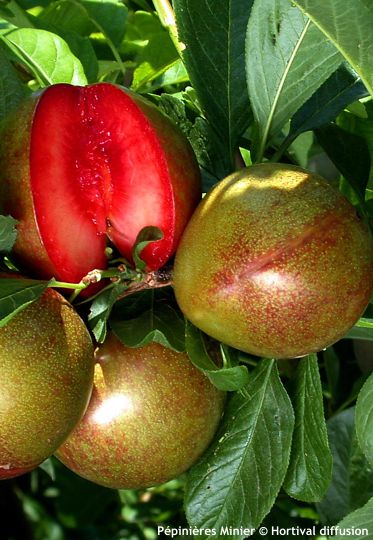
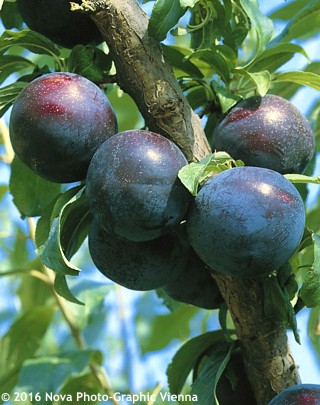
Pluot® Purple Candy® looks as if in the middle of the night it secretly escaped from a tree of purple plums and caught stardust on its skin. Its fruits have a rich purple skin with a gentle sheen, reminiscent of a candy wrapped in fruit syrup. The flesh is bright carmine red, exceptionally juicy, wi ...
2 - 3m
1 - 2m
full sun
5 (down to -29°C)
for zone 5+6
for zone 7
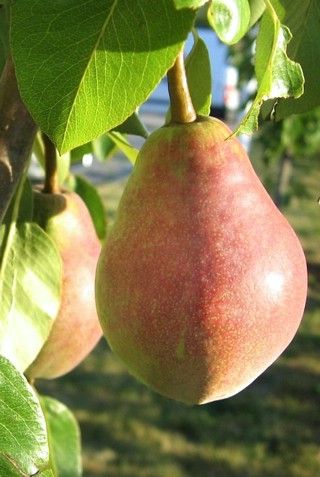
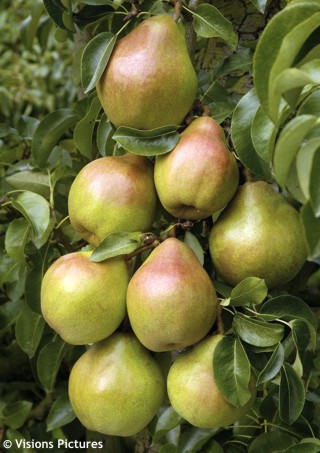
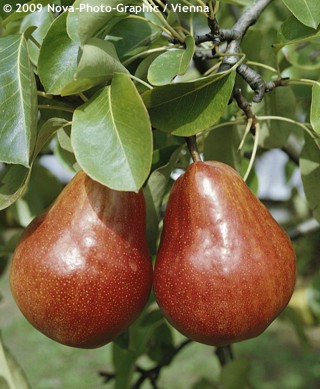
Clapps Favourite is an early pear tree variety that was first introduced in the USA before 1860. It bears medium-sized pears with greeny-yellow skin, red flushed. The flesh is sweet, soft and juicy, “melt in the mouth”. It is ideal snack fruit eaten just as picked from the tree.
It crops profusel ...
IV - V
3 - 5m
2 - 4m
full sun
4 (down to -34°C)
for zone 5+6
for zone 7
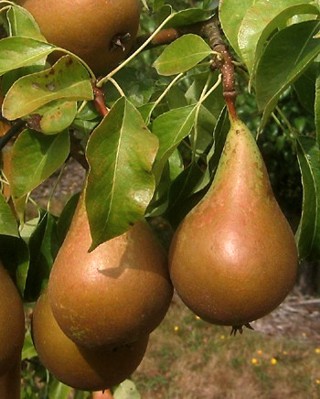
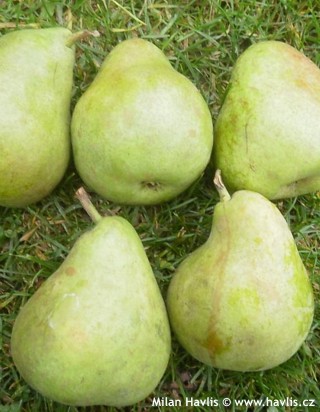
Conference is a famous pear tree from the 19th century. It was first introduced at the National British Pear Conference in 1885, hence its name. It has medium-sized fruit that is pyriform if cross-pollinated, or banana-shaped if self-pollinated.
The fruit is pale green with golden brown russet pa ...
IV - IV
3 - 5m
2 - 4m
full sun
4 (down to -34°C)
for zone 5+6
for zone 7
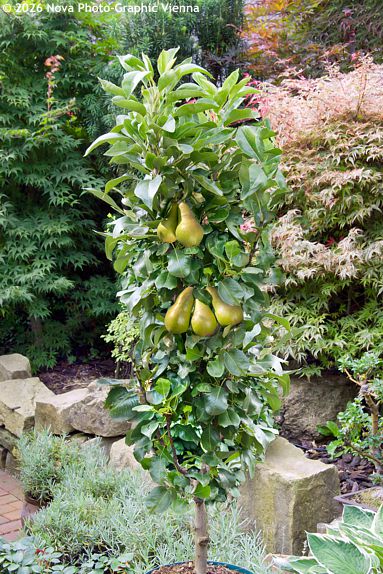
Condo
Condo is a narrowly growing, upright cultivar with a compact crown that maintains a slender shape and produces only a few side branches. The fruits are medium to large, greenish-yellow with a slight blush, juicy, sweet and aromatic, with a flavour reminiscent of Conference, from w ...
2 - 3m
0,5 - 1m
full sun
4 (down to -34°C)
for zone 5+6
for zone 7
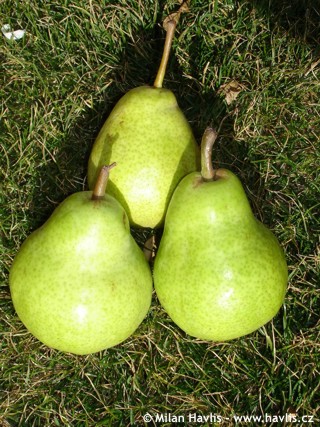
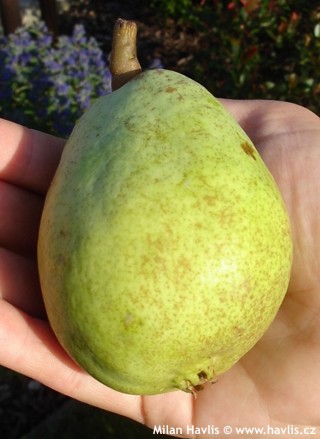
Williams is probably the most known and spread out pear in the world. Its complete name is Williams bon Chretien and comes from the UK, 18th century.
It is an early variety bearing mid-sized or large fruit with light green or yellow skin. The flesh is very juicy, aromatic, and sweet, it quickly s ...
IV - V
3 - 5m
full sun
4 (down to -34°C)
for zone 5+6
for zone 7
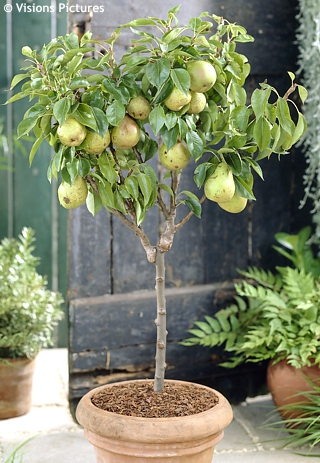
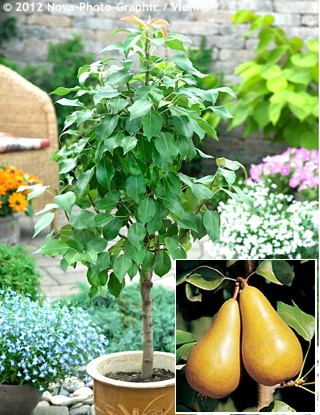
Dwarf pears
are short and slender mini trees, usually with erect branches and plenty of fruit on a small tree. They are commonly at least partially or fully self-fertile so that they don’t need a pollinator which might be a problem to find if located on a city balcony. Leaves ma suffer from rust if ...
1 - 1,5m
0,5 - 1m
full sun
4 (down to -34°C)
for zone 5+6
for zone 7
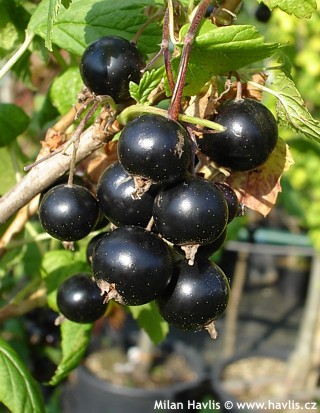
...
1 - 2m
1 - 2m
full to partial sun
3 (down to -40°C)
for zone 5+6
for zone 7
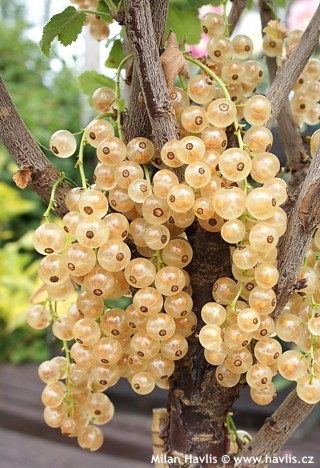
VARIETIES
Orion is a Czech variety of white currant. It produces long racemes of medium sized berries. They are sweet and juicy, and mature from midsummer. Shrubs are upright and strong. Very resistant to fungi diseases.
Weisse aus Jüterborg is a white currant variety with medium long racemes of ...
1 - 2m
1 - 1,5m
full to partial sun
5 (down to -29°C)
for zone 5+6
for zone 7
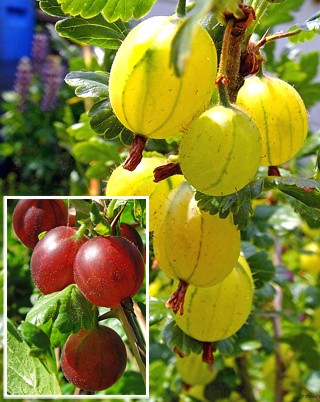
VARIETIES
Captivator - midseason, almost thornfree variety with rich red, mid-sized, sweet fruit of a very good taste. Late July to early August. Very resistant to mildew. Upright, moderate to fast growth, average yield.
Invicta is an early variety from England producing yellow-green fruit of good ...
1 - 2m
1 - 1,5m
full to partial sun
5 (down to -29°C)
for zone 5+6
for zone 7
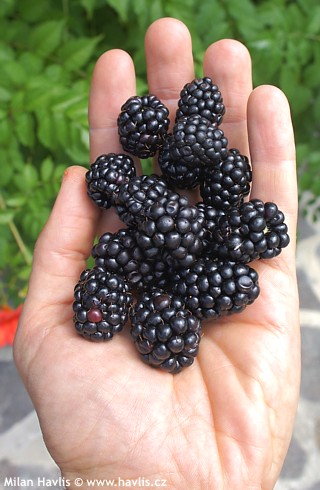
VARIETIES:
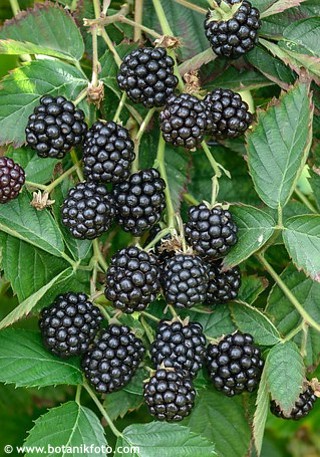
Oregon Thornless is a fantastic blackberry variety from the leading US blackberry producer: Oregon. It offers high yields of tasty fruit and does not irritate us with thorns. On top of that it has evergreen, deeply cut leaves so the plant looks beautiful even before it sets fruit. The b ...
IV - V
2 - 4m
0,5 - 1m
full to partial sun
5 (down to -29°C)
for zone 5+6
for zone 7
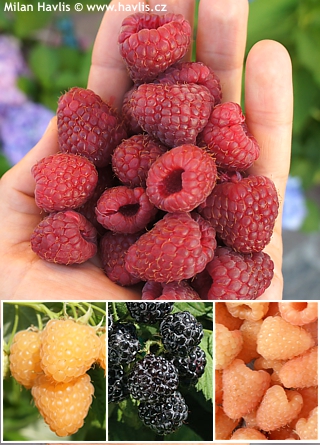
VARIETIES
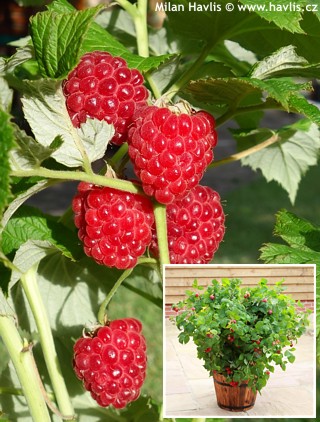
Idaeus is the botanical species of raspberry producing slightly oval, rich pink-red fruit that is very aromatic, medium sweet, and its juice has a rich colour. It matures in early July is best eaten fresh, either off the bush or in fruit salads or smoothies. It can be canned, frozen, or m ...
VI - VIII
1 - 2m
1 - 2m
full to partial sun
3 (down to -40°C)
for zone 5+6
for zone 7
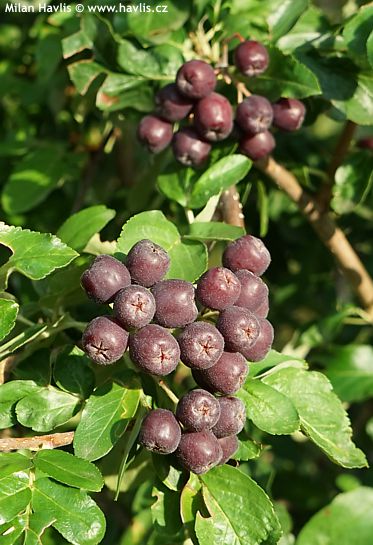
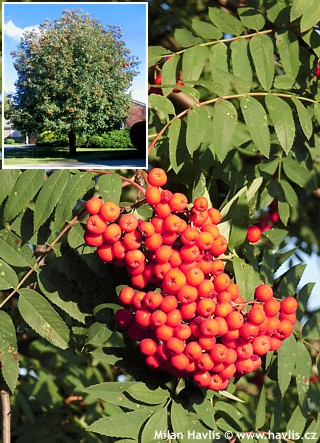
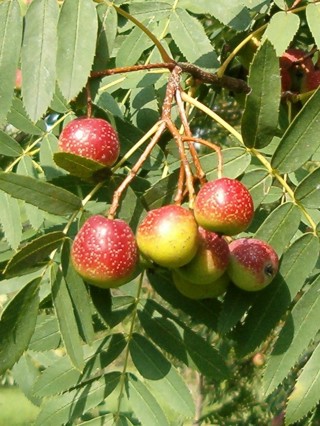
Burka is a unique hybrid rowan, growing to a height of around 3–5 meters, making it ideal for smaller gardens. Its habit is compact, with a naturally shaped, dense crown. Flowers appear from April to May, white and arranged in corymbs, attracting pollinators with their gentle fragrance. But the real ...
V - VI
3 - 5m
3 - 4m
full to partial sun
4 (down to -34°C)
for zone 5+6
for zone 7
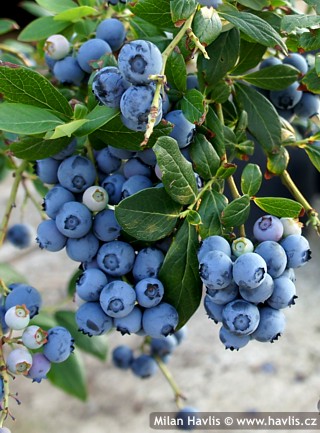
Cultivar
Type
Ripening time
Berry size
Pollination
Bush height
Hardiness
Flavour / quality
Unique trait
Patriot
northern highbush ...
V - VI
1 - 2m
1 - 2m
full sun
4 (down to -34°C)
for zone 5+6
for zone 7
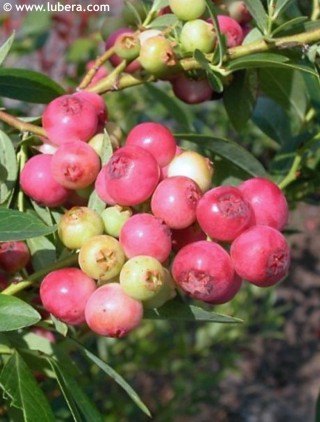
Pink blueberries, now commonly called Pinkberry® are a modern attraction of early 2000's. The first plant was achieved by American breeder Mark Ehlenfeldt from Agricultural Research Service (ARS), who in 1991 crossed rabbiteye blueberry whose immature fruit is pink, and usual highbush blueberry ...
IV - V
1 - 1,5m
1 - 1,3m
full sun
6 (down to -23°C)
for zone 5+6
for zone 7
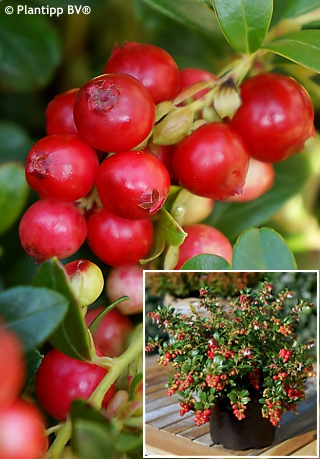
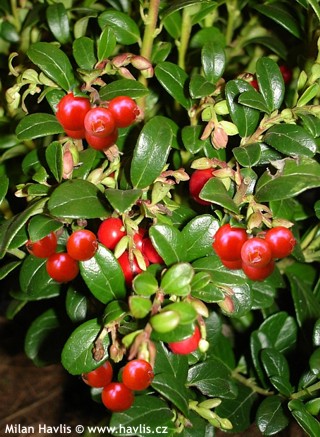
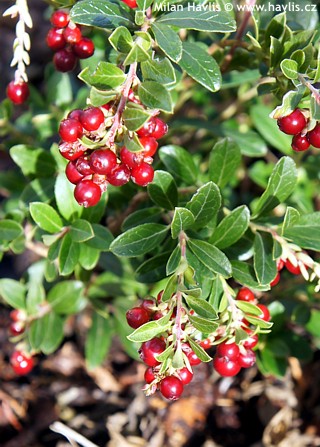
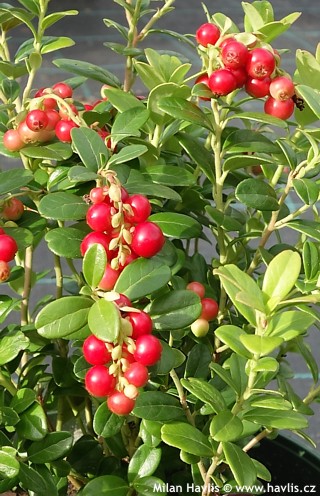
FIREBALLS is a Dutch variety of cowberry from the Netherlands, bred by Sierteeltkwekerij Maarten Bloemen, a nursery in Venhorst, the Netherlands. It produces a profusion of small, glossy, red fruit for a long period of time - from late summer often until spring unless the berries get killed by hard ...
0,3 - 0,4m
0,4 - 1m
full to partial sun
2 (down to -45°C)
for zone 5+6
for zone 7
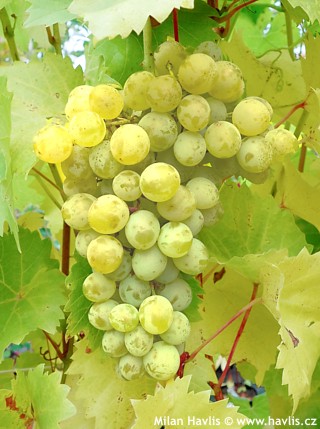
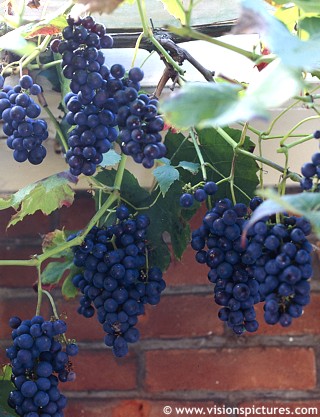
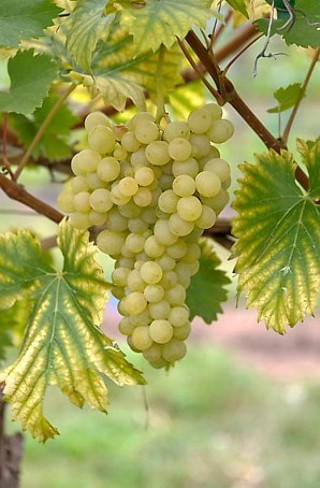
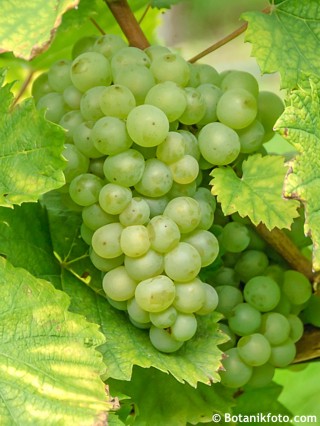
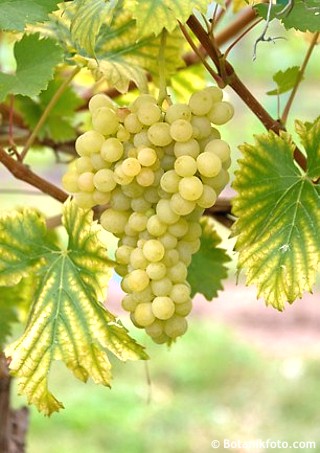
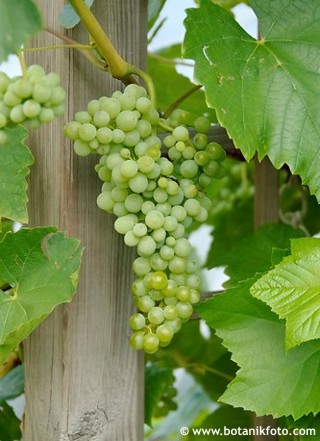
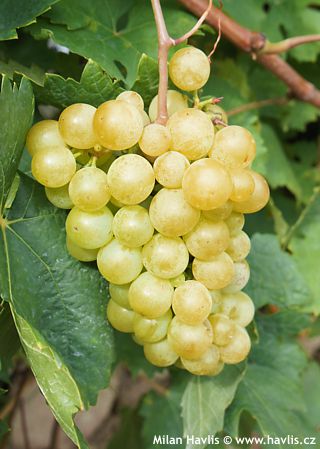
A very flavourful and remarkably hardy grape hides behind the name Bianca. Its clusters are medium‑sized and conical, with delicately light green berries that turn golden when fully ripe. The berries have thin skins, medium size and small, fully developed seeds. The flavour is very sweet and j ...
3 - 5m
1 - 2m
full sun
5b (down to -27°C)
for zone 5+6
for zone 7
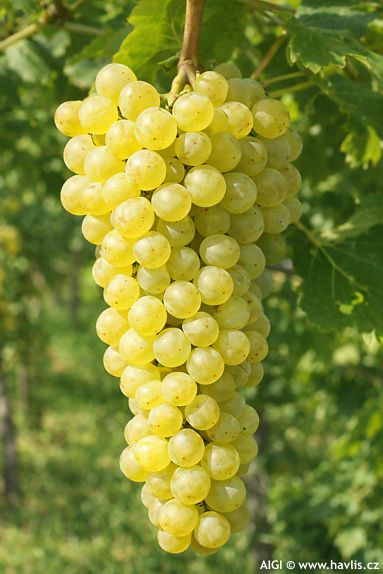
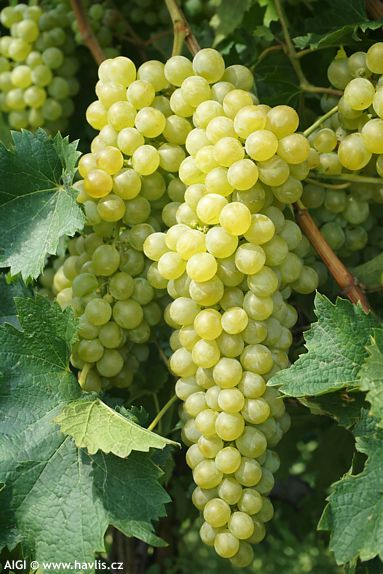
Primus grapevine is a variety that does not seek to impress with spectacle but with reliability. Its white clusters with thin skins have a clean, neutral flavour free of foxiness, which is pleasantly surprising in an interspecific hybrid. The vine grows evenly, ripens its wood well and does not ...
2 - 3m
1 - 2m
full sun
5b (down to -27°C)
for zone 5+6
for zone 7
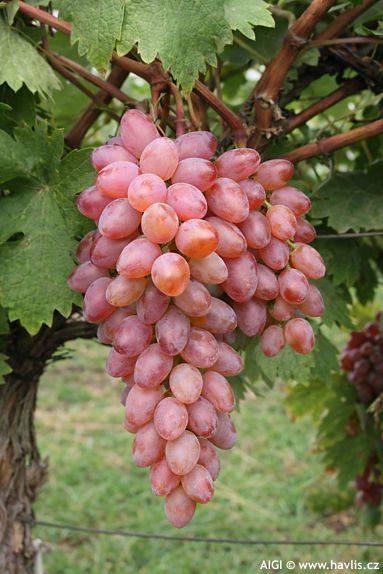
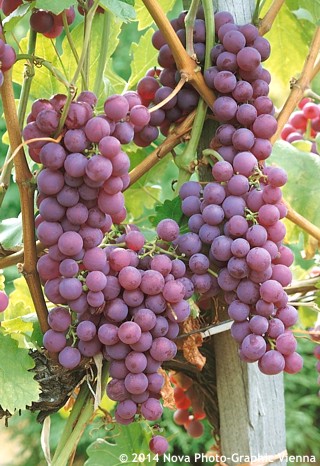
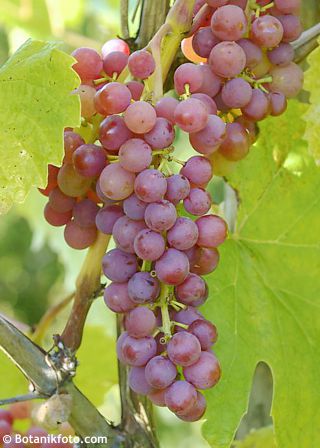
Rhea is a modern Slovak table grape cultivar with rose‑coloured berries that look remarkably elegant on the vine. The clusters are medium to large, cylindrical‑conical, often with small wings. The berries have a thin, rose to rose‑red skin that develops warmer tones on the sun̴ ...
2 - 3m
1 - 2m
full sun
5b (down to -27°C)
for zone 5+6
for zone 7
.jpg)
.jpg)
.jpg)
.jpg)
.jpg)
.jpg)
.jpg)
.jpg)