CURRENTLY IN STOCK:
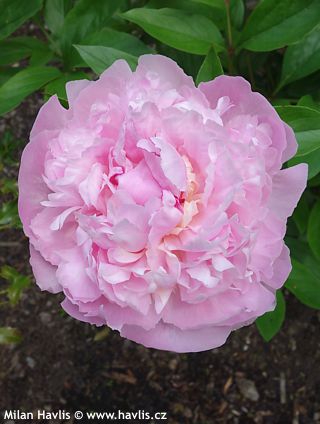
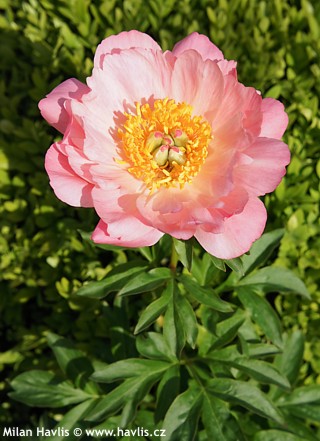
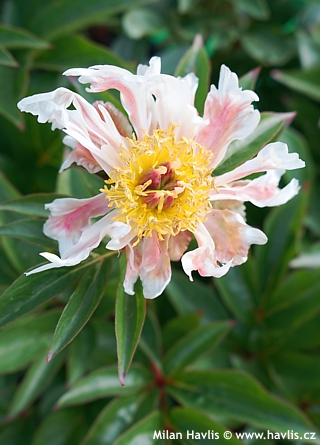
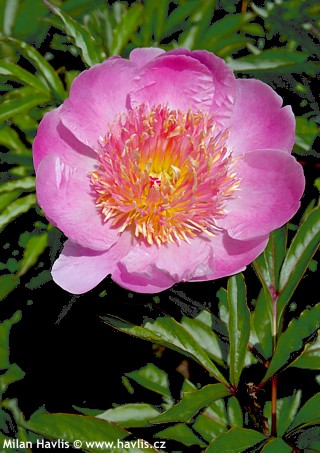
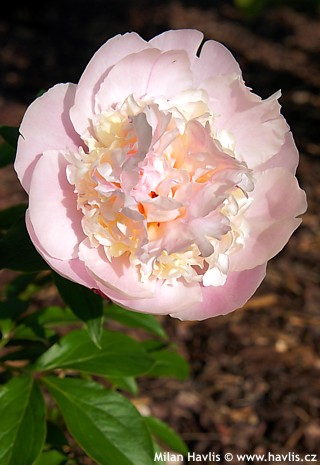
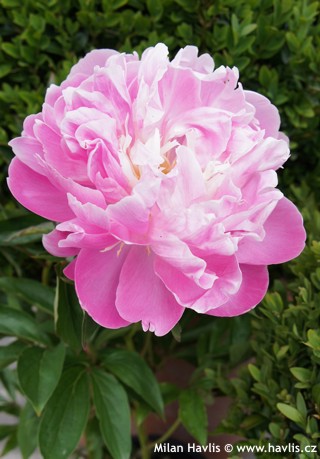
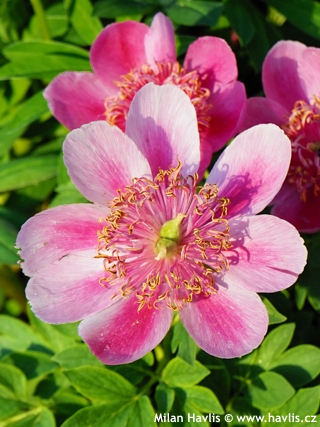
Pecher is an alternative and, to be honest, also an easier-to-remember name of a perennial peony Noémi Demay. It was bred by a French painter and botanist Jacques Colt and introduced in 1867. It boasts large, fully double flowers which are like apple blossoms – open pink and mature to almost white w ...

V - VI

0,6 - 0,7m

0,6 - 0,8m

full sun

for zone 5+6
for zone 7
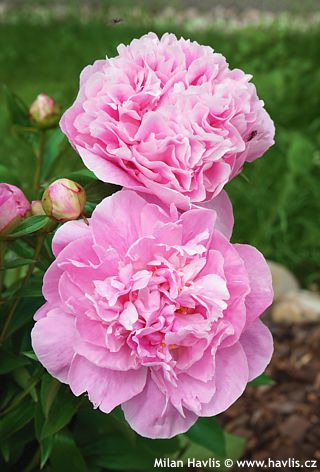
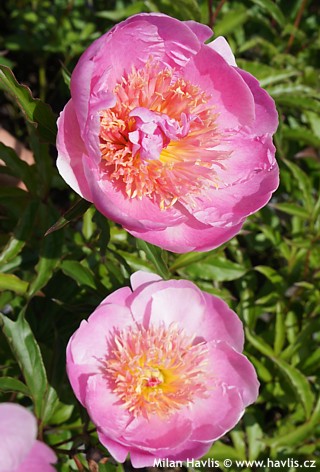
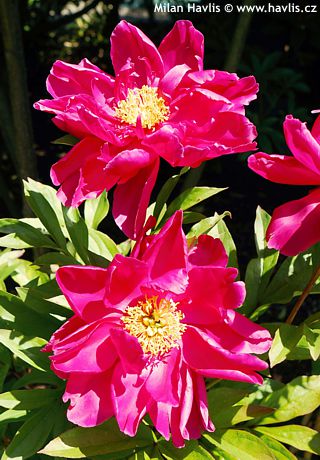
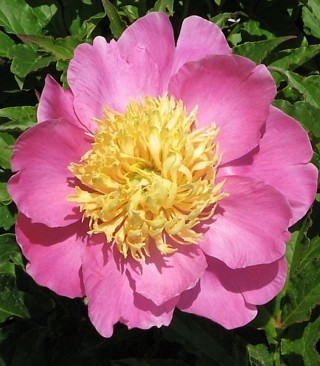
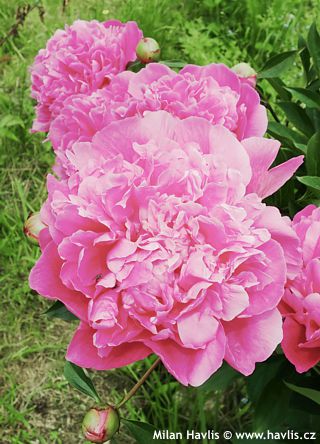
Alexander Fleming is a fully double perennial peony variety introduced in 1950 and achieved by crossing Bunker Hill and Sarah Bernhardt. As it was named after a doctor who invented penicillin its variety name often has Dr. at the beginning. The flowers are medium pink, fragrant, large and heavy, and ...
V - VI
0,8 - 1m
0,5 - 1m
full sun
for zone 5+6
for zone 7
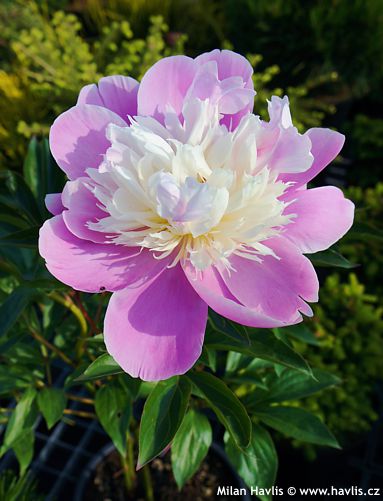
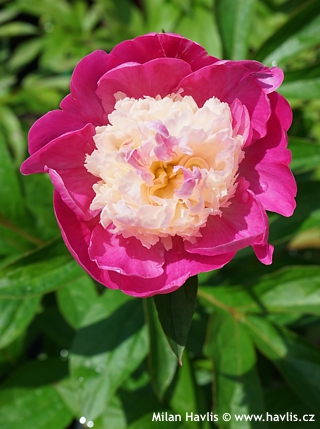
Bowl of Beauty is a fantastic perennial peony. The name not only says how gorgeous this variety is but also refers to the flower shape which is Japanese anemone-type: rounded at the bottom, not opening too wide, with a rich centre. The lower petals are magenta pink and contrast beautifully with the ...
V - VI
0,8 - 1m
0,5 - 1m
full sun

4 (down to -34°C)
for zone 5+6
for zone 7
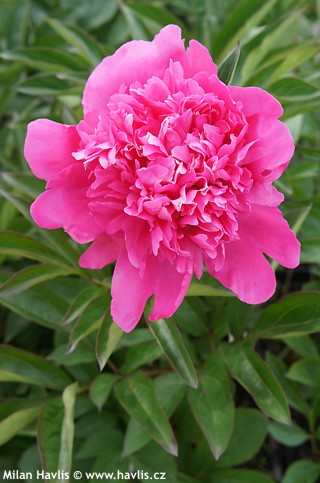
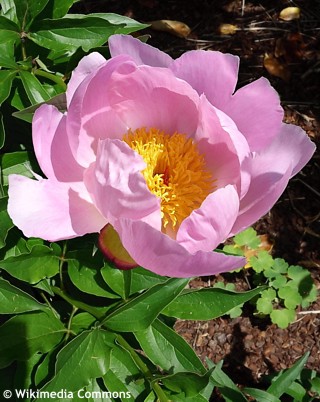
Edulis Superba is a perennial peony that could well be a grandma of many modern hybrids. This beauty is more than 100 years old and is still in high demand. It produces large, strongly scented, double flowers of medium to deep pink colour. Its stems are 80-100 cm tall and annually hold a massive num ...
VI - VI
0,8 - 1m
0,5 - 1m
full sun
4 (down to -34°C)
for zone 5+6
for zone 7
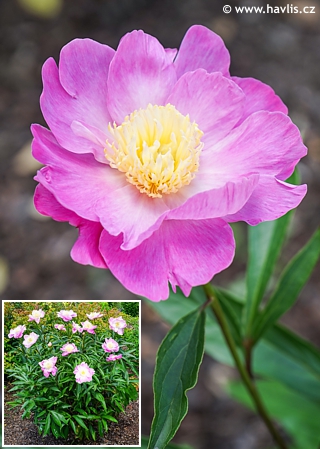
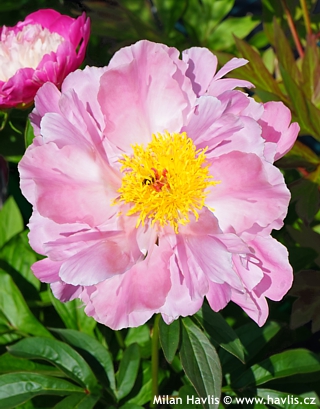
Enchanting Pink Elsa is a perennial peony from a Dutch series Fabulous Flowers®. It produces large, bowl-shaped, semi-double, fragrant flowers with pastel pink petals and numerous creamy white to light butter yellow dwarf sepals in the centre. Flowers appear from late May, atop 70-80 cm tall st ...
V - VI
0,7 - 0,8m
0,5 - 1m

full to partial sun
4 (down to -34°C)
for zone 5+6
for zone 7
.jpg)
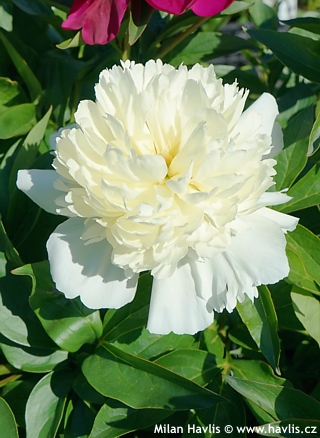
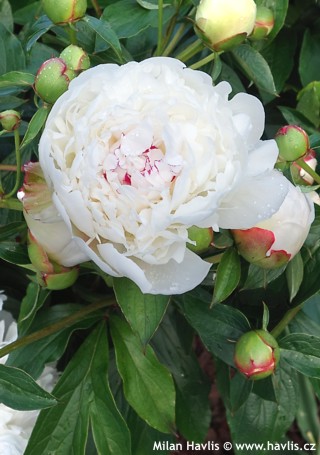
Festiva Maxima is an award-winning perennial peony with large, 12-17 cm wide, fully double flowers with snow white petals that exhibit occasional, thin, purple red highlights. Flowers are strongly fragrant and come out for 4-6 weeks in mid June atop about 60-80 cm tall, strong stems which usually do ...
VI - VII
0,6 - 0,8m
0,6 - 0,8m
full sun
3 (down to -40°C)
for zone 5+6
for zone 7
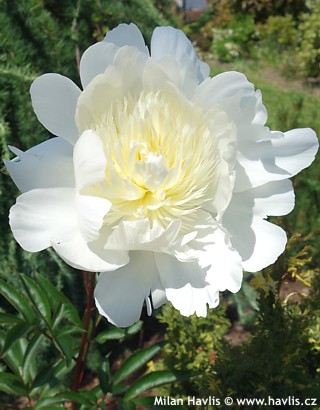
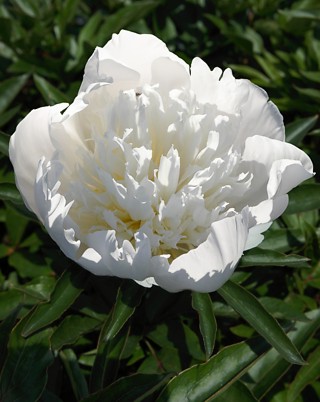
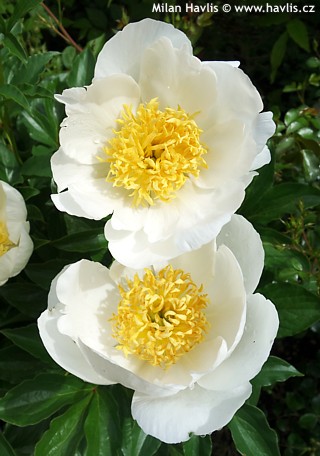
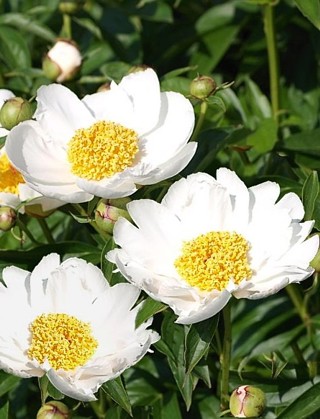
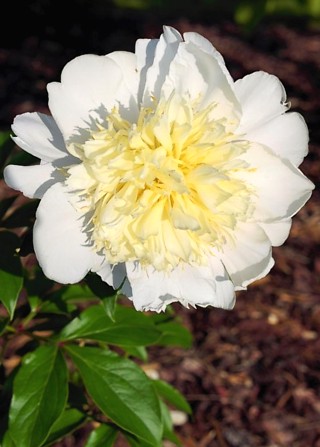
Charlie's White is an exceptionally gorgeous herbaceous peony bred by Charles Klehm in 1951. Its flowers are medium sized, fully double and beautifully formed with pure white petals around a compact head of almost linear petaloides which are light yellow as the flower opens up and turn as white as t ...
V - VI
0,6 - 0,8m
0,5 - 1m
full sun
4 (down to -34°C)
for zone 5+6
for zone 7
.jpg)
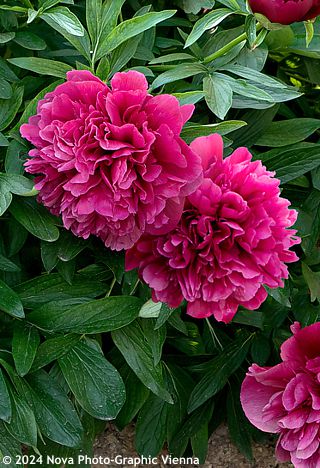
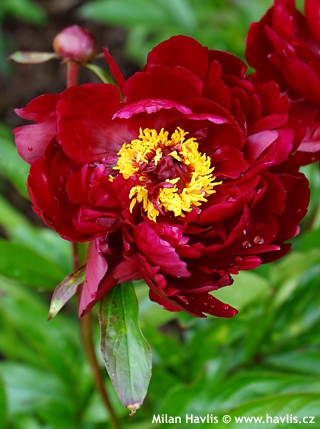
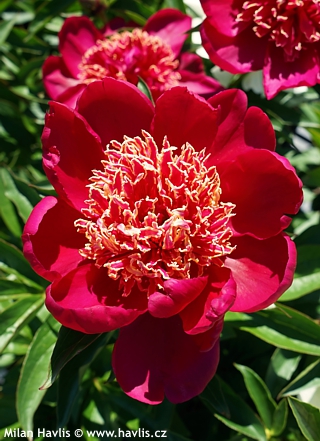
Karl Rosenfield is both a variety name and the breeder's name of this gorgeous perennial peony from 1908. It produces large, fully double, rich purple red (but not warm red) flowers from late May. Flowers appear atop 80-90 cm tall stems from late May. Deciduous leaves are rather thick, deep green, ...
V - VI
0,8 - 1m
0,5 - 1m
full sun
4 (down to -34°C)
for zone 5+6
for zone 7
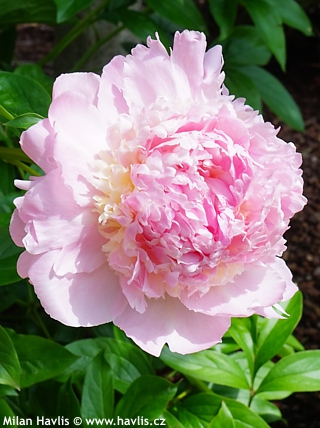
Sorbet belongs to the most popular of perennial peonies. It produces large, fully double flowers of rich pink colour with creamy beige of very light pinkish-white crinkled sepals in the middle. They come out already in late May on 60-70 cm tall stems. Deciduous leaves are mid green, divided, and eme ...
V - VI
0,6 - 0,8m
0,5 - 1m
full sun
4 (down to -34°C)
for zone 5+6
for zone 7
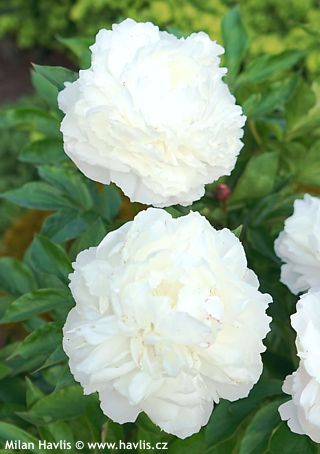
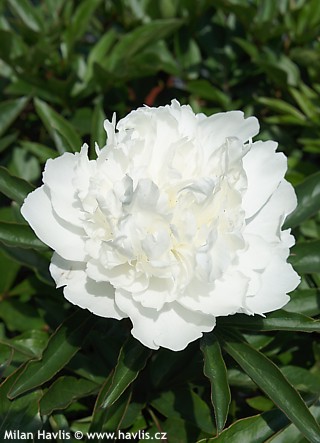
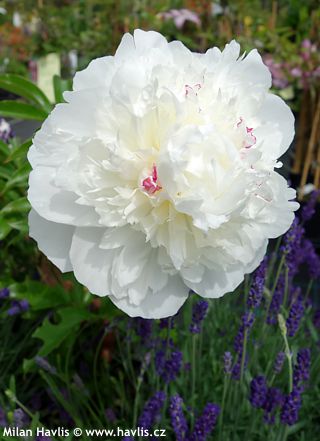
Wonderful Snow White is a perennial peony from a Dutch series Fabulous Flowers®. It produces large, fully double, fragrant flowers with snow white petals, exceptionally with very thin purple pink margins. Flowers appear from mid June, atop 70-80 cm tall stems. Deciduous leaves are rather thick, ...
VI - VII
0,7 - 0,8m
0,5 - 1m
full to partial sun
4 (down to -34°C)
for zone 5+6
for zone 7
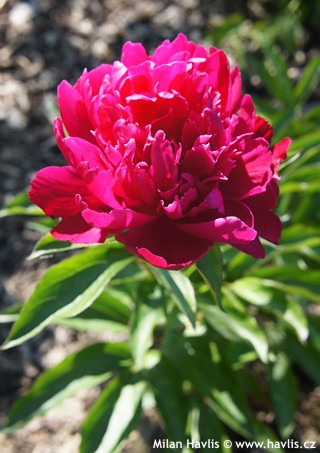
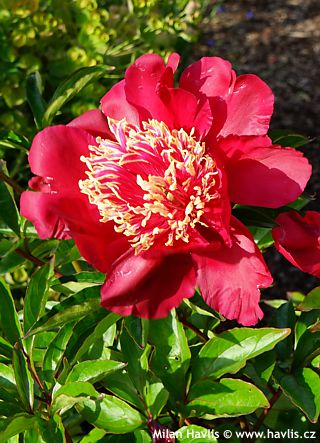
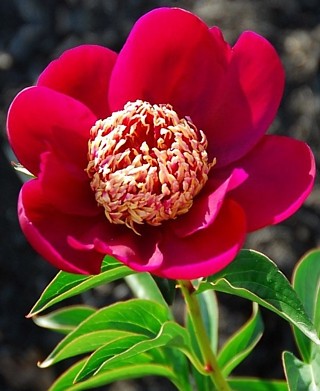
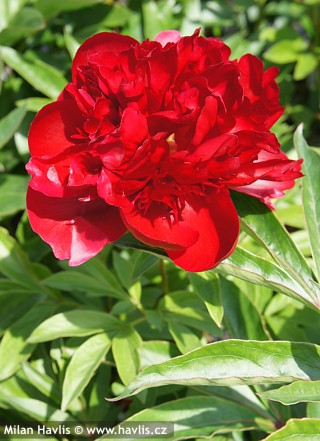
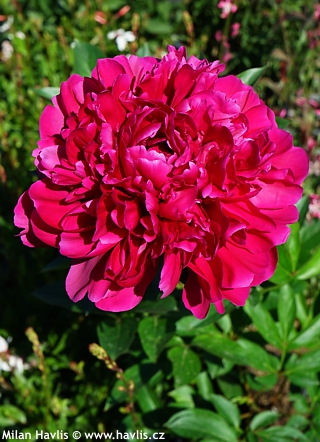
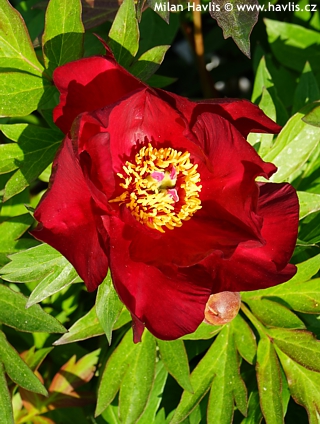
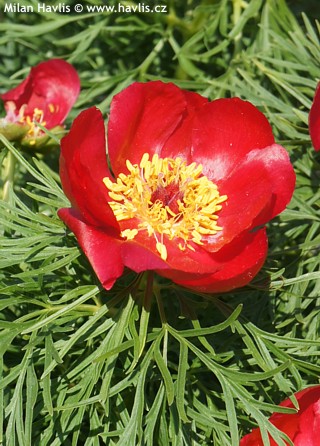
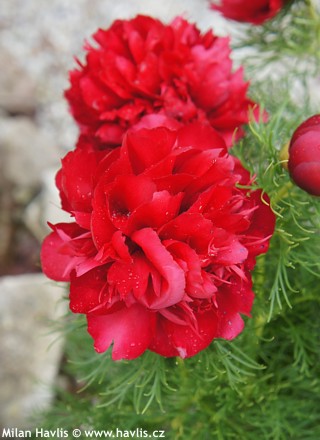
Rubra Plena is a peony variety frequently encountered in perennial gardens. It produces crimson red flowers formed in large heads with profusion of petals and yellow stamens that are only visible at the end of blooming time when the flowers open up completely. The stems are about 70 cm tall and may ...
VI - VII
0,6 - 0,8m
0,6 - 0,8m
full sun
4 (down to -34°C)
for zone 5+6
for zone 7
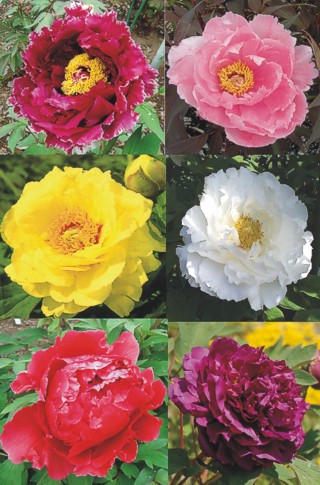
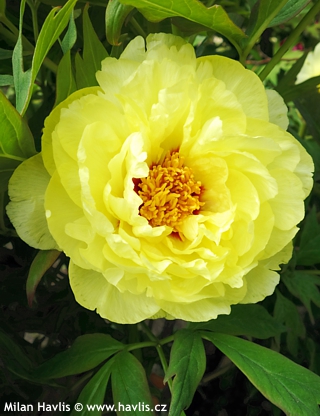
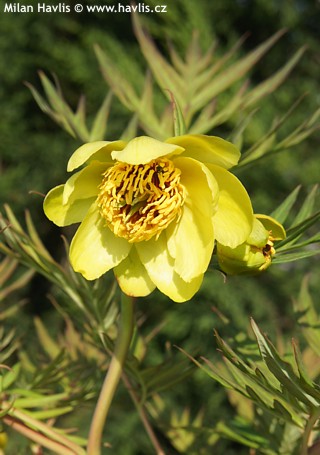
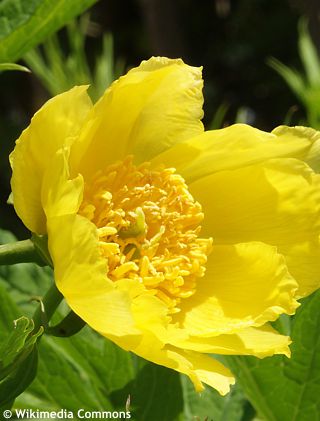
Tree peonies are beautiful, woody shrubs. Unlike the perennial type, these make woody branches that slowly form a low, mounding shrub.
Flowers are large, often double or full, of all possible colours – white, cream, yellow, orange, various shades of pink, purple and red, even violet. Leaves a ...
V - VI
0,5 - 1m
0,5 - 1m
full to partial sun
5 (down to -29°C)
for zone 5+6
for zone 7
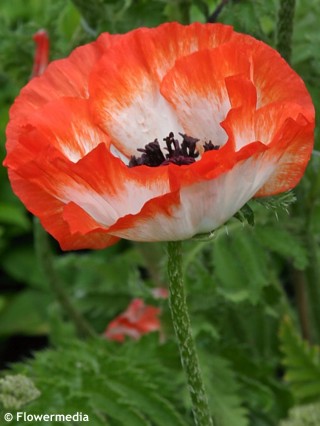
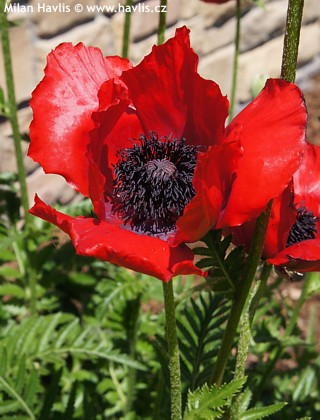
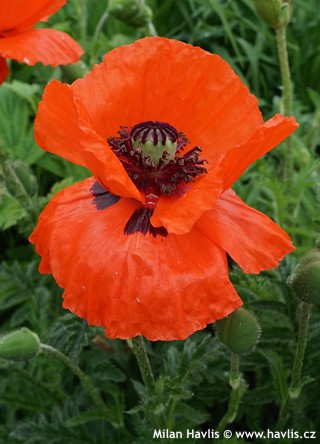
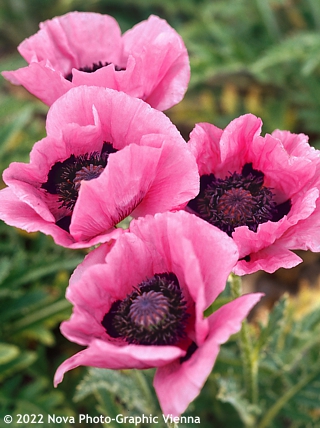
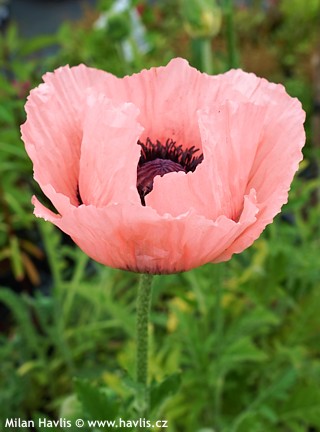
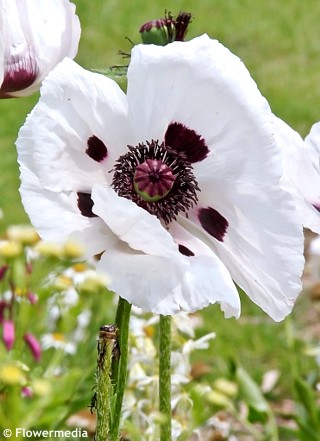
Oriental poppy is an extraordinary perennial with large, showy flowers atop thick, tall stems. Picotée is a gorgeous variety with white flowers with creased petals that have broad, frilled, orange-pink margins. Blooming begins from late May and lasts until late June. Basal leaves are hairy, pinnatis ...
V - VI
0,6 - 0,8m
0,4 - 0,6m
full sun
3 (down to -40°C)
for zone 5+6
for zone 7
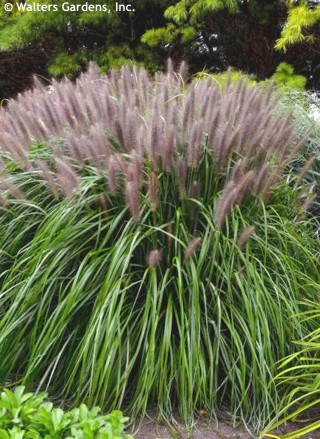
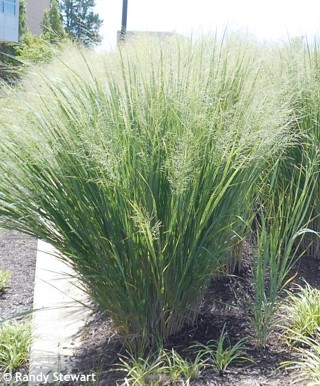
Red Head is a Chinese fountain grass cultivar that appeared in gardens at the turn of the new millennium and has been impossible to overlook ever since. This handsome giant looks like a bodybuilder drawing a deep breath to show off his strength. Its greatest asset is the long, fluffy flower heads th ...
VIII - X
1 - 1,5m
1 - 1,5m
full sun
5 (down to -29°C)
for zone 5+6
for zone 7
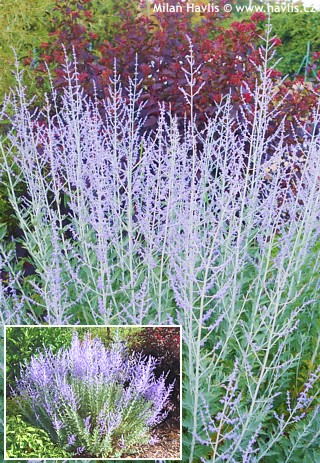
Blue Spire is a hybrid between two types of perovskia. It was first introduced to RHS in 1961 and since late 80´s it has been in cultivation in most of the world with mild climate. It is a very hardy plant originally found in Central Asia (Afghanistan, Pakistan) but is successfully grown even furthe ...
VII - IX
0,6 - 1,2m
0,5 - 1m
full sun
4 (down to -34°C)
for zone 5+6
for zone 7
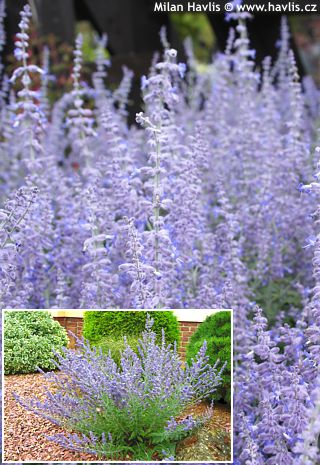
LACEY BLUE is a stunning cultivar of Russian sage from England, celebrated for its abundant flowering, compact habit, and distinctive foliage. The blooms resemble tiny slippers, they are of intensely violet-blue colour and emerge from deep violet buds that appear as early as June. Though true f ...
VII - IX
0,4 - 0,6m
0,5 - 0,8m
full sun
5 (down to -29°C)
for zone 5+6
for zone 7
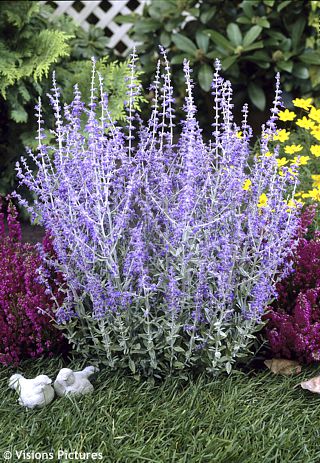
Little Spire is a smaller, more compact cultivar of Russian sage, first introduced in 1995. Its flowers resemble tiny slippers — vivid inky violet-blue in colour — and emerge from deep purple buds that begin forming as early as June. While peak blooming occurs in the second half of summer, the richl ...
VI - IX
0,6 - 0,7m
0,5 - 0,6m
full sun
4 (down to -34°C)
for zone 5+6
for zone 7
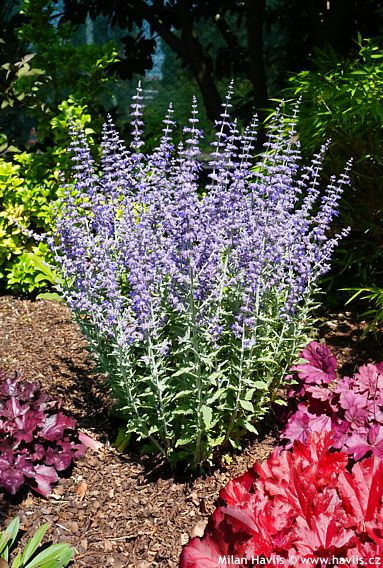
Prime Time is a standout among Russian sages, bred by perennial specialist Hans Hansen of Walters Gardens in the United States. Compared to other cultivars, it impresses with early flowering, a compact habit, and exceptionally dense inflorescences. The flowers resemble tiny slippers in rich violet-b ...
VII - IX
0,6 - 1m
0,6 - 1m
full sun
4 (down to -34°C)
.jpg)
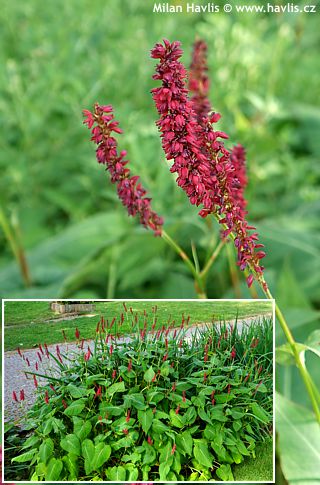
Early Pink Lady knotweed will delight those who do not like waiting for summer perennials. It is one of the few exceptional cultivars that can start blooming as early as mid-July if the season starts well. Its slender, spike‑like inflorescences carry deep pink to rosy red buds and soft pink fl ...
VII - X
0,6 - 0,8m
0,6 - 0,9m
full to partial sun
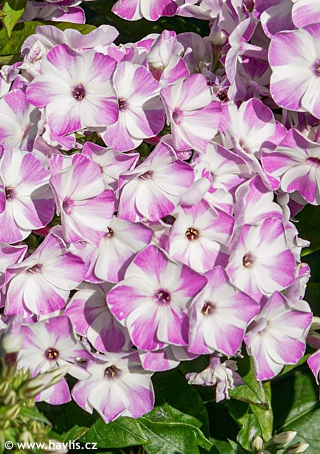
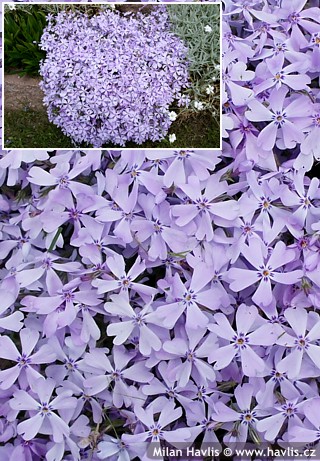
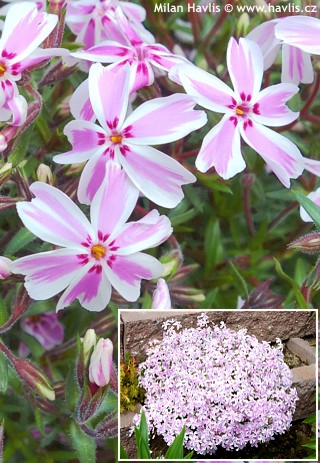
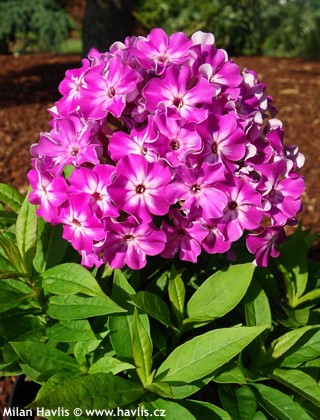
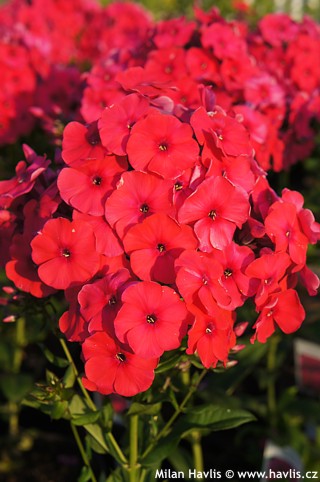
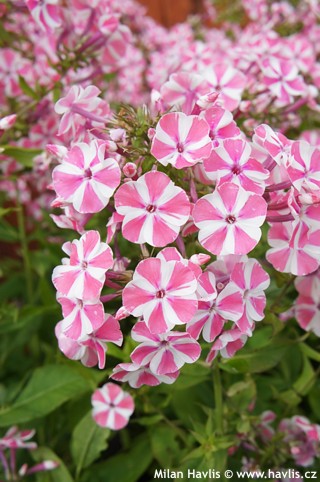
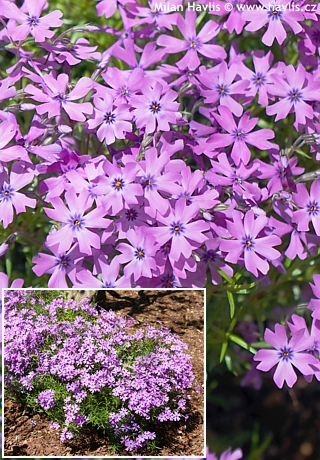
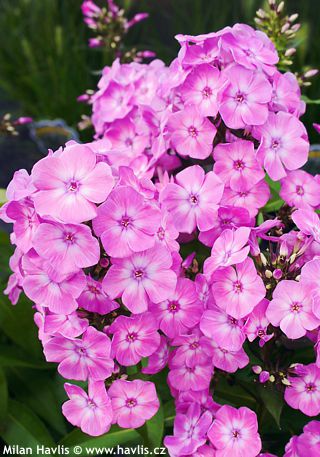
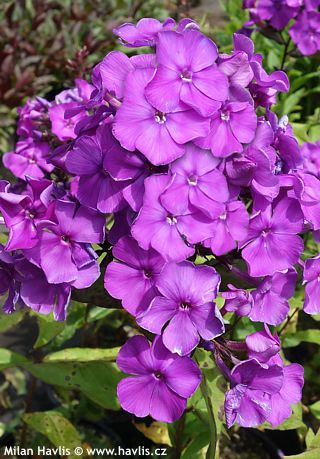
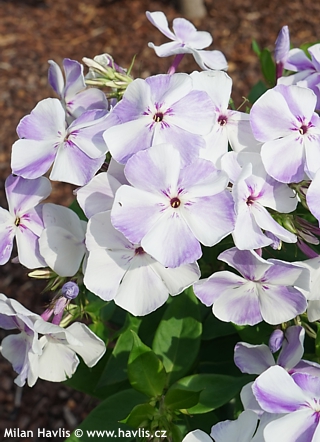
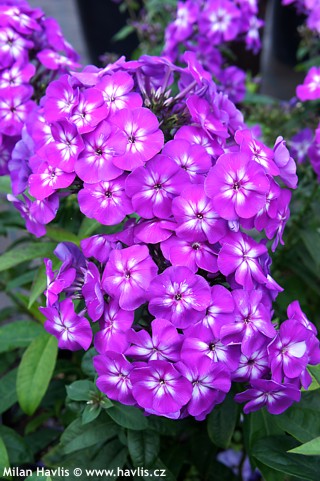
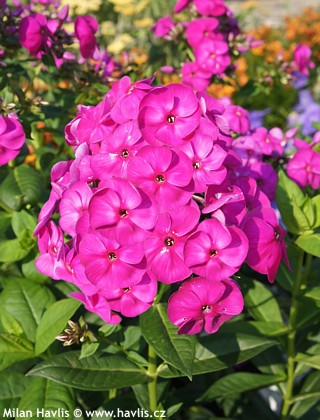
LILAC STAR FLAME is another perennial phlox from the FLAME series developed by a phlox specialist Gosen Bartels from the Netherlands. It is not a glowing beacon like many other purple-coloured phlox varieties. This one is subtle and very elegant, yet conspicuous with its understated beauty. Its flow ...
VI - VIII
0,5 - 0,6m
0,3 - 0,5m
full to partial sun
4 (down to -34°C)
for zone 5+6
for zone 7
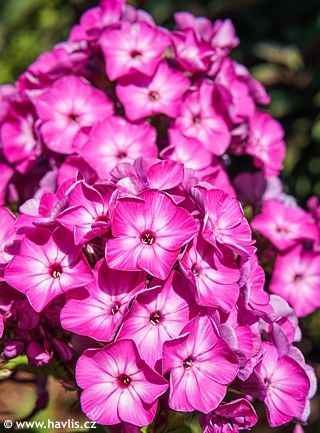
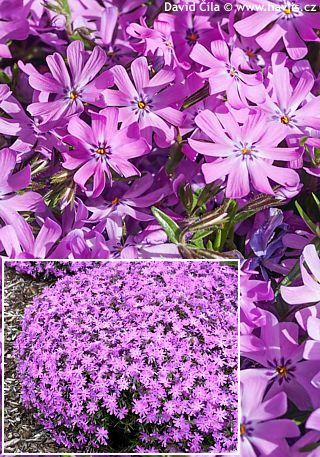
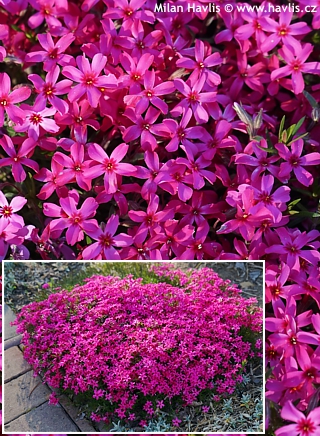
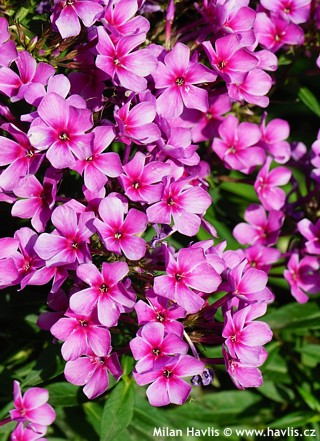
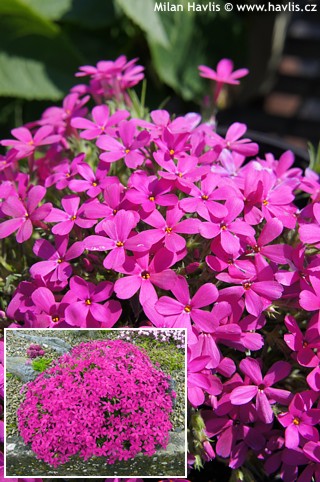
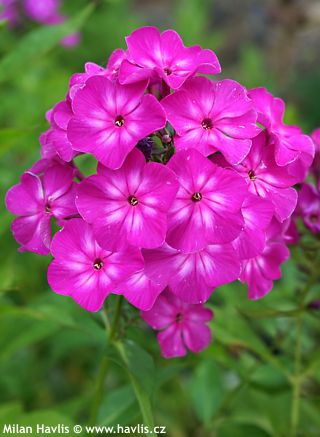
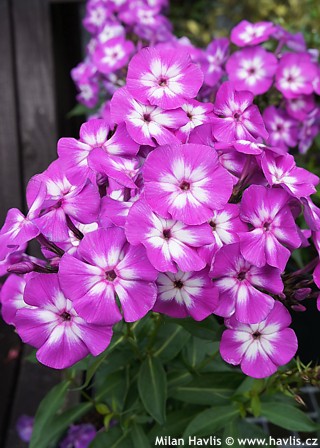
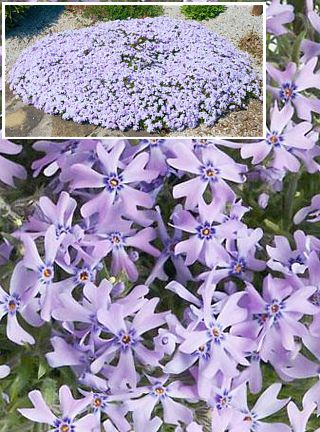
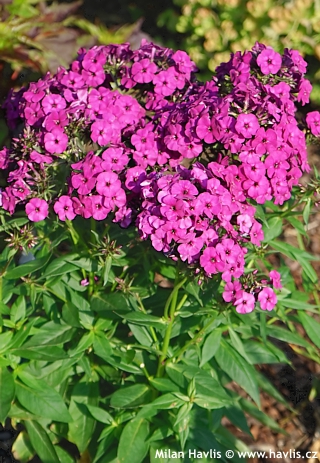
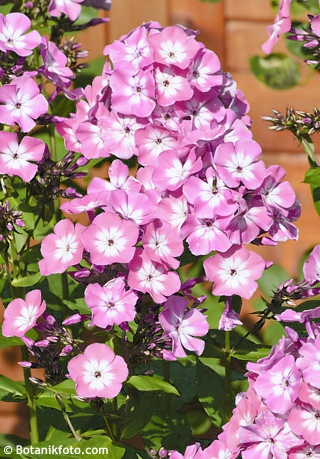
PURPLE EYE FLAME is another perennial phlox from the FLAME series developed by a phlox specialist Gosen Bartels from the Netherlands. It bears bright purple pink flowers with pale to almost white centres. They are about 3 cm across, sweetly and spicy fragrant, composed in rounded to conical terminal ...
VI - VIII
0,5 - 0,6m
0,5 - 1m
full to partial sun
4 (down to -34°C)
for zone 5+6
for zone 7
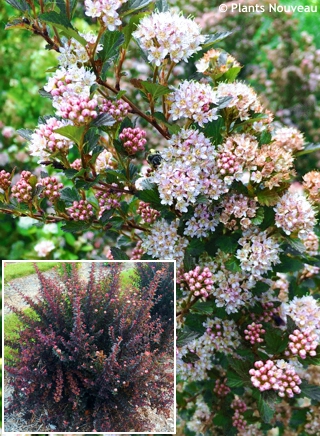
SWEET CHERRY TEA™ belongs among compact to dwarf ninebark varieties with one extra trait: it re-blooms in summer. Its deciduous leaves are small, conspicuously serrated (notched) at margins, and three-lobed like, for example, fire maple leaves. In early spring they emerge bright red with orang ...
VI - VIII
1 - 1,5m
1 - 1,5m
full to partial sun
2 (down to -45°C)
for zone 5+6
for zone 7
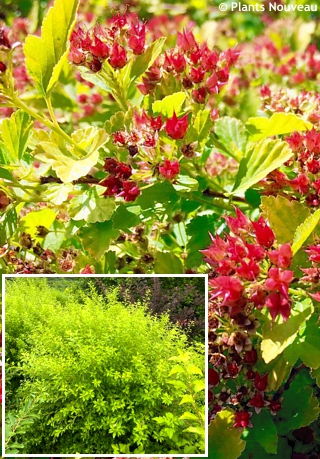
RASPBERRY LEMONADE™ belongs among compact ninebark varieties with a fine texture of small leaves. They are deciduous, about haf the size of the species, conspicuously serrated (notched) at margins, and three-lobed like, for example, fire maple leaves. In early spring they emerge almost yellow ...
VI
1 - 1,5m
1 - 1,5m
full to partial sun
2 (down to -45°C)
for zone 5+6
for zone 7
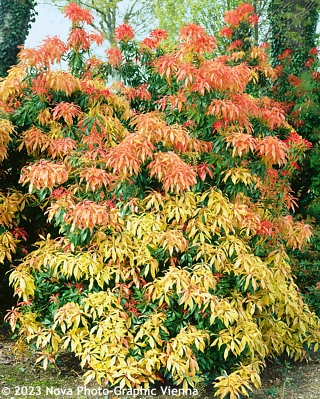
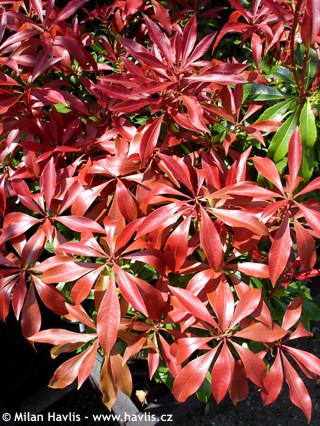
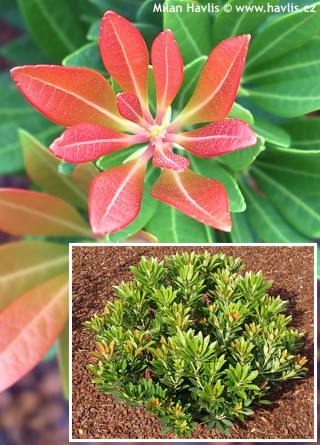
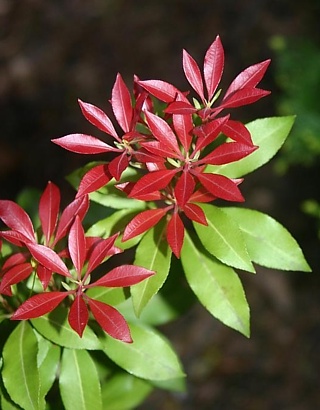
Forest Flame is a variety that belongs to floribunda group. It has deep green, elliptic, pointed, glossy leaves that emerge orange-bronze to fiery-orange coloured. Flowers are small, vase-shaped, compound in 10-15 cm long, hanging racemes. Buds are orange-red. We recommend dead-heading spent flowers ...
IV - V
0,8 - 1,5m
0,8 - 1,5m
full to partial sun
5 (down to -29°C)
for zone 5+6
for zone 7
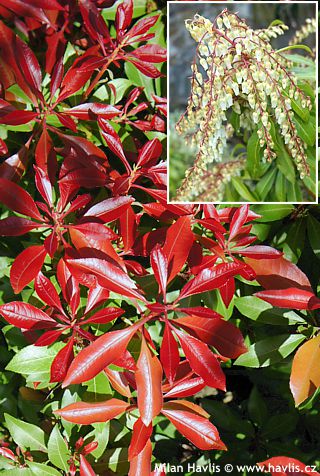
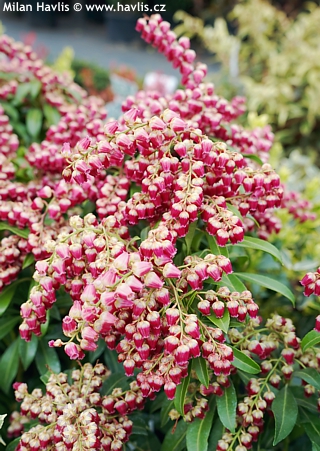
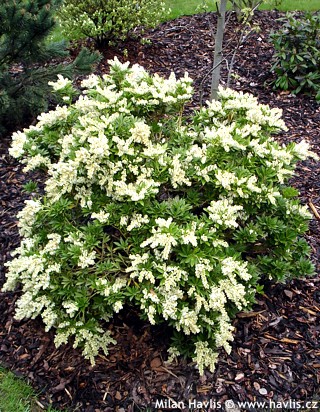
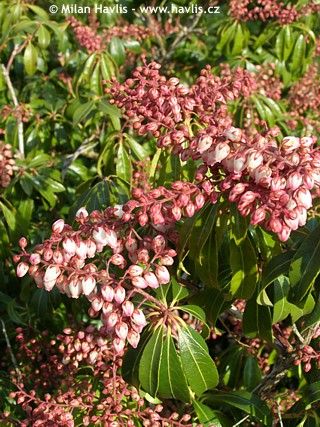
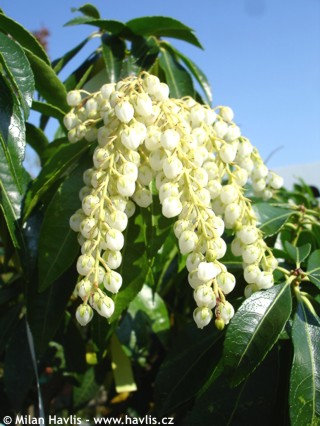
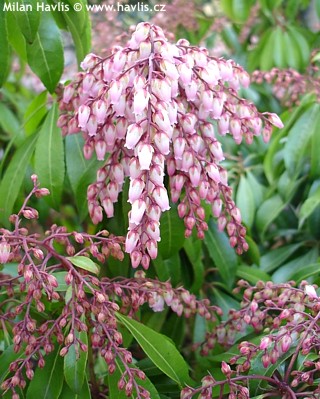
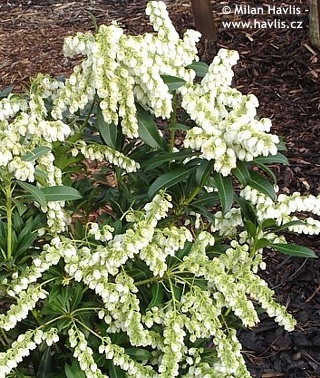
Lily-of-the-valley shrubs are very popular ericaceous plants with attractive foliage and abundant flowering. Mountain Fire is one the best old varieties. It produces abundance of vase-shaped, creamy white flowers hanging on pink stamens in slightly pendent, long racemes. After 3-4 weeks of flowering ...
III - IV
1 - 1,8m
0,5 - 1,5m
full to partial sun
5b (down to -27°C)

for zone 5+6
for zone 7
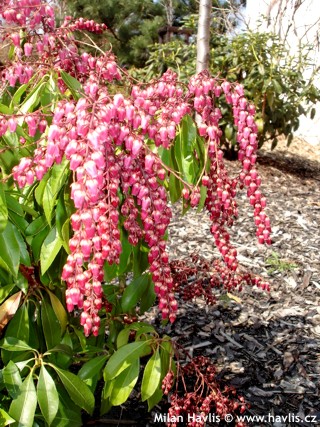
Lustrous green foliage of Valley Valentine pieris complements extraordinary deep rose-pink flowers which come out from late March till early April. They are urn-shaped, sweetly scented, composed in long, pendent racemes, and last for 2-4 weeks. Deadhead spent flowers immediately after flowering so t ...
III - IV
0,8 - 1,5m
0,5 - 1,5m

full sun to shade
5 (down to -29°C)
for zone 5+6
for zone 7
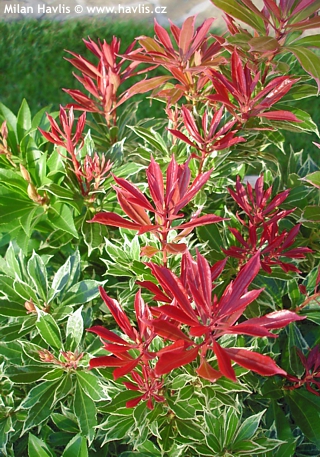
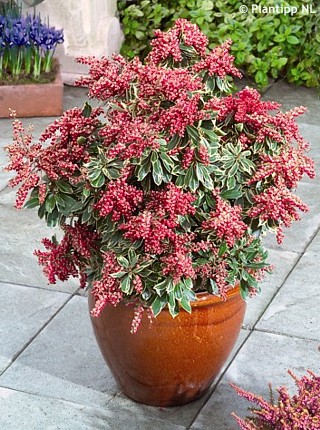
Variegata is a coloured form of Japanese pieris. Its leaves are dark green and glossy with bright white margins which turn pink in autumn. New leaves emerge bright red. Well established plants grown under good conditions bear long racemes of small lily-of-the-valley like white flowers from March to ...
III - IV
1 - 1,5m
0,8 - 1,3m
full sun to shade
5 (down to -29°C)
for zone 5+6
for zone 7
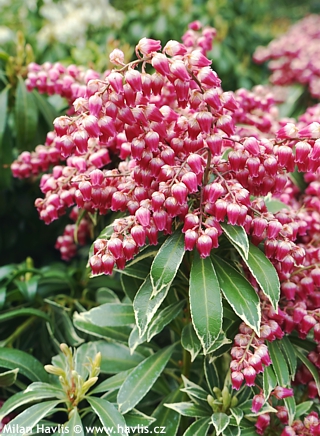
POLAR PASSION® is a lily-of-the-valley shrub with dark purple pink flowers in dense racemes. Individual flowers are urn-shaped, slightly fragrant, and come out from late March for 6-8 weeks. Evergreen leaves are narrowly lance-shaped, dark green with white variegation, and emerge dark pink in late A ...
III - V
0,3 - 0,6m
0,3 - 0,6m
full to partial sun
5b (down to -27°C)
for zone 5+6
for zone 7
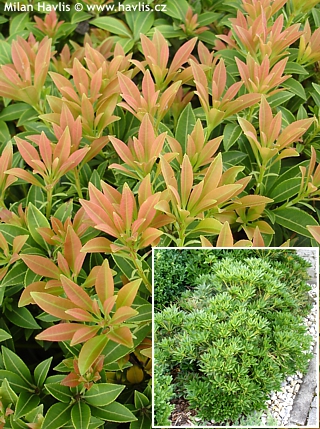
Sarabande pieris was named with intention. Sarabande is the name of an old baroque dance of slow, dignified rhythm, originally in triple time, often with a slightly melancholic or ceremonial tone. The shrub reflects this perfectly: its habit is compact, gently open and gives the impression of branch ...
III - IV
0,5 - 1,2m
0,5 - 1,3m
full to partial sun
5b (down to -27°C)
for zone 5+6
for zone 7
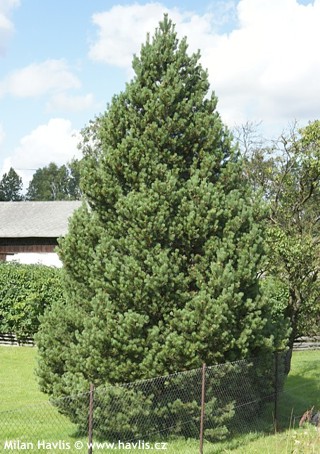
Uncinata is a subspecies of mountain pine. Its main difference from dwarf mountain pine is a central leader which helps it make a tree character. Also, this pine is much taller in full maturity as opposed to common mountain pine, forming a widely pyramidal habit, slightly irregular. Uncinata is comm ...
10 - 20m
3 - 6m
full sun
2 (down to -45°C)
for zone 5+6
for zone 7
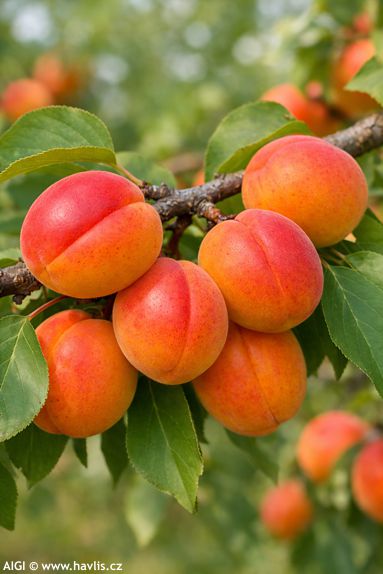
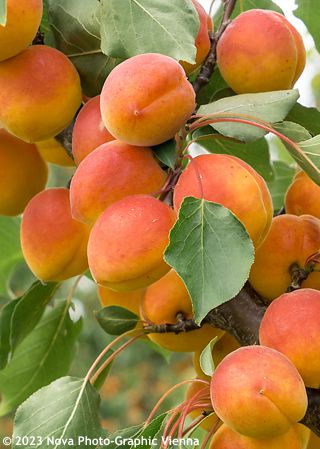
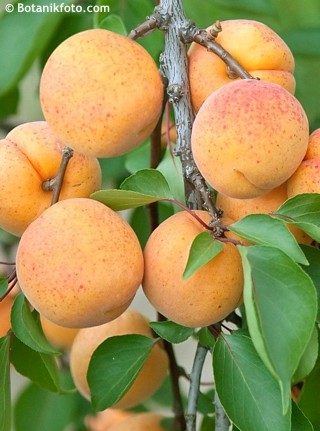
Farbaly apricot produces medium‑sized to large, broadly oval fruit with a deep orange skin and a pronounced, evenly distributed red blush that may cover up to half of the surface. The skin is finely velvety, slightly firmer, and tolerates handling and transport well. The flesh is orange, firm ...
IV
3 - 4m
3 - 4m
full sun
6 (down to -23°C)
for zone 5+6
for zone 7
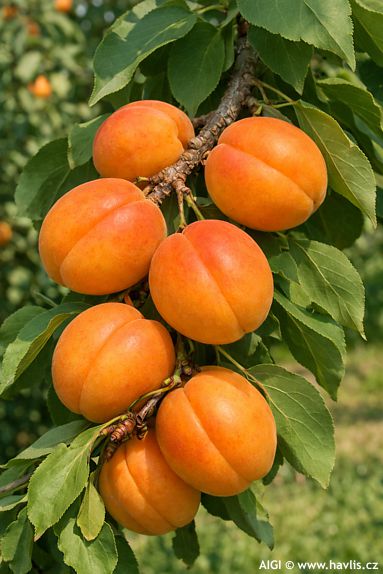
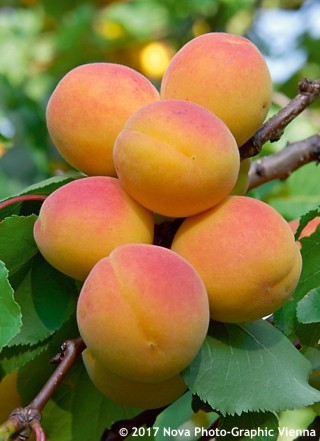
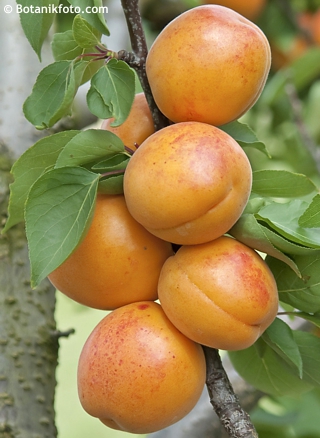
The fruit of Goldrich apricot is large to very large, broadly oval, with a smooth, firm skin of deep orange colour and a fine red blush on the sun‑exposed side. The flesh is orange, firm and moderately juicy, with a balanced ratio of sugars and acids; the flavour is sweet, refreshing and sligh ...
IV
3 - 4m
3 - 4m
full sun
5b (down to -27°C)
for zone 5+6
for zone 7
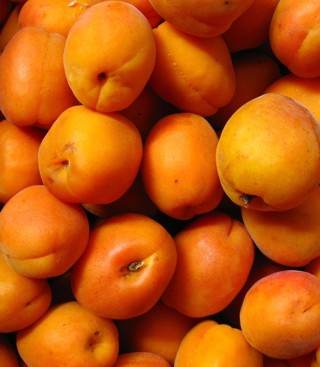
Luizet apricot is one f the most suitable ones from our climate because it blooms late which helps it avoid late spring frost. On the other hand it is an early variety with fruit maturing in mid-summer.
Fruit is rounded to oval, deep orange with irregular red flushes, very aromatic. Taste is sweet. ...
IV - IV
3 - 4m
2 - 3m
full sun
6 (down to -23°C)

for zone 5+6
for zone 7
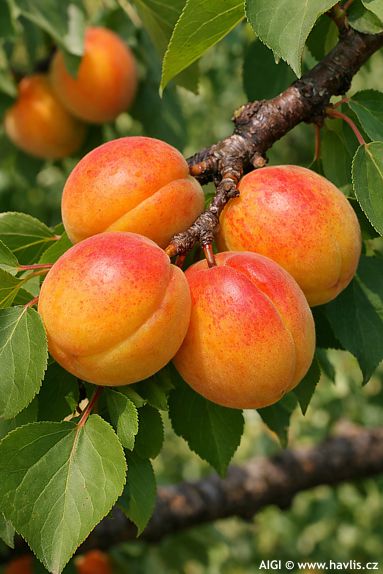
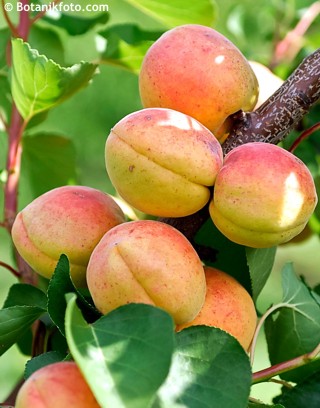
Mombacher Frühe apricot produces medium‑sized, round to slightly flattened fruits with a yellow‑orange skin and a fine red blush on the sun‑exposed side; the surface is softly velvety and the flesh is orange, juicy, tender, easily separating from the stone, with a balanced, ar ...
IV
3 - 5m
2 - 4m
full sun
5b (down to -27°C)
for zone 5+6
for zone 7
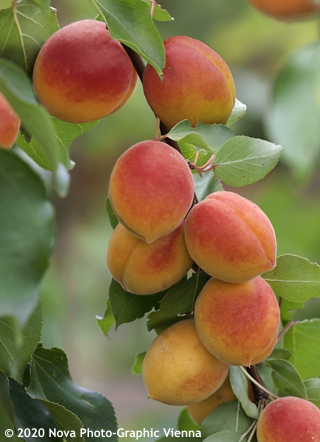
Imola is a town in Italy renowned for the race track The Autodromo Internazionale Enzo e Dino Ferrari. It is close to Bologna in a region called Emilia-Romagna, possibly the most important Italian region for growing fruit trees. Reale d’Imola is an apricot tree which originated there in one of ...
IV
4 - 6m
2 - 4m
full sun
5b (down to -27°C)
for zone 5+6
for zone 7
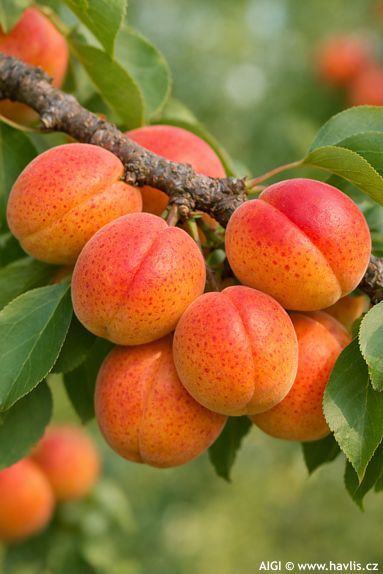
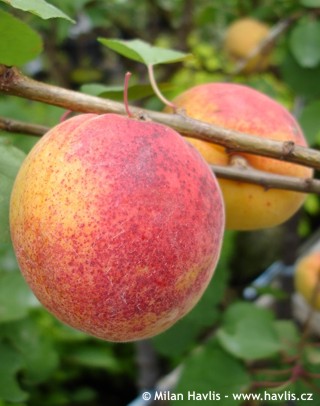
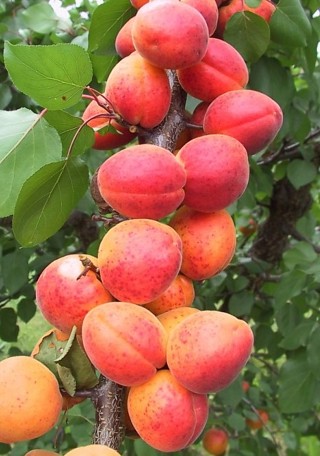
The fruit of Rouge du Roussillon apricot is small to medium‑sized (35–55 mm in diameter), round to slightly oval, with a deep orange ground colour and fine red speckling or a light red blush covering part of the surface. The skin is thin and finely velvety; the flesh is soft, juicy and highly ...
IV
3 - 4m
3 - 4m
full sun
6 (down to -23°C)
for zone 5+6
for zone 7
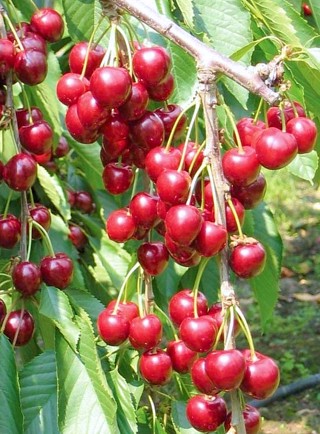
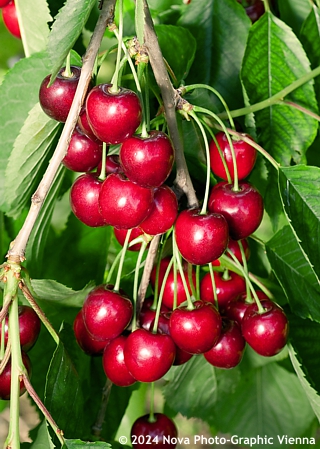
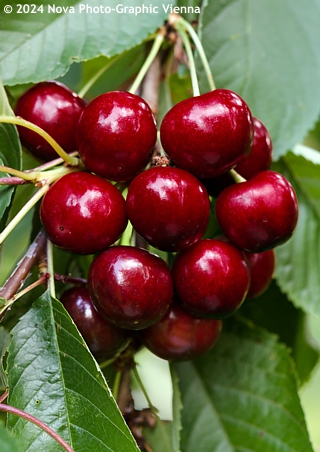
Burlat is an early variety of sweet cherries. The fruit is vivid to dark red, mid-sized or large, very sweet and juicy, with medium firm flesh. As it is very precocious it is not vermicular.
It is partly self-fertile but benefits from being pollinated by another early cherry. It likes slightly acid ...
IV - V
3 - 7m
full sun
for zone 5+6
for zone 7
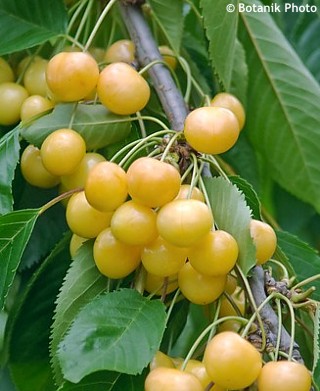
Dönissens Gelbe is a super sweet and aromatic variety of yellow sweet cherries from Germany. It produces masses of medium-sized, juicy fruit in July. Its colour brings one advantage – it is usually untouched by birds who relish on red-coloured cherries.
It is self-sterile and needs a pollina ...
IV - IV
3 - 5m
3 - 4m
full sun
5 (down to -29°C)
for zone 5+6
for zone 7
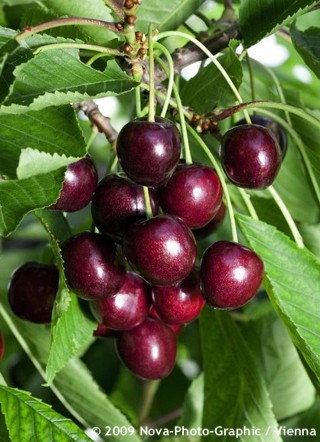
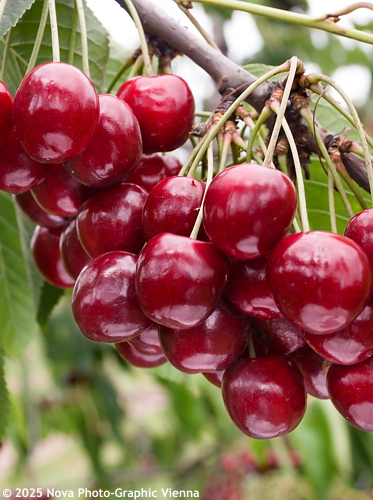
Hedelfingen is a very good variety of sweet cherry. It bears medium-sized fruit in early summer. Fruit is sweet and crunchy and partly resistant to cracking. It gains its colour about a week before it is truly mature. It needs protection from cherry-worms.
It is not self-fertile and needs a pollina ...
IV - IV
3 - 6m
3 - 4m
full sun
5 (down to -29°C)
for zone 5+6
for zone 7
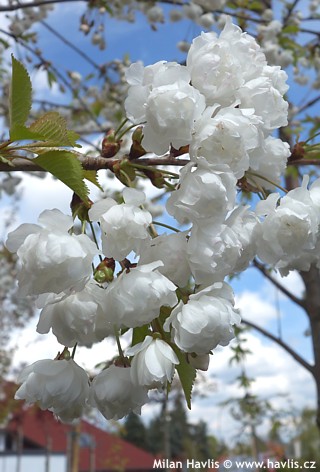
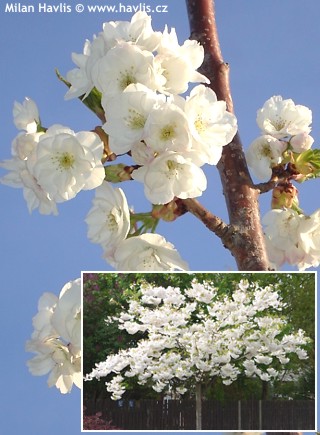
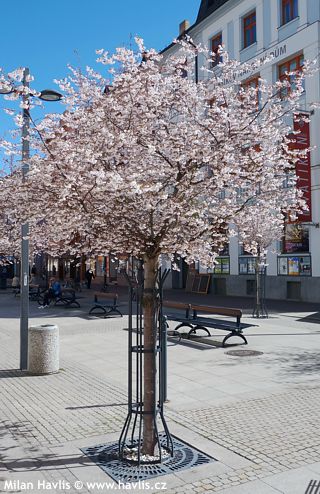
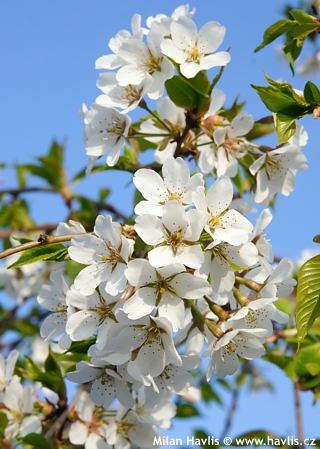
This flowering cherry originated in France already in 1700. That is a success to see that a variety so old still finds its place among new and hyper modern selections. Well done! This is a medium sized tree with stunning blossoms. They are pure white, fully double, and appear in profusion from mid A ...
IV - V
6 - 12m
3 - 6m
full sun
5 (down to -29°C)
for zone 5+6
for zone 7
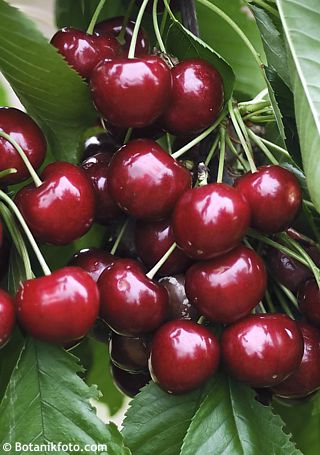
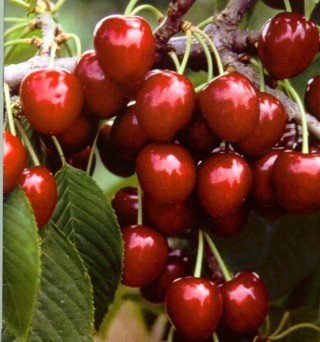
Sunburst is another modern variety of self-fertile sweet cherries. It produces heavy yields of large, dark red, glossy, free-stone fruit of excellent flavour – sweet and juicy. Harvest begins in late July. The fruit is significantly resistant to cracking in rainy weather.
Self-fertile means i ...
4 - 6m
3 - 5m
full sun
5 (down to -29°C)
for zone 5+6
for zone 7
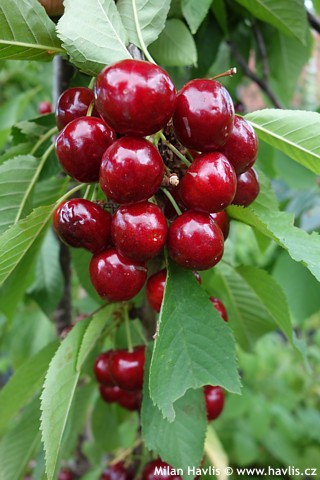
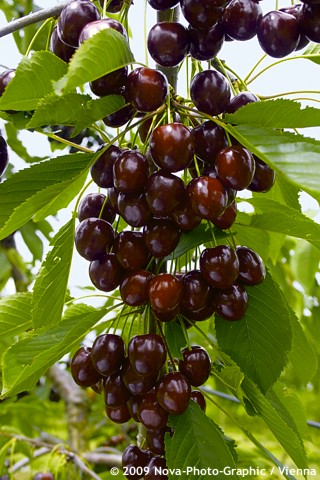
Van is a mid-season variety of sweet cherry. Its fruit ripens in early July. Fruits are large, heart-shaped, deep red, almost black. The flesh is aromatic, sweet, and has excellent taste. It needs protection from cherry-worms.
It is not self-fertile and needs a pollinated for heavy crop. It likes s ...
IV - V
4 - 6m
full sun
for zone 5+6
for zone 7
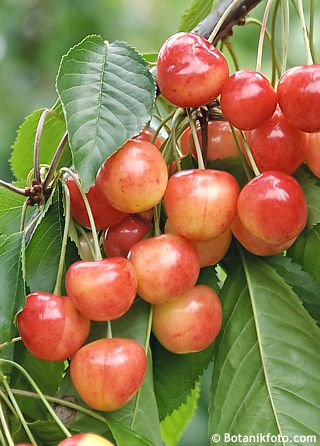
Büttners Rote Knorpelkirsche is a great and unique sweet cherry variety from German Halle found already in 1795. In early 2000‘ it was renamed to ALTENBURGER MELONENKIRSCHE which truly does no make its pronunciation any easier.
This cherry produces excellent fruit of unique taste and beautiful ex ...
4 - 6m
3 - 5m
full sun
5 (down to -29°C)
for zone 5+6
for zone 7
.jpg)
Nigra is a myrobalan variety bred by Luther Burbank in 1916 in the USA which quickly spread as an ornamental tree. Luther was a fascinating figure and a pioneer in plant breeding, who developed more than 800 new varieties throughout his career. Among his most notable creations are Shasta daisies, th ...
IV - IV
3 - 6m
3 - 6m
full sun
3 (down to -40°C)
for zone 5+6
for zone 7
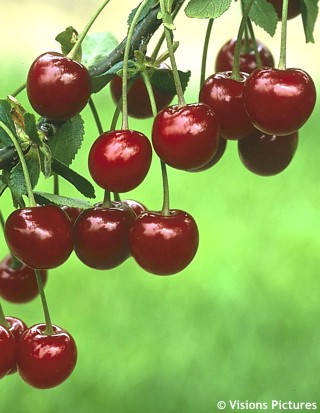
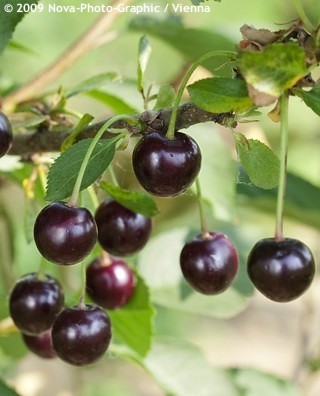
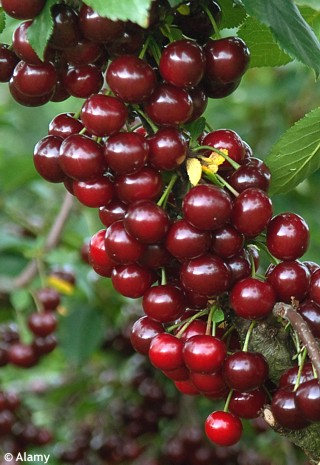
Morellenfeuer is one of the top German sour morello cherries. It bears medium-sized, burgundy-black fruit with dark, juicy flesh that is both sour and light sweet, aromatic, freestone. It is ideal eaten fresh as well as processed in jams, preserves, desserts etc. It is a late variety cropping in Aug ...
IV - V
3 - 6m
2 - 4m
full sun
5 (down to -29°C)
for zone 5+6
for zone 7
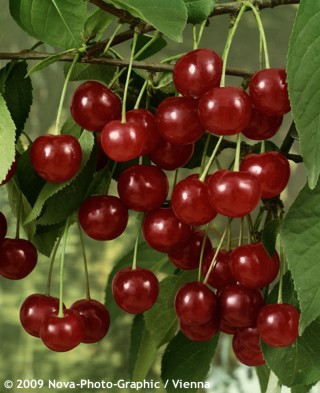
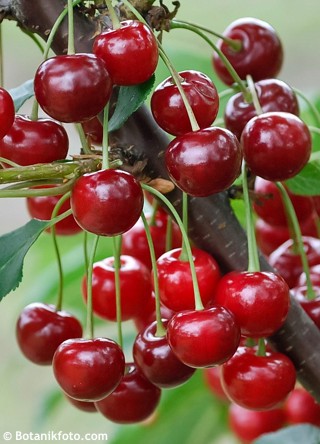
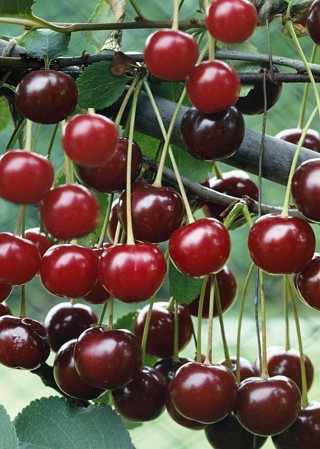
Schattenmorelle is a sour cherry variety with bright red fruit. The flesh is red, sour, not very sweet, and very juicy. Freestone.
It is a self-fertile variety that needs no pollination partner. It crops reliably every year, bearing plentiful of fruit at the ends of partly weeping branches. Semi-v ...
IV - IV
4 - 6m
3 - 4m
full sun
5 (down to -29°C)
for zone 5+6
for zone 7
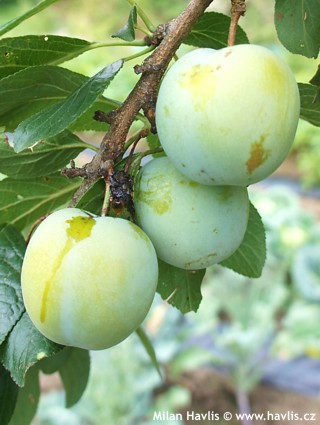
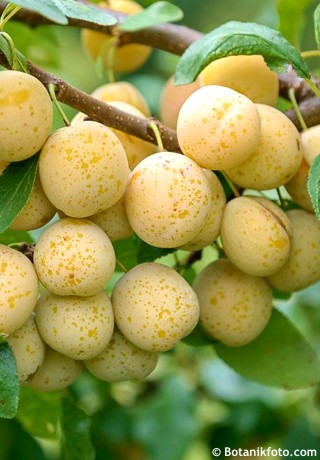
Reine Claude d´Oullins is another French variety out of Reine Claude range. It is a greengage with large, spherical fruit of greeny-yellow fruit. It is delicious, sweet and juicy taste, the flesh is attached to the core. It is an early variety that ripens from mid to end of August.
It flowers in Ma ...
V - V
3 - 4m
2 - 4m
full sun
5b (down to -27°C)
for zone 5+6
for zone 7
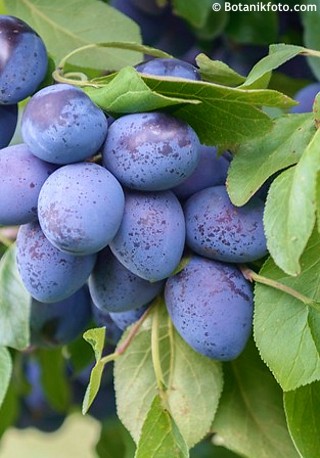
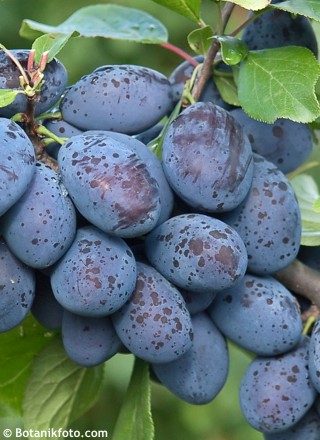
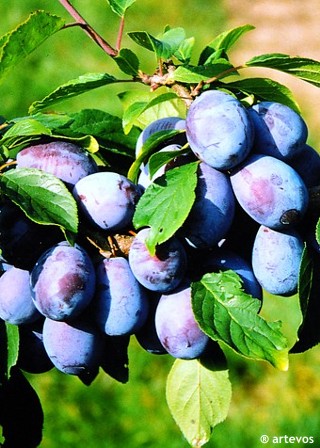
Stanley is one of the most tasteful and reliable varieties of plums. The fruit is sweet and juicy, though firm. Flesh is orange-yellow, skin is smooth, deep violet-blue. The fruit is excellent fresh as well as canned, high sugar content makes them ideal for drying.
It blooms late in the spring and ...
V - V
2,5 - 6m
2 - 4m
full sun
4 (down to -34°C)
for zone 5+6
for zone 7
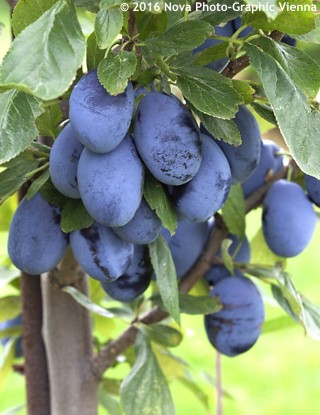
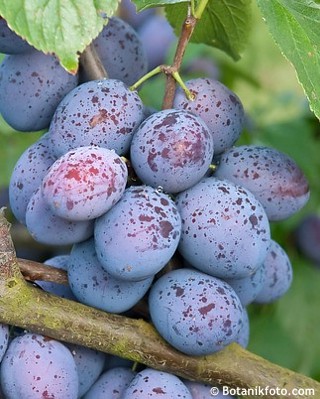
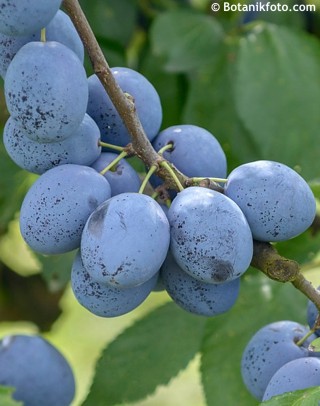
Quetsche d’Alsace is one of the oldest European plum varieties that was first described in German Alsace in 1914, hence its name. Still, it is so old and of unclear origin that most producing countries gave it its own name in their own language. We call it Švestka domácí (‘house plumR ...
V - V
3 - 5m
2 - 3,5m
full sun
5 (down to -29°C)
for zone 5+6
for zone 7
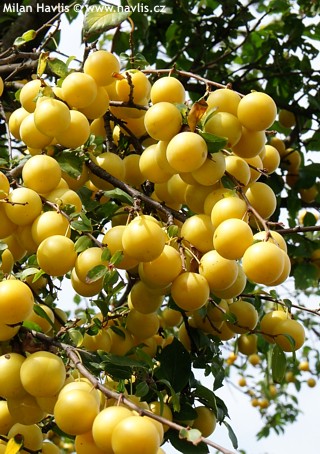
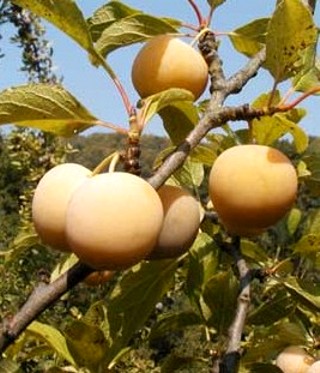
Mirabelle de Nancy is a traditional French mirabelle variety, primarily cultivated in the region between the cities of Metz and Nancy. The tree reaches a height of 4 to 6 meters and develops a dense, rounded crown with a slightly irregular growth habit. It blooms in April with delicate white flowers ...
IV - IV
3 - 6m
3 - 4m
full sun
5 (down to -29°C)
for zone 5+6
for zone 7
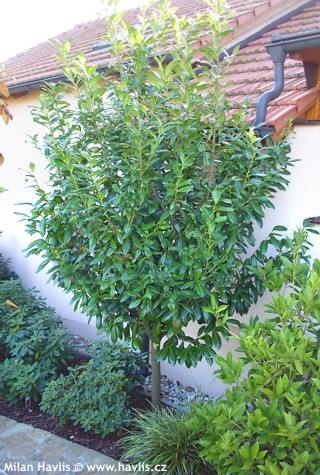
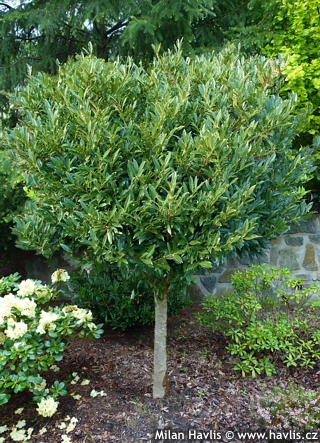
Cherry laurel Novita became a sensation the very moment it hit the market – a true horticultural blockbuster. Its dark, intensely glossy leaves looked luxurious and were impossible not to fall in love with. On top of that, it grew strongly and vigorously, quickly finding its place wherever a den ...
V
3 - 6m
2 - 5m
full sun to shade
5b (down to -27°C)
for zone 5+6
for zone 7
.jpg)
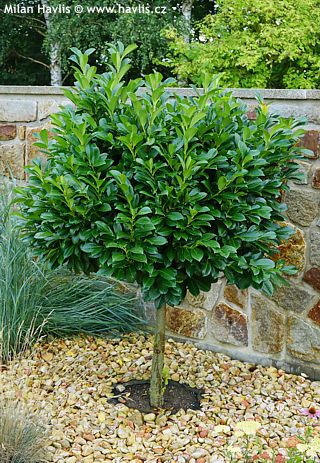
Brenelia is a modern and attractive cultivar of Portuguese laurel from France, selected by Yves Brenelière in the early 21st century. It is distinguished by its larger, distinctly undulated leaves with a higher gloss. The foliage is evergreen, narrowly elliptic, typically 8–12 cm long and 2–4 c ...
V - VI
4 - 6m
3 - 4m
full to partial sun
5b (down to -27°C)
for zone 5+6
for zone 7
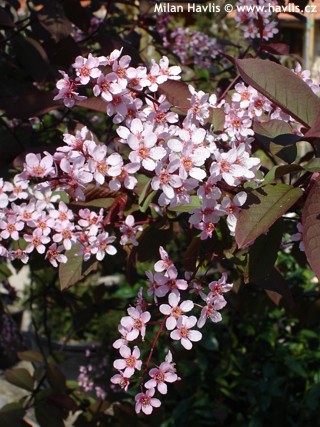
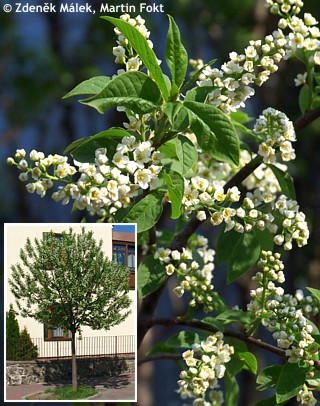
Colorata is a Swedish variety of European bird cherry from 1953 variety producing pink flowers and coloured foliage. In late April appear slender racemes composed of tiny, cotton-candy pink, scented flowers. Deciduous leaves are narrowly obovate, very dark green and emerge tinged an attractive tone ...
IV - V
5 - 8m
4 - 5m
full to partial sun
3 (down to -40°C)
for zone 5+6
for zone 7
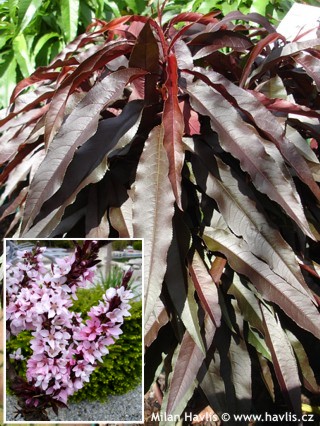
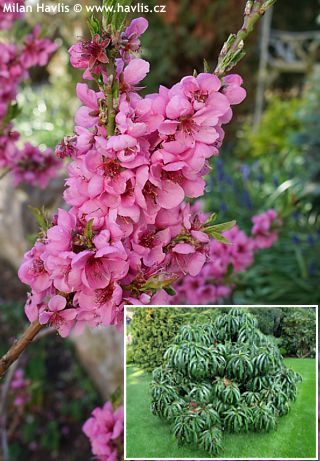
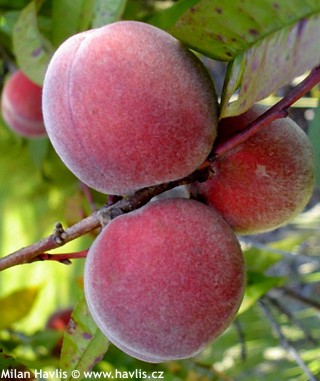
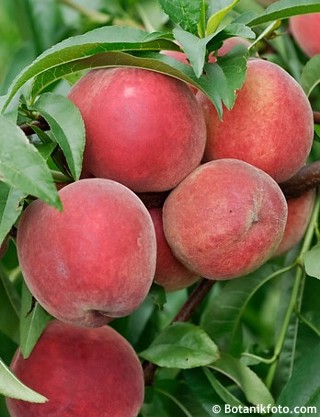
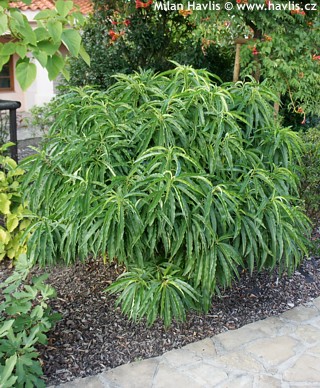
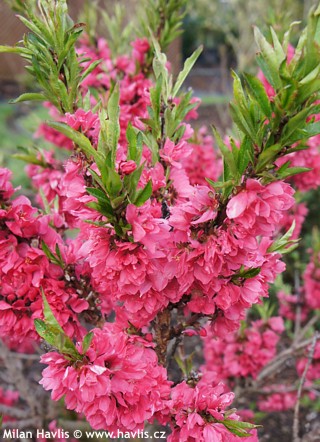
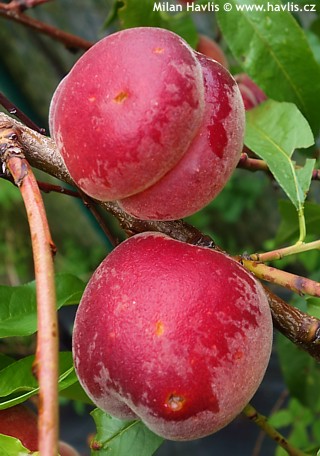
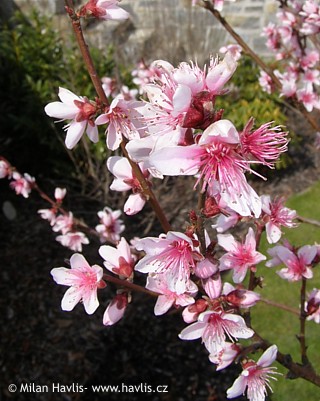
Bonfire is a spectacular new variety of dwarf ornamental peach with edible fruit. It has profusion of typical peach-like, light pink flowers that are clustered along short branches in a dense crown. The leaves are fantastic deep burgundy red and glossy, narrow and elongated, and not much smaller tha ...
IV - IV
0,5 - 1,3m
0,5 - 1,5m
full sun
5a (down to -29°C)
for zone 5+6
for zone 7
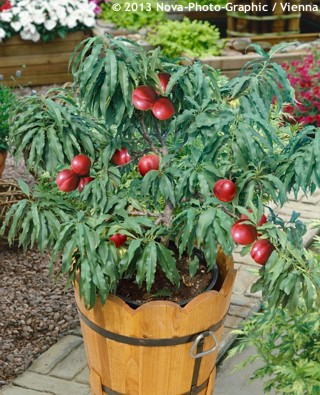
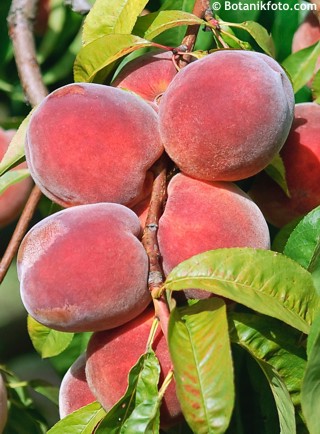
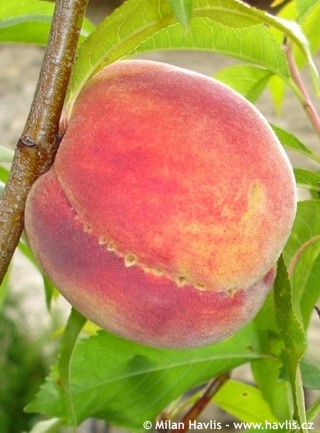
Silver Prolific is a dwarf nectarine variety with excellent fruit. It has profusion of usual peach-like, bright pink flowers that are clustered along short branches in a dense plant. The leaves are mid green, semi-glossy, narrowly lanceolate, and not much smaller than those on any other peach tree. ...
IV - IV
1 - 1,5m
1 - 1,5m
full sun
5a (down to -29°C)
for zone 5+6
for zone 7
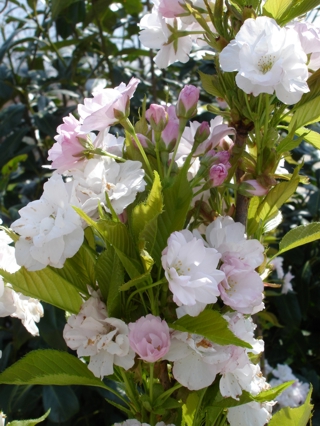
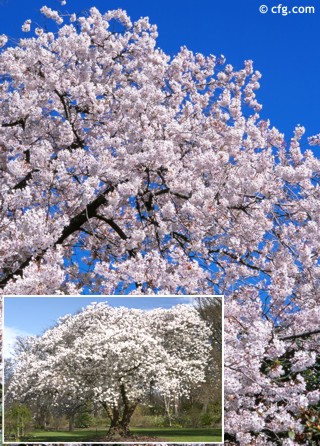
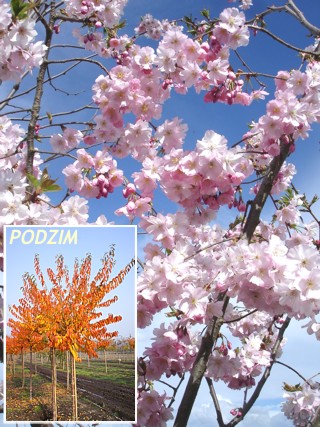
Spring in the garden is announced by flowering Japanese cherries. Amanogawa is a fantastic variety with narrowly columnar growth. In early spring it produces masses of double or semi-double, light pink flowers that may turn to clear white later. Young leaves are bronze, changing to green in summer, ...
IV - V
4 - 7m
0,5 - 1,5m
full to partial sun
5 (down to -29°C)
for zone 5+6
for zone 7
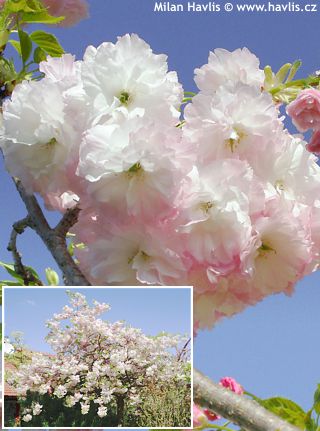
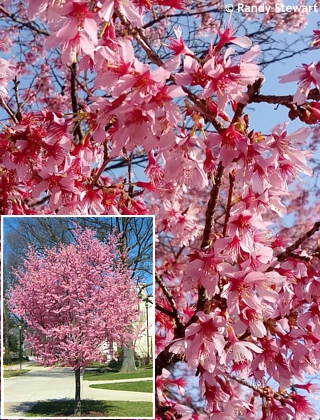
Looking into the crown of this Japanese flowing cherry it is clear why people in Japan take a bow in front of them and organize sakura festivals. It is not only because of their beauty, they also believe that their trunks hold spirits of the dead, and finally they manifest the new life emerging in e ...
V - V
2 - 4m
2 - 5m
full sun
4 (down to -34°C)
for zone 5+6
for zone 7
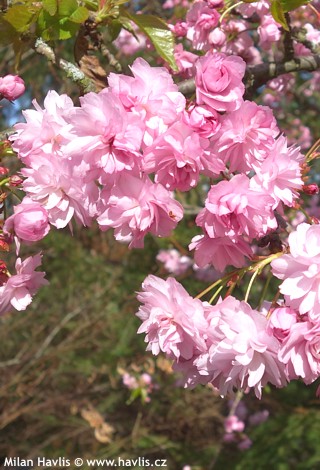
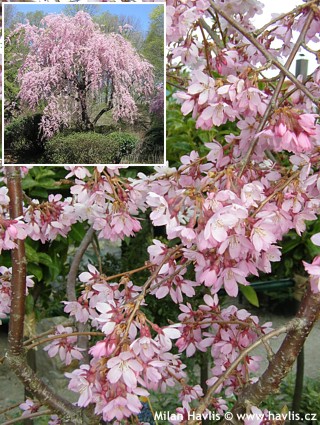
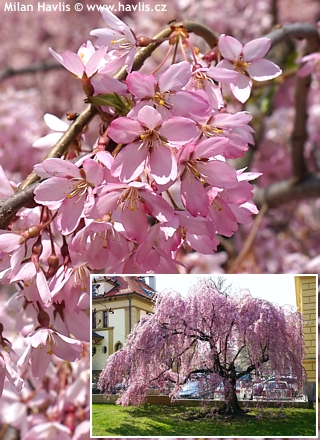
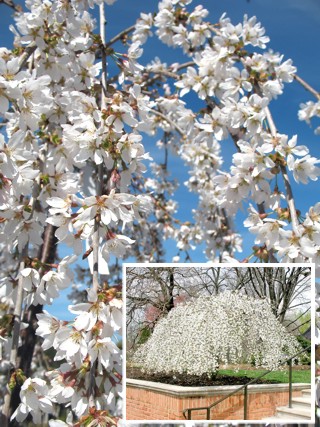
True pink is the colour of this beautiful Cheal´s Weeping Cherry. Either a standard or a half standard tree, this flowering cherry always has rather pendulous branches forming a wide crown.
Double flowers appear on bare branches at the end of April and continue throughout May already with new leav ...
IV - V
2,5 - 3m
1 - 3m
full to partial sun
5 (down to -29°C)
for zone 5+6
for zone 7
.jpg)
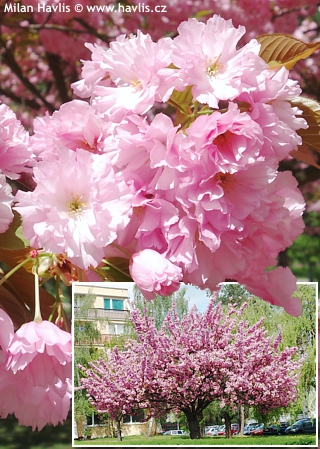
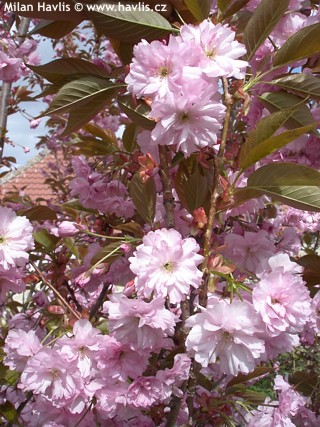
Many believe the most beautiful ornamental cherry – the Sakura – is the famous ‘Kanzan’ or the original weeping ‘Kiku-shidare-zakura’. They are indeed magnificent, but imagine the excitement when, in Oregon in the early 1990s, a bud mutation appeared that offered the same qualities plus dark purple ...
IV - V
6 - 8m
5 - 6m
full sun
5 (down to -29°C)
for zone 5+6
for zone 7
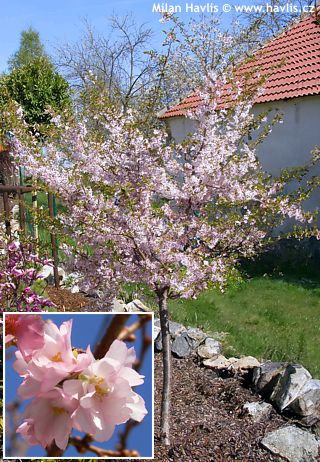
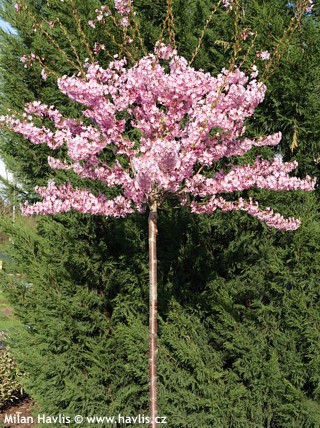
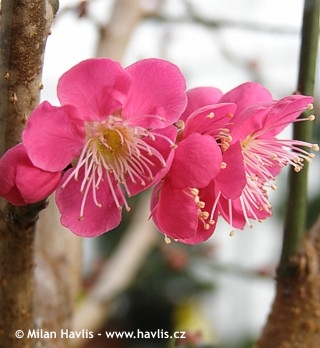
The prunus genus contains over 400 species which are useful and beautiful at the same time. There are cherries, plums, peaches or sloes, as well as flowering Japanese cherries, cherry laurels etc. This variety received its name for the season in which it can re-flower if the end of autumn is warm. H ...
III - IV
3 - 4m
1 - 3m
full sun
4 (down to -34°C)
for zone 5+6
for zone 7
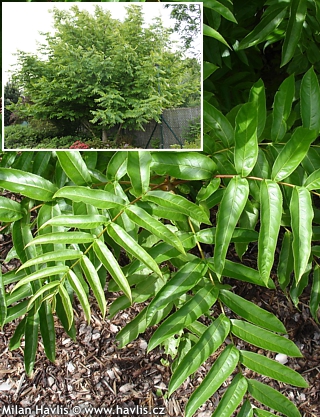
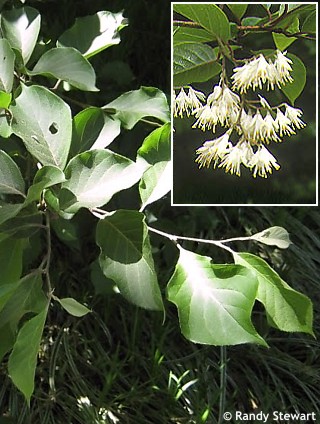
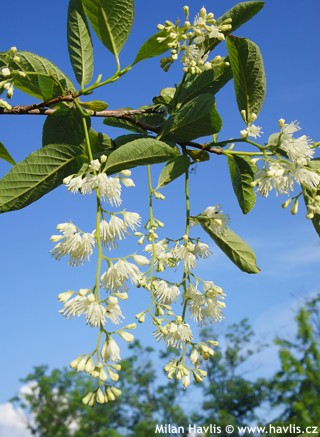
Caucasian wing nut is one of my favorite trees. I first saw it growing in the castle garden of Třeboň chateau where it was ingeniously and logically placed as a focal point in the front of the main facade. And despite its size I knew immediately that I wanted to grow this „baby“ in my ga ...
V
15 - 20m
10 - 15m
full sun
5 (down to -29°C)
for zone 5+6
for zone 7
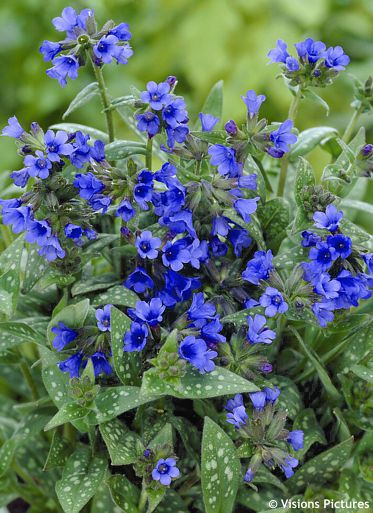
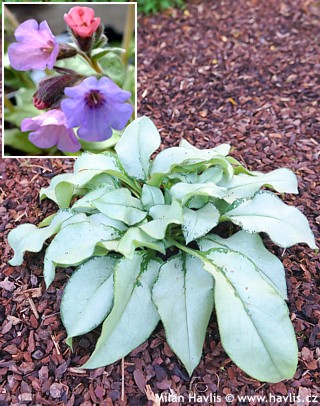
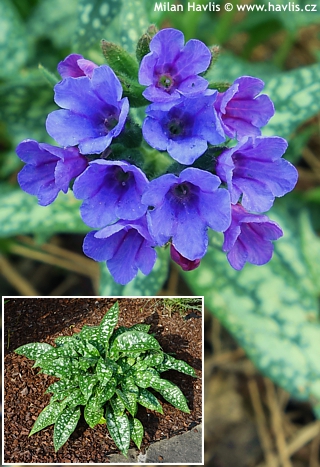
Miss Elly lungwort belongs to this group of Pulmonaria × cultorum hybrids and first appeared on the market around 2008. It is characterized by a dense, compact, cushion‑forming habit and in early spring (April-May) opens tubular flowers in a deep, dark blue colour; this cultivar is not commonl ...
IV - V
0,2 - 0,3m
0,3 - 0,4m

semi-shade to shade
4 (down to -34°C)
for zone 5+6
for zone 7
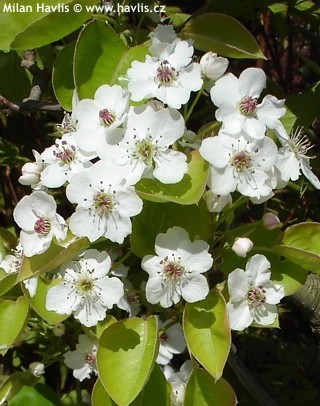
Callery pear is a flowering (ornamental) pear tree which is cultivated for its profuse flowering in April. The tree produces a huge quantity of snow white flowers followed by small, almost spherical fruit that is edible but not too tasty.
Chanticleer is a famous variety of narrowly conical habit. I ...
IV - V
8 - 13m
4 - 6m
full sun
5 (down to -29°C)
for zone 5+6
for zone 7
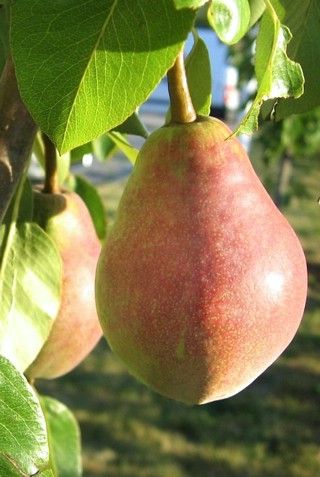
Clapps Favourite is an early pear tree variety that was first introduced in the USA before 1860. It bears medium-sized pears with greeny-yellow skin, red flushed. The flesh is sweet, soft and juicy, “melt in the mouth”. It is ideal snack fruit eaten just as picked from the tree.
It crops profusel ...
IV - V
3 - 5m
2 - 4m
full sun
4 (down to -34°C)
for zone 5+6
for zone 7
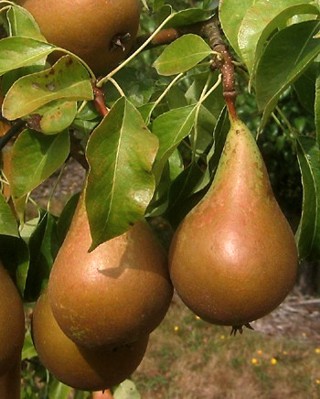
Conference is a famous pear tree from the 19th century. It was first introduced at the National British Pear Conference in 1885, hence its name. It has medium-sized fruit that is pyriform if cross-pollinated, or banana-shaped if self-pollinated.
The fruit is pale green with golden brown russet pa ...
IV - IV
3 - 5m
2 - 4m
full sun
4 (down to -34°C)
for zone 5+6
for zone 7
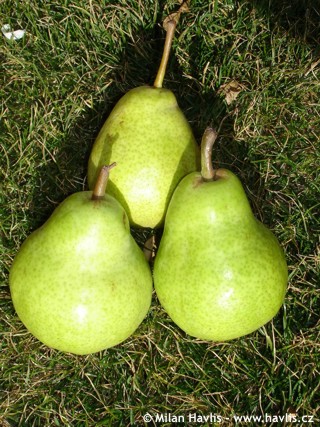
Williams is probably the most known and spread out pear in the world. Its complete name is Williams bon Chretien and comes from the UK, 18th century.
It is an early variety bearing mid-sized or large fruit with light green or yellow skin. The flesh is very juicy, aromatic, and sweet, it quickly s ...
IV - V
3 - 5m
full sun
4 (down to -34°C)
for zone 5+6
for zone 7
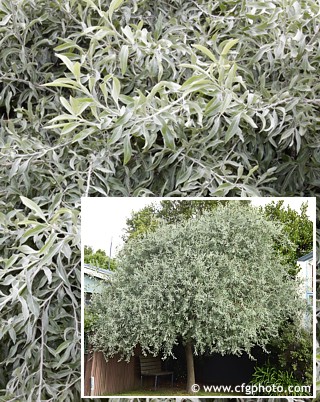
Among quite a few English names of this species I think that silver pear is best. This deciduous tree really belongs to a pear family and has silvery blue-green, willow-like, narrow leaves. They emerge much greener in mid spring, along with the white, scented, 5-petalled flowers that are followed by ...
IV - V
3 - 5m
2 - 4m
full sun
4 (down to -34°C)
for zone 5+6
for zone 7
.jpg)
.jpg)
.jpg)
.jpg)
.jpg)
.jpg)
.jpg)